Jersey for tees and long sleeves
Start with drape, opacity, surface and recovery. Confirm the weight and composition against your fit and artwork.
Start with the feel you want to wear. We help turn a swatch, reference garment or fabric specification into options for your custom collection.
Send a Manufacturing Brief Build your fabric brief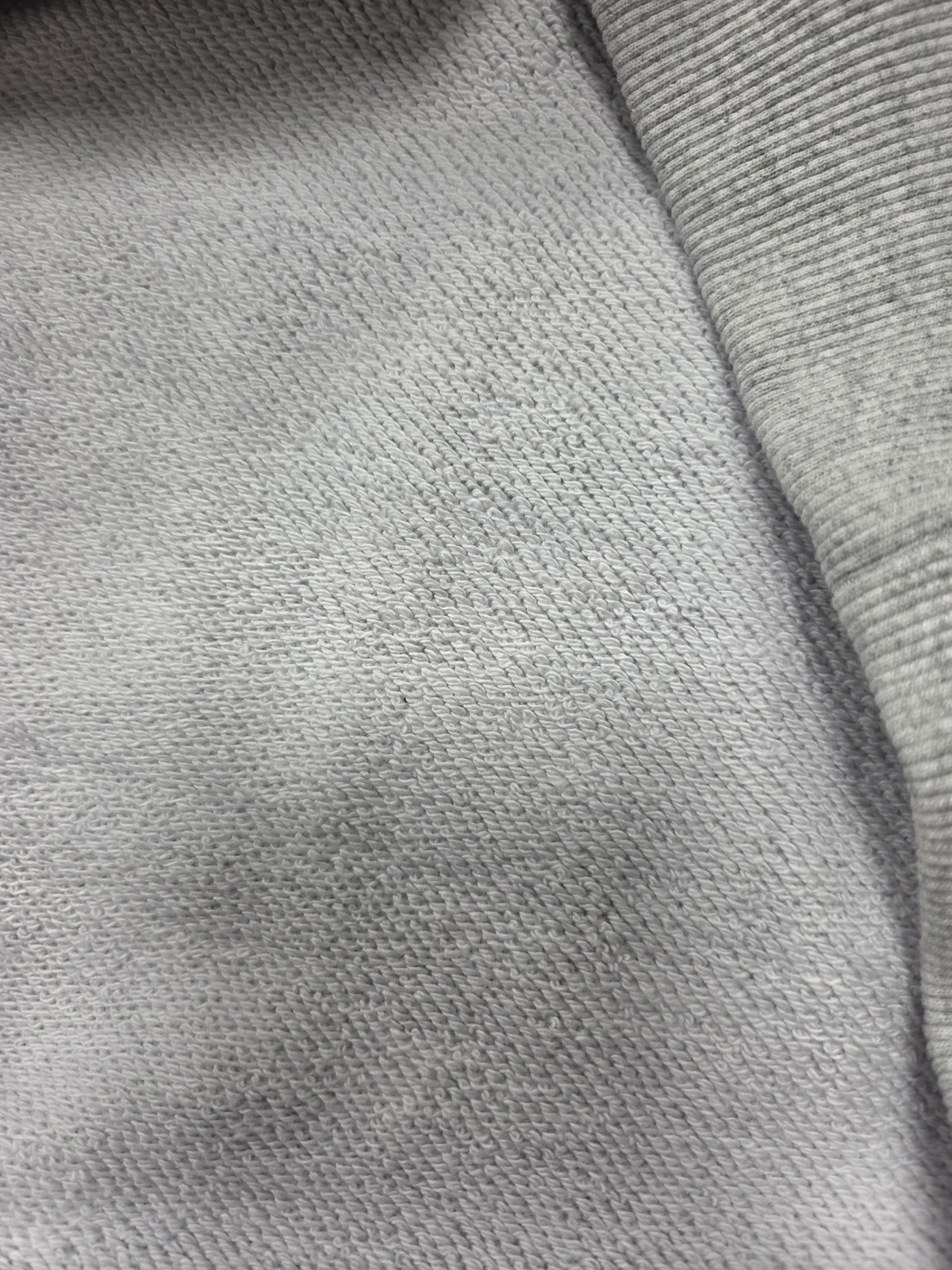
Start with the garment
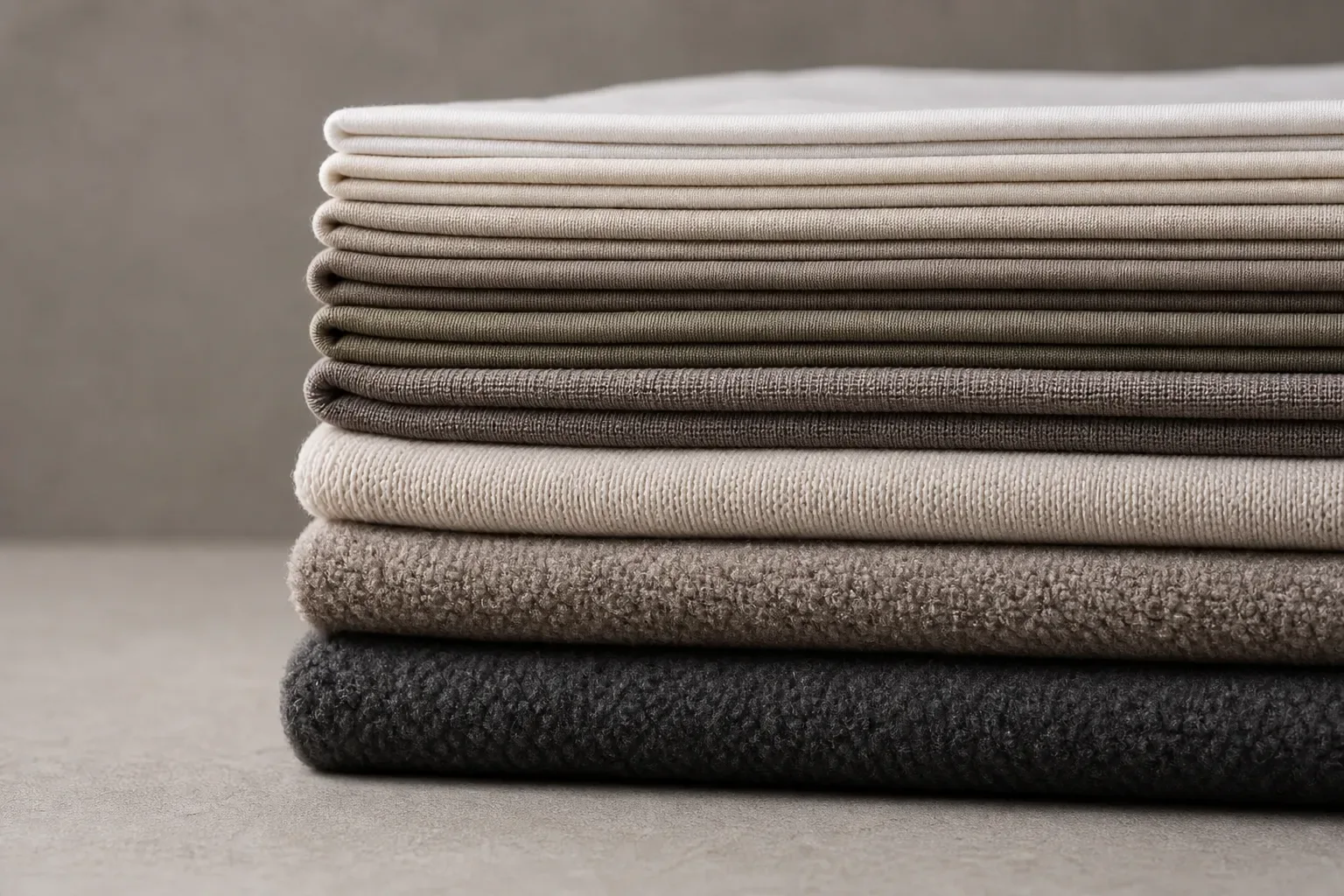
Composition, construction, density and finish change how the same weight wears. The photos show two sample surfaces, not the limits of our sourcing range.
Start with drape, opacity, surface and recovery. Confirm the weight and composition against your fit and artwork.
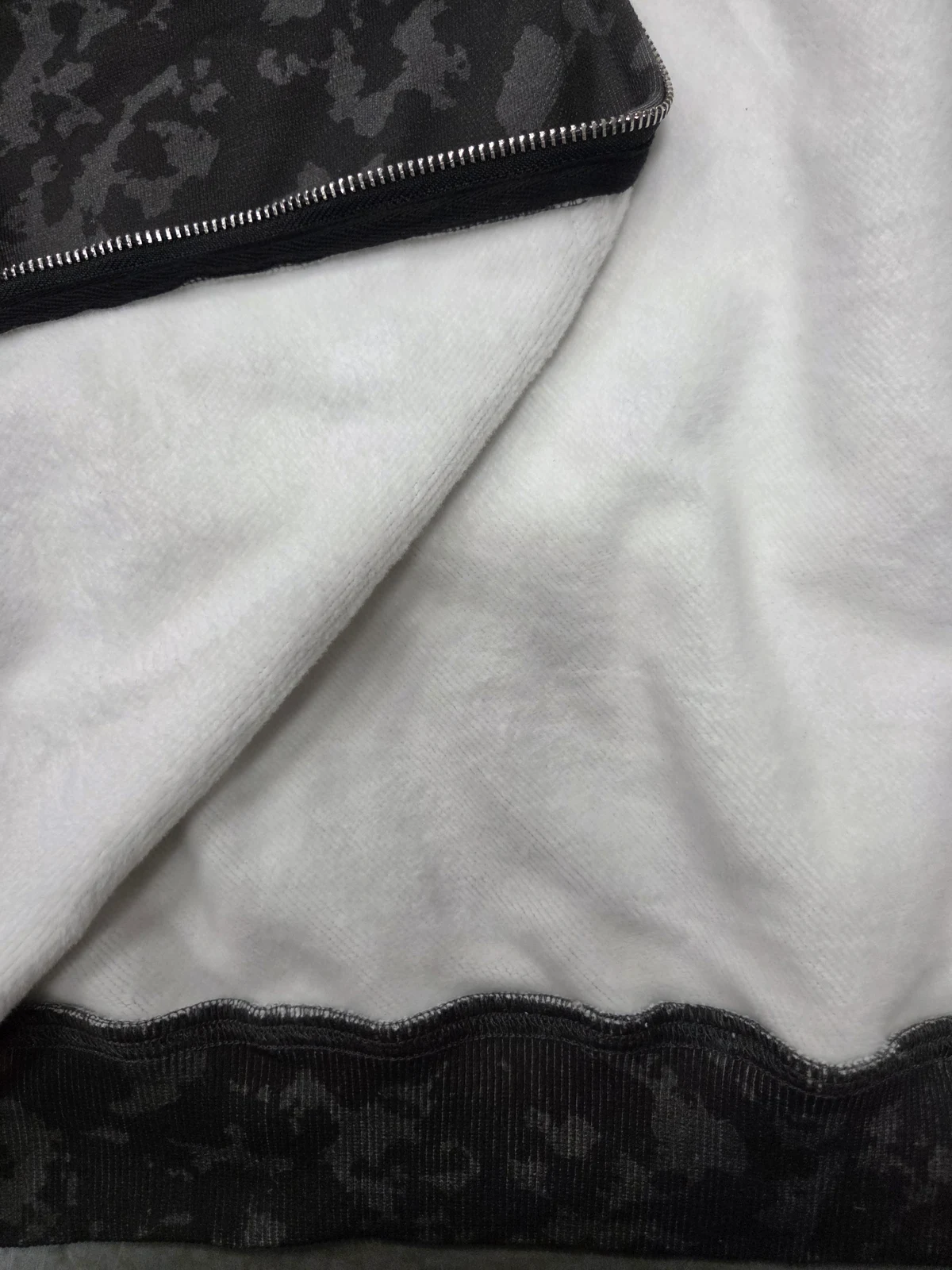
Compare a loop-back or brushed interior, body structure and warmth. Rib quality and shrinkage matter alongside the main fabric.
Review weight, rigidity, stretch and the intended wash. The material and finish need to work with your pattern.
Bring flannel, corduroy, nylon or other project requirements. Availability, finish compatibility and material minimums are checked during sourcing.
Your sourcing brief
A swatch is useful even when you do not know its technical specification. Tell us what you like about it and what should change.
Before material commitment
Compare available materials with your reference. Special colours or constructions can change minimums and timing.
Check drape, handfeel, shrinkage and decoration compatibility on the garment, not just the swatch.
Approve the material and colour reference. State any certification requirement so the relevant fabric documentation can be reviewed.
Send the reference, garment type, target weight, composition, colours and quantity. We review available options and confirm material conditions before sampling.
Questions & answers
Yes. You can send a reference garment, photo, swatch or tech-pack note. Jiashun will confirm feasible fabric directions before sampling.
Yes. Stock fabrics are usually simpler, while special weights, colours, washes or trims can affect MOQ, sample timing and bulk lead time.
350-500 gsm is the heavyweight hoodie range we run most; 250-300 gsm is the heavyweight tee zone, and lighter builds go down to 180 gsm. Weight is only one axis — knit density and fiber content decide how the number actually feels.
Yes — send the swatch or the garment it came from. We match composition, weight and hand as closely as mill options allow and send counter-swatches with the quote for approval.
Yes. OEKO-TEX® Standard 100 (Class I) certified fabric options and GRS-certified recycled fabrics are available — state the requirement in the project brief alongside fabric type and weight.
Go deeper
What fabric weight numbers actually mean on the body.
Read guide →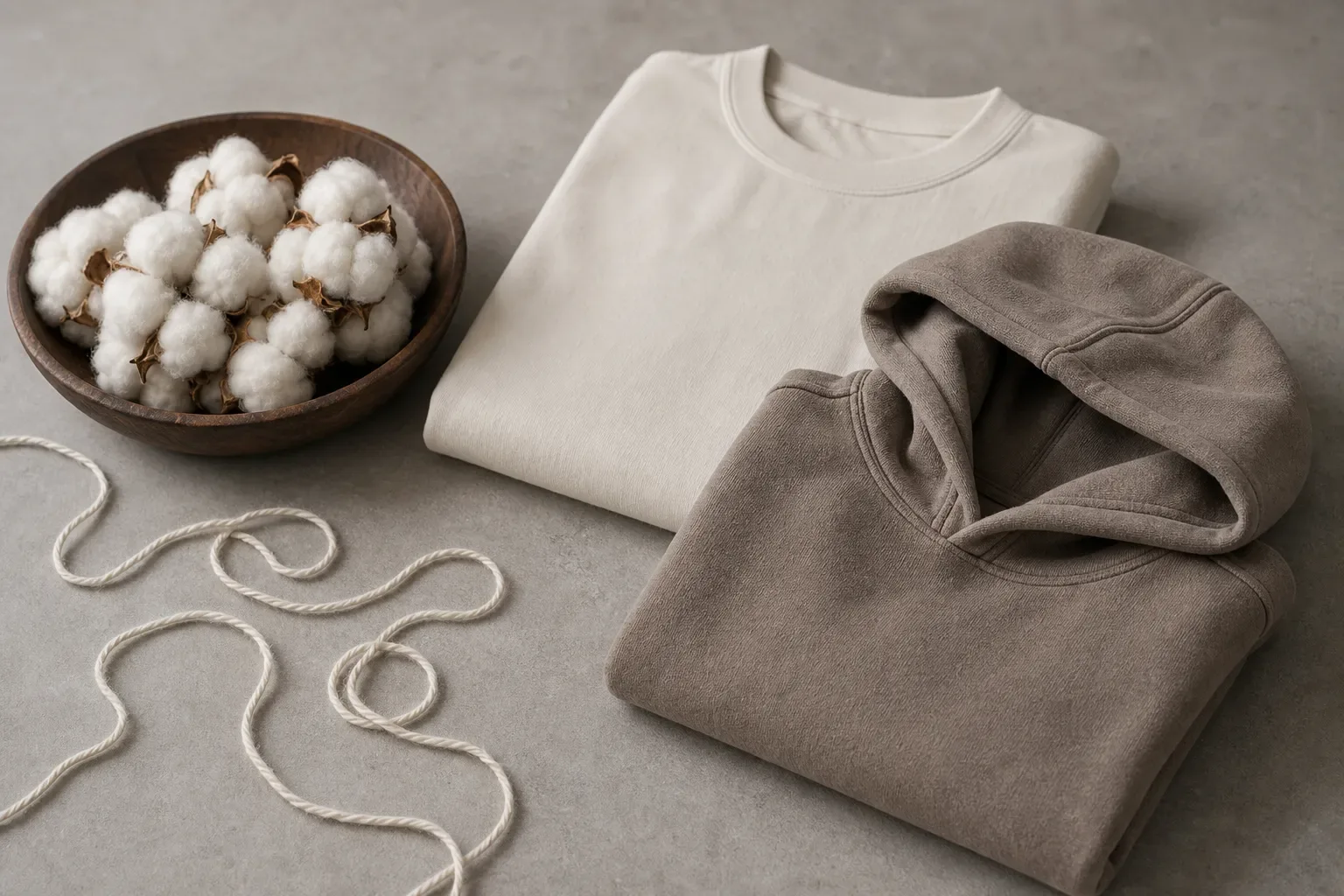
When pure cotton is a technical requirement and when a blend serves better.
Read guide →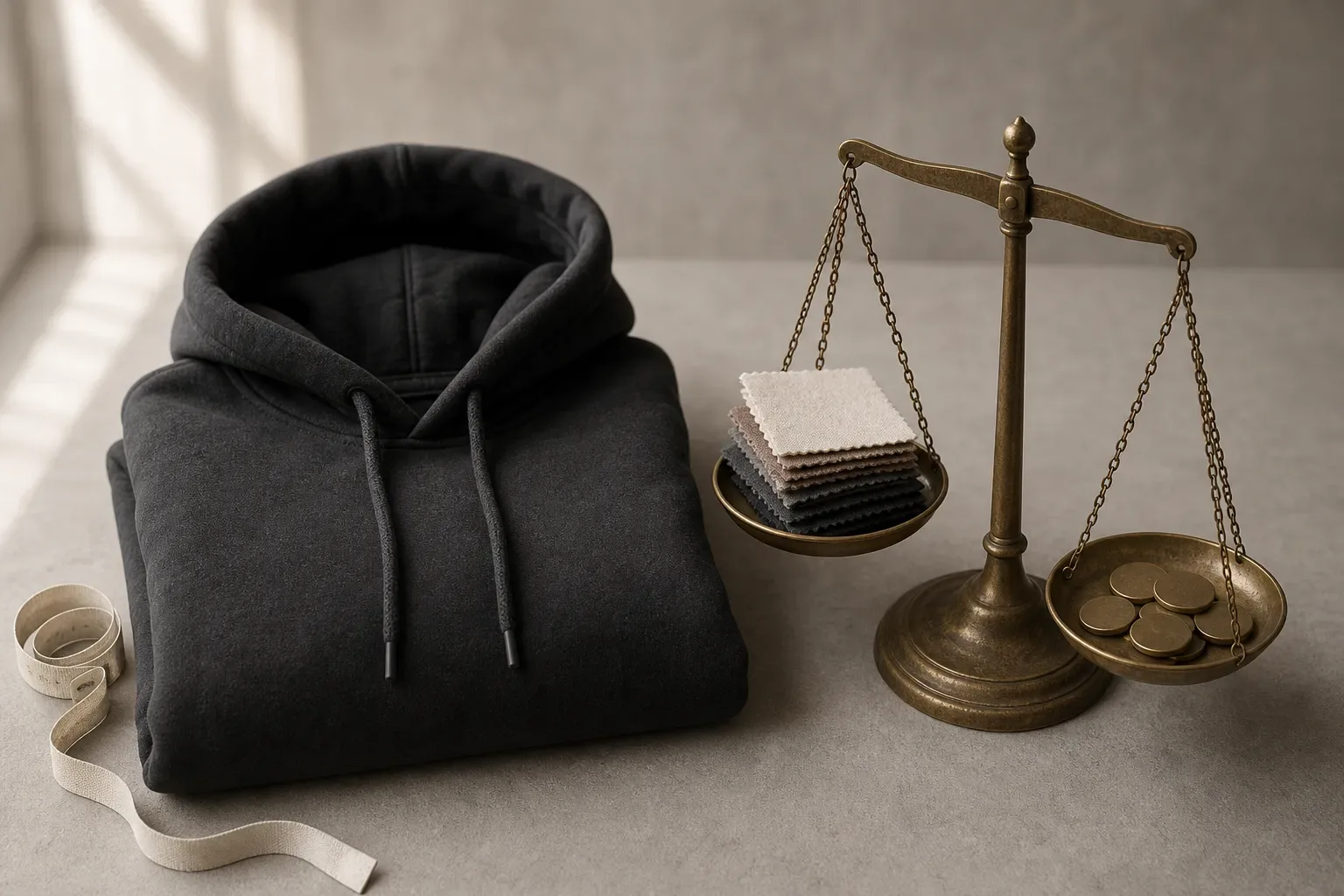
Where the real differences hide when two quotes name “the same” fabric.
Read guide →