Jiashun / Buyer Solutions
Custom clothing manufacturer solutions.
From sample
to production.
Develop tees, hoodies, denim and outerwear around your fit, fabric and artwork. Compare production routes, understand the minimums, and see what to confirm before the first sample.
Humen, Dongguan From sample to production
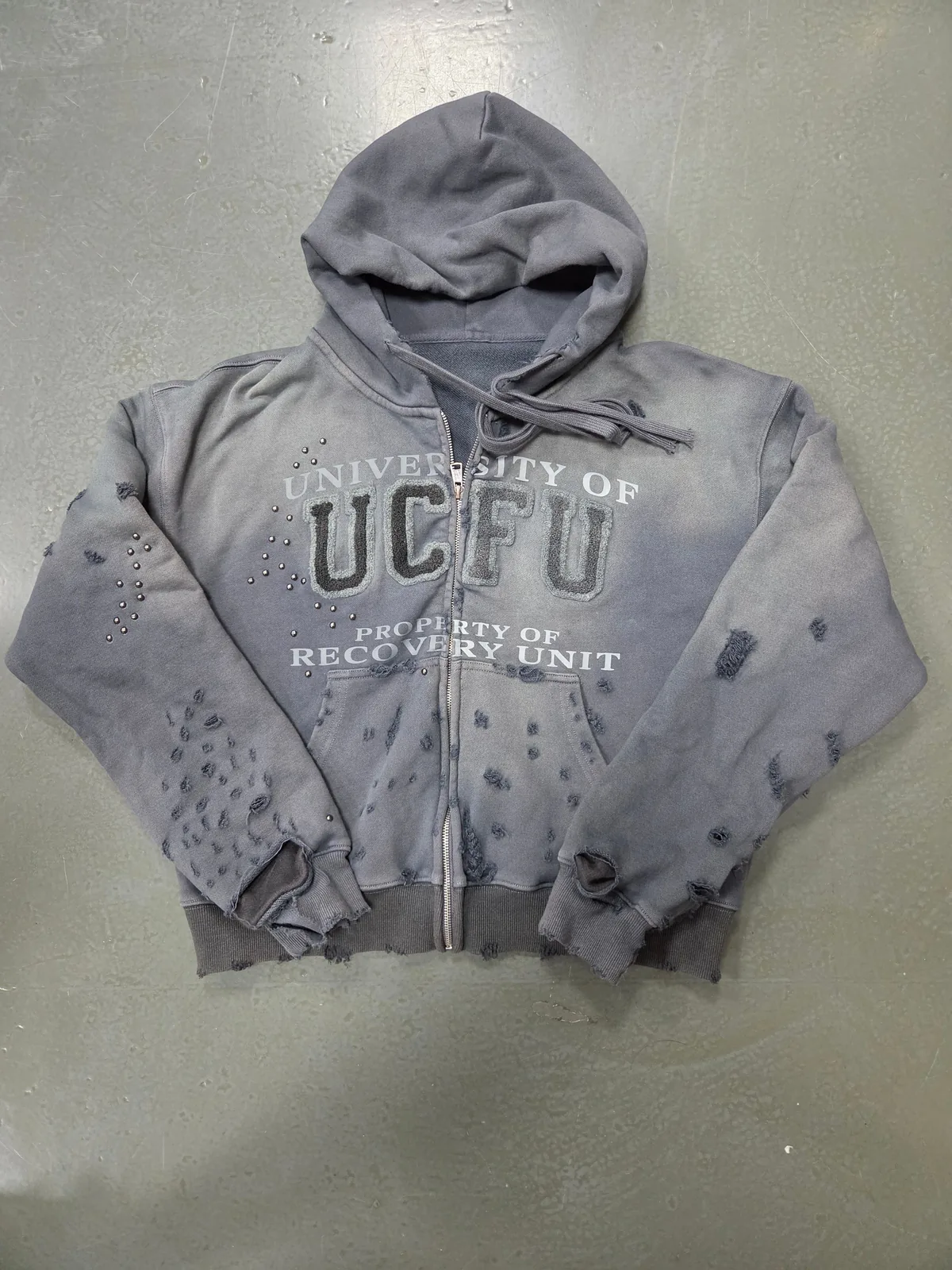
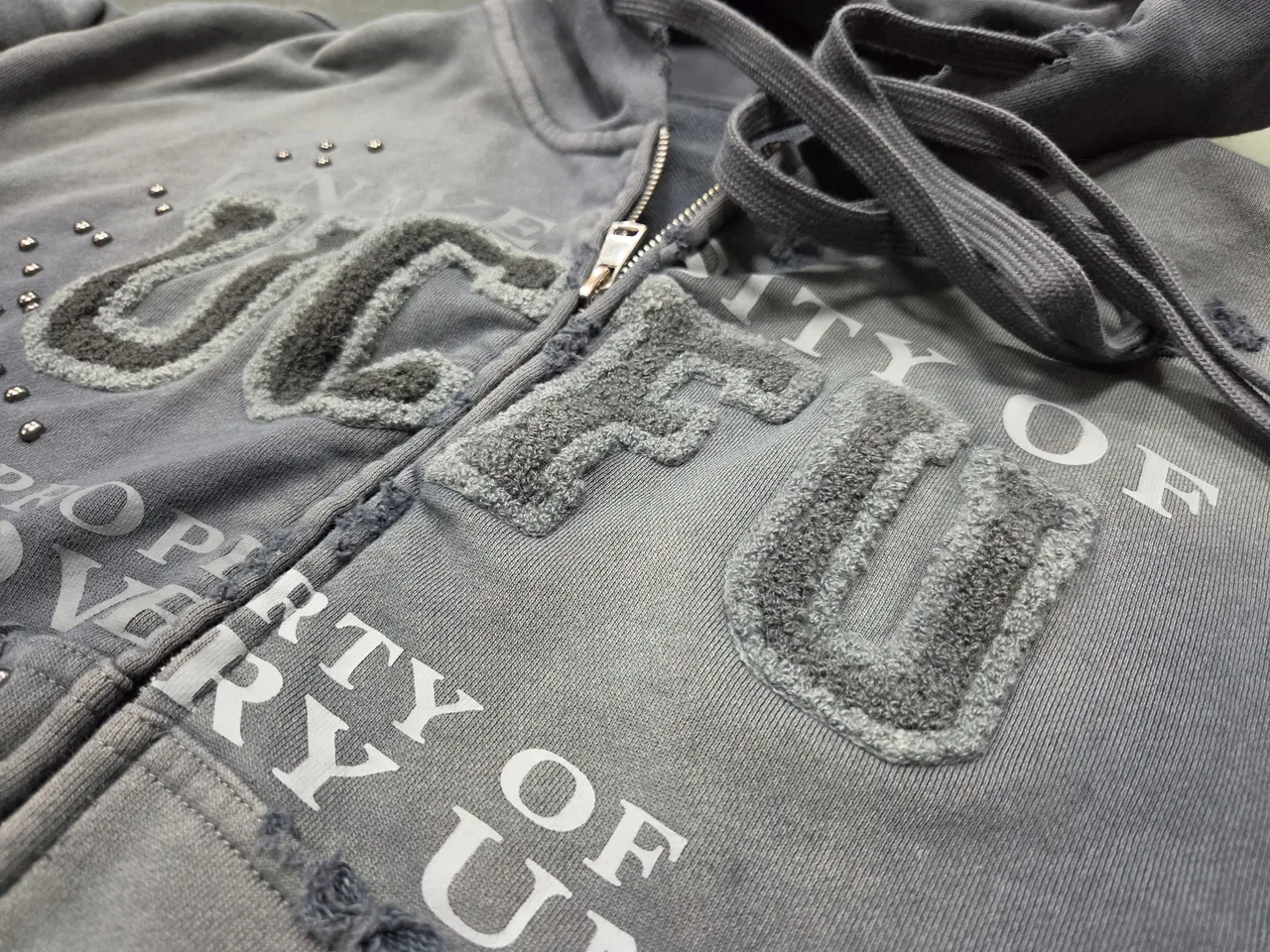 Appliqué, print & distressed finishing.
MOQ per style, per color
Simple samples · after details are confirmed
Bulk production · after sample approval
Find your starting point
What are you making next?
These routes can work together. Small batch describes order size; Cut & Sew, Private Label and OEM describe different parts of the work.
Collection plans: startup brands, drops and small batches
Start with the decision you need help with: developing the range, coordinating a drop or keeping the first run small.
 01
Clothing Brands
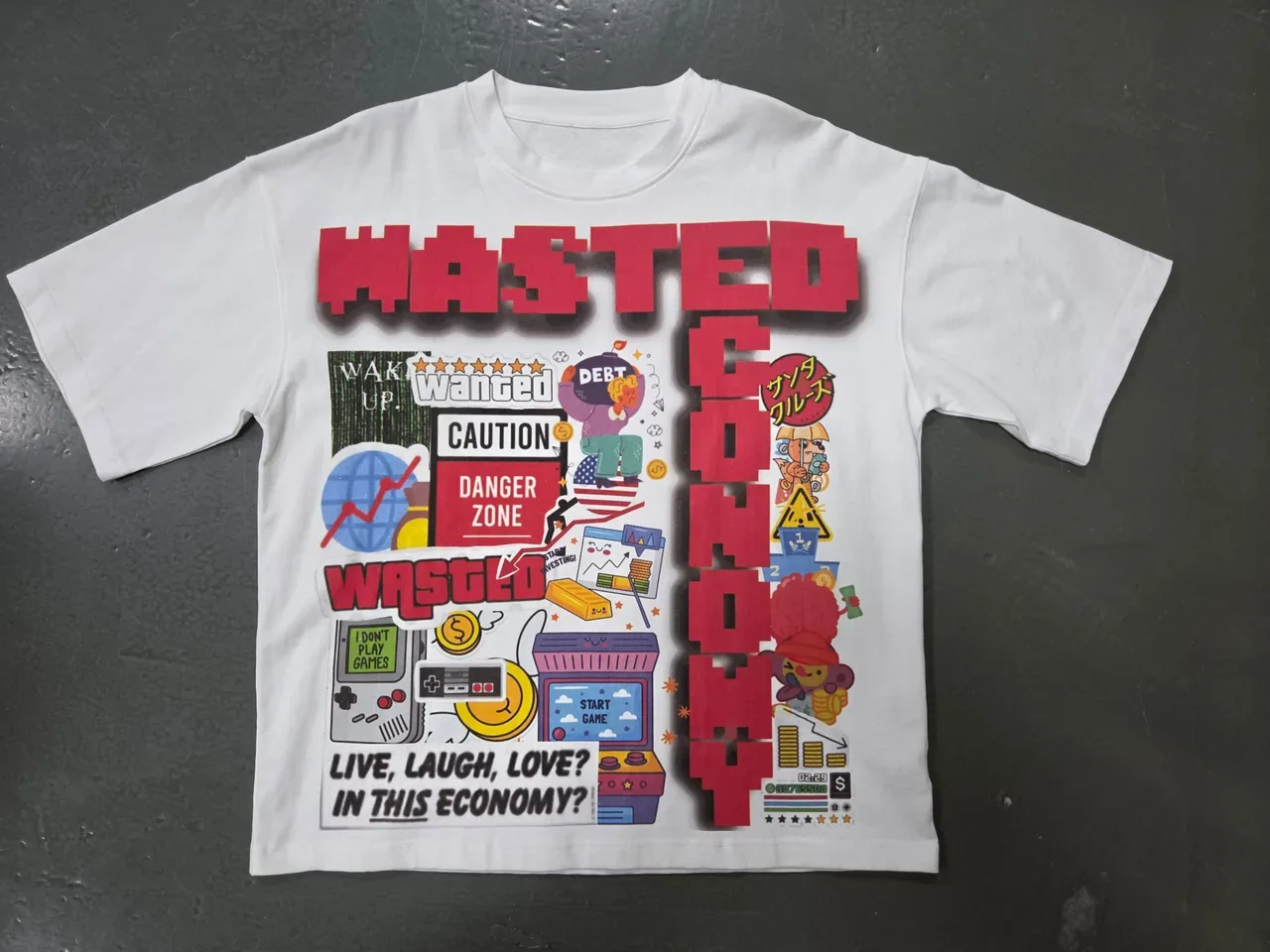
Turn garment references into a development brief: target measurements, fabric direction, artwork, labels and a sample plan for each style.
- Choose this when
- You are starting a clothing line or moving an existing range to a new manufacturer.
- Clarify first
- Which styles come first, the fit reference for each, and quantities by style and color.
 02
Drops & Capsules
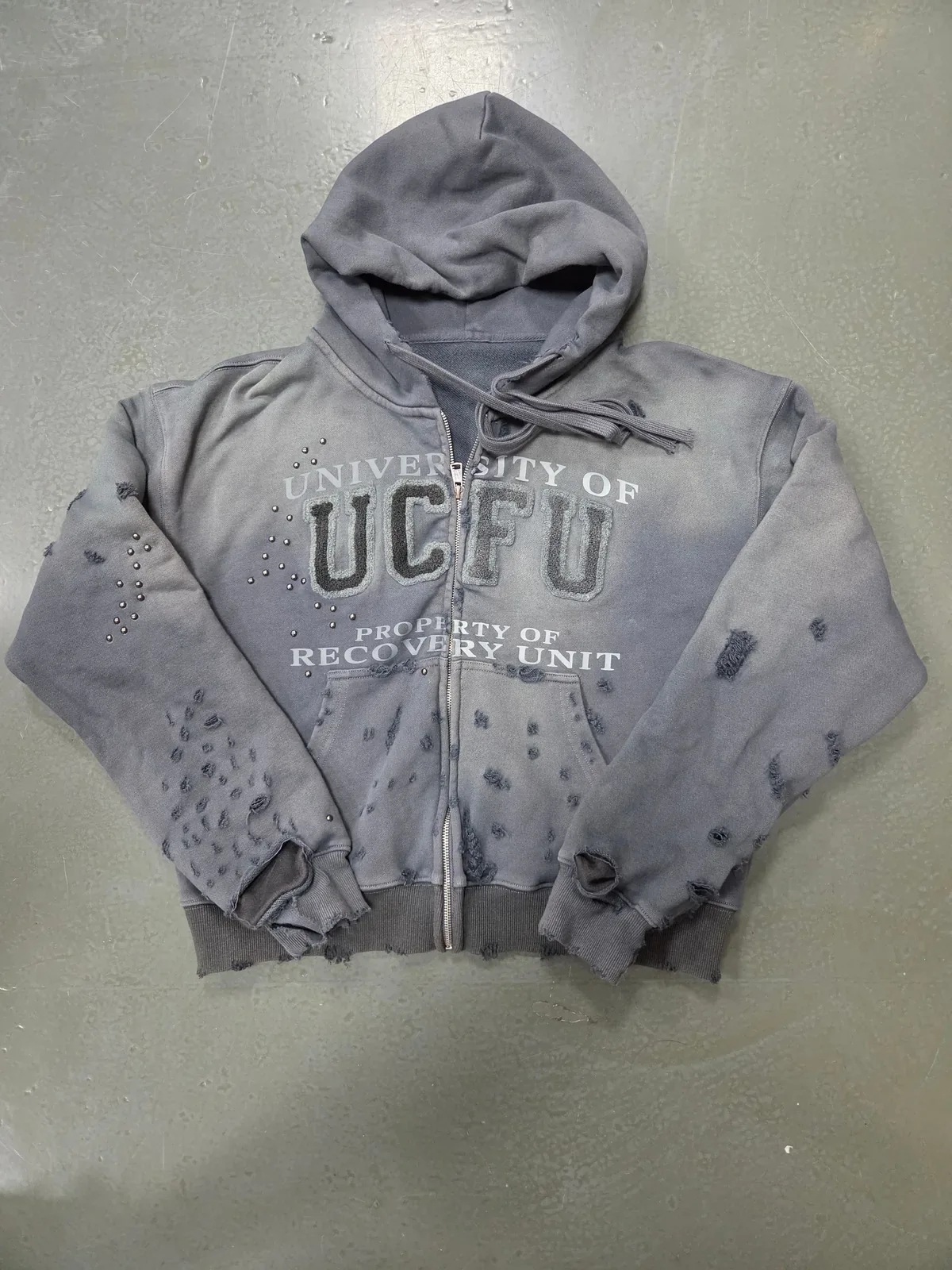
Coordinate the fabric, proportions, graphic placements and wash direction across tees, hoodies and bottoms in the same release.
- Choose this when
- Your collection needs to look consistent across several garments, colors or finishing methods.
- Clarify first
- The shared design direction, style-by-style details and which samples need approval before the launch.
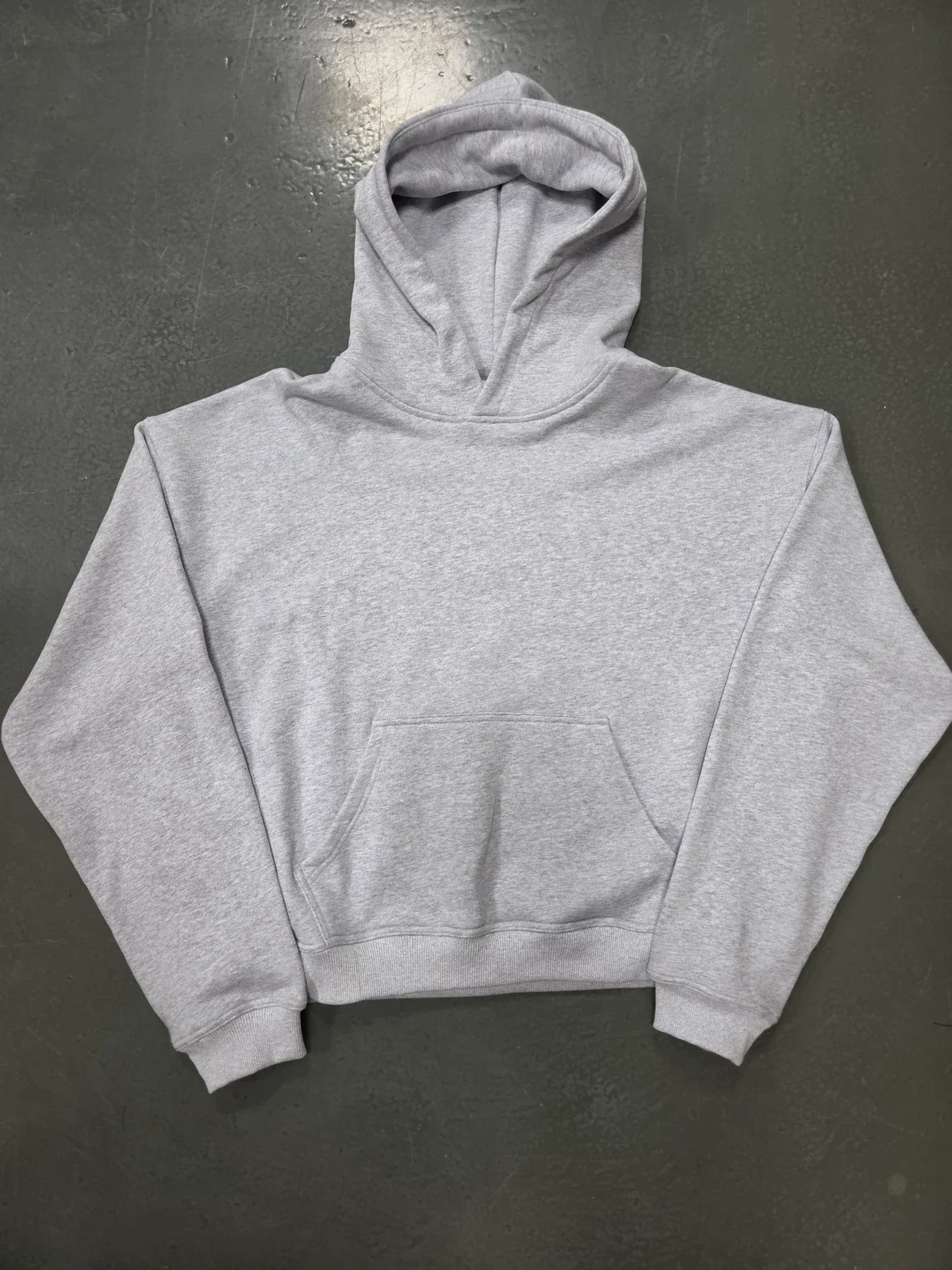 03
Small Batch
Plan a focused production run from 50 pieces per style, per color. Develop and approve the sample before committing the design to bulk.
- Choose this when
- You want to test a design with a limited run before expanding the collection.
- Clarify first
- The quantity of each colorway. Adding styles or colors adds separate minimums; it does not split one 50-piece allowance.
Production scope: cut and sew, private label and OEM
Cut & Sew describes garment construction. Private Label covers brand components. OEM brings the agreed production stages together.
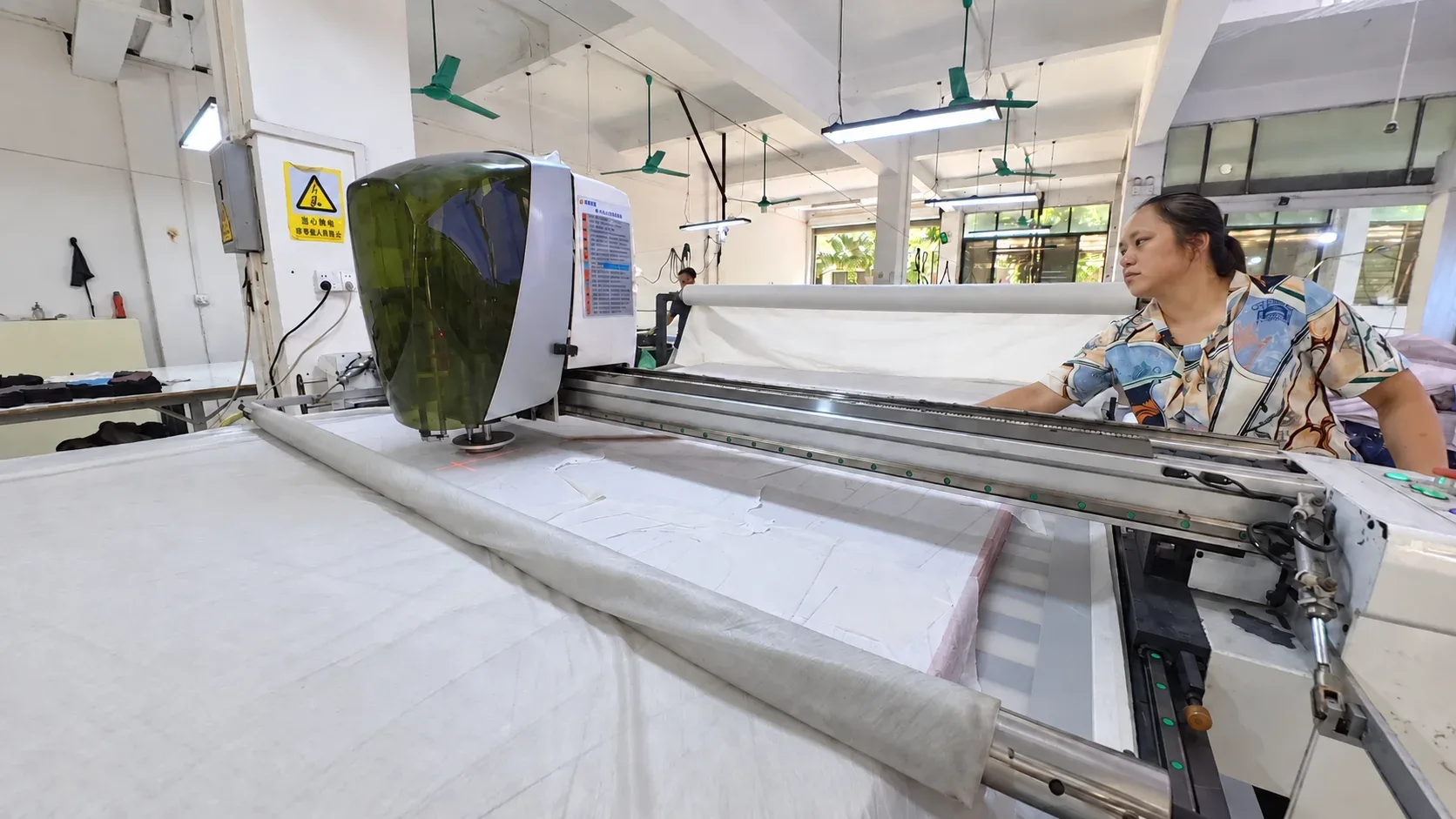 04
Cut & Sew
Develop the garment from fabric and a pattern, including custom proportions, panels, pockets, seams, ribbing and construction details.
- Choose this when
- A stock garment cannot give you the fit or construction your design needs.
- Clarify first
- Measurements, reference garments and construction details. Pattern and sample development need their own scope in the quote.
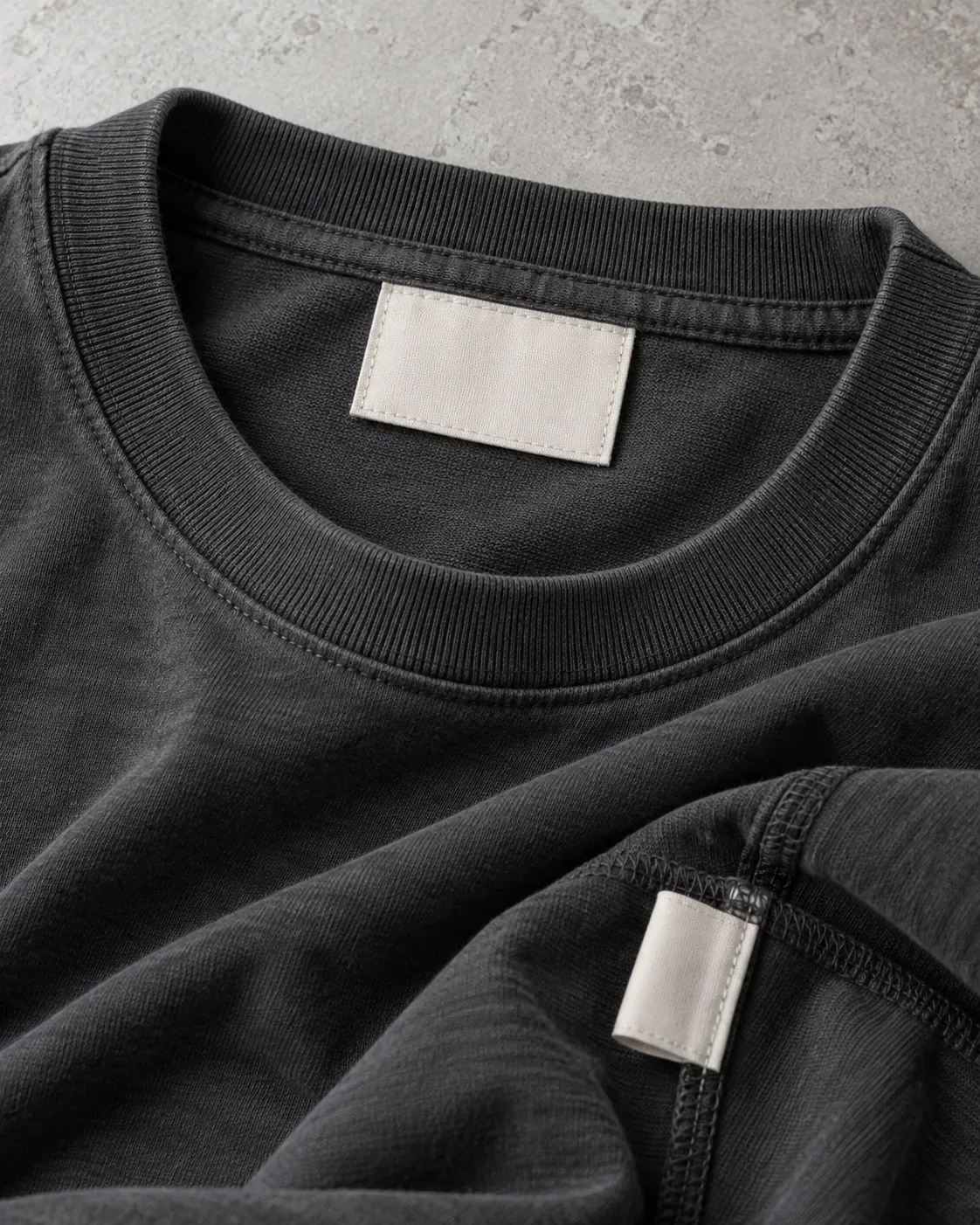 05
Private Label
Specify the brand components on a made-to-order garment: neck and size labels, care labels, hang tags, unit packaging and carton details.
- Choose this when
- Your garments need a consistent brand identity through labeling and packing.
- Clarify first
- Which components are included, buyer-supplied or priced separately, plus artwork, placement and any component minimums.
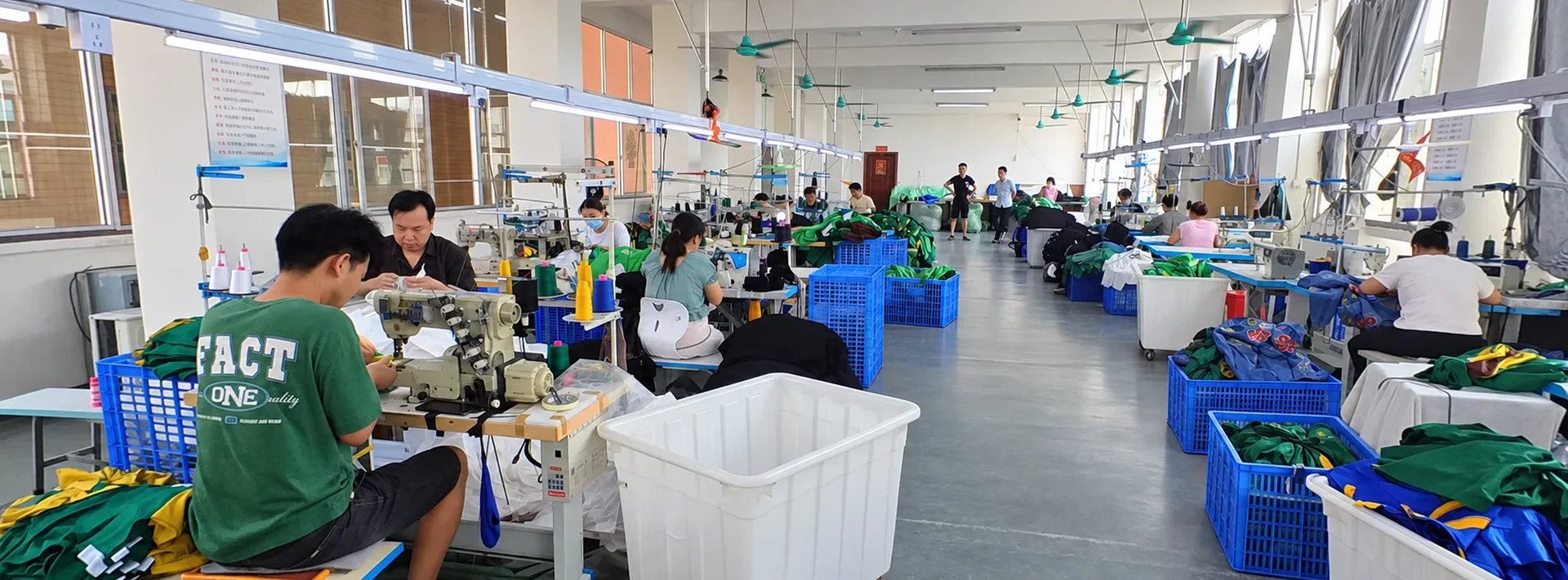 06
OEM Clothing
Coordinate pattern development, fabric sourcing, cutting, sewing, decoration, quality checks and packing against the agreed garment specification.
- Choose this when
- You need the factory to manage the production program for your brand, beyond one isolated process.
- Clarify first
- The full specification, sample approval points, production scope and packing requirements; confirm inclusions in the quotation.
Custom merch and anti-counterfeit hang tags
Build apparel around a campaign, or add unit-level verification to your garment order. Confirm the scope alongside production.
 07
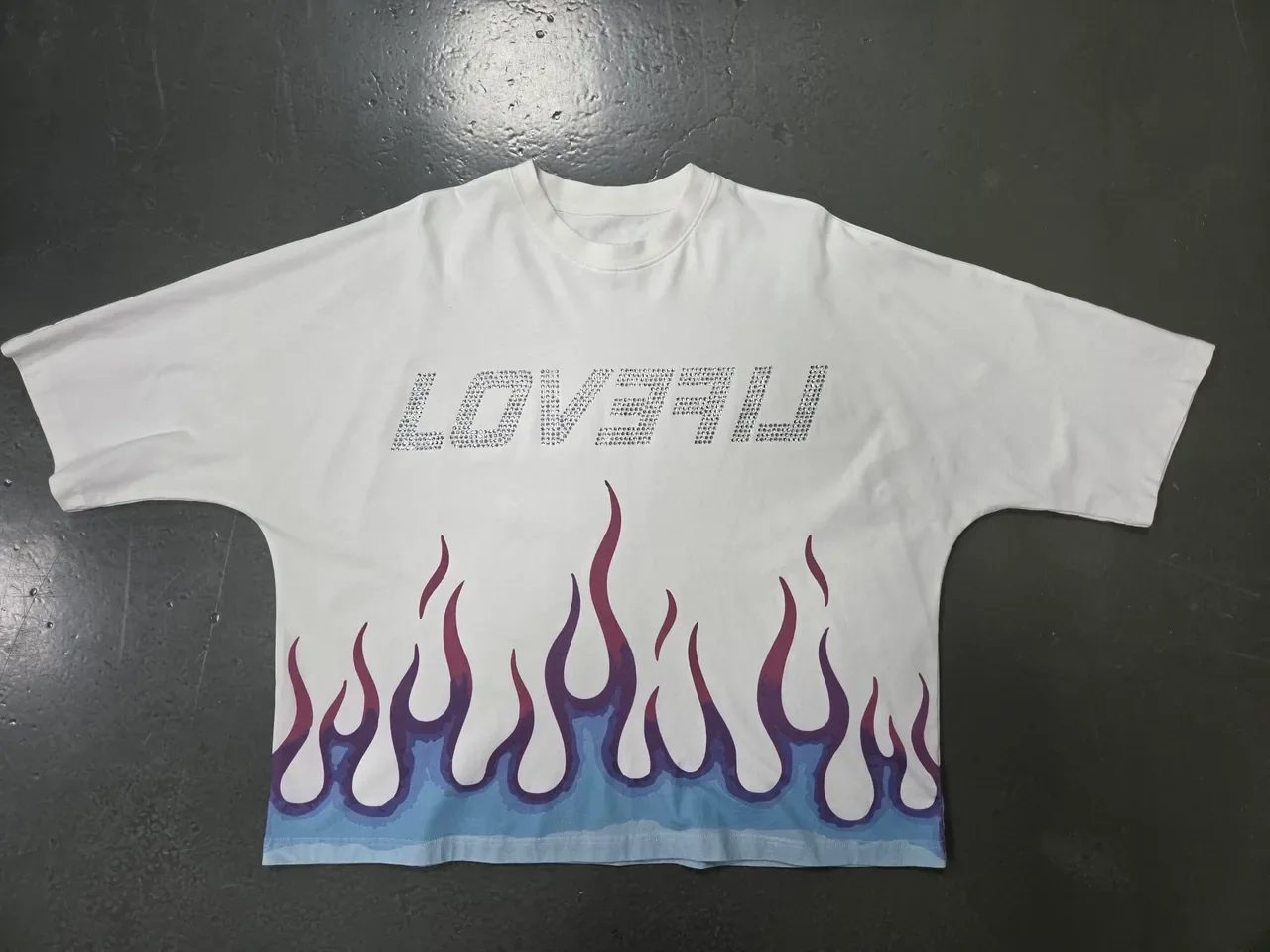
Custom Merch
Match your campaign artwork to a garment, decoration method and size breakdown, then plan packing and delivery around the event or release.
- Choose this when
- You are producing apparel for a creator, community, event or brand campaign.
- Clarify first
- Artwork dimensions, quantities by size and color, delivery destination and the date the goods must arrive.
 08
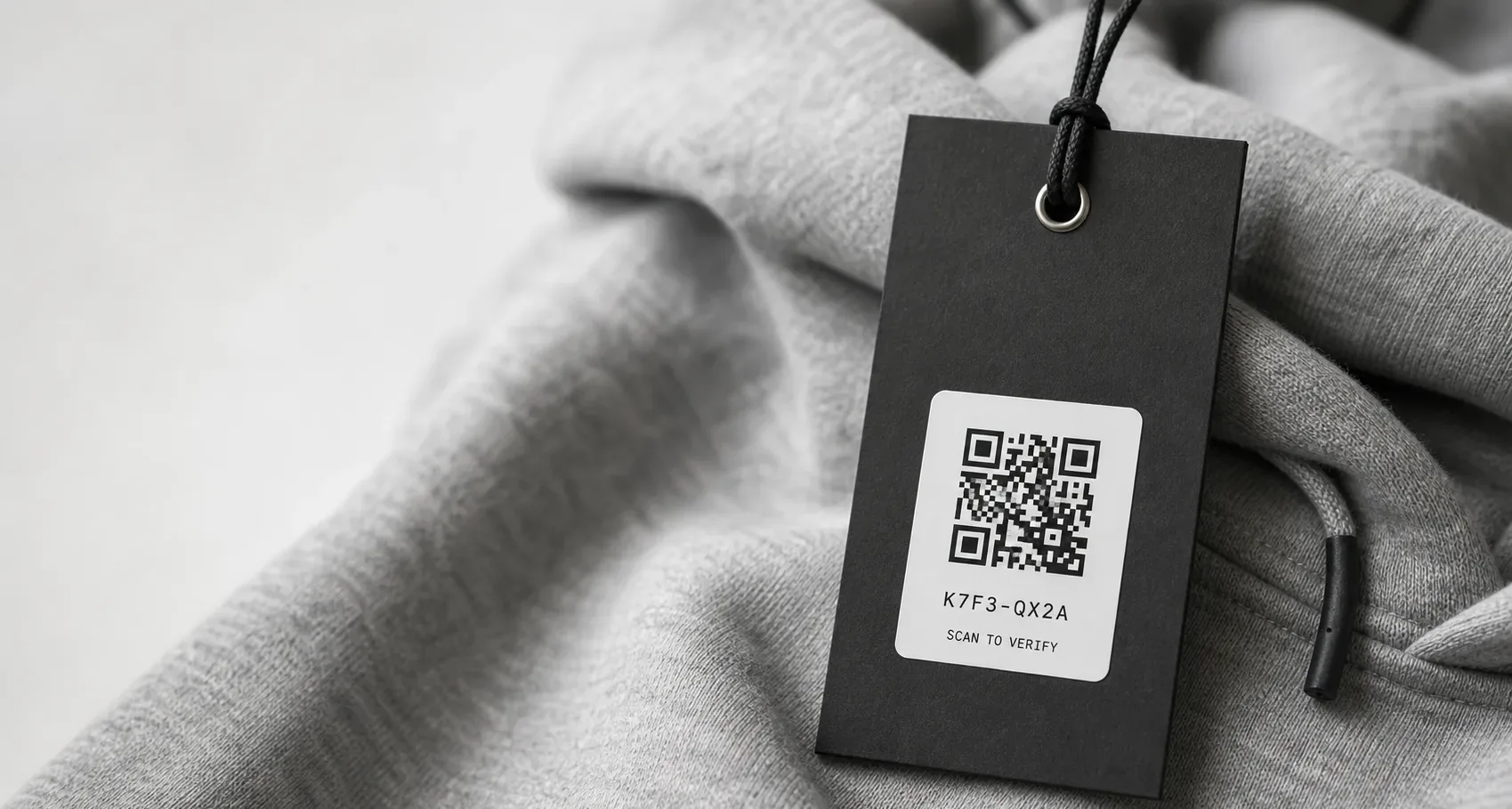
Anti-Counterfeit Tags
Add a unique code to each garment’s hang tag, with a branded verification page and scan history for your team to review.
- Choose this when
- You want buyers to check a garment code and your team to review repeat or unusual scans.
- Clarify first
- Tag artwork, product records, the verification domain and packing-line code assignment. A code does not physically prevent copying.
Illustrative order plan
How one clothing order combines several solutions
Imagine a custom-fit hoodie with a chest print and your own labels, in black and grey. You want 50 pieces of each color.
This meets the published garment minimum of 50 pieces per style, per color. Sizes are allocated within each color quantity; different designs do not share one minimum.
- Small Batch
- Sets the run size: one style, two colorways.
- Cut & Sew
- Develops the hoodie’s pattern, fit and construction.
- Private Label
- Specifies your neck label, hang tag and packing components.
- OEM
- Can coordinate these stages within the agreed production scope.
Before quoting: agree the fabric, print size, measurements and label package. Confirm component minimums and whether both colors need physical sample approval. Adding another style or color changes the quantity plan.
What gets approved
Clothing sample approval checklist
A product photo shows the direction. A physical sample lets you review the fit, feel and finish. Use these checkpoints to record what bulk production should follow.
- 01Fit & size grading
- Chest, body length, shoulder, sleeve and the intended fit. Confirm how measurements change between sizes; an oversized fit needs more than a larger size label.
- 02Fabric & handfeel
- Composition, knit or weave, weight and surface feel. Include a reference swatch when possible, and agree how shrinkage will be checked before approving the measurements.
- 03Artwork & placement
- Print or embroidery method, finished dimensions, colors and position from a defined seam. A mockup without scale leaves important decisions open.
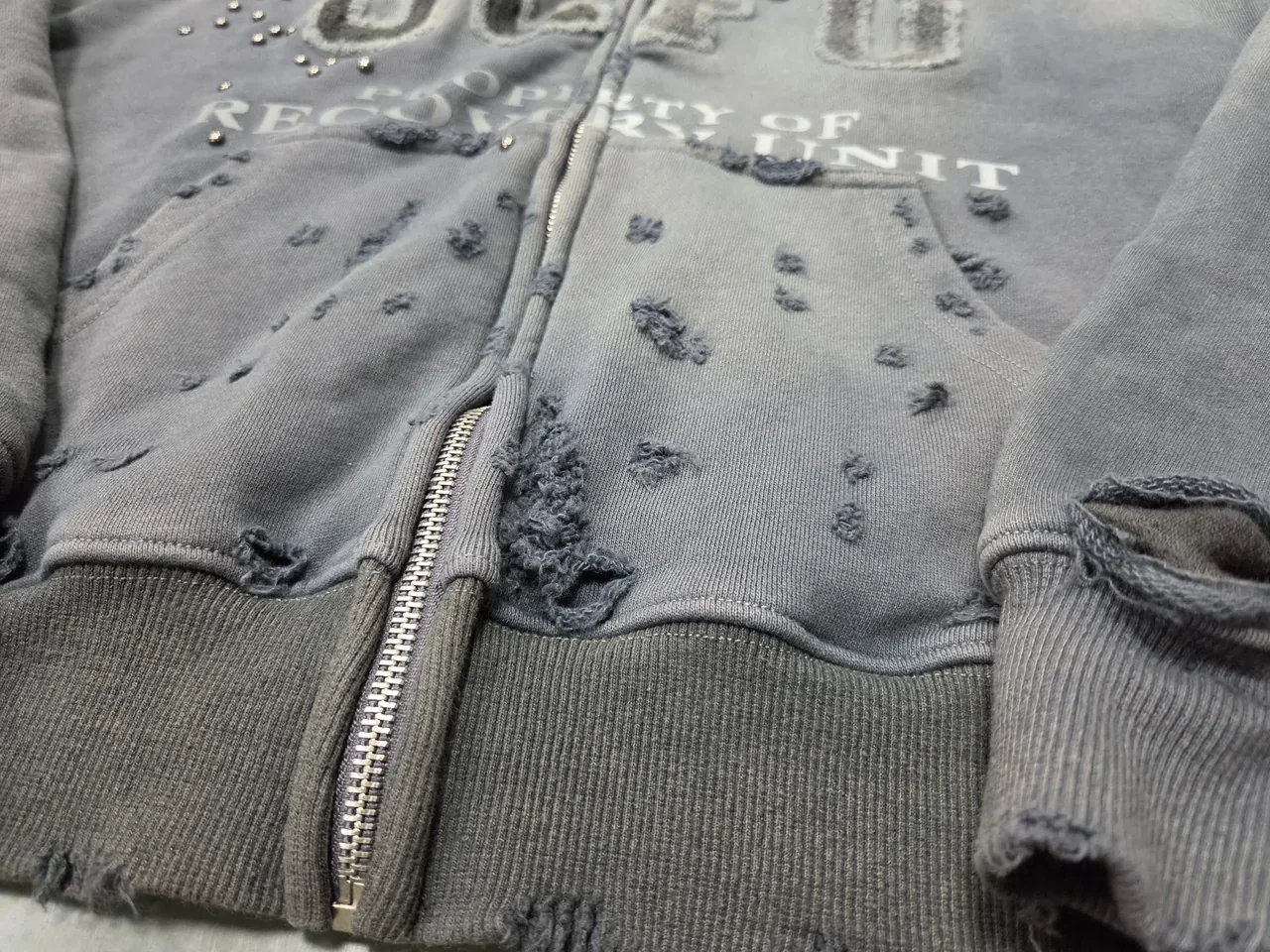
- 04Wash & distressing
- Shade, fade placement, abrasion and acceptable variation. Review the effect on the chosen fabric and the finished garment, rather than approving a color on a screen alone.
- 05Construction & trims
- Panel joins, pocket shape, stitch appearance, zipper, rib and other hardware. Review how these details function as well as how they look.
- 06Labels & packing
- Label artwork and placement, size identification, hang tags and unit packing. Confirm which physical components the sample includes and which require a separate approval.
Prepare the first conversation
What to send a clothing manufacturer for a quote
You can start without a finished tech pack. A clear reference and quantity plan help us identify what still needs development before pricing.
- 01
Garment & reference
Front and back images, a sketch or tech pack. Mark the details you want to keep or change.
- 02
Fit & fabric direction
Target measurements, a fit reference and fabric weight or handfeel. Say what is still undecided.
- 03
Quantity breakdown
Units for each style and color, then the size split within that quantity.
- 04
Artwork & branding
Artwork files, placement dimensions, preferred technique, labels, hang tags and packaging.
- 05
Destination & timing
Delivery country and postal code, plus the date the goods need to arrive.
- 06
Development starting point
Tell us whether you have an approved sample, a previous production spec, or only a concept.
Example of a useful first message
“We’re developing one boxy zip hoodie in black and grey, 50 pieces per color. Attached are front/back references and a size chart. We want a chest print, woven neck label and individual packing. Fabric weight is still undecided; please help us compare options. Delivery is to [country/postal code], and our target arrival date is [date]. Please confirm the sample scope, costs and production plan.”
A clear next step
How to brief a clothing manufacturer: start with one style
Send your garment reference and quantity breakdown. We’ll review the fit, material, decoration and packing requirements so the quotation covers a defined product. Sample development and bulk production are confirmed for your project.
Send a Buyer Brief- 01
Share your direction
Review the brief and quotation scope, including sample work, bulk units and packing.
- 02
Develop your sample
Check measurements, handfeel, artwork and finishing on the physical garment. Record any revisions.
- 03
Approve, then produce
Confirm the physical sample before bulk begins.