Buyer solution

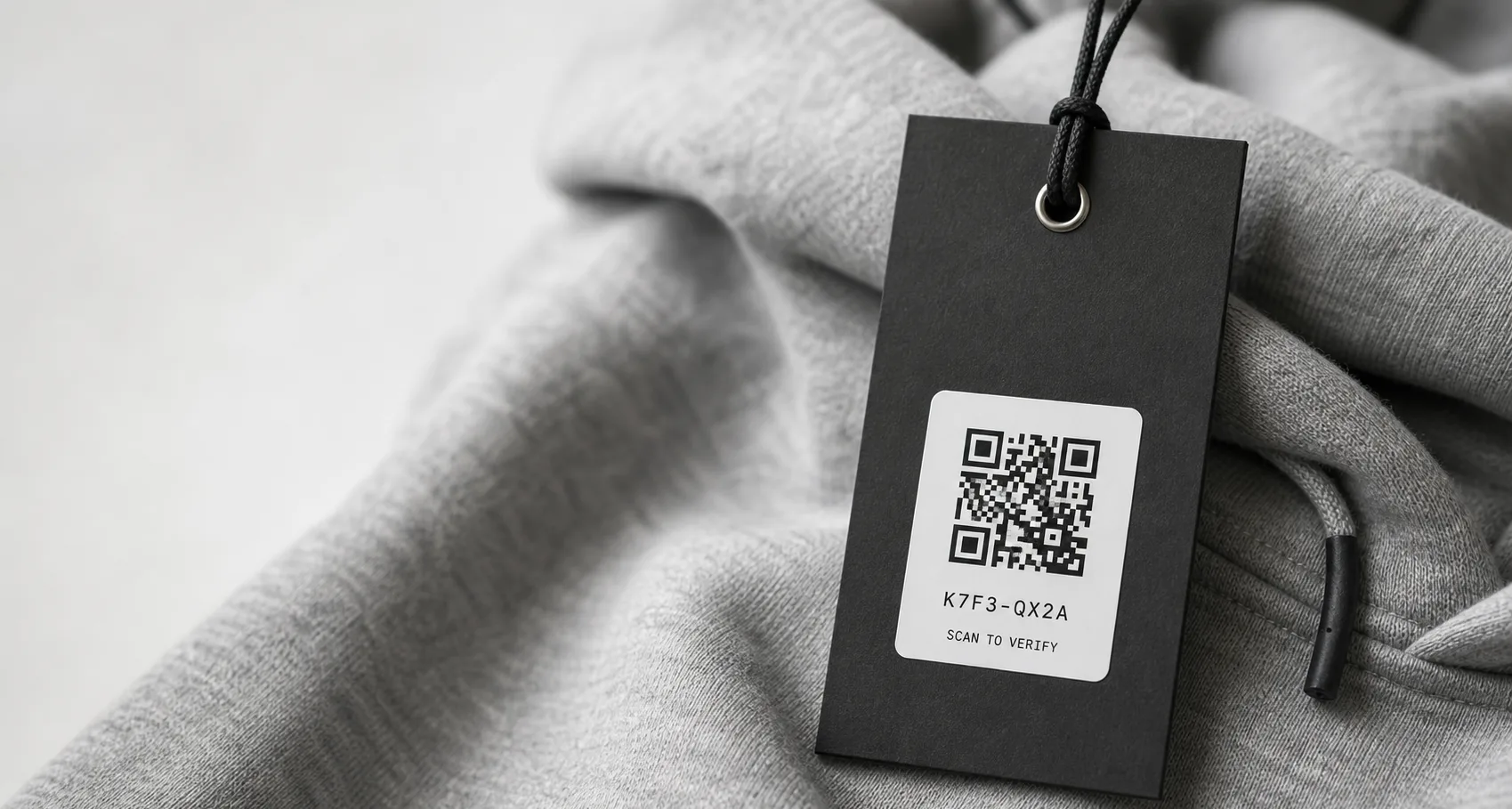
Anti-Counterfeit QR Hang Tags, Applied on the Production Line

Ship every unit with its own scannable authenticity code — printed on the hang tag, bound to the garment at packing, and backed by a verification page and scan dashboard your brand controls.

Codes
One per garment
Verify page
8 languages
Platform
Open source (MIT)
MOQ
From 50 pieces

The verification platform is open source — github.com/jiashunclothing/tag-tracing — auditable end to end. We run it, you brand it, your buyers scan it.

Typical buyer problems

Clarify the sourcing risk before sampling.

This path connects the buyer scenario to product intent, customization details and manufacturing checkpoints before sending an inquiry.

How it works

The numbers behind the promise.

From production line to first scan

Codes are generated per batch before packing, printed with your hang tag artwork, and bound to each product during final packing — the same station as your AQL inspection. From that moment every garment has its own scannable identity: buyers see an authenticity page with your product and company details; you see the scan land on the dashboard.
What the scan data is good for

Scan logs are field data, not theater: which regions actually check codes, which products get verified most, resale activity signaled by repeat scans of one unit, and gray-market movement when scans appear where you never shipped. For a small brand this is distribution intelligence you otherwise never get.

Why copied tags do not pay off

Every code is unique to one garment and lives under a verification domain only you control. Guessing a valid code is a one-in-hundreds-of-trillions event, and mass-duplicating a real tag produces scan patterns a genuine unit never shows: one garment verifying dozens of times across cities. Those anomalies surface on your dashboard and become evidence you can take to platforms and enforcement.

The numbers

The program at a glance.

What ships with an authenticity tag program on a standard order.

ItemWhat you getNotes
CodesUnique 8-character code per unit, batch-generatedRandom space of hundreds of trillions of codes
TagQR printed on your hang tag artwork or a dedicated tagDesigned alongside the rest of your label package
Verify pageBranded page: logo, colors, product photos, company info8 languages: EN, 中文, 日本語, 한국어, FR, DE, ES, PT
DashboardScans over time, regions, top products, per-code historySecured admin access for your team
DomainHosted verification, or your own domainYour own domain strengthens the trust model
PlatformOpen source under MITgithub.com/jiashunclothing/tag-tracing

Recommended sourcing path

Move from reference to quote-ready brief.

  1. 01Read how the system came to be

    A client found counterfeits; the factory built its own tag-tracing system and open-sourced it.

  2. 02Pair with your private label package

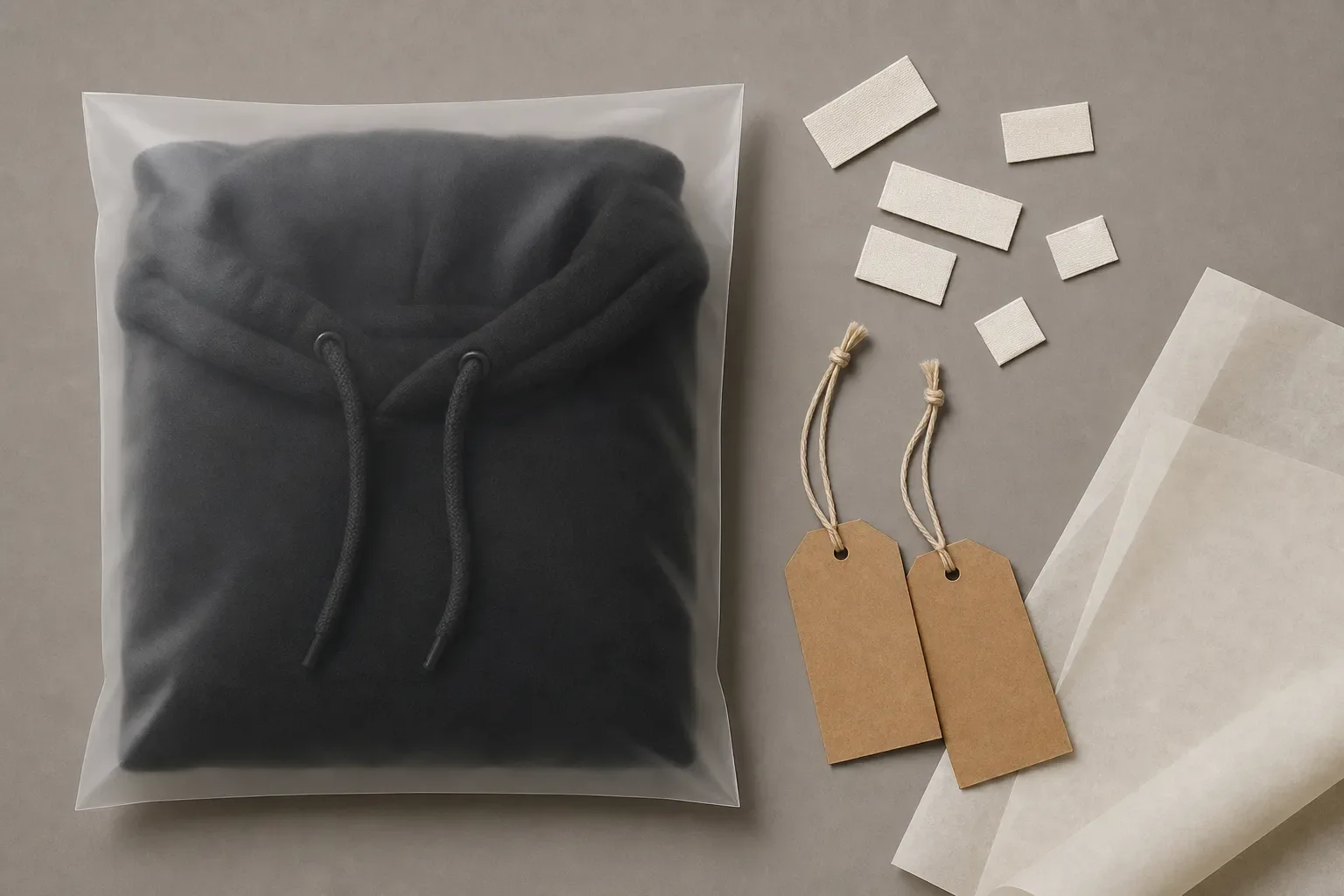
    Codes ride on the same hang tags, neck labels and polybags you are already speccing.

  3. 03Confirm packing and QC checkpoints

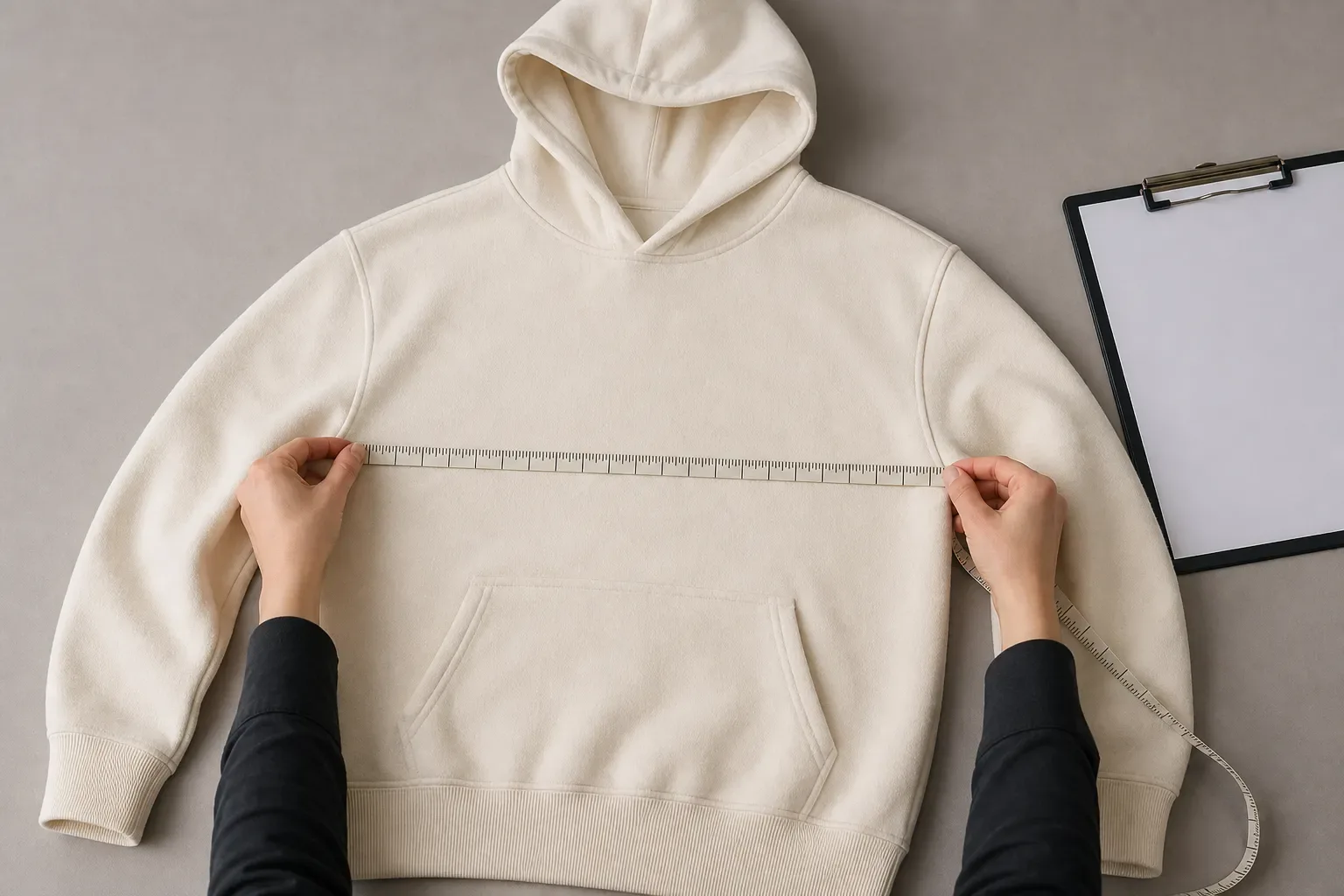
    Code binding happens at final packing, inside the same inspection flow as your AQL check.

  4. 04Request a program quote

    Send styles, quantities and whether you want your own verification domain; the quote itemizes the tag program.

Why brands stay

Built for the first order and the fiftieth.

  • Tags are applied on the production line, not retrofitted — codes and garments are bound at final packing.
  • One vendor for the garment, the label package and the authenticity program — one quote, one timeline.
  • The platform is open source — your codes outlive any vendor subscription.
  • Verification page speaks 8 languages out of the box — overseas buyers scan and read it in their own language.

FAQ

Questions before sending a buyer brief.

How do QR authenticity tags work with a production order?

We generate a unique code for every unit in your run, print the QR into your hang tag artwork (or a dedicated authenticity tag), and bind codes to products at final packing. Your buyers scan the tag and land on a branded verification page; you watch scans arrive on a dashboard. The garment MOQ starts at 50 pieces, with the final minimum confirmed after project review.

Can a counterfeiter just copy a real QR code?

Copying gets a counterfeiter much less than it looks. Valid codes cannot be invented — the random space runs to hundreds of trillions — and verification lives on a domain you control. A duplicated code betrays itself: one unit scanning repeatedly across cities and months is a pattern a genuine garment never produces, and the dashboard surfaces exactly those anomalies. The scan log then becomes evidence for marketplace takedowns.

What does my brand actually see?

A dashboard with scans over time, regions, top products and per-code scan history: when, where and how often each unit is checked. The platform is open source under MIT, so your team can audit exactly what is collected.

Can the verification page carry my branding and domain?

Yes — logo, colors, fonts and badge text are configured per brand, and the consumer page speaks 8 languages. Verification can also run on your own domain if you want the URL itself to be part of the brand trust.

Chat on WhatsApp