Buyer solution

Streetwear Brand Manufacturer for Drops and Capsules

Develop streetwear drops with a factory path built around fabric weight, oversized fit, graphic placement, wash effects, labels and sample approval.

MOQ
From 50 pieces
Fleece range
350-500 gsm
Sample lead
10-15 working days
Bulk lead
20-30 working days

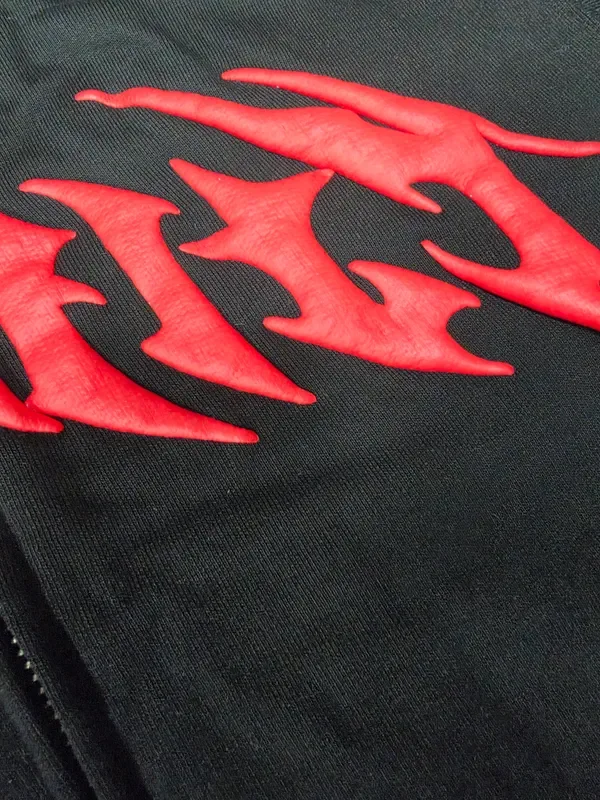
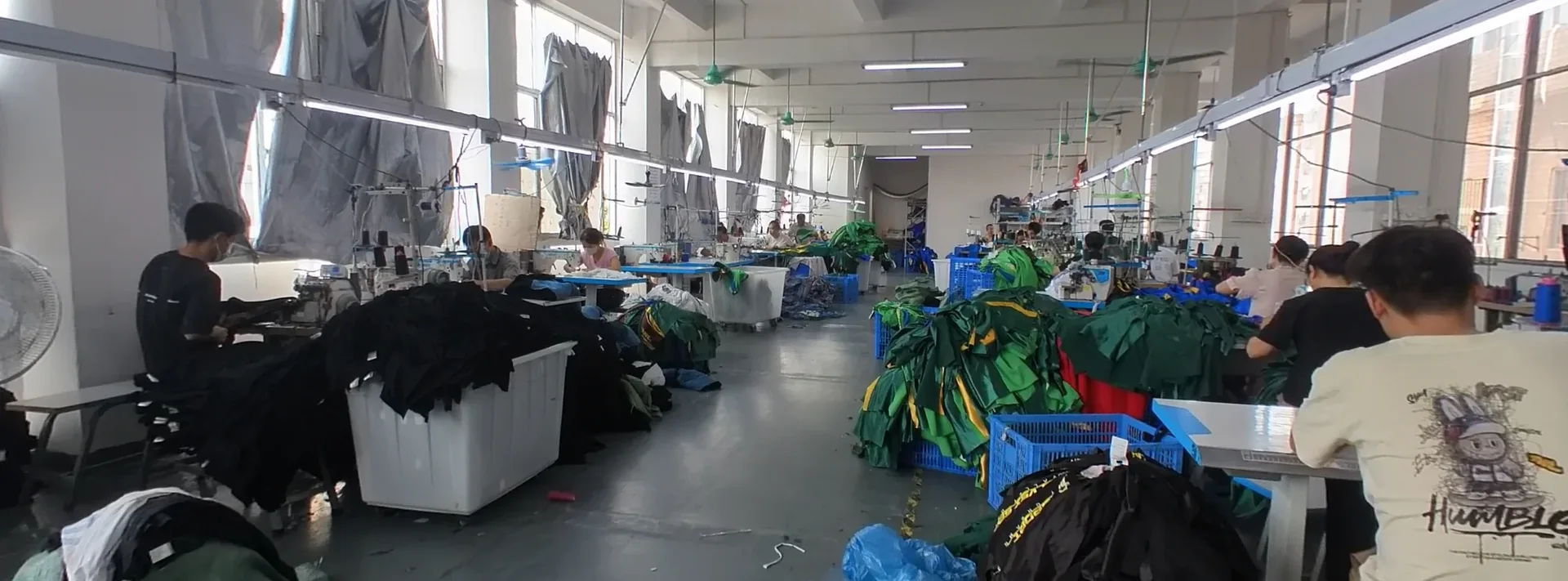
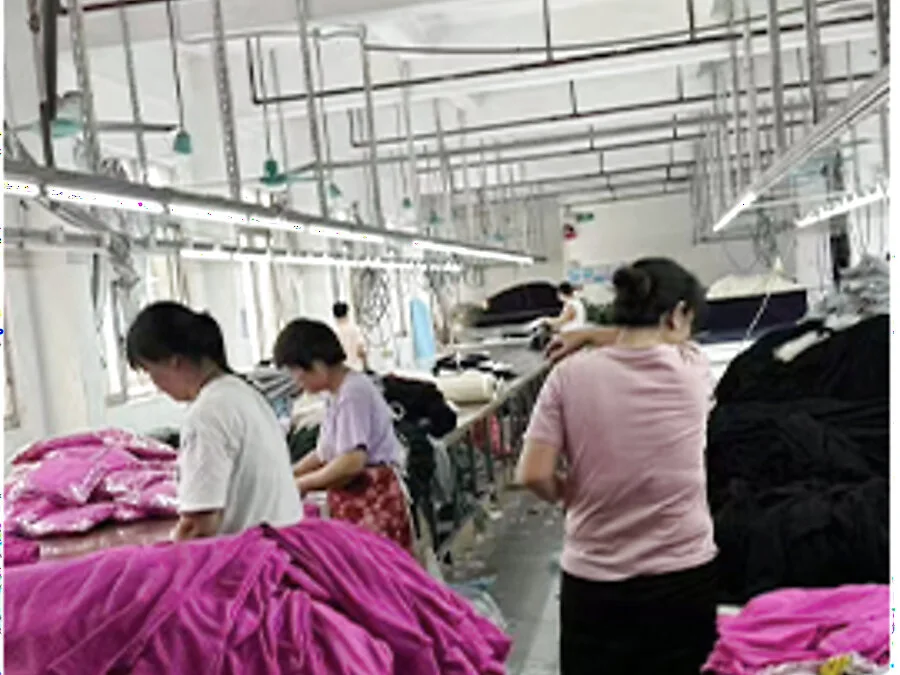
Streetwear is not a category we also do — it is what this factory is set up around: heavyweight fleece, boxy patterns cut as patterns, wash development on real samples, and dimensional branding from chenille to appliqué.

Typical buyer problems

Clarify the sourcing risk before sampling.

This path connects the buyer scenario to product intent, customization details and manufacturing checkpoints before sending an inquiry.

How it works

The numbers behind the promise.

Drop rhythm vs production rhythm

A first drop should be planned from the formal quotation: sample development typically takes 10-15 working days, bulk takes 20-30 working days after approval, and review, revision, and delivery timing depend on the project and destination. Reorders can run faster when the pattern, fabric development, and approved standards are already in place.

The heavyweight standard

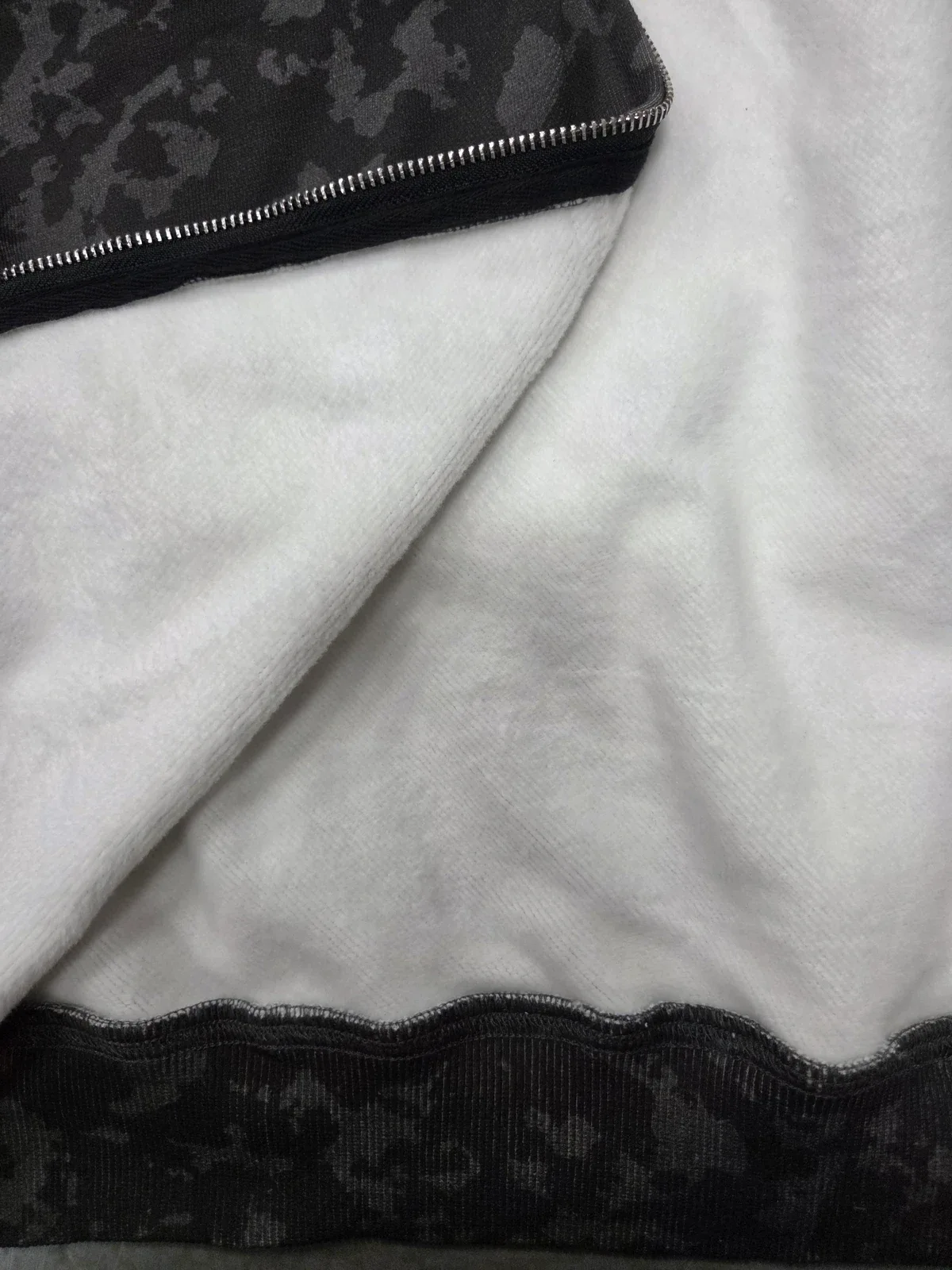
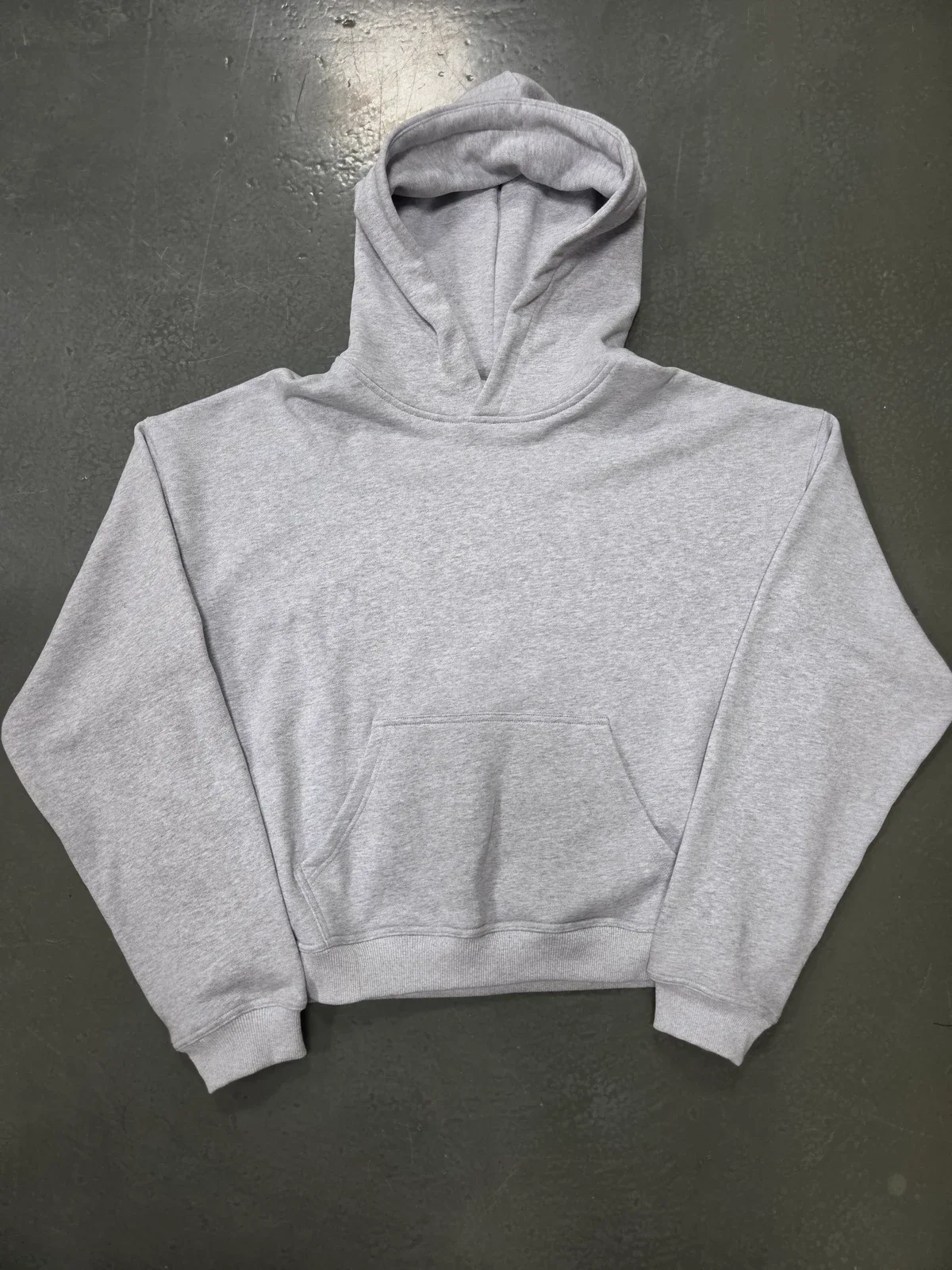
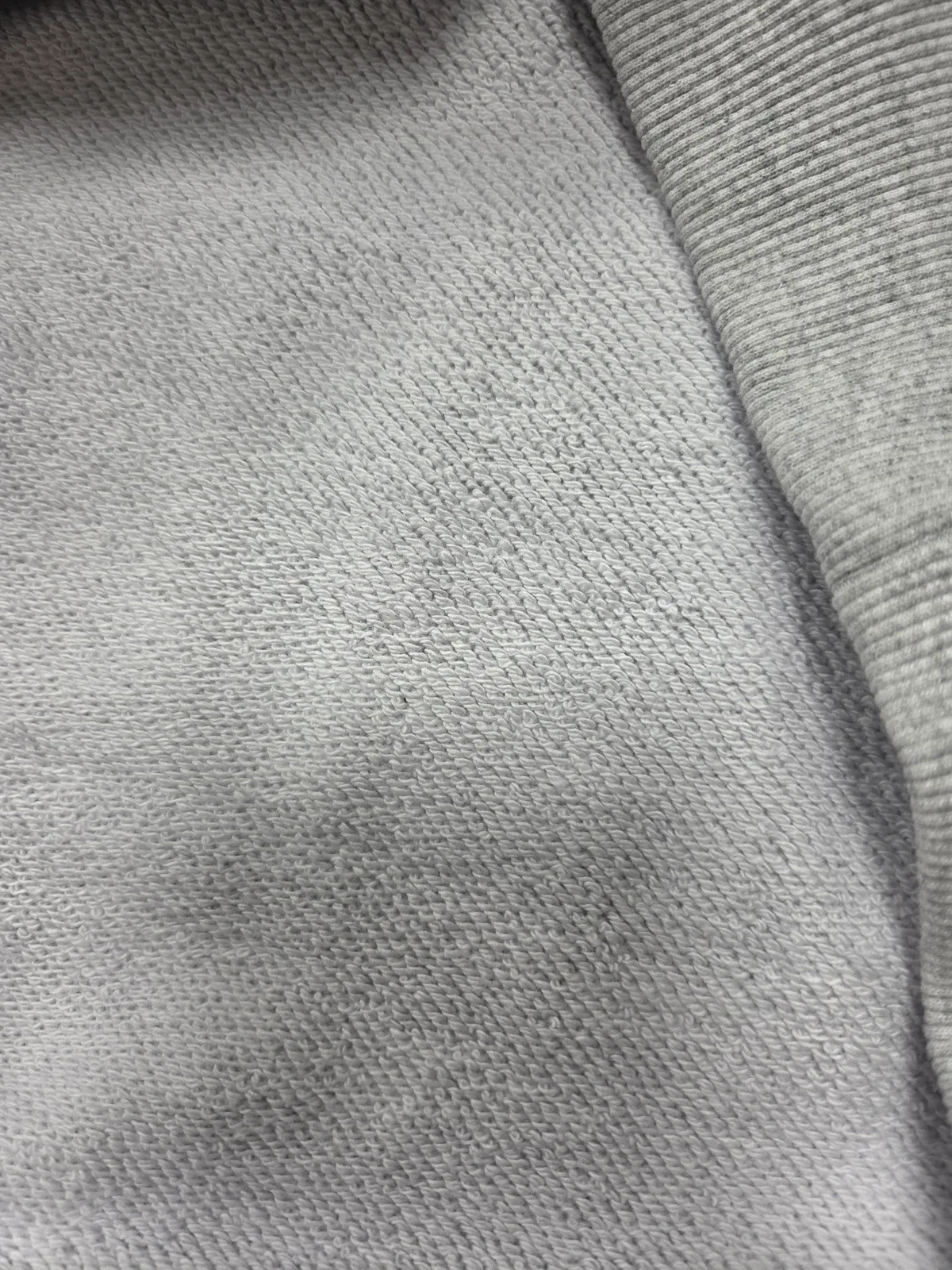
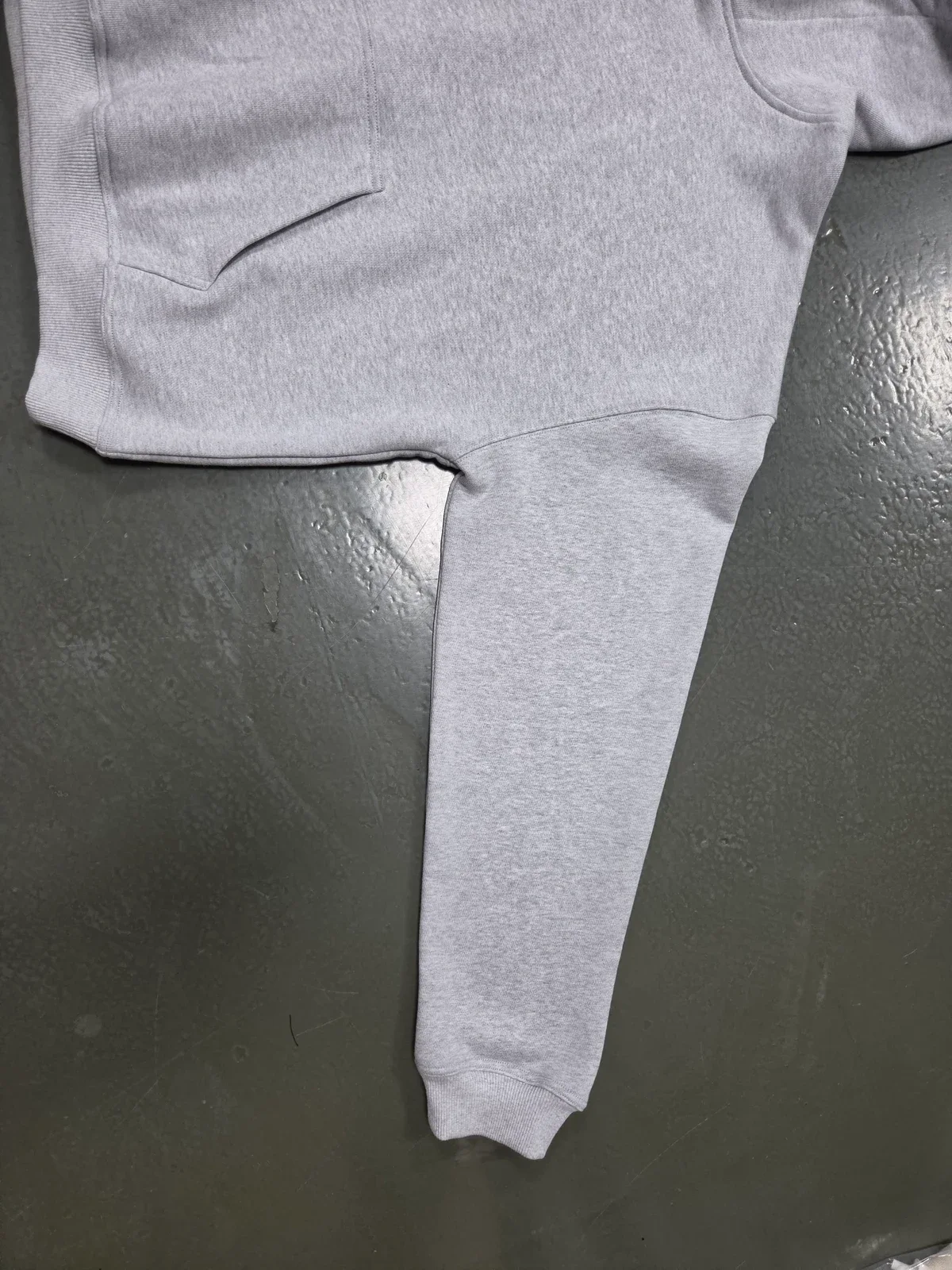
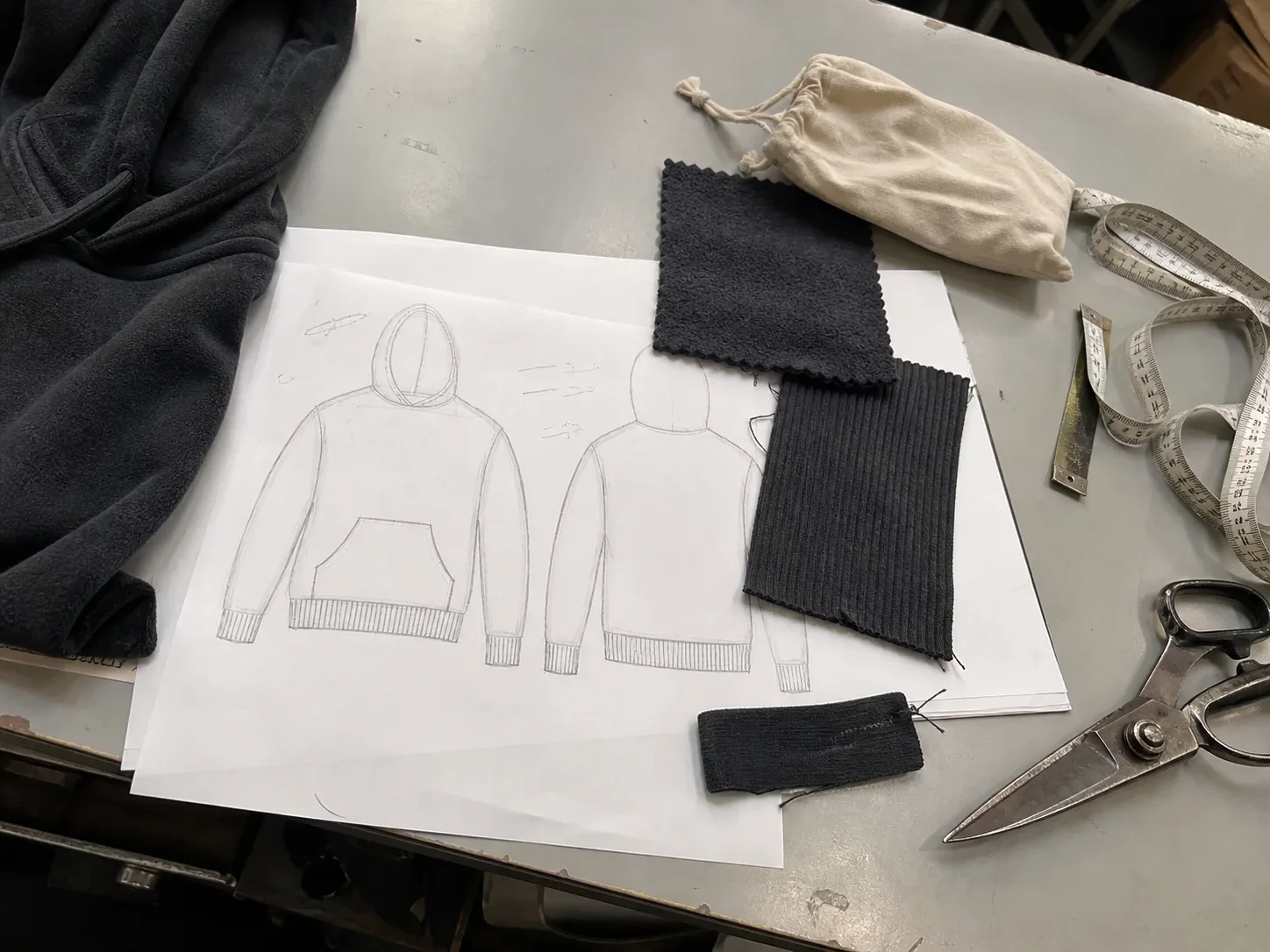
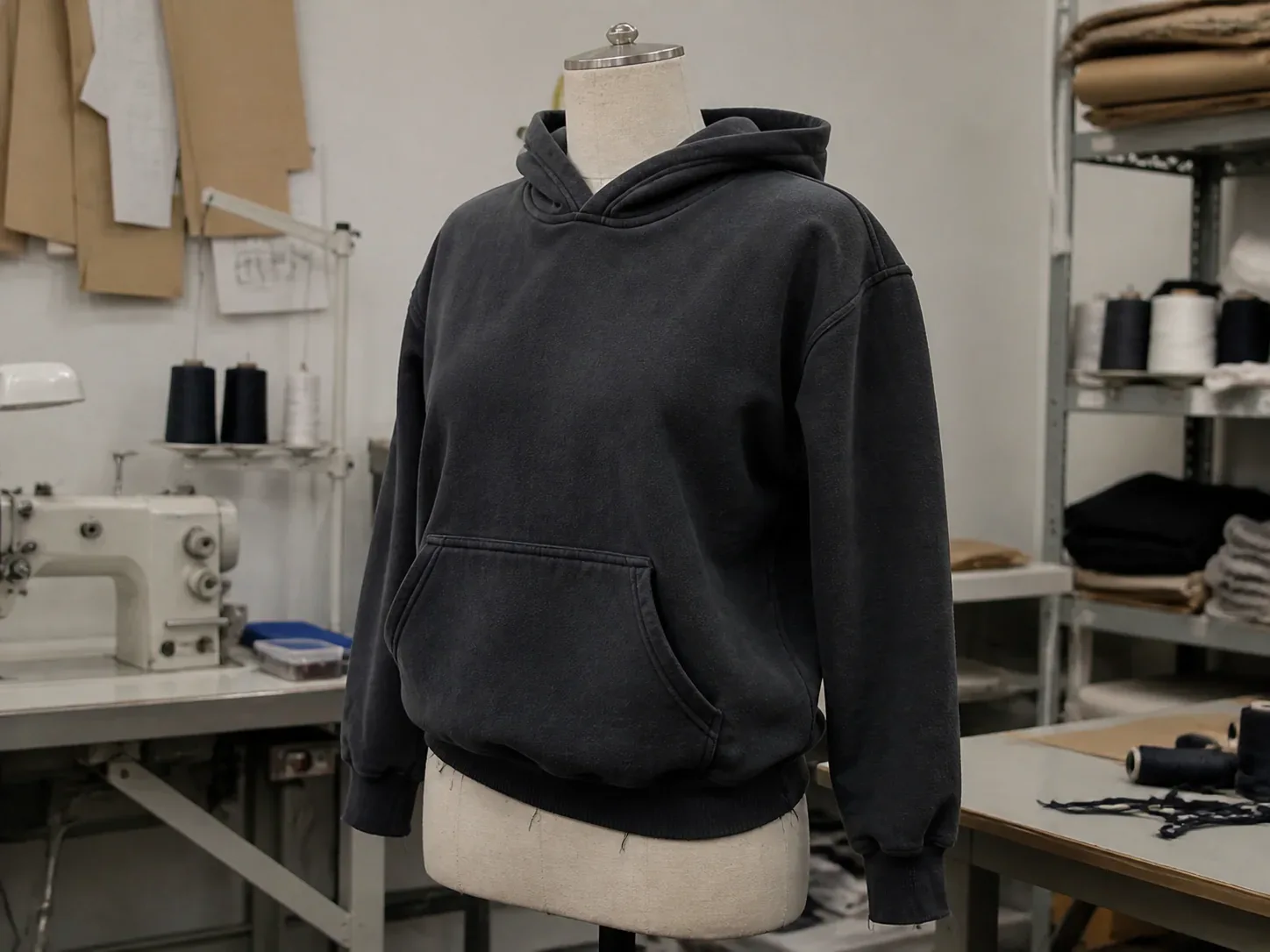
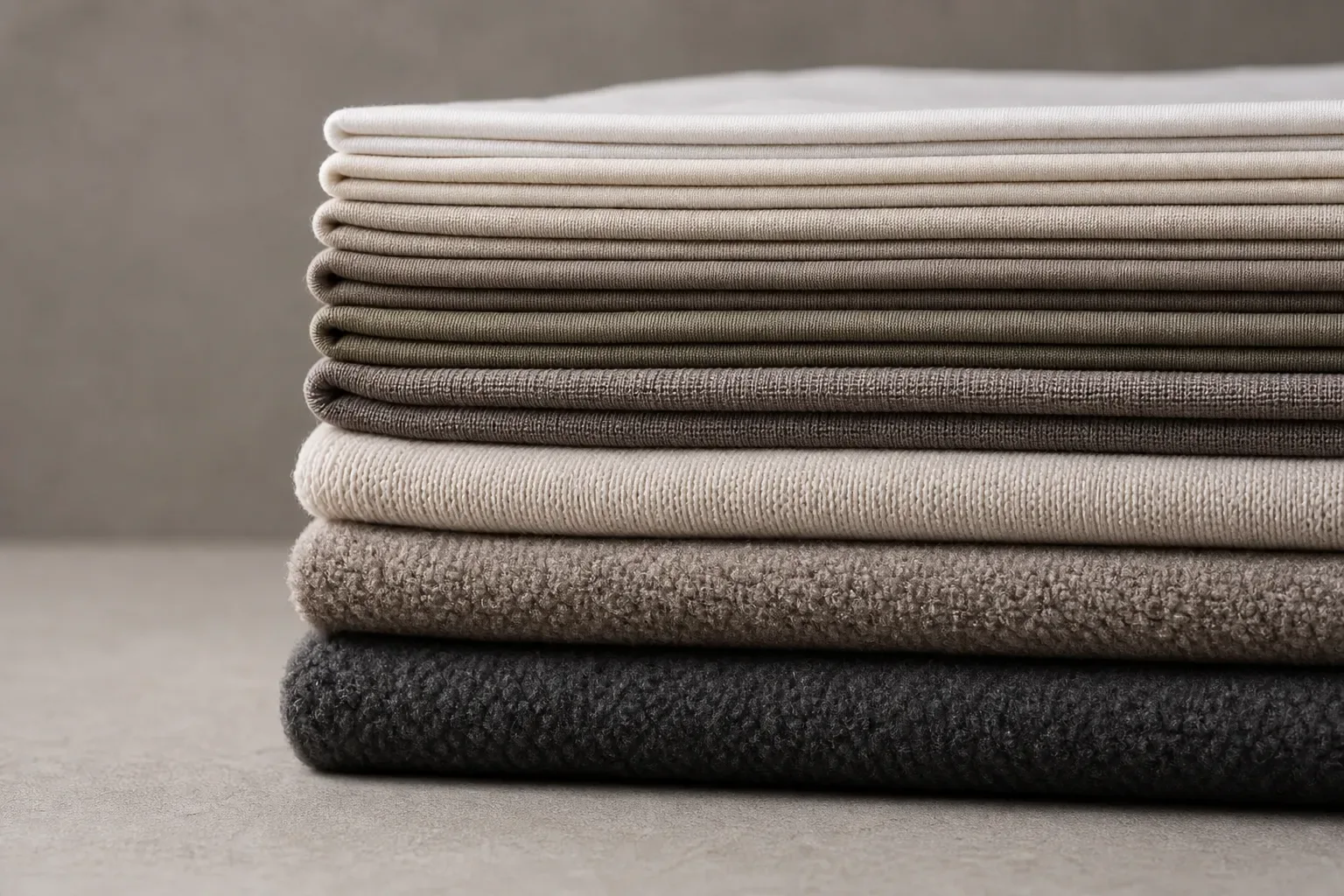
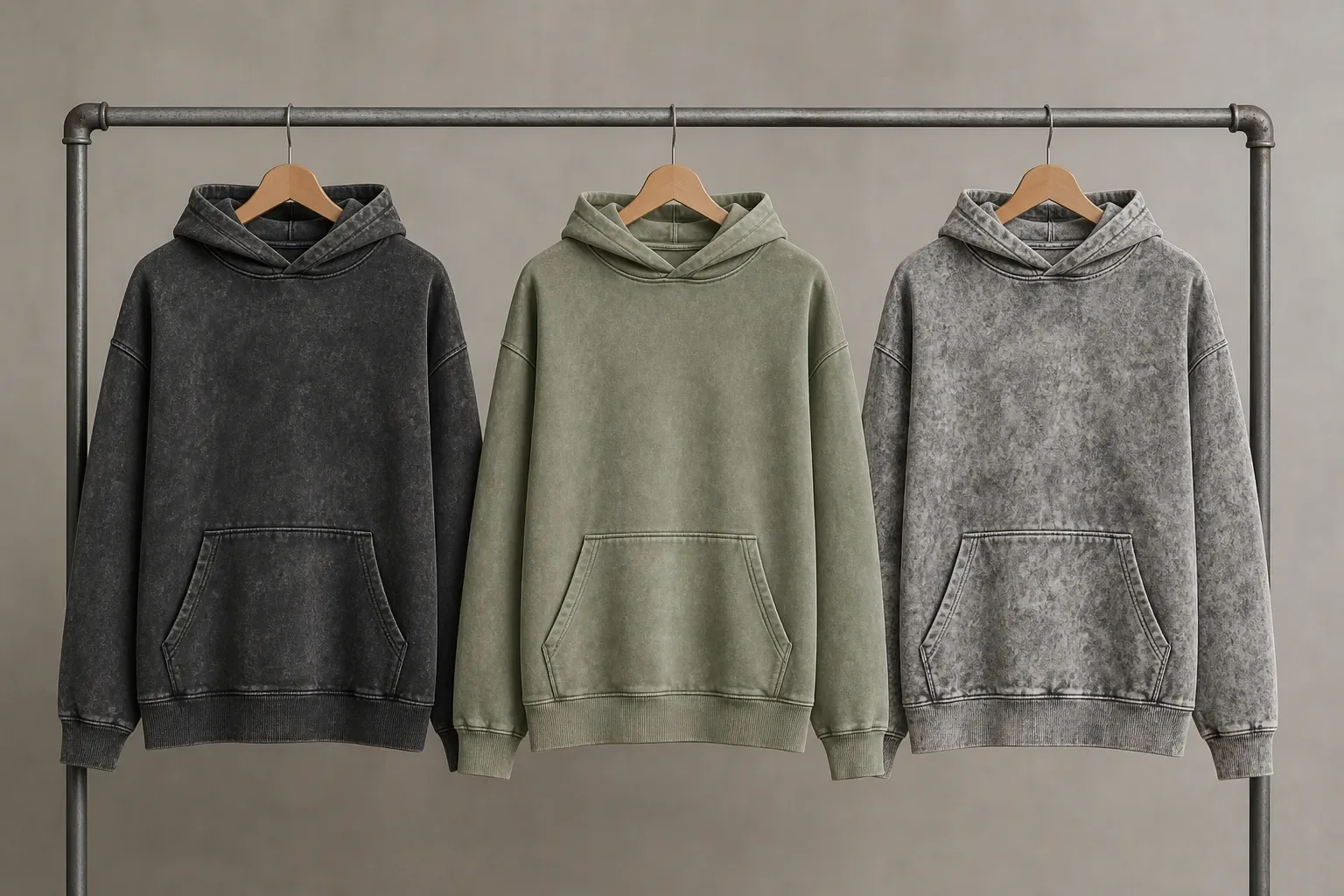
Current streetwear reads weight as quality: 350-500 gsm fleece for hoodies, 250-300 gsm for boxy tees. Weight alone is not the spec — knit density and cotton content decide how the number feels and whether it can carry a wash. We quote all three together.

Wash as identity

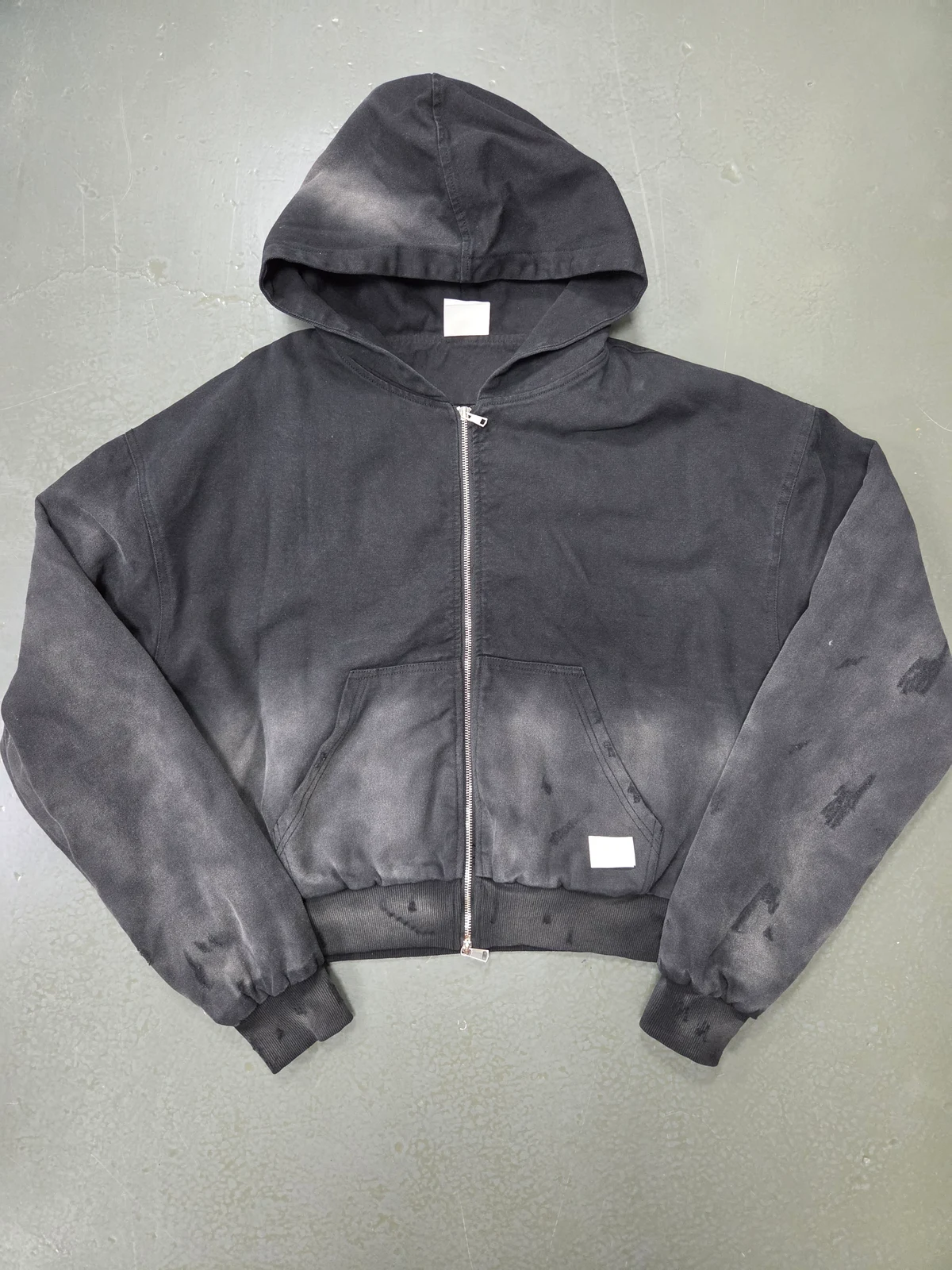
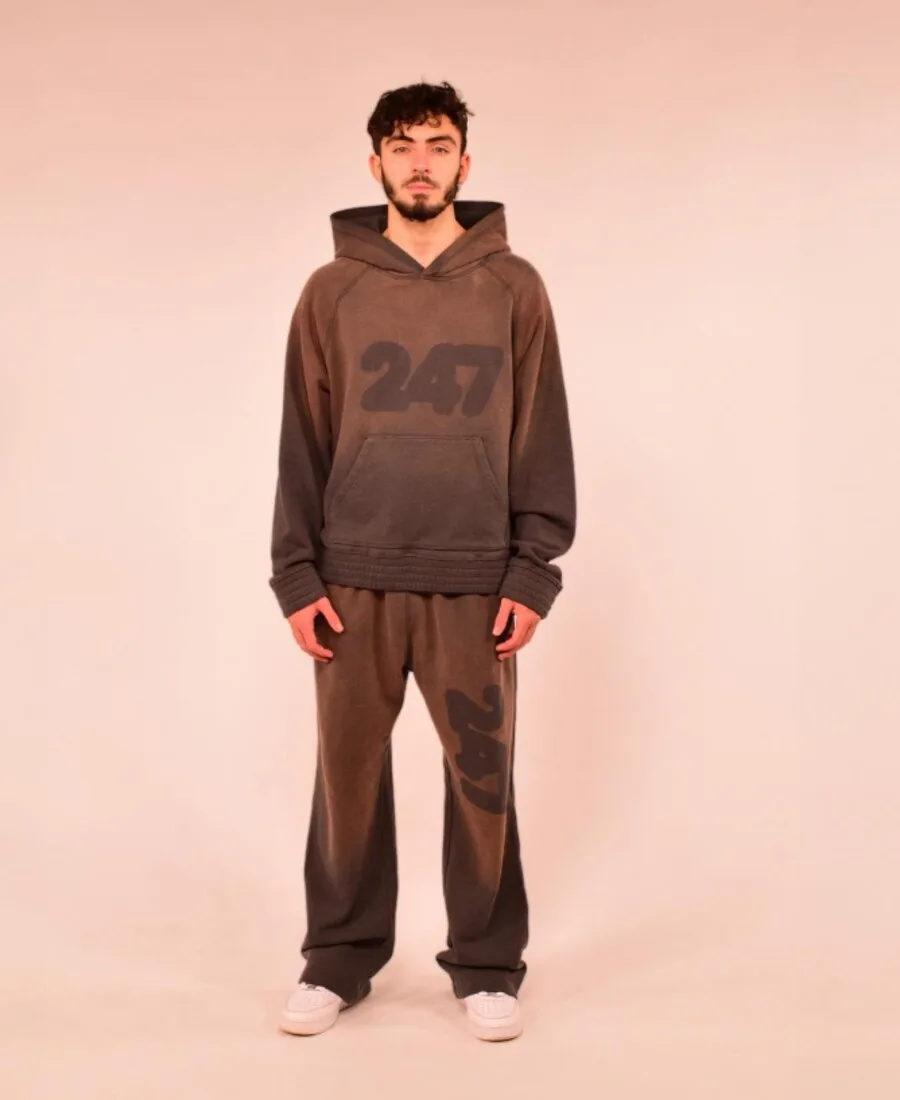
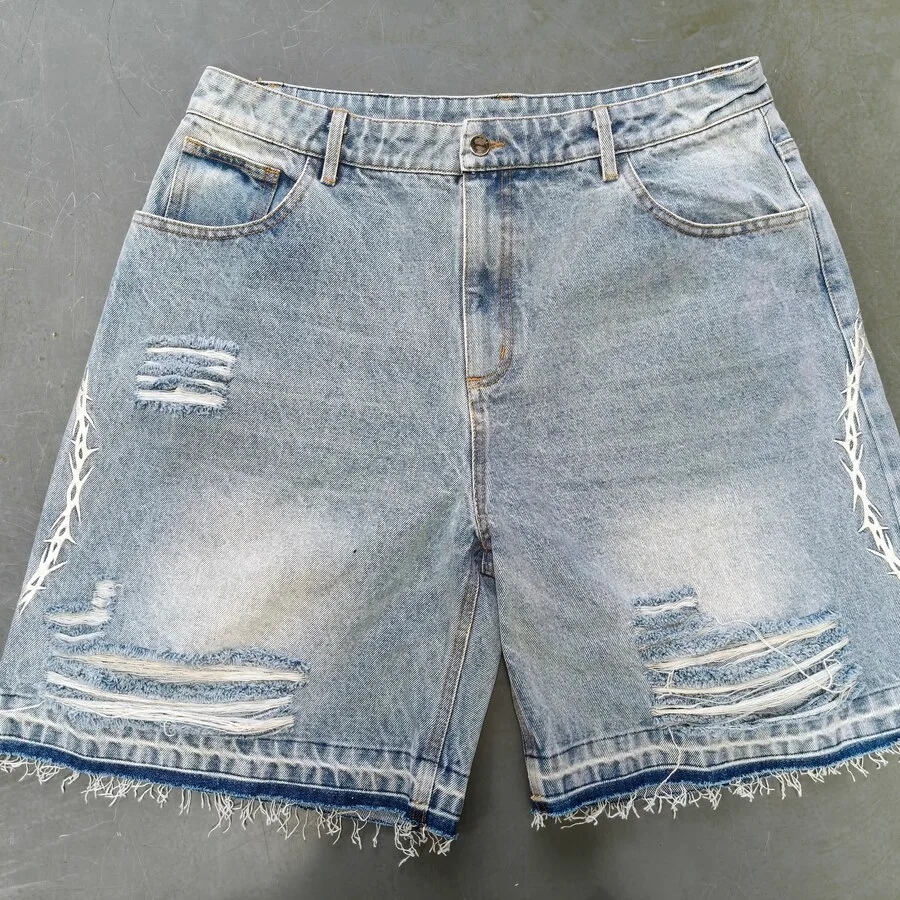
Acid, stone, enzyme, sun-fade, garment dye — the washes that define a drop are applied to finished garments and approved on a physical sample, because controlled variation is the point. High cotton content is a technical requirement for these effects, not a preference.

Fit is the product

A true boxy or oversized fit is a pattern decision — chest-to-length ratio, drop distance in centimeters, grading that keeps proportions across sizes. Sized-up blanks cannot fake it. Send a reference garment whose fit you love and we cut a pattern to it.

Stacked decoration

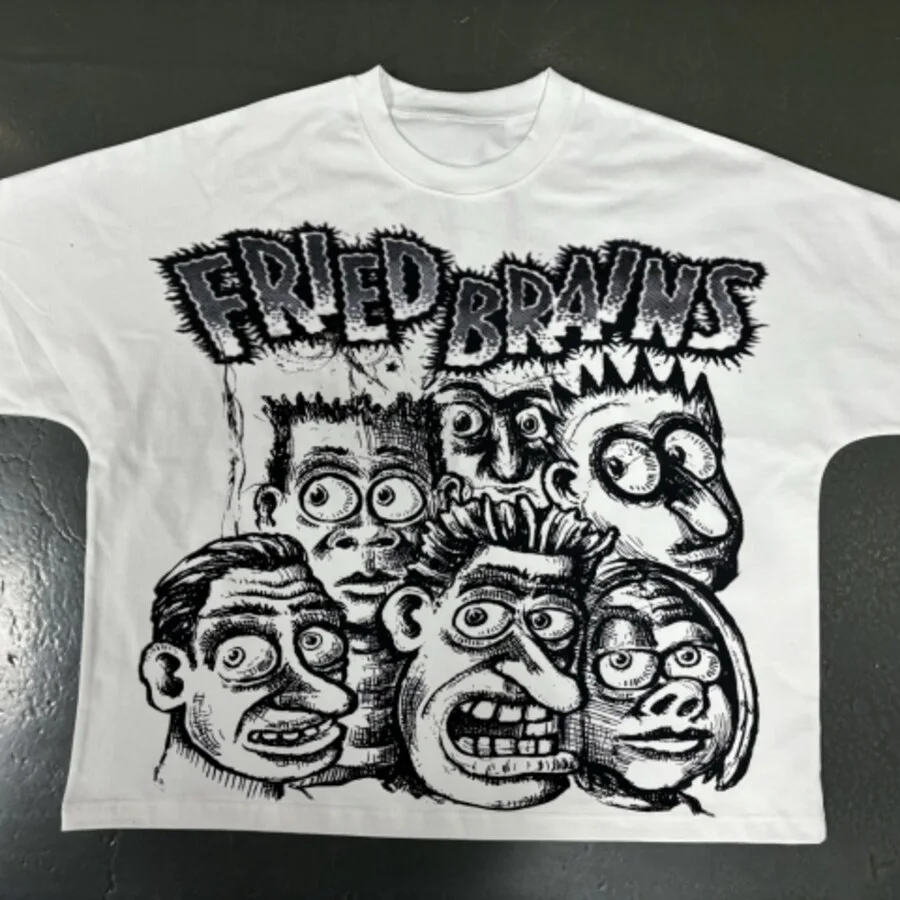
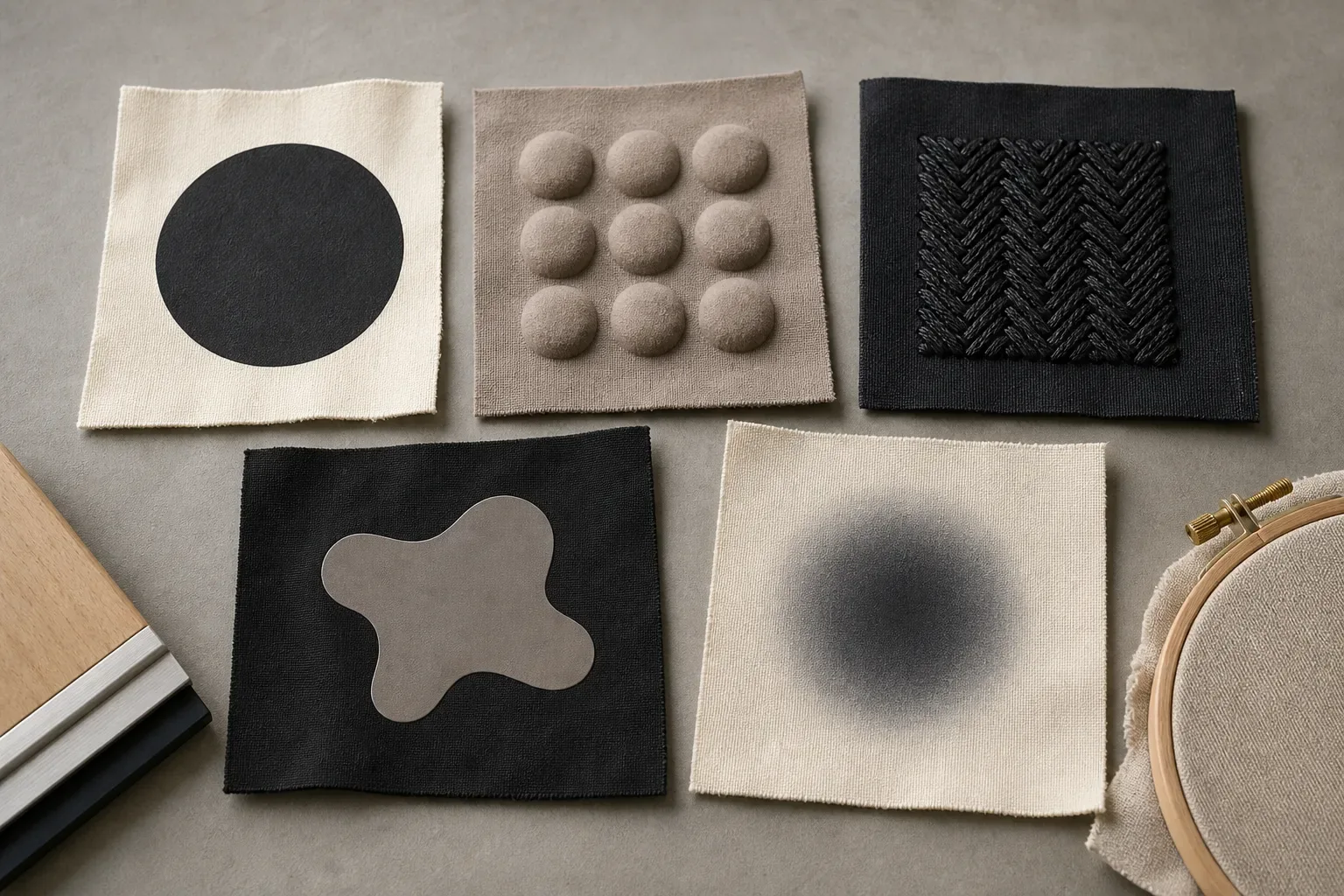
One garment carrying chenille, embroidered patches, appliqué and a back print is routine — each element is itemized in the quote and proofed on the same sample. Decoration stacking is where streetwear pieces earn premium prices, and where factories without in-house coordination lose consistency.

The numbers

Drop planning numbers.

The production timeline behind a streetwear drop, stage by stage.

StageTimingNotes
Design review and quoteAfter project reviewFeasibility, fabric options and itemized pricing
Sample10-15 working daysReal fabric, washes, decoration and labels — not a mockup
RevisionsYour paceScoped and quoted before anything moves
Bulk production20-30 working daysChecked in-line against the approved sample
DeliveryConfirmed by destinationShipping method and trade terms confirmed for the destination
ReordersFasterApproved standards, patterns and fabric development are reused

Recommended sourcing path

Move from reference to quote-ready brief.

  1. 01Start with hoodie or tee references

    Compare fleece, jersey, oversized fits and streetwear silhouettes before sampling.

  2. 02Plan artwork and decoration

    Review print method, scale, placement and file quality for graphic-led programs.

  3. 03Control wash and surface effects

    Use sample approval to check vintage colour, fading, handfeel and shrinkage.

  4. 04Share the drop plan

    Send the style list, reference images, artwork files, quantity target and launch timing.

Why brands stay

Built for the first order and the fiftieth.

  • Streetwear-native: heavyweight fleece, washes, boxy patterns and dimensional branding are the daily work, not special requests.
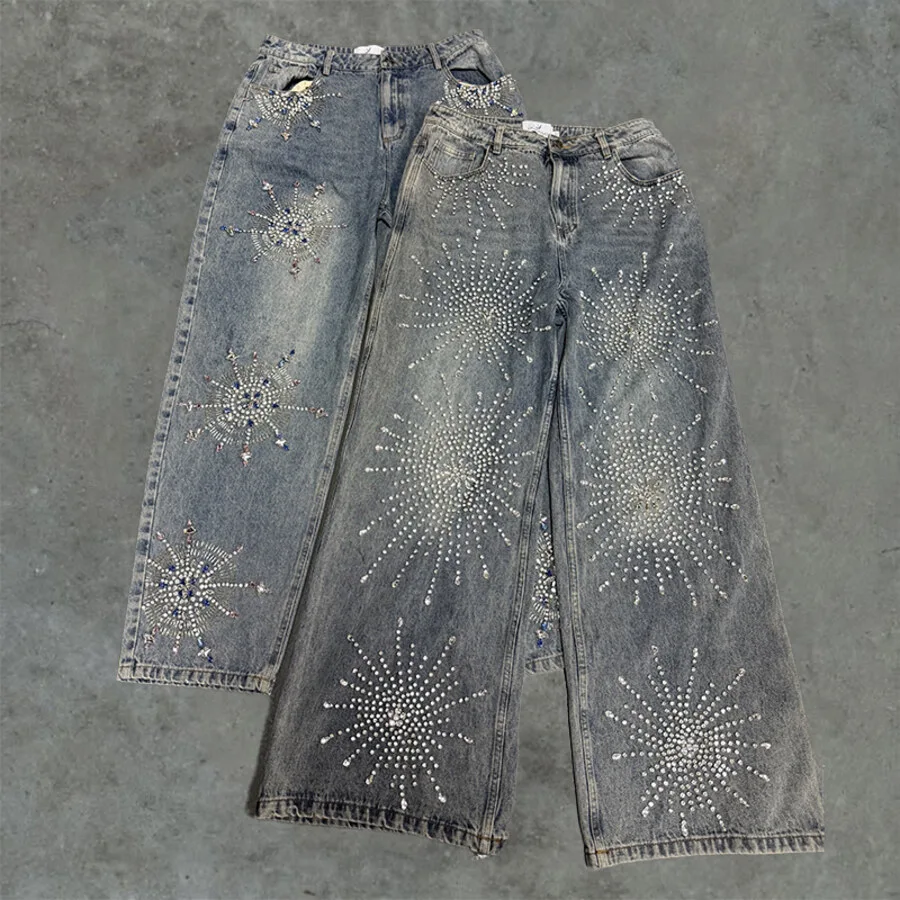
  • One factory for the whole drop — hoodies, tees, denim and sets stay coherent in colour, fabric and branding.
  • Wash development on real samples with tolerance notes, so bulk variation stays inside the approved range.
  • MOQ starts at 50 pieces; the final minimum and colorway breakdown are project-specific — drop-sized runs.
  • Project-specific production updates and checkpoints are agreed before work begins.

FAQ

Questions before sending a buyer brief.

Can Jiashun make oversized streetwear fits?

Yes. Send reference garments, flat measurements or fit notes so oversized, boxy, cropped or wide-leg proportions can be reviewed in sampling.

Can a streetwear drop include multiple decoration methods?

Yes. Printing, embroidery, patches, labels and wash effects can be reviewed together, with feasibility confirmed by fabric and artwork details.

Should washed streetwear be sampled first?

Yes. Wash and garment dye effects can vary by fabric and colour, so sample approval should guide bulk production.

How many pieces should a first drop be?

MOQ starts at 50 pieces, while the final quantity matrix depends on the product, fabric, wash, customization, and number of colorways. A focused first drop usually gives a clearer demand signal than spreading inventory across too many variants.

Can you match a wash from a reference photo?

Send the photo or the garment. We engineer toward it on the sample — wash recipes are developed per fabric, and the approved sample plus tolerance notes become the bulk standard.

Do reorders get faster and cheaper?

Faster, yes — development is already done, so reorders skip straight to bulk timing. Unit costs improve with volume; the quote shows the full curve.

Chat on WhatsApp