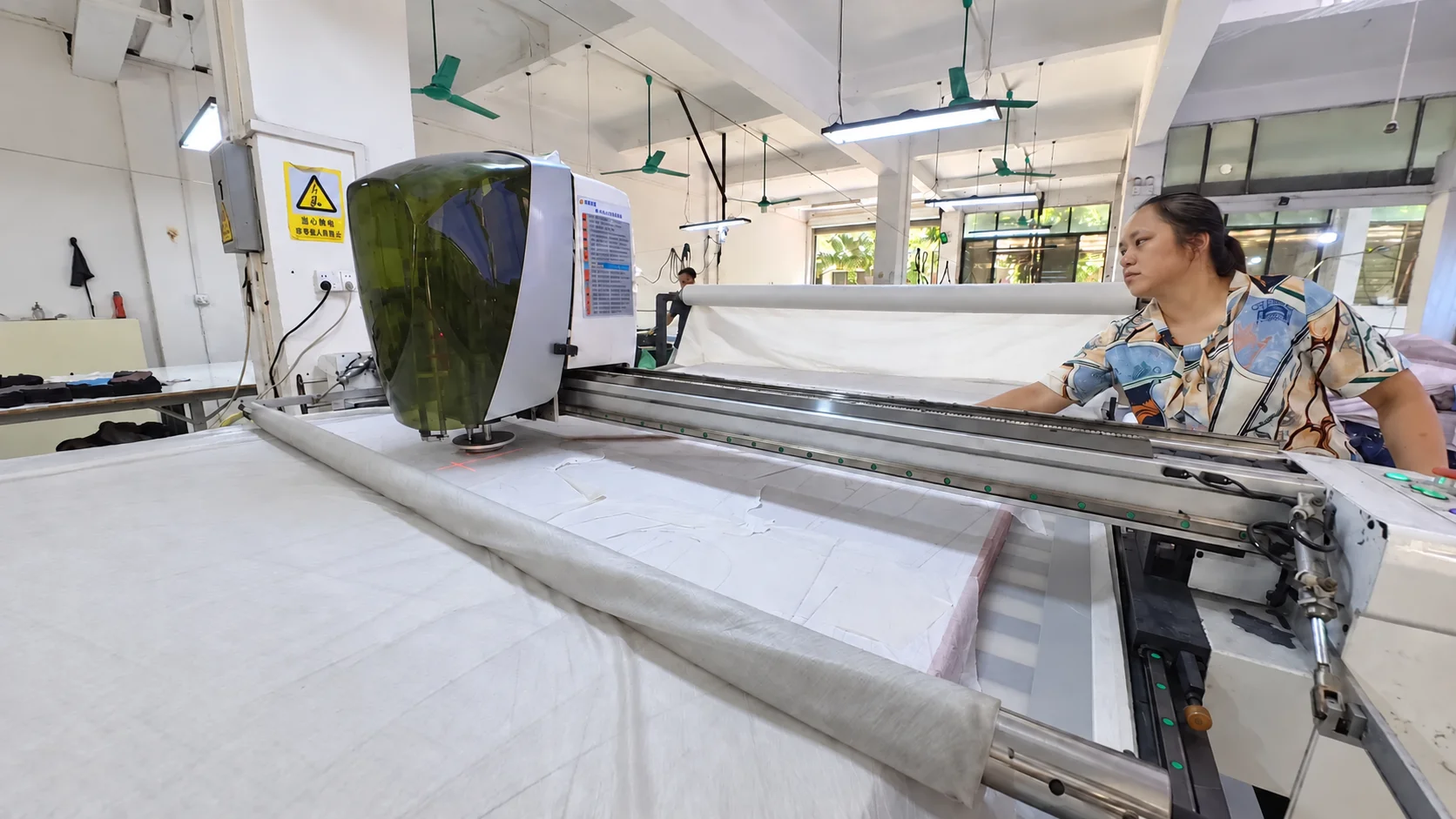
 Cutting floor / Humen, Dongguan
Jiashun / Cut and sew manufacturing
Cut and Sew Manufacturer — Pattern-to-Pack Production
Multi-panel hoodies and tees, multi-pocket cargos, carpenter denim, patchwork jorts and bindings — construction beyond blank decoration, cut and sewn in-house at our main facility of 3,000 m² in Humen, Dongguan.
- Starting MOQ
- 50 pieces
- Per style, per color
- Simple samples
- 10–18 working days
- From pattern to first sample
- Bulk
- 20–30 working days
- After sample approval
- Main facility in Humen
- 3,000 m²
- Pattern, cutting and sewing in-house
01 / What cut and sew means here
Your pattern, not someone else's blank
Fabric is sourced to your spec, a pattern is cut to your fit and panels are sewn into your garment. Decorating a pre-made blank is faster and cheaper, but the fit, the fabric and the construction stay someone else's.
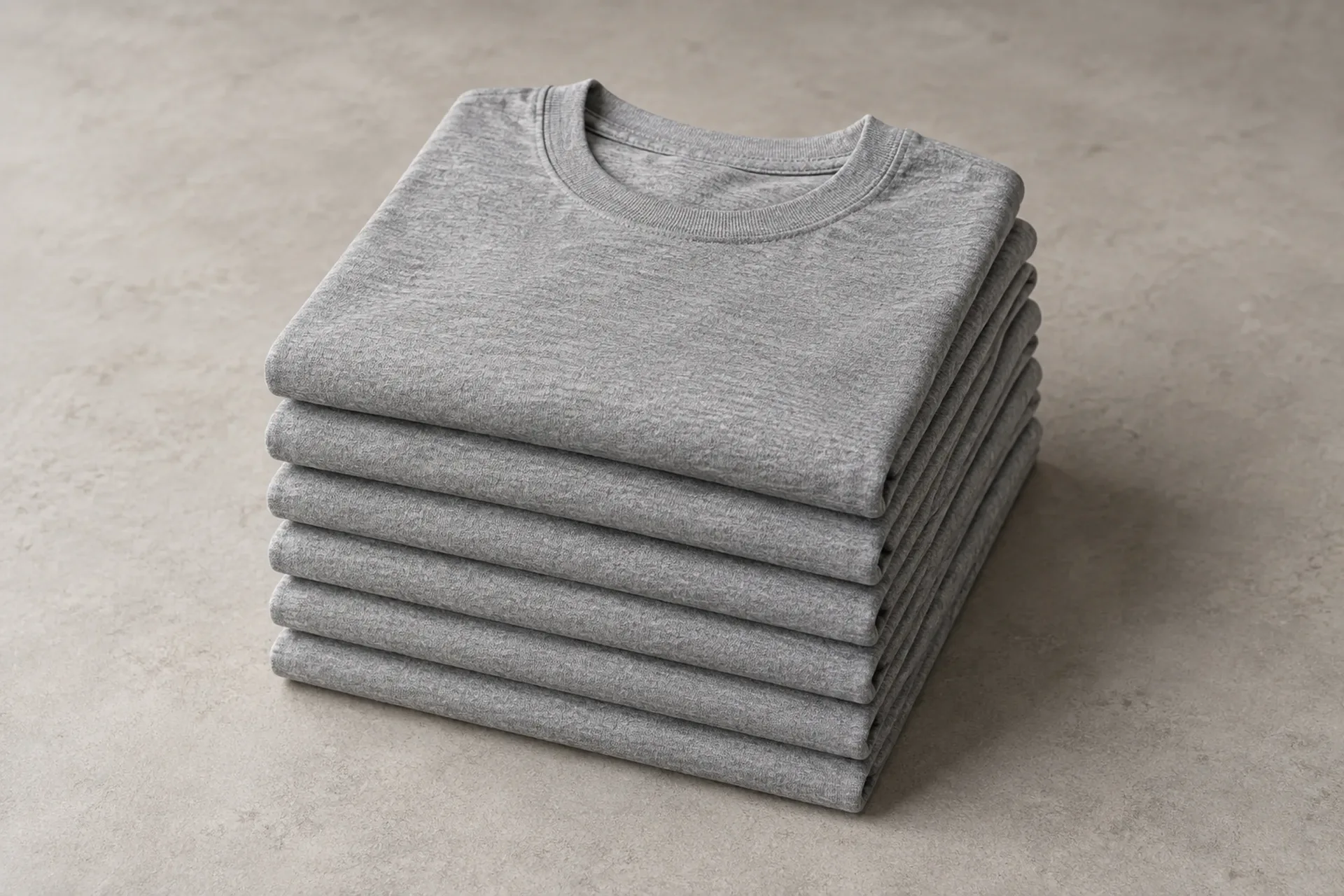
A printed blank
Someone else's garment, your print on top.
Fit, fabric weight and construction are fixed by the blank. Decoration is the only variable.
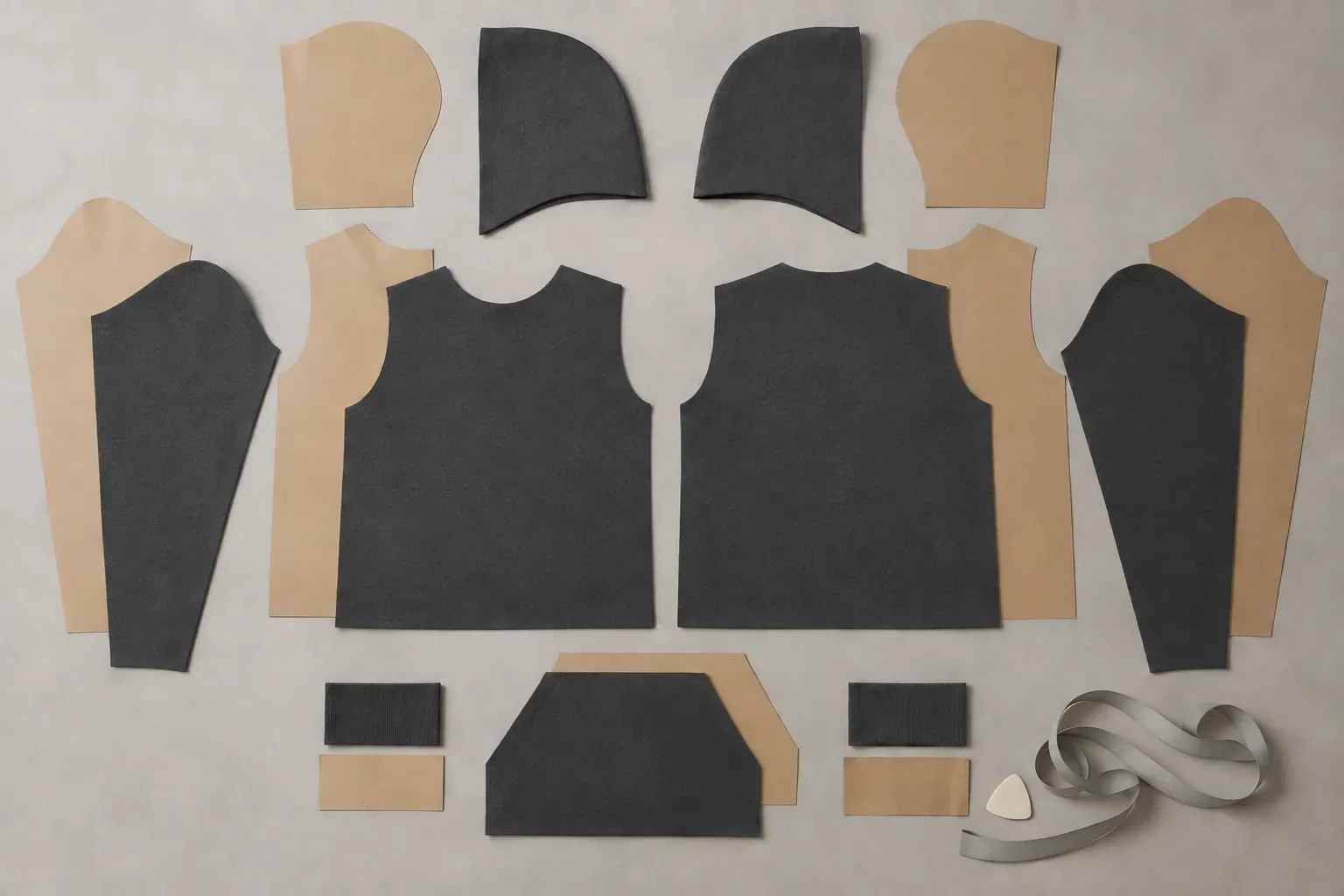
Cut and sew
Your pattern, your fabric, cut into panels.
Fit, fabric, construction and labels start from your spec and are approved on a physical sample.
If demand isn't proven at 50 pieces per style, per color yet, blanks are the rational choice — and we say so. When to switch from blanks to cut and sew
02 / Construction
Construction a blank can't take
Construction is where the difference shows. These details are assembled from cut panels — work a finished blank cannot take.
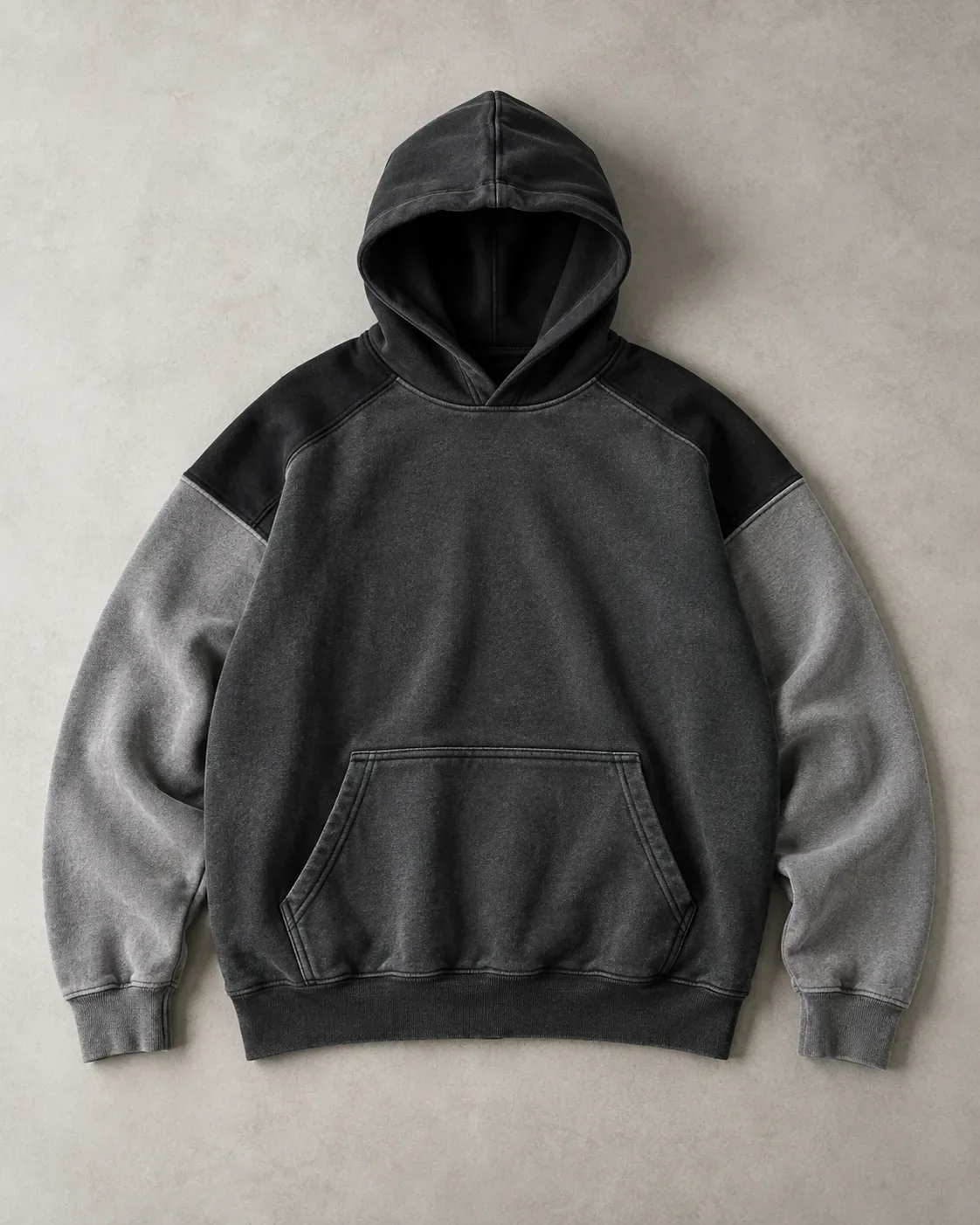
01
Multi-panel hoodies & tees
Contrast panels, yokes and colour-blocking cut from separate fabrics and sewn as one garment.
02
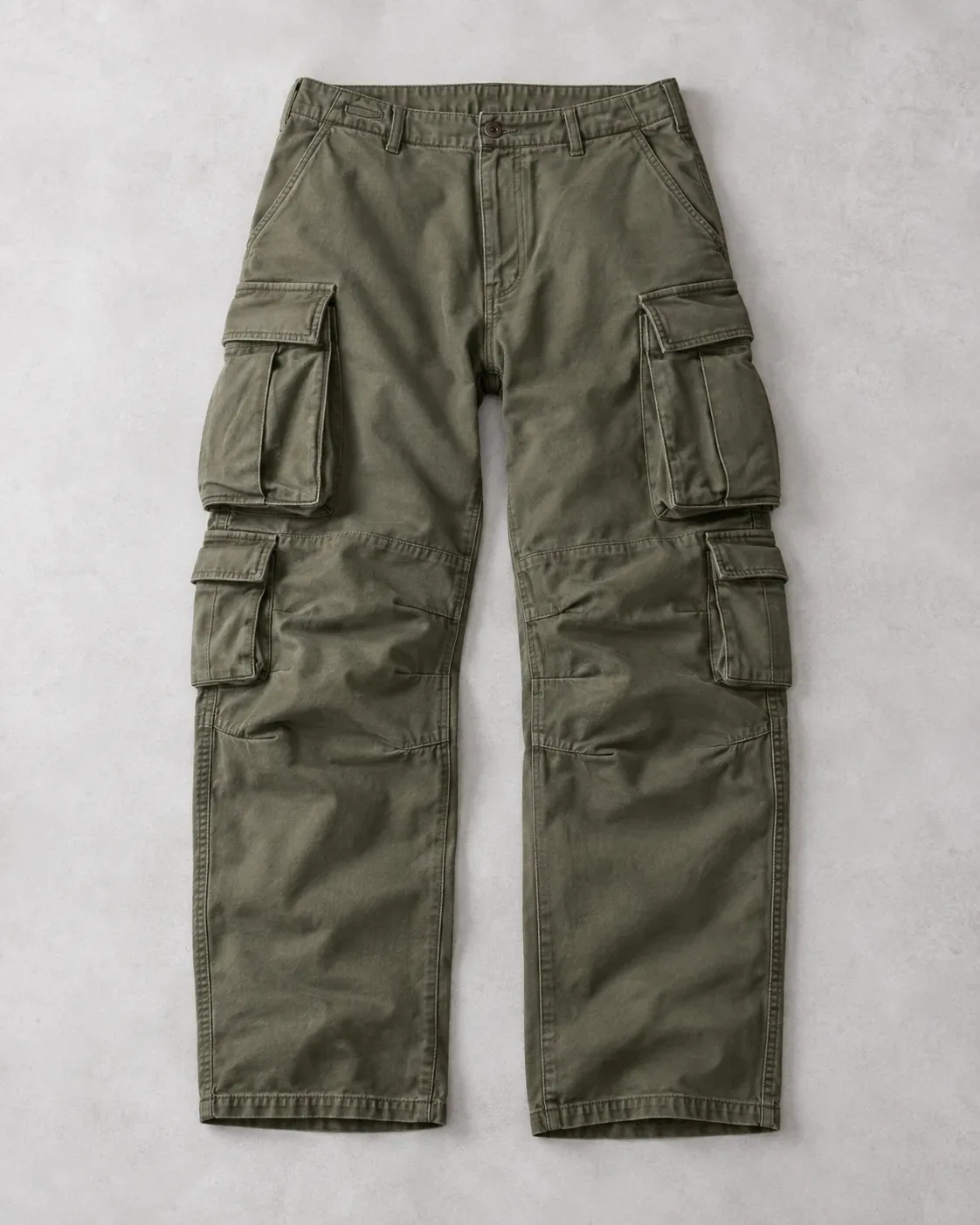
Multi-pocket cargos
Bellows and flap pockets, articulated knees and reinforced stress points.
03
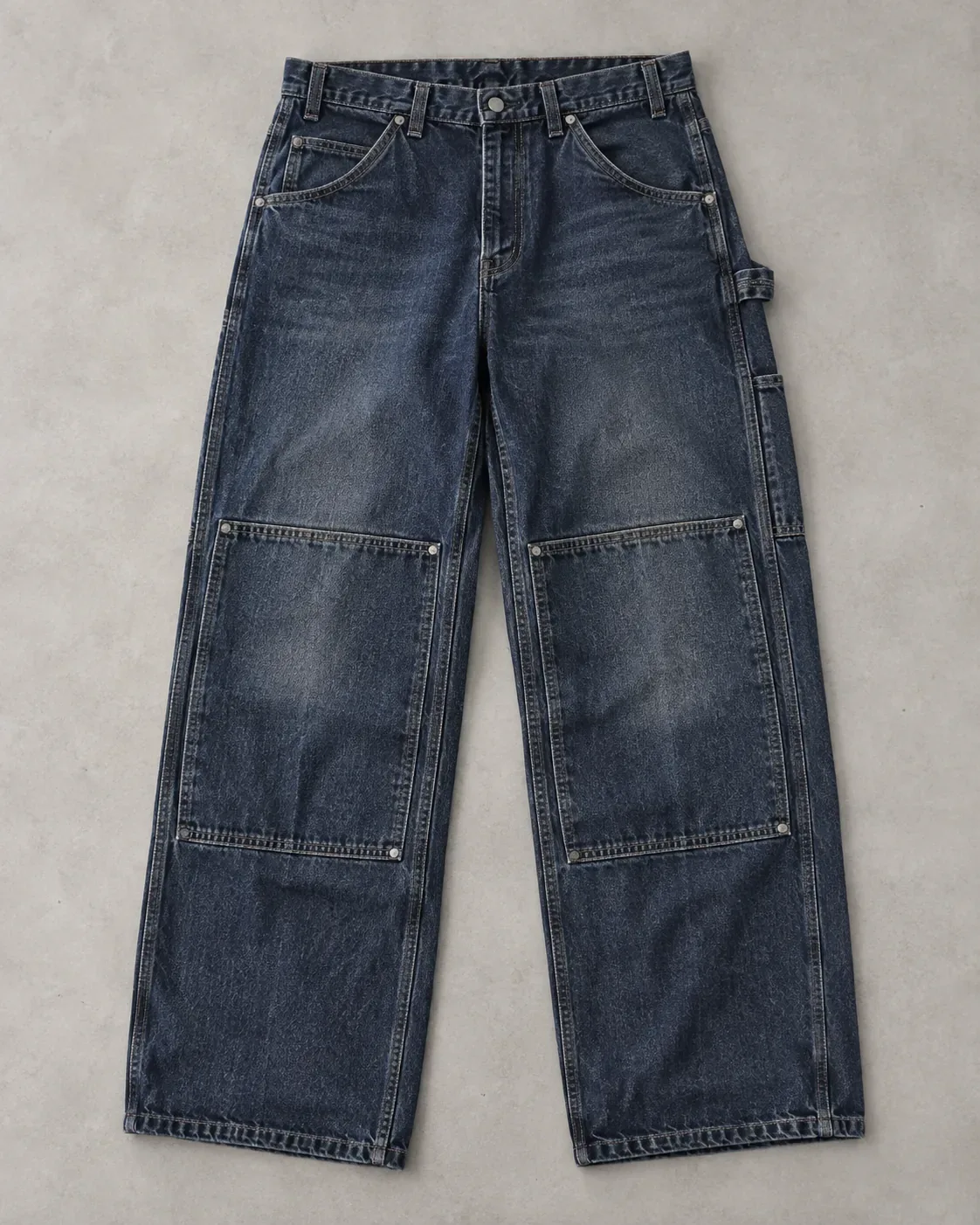
Carpenter denim
Hammer loops, tool pockets and double knees in contrast topstitching.
04
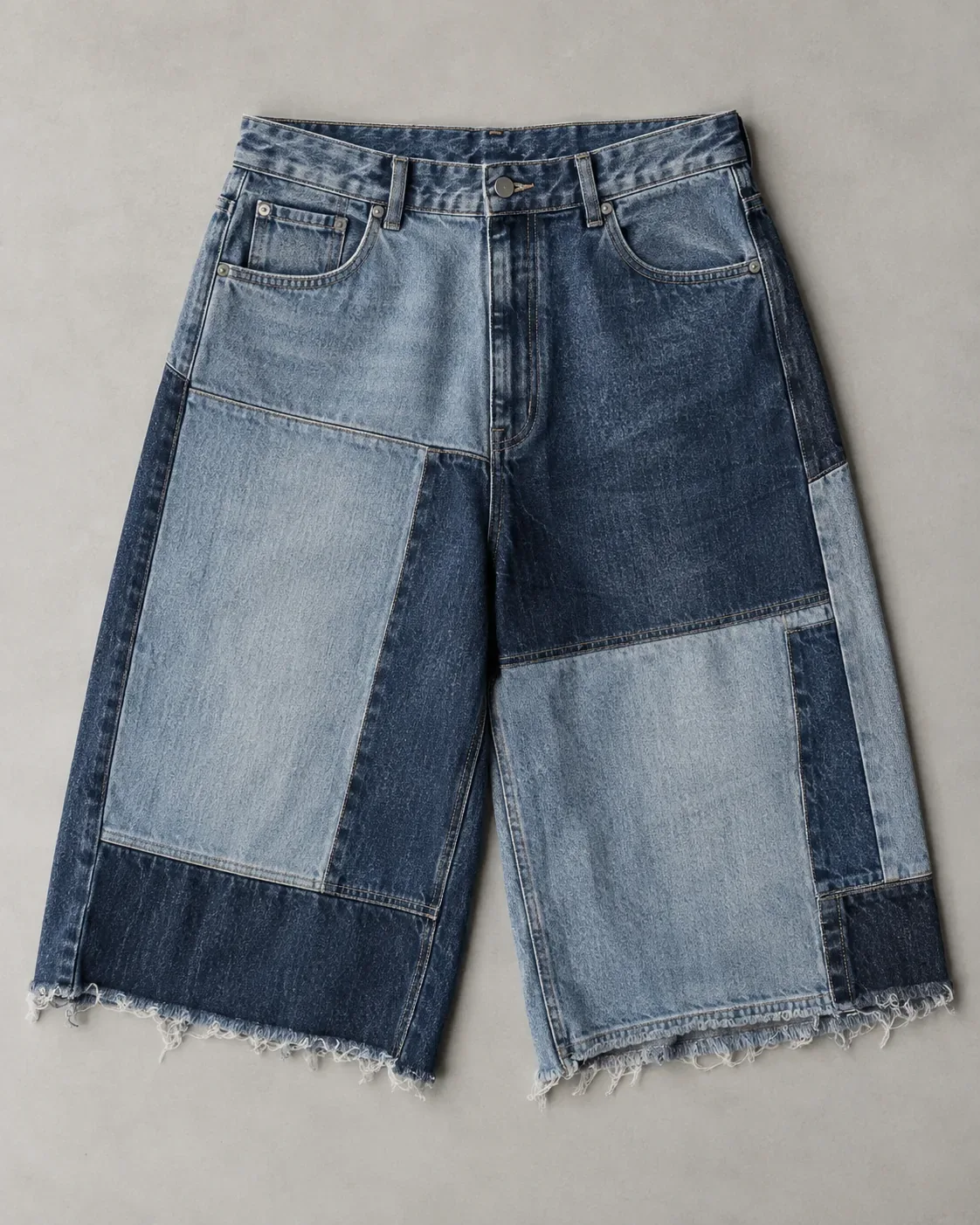
Patchwork jorts
Panels pieced from several denim washes into one garment.
05
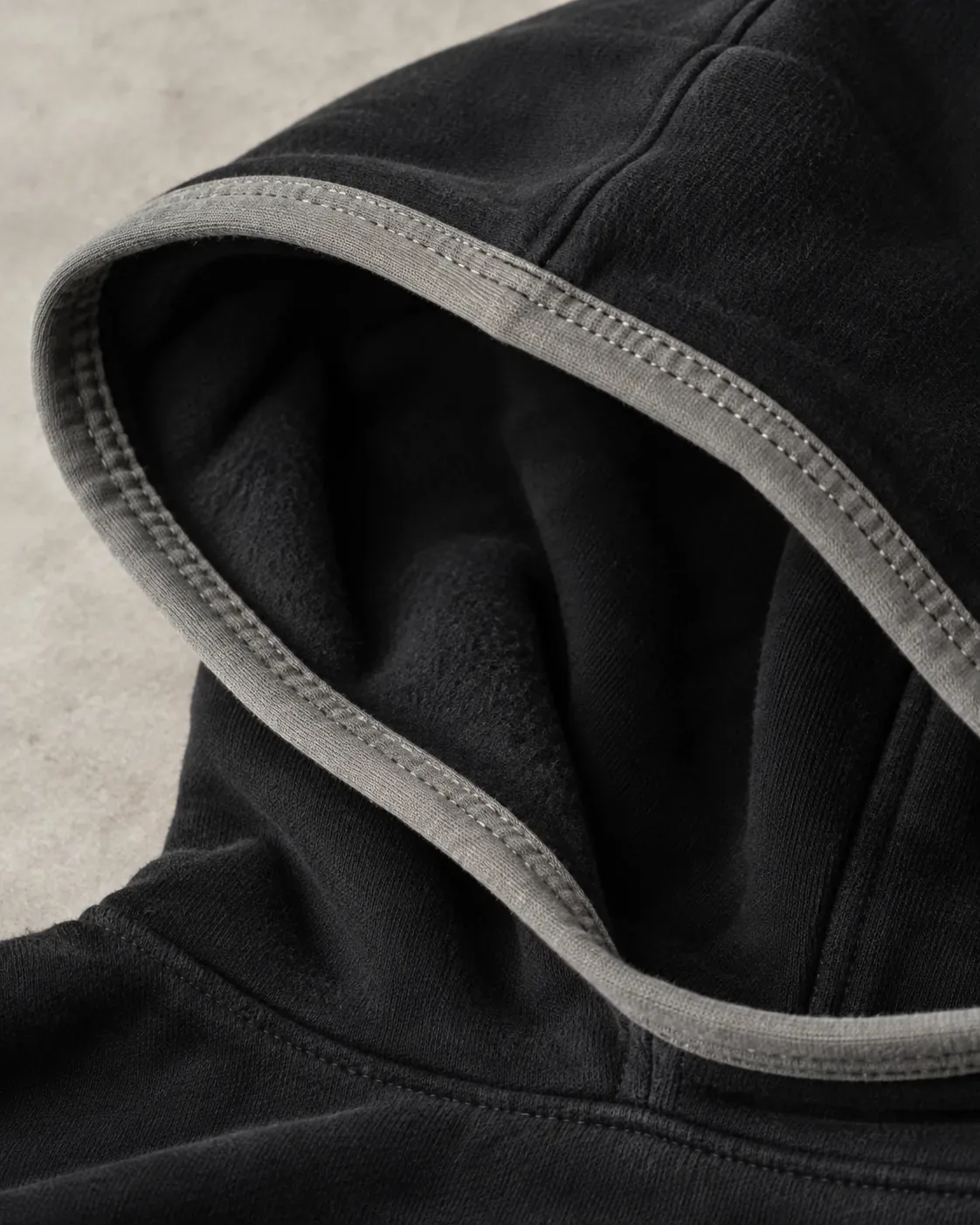
Bindings & hardware
Contrast binding on hoods, necklines and hems; heavy metal zippers specced per style.
Construction references.
03 / Pattern to pack
From pattern to packed carton on one floor
Six stages, one factory, one approved sample to check every stage against.
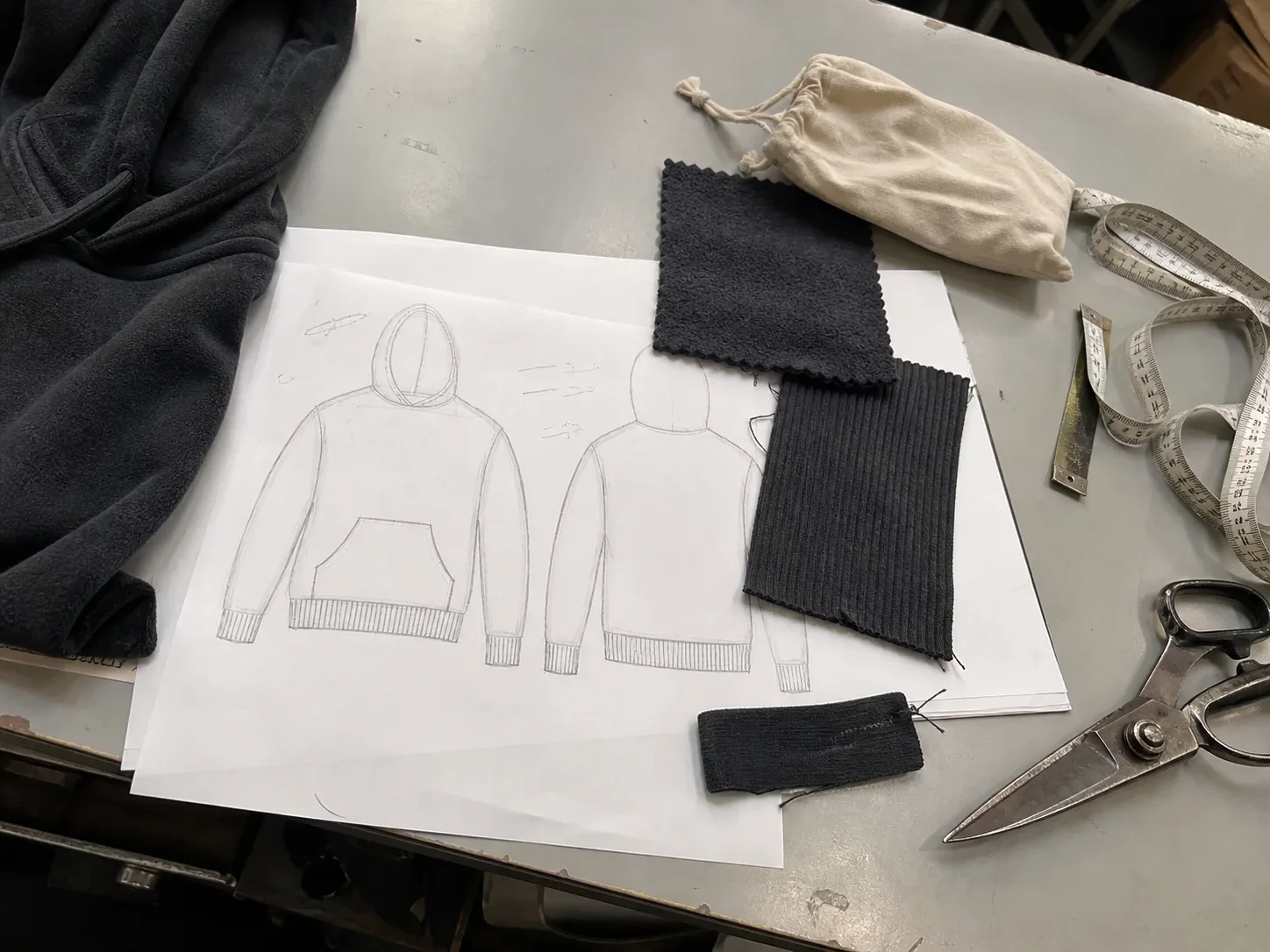
01 / 06
Design review
Send a reference garment, sketches or a tech pack. We review fit, fabric and construction, then send the quotation.
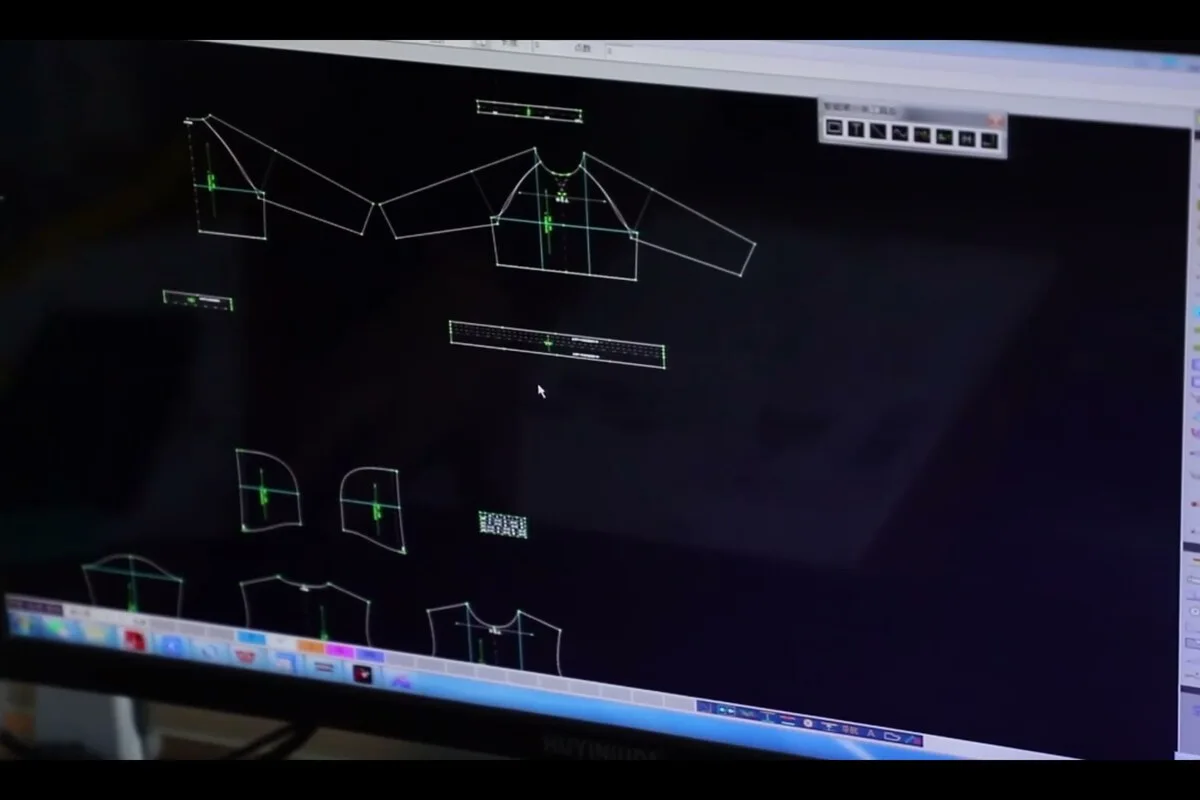
02 / 06
Pattern
Your fit becomes a graded production pattern.
Pattern & fit development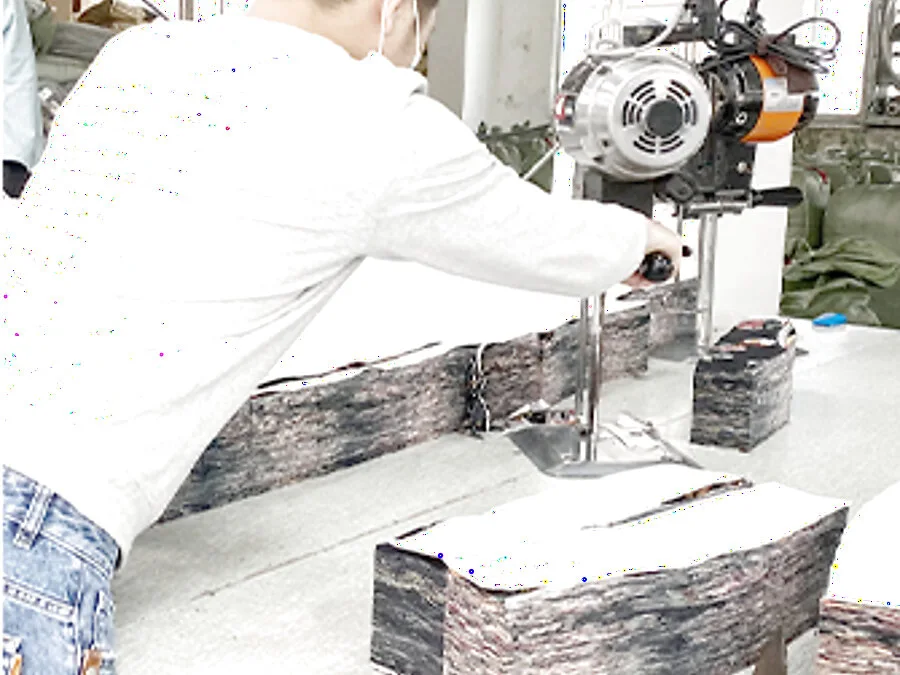
03 / 06
Fabric & cutting
Fabric sourced per style — weight, composition and handfeel — then marker-planned and cut in-house.
Fabric sourcing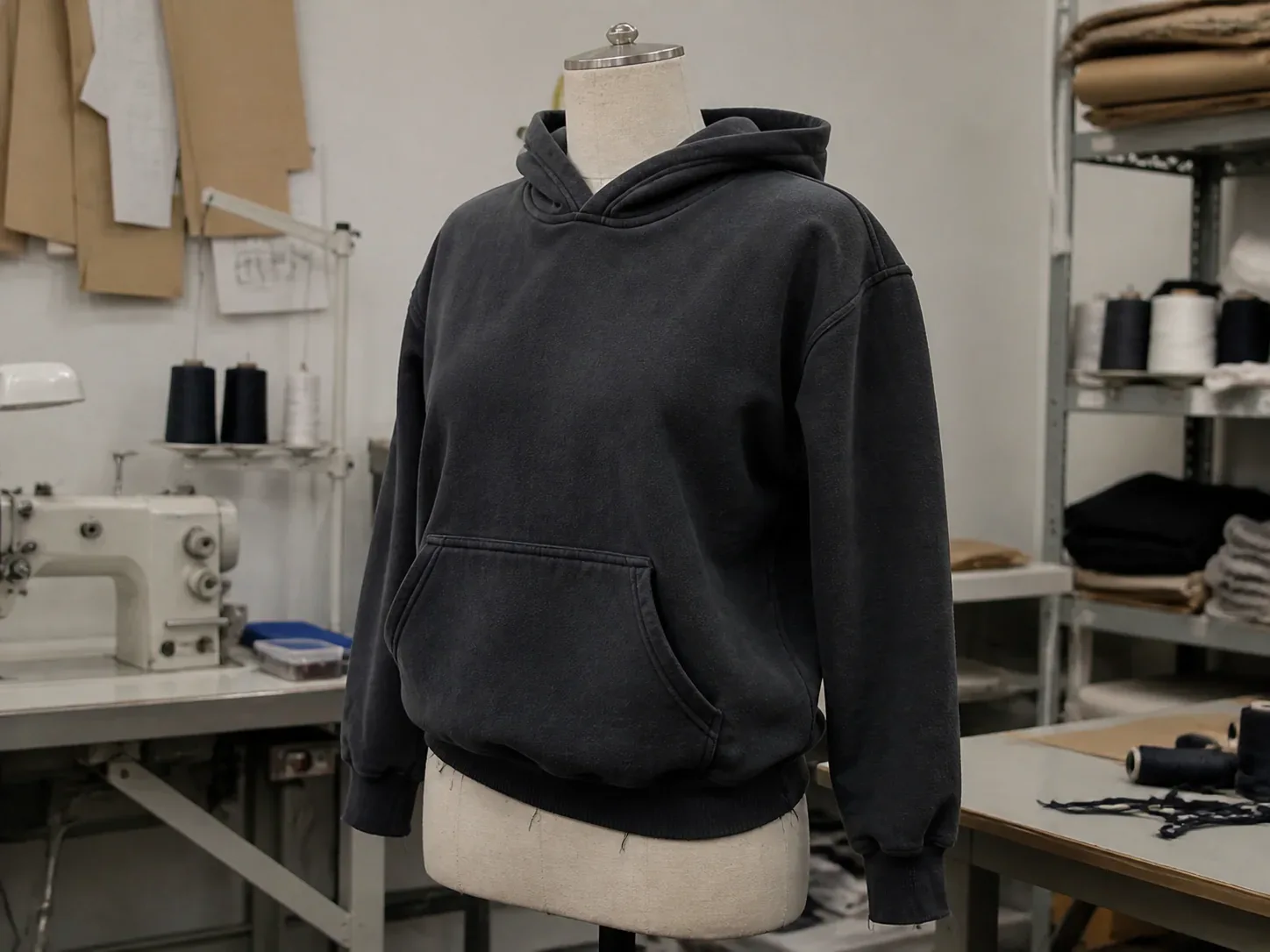
04 / 06
Sample
Simple samples take 10–18 working days. Every spec is approved on a physical garment before bulk cutting starts.
05 / 06
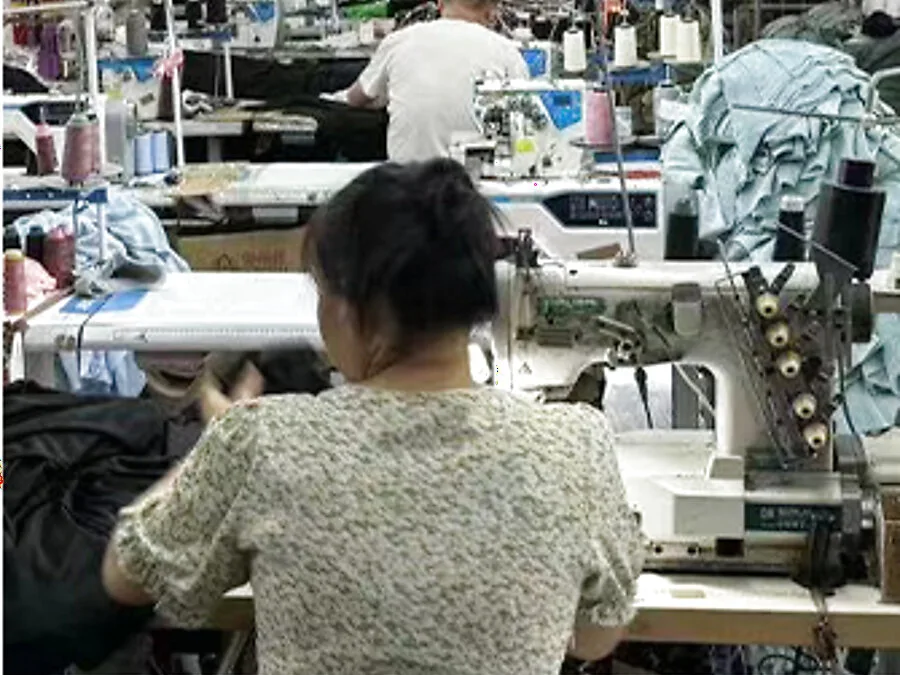
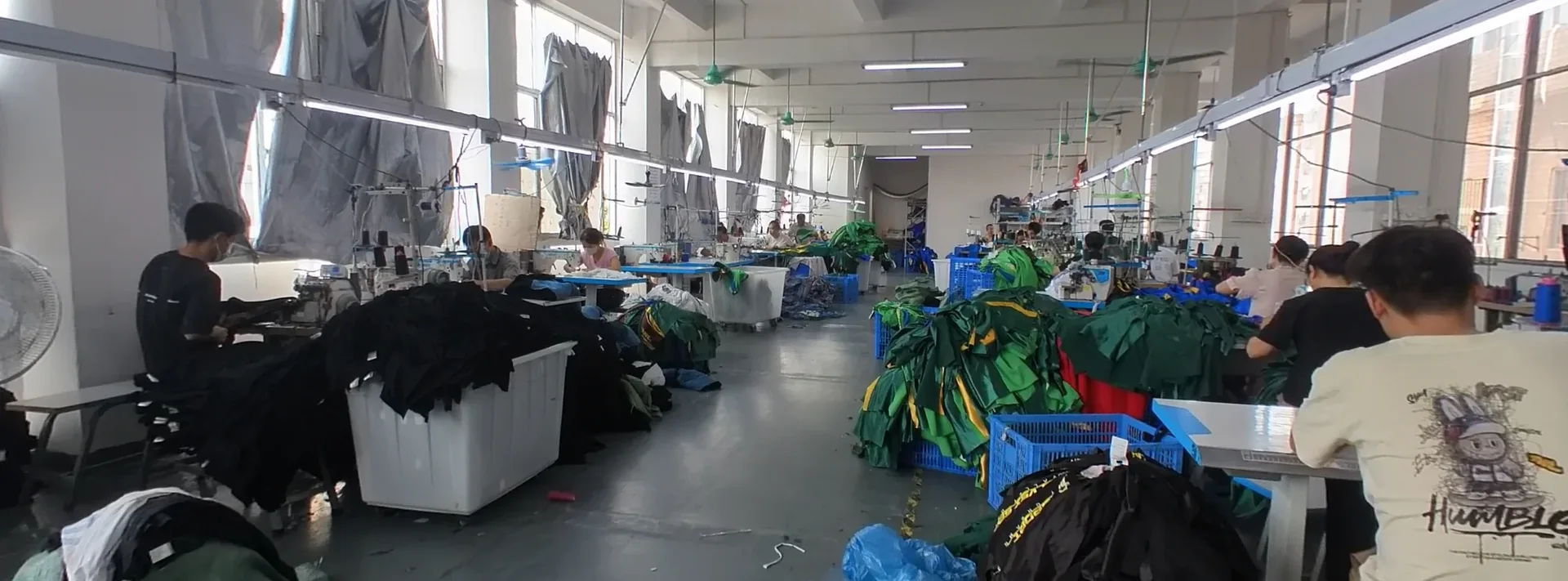
Sewing & finishing
Panels sewn in-house. Print, embroidery and garment washes are coordinated on the same program.
Washing & garment dye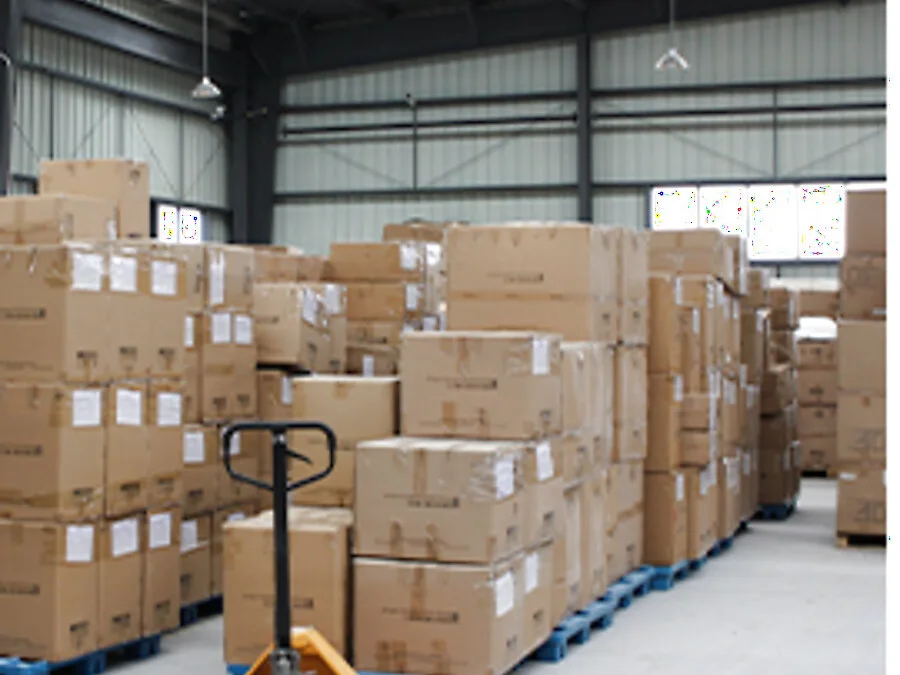
06 / 06
QC & packing
Bulk takes 20–30 working days after sample approval. Every garment is checked, then packed to your spec.
Quality control & packing
04 / Start from what you have
You don't need a finished tech pack
A reference garment, a size chart and artwork files are enough for design review. We build the missing specifications with you and lock everything on a physical sample before bulk.
Send · reference garment or tech pack · target fabric and weight · quantity per style and color · launch date
Before your first brief
Questions,
answered.
What does cut and sew mean in clothing manufacturing?
The garment is made from scratch: fabric is sourced to your spec, panels are cut from your pattern and sewn into your design. It is the opposite of decorating pre-made blanks — the fit, fabric, construction and labels are all yours.
What is your MOQ for cut and sew orders?
MOQ 50 pieces per style, per color.
How much does cut and sew development cost?
Development is quoted per style and covers pattern work, the first sample and revision rounds before bulk. Sample and bulk unit prices are confirmed in the project quotation.
Do I need a tech pack to start?
No. A reference garment, measurements and artwork are enough to begin design review; we build the missing specs with you. A finished tech pack speeds up quoting but is not a requirement.
When should a brand switch from blanks to cut and sew?
When demand is proven at 50+ pieces per style, per color, when the design needs fits, weights or washes the blank market cannot supply, or when relabeled blanks start hurting the brand's credibility. Before that point, blanks are the rational choice — and we say so.
How long does a cut and sew order take?
Simple samples take 10-18 working days. Bulk takes 20-30 working days after sample approval, and revision rounds run at your pace between the two.
Do you handle decoration and washing in the same order?
Yes — printing, embroidery, patches, appliqué and garment washes are coordinated inside the same program, sequenced correctly and approved on the same sample.
Do you keep our designs confidential?
Your patterns, samples and artwork are used only for your production; we don't show client work publicly.
Keep exploring
Related paths
Cut and sew is the build. These paths are how brands run it.
Buyer guides
Guides for the next sourcing decision.
Use these guides to prepare the specifications, approvals and trade-offs behind this buyer path.
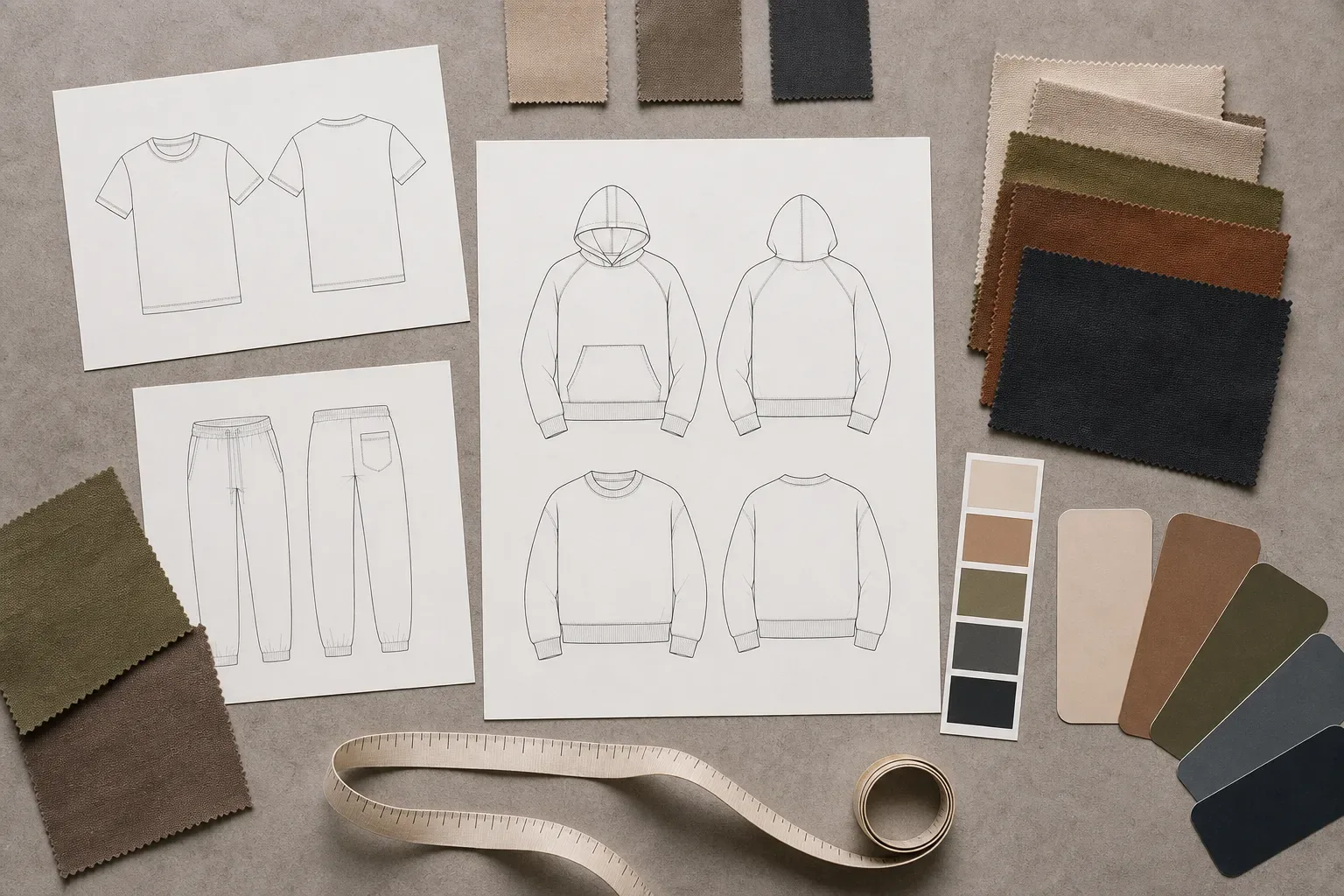
How to Prepare a Tech Pack a Factory Can Actually Quote
What to send a clothing manufacturer for a usable quote—and how to keep one approved tech-pack revision controlling every later sample and production change.
Read guide →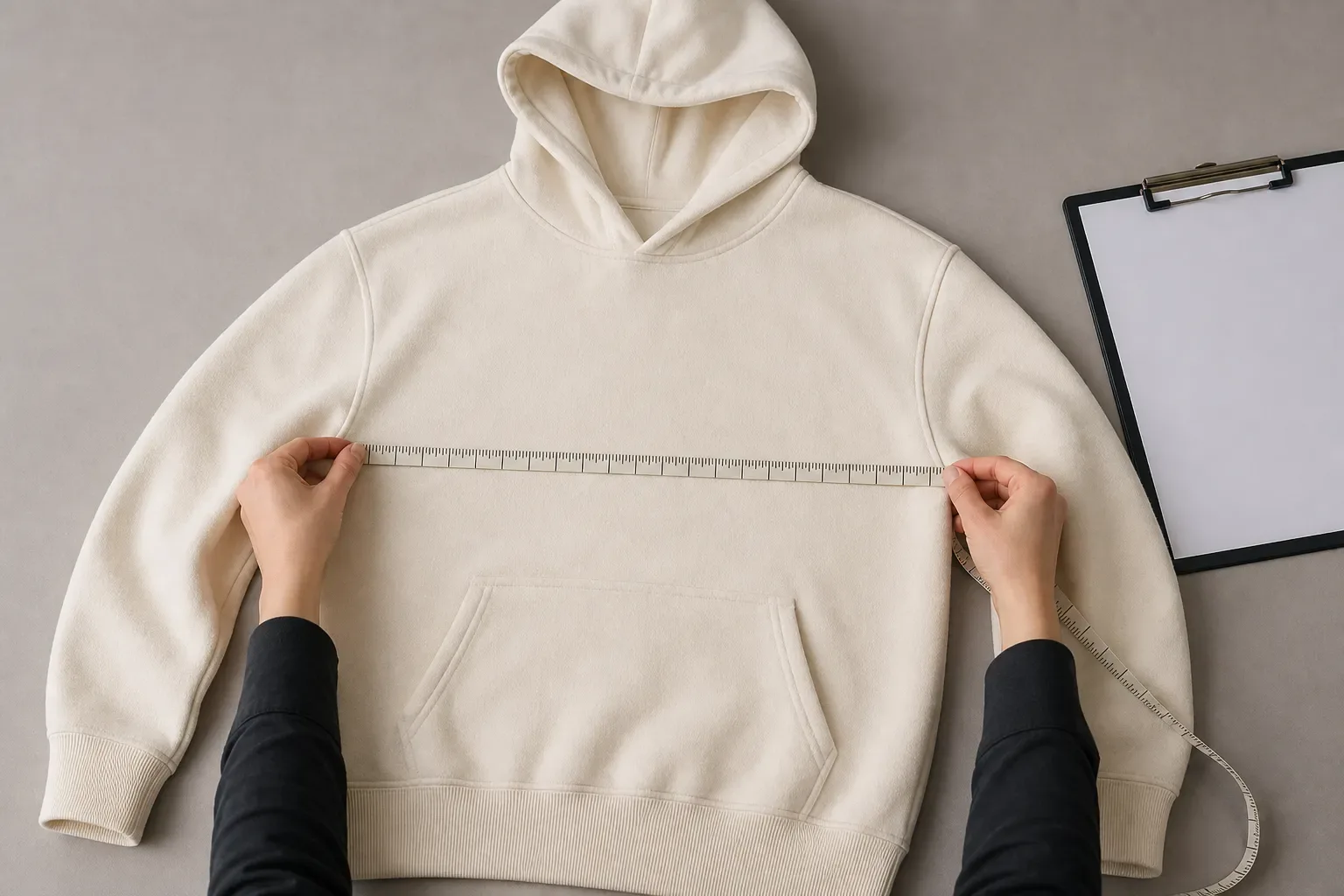
Garment Sample Approval Checklist: One Comment Sheet, One Revision Trail
Inspect a garment sample in 15 steps, then carry every measured, photo-linked comment through response, verification and closure without losing the history.
Read guide →