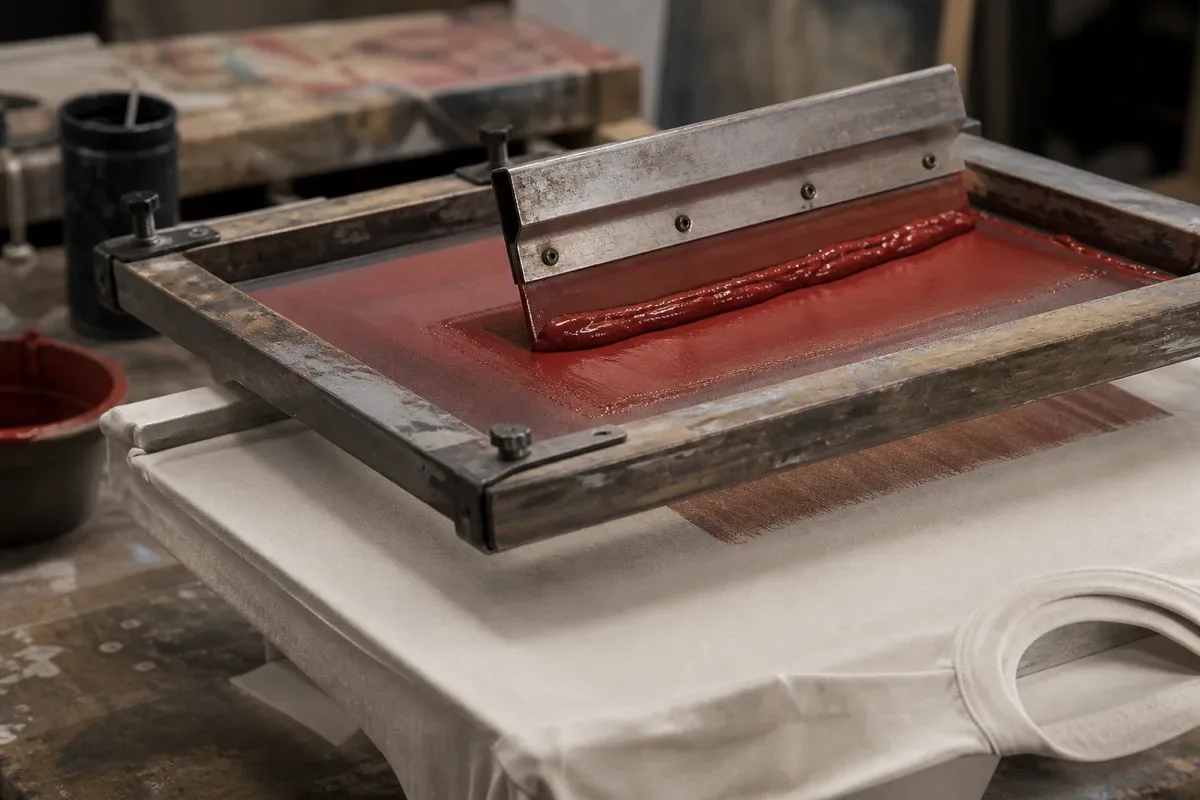
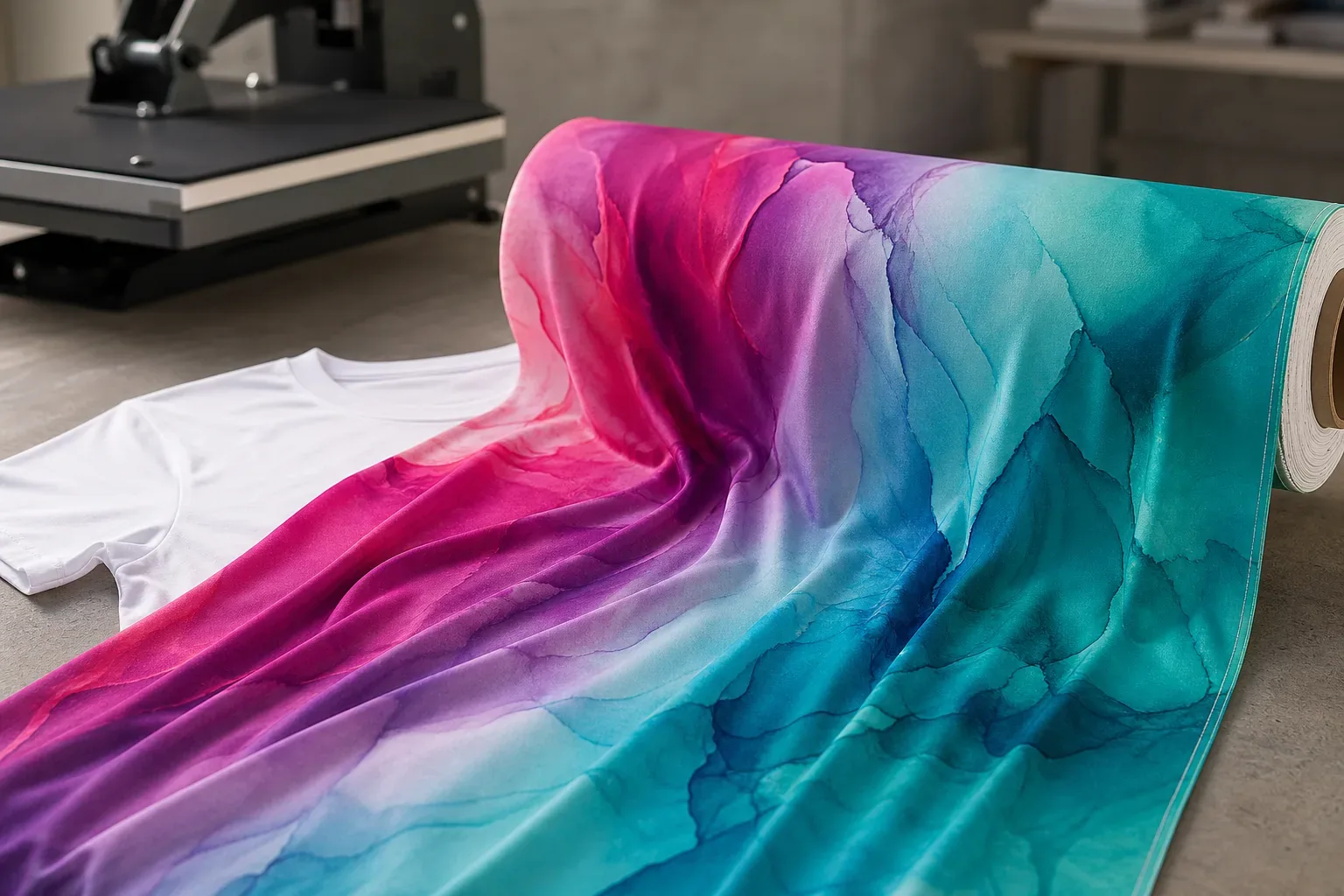
Screen, DTG, DTF, Puff or Embroidery: Choosing Your Method
The five decoration methods compared where it counts: the 24-piece cost crossover, a method-by-fabric matrix, color capabilities, and a decision tree — from the factory floor that runs all five.
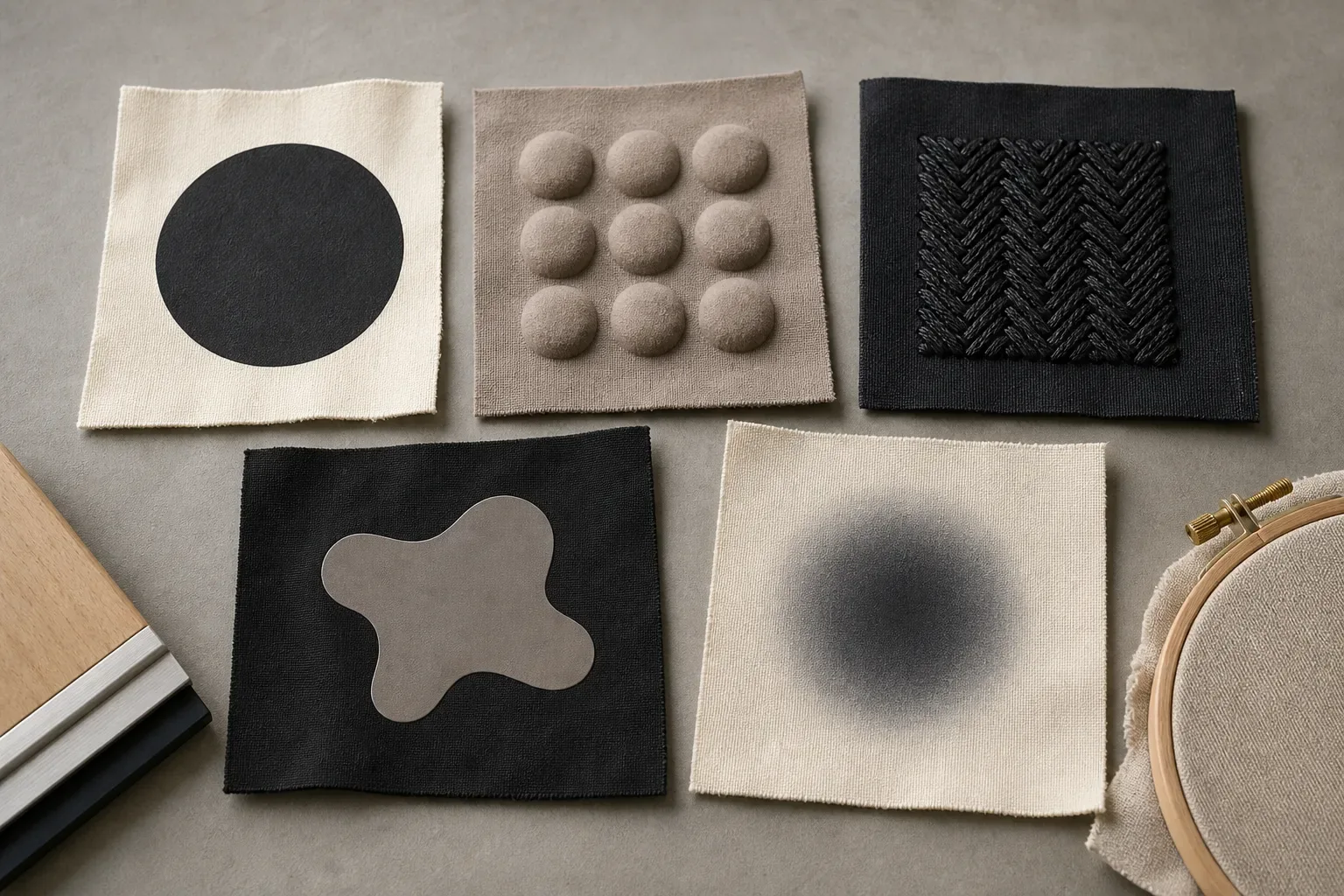
Half the artwork files we receive arrive with the wrong decoration method attached — not because the choice is hard, but because the trade-offs are rarely explained with numbers. This guide is the numbers version. We run all five methods on our floor in Dongguan; below is the decision logic we actually apply at design review, including the cost crossovers, the fabric matrix, and where each method's color capability tops out.
At a glance: bold flat-color art at real quantity → screen. Photographic art on cotton → DTG. Any fabric, fine detail, small drops → DTF transfer. Bold texture → puff. Compact premium logo → embroidery. Quantity moves the answer more than most brands expect: around two dozen pieces, screen printing's economics overtake digital — and by 72 pieces it is no contest.
The decision matrix
| Screen | DTG | DTF transfer | Puff | Embroidery | |
|---|---|---|---|---|---|
| Best artwork | Bold spot-color graphics | Photos, gradients | Fine detail, full color | Chunky logos, lettering | Compact marks |
| Setup per design | Screens per color | None | None | Screens + foaming pass | Digitizing (one-time) |
| Unit cost at volume | Lowest | Flat, mid | Flat, low-mid | Low-mid | Highest (stitch count) |
| Fabric range | Wide (ink per fiber) | High-cotton best | Widest, incl. nylon | Smooth/mid fleece best | Wide; knits need stabilizing |
| Hand / feel | Ink layer, tunable | Softest (in fiber) | Film on surface | Raised relief | Thread, dimensional |
| Durability | Excellent cured | Good on cotton | Good pressed right | Excellent; never iron | Outlasts the garment |
| Signature use | Big graphic hits | Full-color art tees | Multi-fabric programs | Statement chest logos | Premium chest/sleeve hits |
Every cell above is a judgment call somewhere on some design — the sections below give you the reasoning, and the mechanics explainer covers how each method physically works if you want the layer underneath.
Which method is cheapest at your quantity?
The most useful number in decoration economics is the crossover point. Screen printing pays a setup per color — decorator screen fees typically run $15-40 per color, most commonly $20-30 — and then prints each unit for pennies of ink. Digital methods (DTG, DTF) pay almost nothing to start and the same amount per unit forever; on a dark, colorful DTG print, ink and pretreatment alone commonly run $4+ per piece.
Run the math and the industry's rule of thumb falls out: below roughly 24 pieces, digital wins; above it, screen printing pulls ahead — and by 72 pieces it, in one industry publication's words, "absolutely blows away" DTG on cost. More colors shift the crossover upward (each color is another screen), which is why a 1-color logo goes to screens almost immediately while an 8-color design may stay digital deep into the hundreds.
Two practical notes from our floor: DTF adds a wrinkle, because gang sheets (many designs printed on one film) push its effective unit cost down for small mixed orders — the economics that make multi-placement small drops viable. And at our MOQ starting at 50 pieces, with the final minimum depending on the product, fabric, wash, and customization, most single-design orders sit right in the zone where the method choice genuinely changes the quote — which is why our quotes price the method against your actual artwork and quantity rather than a generic chart (the full cost stack is in our hoodie cost anatomy).
The decision tree
Screen printing: the volume workhorse
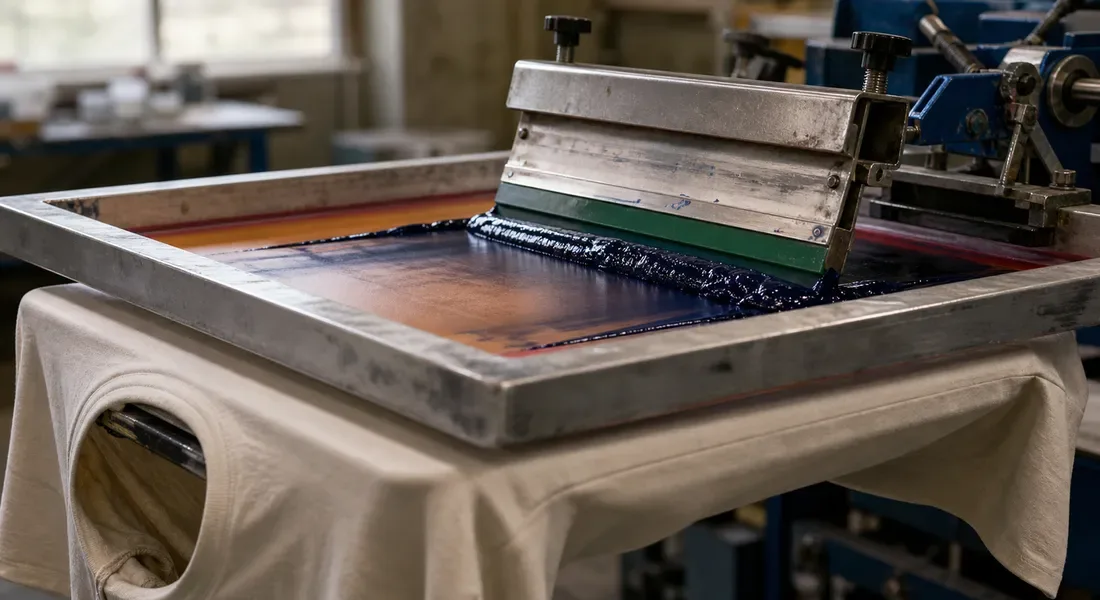
Ink pushed through a stencil mesh, one screen per color, cured into the fabric at ~160 °C. Bold, saturated, and the cheapest per unit once quantity amortizes the screens.
Choose it when: solid colors (one to roughly six), the boldest color hit, real quantity. Avoid it when: photographic art, or more colors than the run justifies cutting screens for. The detail people miss: screen is also the color-accuracy king — spot inks are mixed to Pantone targets rather than approximated, and for photorealism at volume there is a pro technique (simulated process — halftone dots of 6-10 inks) that keeps screen in the game even for complex art.
DTG: the photograph machine
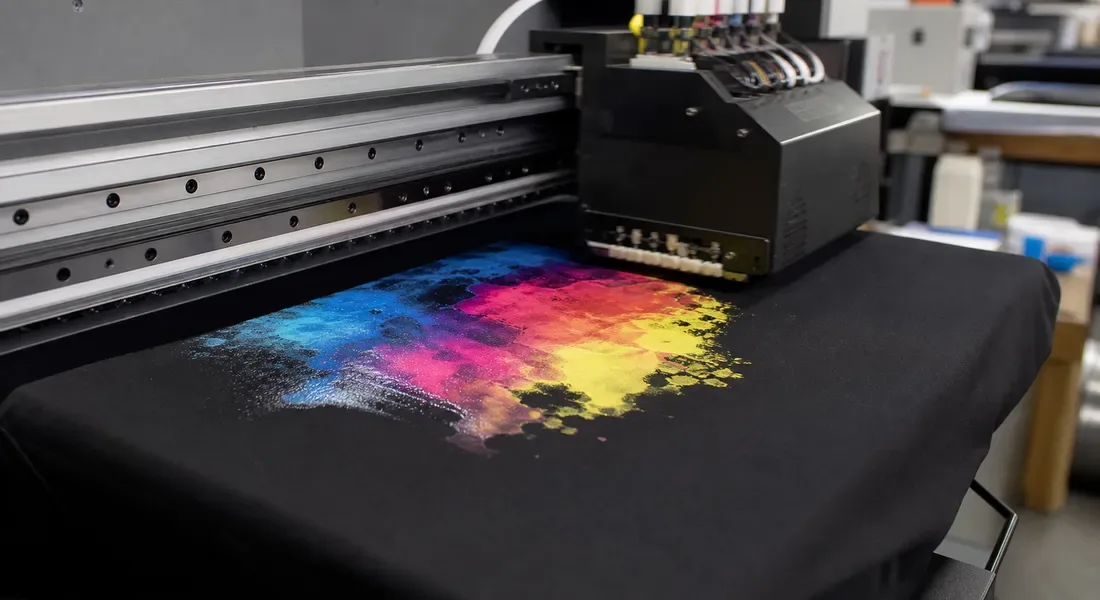
A digital printer lays water-based ink directly into the garment — no screens, no per-color cost, a 40-color design costs the same as a 2-color one, and the hand is the softest of any method because the ink lives in the fiber.
Choose it when: photographic, painterly or gradient-heavy art on high-cotton garments. Avoid it when: you want thick opaque ink on dark heavyweight fleece (DTG reads softer and can mute on dark grounds) or the fabric is high-polyester — water-based ink and poly do not get along, and dye migration lurks. Cotton quality shows in the print: the smoother ring-spun surfaces we spec for premium tees are part of why DTG art looks sharp (see the yarn guide).
DTF transfer: the everything-else machine
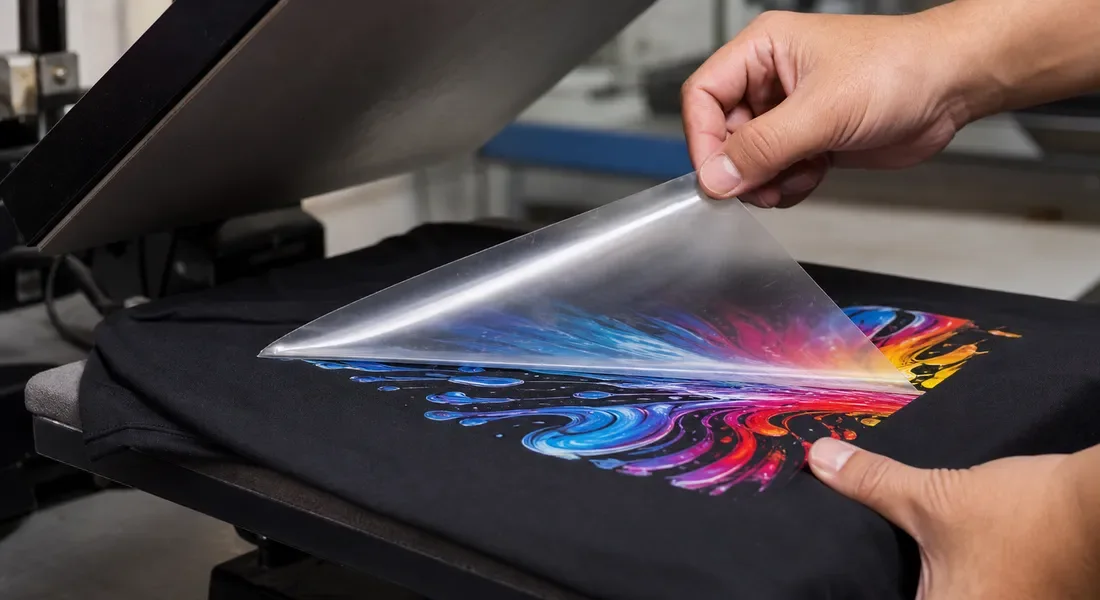
The modern engine of the heat-transfer family: full-color inkjet onto film, adhesive powder, then pressed onto the garment. Fine detail, exact placement (over seams, on pockets, inside necks — printed neck labels are transfers), and the widest fabric range of any method, nylon included.
Choose it when: the design needs crisp detail or exact placement; the program spans mixed fabrics; or the order is small and varied (gang-sheet economics). Avoid it when: maximum breathability on a large print area matters — a big transfer panel sits on the fabric as a film — or the garment faces hard industrial laundering. Trade press through 2025 shows DTF's boom maturing into a standard tool alongside DTG rather than replacing it; that is exactly how we run it.
Puff print: texture as branding
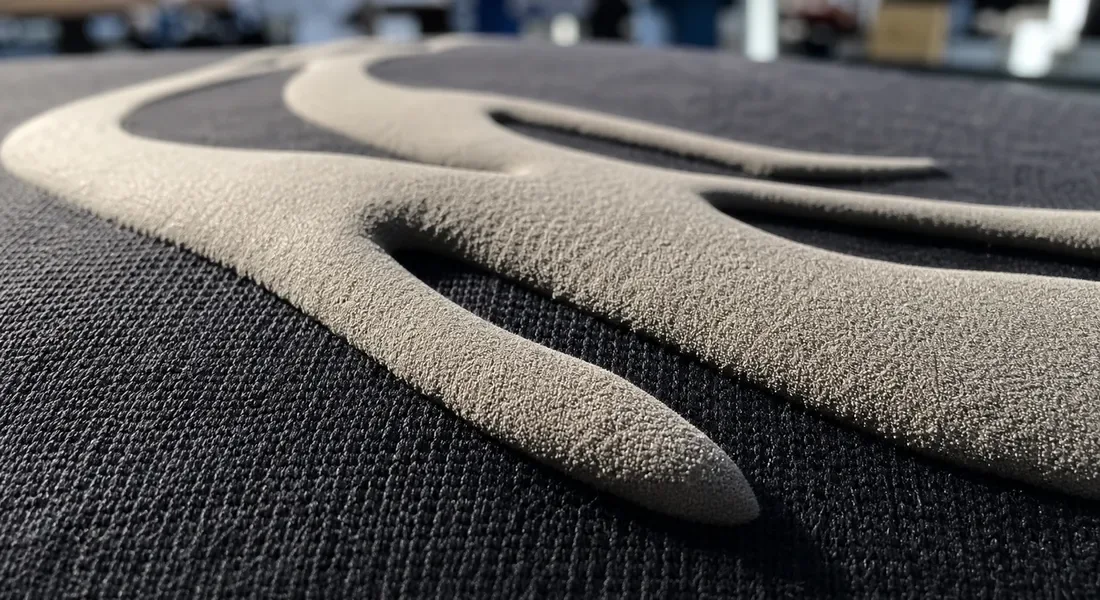
A screen print whose ink expands under heat into raised relief — the current streetwear favorite, because a puff chest logo photographs with shadow and depth flat ink cannot fake.
Choose it when: the logo is bold and simple and texture is the point; puff pairs beautifully with mid-to-heavyweight fleece that holds its shape. Avoid it when: the artwork has fine lines or small text — expansion eats detail. Also know its one fragility: cured puff collapses if re-heated (ironing kills it) — care labels carry that warning by default; the full chemistry is in our puff guide.
Embroidery: the premium signal
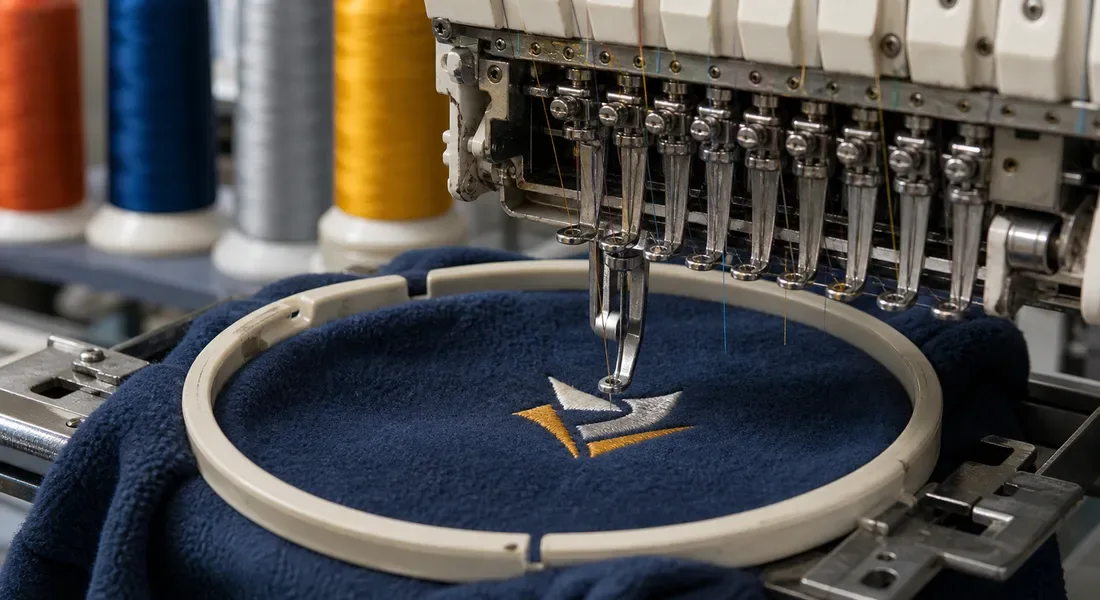
Thread, not ink. Embroidery reads as quality at arm's length, survives essentially unlimited washing, and a small embroidered chest hit remains the quietest way to make a garment feel expensive.
Choose it when: the logo is compact and the brand wants a premium dimensional read — chest hits, sleeve marks, back yokes; appliqué, patches and chenille extend the family (mapped in our embroidery guide). Avoid it when: artwork has gradients or detail below thread resolution, or covers a large area — stitch count drives cost, and heavy stitch fields stiffen fabric. Color works differently here: designs match to the nearest thread shade from charts of hundreds of colors, not to mixed ink.
Which fabrics take which methods?
| Fabric | Screen | DTG | DTF | Puff | Embroidery |
|---|---|---|---|---|---|
| 100% cotton jersey | ✓ ideal | ✓ ideal | ✓ | ✓ (smooth face) | ✓ (density limits) |
| Heavy cotton fleece | ✓ | △ mutes on darks | ✓ | ✓ ideal | ✓ (needs topping) |
| Cotton/poly blends | ✓ low-bleed ink | △ migration risk | ✓ | ✓ | ✓ |
| High polyester | ✓ low-bleed + blocker | ✗ poor fit | ✓ | △ heat caution | ✓ |
| Nylon shells | △ bonding catalyst | ✗ | ✓ best option | ✗ | ✓ |
The pattern worth memorizing: fabric eliminates methods before design does. A nylon jacket program has already chosen DTF or embroidery before anyone looks at the artwork; a heavyweight fleece line has quietly ruled out DTG for its dark colorways. Bring fabric intent to design review and half the decision is made. For seam-to-seam artwork on polyester, the sublimation and all-over-print guide covers dye chemistry, white-ink limits and panel alignment; that route sits outside the placed-decoration matrix above.
Combining methods (where designs get interesting)
The methods are not mutually exclusive — many of our best builds combine them: a puff front hit with an embroidered sleeve logo; a DTG photographic back with a screen-printed chest mark; embroidery over a garment-dyed body. Every placement is checked against fabric and wash at design review, because decoration interacts with both — a heavy wash ages a screen print (often deliberately), transfers go on after washing, and embroidery is stitched with shrinkage in mind. Sequencing is half the craft; cure and wash-durability engineering is the other half.
Hotfix rhinestones sit outside this ink-and-thread matrix; use the hotfix rhinestone guide when the brief calls for stones rather than printed or stitched relief.
MOQ starts at 50 pieces across these methods, while the final minimum depends on the product, fabric, artwork and customization. Simple samples typically take 10-18 working days after project details are confirmed; complex artwork or processes take longer. Pricing is confirmed after project review, and every decoration is locked on a physical sample before bulk — ink, thread and fabric only tell the truth in person. The full menu is on our printing capability page.
FAQ
Which decoration method is cheapest? Quantity decides. Below roughly two dozen pieces, digital (DTG/DTF) wins because there is no setup; above it, screen printing's per-unit economics take over — decisively so by 72 pieces on typical spot-color art. More colors push the crossover higher. Our quotes price your actual artwork at your actual quantity, which beats any generic chart.
Which lasts longest through washing? Embroidery outlasts the garment. Among prints, properly cured screen printing leads — industry estimates put DTG's wash-life meaningfully shorter on equivalent garments — with DTF durable when pressed to spec. In practice, wash failures trace to curing or fabric mismatch far more often than to the method itself; the sample round exists to catch exactly that.
Can you match my exact brand color? Screen printing matches best — spot inks are mixed to your Pantone target, not approximated through a CMYK profile. DTG and DTF render through digital gamuts and get close; embroidery snaps to the nearest thread shade. Bring Pantone references to design review and we confirm the match on a physical sample.
Does the print method change the MOQ? No — the starting MOQ is 50 pieces across all five methods, while the final minimum depends on the product, fabric, artwork, and customization. What changes is the per-unit decoration cost and its quantity curve, which the quote itemizes so you can see exactly what the method choice costs you.
References
- Printavo (screen-print industry publication): DTG vs screen cost crossover (~24 pieces; "by 72 prints…"), DTG dark-garment consumable costs ($4+), relative durability estimates
- Impressions Magazine: spot-color/Pantone advantages of screen printing; simulated process as the photorealistic screen technique
- Printful / decorator industry guides: screen fee ranges ($15-40 per color), fabric-compatibility conventions
- Images Magazine 2025 DTF market report: DTF growth maturing alongside DTG; hybrid workflows
- Ink-maker technical documentation: low-bleed/blocker systems for polyester, nylon bonding catalysts
- Companion guides on this site: mechanisms, cure/wash durability, puff chemistry, embroidery engineering