What Makes a Quality Clothing Manufacturer? Jiashun’s Approach
From washing water and stitch spacing to remaking defective garments, the choices behind Jiashun’s approach to quality and lasting brand relationships.
A quality clothing manufacturer understands the product a brand wants to make, turns that intention into clear requirements, and follows those requirements through sampling and production. Its response when something goes wrong matters just as much as its first sample.
Some of that work is easy to see: the shape of a hoodie, the feel of its fabric, the finish around a neckline. Other choices stay out of sight. A customer rarely asks what water was used for garment washing, how stitch spacing was chosen, or whether a defective piece had to be made again.
At Jiashun, our approach to manufacturing includes those less visible decisions. They are part of the care behind the garment your customer eventually wears.
What quality means in practice
- Agree the fabric, fit and finish your product needs, then review them on a physical sample.
- Pay attention to production inputs and construction details, including washing water and suitable stitch spacing.
- Carry the approved requirements into bulk production and act on defects when they are found.
- Compare price alongside the work included and the product your brand needs to deliver.
Start with the product your brand wants to make
Quality needs a product context. A structured hoodie and a soft, fluid T-shirt call for different material and construction choices. A high fabric weight alone cannot tell you whether either garment is right for your collection.
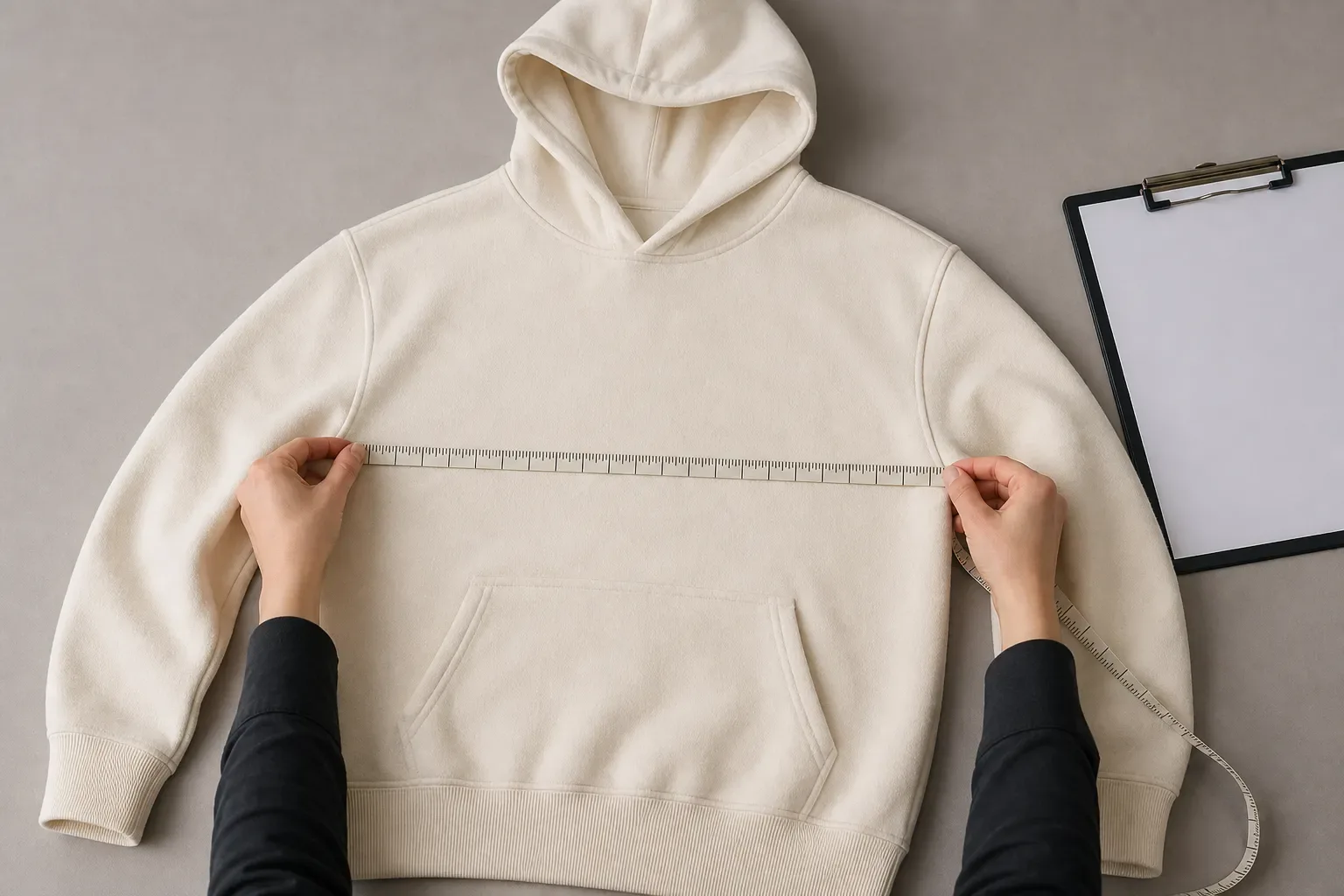
When a brand asks for a premium feel, the useful next step is to describe it. Should the fabric hold a boxy shape? Should the inside feel soft against the skin? How should the shoulder fall, and how much volume should the sleeve have?
Our development conversations connect those preferences with fabric, fit, washing and decoration. The aim is to make the choices clear enough to sample and review together. Our pattern and fit development process explains how references and measurements become a physical starting point.
A defined product gives everyone something specific to work toward. It also gives the buyer a fair basis for comparing samples and quotations.
Pay attention to the choices customers rarely see
The visible finish is the result of many production decisions. Two examples from Jiashun are washing water and sewing detail.
The water used for garment washing
Tap water may sound like an obvious choice, but it is not a given in garment washing. Some factories use river water directly, or even wastewater without adequate treatment. At Jiashun, we use tap water. We make that choice because the water coming into contact with your garments is part of the production quality we care about, even when buyers never see it.
Properly treated and quality-controlled recycled water is a separate case. Our concern here is water used without adequate treatment. The finished wash still needs to be reviewed on the garment: its shade, feel, appearance and fit after processing, alongside any tests agreed for the order.
For a brand, the useful question is how the finished result will be approved. Bring a physical reference where possible, identify the effect you want, and discuss which variations are acceptable. Our washed clothing development page connects these decisions with fabric and sample development.
The care within a seam
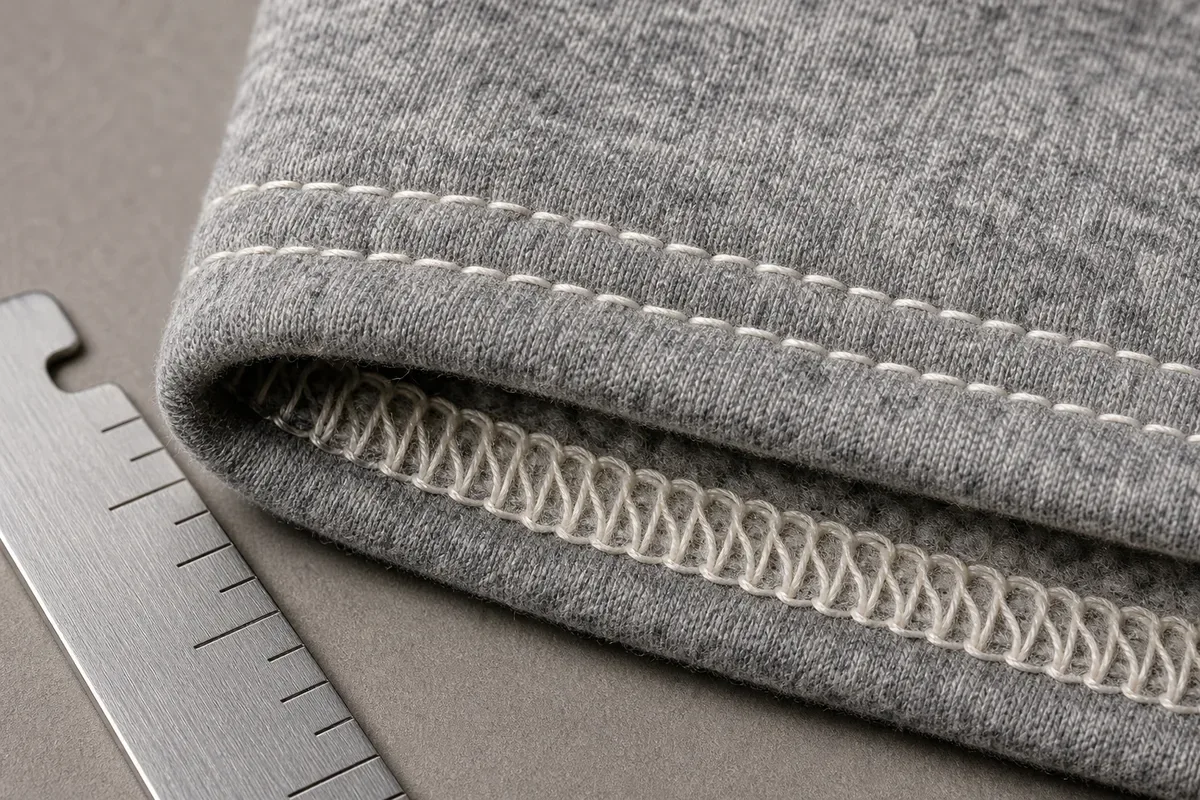
At Jiashun, we use closer stitching where it suits the fabric and seam. We pay attention to stitch spacing and the finished sewing, including details that a customer may only notice when turning the garment inside out.
The right construction depends on the material and the job the seam must do. A stretchy seam needs room to move; a seam against the skin also needs a comfortable finish. Coats’ Soft and Secure Seams explains why thread choice, strength, stretch, bulk and softness need to be considered together.
More stitches are not automatically better for every fabric. SCHMETZ’s technical guide to sewing lingerie, for example, warns that very high stitch density can damage material or cause puckering. Its application-specific settings are not universal streetwear specifications. The lesson for a buyer is to judge the completed seam in its fabric and use context.
When reviewing your sample, look at the inside as well as the outside. Check whether the stitch line is even, whether the fabric lies as intended, and whether the seam feels appropriate for the garment. Our stitch and seam guide covers those observations in more detail.
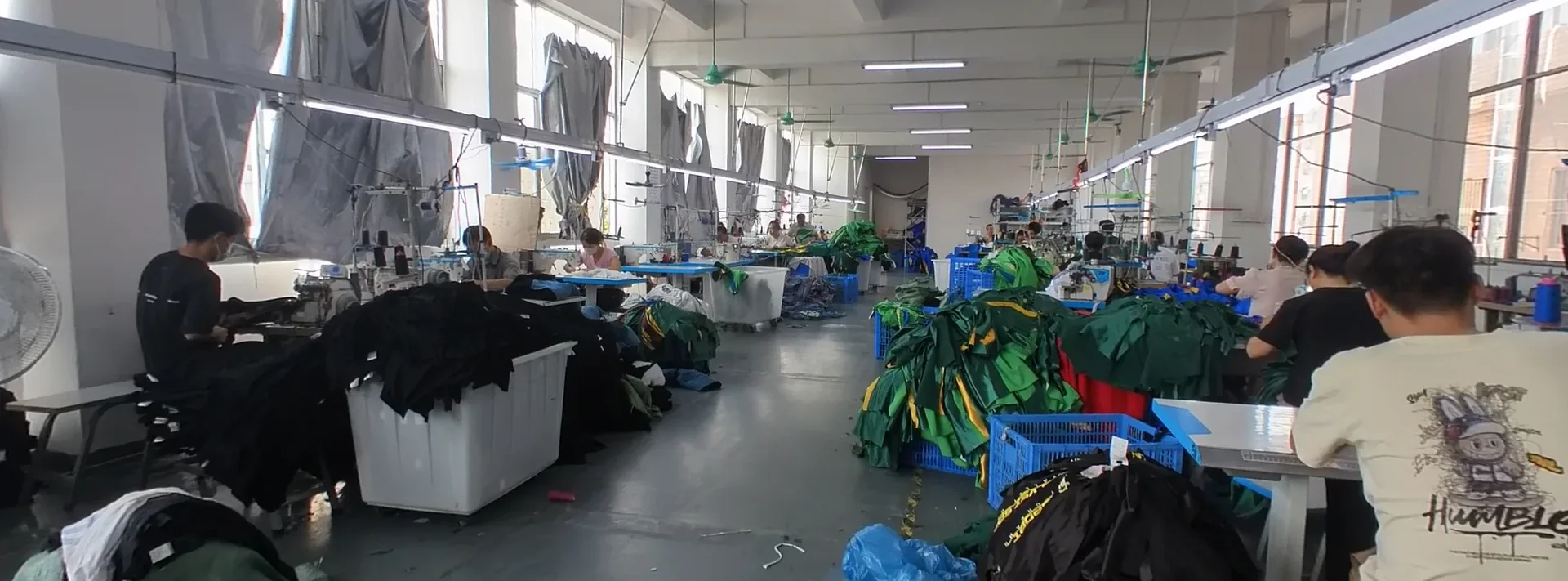
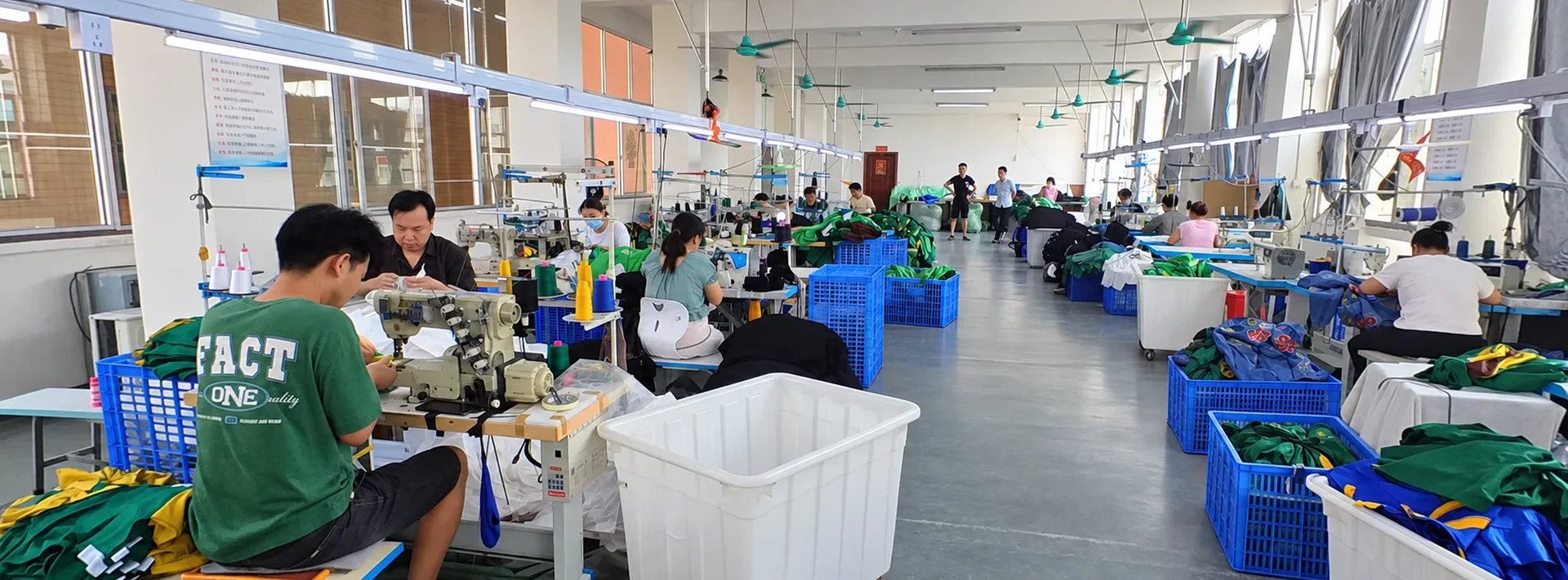
The sewing team at Jiashun. This workshop photograph provides context; stitch spacing should be assessed on the actual sample.
Give the quality requirements a physical reference
The sample brings fabric, fit and finishing decisions together. It lets both the brand and the factory see what a written brief means as a garment.
For a hoodie, review the body shape, hood, sleeve volume, rib proportions and decoration together. Turn it inside out. Handle the seams. Compare it with the measurements and finish references you supplied. Where wash performance matters, agree how it will be assessed.
At Jiashun, the approved sample sets a reference for bulk production alongside the agreed specifications. Clear comments help us understand what needs to change before approval. Keep one current revision record so that an earlier fit comment cannot be confused with the final decision; our sample approval checklist provides a practical structure.
A good sample is an important milestone. Production checks are still needed to manage the order that follows.
Carry the agreed standard into bulk production
Bulk quality depends on how the confirmed requirements are used during production. The review needs to cover the details that matter for that order, including construction, measurements, decoration and finishing.
Jiashun’s quality control and packing process connects pre-production agreement with in-line checks and final review before packing. Every garment receives a basic appearance and workmanship check. Measurement checks, special tests, acceptance quality limit (AQL) sampling and third-party inspection follow the order’s agreed inspection plan.
Make those requirements clear before production begins. If your collection needs a particular test, measurement check or packing detail, include it in the brief so its scope can be agreed.
Even the final presentation deserves attention. A correct garment still needs the right label, size identification and packing arrangement for the buyer’s order. These details are part of delivering the product that was agreed.
Take responsibility when a piece needs to be made again
Inspection has value when a finding leads to action. At Jiashun, when a defective garment needs to be remade to meet the agreed requirements, we remake it and take on the additional production work.
The fabric and time already spent on that piece do not make an unacceptable result acceptable. Remaking it uses more material, labor and production time, but maintaining the agreed standard means being prepared to do that work.
The required response depends on the actual problem. The defect, remedy and any effect on the order need to be addressed together. This is why the approval reference matters: it gives both sides a basis for deciding whether the result meets the requirement and what must happen next.
For a brand evaluating a factory, ask how it handles a failed check. The answer tells you how the quality promise will be put into practice when production is difficult.
Understand what the price needs to support
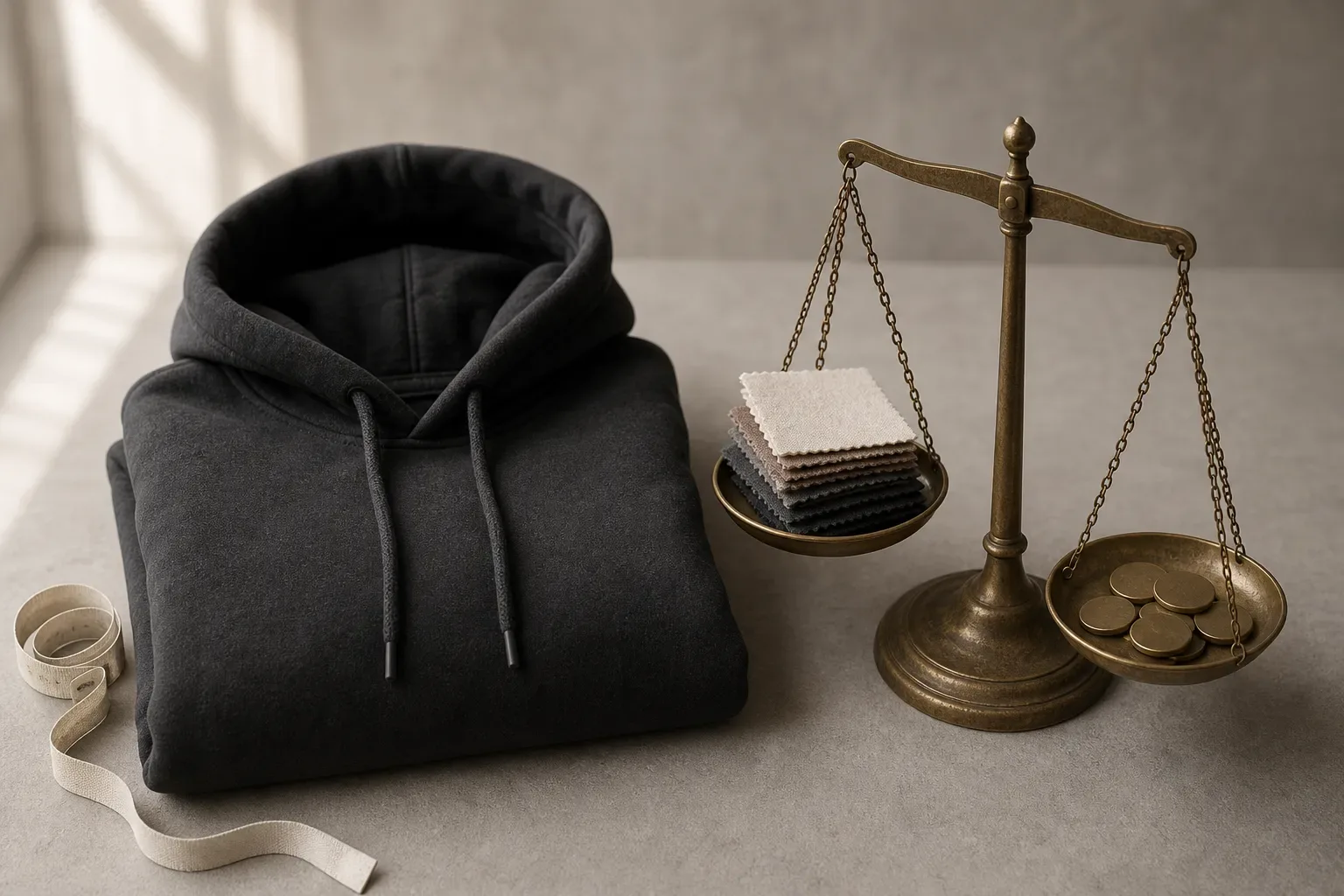
Jiashun is a quality-focused factory. We do not aim to offer the lowest price. Our work includes developing the product, carrying out the agreed construction and finishing, checking the result, and remaking defective work when needed.
In China, a brand can usually find a lower quotation. The useful comparison is what each offer includes and whether the proposed garment meets the same requirements. Our guide to why factory quotes differ explains how to compare that scope.
Budgets matter. A simpler design or a different material may be a sensible choice if it still meets the brand’s needs. Discuss those choices openly so that a lower cost comes with a clear understanding of what has changed.
Price alone cannot establish quality. The sample, the agreed specifications and the factory’s handling of production give you a stronger basis for the decision.
Build the quality your customers can return to
Competing only on price creates constant pressure to cut further. For a brand building for the long term, purchase price is one part of a much larger decision.
Customers experience your brand through how a garment feels, fits, holds together and performs after washing. Consistent quality helps build trust, supports repeat purchases and gives people a reason to choose your brand again. Design, pricing and service also matter; quality gives that relationship a foundation.
At Jiashun, this is why we care about the details, including those your customers may never see. We want the care we put into your garments today to support the brand you are building for tomorrow.
Share your design and quality priorities with our team. Bring your references, intended fit and feel, quantity and any inspection requirements, and we can discuss the sample your project needs.