From ChatGPT to the Factory: AI in Streetwear, 2026 and 2027
How ChatGPT, Claude and apparel software are changing streetwear development, and what connected design, garment previews and faster quoting could bring in 2027.

A founder describes a washed, cropped hoodie to ChatGPT. A few iterations later, the concept looks convincing enough to belong in a campaign. Then the factory asks for the fabric, measurements, print dimensions and order breakdown. The image has answered what the garment might look like. Much of the work needed to make it is still ahead.
That gap is where the next phase of AI in streetwear becomes interesting.
By November 2026, the building blocks extend beyond standalone image generation. OpenAI's ChatGPT supports creating and editing images. Anthropic's Claude can work with documents, spreadsheets and connected tools. Apparel platforms are bringing AI into workflows that already contain 3D garments and material information. These capabilities address different parts of product development; their combination creates the possibility of a more direct route from an idea to a factory-reviewed order.
This article examines what the available technology supports today, then sets out our outlook for 2027. Product documentation establishes capabilities, not industry-wide adoption or guaranteed commercial results.
Key takeaways
- ChatGPT and Claude can help with visual development and production information, but they do not supply missing factory knowledge automatically.
- A significant 2026 development is the connection between general image models and existing professional 3D garment workflows.
- Useful instant quoting depends on approved specifications, current costs and manufacturing rules.
- Our strongest expectation for 2027 is a connected self-service workflow for supported products, with complex work routed to specialists.
In this article: 2026 developments · ChatGPT and Claude · Garment previews · Instant quotation · 2027 outlook
What actually changed in 2026?
AI image generation, 3D apparel design and automated cutting-room tools all existed before this year. Calling them 2026 inventions would miss the more useful development: new ways to connect them.
One concrete example arrived on September 1, 2026. CLO-SET announced its AI Visualizer beta, allowing users to create fashion imagery from an existing 3D garment using GPT Image or Gemini, with references and controls over the degree of transformation. Its documentation distinguishes this exploratory feature from Render, which depicts the garment as simulated. CLO-SET: AI Visualizer
This matters because the starting point can be a developed garment asset. A designer can explore presentation around work already completed in a specialist environment. The connection brings creative exploration closer to product development, while preserving the need to distinguish an AI interpretation from an accurate representation of the design.
Another 2026 release addressed the material side. In July, CLO-SET introduced CLOFAB, a browser-based fabric digitization tool. Its documented workflow includes hardware capture, AI-assisted texture tiling and physical-property generation from fabric specifications, with options for refinement. Computed properties still need to be distinguished from measured ones. CLO-SET: CLOFAB
Together, these examples suggest a practical direction: more connections between visual ideas, garment assets and material information. They do not establish that an autonomous design-to-production system has become standard.
ChatGPT and Claude solve different parts of the problem
ChatGPT: exploring the visual brief
OpenAI documents image creation, reference-based generation and image editing in ChatGPT. Its API documentation also supports iterative image editing in conversational workflows. ChatGPT image generation, OpenAI image generation documentation
For a streetwear brand, a practical application is developing a visual brief: comparing the position of a graphic, exploring a collection's palette or showing a designer the intended styling. These are applications of the documented capabilities, not evidence that the model has validated the garment.
The useful output is a clearer decision. If three concept variations help a founder choose the proportion and artwork direction, they have served a purpose. A further ten images that leave the fabric and construction unresolved may add little to development.
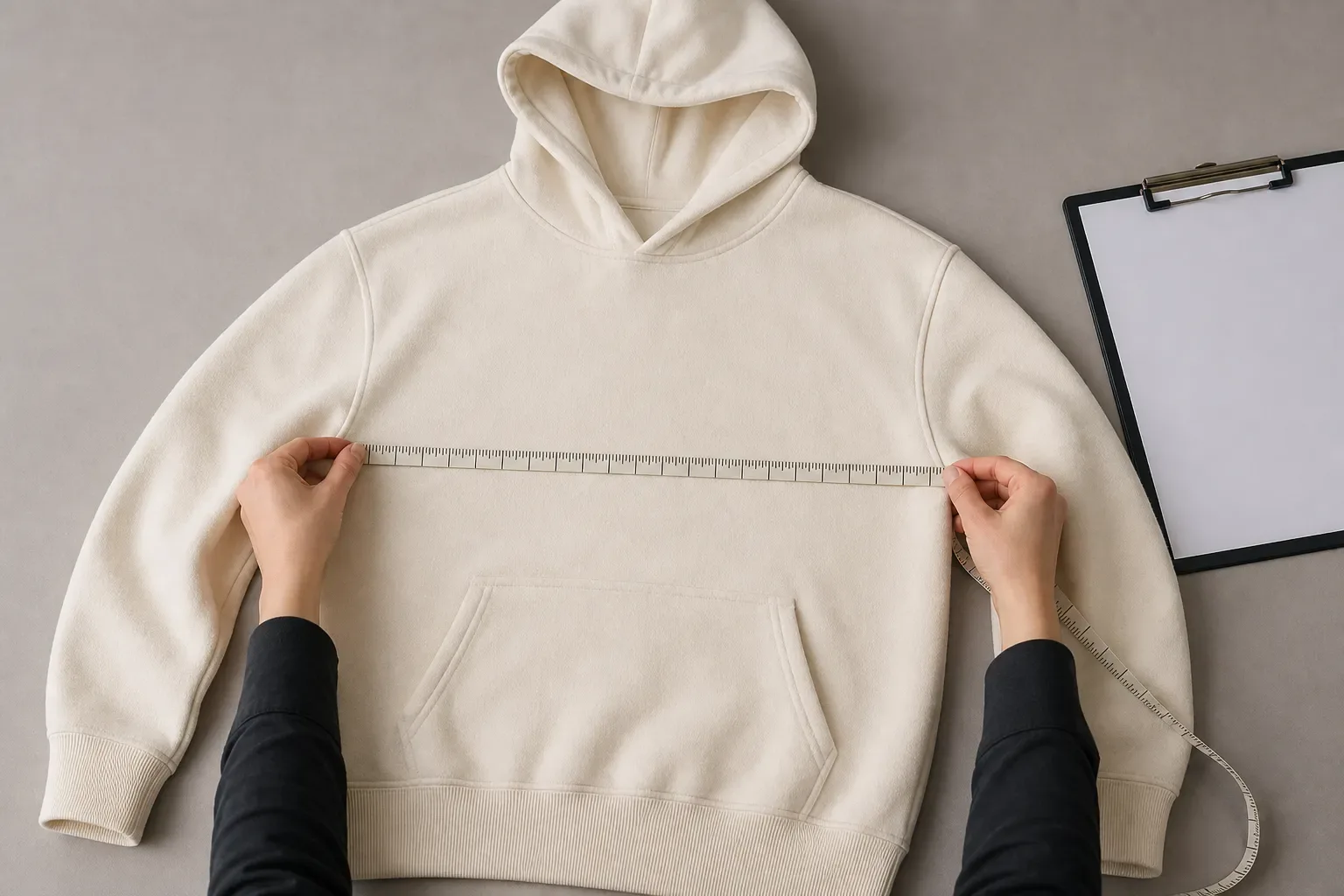
After selecting a direction, the brand should record what it actually approves. A cropped appearance needs a body-length measurement. An oversized sleeve needs dimensions and a construction decision. A faded black appearance needs a material and finishing discussion.
Claude: organizing the information behind the garment
Anthropic documents Claude's ability to analyze uploaded files, create documents and spreadsheets, and use connected business tools. That makes it relevant to the less visible work surrounding a garment: specifications, supplier quotations, sample comments and revisions. Upload files to Claude, Create and edit files with Claude
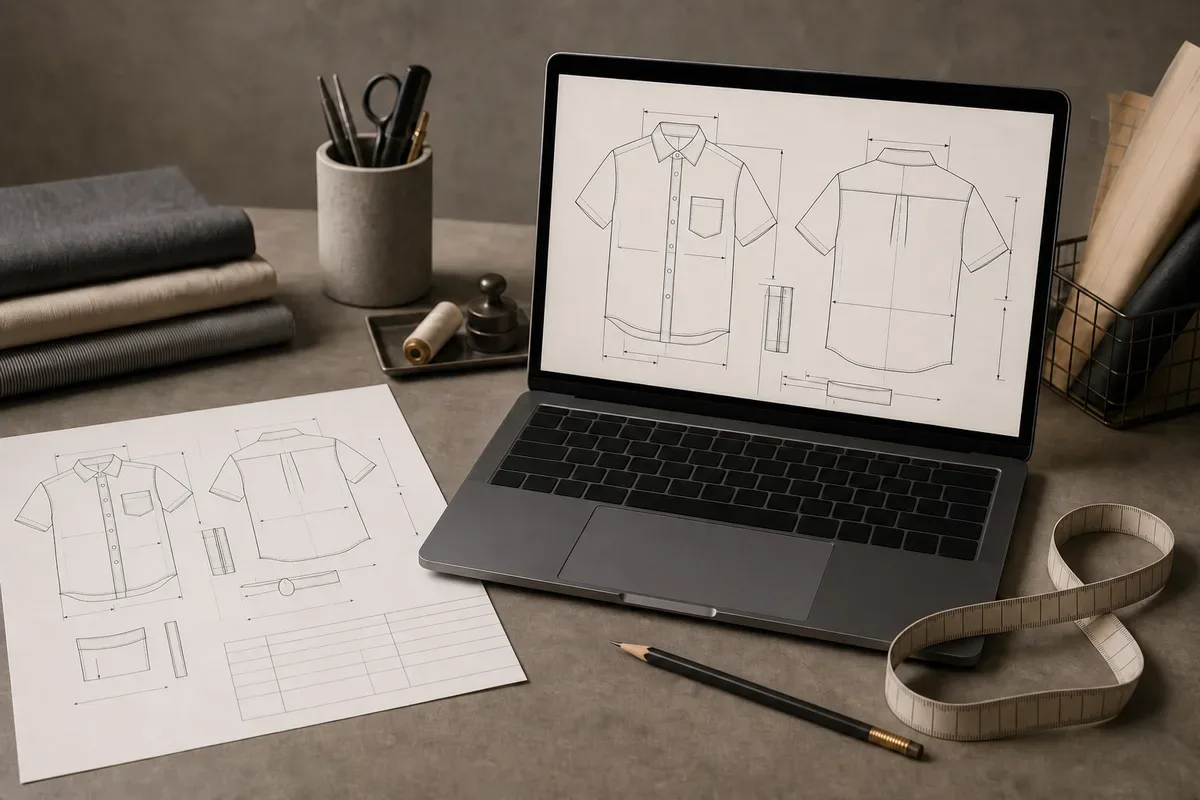
Consider a hypothetical development review. The measurement sheet specifies one body length, a later comment requests a shorter fit, and the latest sketch still shows the original version. Claude could help compare those supplied records and flag the apparent inconsistency for the team to resolve.
A similar approach could help organize a bill of materials or compare supplier quotes with different inclusions. The underlying information still needs checking. A neatly formatted spreadsheet can contain an invented consumption figure just as easily as an accurate one.
This is a useful distinction between their roles in this article: ChatGPT provides a documented image-generation route; Claude's documented strengths here concern information and workflow. Anthropic's image guidance distinguishes image analysis and coded visualizations from generating photographs or illustrations. Can Claude produce images?
A convincing garment preview has several levels of meaning
"Preview" can refer to outputs that answer very different questions. A brand should know which one it is reviewing.
| Preview type | What it helps assess | What still needs confirmation |
|---|---|---|
| AI concept or styled image | Visual direction, color relationships, artwork impression | Measurements, construction and actual material behavior |
| Pattern-based 3D garment | Simulated proportions, drape and fit using the supplied garment and material data | Accuracy of the inputs and the physical outcome |
| Physical sample | Actual fabric, fit, workmanship and finish | Agreed production tolerances and consistency across bulk |
Browzwear describes VStitcher as physics-based garment simulation using fabric data. Its Fabric Analyzer measures properties including thickness, stretch, recovery and bending behavior for digital materials. This is a different evidence base from asking an image model to make a hoodie look heavy. Browzwear, Browzwear Fabric Analyzer
For example, "450 GSM cotton" leaves many questions open. Fabric weight alone does not describe stretch, recovery, stiffness or the way the material behaves after finishing. Those differences matter to a cropped hoodie's shape and to the weight of its hood.
The commercial implication is straightforward: attractive previews can help brands make early choices, but confidence should depend on how the preview was produced. At Jiashun, the approved physical sample and accompanying specification remain the reference for bulk production. Jiashun sample development
Why instant quotation is harder than instant imagery
An image model can propose a visual result without knowing the price of the fabric. A factory quotation has to account for the resources required to make that result.
A useful conceptual cost breakdown includes material consumption, material prices, trims, cutting and sewing, decoration, finishing, inspection, packing and allocated setup costs. Commercial pricing also depends on the order terms and the manufacturer's pricing policy. This is an explanatory breakdown, not Jiashun's internal pricing formula.
Several design choices interact. A wider silhouette can change fabric consumption. A new artwork size can change decoration requirements. A special wash can introduce development work and affect the final measurements. A quantity increase can change how fixed costs are distributed, while material minimums still apply.
Specialist systems already address parts of this problem. Lectra's published material describes Valia Fashion using fabric characteristics to simulate consumption and costs and generating nesting layouts that account for production constraints. This capability predates 2026; it shows the structured manufacturing information that a credible quoting workflow needs. Lectra's AI and fashion manufacturing report
AI can help extract a request, identify missing details and explain alternatives. A dependable price still needs a controlled calculation connected to current business data.
Jiashun's existing clothing cost calculator provides a practical starting point: supported garment selections, placement illustrations and sample and bulk budget references. The selected details can be included in an inquiry. Final pricing follows specification review. It is a budgeting tool, and its current capability should not be confused with an autonomous AI quotation system.
Our 2027 outlook: self-service design that knows what the factory can make
We expect the most useful self-service systems to begin with a defined manufacturing range.
A customer could choose an approved fit block, select from supported fabrics, upload artwork and position it on the garment. AI could translate a written request into suggested settings and explain the choices in plain language.
The system's value would depend on the quality of its available options. Selecting "vintage wash" should lead to the manufacturer's actual supported finishes and review requirements. Selecting embroidery should bring up relevant artwork and placement questions.
Brand consistency also needs deliberate input. Browzwear's September 2026 documentation says its current AI generation follows prompts and references rather than automatically reflecting a company's brand identity or design guidelines. A brand should therefore maintain its approved silhouettes, colors, artwork and reference garments as reusable inputs. Browzwear: AI in Stylezone
For a growing label, this could make repeat development particularly useful. A new release could start from its approved hoodie block, retain established measurements and labels, and change only the artwork or finish that defines the new drop.
Faster pricing will depend on a shared design record
The next step is keeping the preview, specification and quotation tied to the same version of the garment.
Imagine a founder changing a hoodie from a large back print to chest embroidery. In a connected workflow, the saved decoration method, artwork dimensions, preview and pricing request would update together. The factory would receive the same configuration the customer reviewed.
This is where assistants connected to business systems become relevant. Anthropic documents connectors that retrieve information and perform actions through connected services. Applied to manufacturing, an implemented integration could retrieve an approved fabric record or current cost sheet. That is a plausible application of the technology, not a claim that Jiashun has deployed it. Claude connectors
Our expectation is that fast quoting will first work best for configurations with known costs and clearly defined rules. A supported product could receive an immediate estimate, or a confirmed price where the supplier has explicitly enabled that process. An unusual wash or complex construction could be routed directly to a specialist with the complete brief attached.
The customer should always see whether the result is a budget reference, a quotation awaiting review or a confirmed commercial offer. Speed becomes valuable when the status and inclusions remain clear.
What a connected 2027 hoodie project could look like
Consider this hypothetical workflow for an independent brand:
- Define the direction. The founder uses ChatGPT to explore a visual concept and records the selected features.
- Organize the brief. An assistant such as Claude helps consolidate measurements, artwork notes and quantity requirements, marking unresolved details.
- Configure the garment. The brand selects supported manufacturing options and reviews a preview connected to that specification.
- Compare budget choices. Quantity or decoration changes update the applicable estimate. Exceptions go to the factory for review.
- Confirm the project. The factory checks feasibility, quotation details and sample timing against the saved version.
- Approve and produce. The brand reviews the physical sample; production proceeds against the agreed sample and specification.
The important improvement is continuity. The project carries its decisions forward instead of requiring the founder to explain the same garment again at every stage.
There are useful ways to measure whether this works: fewer clarification rounds, less manual re-entry, shorter time to a confirmed quote, and fewer sample revisions caused by misunderstood instructions. Faster image generation alone cannot establish those outcomes.
Where we would place our confidence for 2027
Our higher-confidence expectation is wider use of AI to organize briefs, explore visuals and guide customers through supported product choices. The necessary capabilities are already documented in available tools.
Our more conditional expectation is a broadly connected self-service design, preview and quotation experience. Delivering it depends on integrations, reliable material and cost records, and clear responsibility for approvals.
We have less confidence in the idea that any uploaded fashion image will reliably produce an exact finished garment, a guaranteed fit and a final factory price without review. An image leaves too many production decisions unresolved.
For streetwear brands, preparation can begin now. Keep approved artwork, measurements, fabrics and sample revisions organized. Distinguish decisions from assumptions. Use the Jiashun tech-pack guide to identify the information needed for a meaningful manufacturing discussion.
The opportunity for 2027 is substantial: more control for founders, clearer inputs for factories and fewer gaps between a creative decision and the garment that reaches production. The businesses best positioned to benefit will connect their digital tools to the practical knowledge that makes clothing reproducible.
Planning your next drop? Share your concept, reference images or tech pack with Jiashun. Our team can help clarify the fabric, fit, decoration and sampling decisions needed to move your design forward.
Research note: This article draws on official product documentation and announcements reviewed on November 4, 2026. The 2027 sections are Jiashun's editorial outlook, not announced product launches or promised service dates. Jiashun Clothing is a custom streetwear manufacturer in Dongguan; learn about our team and approach.