Lab Dip vs Strike-Off vs PP Sample: What Each Approval Proves
A lab dip approves dyed color, a strike-off approves a print, and a PP sample approves the assembled result. Learn the sequence and limits of each.

A lab dip tests whether a dye formulation can reach an acceptable color on a named substrate at sample scale. A print strike-off tests artwork, print color, and print behavior on a named substrate. A pre-production (PP) garment sample tests how the intended materials, decoration, construction, and finish work together as clothing.
These are three separate approval questions. One physical submission can sometimes provide evidence for more than one, but the criteria and approval status for each question still need separate records.
The word strike-off needs a qualifier. In apparel print development, it commonly means a printed fabric test. In weaving, some mills use the same word for the first woven head end, as Cotton Incorporated's CottonWorks glossary shows. This guide uses print strike-off throughout. Put the object and purpose on every approval sheet, not just the nickname.
Lab dip vs strike-off vs PP sample at a glance
| Approval | Physical object | What it proves | Who usually approves | What it does not prove |
|---|---|---|---|---|
| Lab dip | Small dyed swatch on a specified fabric | Dye color direction under agreed viewing conditions | Brand color owner, designer, or authorized buyer | Print execution, garment appearance, or bulk-lot consistency |
| Print strike-off | Printed panel or fabric length using the proposed process | Artwork scale, print colors, registration, coverage, and hand on that substrate | Designer, print technician, or brand product owner | Garment fit, exact placement on the sewn item, or bulk consistency |
| PP garment sample | Sewn garment with the intended production materials and processes | The combined result: color, print placement, construction, trims, wash, and fit | Authorized brand approver | Conformity of every bulk unit or later dye lot |
The American Association of Textile Chemists and Colorists separates “lab dyeings” from “print strike offs” in its 2020 visual color approval training. That distinction is practical: solid dye and printed artwork are different processes with different failure modes.
What exactly does a lab dip approve?
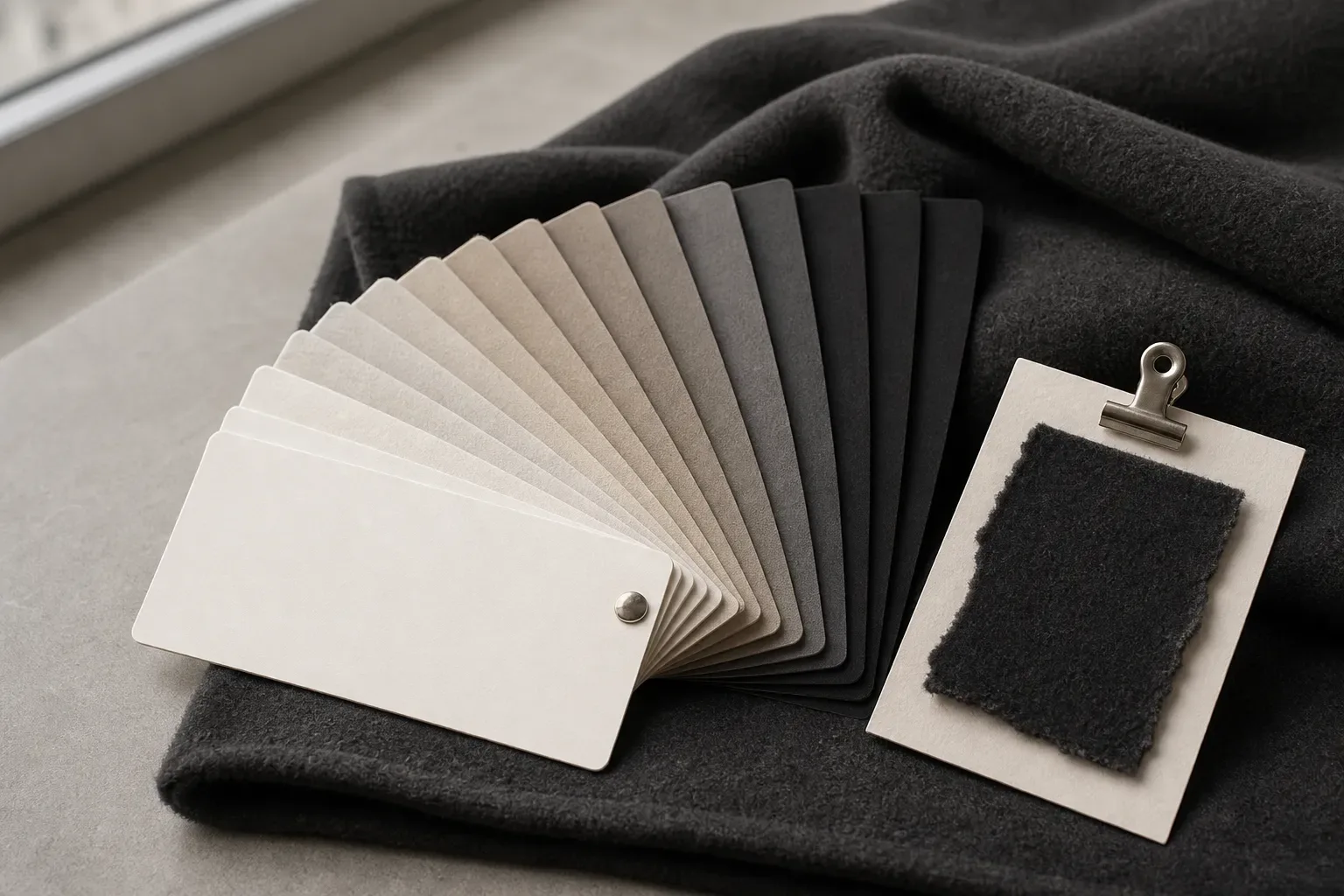
A lab dip compares a small dye trial with the brand's standard. It asks whether the dye system can produce an acceptable result on the named substrate under agreed conditions. Cotton Incorporated's lab dip process starts with a specified color and substrate, then compares the conditioned trial with the standard before the formula is scaled for production.
It does not approve bulk automatically. The actual dye lot still needs comparison with the retained standard. Nor does a lab dip approve garment shape, trims, or printed artwork.
A code from an agreed textile color system identifies a target, not the dyed result. Pantone's physical-sample guidance recommends a recent, non-faded physical standard when color moves from a screen to a product. Record the library and physical reference used. Our clothing color-matching guide explains why screenshots and hex codes are direction, not approval standards.
What does a print strike-off approve?
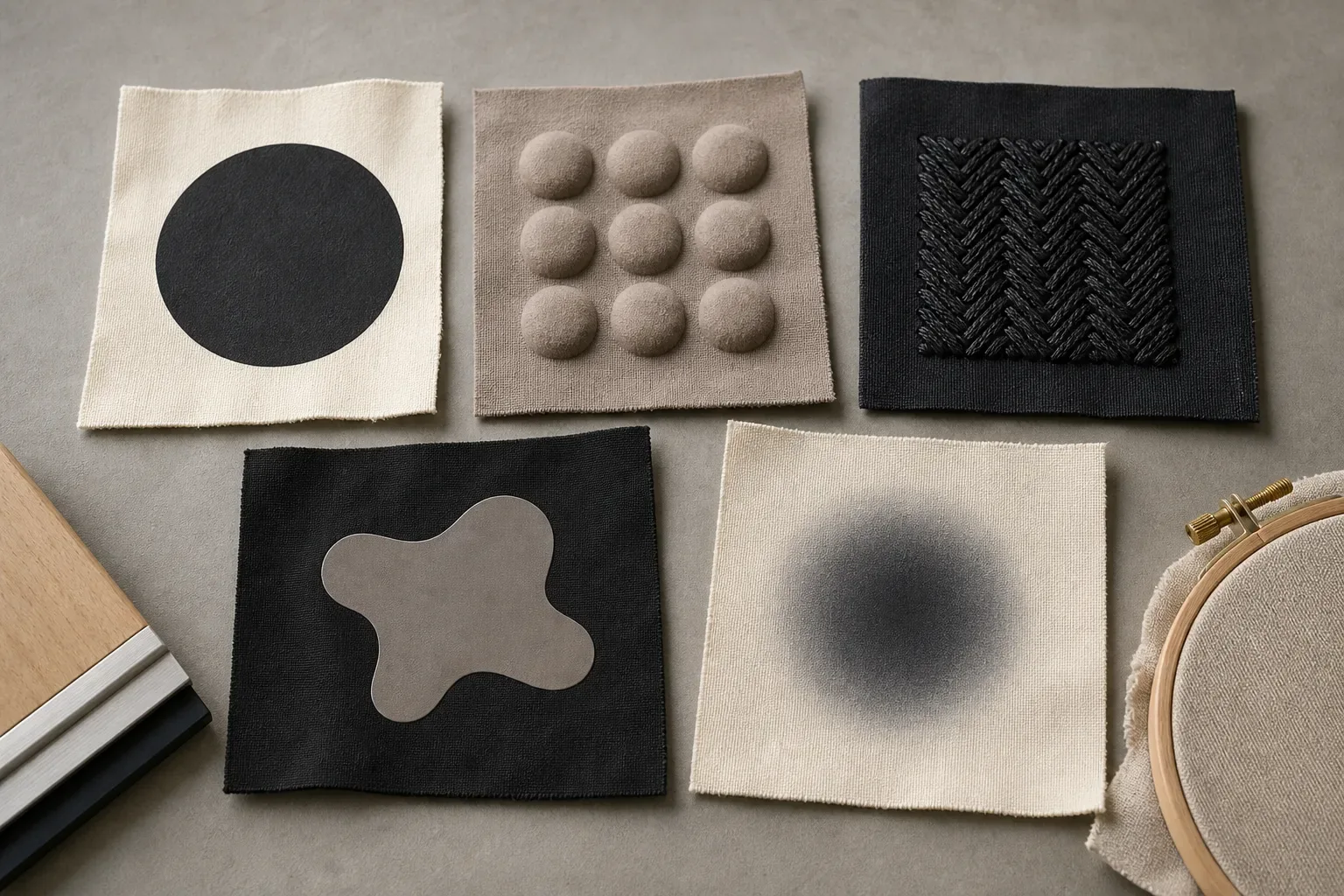
A print strike-off tests artwork through the proposed print process on a stated fabric. The approver may check hue, opacity, edges, repeat, registration, scale, coverage, and surface feel. Cotton Incorporated's textile printing process shows why the substrate, colorant system, paste, fixation, and afterwashing all affect the printed result.
Record the substrate on the approval. Ink can behave differently on smooth jersey, brushed fleece, a dark ground, or a treated shell. A strike-off on white cotton cannot silently approve a black blend. Disclose substitutes and repeat color-critical checks on production material.
A panel cannot prove garment placement. Artwork may print cleanly on flat fabric but collide with a pocket or seam after assembly. Approve that relationship on the PP garment sample. Choose the process first with the print method comparison.
What does the PP garment sample add?
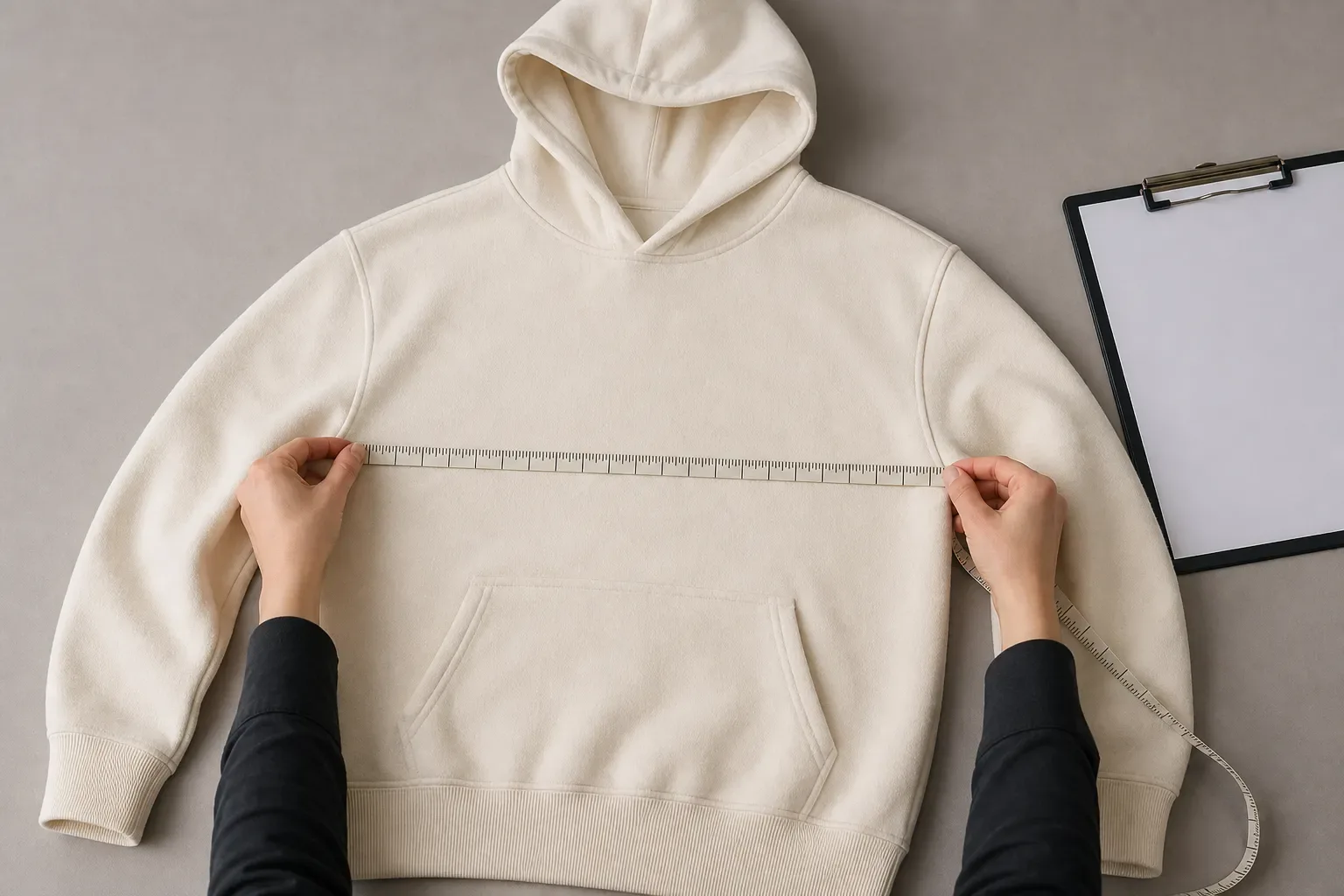
The PP garment sample lets you judge the product as clothing. It combines fabric color, print, trims, construction, fit, wash, and placement. It exposes interactions that swatches cannot, such as artwork crossing a seam or ribbing reading warmer than the body.
A pre-production sample should use final intended materials and processes. Available fabric can approve construction and fit while a custom-dyed lot is pending, but not final body color. Split those statuses clearly.
The PP garment still cannot prove bulk consistency. The garment sample types guide separates PP, TOP, and final inspection, while our sample approval checklist covers hands-on review.
Why substrate is part of the color standard
Color appearance comes from colorant, material, surface, and light together. Fiber, construction, brushing, washing, coating, and optical brighteners can change the result. That is why a color approval must identify the substrate and viewing conditions rather than rely on a color name alone.
Use the intended fiber and construction for lab dips, and the intended ground and finish for strike-offs. When body fabric, rib, drawcord, and thread differ, specify whether the goal is an exact match or visual harmony. This is why fabric sourcing and color approval stay connected.
How should lighting and metamerism be handled?
Name the viewing lights before evaluating color. Window daylight changes with weather, time, glass, and location. ASTM D1729-22, a general visual-appraisal practice for opaque materials, recommends simulated D65 daylight and notes D50 for photography or printing. It does not define an apparel workflow or pass tolerance.
Reviewing under relevant lights can reveal metamerism: materials match under one illuminant and separate under another. ASTM D4086-18(2023) covers visual detection of illuminant and observer metamerism, but does not promise every cross-material match can be nonmetameric.
Record the primary light, relevant secondary lights, standard, sample orientation, and decision. “Looks good in the office” cannot be reproduced later.
What does a color tolerance actually control?
A tolerance turns “close enough” into an agreed pass band, but no single value fits every fabric and end use. ISO 105-J03:2009, confirmed current in 2025, defines the ΔE_CMC(l:c) calculation for same-material specimens measured under the same conditions. It permits a maximum value but does not choose one for your order.
Agree on method, instrument conditions, illuminants, reference, and allowable difference before bulk evaluation. Visual review still matters for textured, multi-color, fluorescent, or unlike-material combinations.
Compare bulk with the approved reference before cutting. For garment-dyed or washed products, document the target tone and acceptable variation on the finished surface.
What is the right apparel color approval sequence?
Move from the cheapest representative object to the complete garment:
- Specify the target. Name the physical color standard, substrate, finish, intended process, viewing lights, and tolerance method.
- Approve the lab dip when custom dyeing is involved. Sign off dyed color on the nominated fabric, with any limitations written down.
- Approve the print strike-off when printing is involved. Check artwork and print behavior on the intended ground before relying on a sewn garment.
- Approve the PP garment sample. Confirm the combined color, placement, construction, trims, wash, and fit using the intended production specification.
- Check production output. Compare the actual dye lot, early production, and finished goods with the retained standards.
Not every style needs all three physical submissions. Stock pre-dyed fabric may use an approved supplier swatch instead of a custom lab dip. Embroidery needs thread-color approval, not a print strike-off. A small-batch print can combine strike-off and PP garment review when the real process runs on the sample garment, but the record must answer both questions.
A practical submission plan follows the actual color risk. Do not add a lab dip when no custom dyeing exists, and do not treat a phone photo as color sign-off when the substrate, light, or production method changes.
Use approval language that cannot drift
| Artifact | Clear approval wording | Missing information to reject |
|---|---|---|
| Lab dip | “Option B approved for body fabric reference F-03 under D65 and agreed secondary light; bulk tolerance per signed color sheet.” | No substrate ID, light source, standard, or tolerance method |
| Print strike-off | “Revision 2 artwork, scale, colors, registration, and hand approved on fabric F-03 using the stated print process.” | Substitute fabric not disclosed, obsolete artwork, or no process ID |
| PP garment sample | “PP revision 3 approved against the attached measurements, BOM, artwork placements, wash, labels, and comments.” | Open changes, provisional materials, or mixed comment versions |
Version the retained sample or controlled measurement record and link it to the purchase specification. Reopen the affected gate whenever an approved input changes.
FAQ
Can a Pantone code replace a lab dip? No. The Pantone reference defines a target, while a lab dip shows how a dye formulation appears on the intended textile. Fiber, construction, finish, and lighting affect the result. Use a current physical standard or controlled spectral data, then approve the actual dyed substrate against it.
Should a lab dip and strike-off use the final fabric? They should use the intended substrate whenever color or print behavior is material to approval. If development must use a substitute, identify it and limit the decision in writing. A later change in fiber, ground color, surface, or finish can require a new approval on the production material.
Why does an approved color match in daylight but fail in store lighting? The pair may be metameric: different colorants can match under one illuminant and separate under another. Evaluate samples under the primary agreed light and the secondary environments that matter for sale or use. Record those illuminants so every reviewer repeats the same comparison.
Can one PP garment sample approve the lab dip and strike-off too? Sometimes, for a simple small-batch style made with the intended dye, fabric, print process, and artwork. The PP garment must still be reviewed against each separate criterion. Upstream lab dips and strike-offs remain valuable when rejecting a small swatch is cheaper than remaking a complete garment.
References
- AATCC, 2020, “Training Your Visual Color Apparel Team”, retrieved 2026-07-16.
- Pantone Support, “Can I purchase physical samples of the colors I select? Do I need them?”, retrieved 2026-07-16.
- ASTM International, 2022, ASTM D1729-22: Visual Appraisal of Colors and Color Differences, retrieved 2026-07-16.
- ASTM International, 2023, ASTM D4086-18(2023): Visual Evaluation of Metamerism, retrieved 2026-07-16.
- ISO, 2009, ISO 105-J03: Calculation of Colour Differences, reviewed and confirmed 2025, retrieved 2026-07-16.
- Cotton Incorporated, CottonWorks: “Lab Dip Process”, retrieved 2026-07-16.
- Cotton Incorporated, CottonWorks: “Printing Process”, retrieved 2026-07-16.
- Cotton Incorporated, CottonWorks Textile Encyclopedia: “Strike-Off”, retrieved 2026-07-16.