Coat and Outerwear Manufacturing: From Reference to Production
Outerwear is the most calendar-sensitive garment you will ever develop. Here is how a coat program actually runs — shell, lining, hardware, fit — and the dates that decide whether it ships for winter.
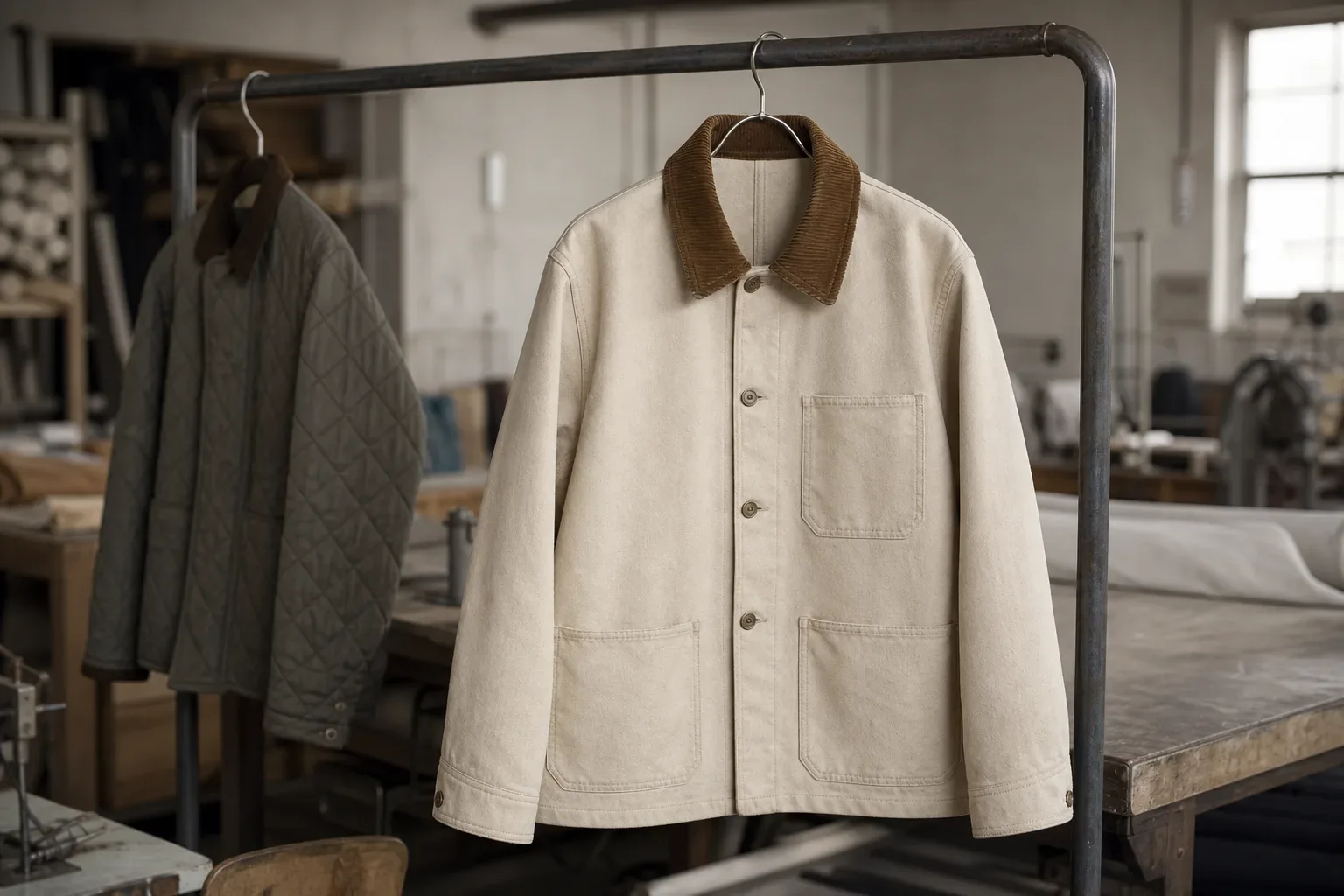
Outerwear runs on a deadline no other garment has: miss the season, and the coat waits a year for its next chance. So the dates come before the design talk. Simple samples typically take 10-18 working days after project details are confirmed; complex insulation, quilting, hardware or processes take longer. Bulk typically runs 20-30 working days after approval, and MOQ starts at 50 pieces; sample pricing and the final minimum are confirmed after the product, fabric, wash and customization are reviewed. Start sampling in high summer and you're selling in season; start in October and you're negotiating with the calendar.
For price context, two published anchors from our own catalog: a vintage-washed quilted duck fabric jacket tiers at USD 42.90-45.90 per piece, and a heavyweight canvas work coat with corduroy collar at USD 45.60-49.90. Outerwear quotes above hoodies and jeans for a structural reason — more fabric, more layers, more hardware — and the rest of this guide shows where those dollars sit.
The four outerwear families
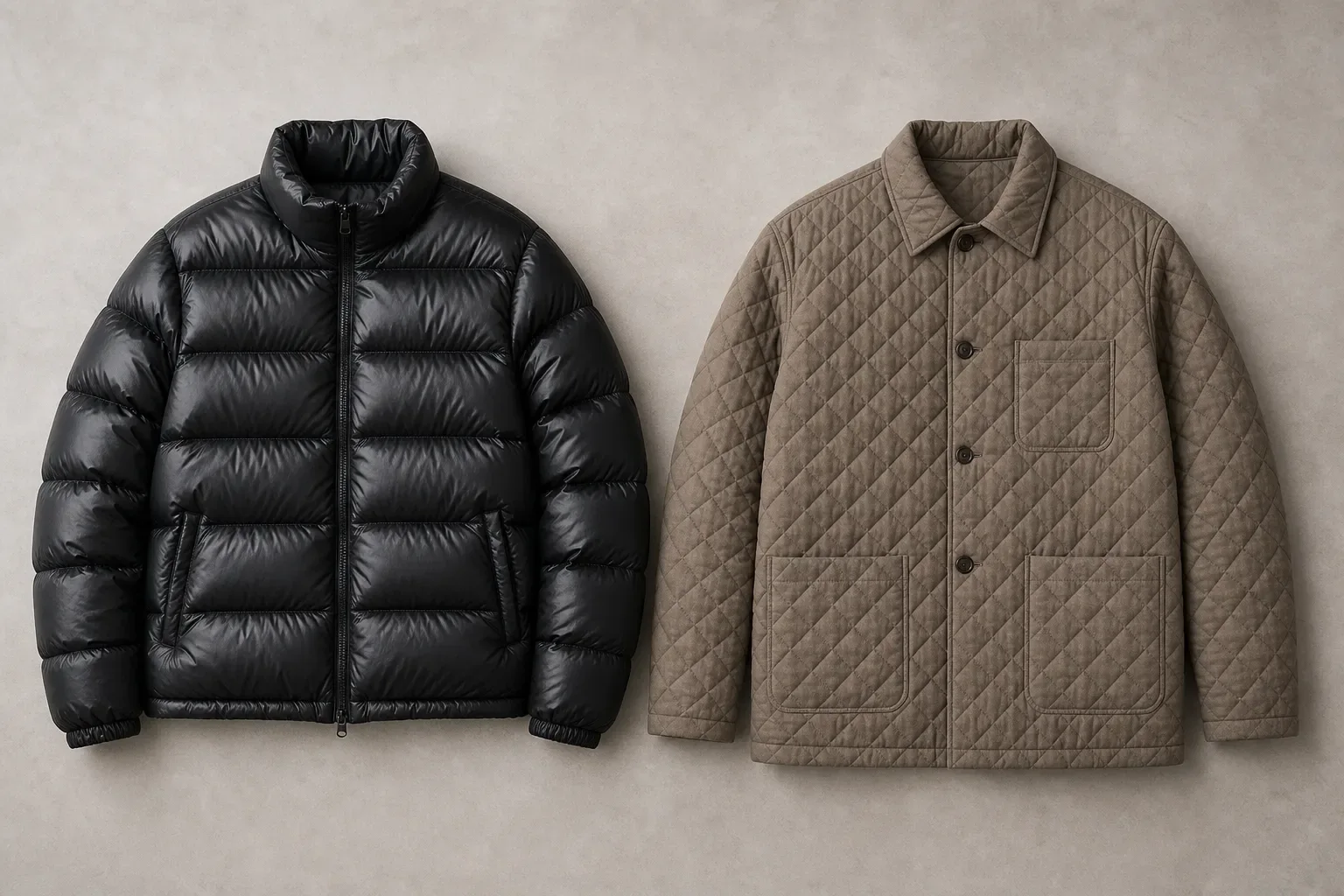
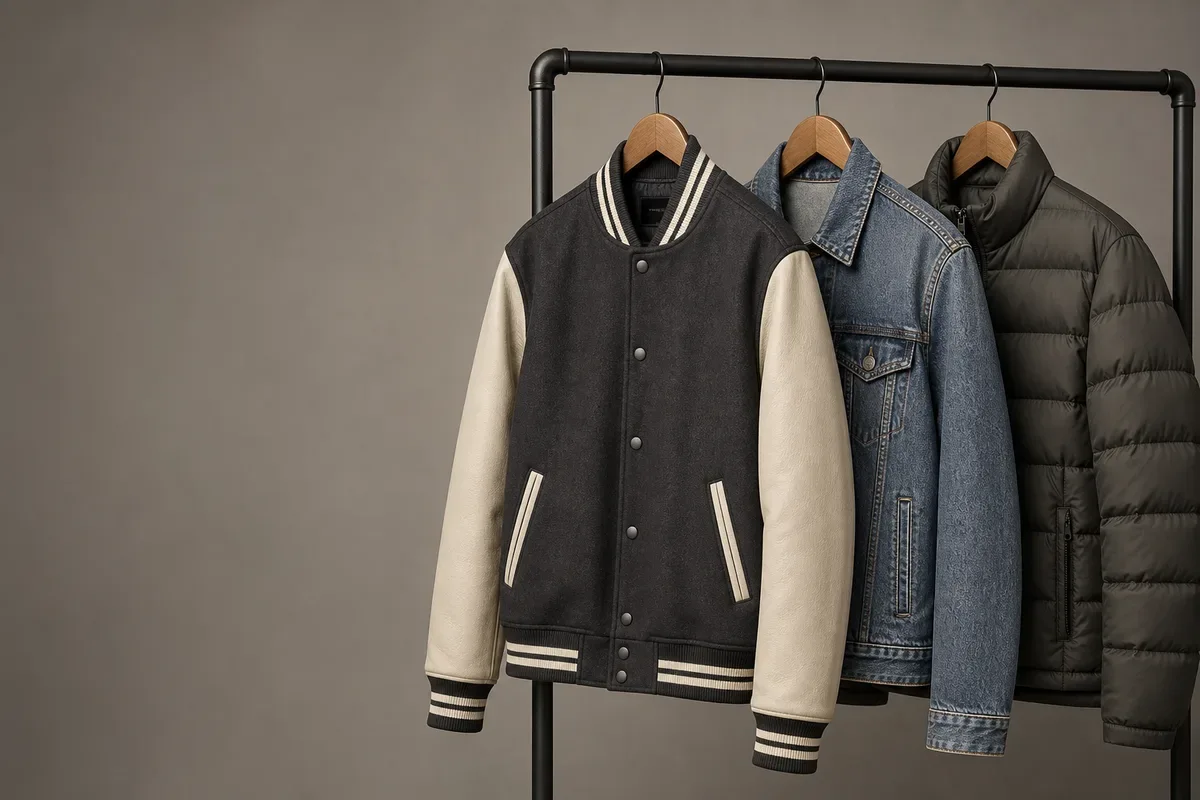
"Can you make my coat?" starts with which coat. Nearly every streetwear outerwear program lands in one of four builds:
| Family | Construction | Warmth logic | Typical cost position |
|---|---|---|---|
| Chore / work coat | Single shell, minimal or no lining | Fabric weight does the work | Entry |
| Coach, varsity and lined jackets | Shell plus body lining | Lining adds wind resistance | Mid — styles mapped here |
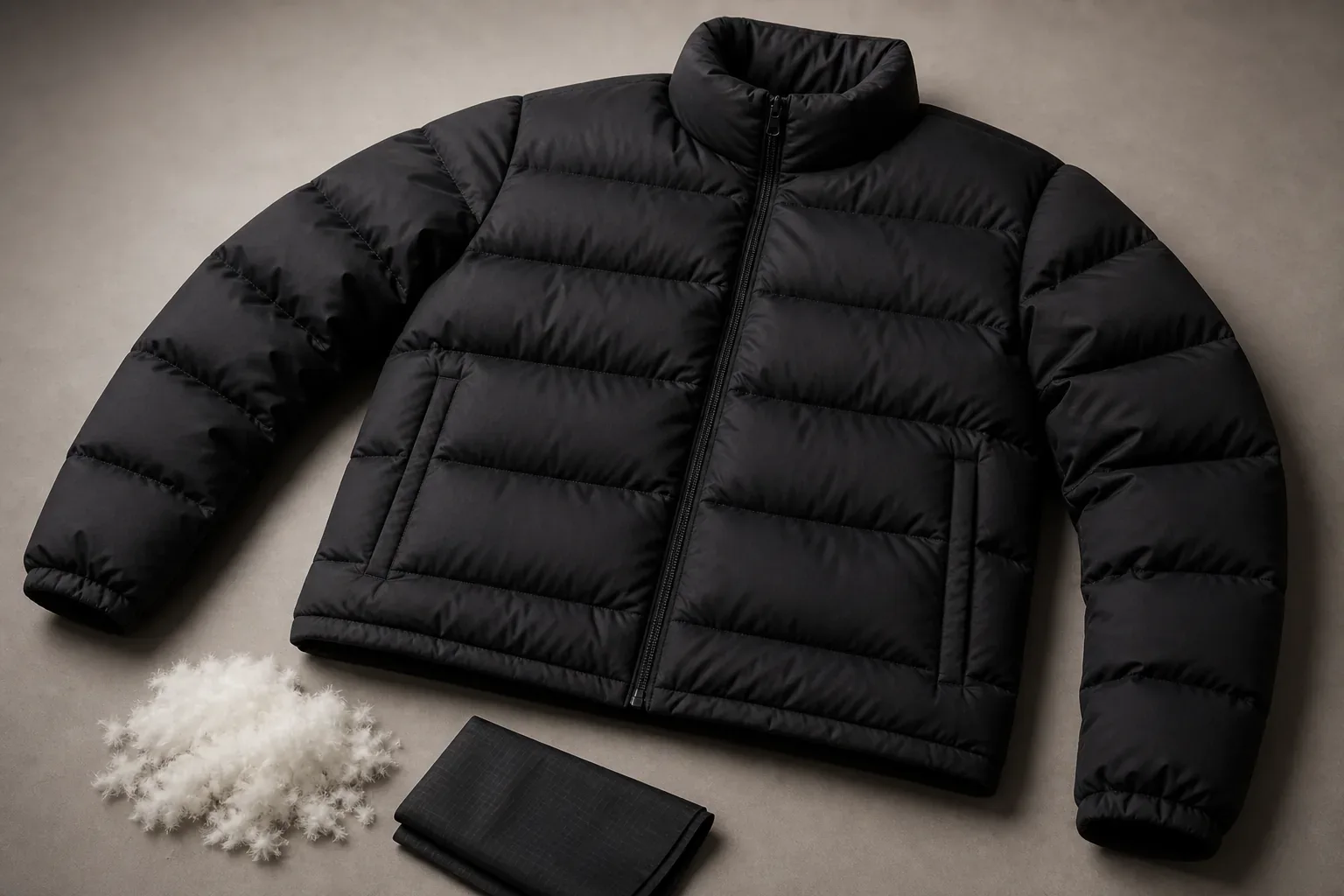
| Quilted / padded | Shell, fill, lining quilted together | Synthetic or cotton fill | Mid-high — full puffer guide |
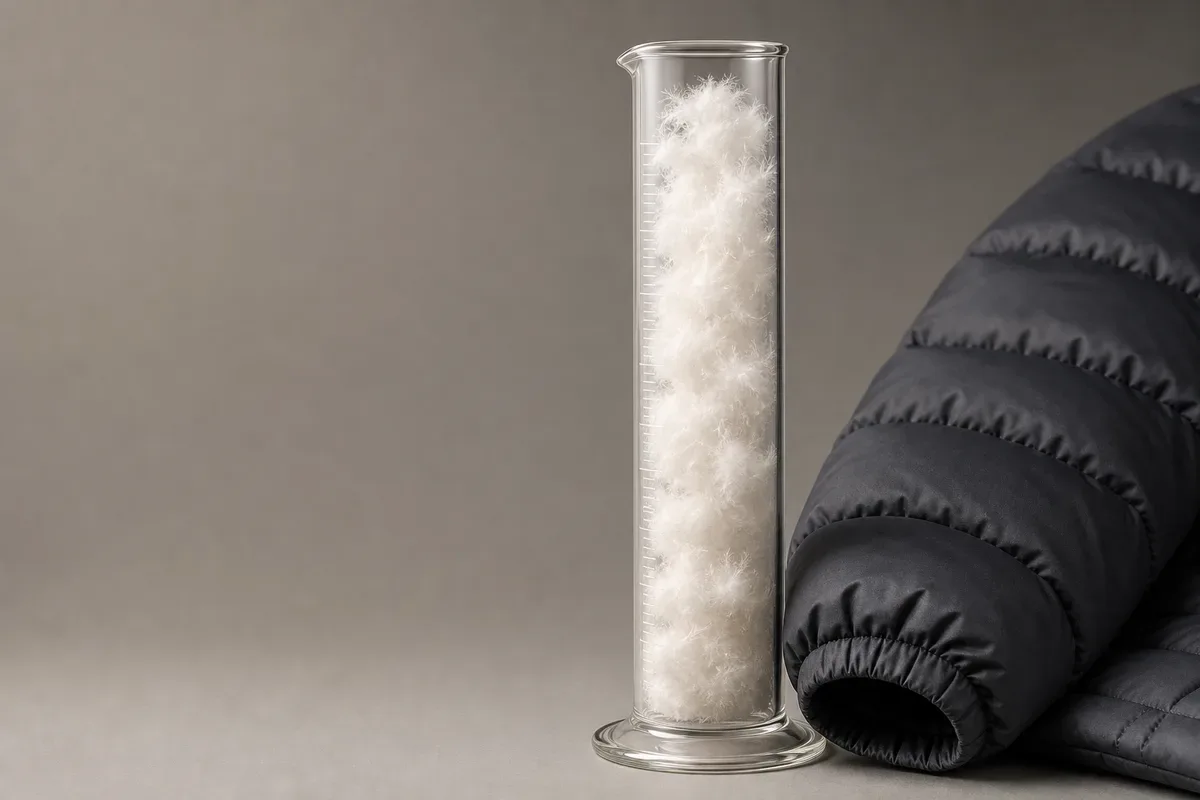
| Down | Shell, baffles, down fill, lining | Fill power × fill weight | Highest, plus labeling rules |
The family decision does most of the pricing before any styling happens. A longline silhouette in any family adds yardage; fill and baffling add operations; wool blends and heavyweight canvas cost more per yard than mid-weight twill.
The chore coat deserves a construction note of its own, because it's the most honest build on the table. With no lining to cover interior work, seams are finished to be seen — bound or felled — and the shell fabric carries the entire garment. That's why unlined chore programs spec heavier canvas and duck than their lined equivalents: the fabric is doing the structural job a lining would otherwise share.
Shell, lining, interlining: the three-fabric reality
A tee is one fabric. A lined coat is at least two, often three, and each is specified separately in the tech pack:
- Shell carries the design language and the weather story — heavyweight cotton canvas and duck for the workwear read, twill for cleaner faces, wool blends for varsity and overcoat builds, nylon and poly shells where wind and drizzle matter. Vintage-wash treatments on cotton shells — the stone-washed, sun-faded workwear look — are a finishing stage we run in-house, and they read especially well on canvas.
- Lining decides how the coat feels going on and how warm it plays: slick poly linings for easy layering, brushed or fleece linings for warmth, quilted linings as a visible design element.
- Interlining is the invisible third layer — a fusible or sewn-in structure that keeps collars standing and fronts crisp. You rarely see it specified on a reference, but it's a real component with a real cost.
Specify all the layers you can identify, and say which ones you're unsure about. Decoding a reference garment's inner construction is normal sampling work; guessing at it silently is how surprise revisions happen.
Hardware works harder on outerwear
Outerwear hardware lives a rougher life than hardware anywhere else on the body: main zips cycle thousands of times, snaps get yanked with gloves on, drawcords and cuff tabs take daily stress. The spec choices are the same as any garment — zipper gauge and brand, snap type, cord hardware — but the tolerance for cheap parts is lower, and a failed main zip is a returned coat.
Count the hardware on your reference before you budget. A work coat might carry one zip and six buttons; a technical parka can carry a two-way main zip, four pocket zips, a dozen snaps and a hood adjustment system. Every one is a component plus an operation.
Fit for layering, not for the size chart alone
The most common first-time outerwear mistake isn't fabric — it's grading a coat like a hoodie. Outerwear is worn over a hoodie, so chest, shoulder and sleeve ease must budget for what's underneath. An oversized streetwear silhouette absorbs some of this by design; a regular-fit coach jacket doesn't, and a size run that ignores layering fits nobody by November.
At sampling, fit the sample over the heaviest layer you expect your customer to wear. It's a two-minute check that catches the problem while it's still a pattern adjustment instead of a production regret.
Decoration on coats: panel first, garment second
Embroidery, chenille patches and appliqué are the outerwear staples — they read premium on heavy shells and survive the garment's life. The engineering note: on quilted and lined builds, decoration is usually applied to panels before assembly, so stitching never punches through fill or lining. That's a sequencing decision made at tech-pack time, not after. Screen and transfer prints work on shells too; the full method comparison applies, with placement planned around seams and pockets.
The calendar is the real constraint
Here's the working-backwards math for a fall-winter drop. Bulk production typically runs 20-30 working days after sample approval, simple sampling typically runs 10-18 working days after project details are confirmed, complex styles or processes take longer, and many programs need a revision round. Add international freight and your own launch runway, and a November delivery means the reference and tech pack should reach the factory by late summer. Outerwear rewards early movers: fabric options are widest, wash and quilting capacity is open, and there's calendar room for the revision that makes the coat right instead of merely on time.
If you're planning one, send the reference to our outerwear team — with a complete spec, quotes follow once sufficient project details are reviewed, and we'll flag the calendar honestly if the window is tight.
FAQ
How do I make my own coat? Work from a reference: pick the construction family (chore, lined, quilted or down), assemble a tech pack covering shell, lining, hardware and measurements, and sample with a factory. Simple samples typically take 10-18 working days after project details are confirmed; complex insulation, quilting, hardware or processes take longer. Pricing is confirmed after project review. MOQ starts at 50 pieces, and the final minimum depends on the product, fabric, wash and customization.
What is the minimum order for custom coats? MOQ starts at 50 pieces across the catalog. The final minimum is confirmed at design review because fill sourcing, fabric, wash, customization, and build complexity can change what is practical.
How much does a custom coat cost to manufacture? From our published tiers at made-to-order quantities: a quilted vintage-wash jacket runs USD 42.90-45.90 per piece and a heavyweight canvas work coat USD 45.60-49.90. Longline silhouettes, wool blends and down builds price above that; sample pricing is confirmed after project review.
When should I start developing outerwear for winter? Count backwards from your drop date: typically 20-30 working days of bulk after approval, a revision round, 10-18 working days for a simple sample after project confirmation, plus freight. Complex styles or processes take longer, so use the formal project schedule rather than treating that baseline as a fixed end-to-end promise. For many fall-winter drops that math lands development in high summer.
Can you match the coat I already have? Yes — a physical reference is the fastest development path. We decode shell, lining, interlining and hardware at the design-review stage, confirm the spec with you in the tech pack, and the sample proves the match before bulk begins.