Top 10 T-Shirt Manufacturers for Brands in 2026 — Blanks, POD and Cut-and-Sew Compared
Print-on-demand, retail-grade blanks and cut-and-sew tee factories compared honestly, with the heavyweight boxy trend explained from the factory floor.
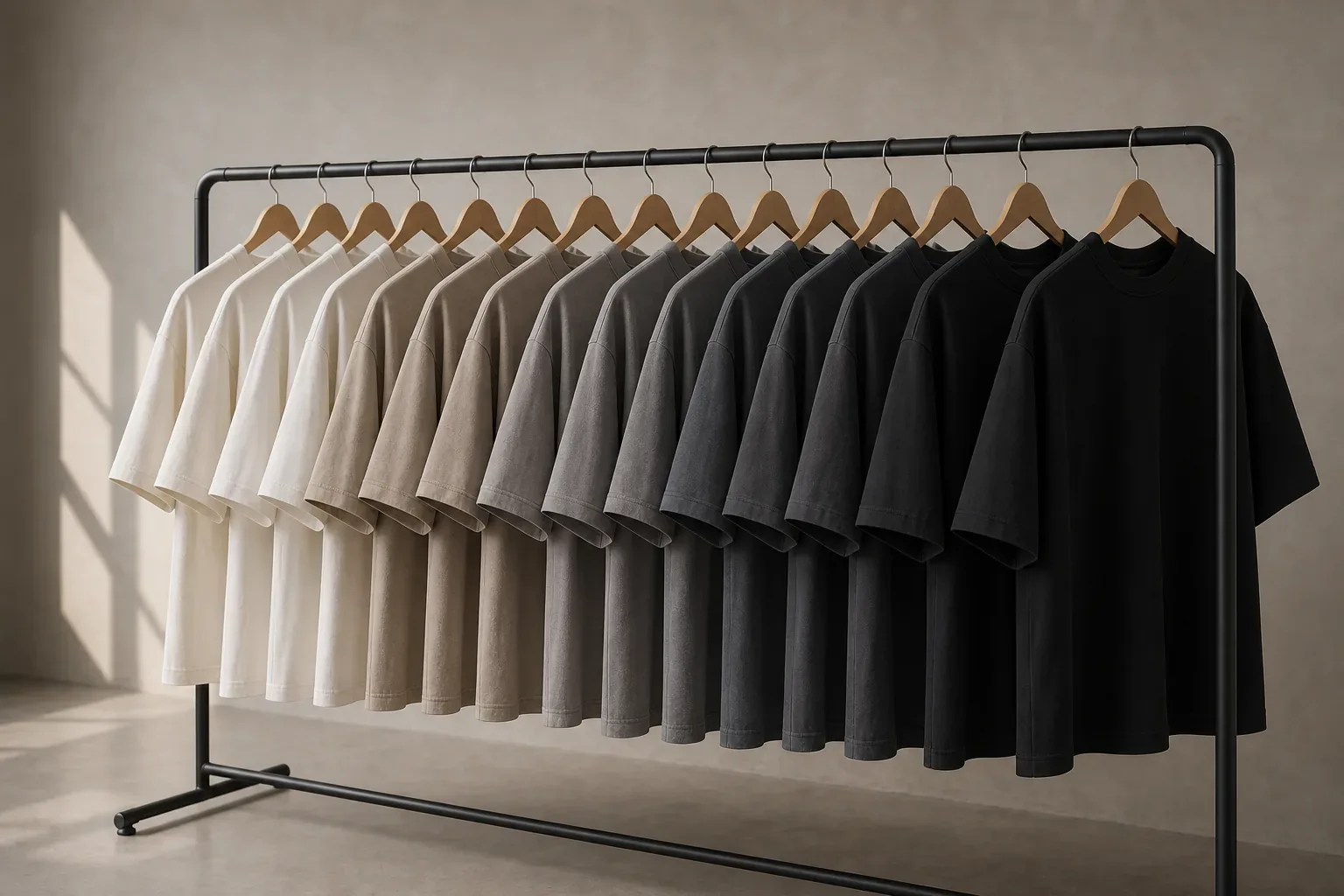
Disclosure first, as always: this list is published by Jiashun Clothing, a cut-and-sew t-shirt manufacturer in Dongguan, China, and we are on it. Every other company here is real, useful, and in several cases the better choice for your specific situation — we will tell you exactly when.
More than any other garment, the word "t-shirt manufacturer" hides three completely different businesses, and picking the wrong one wastes more money on tees than on anything else — because tee margins are thin and tee volumes are high:
- Print-on-demand services print your artwork on a ready-made tee when an order comes in. Zero inventory, zero minimums, highest unit cost, no control over the garment.
- Blank suppliers sell finished tees wholesale for you to decorate. Consistent quality, fast, cheap at volume — but the body is theirs, and everyone else can buy it.
- Cut-and-sew factories knit-to-spec, cut and sew the tee from fabric up: your pattern, your weight, your wash, your labels. Real minimums and lead times, and the only route to a tee that reads as yours before the print.
Here are ten worth knowing across all three types.
1. Jiashun Clothing — Dongguan, China (cut-and-sew)
Best for: heavyweight boxy and washed tees built to your pattern.
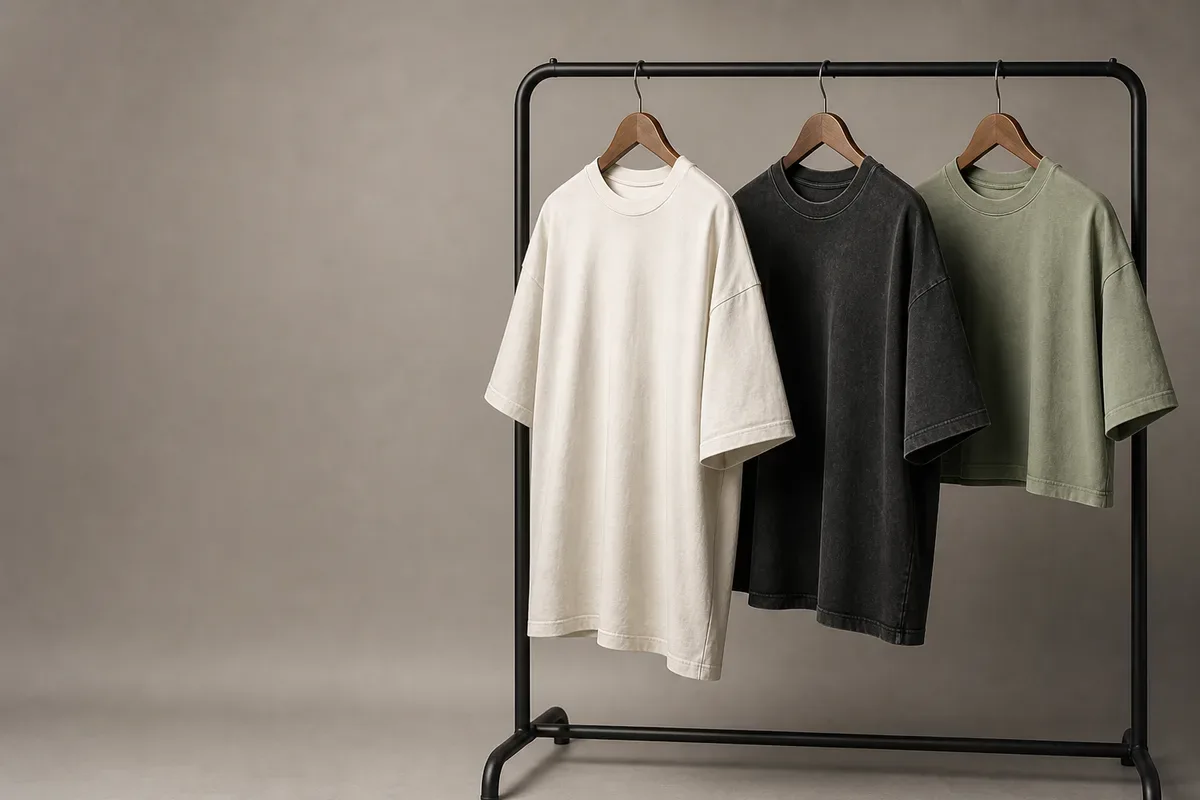
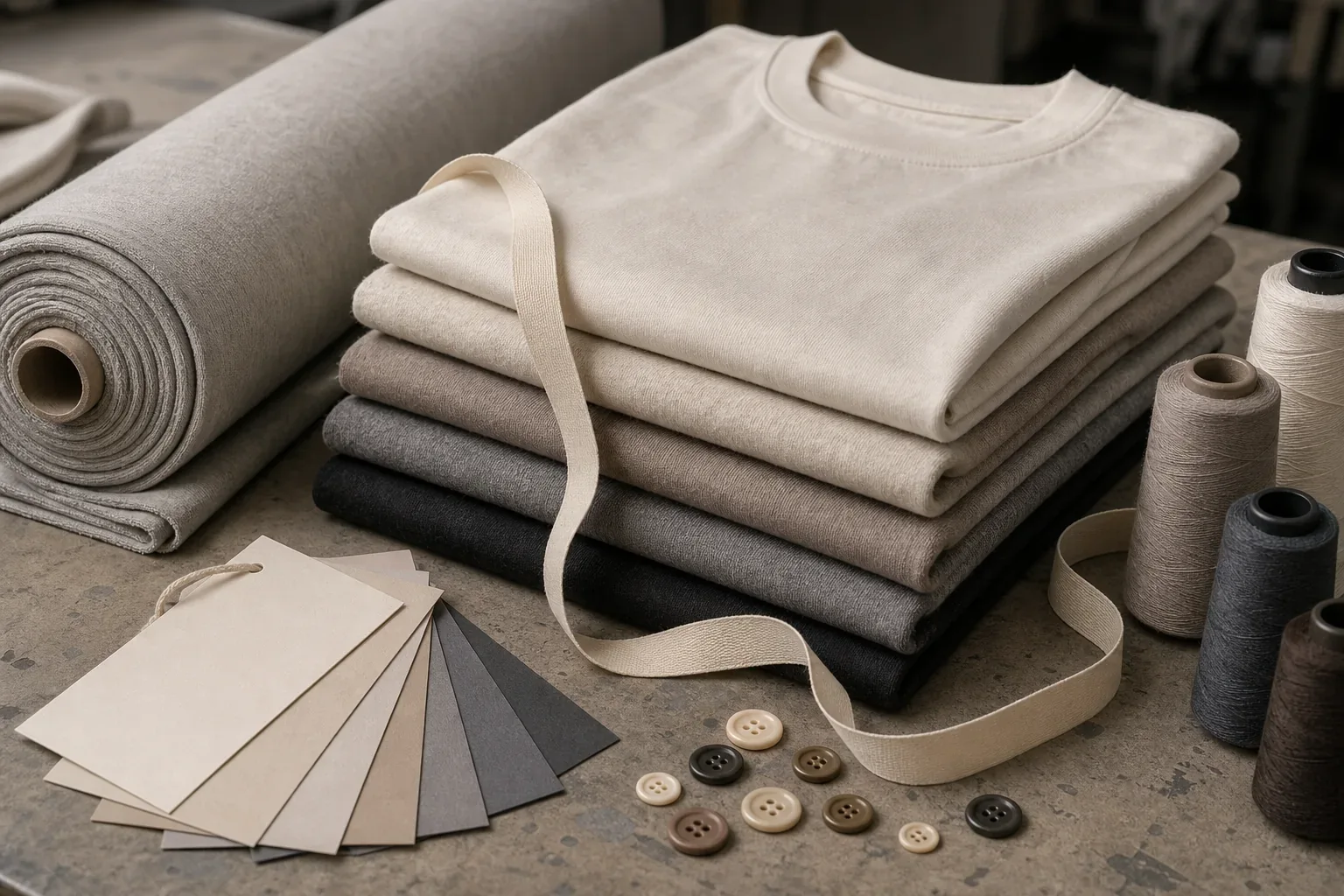
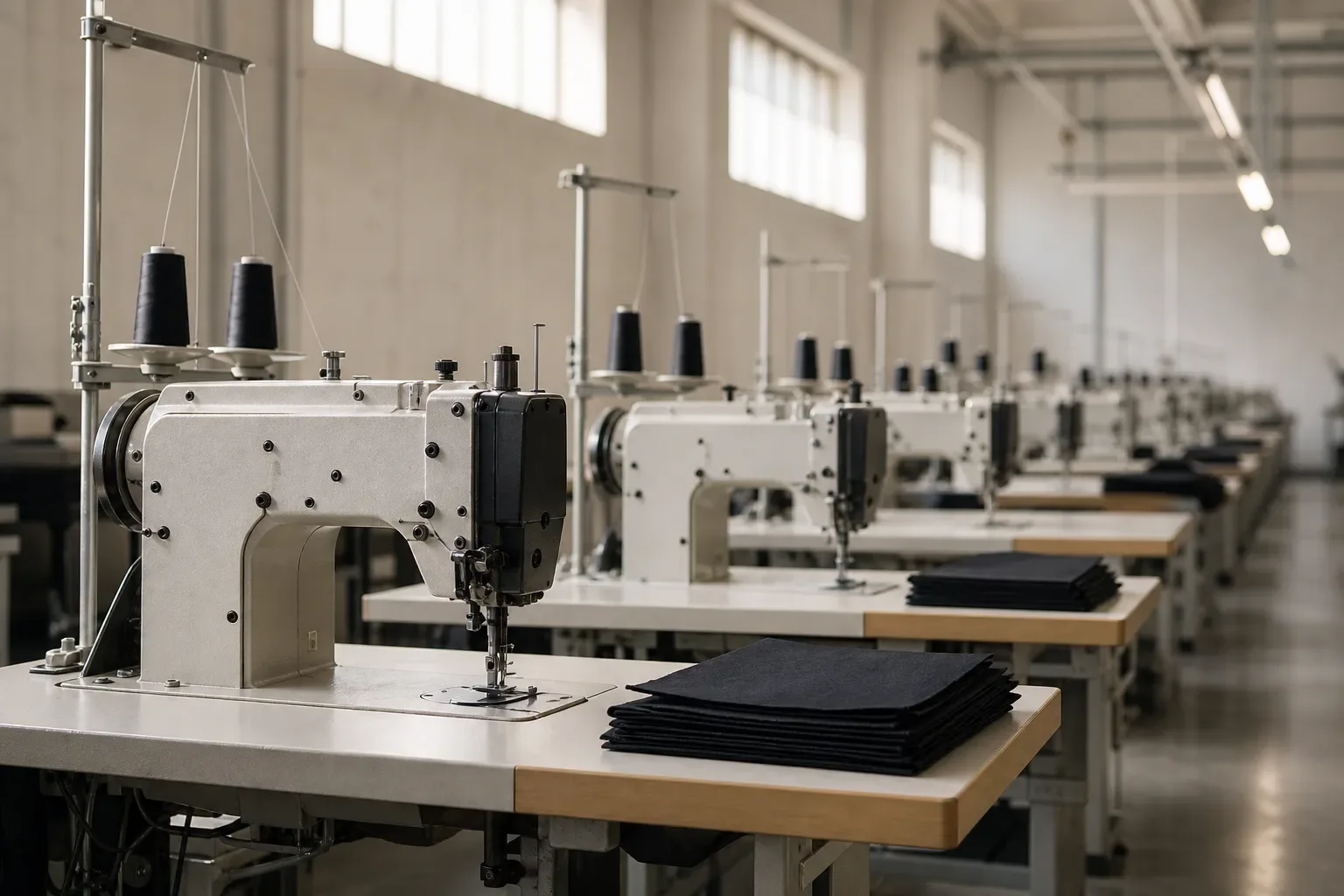
Our team has designed and produced garments since 2015. Our main facility covers 3,000 m² in Humen, Dongguan. Tees are one of the pillars of what we build: heavyweight boxy bodies in the 230-280 gsm band, combed ring-spun jersey, vintage washes (stone, enzyme, sun-fade, acid), embroidery and print combined on one garment, your neck labels and packaging.
The numbers, in writing: MOQ starts at 50 pieces, with the final minimum depending on the product, fabric, wash and customization. Simple samples typically take 10-18 working days after project details are confirmed; complex styles or processes take longer. Bulk takes 20-30 working days after sample approval. As a price anchor, our published tiers for a heavyweight oversized boxy tee run USD 13.60-17.60 per piece at made-to-order quantities. Builds, fabric weights and minimums are tabled on our t-shirt manufacturer page.
2. Custom Ink — USA (POD / custom printing)
Best for: event, team and giveaway tees with a design tool.
The biggest name in US custom printing, built around an online designer and group ordering. For a company event or a club run, this is the right tool and nobody does the workflow better. For a fashion brand, the ceiling is structural: the tee under the print is a standard blank, and the unit economics never leave POD territory.
3. Printful — global (POD)
Best for: hands-off merch tees sold across regions.
The largest print-on-demand network. Connect a store once, sell worldwide, never touch inventory. The same limits as all POD apply — standard blanks, high unit costs — but for merch lines and audience-driven drops the convenience wins on purpose.
4. Bella+Canvas — Los Angeles, USA (blanks)
Best for: the retail-fit blank standard most print shops reach for.
The default premium blank in US retail-fit printing: light, soft, consistent, in a very deep color range. If your model is blanks-plus-printing and your look is the fitted fashion tee, this is the safe standard everyone measures against.
5. Next Level Apparel — USA (blanks)
Best for: soft lightweight blanks at friendly wholesale prices.
The other name print shops say without thinking. Known for very soft lightweight jersey and blends that print beautifully. The trade-off is the same as every blank: the fit and fabric are theirs, and the softness that flatters a print also rules out the structured heavyweight look.
6. AS Colour — New Zealand/global (blanks)
Best for: heavier, boxier blanks with a consistent fit reputation.
The quality-focused streetwear favorite among blank suppliers, with heavier weights and cleaner, boxier cuts than the US retail-fit standards. If you want the structured look without custom development, this is the closest a blank gets to it — the ceiling is that everyone else can buy the same garment.
7. Royal Apparel — New York, USA (made-in-USA manufacturer)
Best for: US-made tees and private-label programs on domestic soil.
A long-running American garment manufacturer offering US-made blanks and private-label production, including organic and eco lines. Domestic pricing is real, but so is the Made in USA label — for brands whose positioning depends on it, this is the category to price.
8. RushOrderTees — Philadelphia, USA (custom printing)
Best for: printed tees on a deadline.
Speed-first custom printing with genuinely fast turnarounds on decorated blanks. When the date is fixed — an event, a launch, a restock emergency — speed is the product, and paying for it is rational. It is a printing service, not a garment developer.
9. Hongyu Apparel — Guangzhou, China (cut-and-sew)
Best for: broad-category custom apparel including tees.
A Guangzhou generalist covering many categories with low minimums. A fit when tees are one part of a wider mixed line rather than the core product.
10. Sewport — platform
Best for: collecting quotes when nothing above fits.
A marketplace connecting brands to factories. Post your tee project, compare responses, and vet whoever replies with the same rules as anyone else on this list.
The heavyweight boxy question
The defining tee trend of the past few years is weight and silhouette moving together. Standard fashion tees run 160-200 gsm; the structured boxy look that dominates streetwear starts around 230 gsm and runs to 300+, with 250-280 gsm the sweet spot that holds the square shape without wearing like a board. Two honest notes from the factory floor:
- Weight needs the pattern to match. A boxy silhouette is a cut, not a fabric. Heavy jersey on a regular-fit pattern just makes a stiff regular tee; the wider chest against a shorter body is what the weight is holding up. Our t-shirt fits guide walks the families.
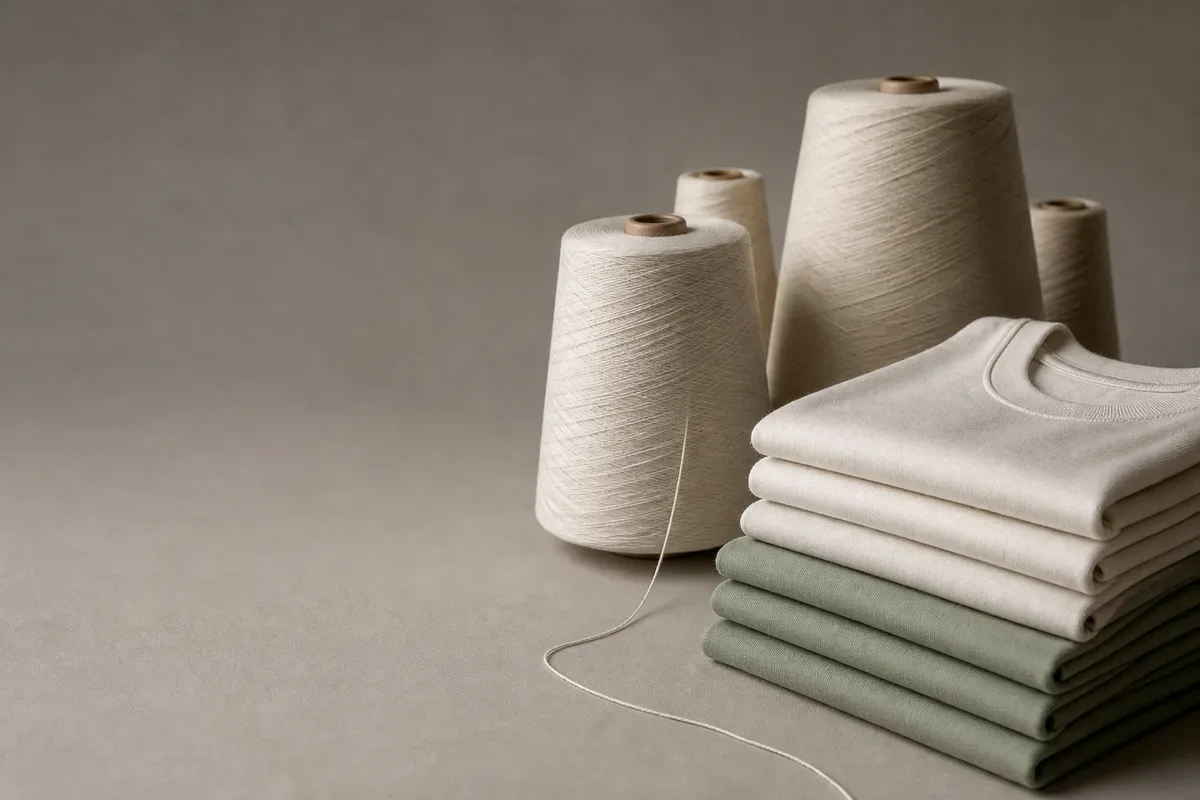
- Yarn decides how the weight feels. Two 250 gsm tees can wear completely differently depending on whether the jersey is combed ring-spun or open-end — the yarn story is its own guide, and it is where "100% cotton" hides the most.
Blanks now cover the entry of this trend. What they cannot do is combine your pattern, a locked gsm and a vintage wash in one garment — that combination is exactly the cut-and-sew case.
The list at a glance
| # | Manufacturer | Type | Region | Best for |
|---|---|---|---|---|
| 1 | Jiashun Clothing | Cut-and-sew factory | Dongguan, China | Heavyweight boxy and washed tees built to your pattern |
| 2 | Custom Ink | POD / custom printing | USA | Event, team and giveaway tees with a design tool |
| 3 | Printful | Print-on-demand | Global | Hands-off merch tees across regions |
| 4 | Bella+Canvas | Blank supplier | Los Angeles, USA | The retail-fit blank standard |
| 5 | Next Level Apparel | Blank supplier | USA | Soft lightweight blanks at friendly prices |
| 6 | AS Colour | Blank supplier | New Zealand / global | Heavier, boxier blanks with consistent fits |
| 7 | Royal Apparel | Made-in-USA manufacturer | New York, USA | US-made tees and private-label programs |
| 8 | RushOrderTees | Custom printing | Philadelphia, USA | Printed tees on a deadline |
| 9 | Hongyu Apparel | Cut-and-sew factory | Guangzhou, China | Broad-category custom apparel including tees |
| 10 | Sewport | Platform | Online | Collecting quotes when nothing above fits |
How to choose between t-shirt manufacturers
Get the same four numbers, in writing, from anyone on this list who does custom work: MOQ, sample cost, sample lead time, bulk lead time. Then a paid sample before bulk — jersey weight, hand-feel and wash shade are judged by hand, not by photo. For blanks and POD, order one unit of the actual garment first and put it through a wash cycle; a tee that twists or shrinks off-square after one wash tells you everything a product photo won't.
When to move from blanks or POD to cut-and-sew: when a design has proven demand, when the weight or boxy cut you want doesn't exist as a blank, or when your margins can no longer afford POD unit costs. That switch has its own logic — we wrote it up honestly, including the cases where staying on POD is the right call. What each cost layer of a cut-and-sew tee actually buys is in the t-shirt cost anatomy.
FAQ
What gsm should a streetwear t-shirt be? Standard fashion tees run 160-200 gsm. The structured heavyweight look that dominates current streetwear starts around 230 gsm and runs past 300, with 250-280 gsm the working sweet spot for boxy fits that hold their shape. Pick the number from a garment you have handled, not from a spec sheet alone.
When should a tee brand move from blanks to cut-and-sew? When a design has proven demand, when the fit or weight you want doesn't exist as a blank, or when POD unit costs have eaten the margin. A tee program only becomes yours — pattern, fabric, wash, labels — at the cut-and-sew stage, and an MOQ that starts at 50 pieces exists to make that jump survivable, with the final minimum depending on the product, fabric, wash, and customization.
How much does a custom t-shirt cost to manufacture? As one published anchor, our heavyweight oversized boxy tee tiers at USD 13.60-17.60 per piece at made-to-order quantities. Fabric weight, yarn tier, wash treatment and decoration are the main movers; the full breakdown lives in our t-shirt production cost guide.