T-Shirt Fits Explained: Oversized, Boxy, Cropped and What to Spec Before Sampling
A precise T-shirt brief must align cut, fabric weight, neckline, and stitching because every construction choice is visible. This guide translates those decisions into factory-ready terms so the first sample matches the intended fit.
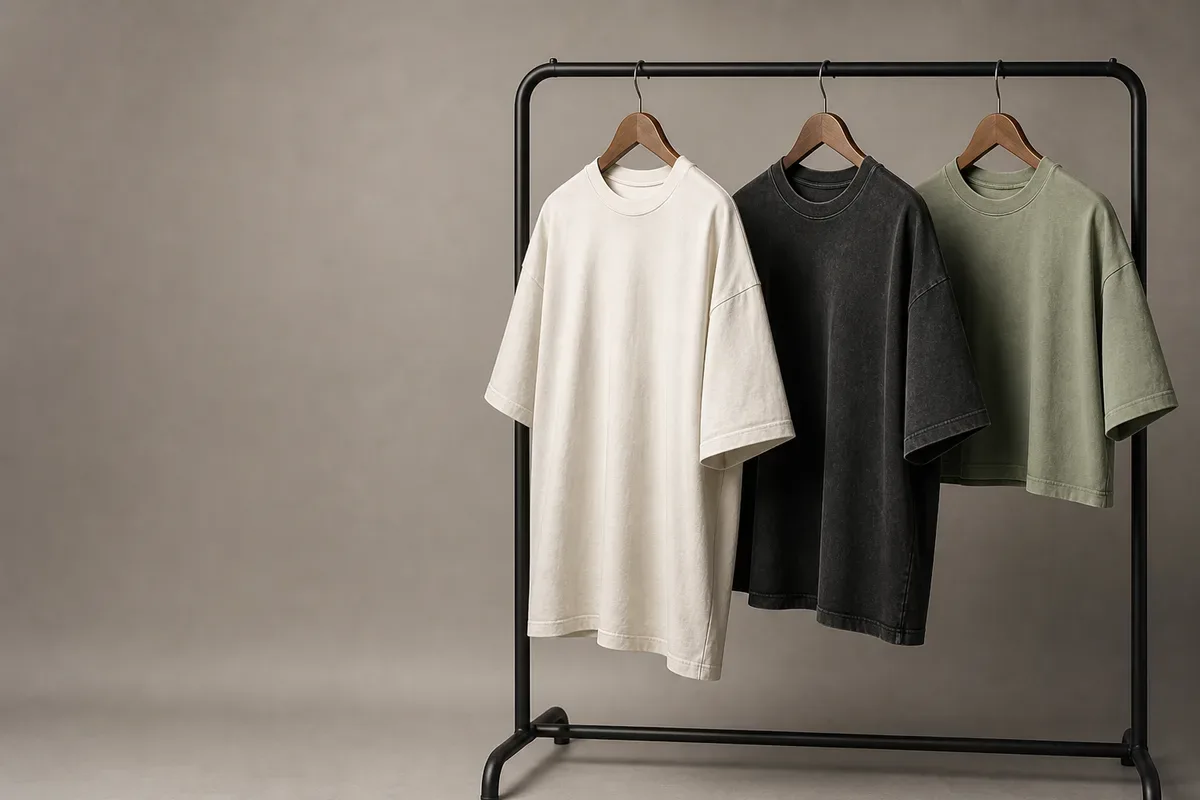
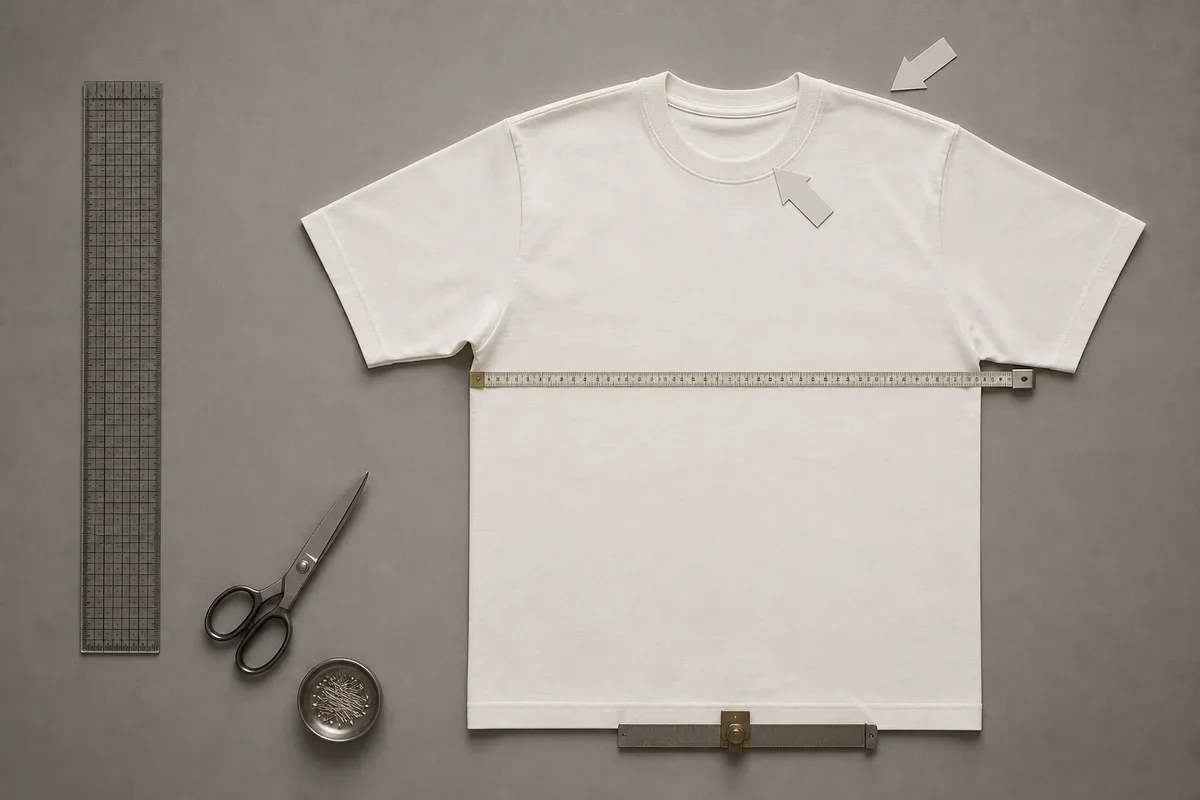
A t-shirt looks like the simplest garment on the line, which is exactly why briefs for it go wrong: with so few components, every choice — cut, weight, neck, stitch — is visible in the final result. This guide defines the fits and construction options in the terms a factory quotes against, so your first sample matches the tee in your head. For the broader neckline, sleeve, cut and fabric taxonomy, use the types of T-shirts guide. We run a cut-and-sew factory in Humen, Dongguan; this is the walkthrough we do in design review.
For dated product examples showing how brands combine these choices, see our 2026 heavyweight T-shirt design review.
The four fits, in measurements
Regular is the reference point; the other three are deliberate departures from it in specific directions:
| Fit | Silhouette logic | Typical fabric weight |
|---|---|---|
| Regular | Shoulder seams on the natural shoulder, moderate ease through the chest, hem at mid-hip | 160-200 gsm, the standard fashion-tee range |
| Oversized | Chest, body length and armholes all scale up together so the tee drapes intentionally; needs its own pattern, since sizing up a regular one lengthens sleeves and hem in ways that read accidental | Spec from a garment you have handled; the drape comes from the pattern |
| Boxy | Wider chest against a shorter body: a square silhouette that stands away from the torso; the fit that depends most on fabric weight | 230-280 gsm jersey holds the square shape; the same cut in 160 gsm collapses against the body |
| Cropped | Hem at or above the waistband, usually on a boxy chest; in menswear the difference between deliberate and shrunken is a few centimeters, so it gets locked on a physical sample, not a size chart | Follows the boxy chest it usually sits on (230-280 gsm) |
If your reference tee keeps its shape in photos, you are looking at weight plus cut together.
Drop shoulder is a construction, not a fifth fit: the shoulder seam falls onto the upper arm. Most current streetwear briefs use it on oversized and boxy cuts. Specify the drop distance or send a reference garment and we measure it.
For how these measurements translate across a size run, see our size chart guide.
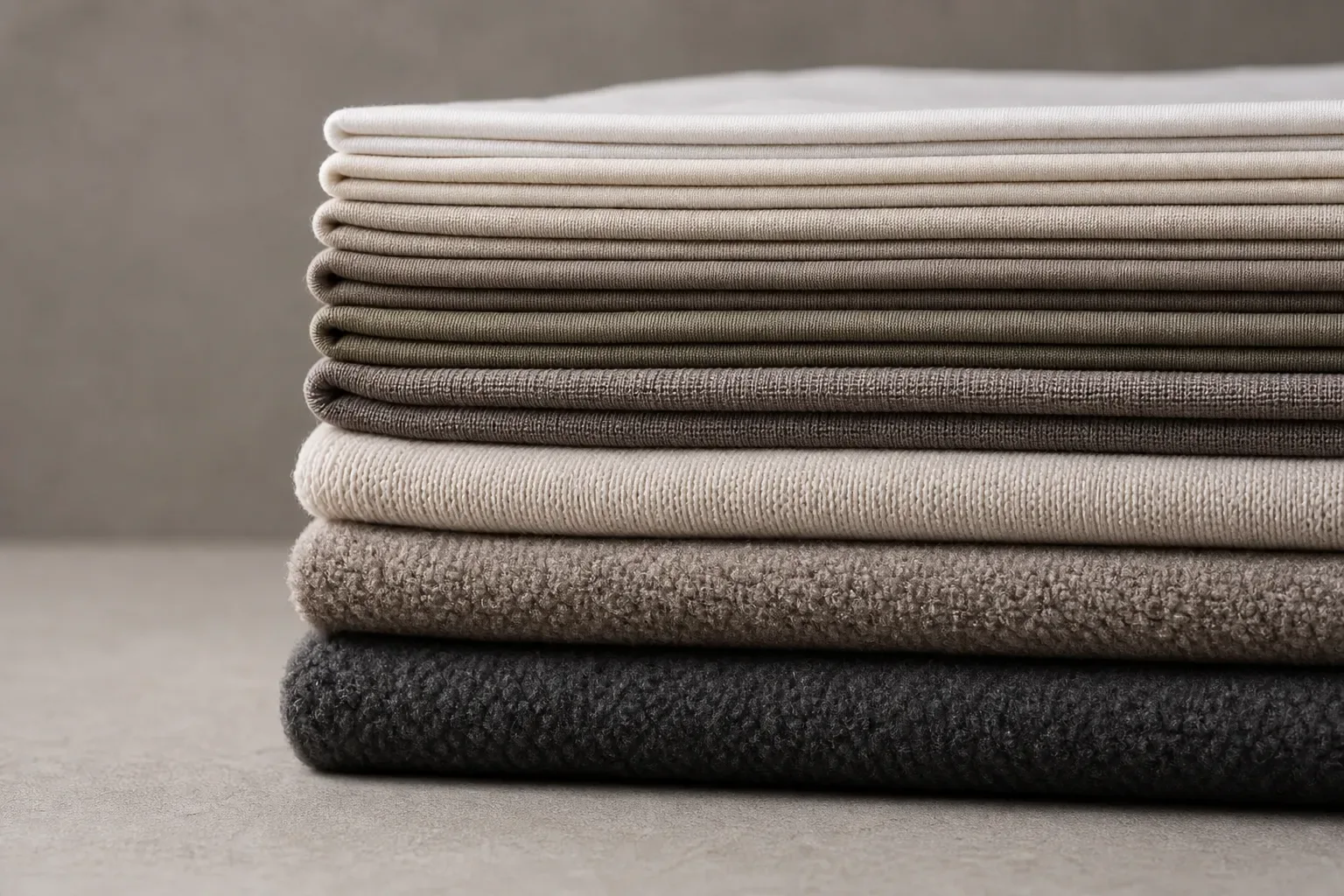
Weight does half the work
Fabric weight decides how a fit reads. Standard fashion tees run roughly 160-200 gsm; the structured heavyweight look that dominates streetwear starts around 230 gsm and runs to 300+. Our GSM guide covers the full range; the short version is that you should pick the weight from a garment you have handled, not from a number alone. A 230 gsm boxy tee with digital print and a heavyweight oversized boxy tee are different garments even before the artwork goes on.
Construction details that show
- Neck ribbing: width and tension are spec choices. A wide, firm 2×2 rib reads vintage/heavyweight; a narrow soft rib reads retail basic. Collar shape survives washing only if the rib is cut and tensioned for it.
- Shoulder tape or back-neck binding: the inside detail that separates a brand tee from a blank — also the surface your woven label sits on.
- Hem and sleeve finish: single-needle vs twin-needle coverstitch changes the outside look; raw or distressed edges are a wash/finish decision to spec upfront (see our distressed details guide).
- Side seams vs tubular: cut-and-sew side seams let the pattern actually create boxy and cropped shapes; tubular blanks cannot.
- Double layering: contrast double-layer sleeves add a layered look without a second garment — it is a pattern and binding decision, not just styling.
Decoration changes the spec order
Print method and fit interact: large chest and back prints want the flat canvas of a boxy or oversized cut, DTG behaves differently on heavyweight cotton than on blends, and washes applied after printing age the artwork along with the garment — deliberately, if you plan it. Decide artwork and wash together with the fit; our print methods comparison covers which technique fits which artwork, and washed finishes like acid wash pair naturally with heavyweight cuts (a cropped boxy tee with rhinestones and acid wash is a single coordinated spec, not three separate ones).
How to brief a tee in one message
Reference photo front and back, the fit in one sentence using the terms above ("boxy, drop shoulder, hem at the waistband"), a weight target or handfeel description, artwork files or placement notes, and quantity per colorway. From that we come back with a formal quote after sufficient project details are reviewed — and the open questions to lock on the sample.
Planning numbers: MOQ starts at 50 pieces, with the final minimum depending on the product, fabric, wash and customization. Simple samples typically take 10-18 working days after project details are confirmed; complex styles or processes take longer. Sample pricing is project-specific, and bulk typically takes 20-30 working days after approval. The full program — fabrics, weights, builds and minimums — is on our t-shirt manufacturer page.
FAQ
What weight is a "heavyweight" t-shirt? In current streetwear usage, roughly 230 gsm and up; 250-280 gsm is the sweet spot for boxy fits that hold their shape. Below about 200 gsm reads as a standard retail tee.
Is oversized just a bigger size? No. A true oversized pattern scales chest, length and armholes in proportion. Wearing two sizes up lengthens everything and reads accidental. If you want oversized, spec it as a fit, not a size.
Can I get a boxy fit in a light fabric? You can cut it, but it will not hold the silhouette — the square shape depends on fabric structure. If summer weight matters, we discuss compromises in design review: slightly heavier than you planned, or a different fit.
Do cropped tees cost less because they use less fabric? Not meaningfully. Labor, decoration and finishing dominate tee cost; a few centimeters of hem length barely moves the fabric consumption. Price differences between your styles will come from weight, decoration and wash — see why factory quotes differ.