What Is Combed Cotton? Combed vs Regular Cotton for T-Shirts
Combed cotton gets an extra preparation step before spinning. See how it differs from regular cotton, what it can change in a T-shirt, and when it is worth choosing.
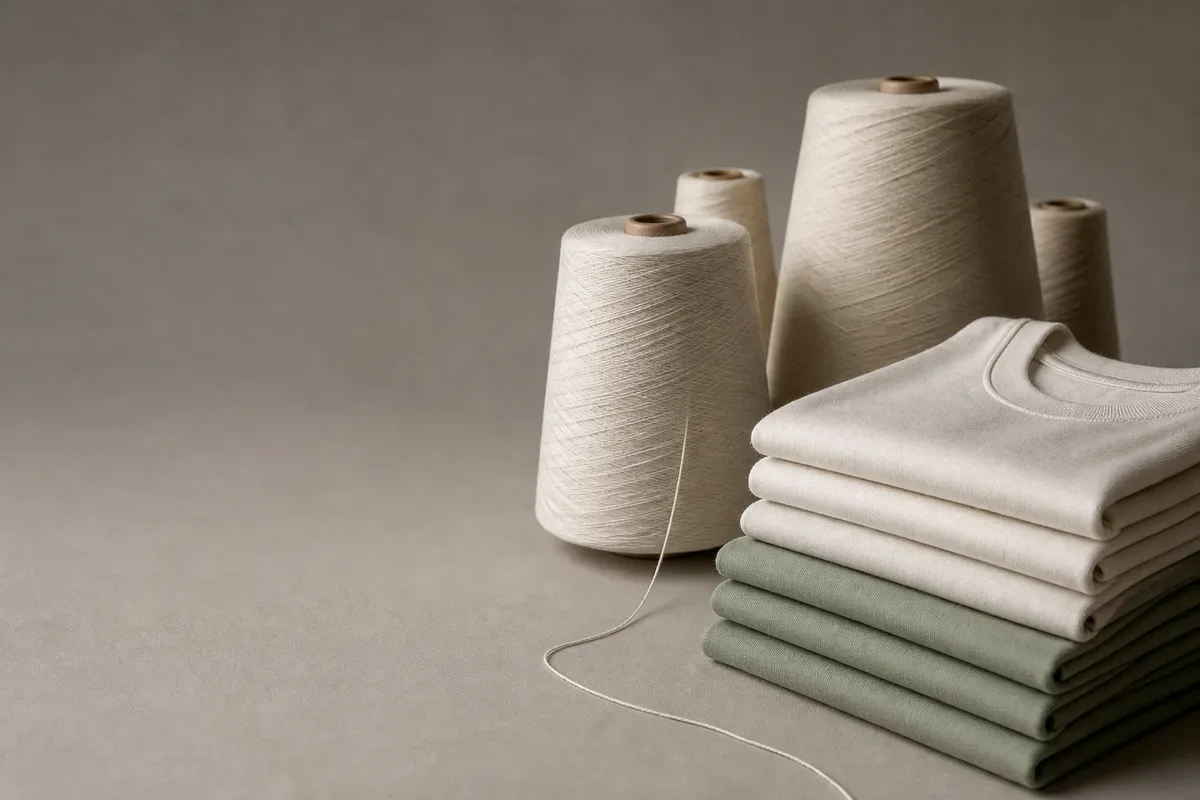
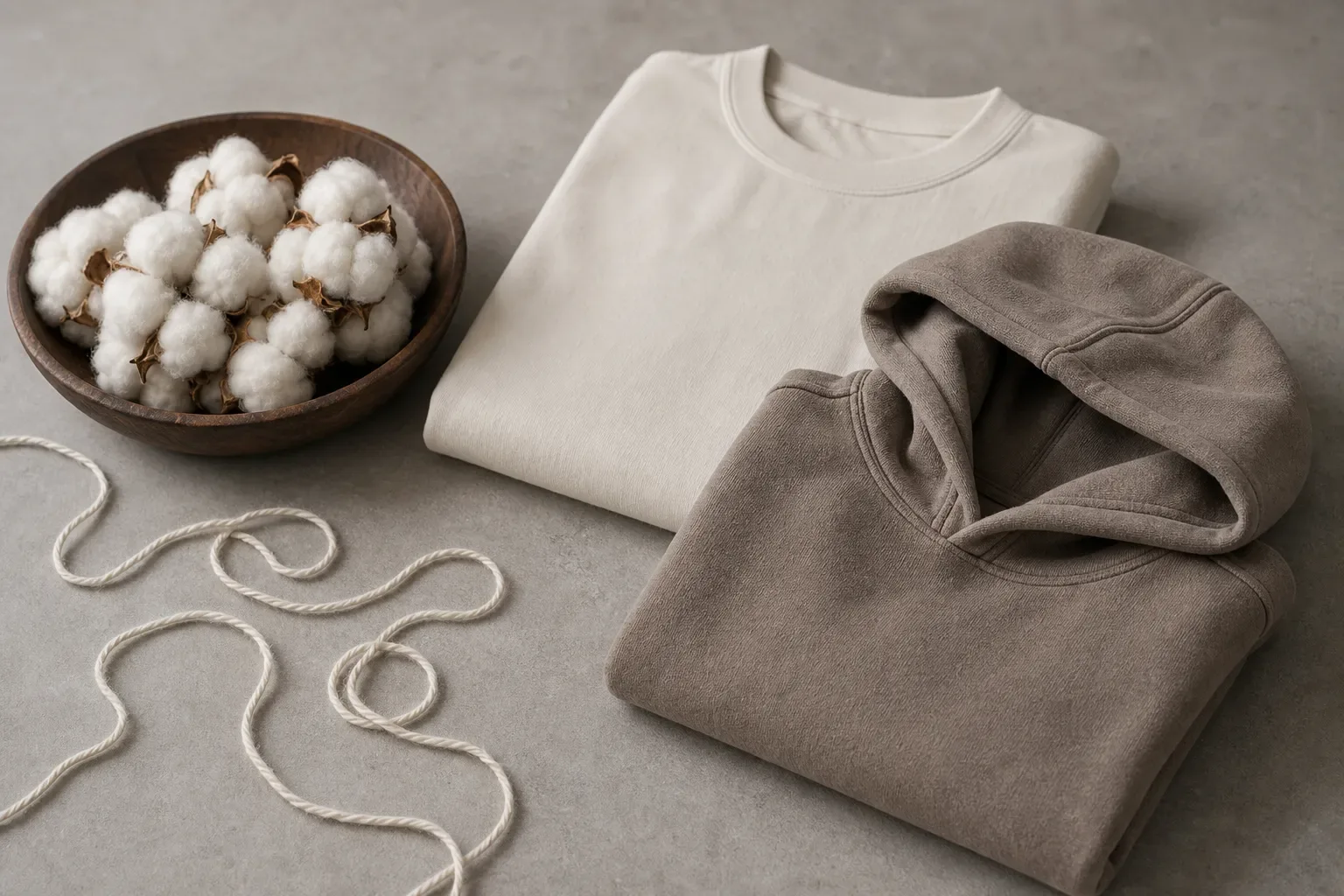
Combed cotton is cotton that goes through an extra combing step before it is spun into yarn. The process removes some shorter fibers and helps prepare a more aligned fiber supply. It can produce a smoother, softer fabric, which is why you see the term on T-shirts. It is still cotton, not a different fiber or a synthetic blend.
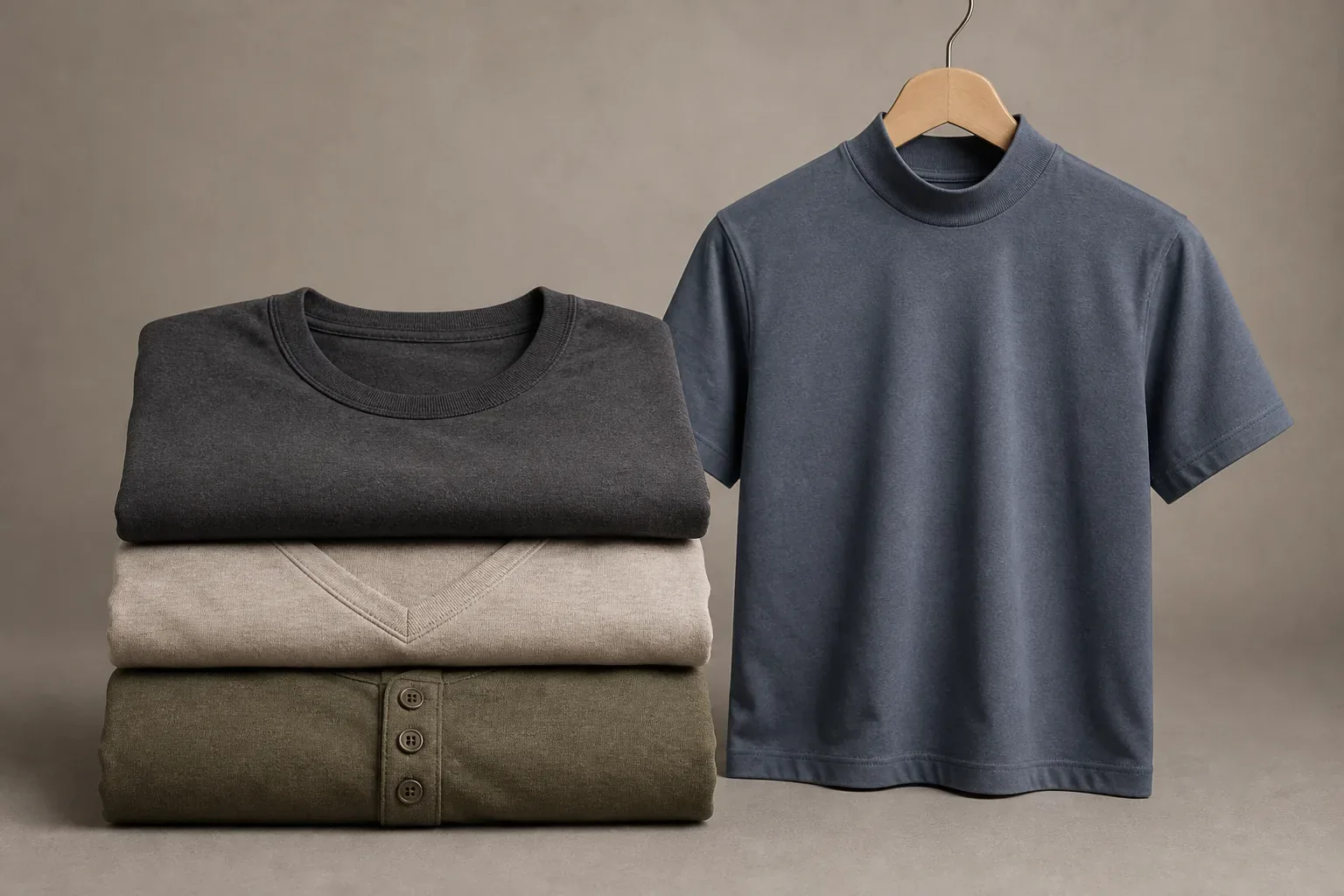
For a clothing brand, the useful question is whether that extra preparation improves the tee you want to make. A soft everyday T-shirt, a structured heavyweight tee and a washed graphic tee need different fabrics. “Combed” helps describe the yarn; it doesn't choose the whole fabric for you.
At a glance
- Combed versus carded describes fiber preparation. Ring-spun versus open-end describes how yarn is made.
- “100% cotton” states composition. It does not tell you whether the cotton was combed.
- Compare finished samples for feel, print quality and washing performance before paying for a specification upgrade.
What makes cotton “combed”?
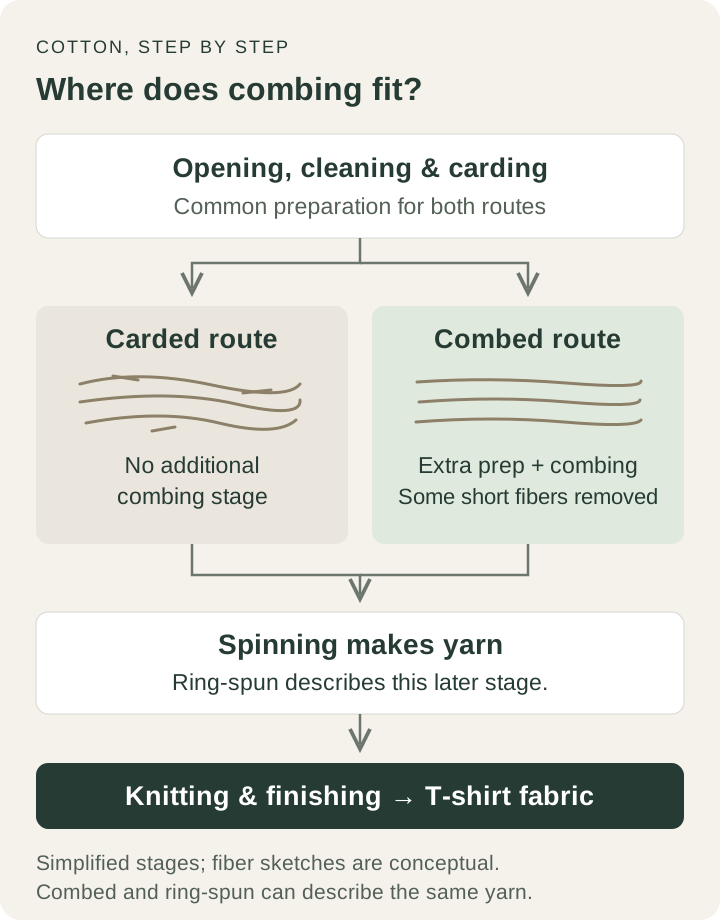
Cotton fibers are opened, cleaned and carded before spinning. Carding separates and aligns the fibers into a loose strand called a sliver. For combed yarn, the mill adds another preparation stage that removes a selected share of short fibers.
CottonWorks, from Cotton Incorporated, explains that combing can support finer yarns and improve fabric hand and drape. The amount removed depends on the cotton and machine settings. Combing sorts the fiber supply; it does not make each individual fiber longer.
Think of the sequence as fiber preparation, then spinning, then knitting, then finishing. Combing happens near the start. It is different from brushing or washing an already knitted T-shirt fabric.
Combed cotton vs regular cotton
“Regular cotton” is a loose retail term. For a useful comparison, ask whether it means carded cotton without the extra combing step. A label that only says “cotton” leaves that question open.
| What you are comparing | Combed cotton | Carded cotton without combing |
|---|---|---|
| Preparation | Adds combing after carding | Uses carding without the extra combing stage |
| Short fibers | A selected portion is removed by combing | Does not receive that additional selection |
| Buying direction | Consider for a fine, clean-looking jersey | Consider when the proposed fabric already meets the feel and price brief |
| Cost question | Ask what the extra preparation adds to the actual quote | Compare the same fabric specification, not an unrelated cheaper tee |
There is a cost trade-off: extra processing and fiber removal affect yarn production economics. Machinery maker Rieter describes this balance in its combing trials with recycled cotton blends. Those trial results concern the tested blends, not a fixed price premium for every combed-cotton T-shirt.
For your order, ask for two comparable fabric options. Keep composition, weight, knit, color and finish as close as possible. Otherwise, you may be paying for a heavier fabric or a different finish while attributing the entire difference to combing.
Is combed cotton better for T-shirts?
It is worth sampling when a smooth surface and a refined hand are central to the design. But a supplier's “combed cotton” description is a starting point, not a finished-garment quality grade.
Softness and everyday wear
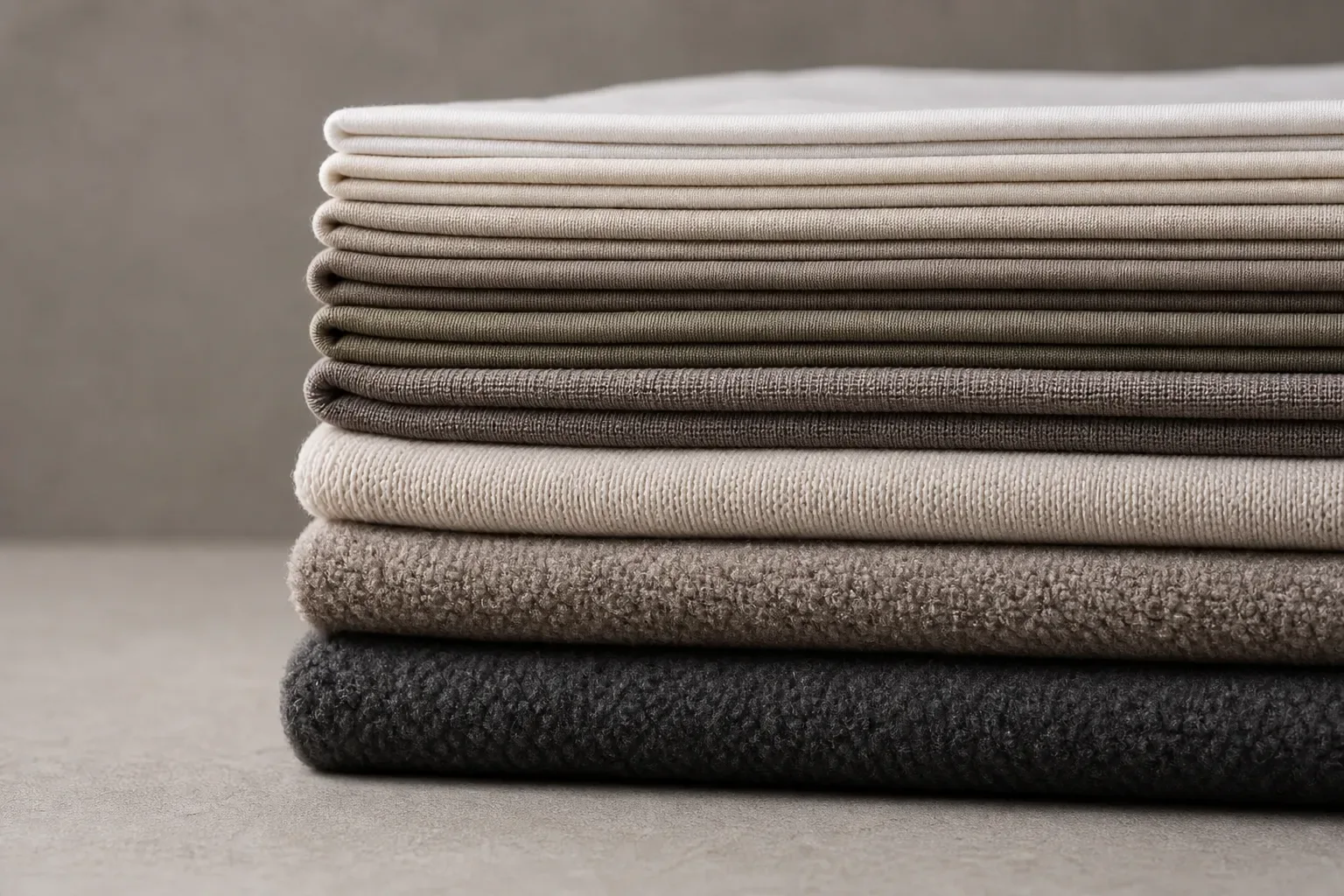
Compare both sides of the fabric and try the sewn sample. A swatch that feels pleasant in the hand may hang differently once it becomes a full T-shirt. Review the neckline, body and sleeve together, especially if you want a boxy shape rather than a fluid drape.
Ask for an agreed wash-and-dry trial before making the final choice. Keep an unwashed reference beside it so you can compare the feel and surface. Our fabric handfeel guide gives you clearer language than “make it more premium.”
Printing and embroidery
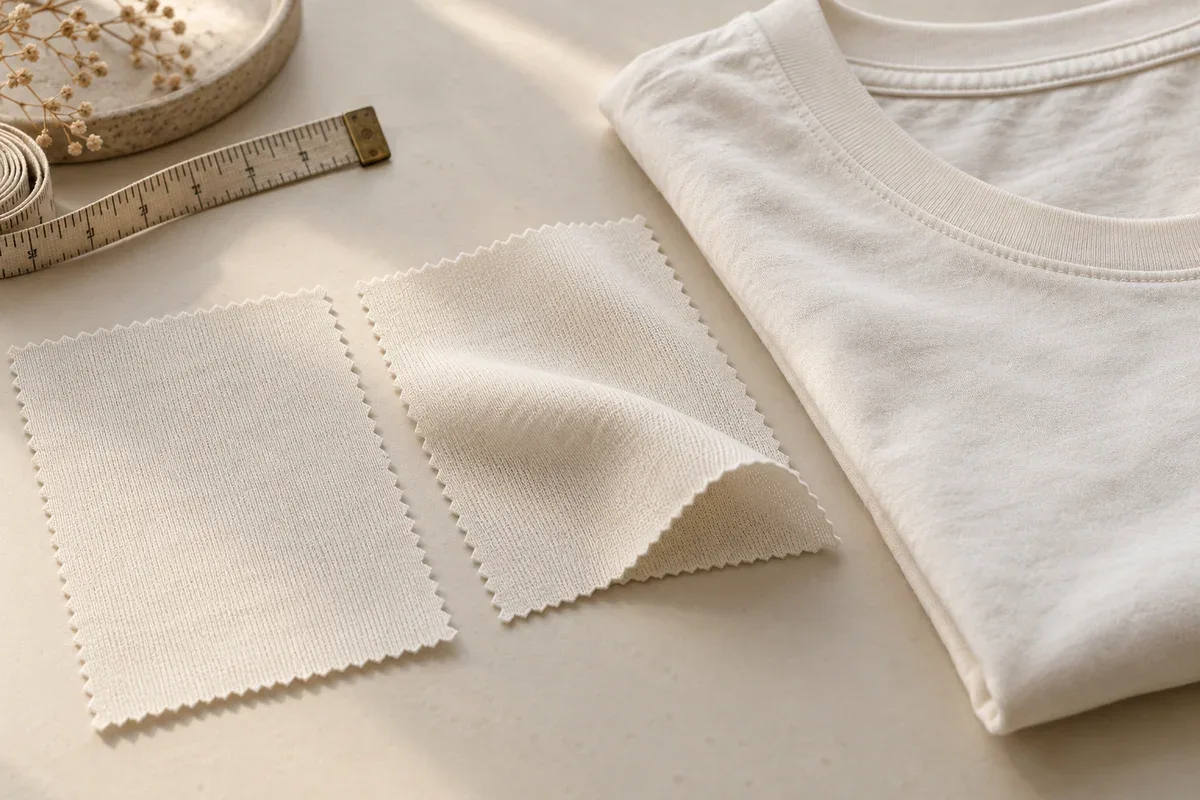
A useful fabric comparison includes your artwork. Print a small detail, a solid area or the actual graphic on both candidates using the intended process. Check definition, feel and appearance after washing. For embroidery, inspect the surrounding fabric for distortion as well as the stitches.
Treat “great for printing” as a claim to test on that fabric and method. The print-method comparison helps narrow the decoration route before sampling.
Heavyweight and washed styles
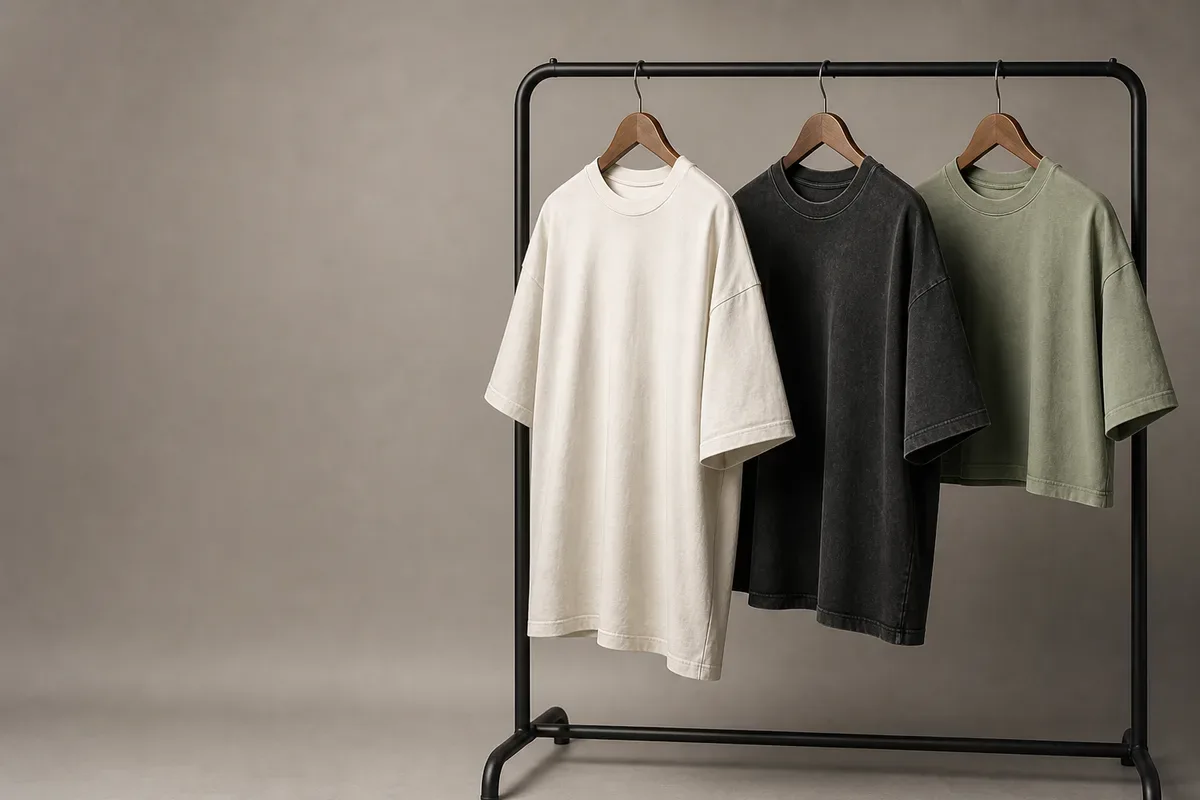
Combing does not specify fabric weight. A combed jersey can be developed in different weights, and a higher GSM does not identify the yarn preparation. Choose the weight and silhouette separately using the streetwear GSM guide.
For a washed tee, compare the finished garment after the intended treatment. For a long-sleeve tee, include the sleeve drape. The decision should follow the product you plan to sell, not whichever loose swatch feels softest.
Combed cotton vs ring-spun cotton
Cotton can be both combed and ring-spun. These words describe different stages:
| Term | What it tells you |
|---|---|
| Combed | The cotton received an additional fiber-preparation step |
| Ring-spun | Prepared fibers were twisted into yarn using ring spinning |
| Combed ring-spun | Both descriptions apply |
| Carded ring-spun | Ring-spun yarn made without the additional combing stage |
For a real label example, BELLA+CANVAS lists its 3001 jersey tee with both combed and ring-spun in the fabric description. It lists composition and yarn size separately. That is how the terms should work together, rather than as rival cotton types.
Ring-spun versus open-end is a separate comparison. Ring spinning uses a spindle and ring-traveller system to twist prepared fibers into yarn. Rotor, also called open-end spinning, forms yarn in a rotating rotor. CottonWorks' Yarn Spinning guide explains that ring spinning offers a broad count range, including fine yarns, while rotor spinning has a faster production route and different yarn structure.
Open-end does not mean synthetic, and ring-spun does not automatically mean combed. Ask the supplier to state both preparation and spinning method when comparing quotes.
Does combed cotton shrink or pill?
Combed cotton can still shrink. Combing happens before yarn and fabric formation; it is not a shrink-control finish. CottonWorks' Shrinkage & Skewing guide identifies yarn, knit construction, wet processing, finishing and garment care among the factors that affect dimensional change.
Follow the care label on a finished tee. For custom production, agree on the washing and drying procedure, then measure the sample before and after it. Our cotton shrinkage guide explains how to make that comparison useful.
Don't treat “combed” as an anti-pilling guarantee either. If surface wear matters to the collection, request a suitable assessment of the proposed fabric. Inspect the sample after the agreed trial and use the fabric pilling guide to separate loose fuzz from actual pills.
How to ask a factory for combed-cotton T-shirts
Start with the tee: intended fit, fabric weight, surface feel, color, finish and artwork. Add combed cotton as a requirement if you have decided on it, or ask the factory to propose a combed option beside your reference fabric.
Here is an example brief you can adapt:
We are developing a boxy T-shirt in 100% cotton single jersey. Please propose a combed ring-spun fabric at our target finished GSM, with a smooth face and the handfeel of our reference swatch. State the yarn count, color and finish. We will compare the sewn and decorated sample after the agreed wash-and-dry trial before approving the fabric.
You do not need to invent a yarn count if you don't know it. Ask the supplier to identify the proposed count and ply. In the English cotton count system, a higher Ne number means a finer yarn; it does not set the finished fabric's GSM. CottonWorks explains the notation in Yarn Ply, Counts and Treatments.
Before approval, keep the supplier's fabric reference together with:
- Composition, combed or carded preparation, and spinning route.
- Yarn count and ply, knit construction, finished weight, color and finish.
- The approved fabric swatch and sewn sample.
- Artwork trial and washing results, with any changes still required.
If the quotation only says “100% cotton,” ask for the missing yarn details. If it only says “combed cotton,” confirm the full composition too. The cotton fiber-content guide covers that separate choice.
Frequently asked questions
Is combed cotton 100% cotton? It can be. “Combed” describes preparation, while “100% cotton” describes composition. Check both fields rather than assuming that one supplies the other.
Is combed cotton the same as organic cotton? No. Combed describes fiber preparation; organic describes the cotton's agricultural production status. Ask for appropriate evidence separately if organic sourcing is a requirement.
Can I recognize combed cotton by touching it? Touch helps you compare fabrics, but it cannot verify how the yarn was prepared. Ask for the yarn specification and match it to the supplied fabric.
Is combed cotton worth the extra cost? It is worth considering when the sampled fabric gives your tee a surface and feel you prefer at an acceptable price. Compare like-for-like options and review the decorated, washed garment before deciding.
For a custom T-shirt project, send your design, target weight and a fabric or garment reference. Those details give Jiashun a practical starting point for sourcing and sample development.