Hoodie Fits and Construction Explained: What to Spec Before Sampling
Oversized, boxy, drop-shoulder, cropped — defined by measurements, not vibes. A factory guide to speccing hoodie fit, construction and fabric face before sampling.
"Oversized" is the most common word in the hoodie briefs we receive, and it means something different in almost every one of them. This guide defines the fits and construction choices that actually determine how a hoodie looks — in the terms a factory uses — so your first sample lands closer to the garment in your head. We run a cut-and-sew factory in Humen, Dongguan; these are the definitions we walk through in design review every week.
The four fits, defined by measurements
Fit is not a vibe — it is a relationship between four measurements: chest width, body length, shoulder seam position and sleeve length. The same logic drives tees; our t-shirt fits and construction guide applies it to jersey.
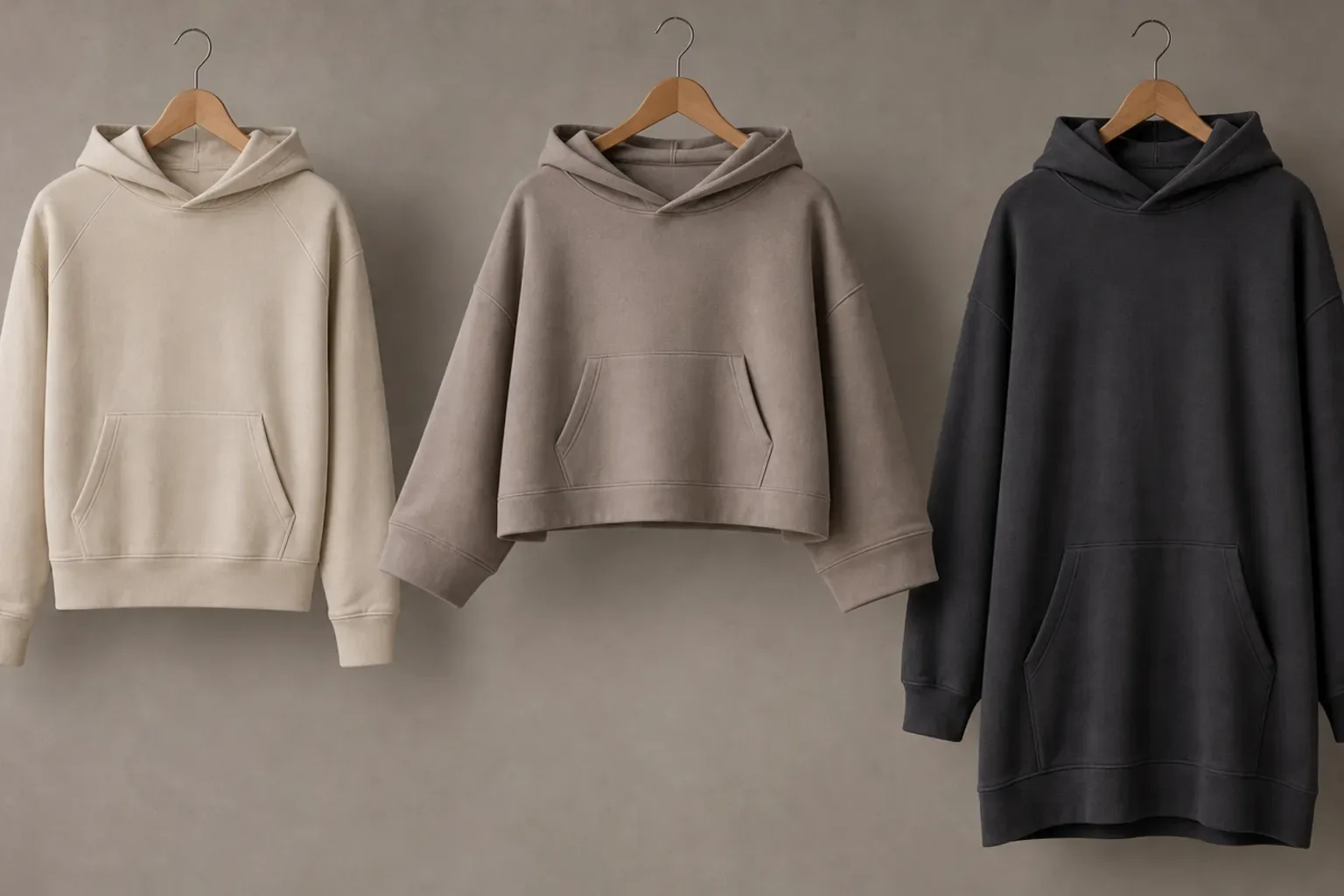
Regular fit. Shoulder seams sit at the natural shoulder, body follows the torso with modest ease, length covers the waistband. The baseline everything else deviates from.
Oversized. Everything scales up — wider chest, longer body, bigger armholes — but proportions stay balanced. An oversized hoodie drapes; it should not look like a bigger size of a regular hoodie, because sizing up a regular pattern also lengthens it in ways that read sloppy rather than intentional. That is why "just make it bigger" briefs get a pattern conversation from us.
Boxy. Wider chest against a shorter body — a square silhouette. The boxy look leans on structure, which is why it pairs with heavier fleece: a 450 gsm boxy cut stands; the same cut in 300 gsm collapses. If your reference photos show a garment holding its own shape, you are looking at weight plus cut, not cut alone.
Cropped. Body length ends at or above the waistband, usually combined with a wider chest. Streetwear menswear uses subtle crops; the measurement difference between "fashionably cropped" and "shrunk in the wash" is about three centimeters, which is exactly why this fit gets locked on a physical sample.
Drop shoulder is not a fifth fit — it is a shoulder construction that any of the above can use: the shoulder seam falls off the natural shoulder onto the upper arm. It relaxes the silhouette and is the default in most current streetwear briefs. Specify how far it drops (or send a reference garment and we measure it).
Pullover vs. zip-up
A pullover is the simpler build: fewer components, cleaner canvas for large chest and back prints. The zip-up adds a zipper, zipper tape, pullers and usually a different pocket construction — more cost and more decisions, but it earns them in styling range. The construction detail buyers miss: a full front zip interrupts artwork, so zip-up graphics live on backs, sleeves and small chest hits. Decide the print plan and the closure together, not separately. And if the garment itself is still borderline — hood or no hood — the sweatshirt vs hoodie guide settles the category question first.
Both start from the same 50-piece MOQ framework at our factory, while the final minimum and colorway breakdown are confirmed after the fabric, wash, and customization are reviewed. The zip-up quote itemizes the hardware (our hoodie cost anatomy shows how each build layer prices).
The fabric layer: loop-back vs. brushed
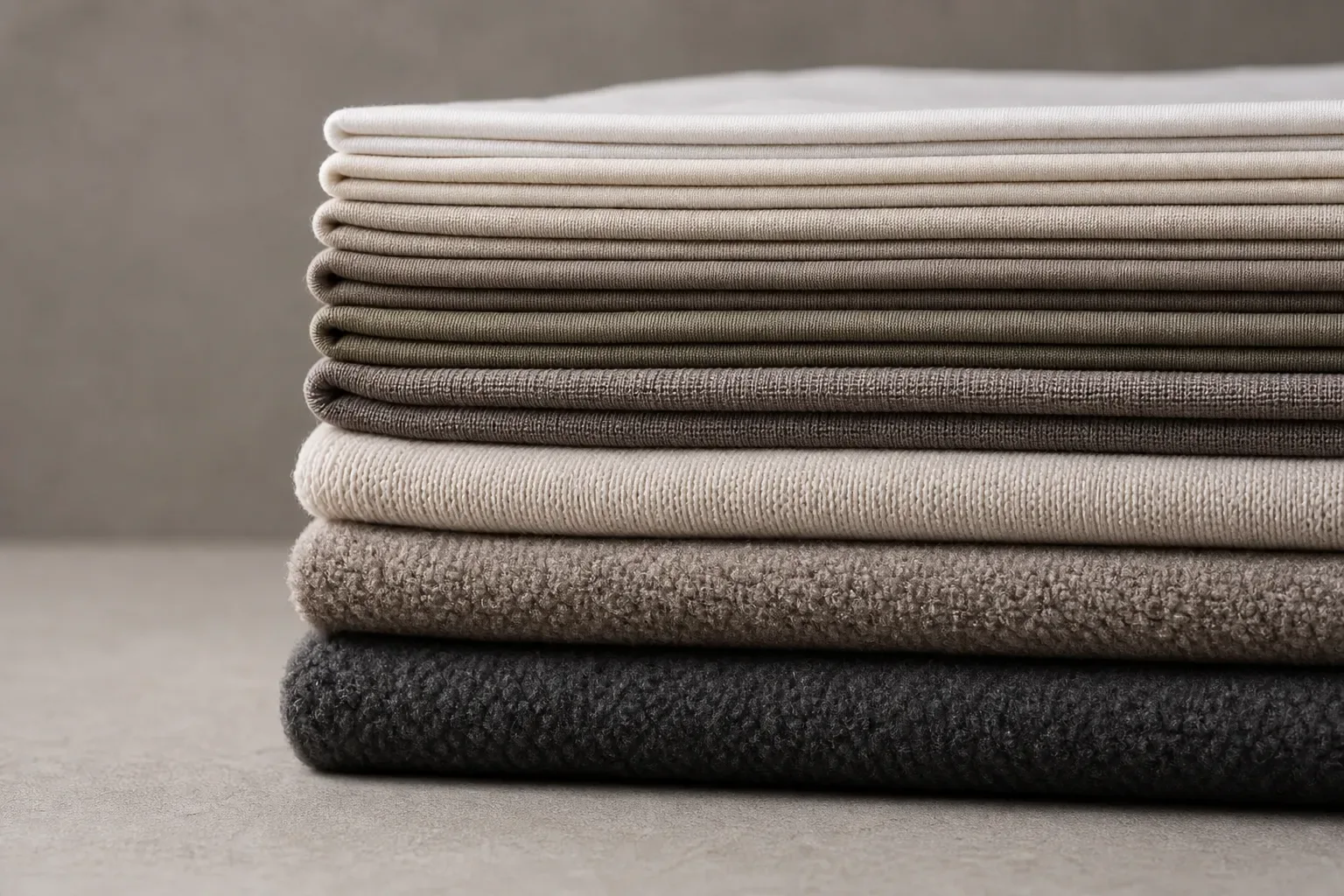
The same weight of fleece comes in two faces. Loop-back (French terry) keeps the yarn loops on the inside — it wears cooler, drapes with more structure, and reads more premium unwashed. Brushed fleece raises those loops into the soft nap most people picture inside a hoodie — warmer, softer, slightly less structured. Weight and face interact: dense 400-500 gsm loop-back is the engine of the structured oversized look, while brushed fleece optimizes comfort at any weight. (For a full weight rundown, see our GSM guide.)
Details that separate a brand hoodie from a blank
- Ribbing at cuffs and hem: width and tension decide whether the silhouette blouses or hangs straight.
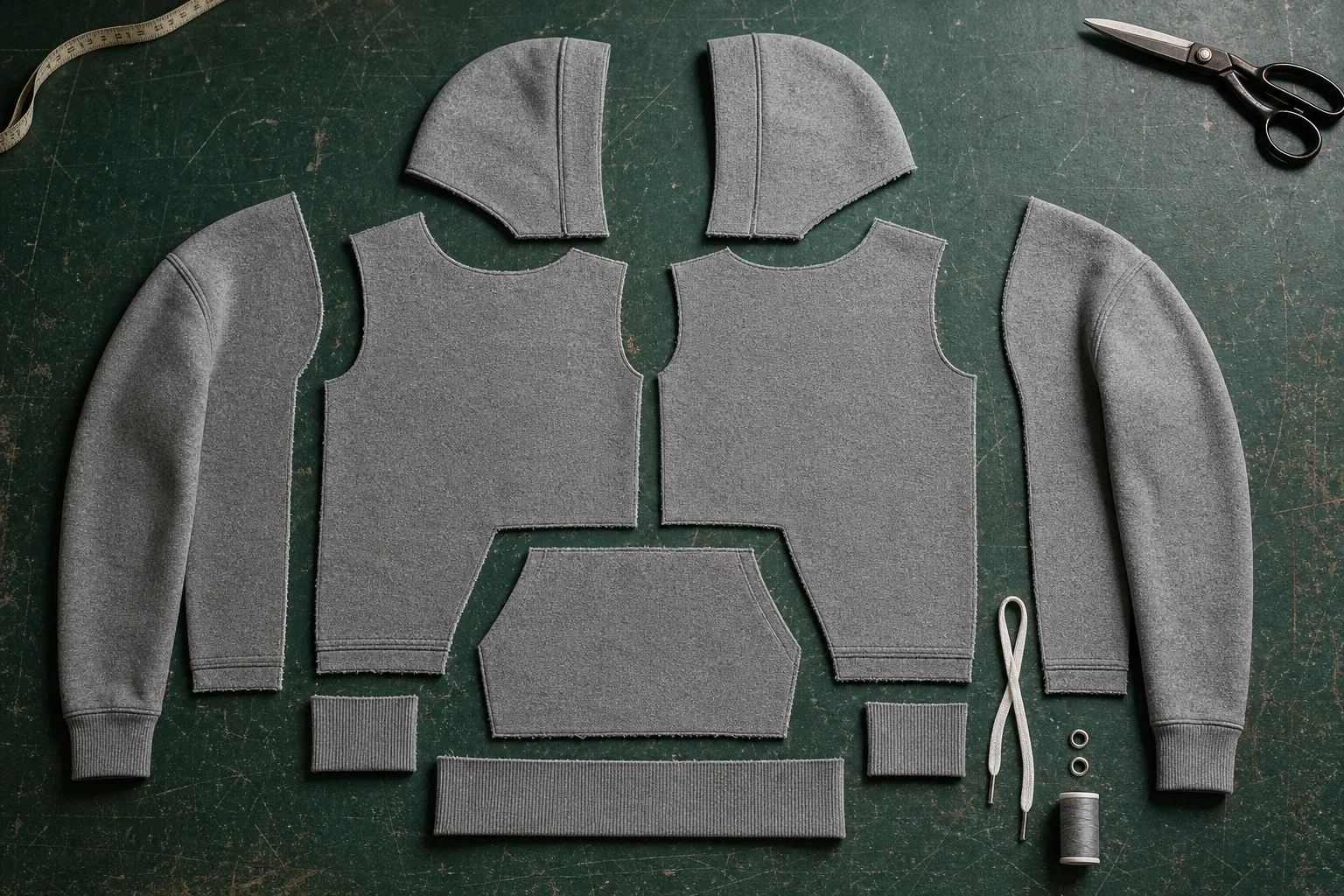
- Hood build: panel count, lining, drawcord style and tipping are all spec choices, not defaults (every component is named in our parts of a hoodie guide).
- Kangaroo pocket vs. side pockets vs. no pocket — changes the front canvas and the build cost.
- Seam finishing: flatlock and coverstitch details show on the outside of premium garments; they are worth specifying if your reference uses them.
- Labels: woven neck label, printed size tag, hem tag — the private-label package rides along with the garment order at the same MOQ.
How to brief a factory in one message
You do not need a tech pack to start. The brief that gets an accurate quote fastest contains: one or two reference photos (front and back), the fit in one sentence using the terms above ("boxy, drop shoulder, ends at the waistband"), target fabric weight or a handfeel description, artwork files or placement notes, and quantity per colorway. From that, our design review comes back with a formal quote after sufficient project details are reviewed — and the open questions we need to lock on the sample.
Numbers, for planning: MOQ starts at 50 pieces, with the final minimum confirmed at design review according to the product, fabric, wash and customization. Simple samples typically take 10-18 working days after project details are confirmed; complex styles or processes take longer. Sample pricing is project-specific, and bulk typically takes 20-30 working days after approval. The full hoodie program — builds, fabric weights and minimums — is laid out on our hoodie manufacturer page.
FAQ
What does drop shoulder actually mean? The shoulder seam sits below the natural shoulder point, on the upper arm. It relaxes the silhouette and pairs with oversized and boxy fits. Specify the drop distance or send a reference garment.
Why does my oversized sample look different from the reference photo? Usually fabric weight. An oversized cut needs enough fabric structure to drape rather than cling; a reference shot on 450 gsm loop-back will not reproduce in 300 gsm brushed fleece. Match the weight first, then the pattern.
Can one design mix fits across sizes? The pattern grades across your size run, but the fit concept stays one decision — a boxy hoodie is boxy in every size. If you want two silhouettes, treat them as two designs and confirm the minimum and size breakdown for each during design review.
Do zip-up hoodies cost more than pullovers? Yes, moderately — the zipper, tape and pocket construction add material and labor. The exact difference shows up itemized in the quote, so you can decide with numbers rather than guesses.