
Factory notes for streetwear brands
Practical guides for preparing briefs, comparing techniques and understanding the production decisions behind custom men's streetwear.
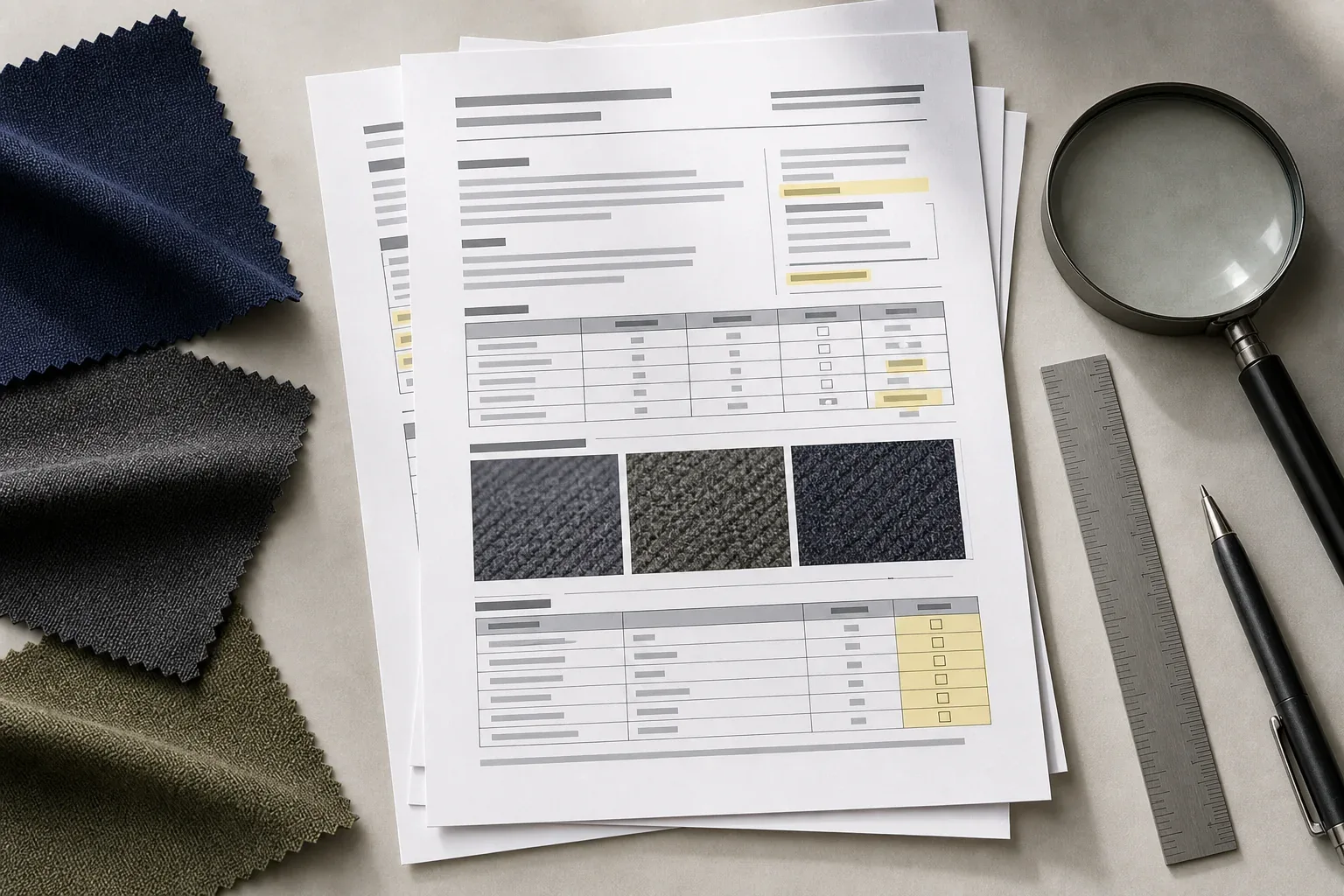
How to Read a Textile Test Report: A Buyer Guide
Read a textile test report by checking the stated sample, method edition, options, deviations, units, results, requirement source, decision rule and report status.
Read guide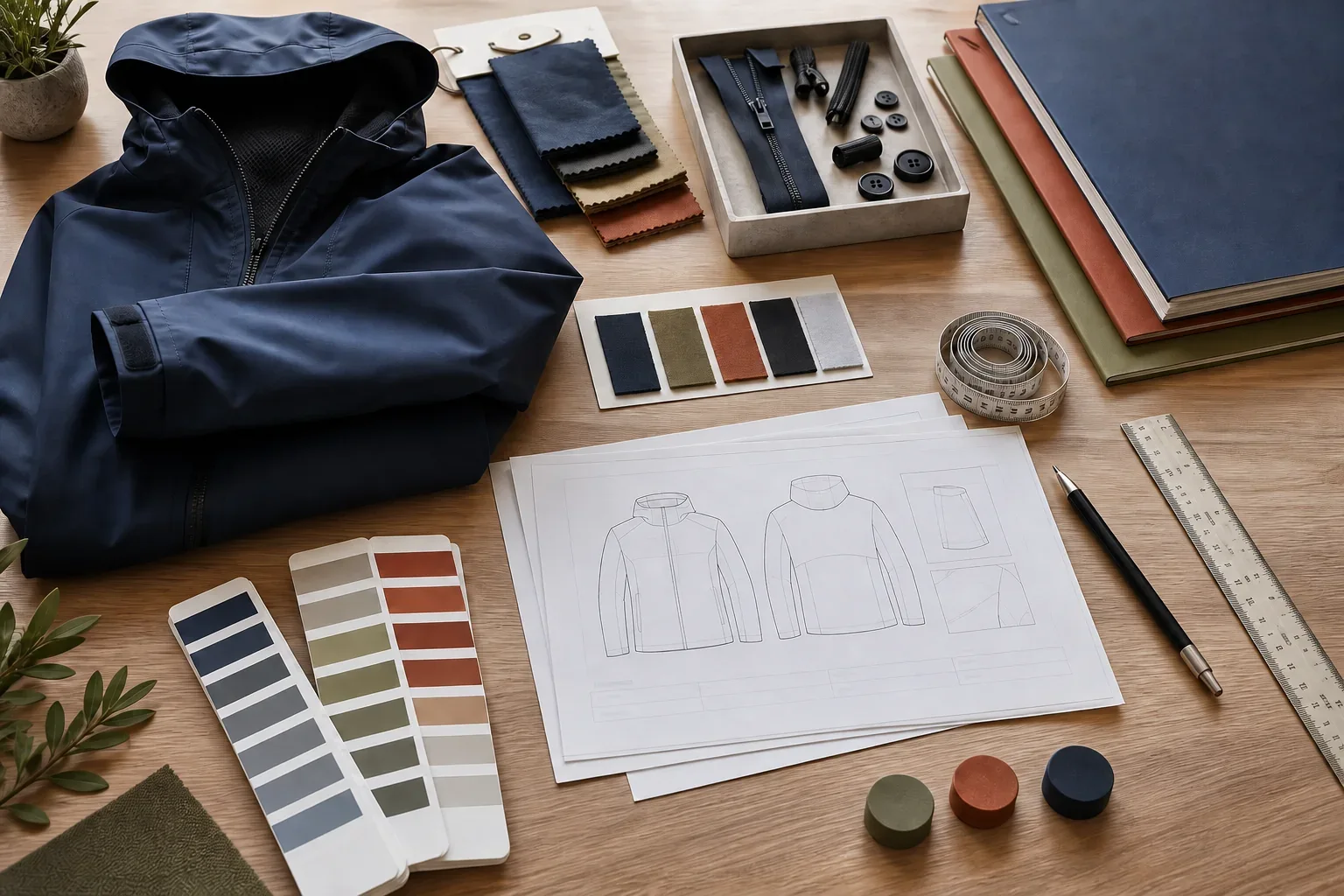
Garment Pre-Production Meeting Checklist Before Bulk
Prepare and record a garment pre-production meeting with controlled inputs, scoped decisions, action owners, blocking effects and reopen triggers before bulk work.
Read guide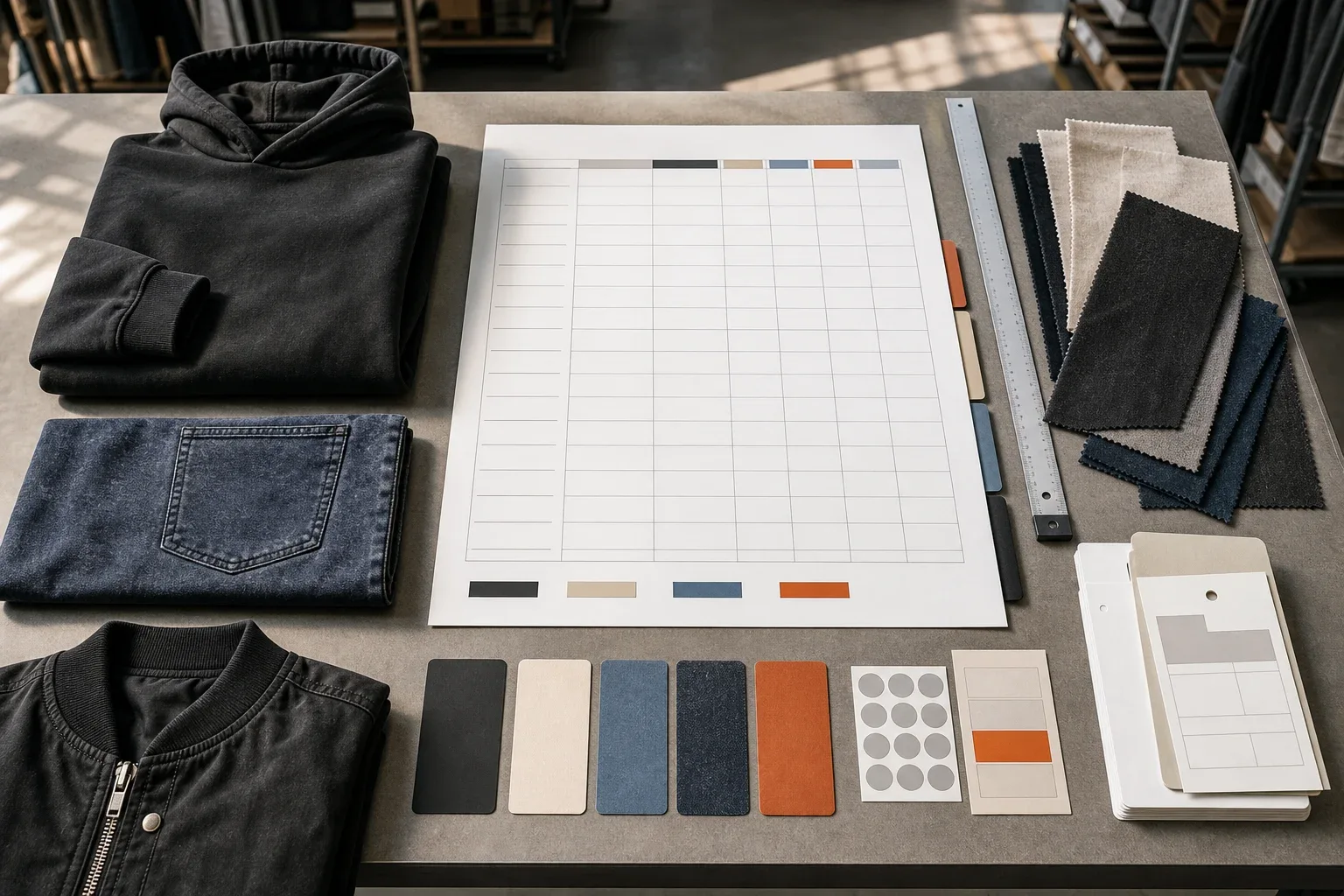
Clothing Purchase Order Checklist: Production-Ready Handoff
Turn an accepted apparel quote into one controlled order record with reconciled style, color, size, revision, delivery, packing, acknowledgement and change fields.
Read guide
CMT vs Full Package Clothing Manufacturing: Scope and Responsibility
Compare CMT and full-package clothing manufacturing by material ownership, procurement, approvals, evidence and commercial scope—not by a generic promise of lower cost or faster delivery.
Read guide
Stock Fabric vs Custom Fabric for Clothing Production
Compare supplier-available fabric with custom color, finish and construction routes by control, evidence, approval scope and continuity—not by a generic promise of speed or cost.
Read guide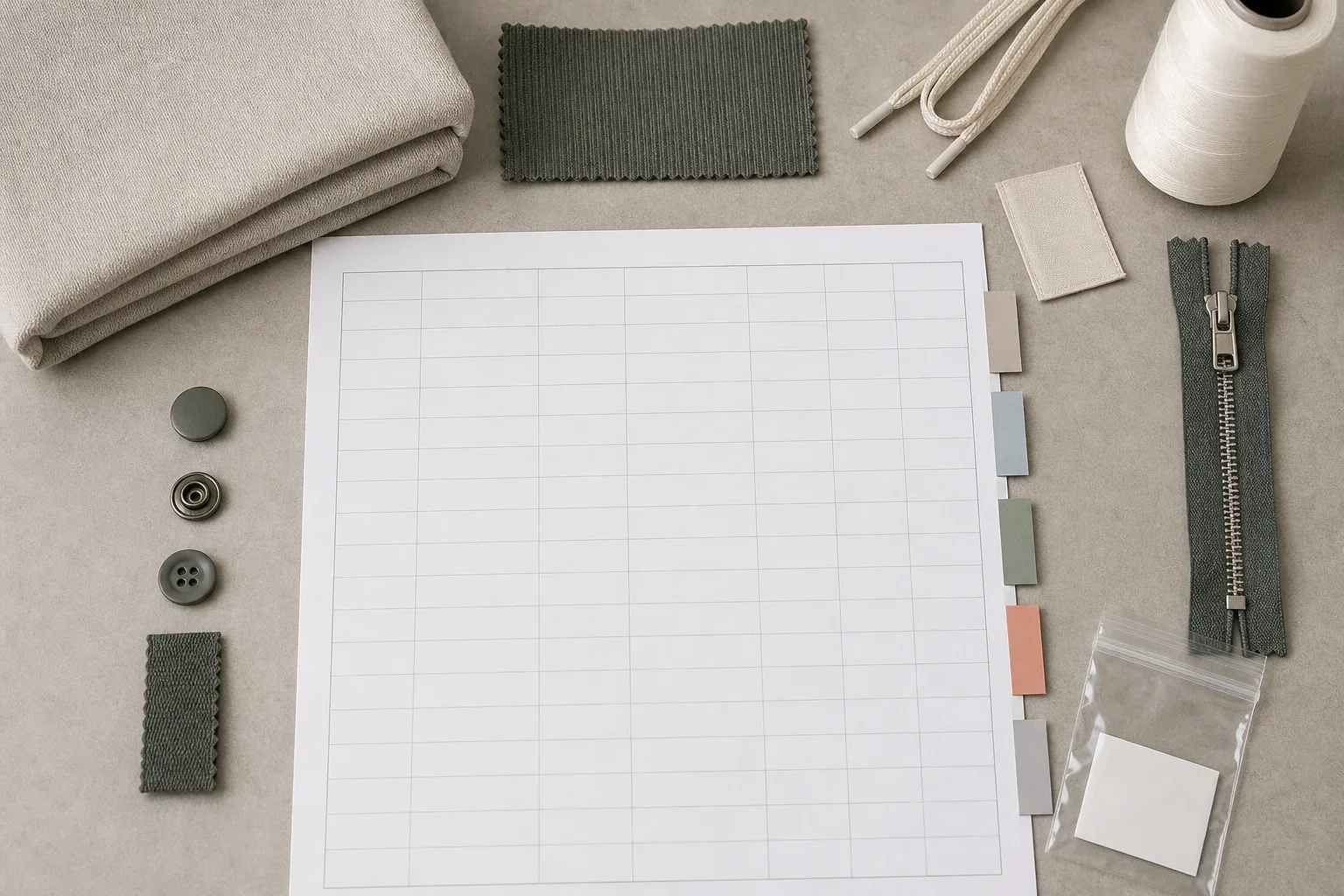
Apparel Bill of Materials: Fields, Versions and Approval Status
Build an apparel BOM that identifies each component, shows where it applies, records approval scope and keeps material changes on one controlled revision.
Read guide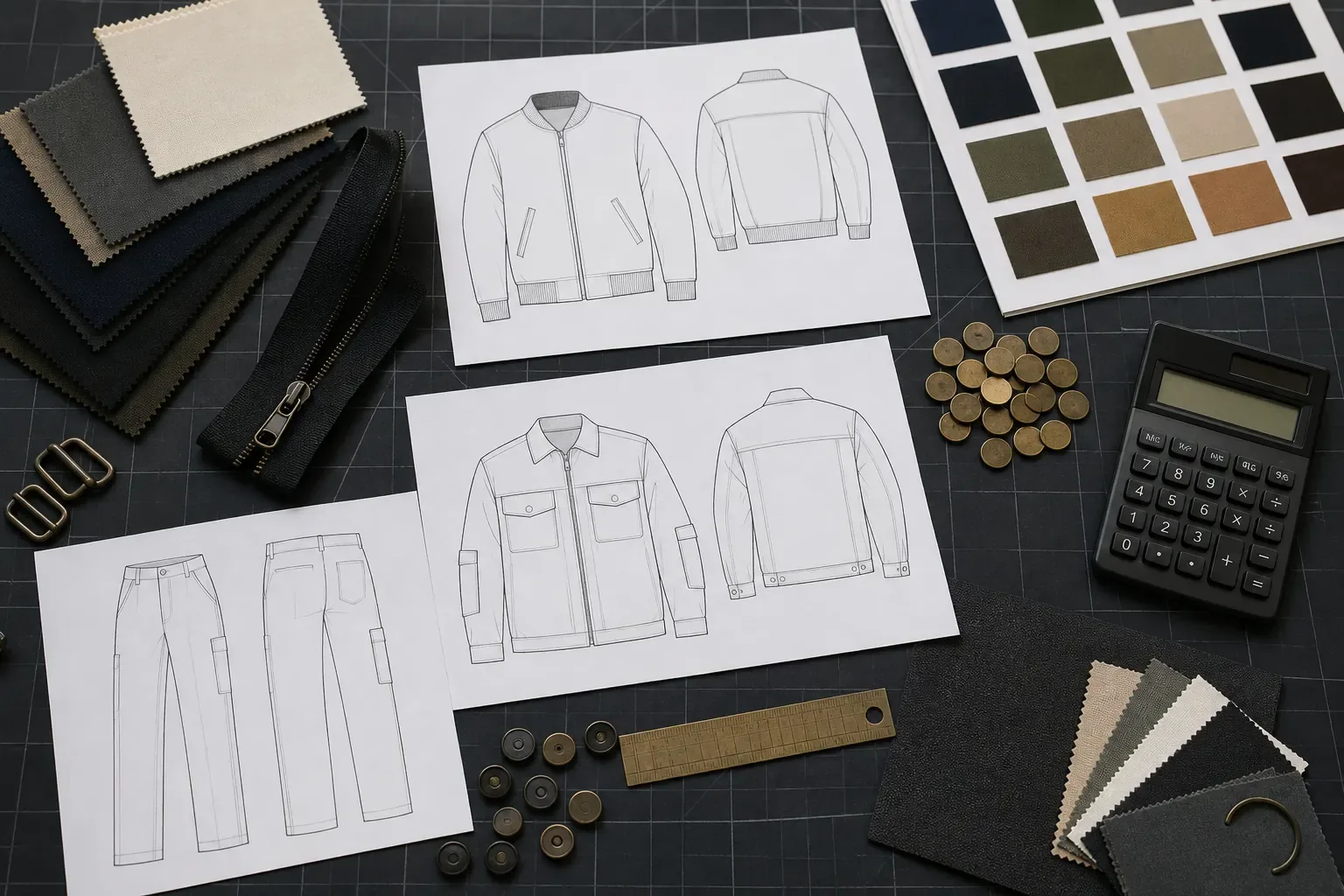
Clothing Manufacturing RFQ Checklist: Quote-Ready Inputs
Build one controlled clothing RFQ that gives every factory the same product revision, quantity split, commercial boundary, assumptions and response fields.
Read guide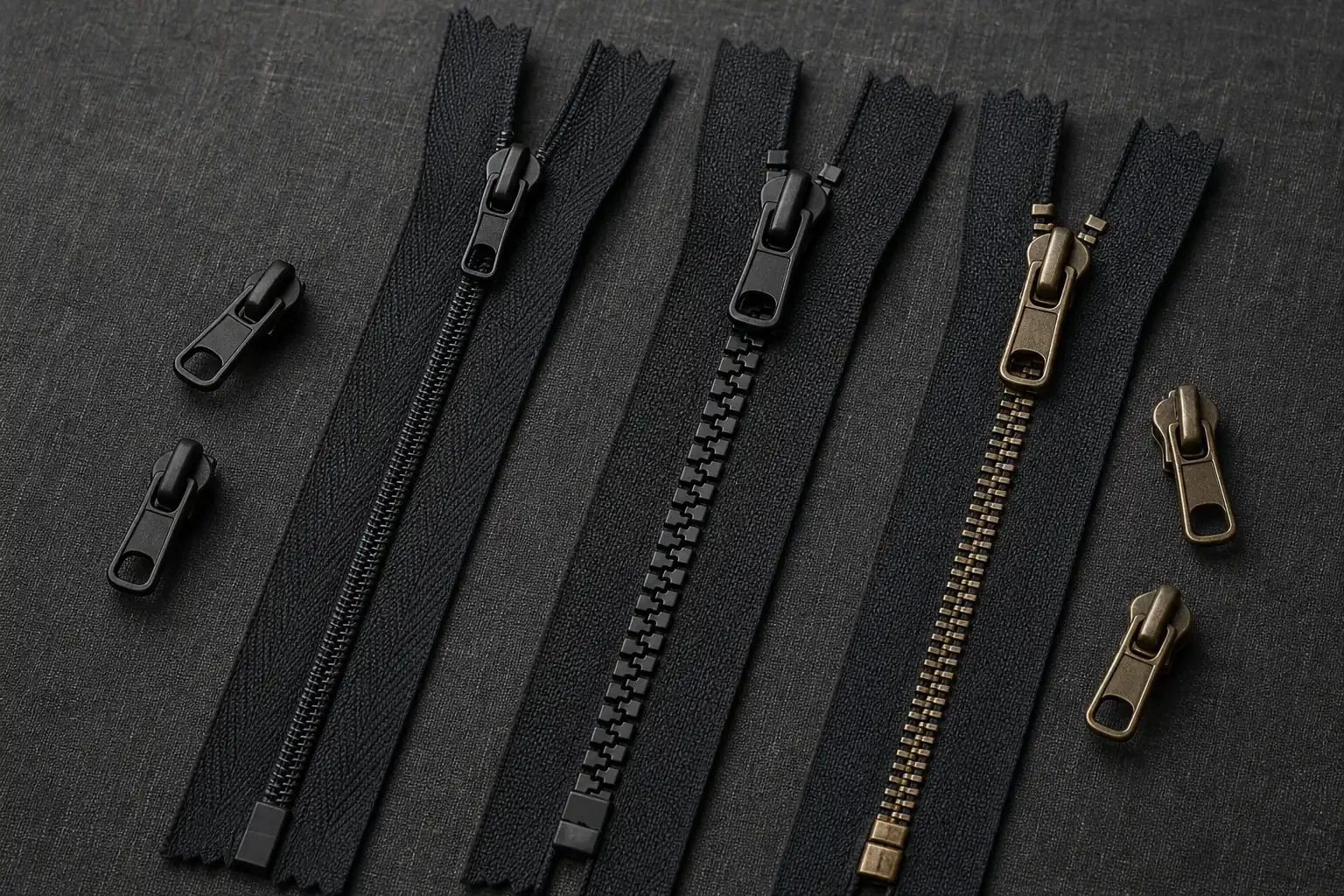
Types of Zippers for Clothing: What Brands Need to Spec
Coil, molded plastic and metal describe only the zipper elements. This buyer's guide shows how to combine element type, opening configuration, size, slider, length and approval evidence in a factory-ready clothing specification.
Read guide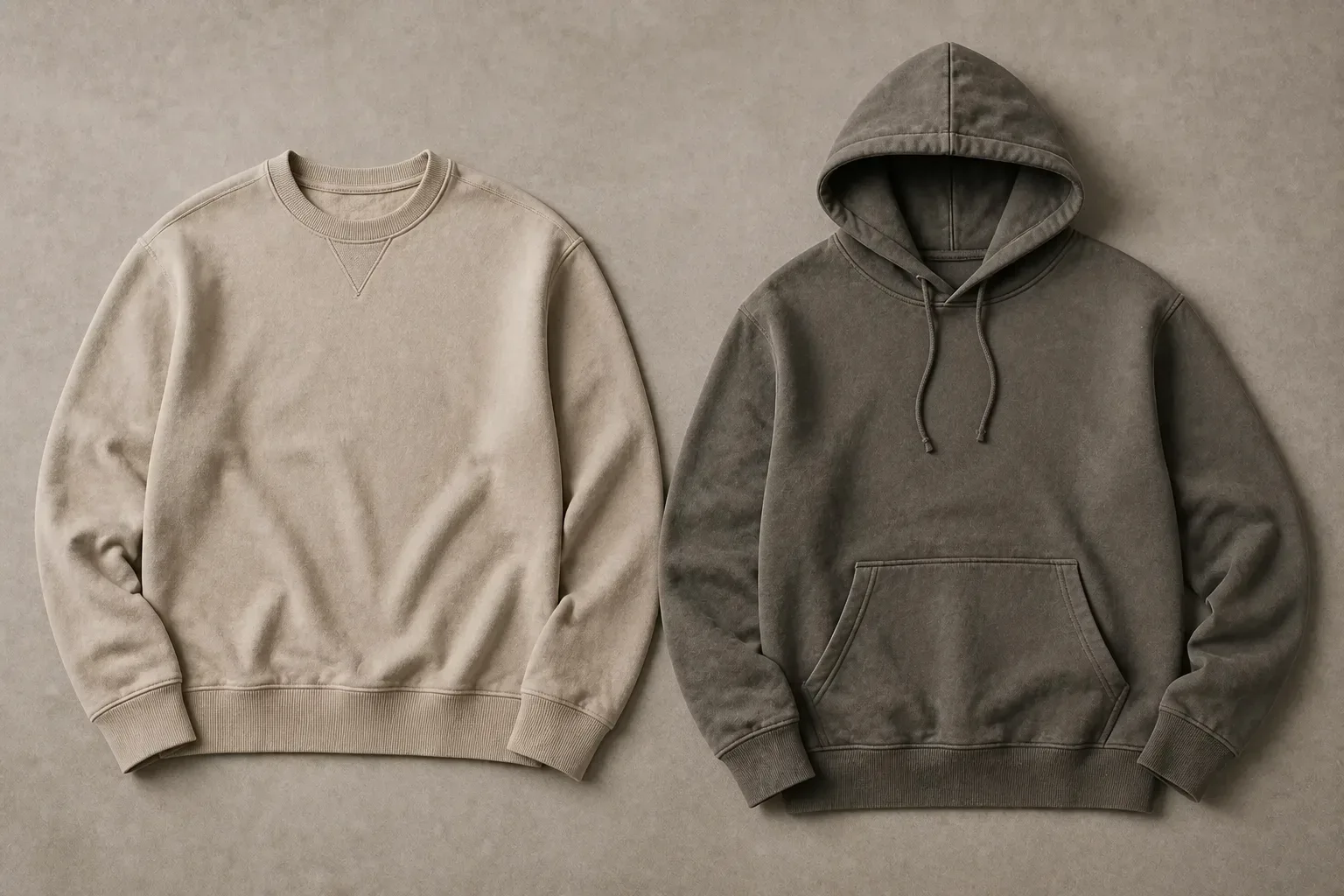
Sweatshirt vs Hoodie: What the Hood Actually Changes
Every hoodie is a sweatshirt; not every sweatshirt is a hoodie. The construction behind the terms — hood panels, drawcords, kangaroo pockets — what each adds on a sewing floor, and how brands decide between crewneck, pullover and zip for a drop.
Read guide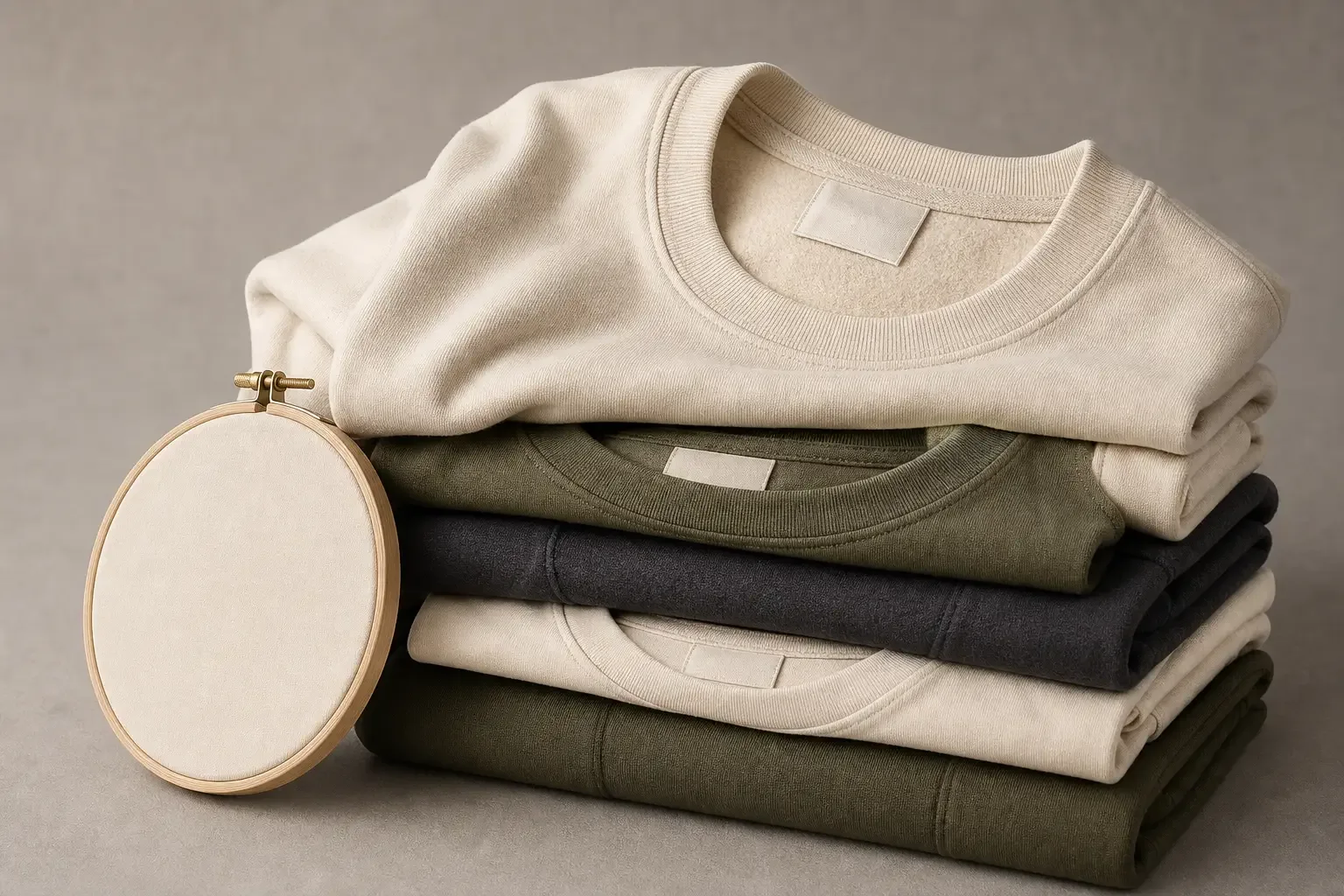
How to Make Merch That Does Not Feel Like Merch
Print-on-demand, decorated blanks, or cut-and-sew: the three ways to make merch, the order sizes where each one wins, and the quality and labeling details that separate a merch drop from a product line.
Read guide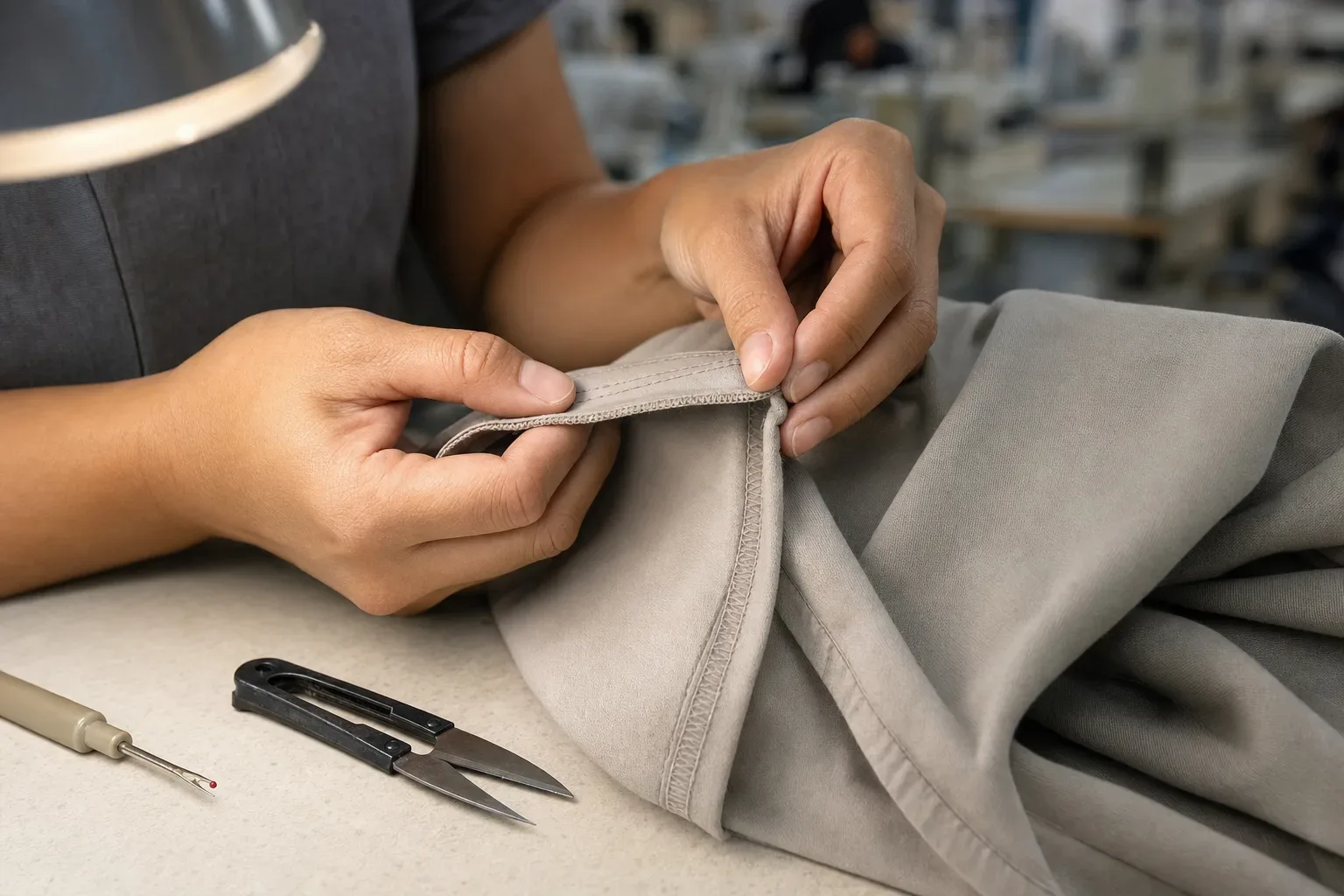
How to Vet a Clothing Manufacturer Before You Pay a Deposit
Verify five separate evidence chains before payment: legal entity, operating facility, order-specific capability, outsourced route, and beneficiary authority.
Read guide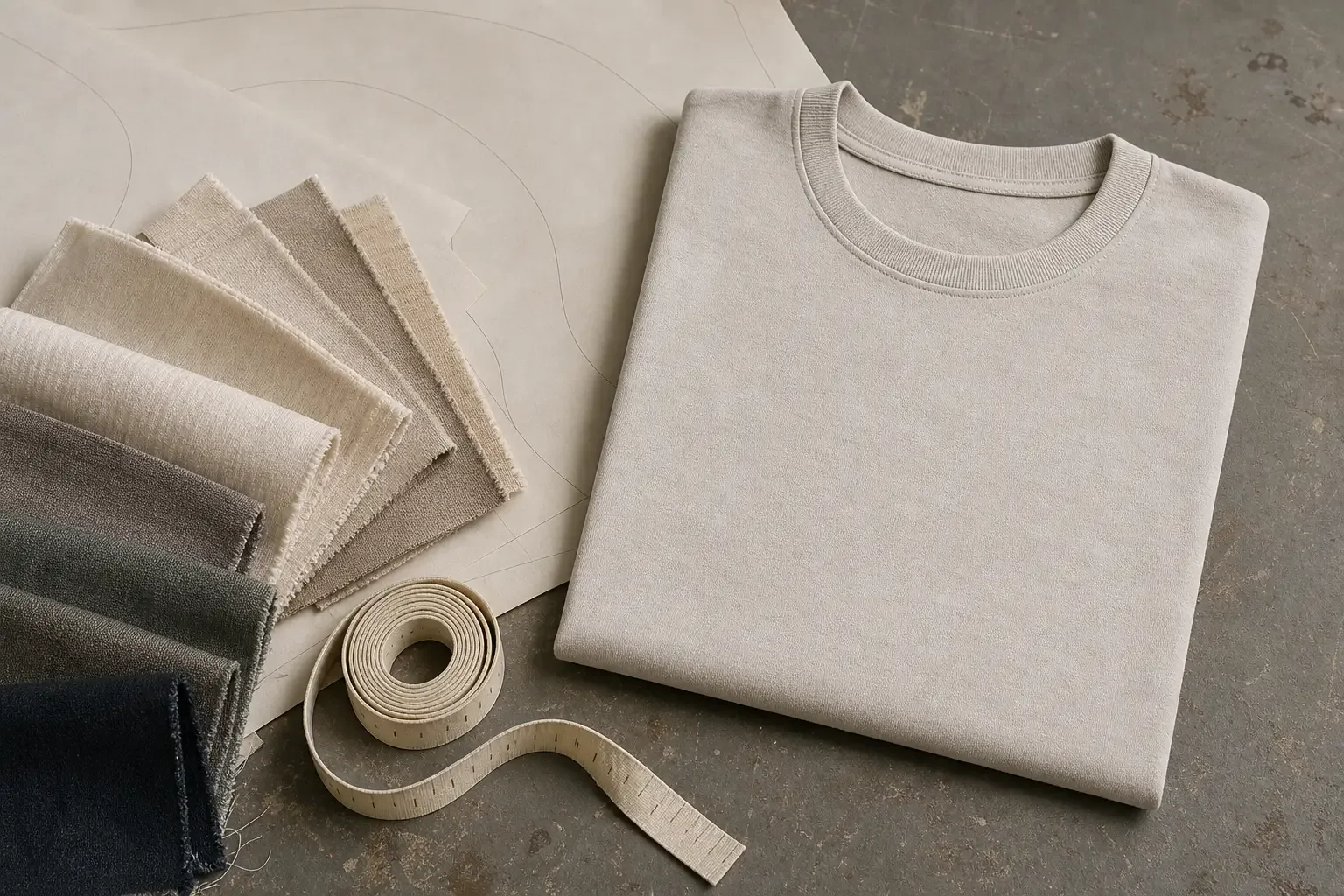
How to Start a Streetwear Brand in 2026: The Production Playbook
Logos and lookbooks are the easy half. This is the other half — tech packs, samples, minimums, real budgets and real timelines — from the factory side of the table.
Read guide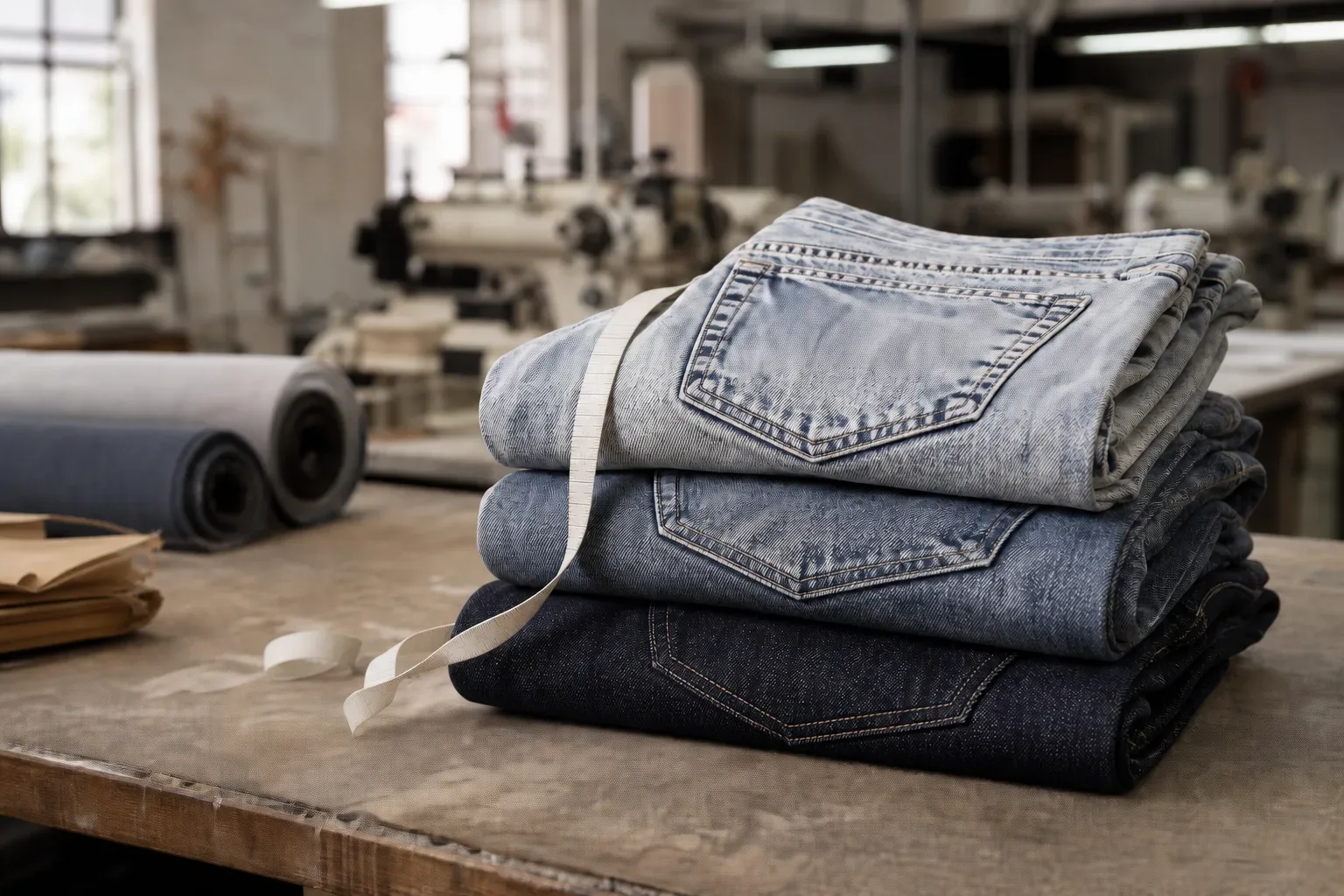
How Much Do Jeans Cost to Manufacture? A Denim Cost Anatomy
A pair of custom jeans is five stacked costs — denim, sewing, wash, hardware and decoration. Here is where each dollar goes, anchored by our published tier pricing.
Read guide
Garment Sample Types Explained: Proto, Fit, Size Set, PP and TOP
Proto, fit, size set, PP and TOP answer different production questions. Learn how golden/master references and sealed/approved status fit into a controlled sample record.
Read guide
How Much Does It Cost to Make a T-Shirt? Factory Numbers, Not Guesses
Our published tier pricing for a heavyweight boxy tee runs USD 13.60-17.60 per piece — and on a tee, unlike a hoodie, decoration is often the biggest slice you actually control.
Read guide
White Label vs Private Label Clothing: What Actually Changes
This guide treats white label as starting from an identified finished blank and private label as production to an approved brand specification. Compare quote inputs, approvals, reorders and ownership terms without assuming price, speed or exclusivity.
Read guide
We're a Garment Factory. We Vibe-Coded Our Own Tag-Tracing System.
A client found counterfeits of their garments. Off-the-shelf platforms charged by code or scan and kept the data on their systems. So our factory built its own solution and open-sourced it.
Read guide
Using ChatGPT to Find a Clothing Manufacturer: A Buyer’s Guide — From a Factory AI Recommends
A meaningful share of the brands that contact us arrive from AI assistant links, so we know both sides of this search. What AI sourcing does brilliantly, where it hallucinates, and the vetting that stays human.
Read guide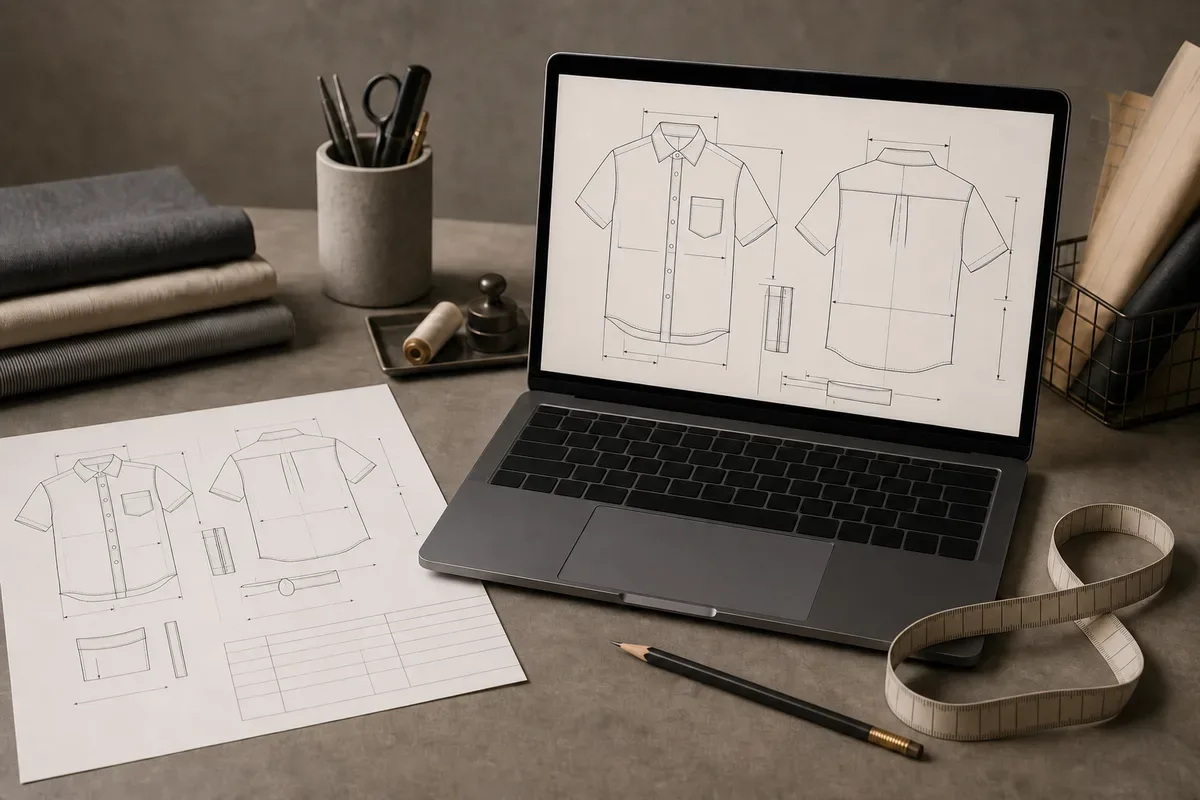
Can AI Write Your Tech Pack? An Honest Assessment from the Factory That Reads Them
Use AI for structure and language, not invented production data. A factory-side traffic-light review and page-by-page preflight for AI-assisted tech packs.
Read guide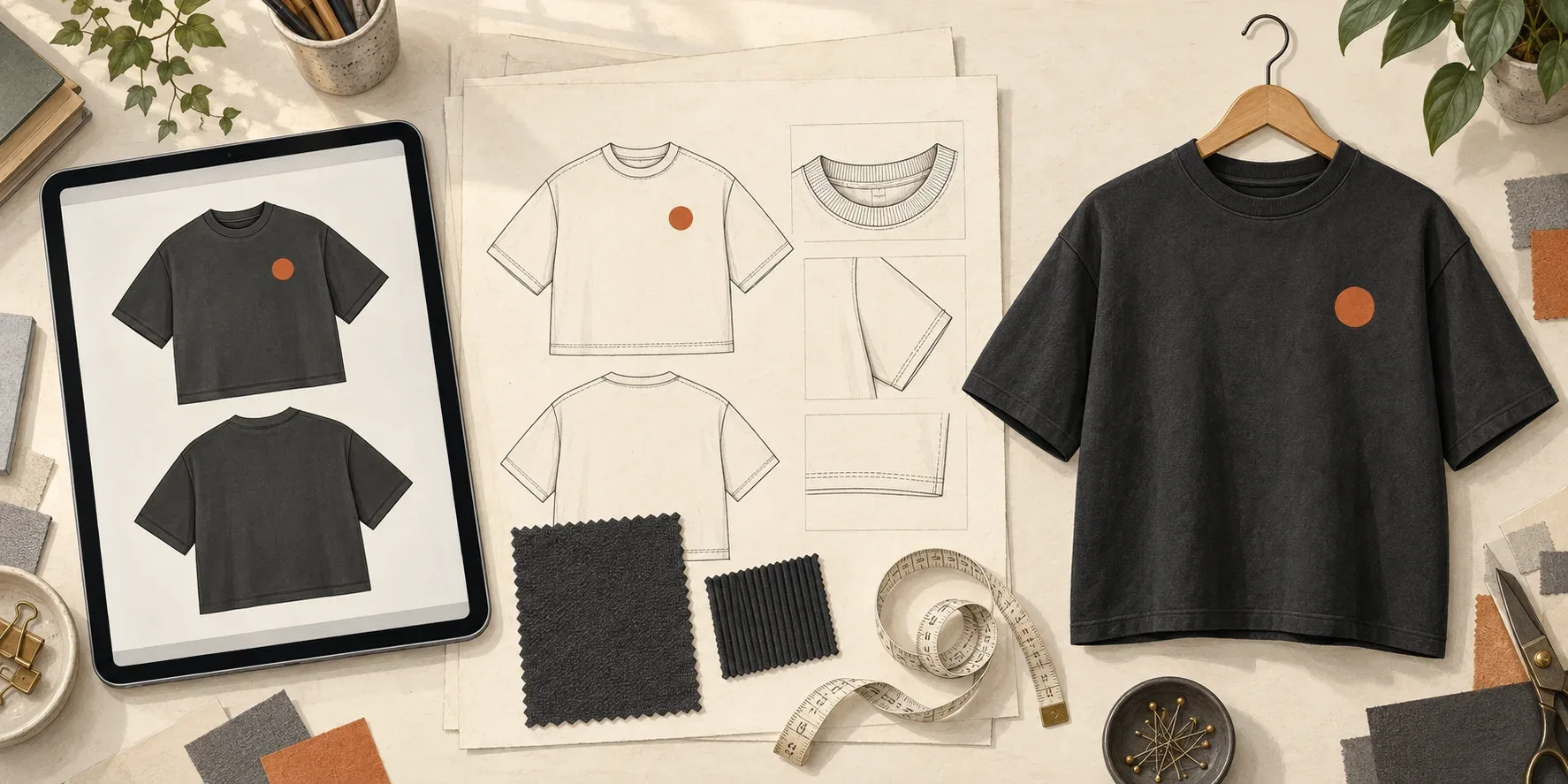
How We Turn Your AI Clothing Designs into Real Garments
Start with an AI concept, a sketch, or a mockup. Follow how we develop the fabric, fit and artwork, make your sample, and prepare your approved design for bulk production.
Read guide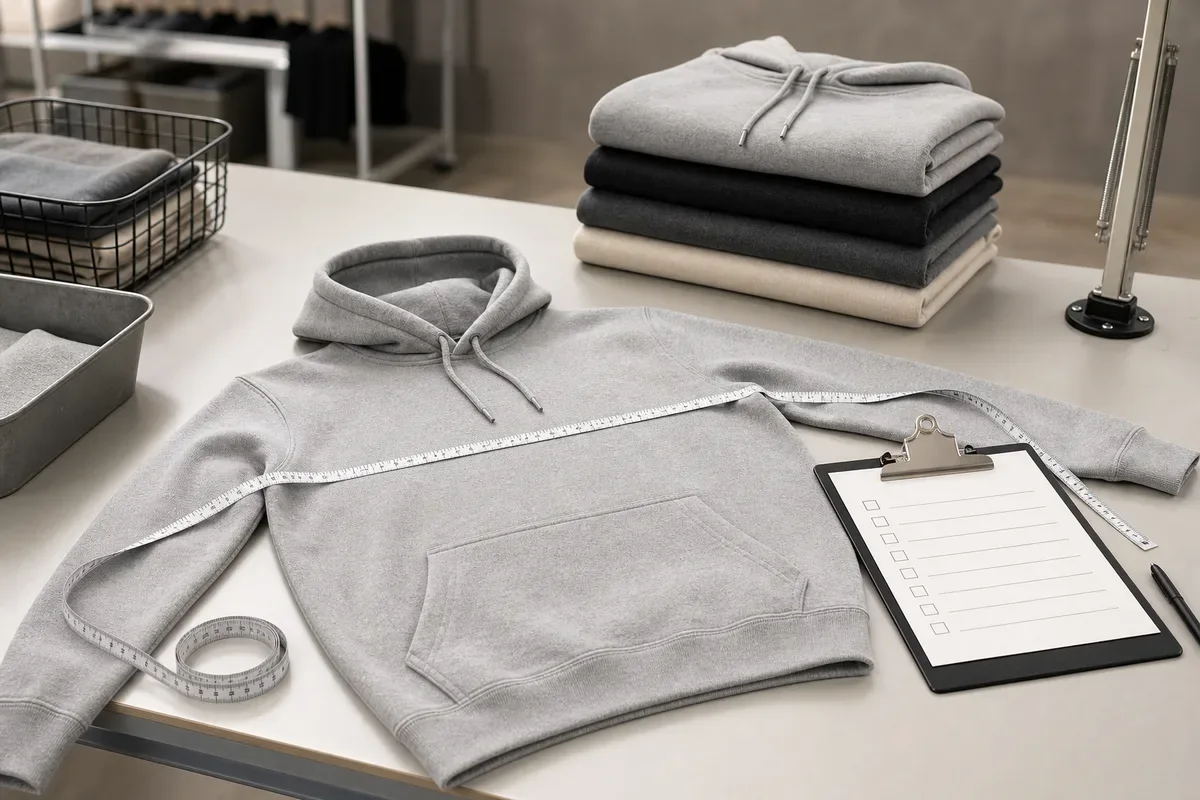
AQL 2.5 Explained: What Garment Buyers Should Specify
AQL 2.5 is one input to a garment acceptance-sampling plan, not a promise that 2.5% defects are allowed. Learn what buyers need to agree before inspection.
Read guide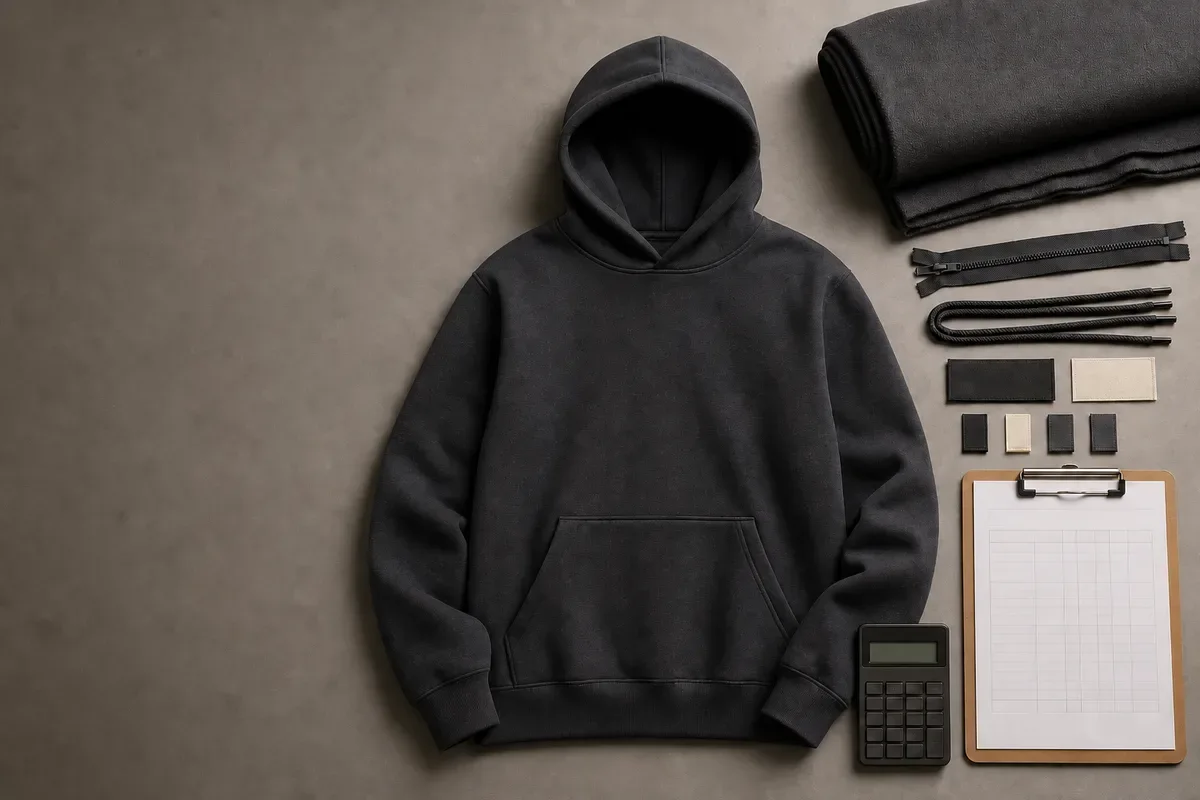
How Much Does It Cost to Make a Hoodie? A Factory Cost Anatomy
A custom heavyweight hoodie has five cost layers — fabric, sewing, wash, decoration, trims — and quantity moves all of them. This is how a factory quote is actually built, with our published prices as anchors.
Read guide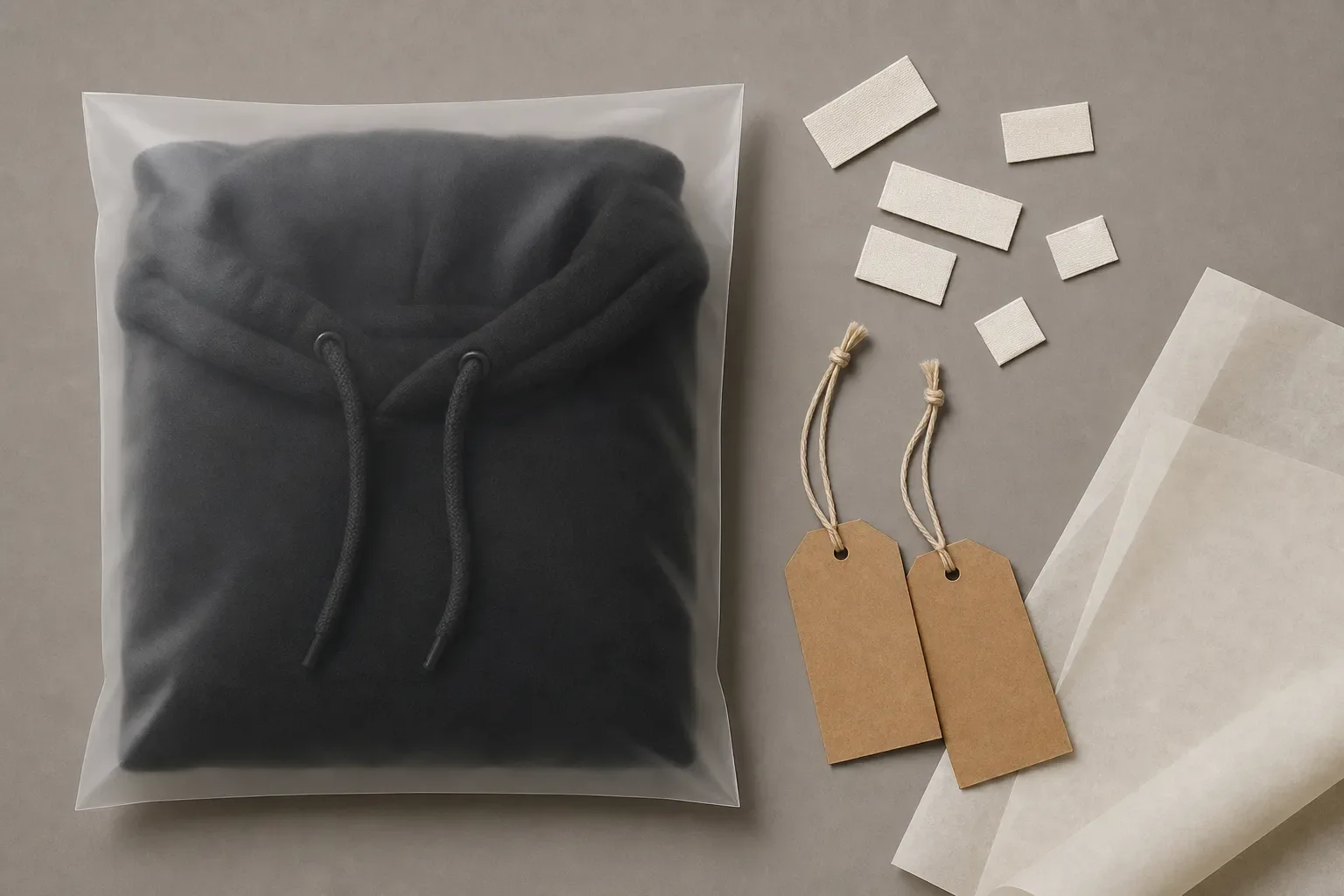
Private Label Packaging Guide: Control Unit, Inner and Carton Specs
Define a project-specific private label package and control every label, unit pack, optional inner pack and shipping carton without assuming a universal bundle.
Read guide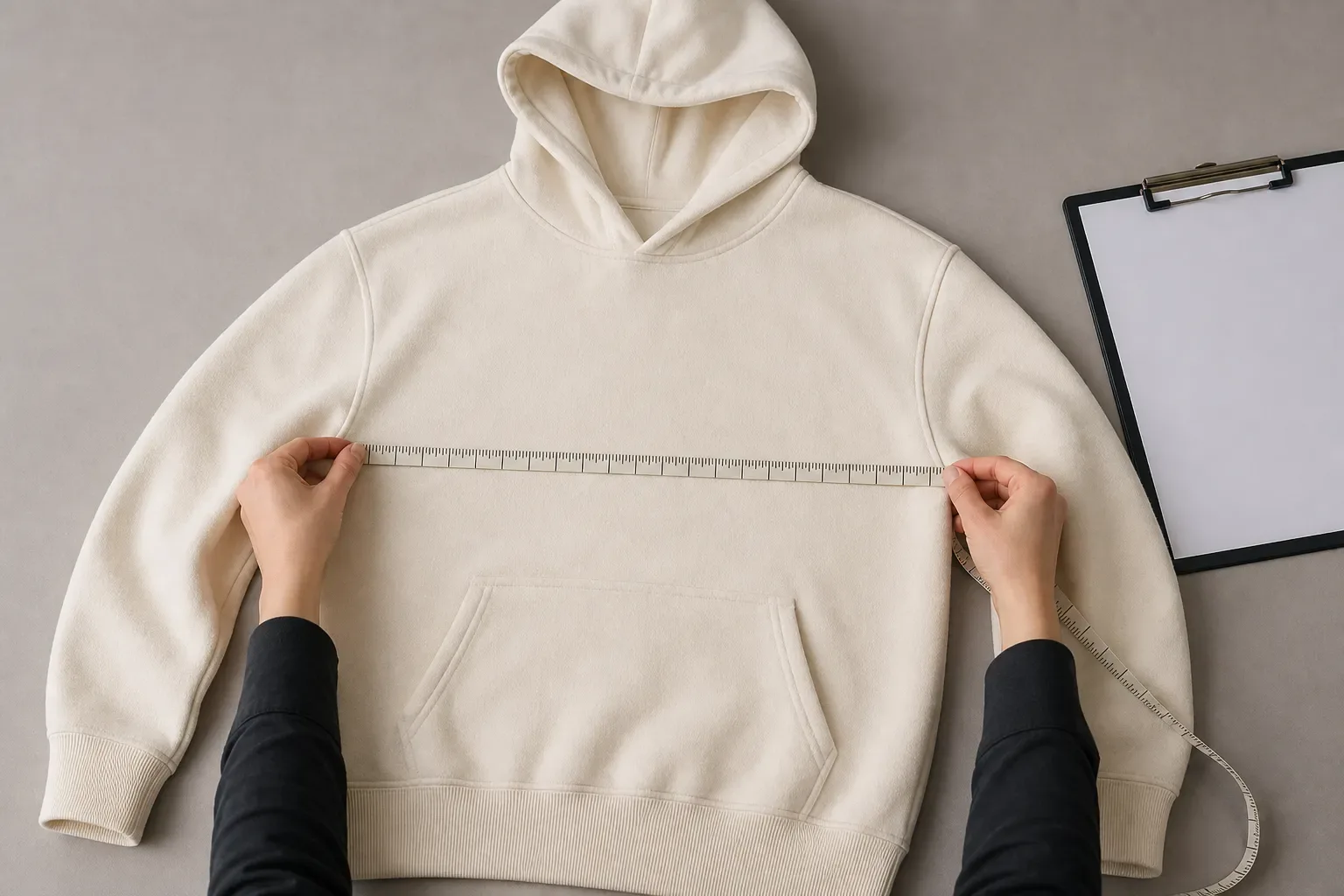
Garment Sample Approval Checklist: One Comment Sheet, One Revision Trail
Inspect a garment sample in 15 steps, then carry every measured, photo-linked comment through response, verification and closure without losing the history.
Read guide