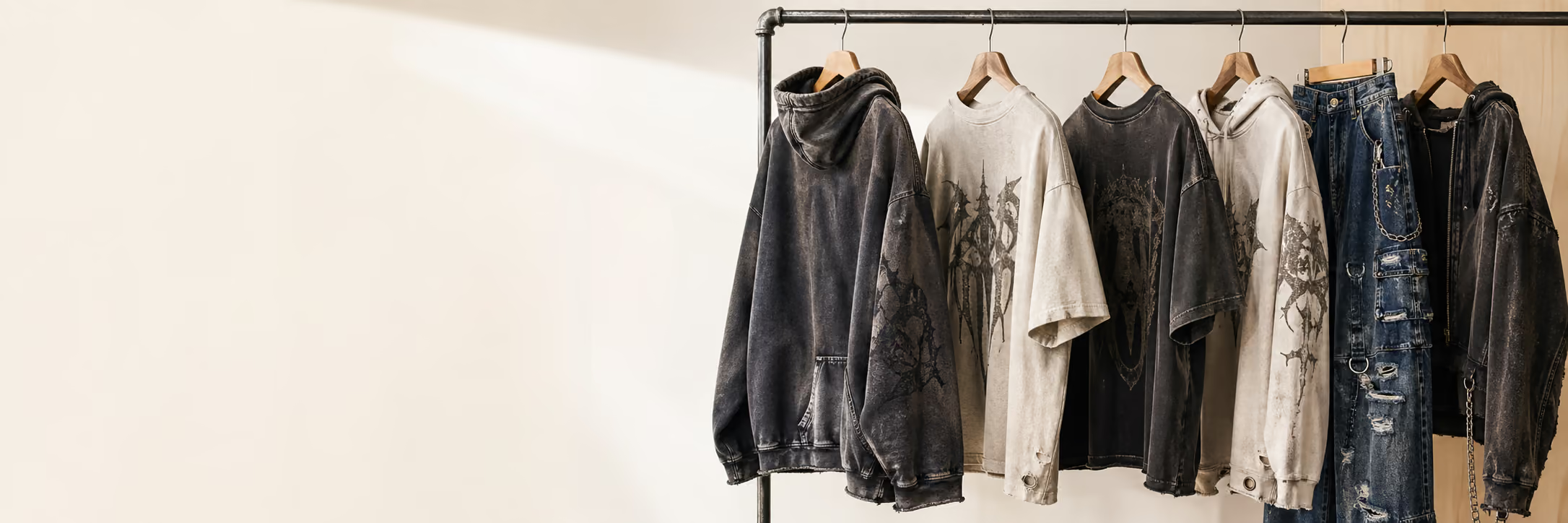
Factory notes for streetwear brands
Practical guides for preparing briefs, comparing techniques and understanding the production decisions behind custom men's streetwear.

Apparel Artwork Approval Checklist: Release One Decoration Asset
Release one garment-decoration artwork asset with a controlled filename, revision, scope, dependencies, decision authority and explicit downstream limits.
Read guide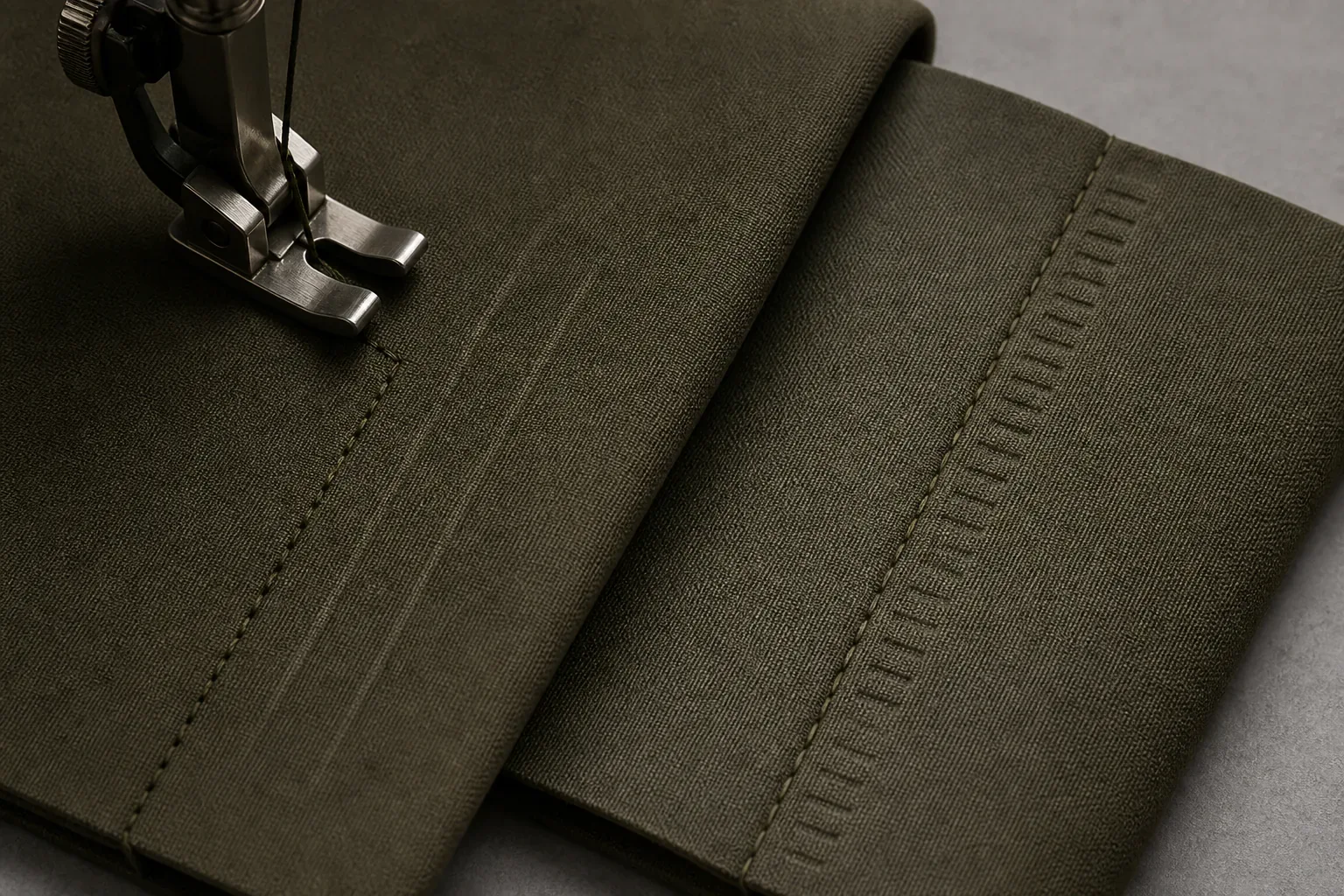
Presser-Foot and Feed-Dog Marks in Garment Sewing
A surface mark beside a seam does not prove one machine fault. Map the face, reverse, yarn condition, contact path and production stage before approving a corrected sewing trial.
Read guide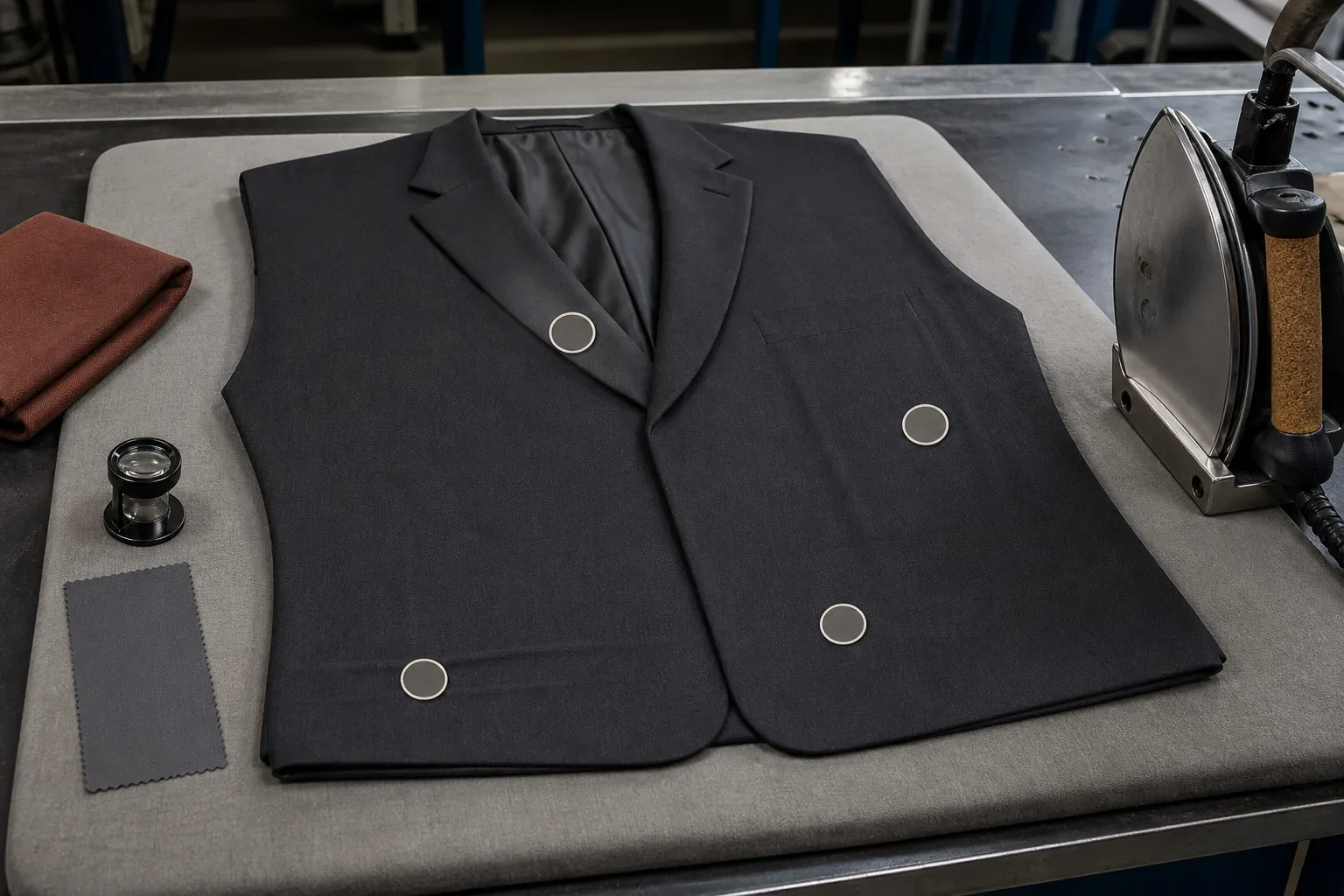
Garment Pressing Defects: Shine, Imprints and Shape Loss
Learn how to record shine, seam or component impressions, suspected heat discoloration, shape loss and double creases after garment pressing without guessing the cause from a photograph.
Read guide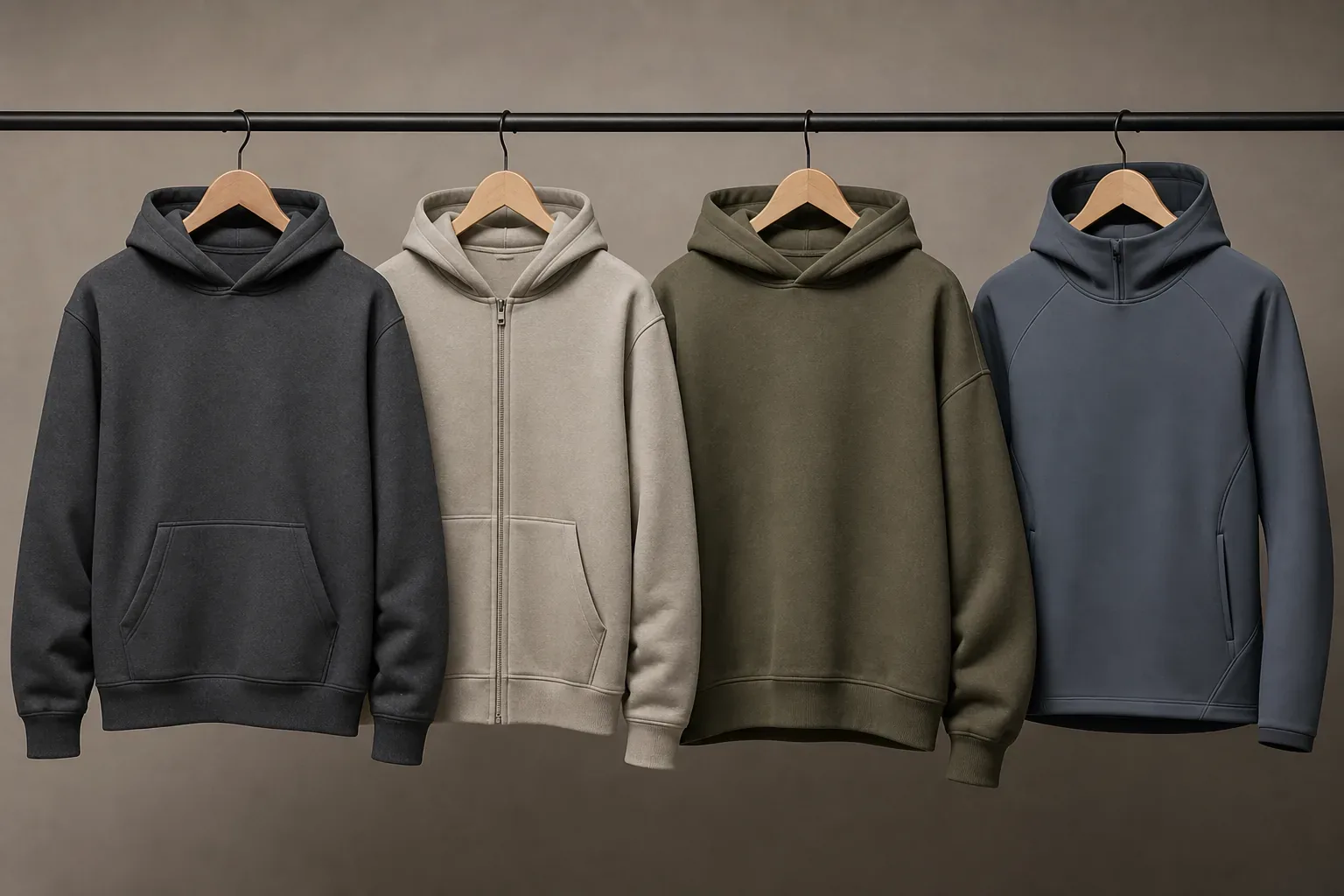
Types of Hoodies: A Factory Guide to Closures and Style Families
Choose a finished hoodie by closure, silhouette and use case: pullover, full-zip or quarter-zip, then standard, oversized, boxy cropped, heavyweight, athletic or sleeveless.
Read guide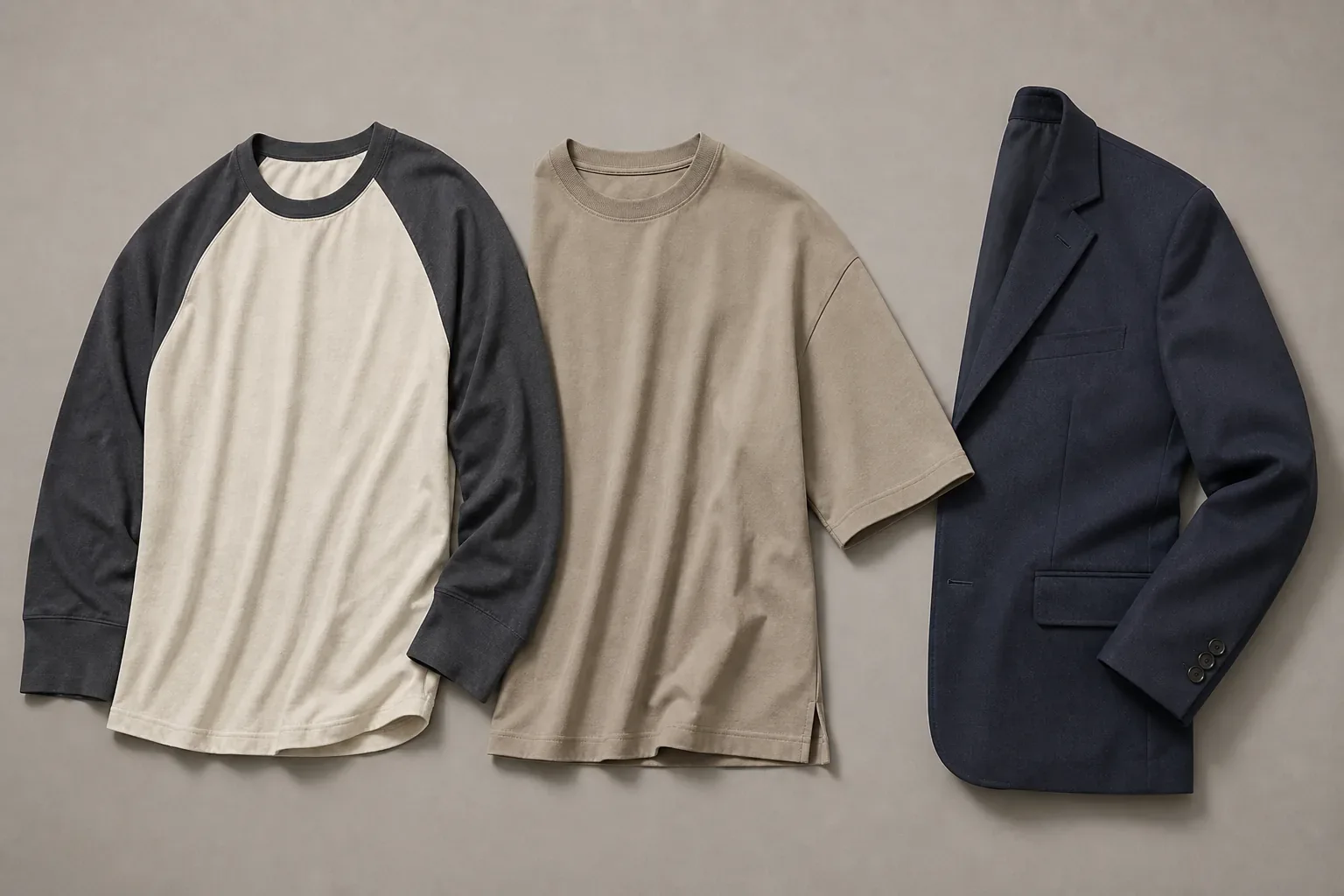
Types of Sleeves: A Factory Guide from Set-In to Bell
Nearly every sleeve ever sewn is three decisions: how it joins the body, how much volume the shape carries, and how it ends at the wrist. The sleeve types worth knowing by name, from set-in and raglan to bishop and bell, and what each one asks of the pattern room and the sewing floor.
Read guide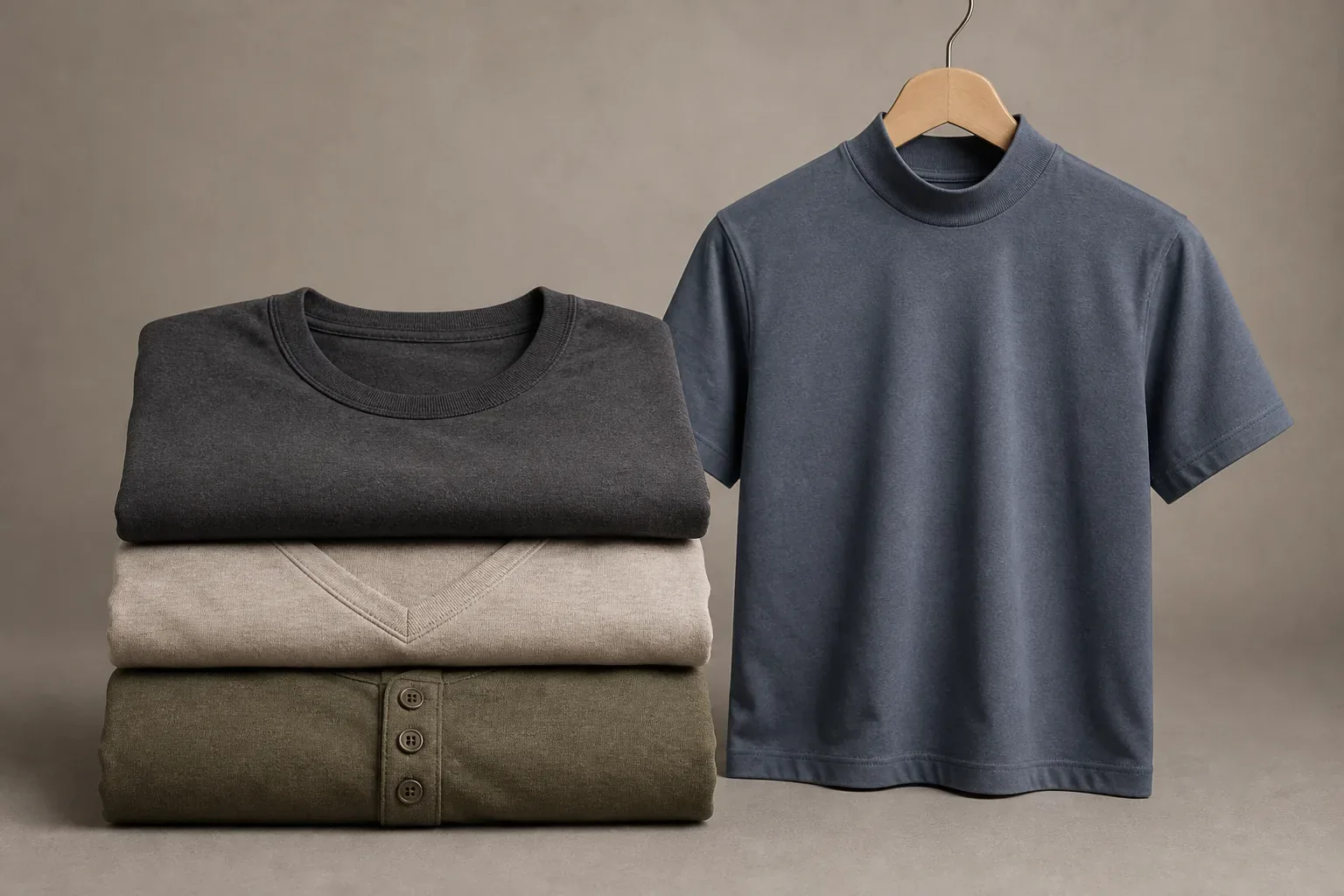
Types of T-Shirts: A Factory Guide by Neckline, Sleeve, Cut and Weight
A practical map of common t-shirt necklines, sleeves, cuts and fabric directions — and the extra specifications a factory still needs before quoting or sampling.
Read guide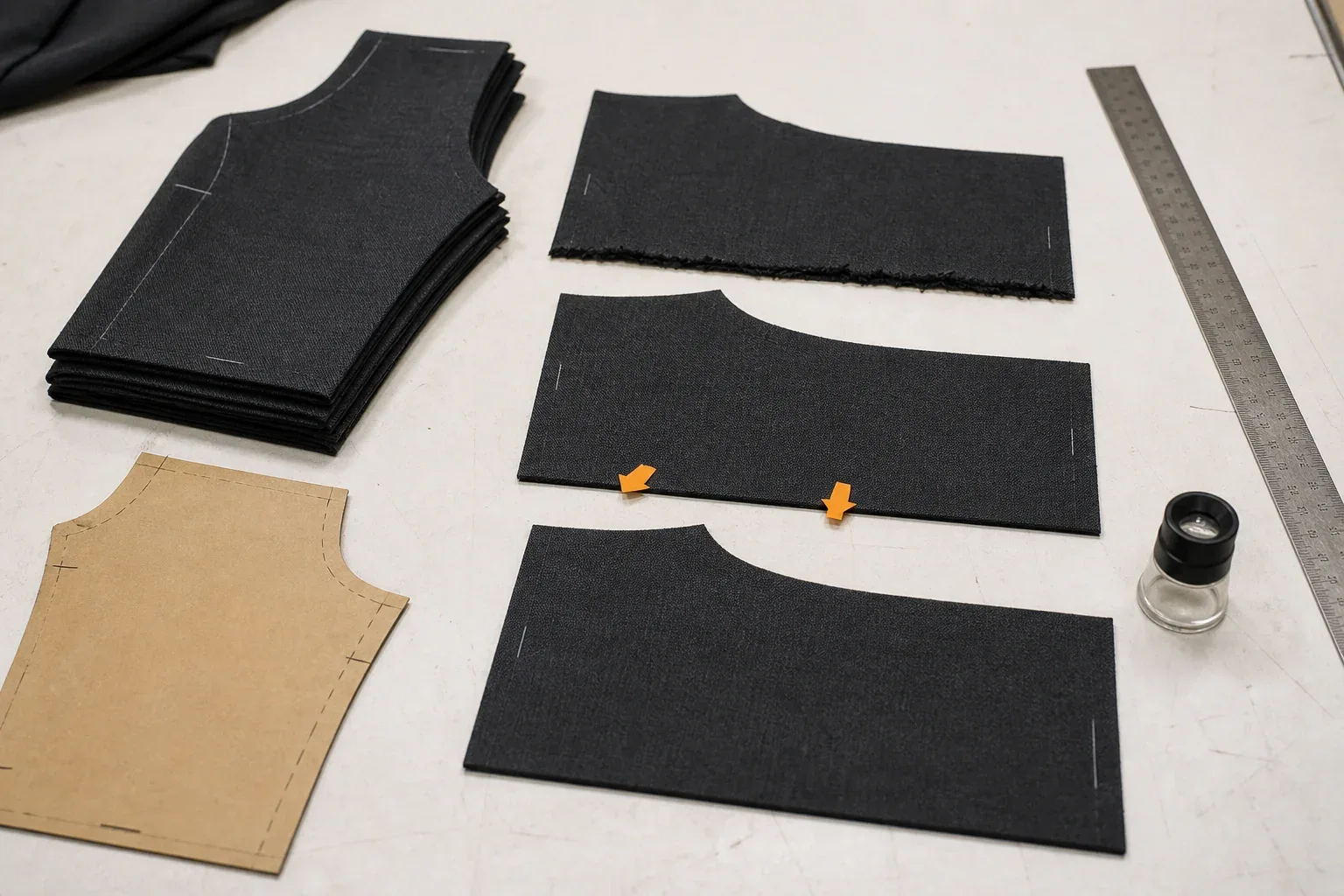
Garment Cutting Defects: A Cut-Panel Evidence Guide
Learn how to record ragged or fused edges, ply-to-ply outline drift, missing notches and bundle discrepancies after cutting, then hold, segregate, recut or release a defined scope before sewing.
Read guide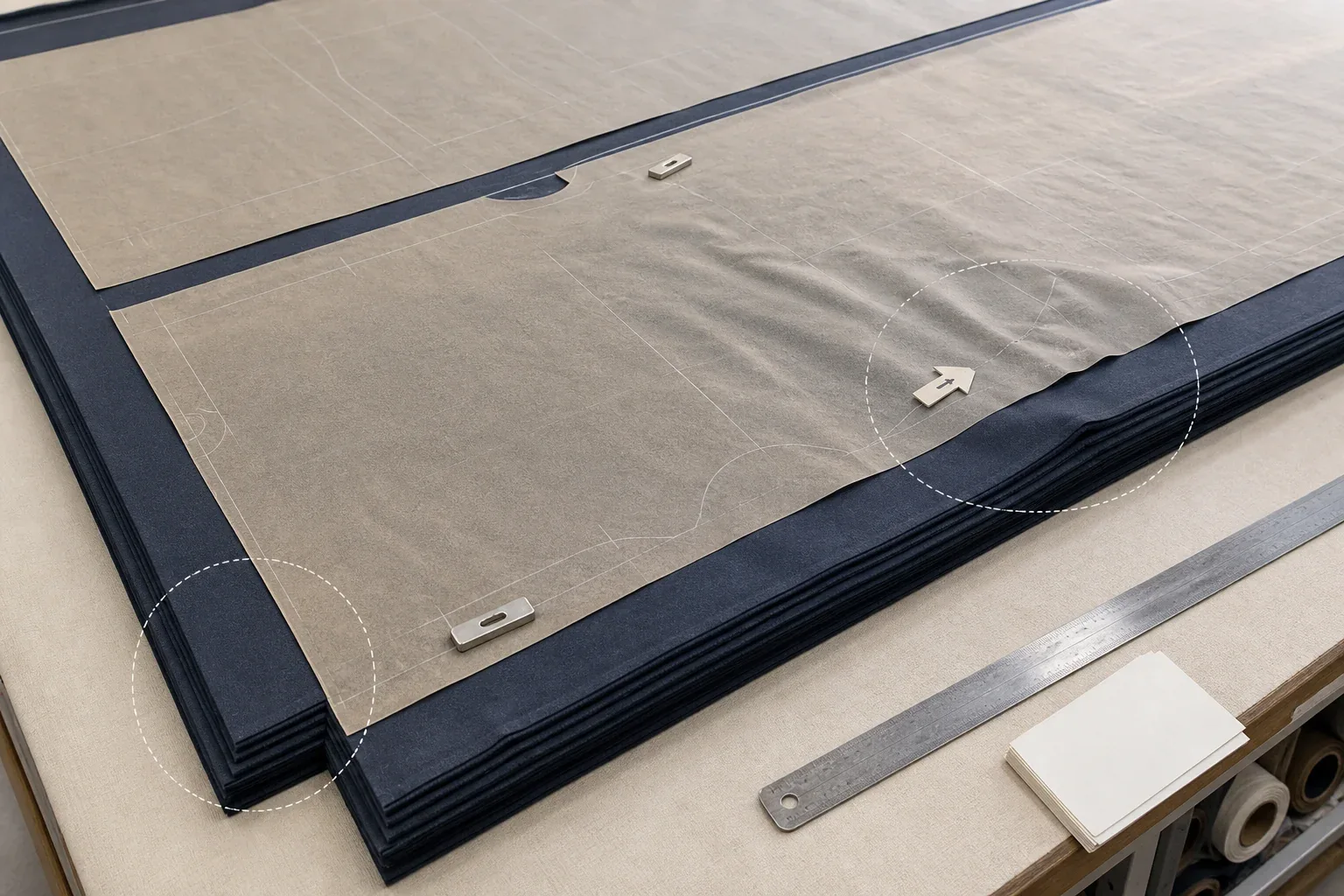
Fabric Spreading Defects Before Garment Cutting
Inspect a completed fabric lay for ply count, alignment, folds, splices and direction records, then release, re-spread, segregate or hold before cutting.
Read guide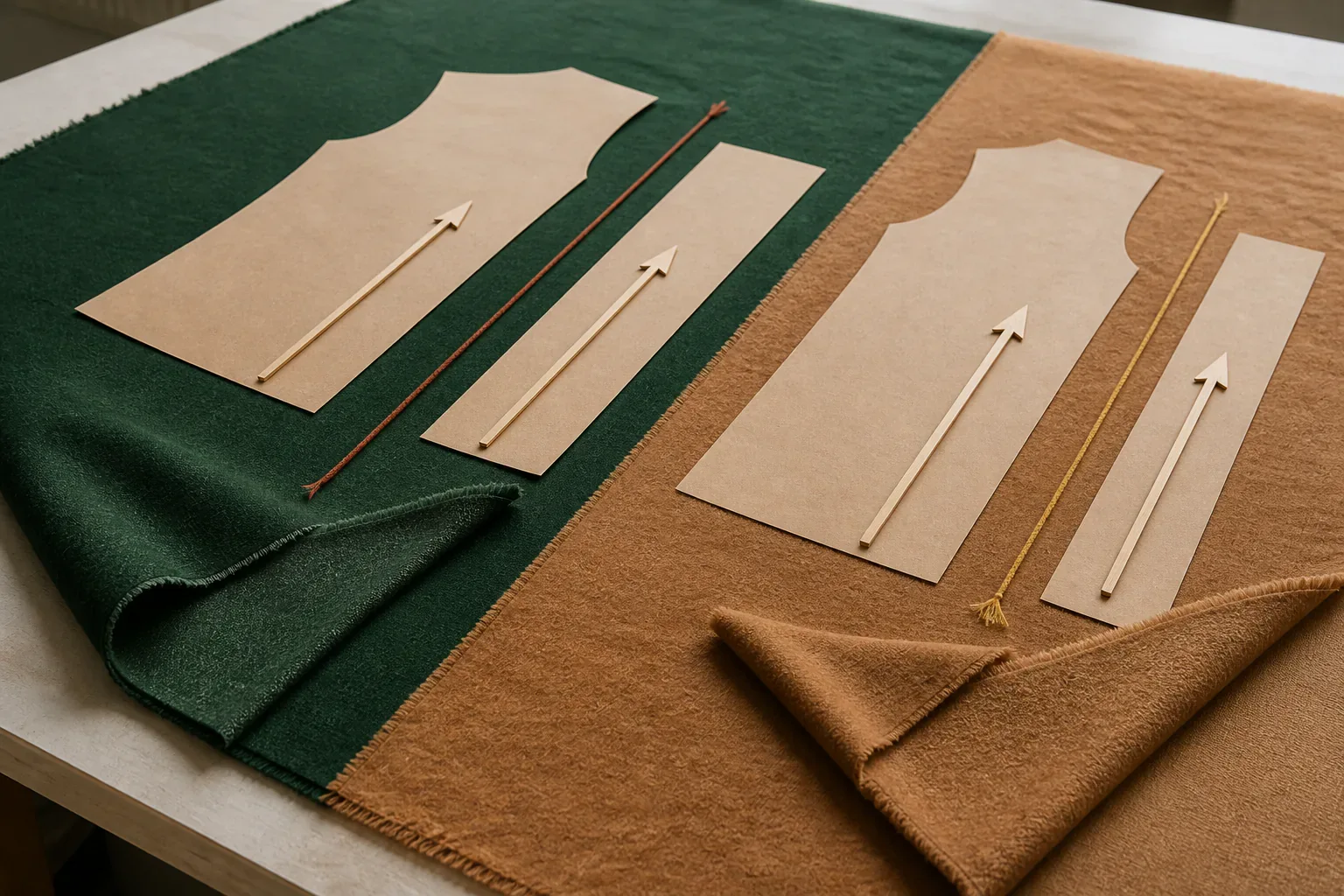
Fabric Grain, Nap and One-Way Cutting for Apparel
Grainline, fabric structure, surface direction and motif direction are separate controls. Learn how brands record them before one-way marker planning and sample approval.
Read guide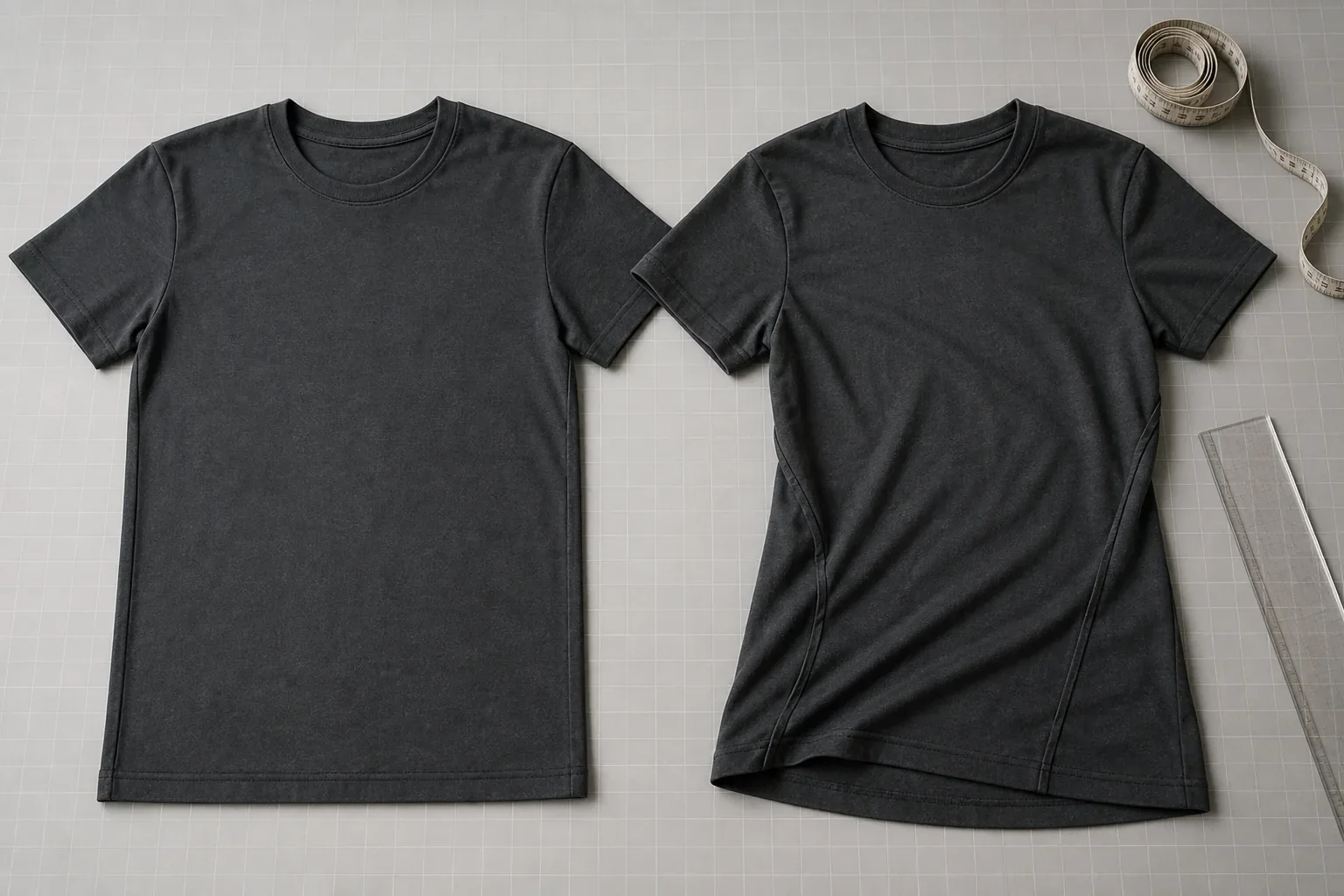
Why T-Shirt Side Seams Twist After Washing
A twisted T-shirt side seam is a symptom, not a root-cause verdict. Separate garment spirality from fabric bow or skew, local assembly displacement and ordinary dimensional change with controlled before-and-after evidence.
Read guide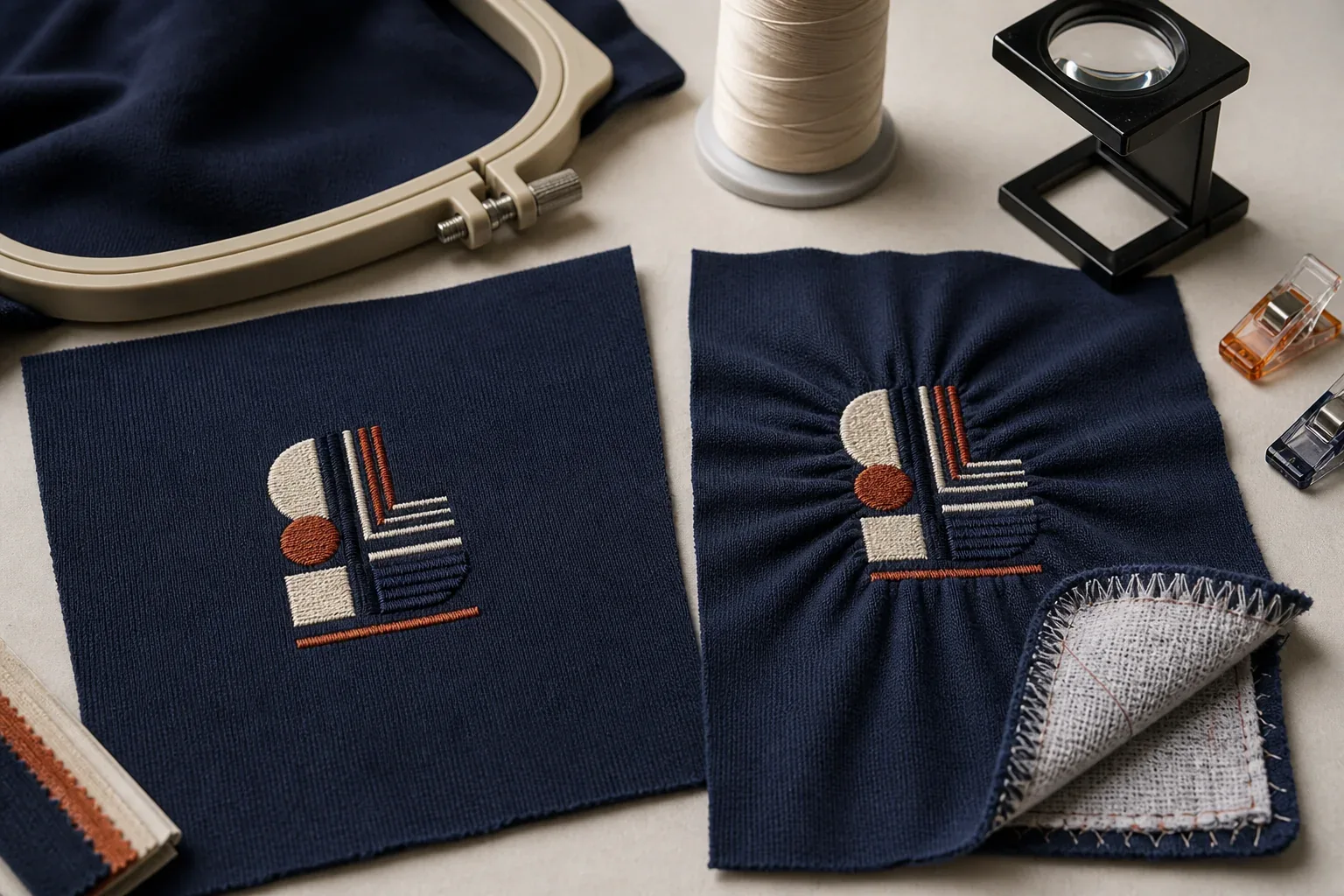
Embroidery Puckering: Causes and Approval Checks
Diagnose embroidery puckering by visible signature, material, placement, digitizing revision, support, hooping and processing evidence before approving a corrected trial.
Read guide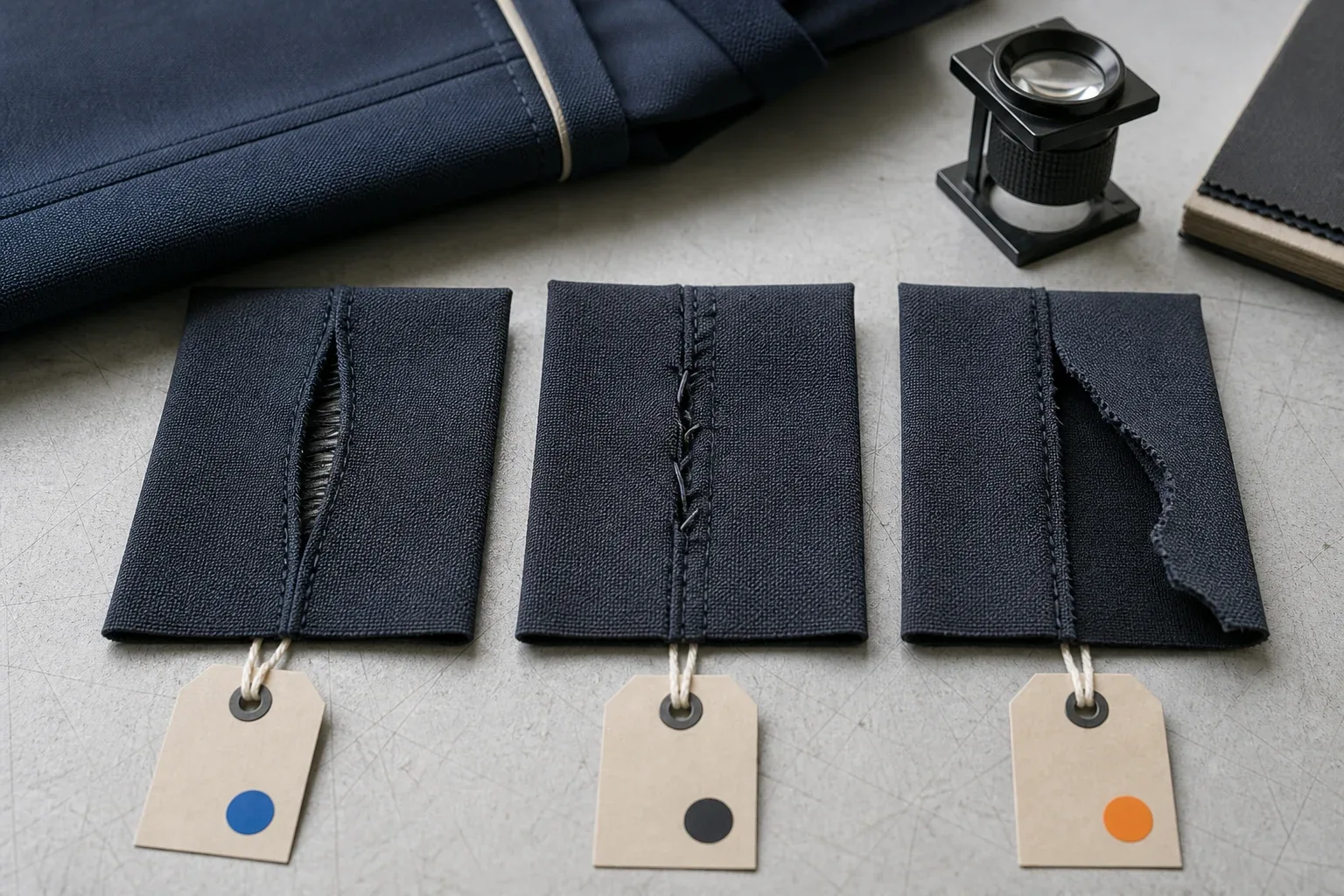
Seam Slippage vs Thread Break vs Fabric Tear: A Garment Failure Guide
An open garment seam can come from displaced fabric yarns, ruptured sewing thread or torn body fabric. Learn the visible signatures, evidence record and test questions that separate the three before corrective action.
Read guide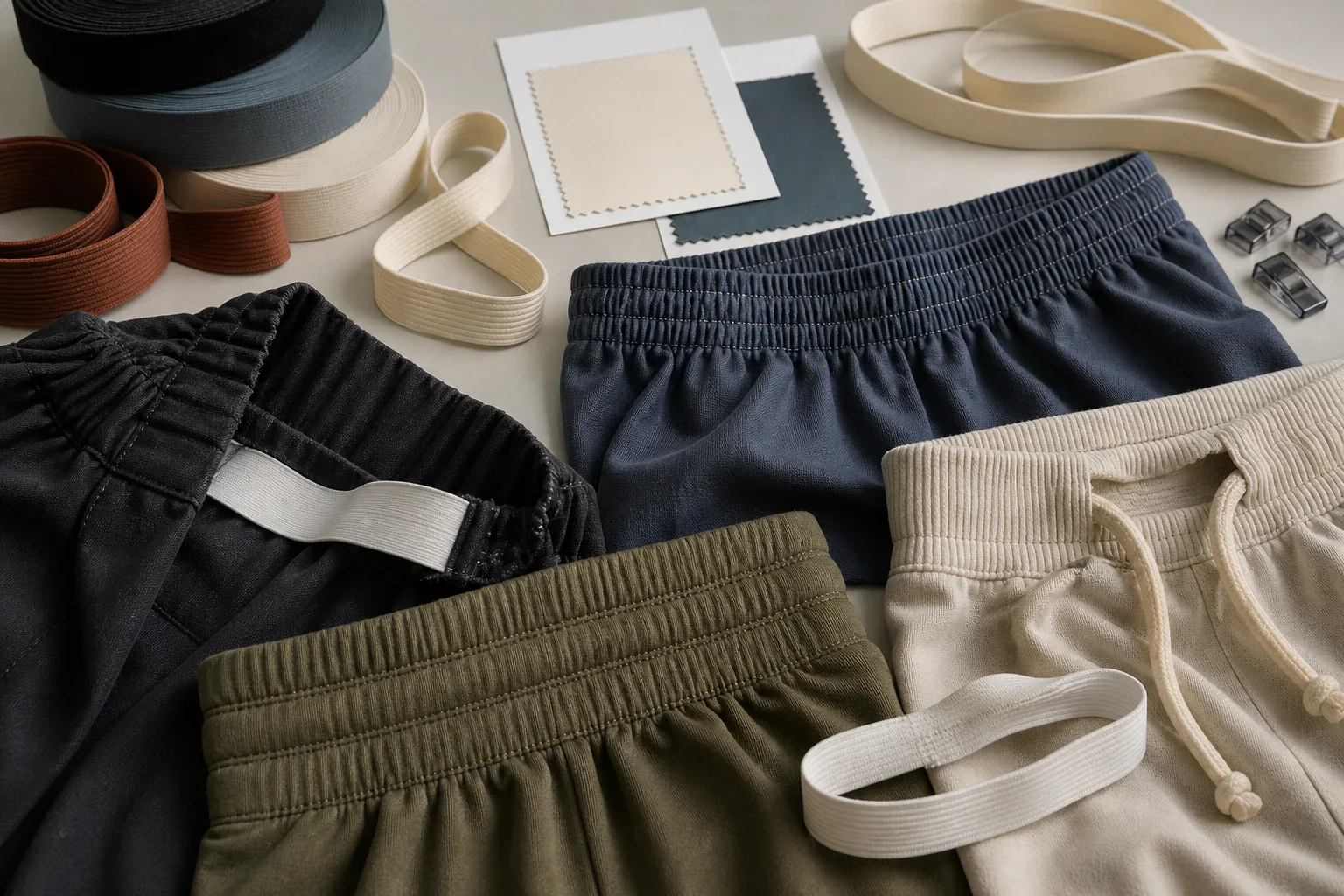
Elastic Waistband Types: Materials, Construction and QC
Separate elastic material construction from waistband incorporation, then control the BOM, sewn sample, care exposure and bulk approval without relying on a universal elastic ratio.
Read guide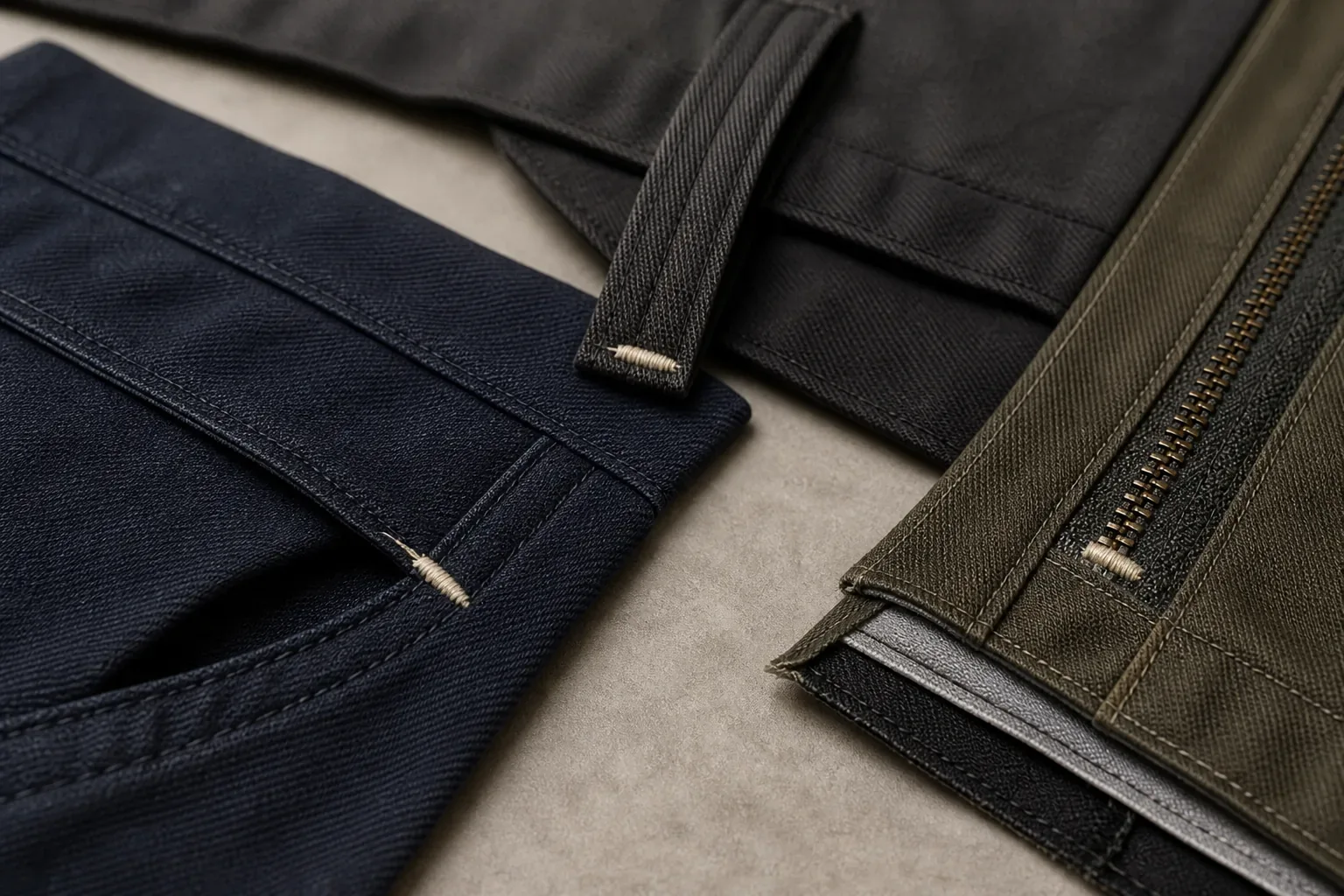
Bartack Stitch and Stress-Point Reinforcement in Clothing
A bartack reinforces a defined stress point, but the visible stitch is only one part of the decision. Map the load path, compare backing, rivets and design changes, then approve placement and failure evidence on the real garment.
Read guide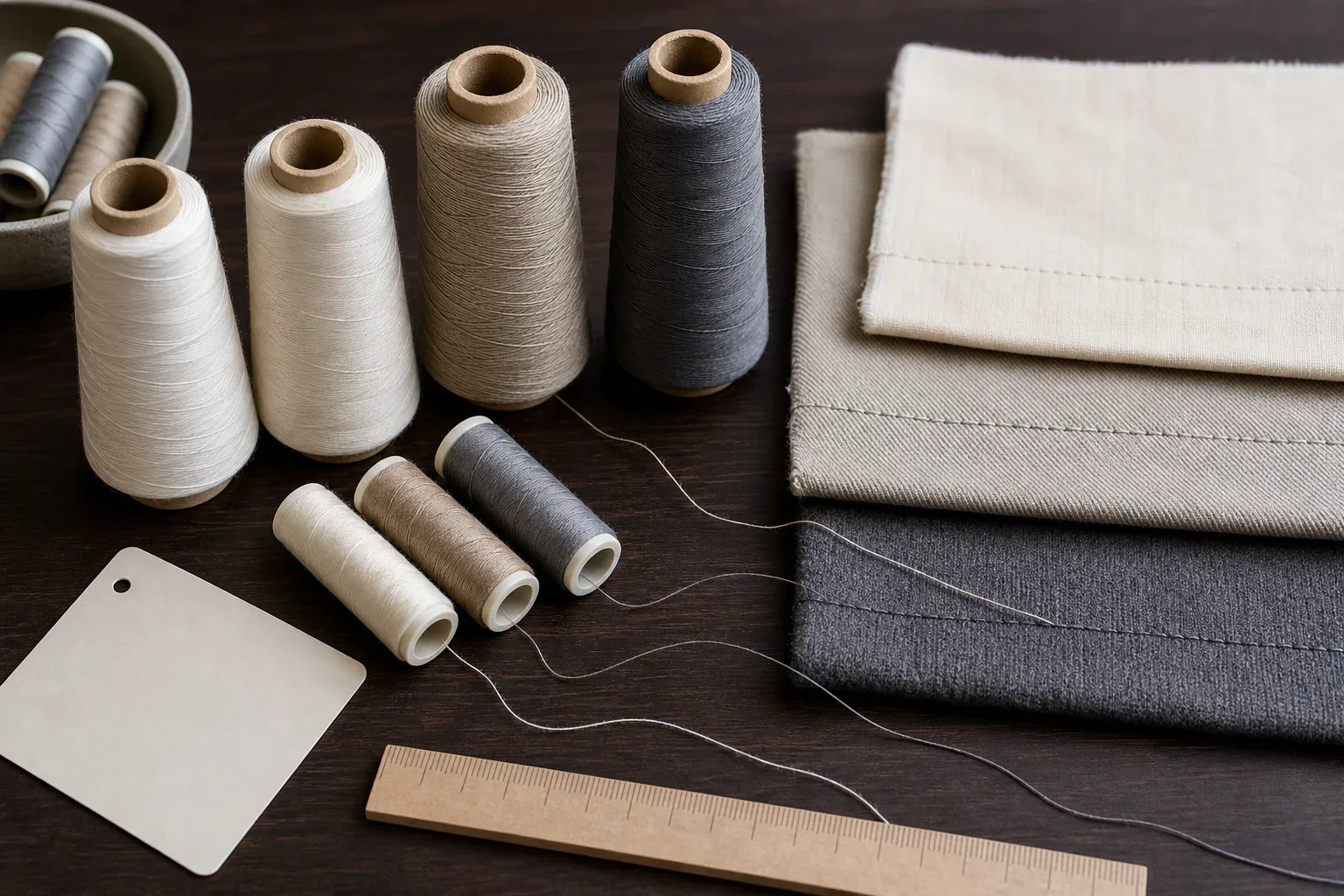
Sewing Thread Types for Clothing: A Brand Specification Guide
Construction thread is defined by more than fiber. Learn how spun, corespun and filament builds, Tex or ticket designations, finishes and sample evidence fit into a clothing BOM.
Read guide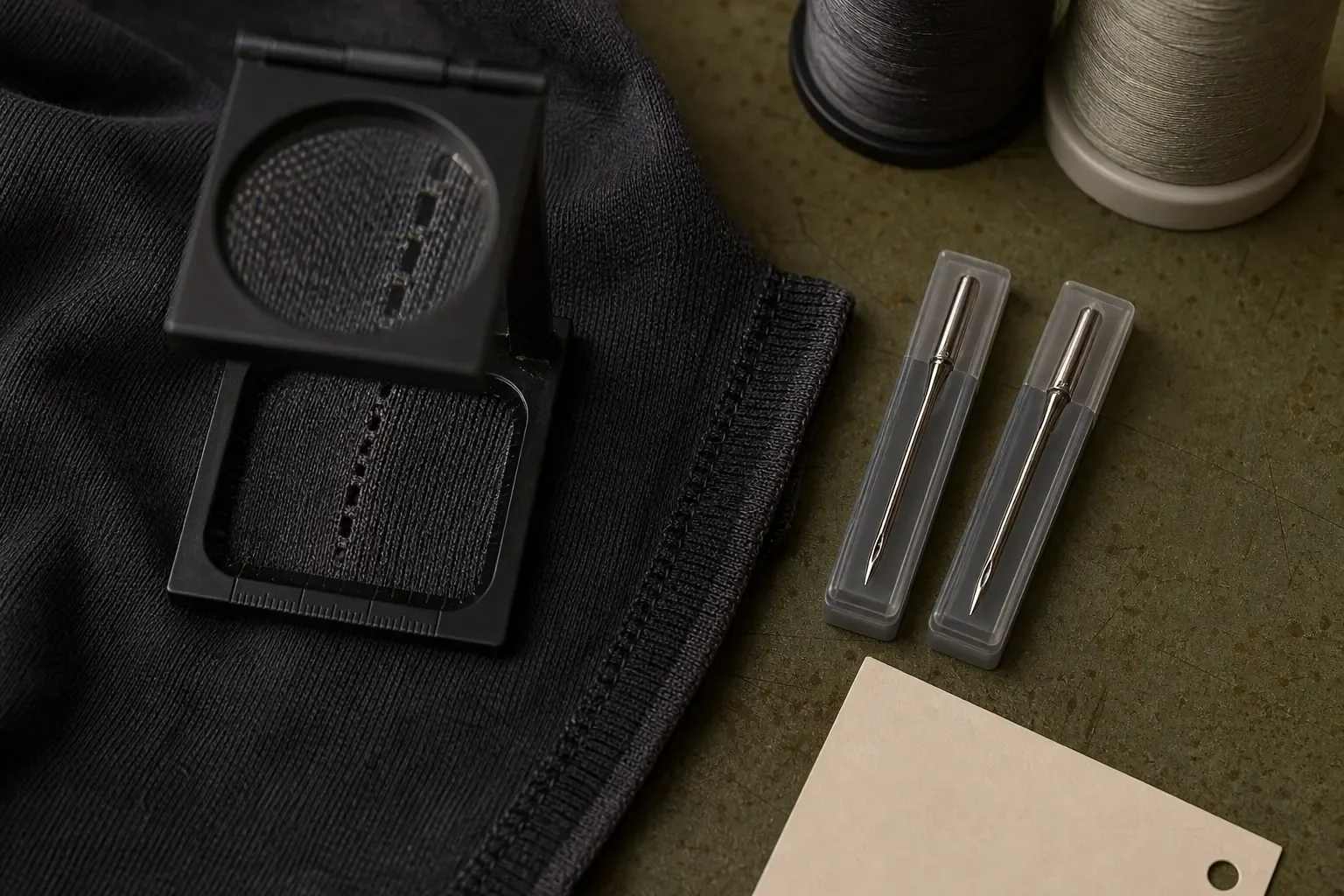
Needle Damage in Garment Sewing: Holes, Cuts and Snags
A hole beside a seam does not establish one diagnosis. Learn how cut yarns, heat damage, pulled loops and off-line marks differ, then use location, ply and wash evidence to validate a correction before bulk.
Read guide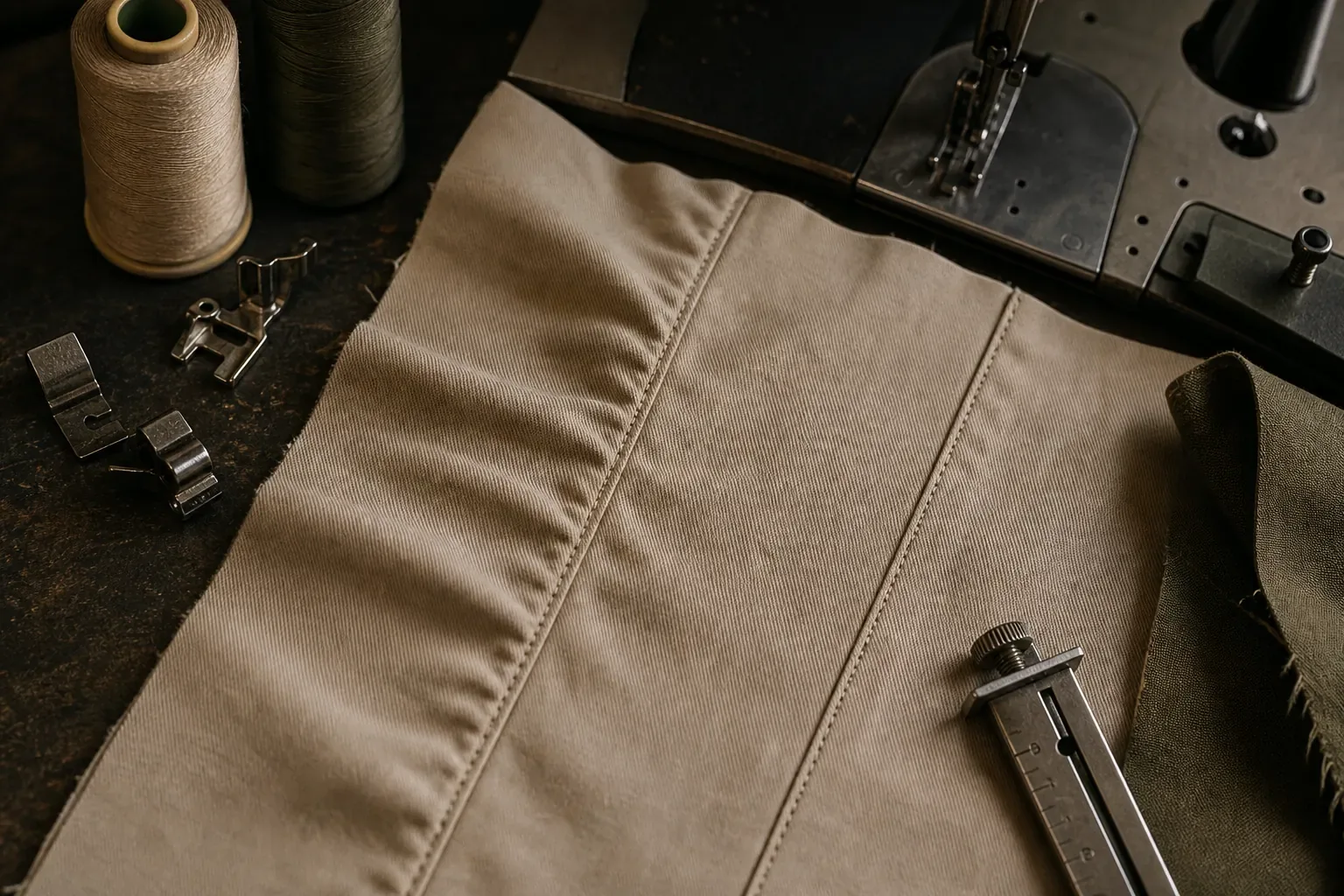
Seam Puckering Causes: A Brand QC Guide
Seam puckering is a symptom, not a single machine fault. Use timing, seam location, ply behavior and wash evidence to distinguish structural, tension, feed and dimensional-change causes before bulk production.
Read guide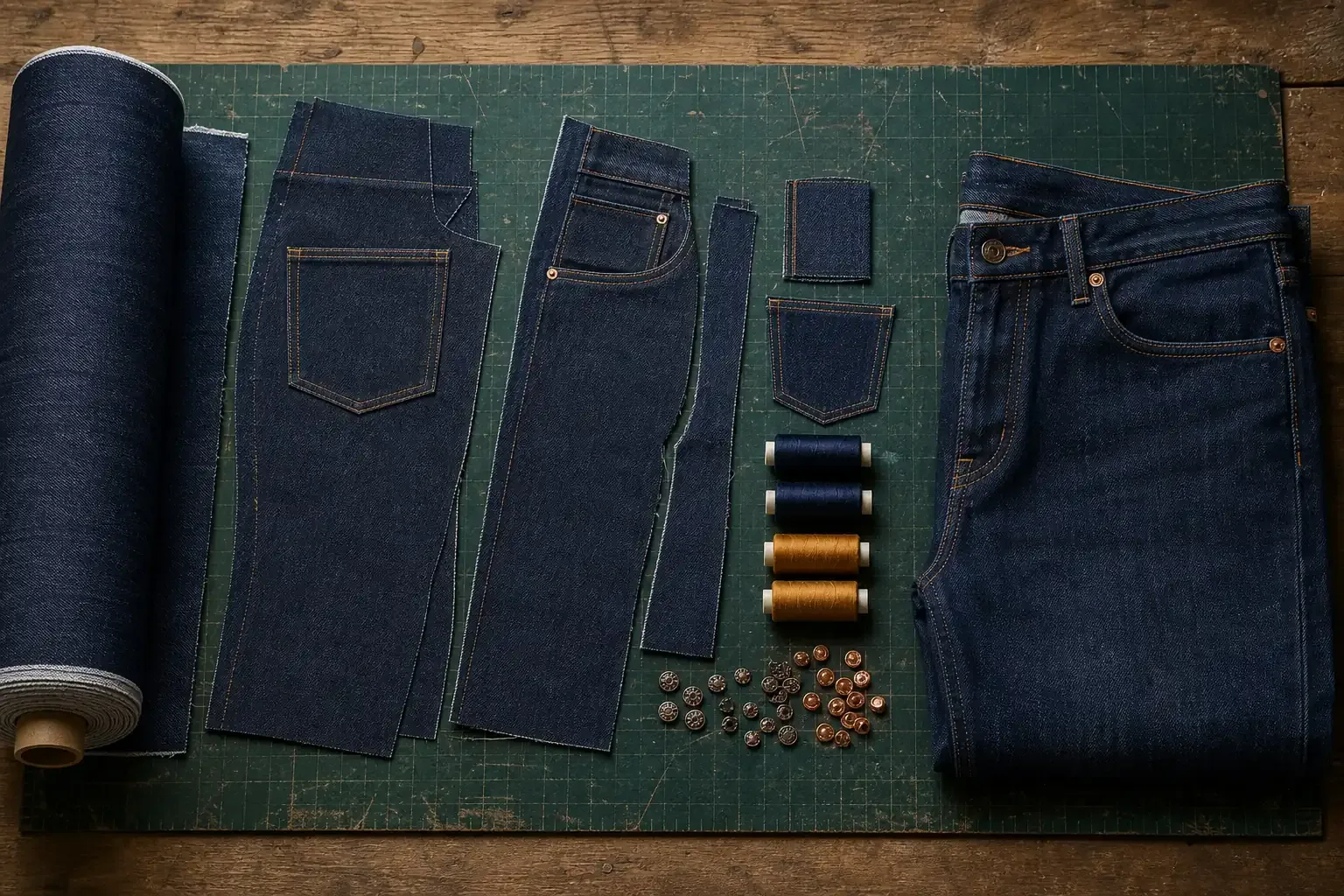
How Are Jeans Made? From Denim to Final Inspection
Follow finished denim through approval, pattern making, cutting, sewing, washing, measurement and final inspection—and see what a brand must decide at each handoff.
Read guide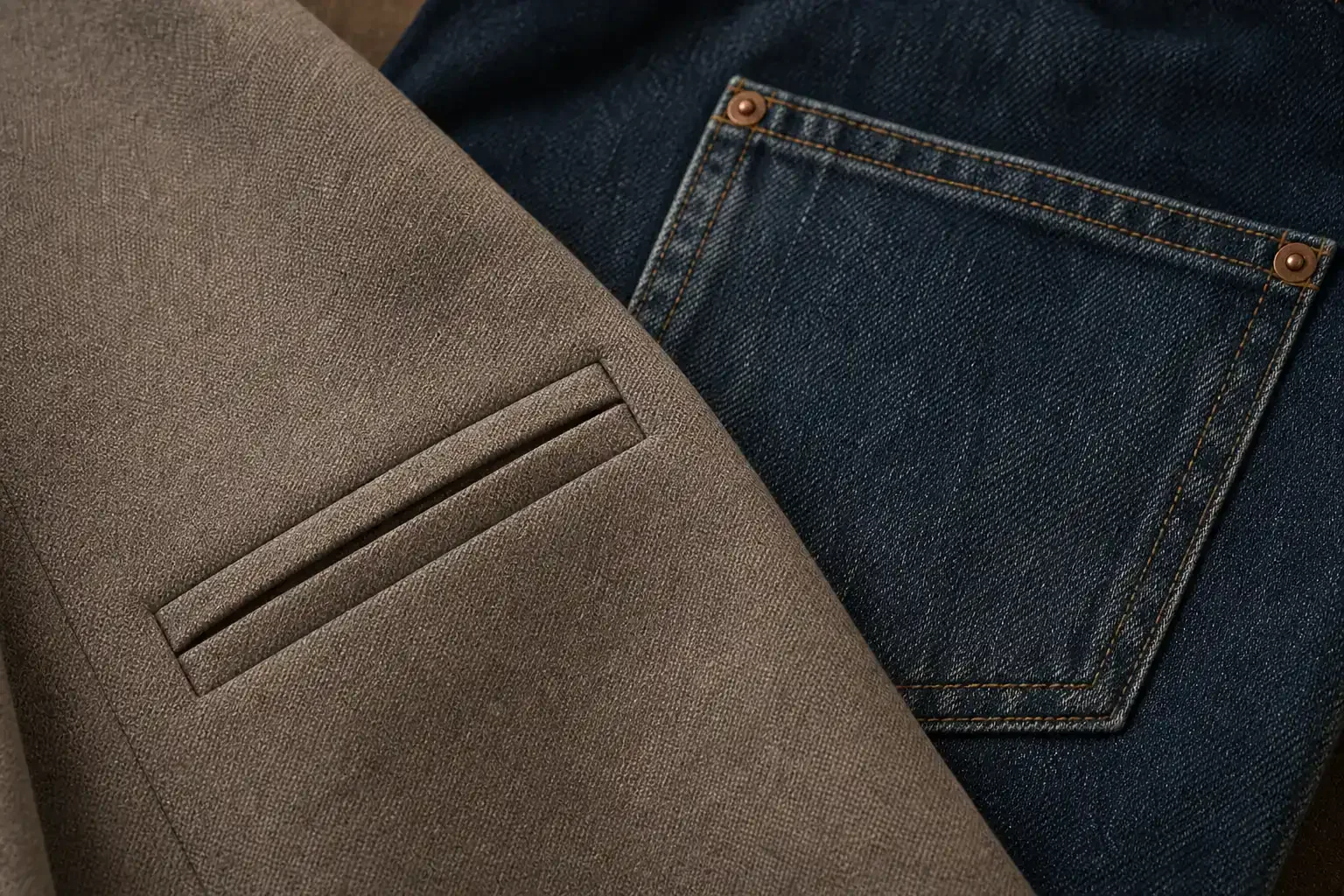
Pocket Types: A Factory Guide from Patch to Welt
Patch, set-in and in-seam are three useful pocket construction families. Learn the common variations, quote drivers, specification fields, and how to route pocket-bag or opening failures.
Read guide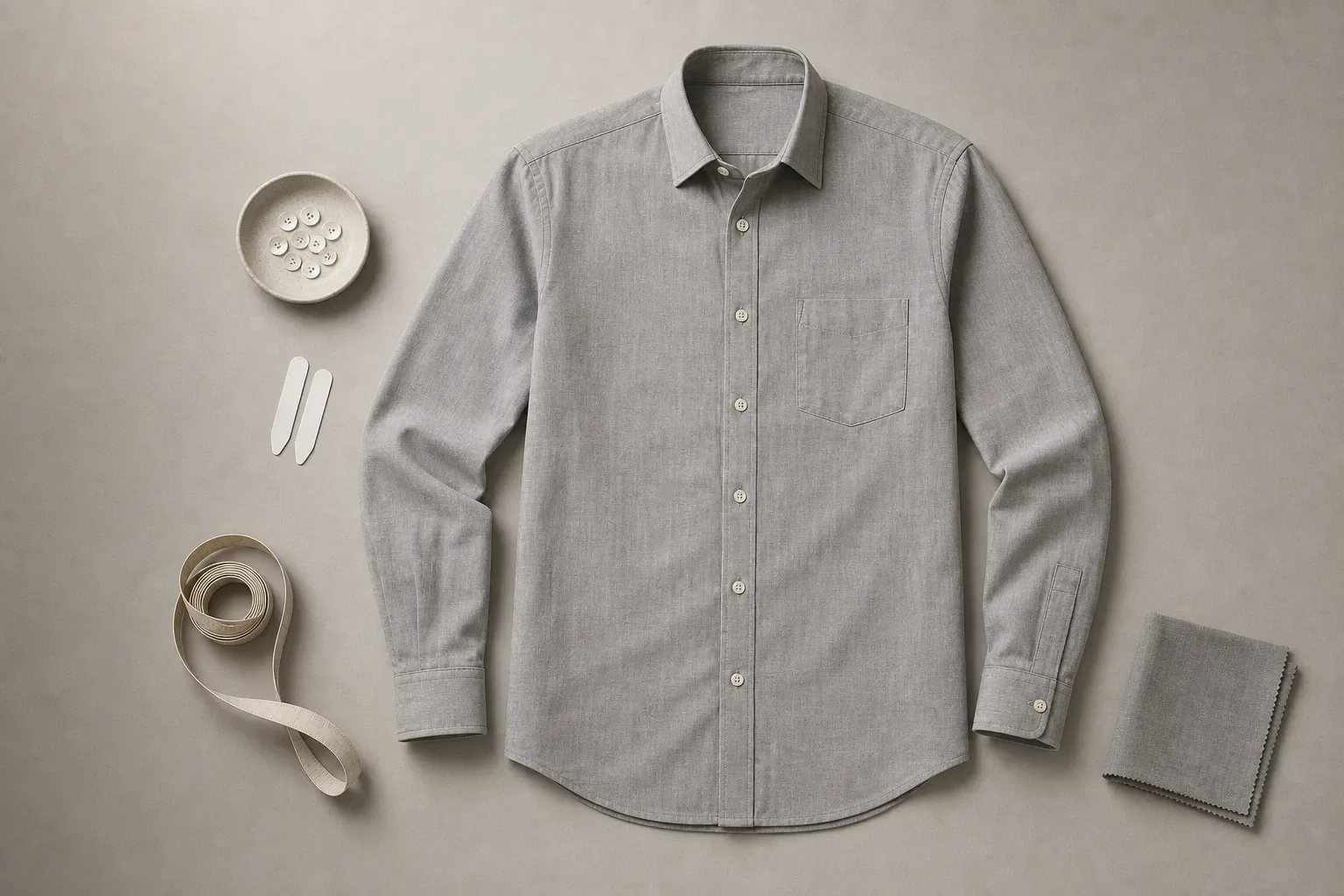
Parts of a Dress Shirt — the Vocabulary a Factory Sews From
Yoke, placket, gauntlet, band, leaf, gusset: a woven shirt is about twenty named pieces, and every one is a decision. This guide names them the way a cutting room does — for dress shirts and the casual shirts built on the same anatomy.
Read guide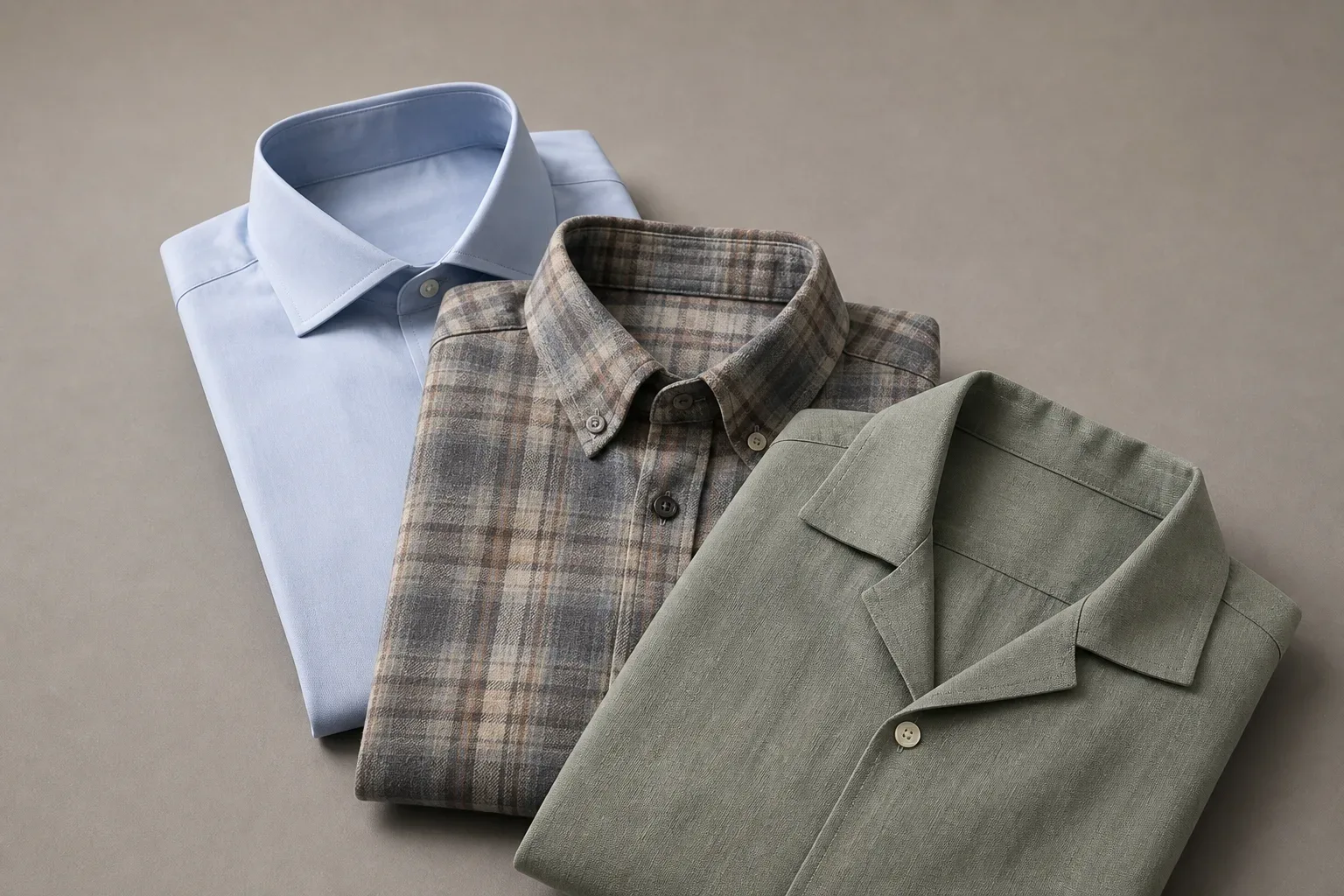
Shirt Collar Types: A Factory Field Guide from Band to Camp
Nine shirt collar types explained the way a sewing floor reads them — band and leaf, point length and spread, fused versus floating interfacing — so your next shirt brief names the collar instead of describing a photo.
Read guide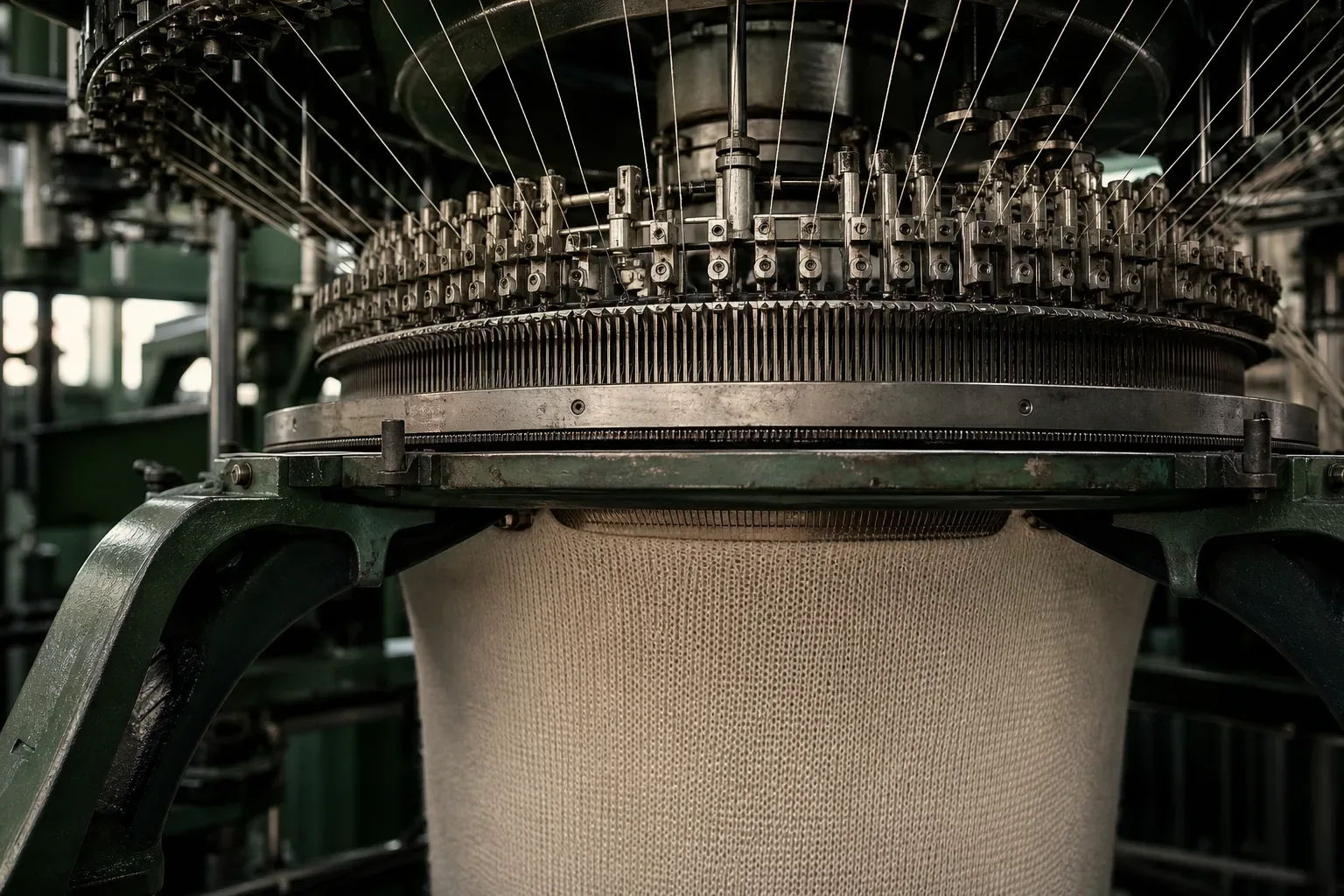
Industrial Circular Knitting Machine: 400 Years of Loops
Inside a mill-scale circular knitting machine, cams drive latch needles through the same five movements again and again. That small mechanical cycle is what turns yarn into tubular T-shirt jersey.
Read guide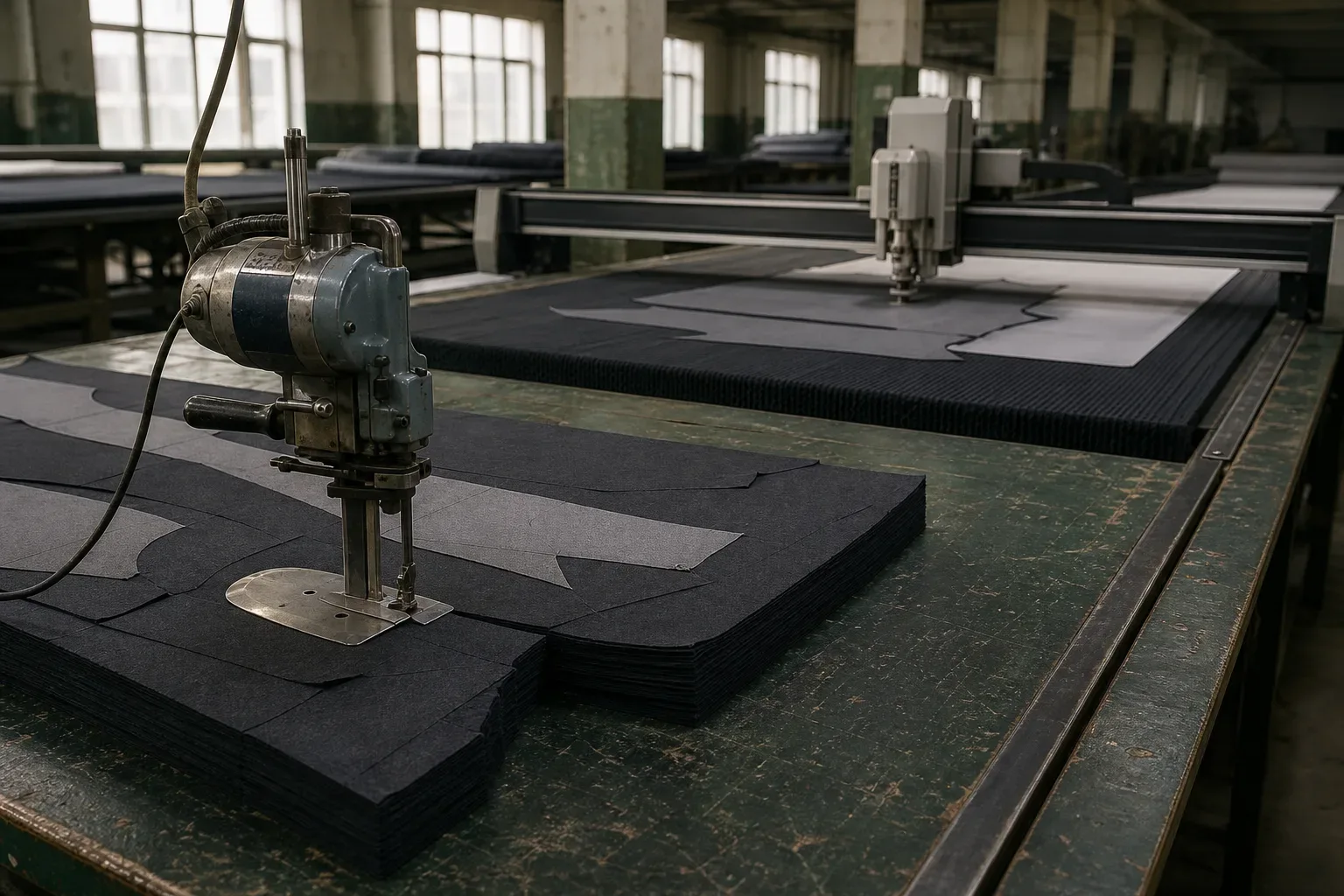
Fabric Cutting Machines: From Electric Knife to CNC
An industrial cutter is more than a blade. Trace how garment cutting moved from hand-guided electric knives to numerical control, vacuum beds and video-assisted plaid alignment.
Read guide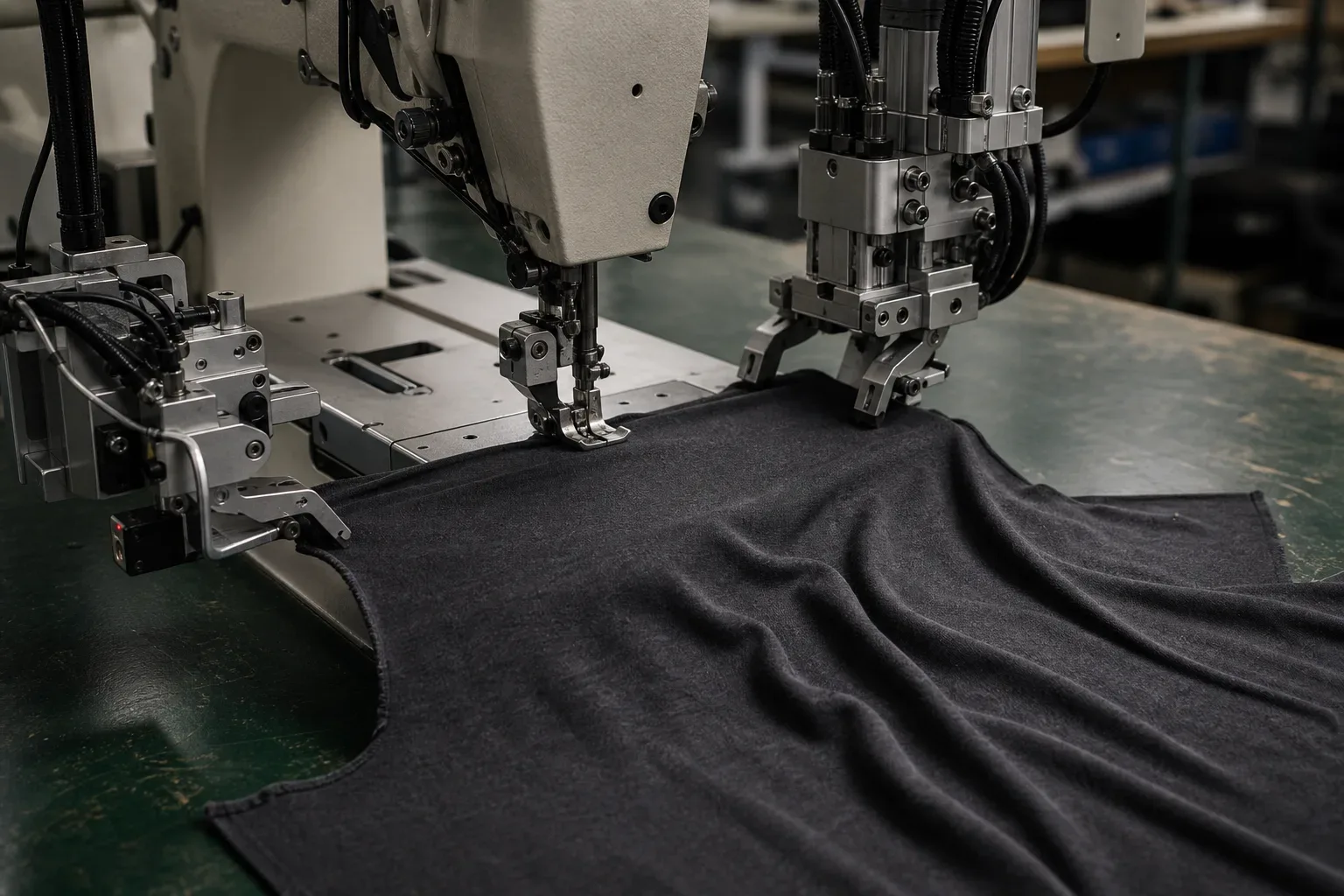
Why Sewing Robots Still Struggle With a T-Shirt
The needle is not the hard part. The real problem is making a robot separate, align, tension and steer fabric that changes shape every time it is touched.
Read guide