
Factory notes for streetwear brands
Practical guides for preparing briefs, comparing techniques and understanding the production decisions behind custom men's streetwear.
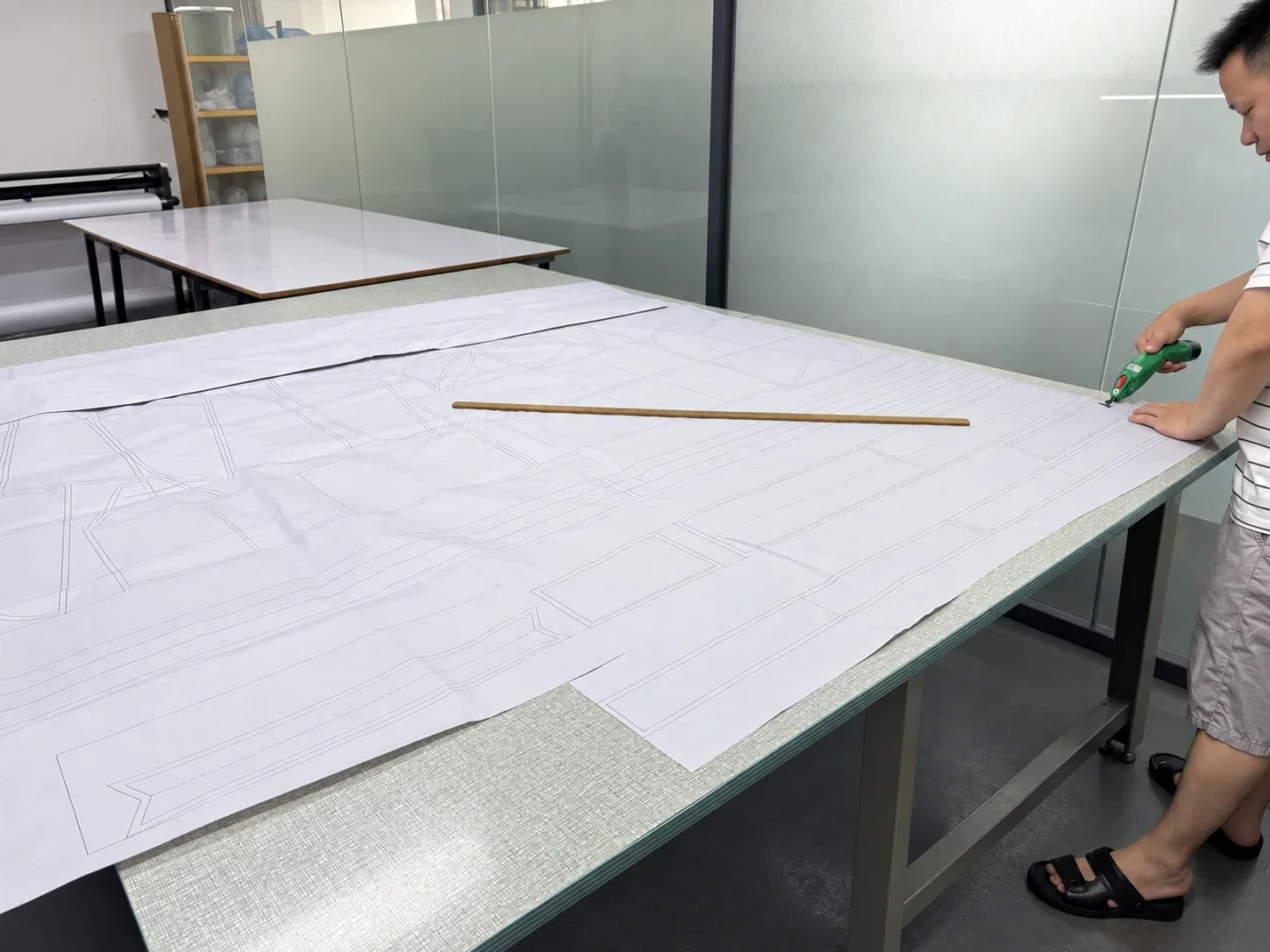
Clothing Sample Cost: What's Included and How to Get a Quote
Understand what a complete sample quote includes, which design choices change the price, and when custom accessories cost extra. Send your tech pack for project pricing.
Read guide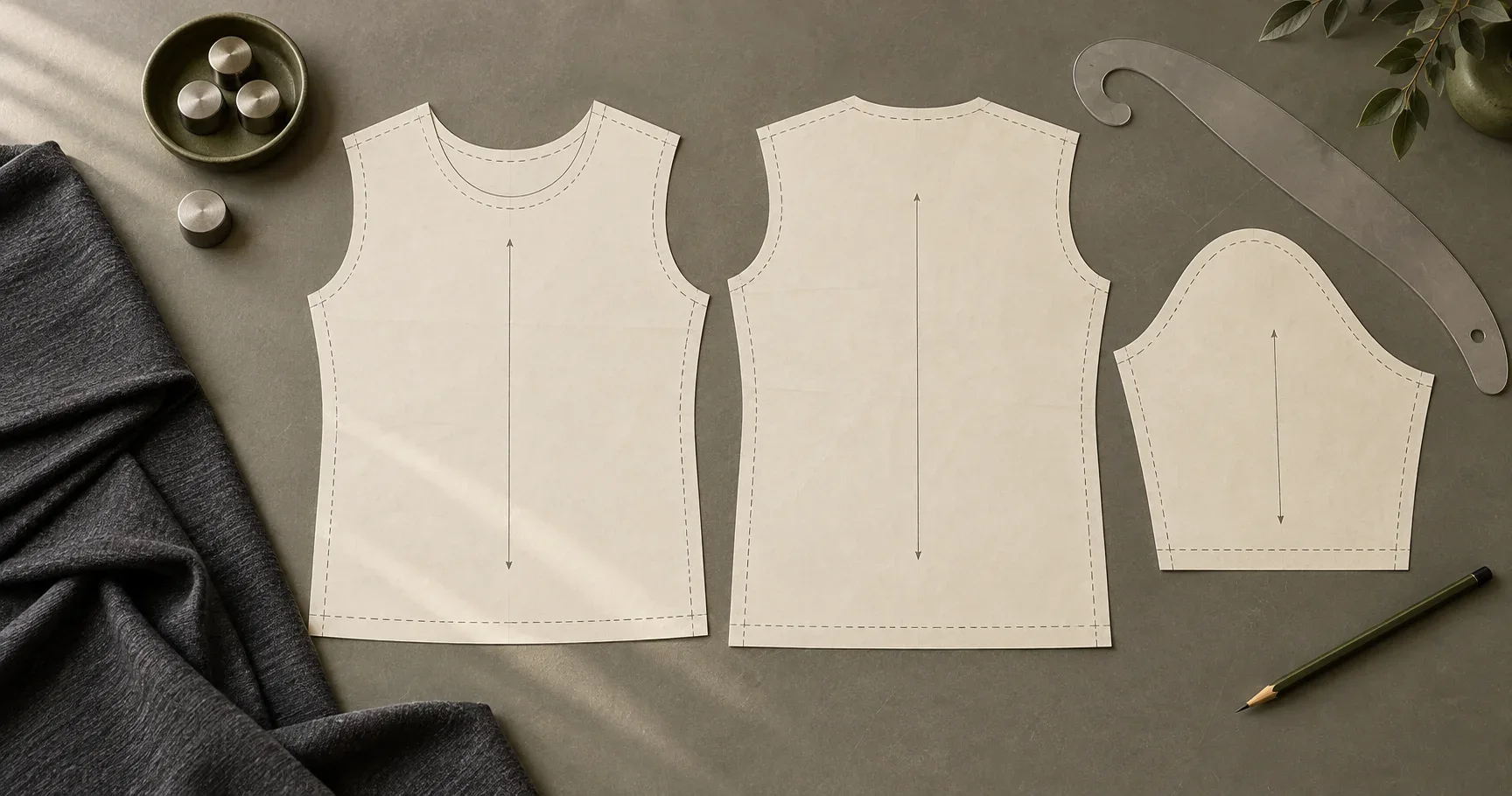
Garment Pattern Making: From Design to Production
Understand pattern pieces, seam allowances, fit revisions and grading, then use a worked T-shirt example to prepare a clear production handoff.
Read guide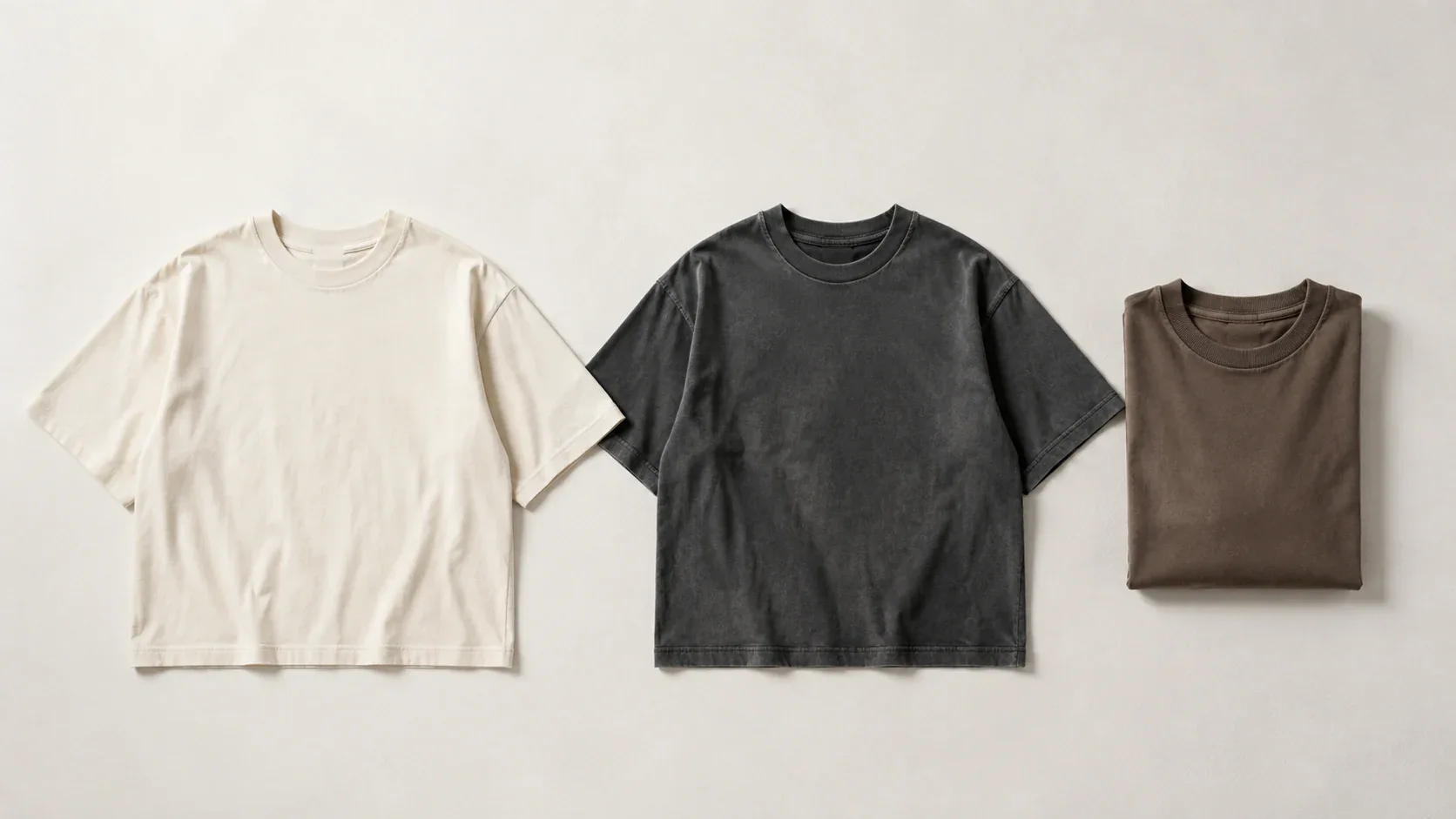
Heavyweight T-Shirt Trends 2026: Four Directions for Brands
A September 2026 review of official brand examples: boxy proportions, neckline details, washed surfaces and contrasting approaches to graphics, with practical questions for your next sample.
Read guide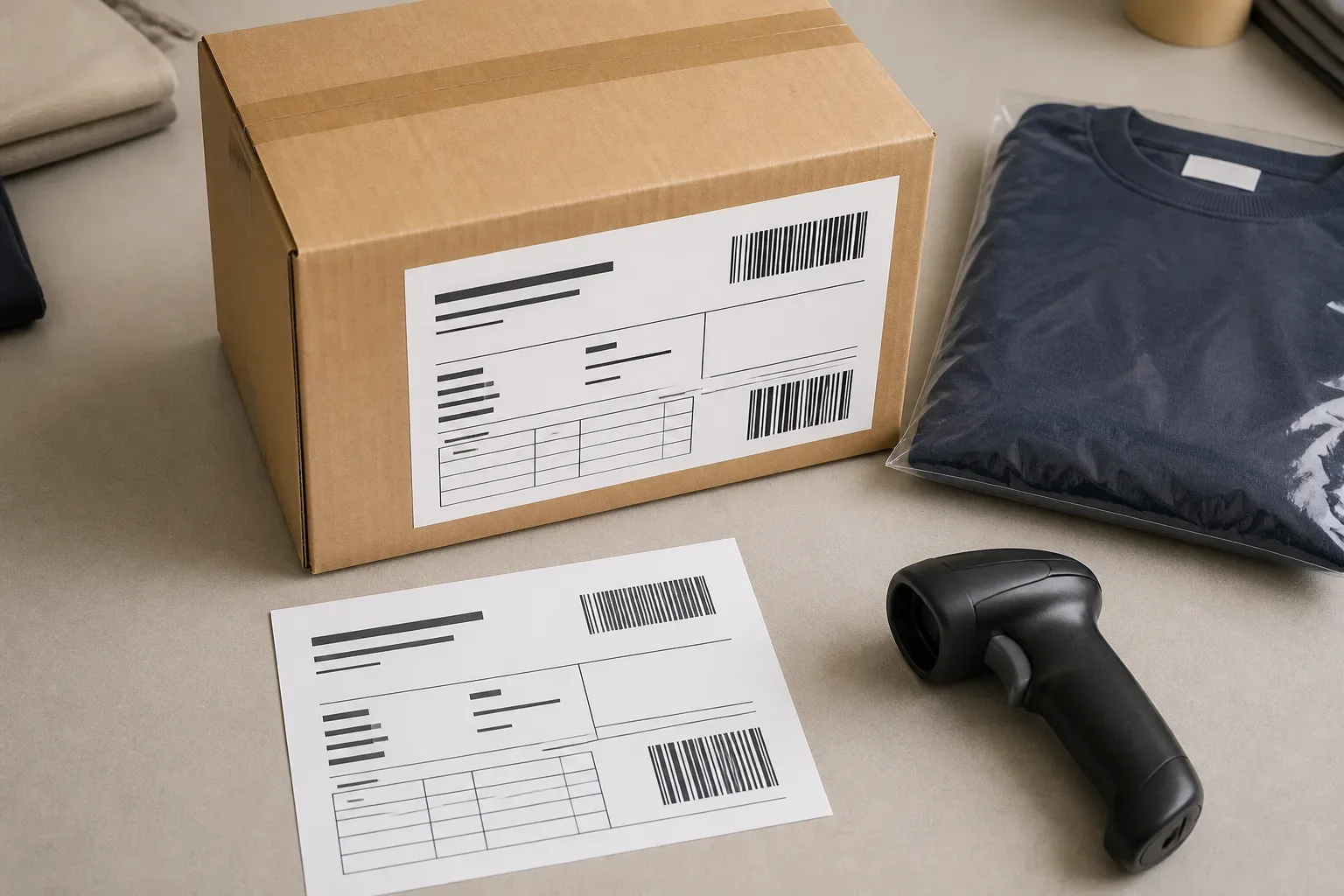
Carton Marking Checklist for Clothing Orders
Build a project-specific carton-mark record: trace every field to its owner and revision, reconcile each carton to the order, and separate visual, print and scan evidence.
Read guide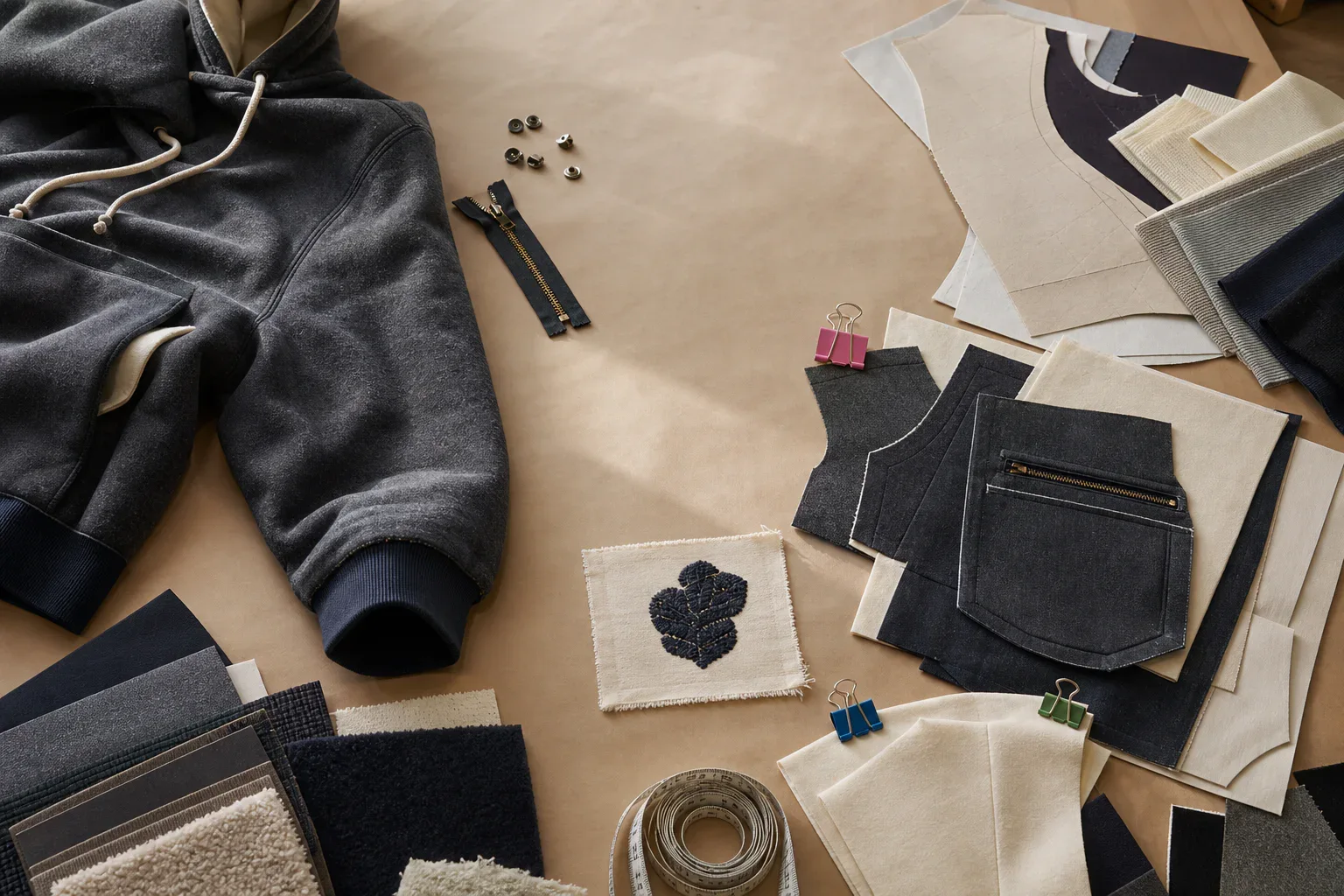
Apparel Design for Manufacturability: What to Review Before Sampling
A buyer-side DFM checklist for apparel: review construction, fabric behavior, trims, artwork, size grading and approval evidence before the first sample.
Read guide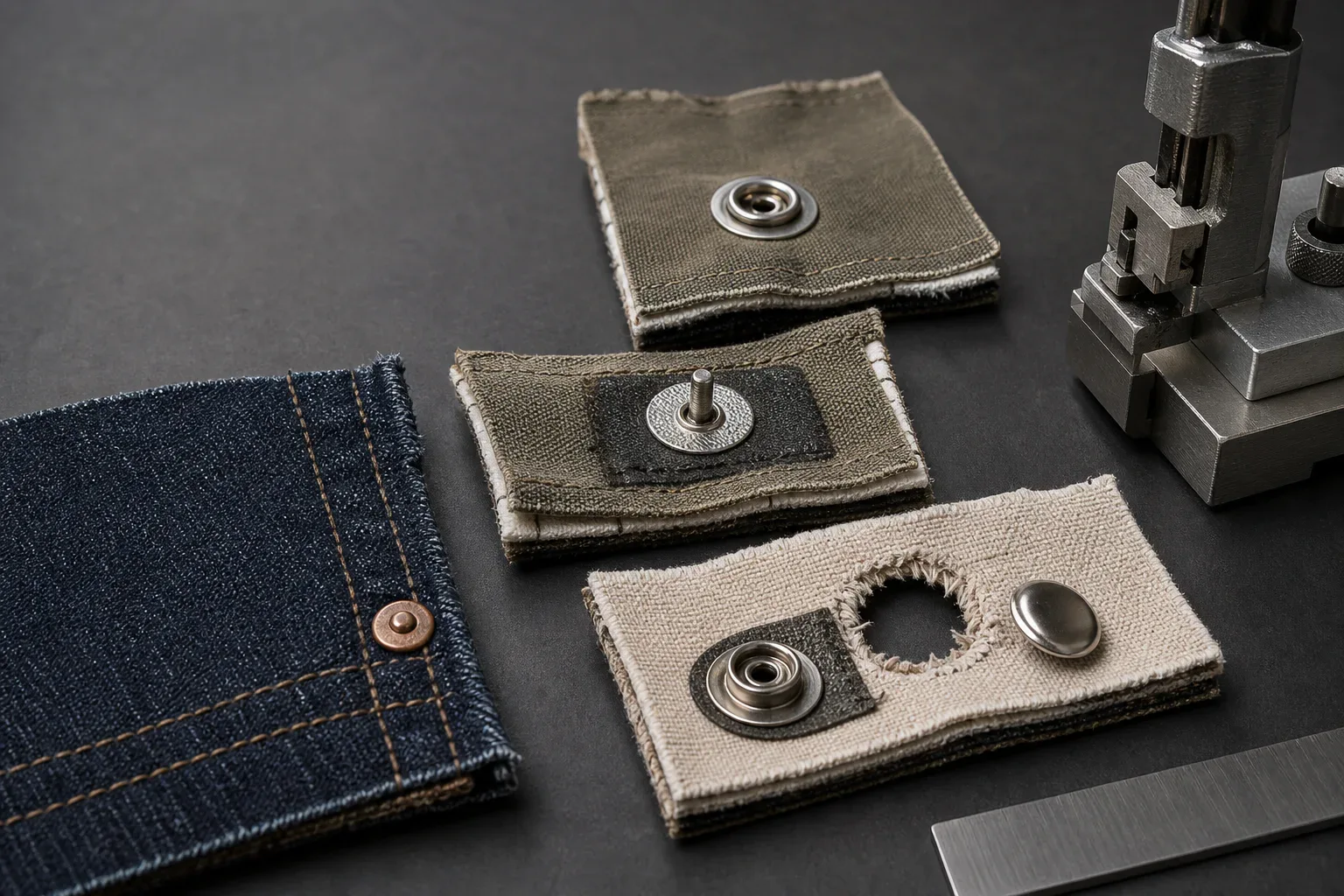
Snap and Rivet Pull-Out Failures: What Buyers Should Check
A snap or rivet that pulls out is not one defect. Learn how to separate hardware failure, fabric tear, hole enlargement, backing problems and post-wash risk.
Read guide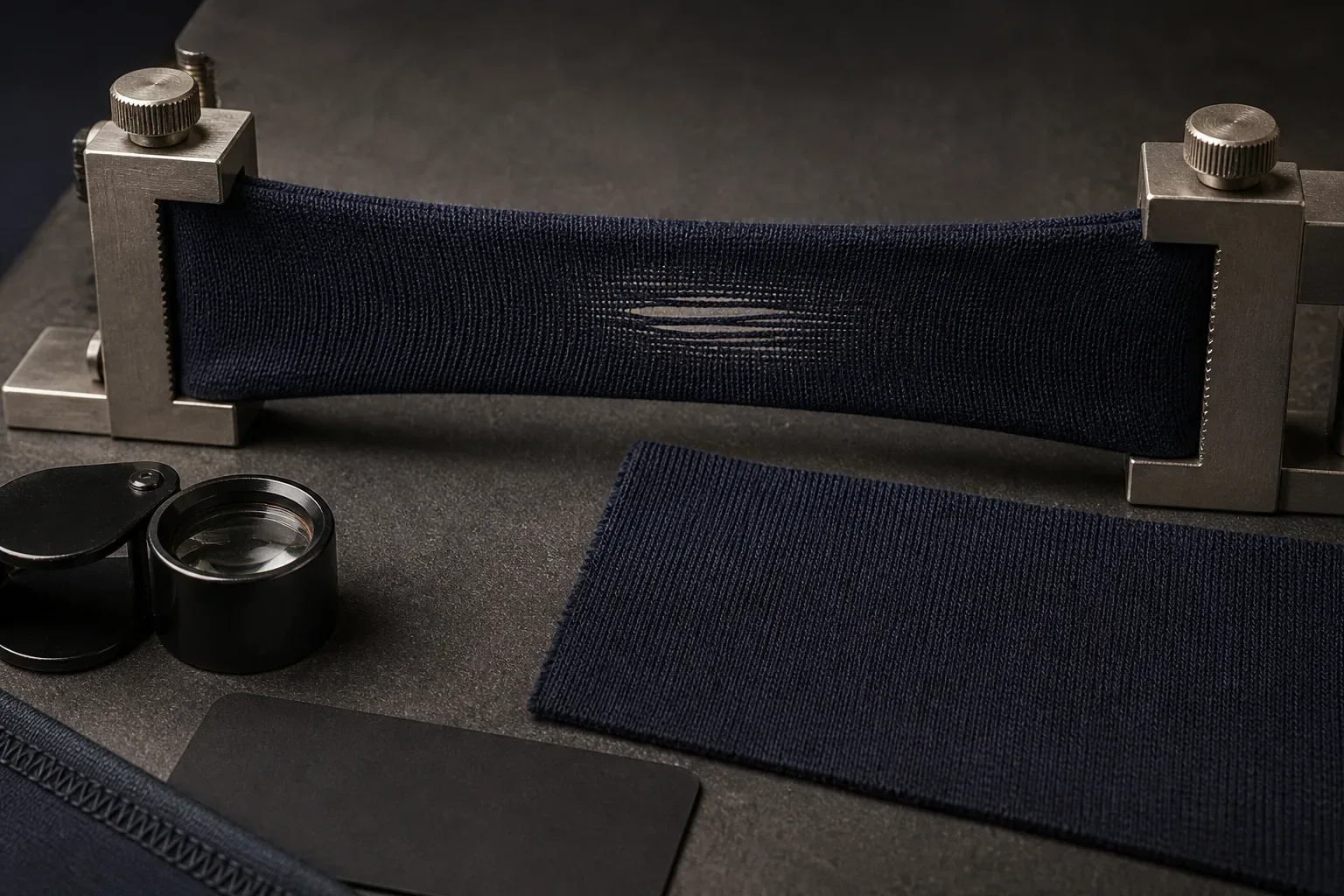
Elastane Breakage or Spandex Grin? A Buyer Evidence Guide
Separate visible spandex grin-through from cut or broken elastic yarn, seam damage and recovery loss using location, material-state and controlled-extension evidence.
Read guide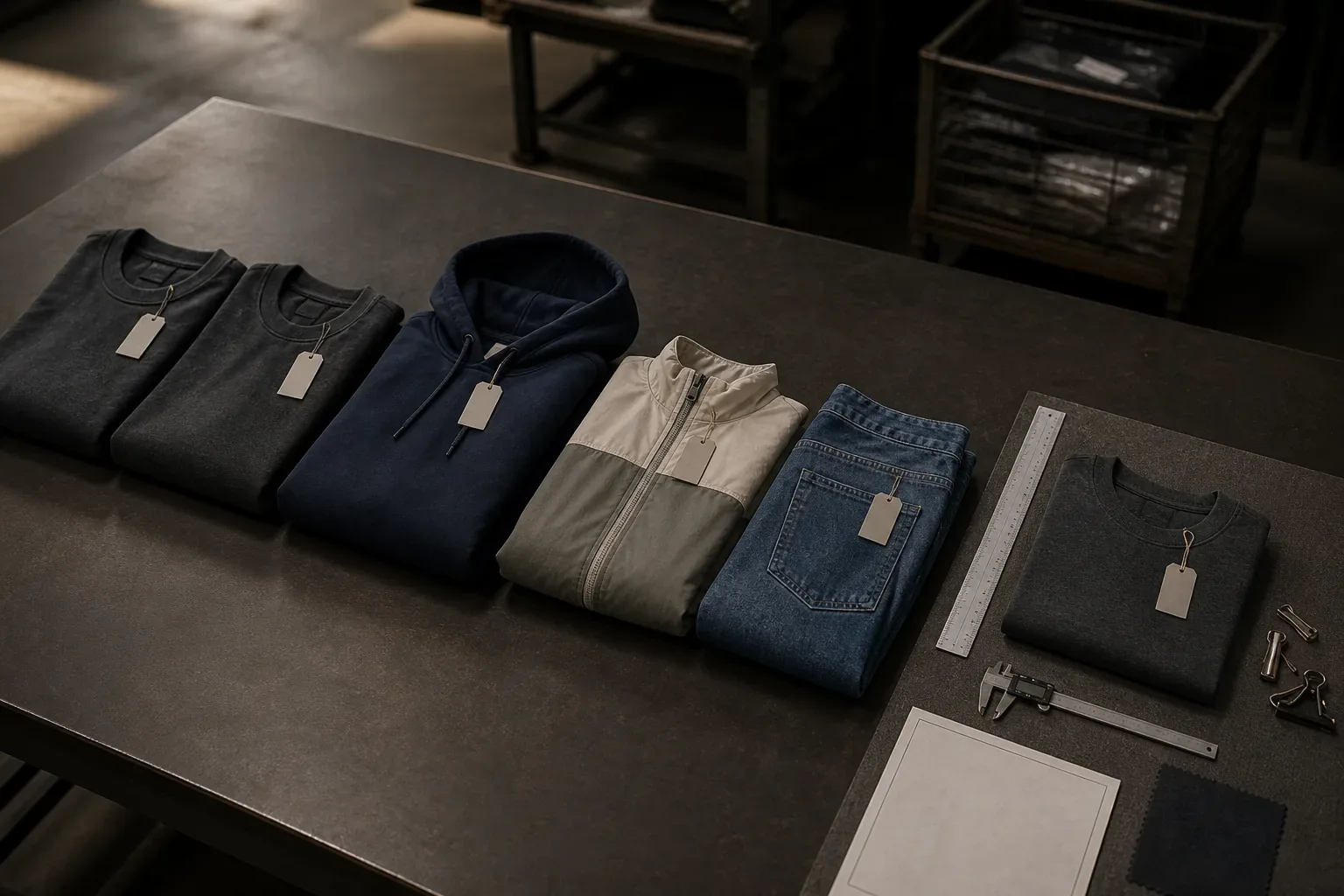
Garment Pilot Run Guide: From Risk Coverage to Release
Plan a garment pilot run around production-representative inputs, named manufacturing risks, unit-level evidence and an authorized release, hold, rework or re-run decision.
Read guide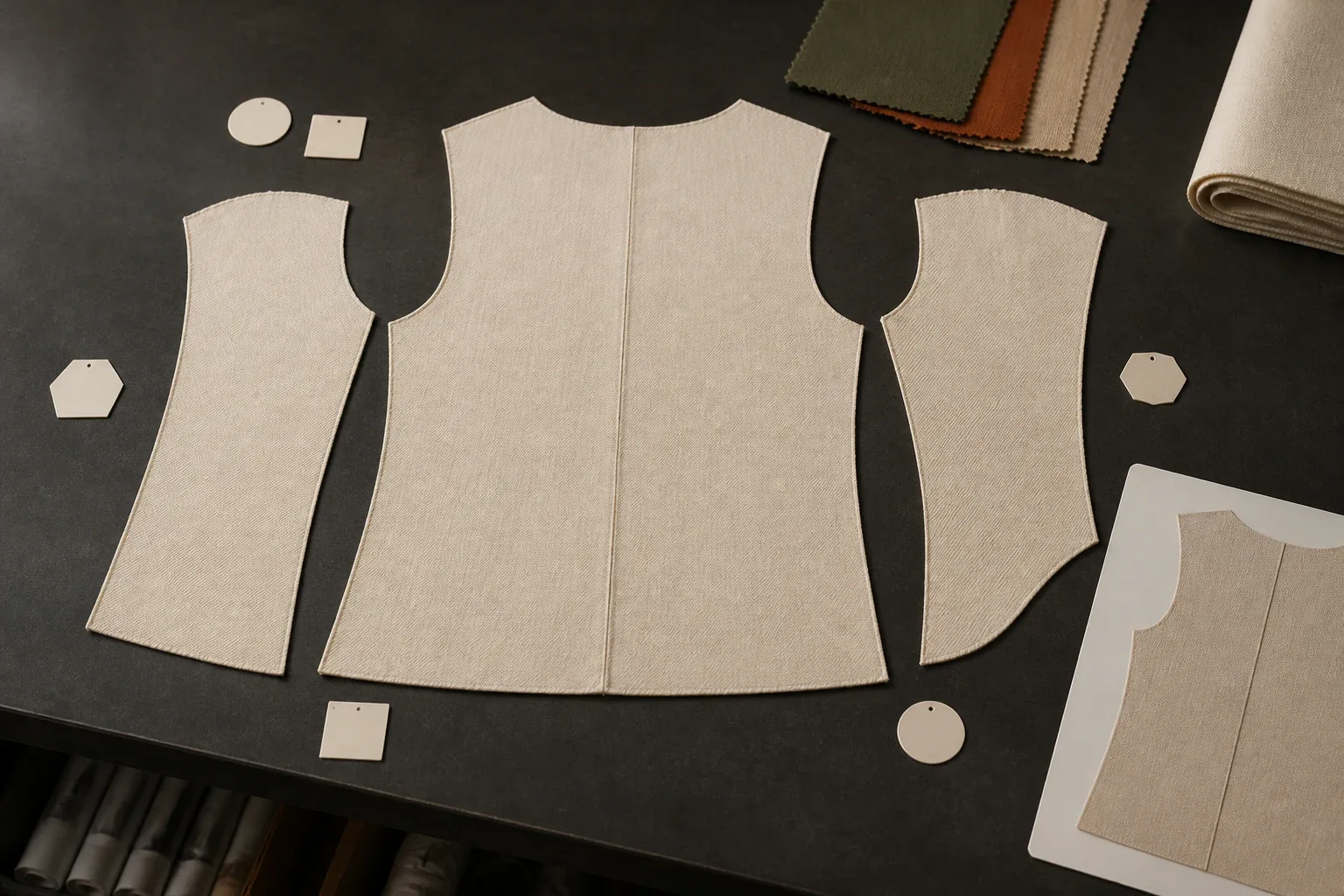
Garment Panel Mismatch: How to Verify the Wrong Piece
Verify a suspected garment panel mismatch against controlled piece identity, side, direction, pairing and the contract-effective pattern revision before disposition.
Read guide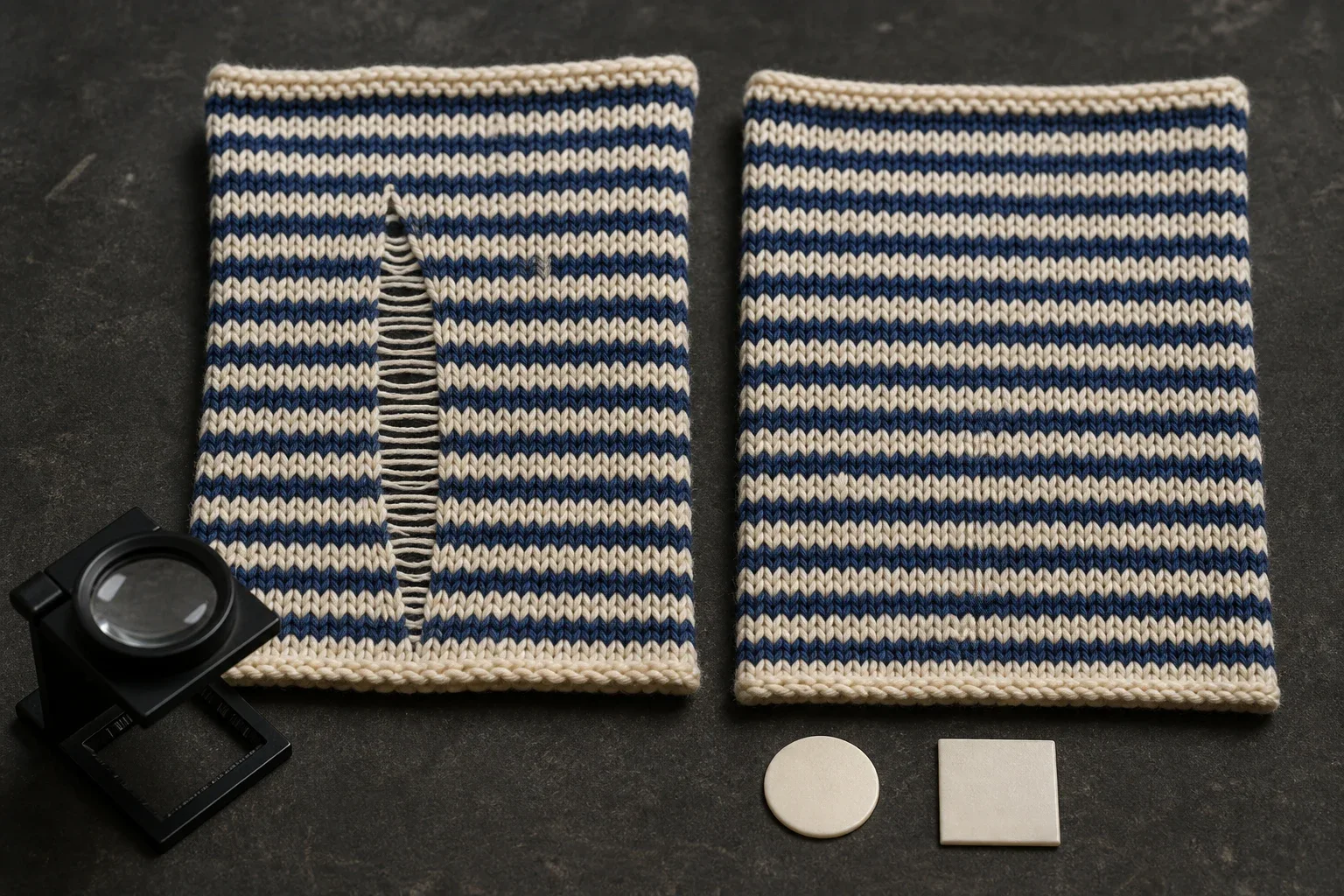
Knit Fabric Laddering and Runs: A Buyer Evidence Guide
Separate a spreading dropped-loop run from seam needle damage, line marks and intentional distress, then map the affected roll, panel and garment scope.
Read guide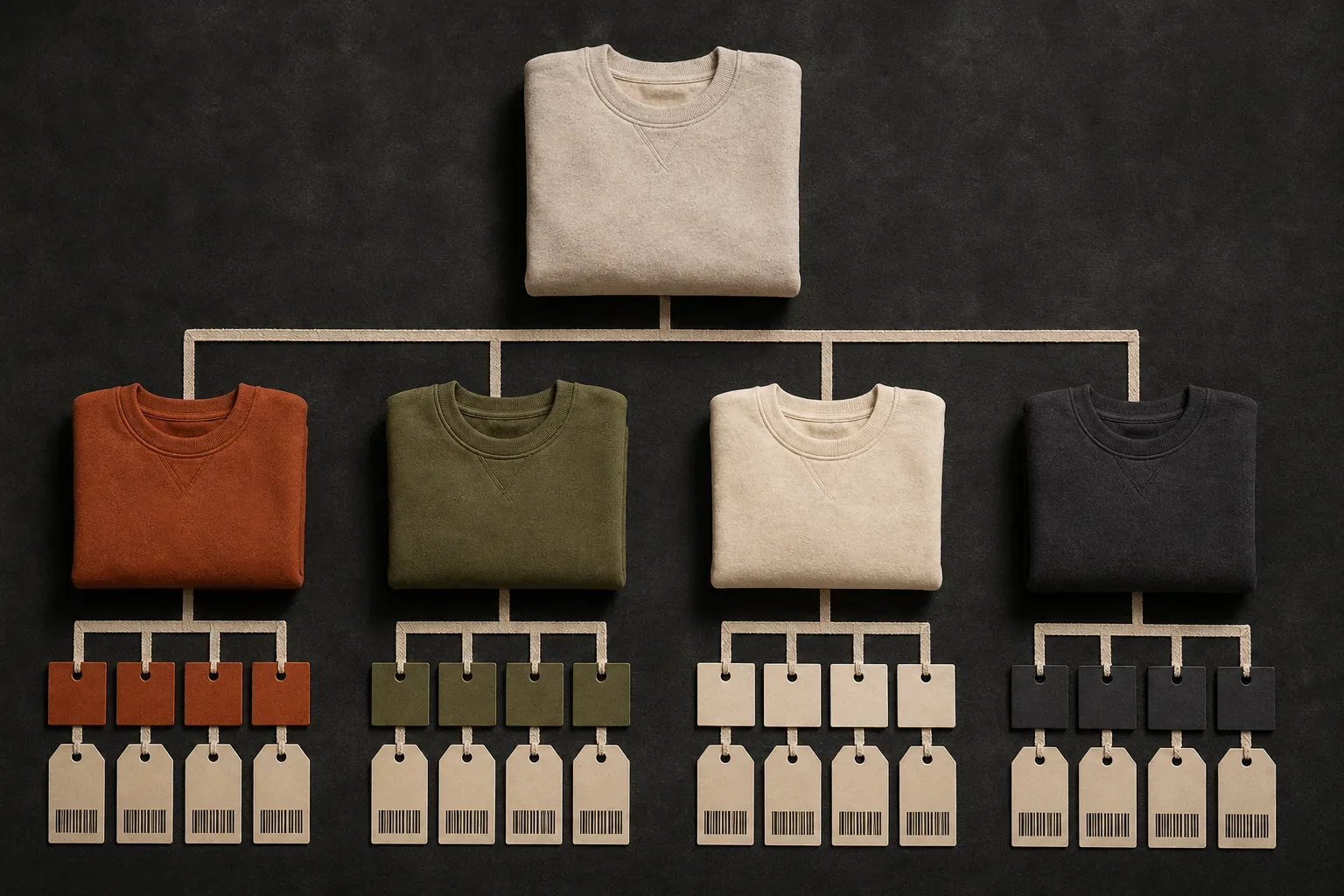
Apparel SKU vs Style Number: Build a Clean Variant Matrix
Separate the parent style, color-size SKU, GTIN, PO line and production lot, then map each identifier without making one code do every job.
Read guide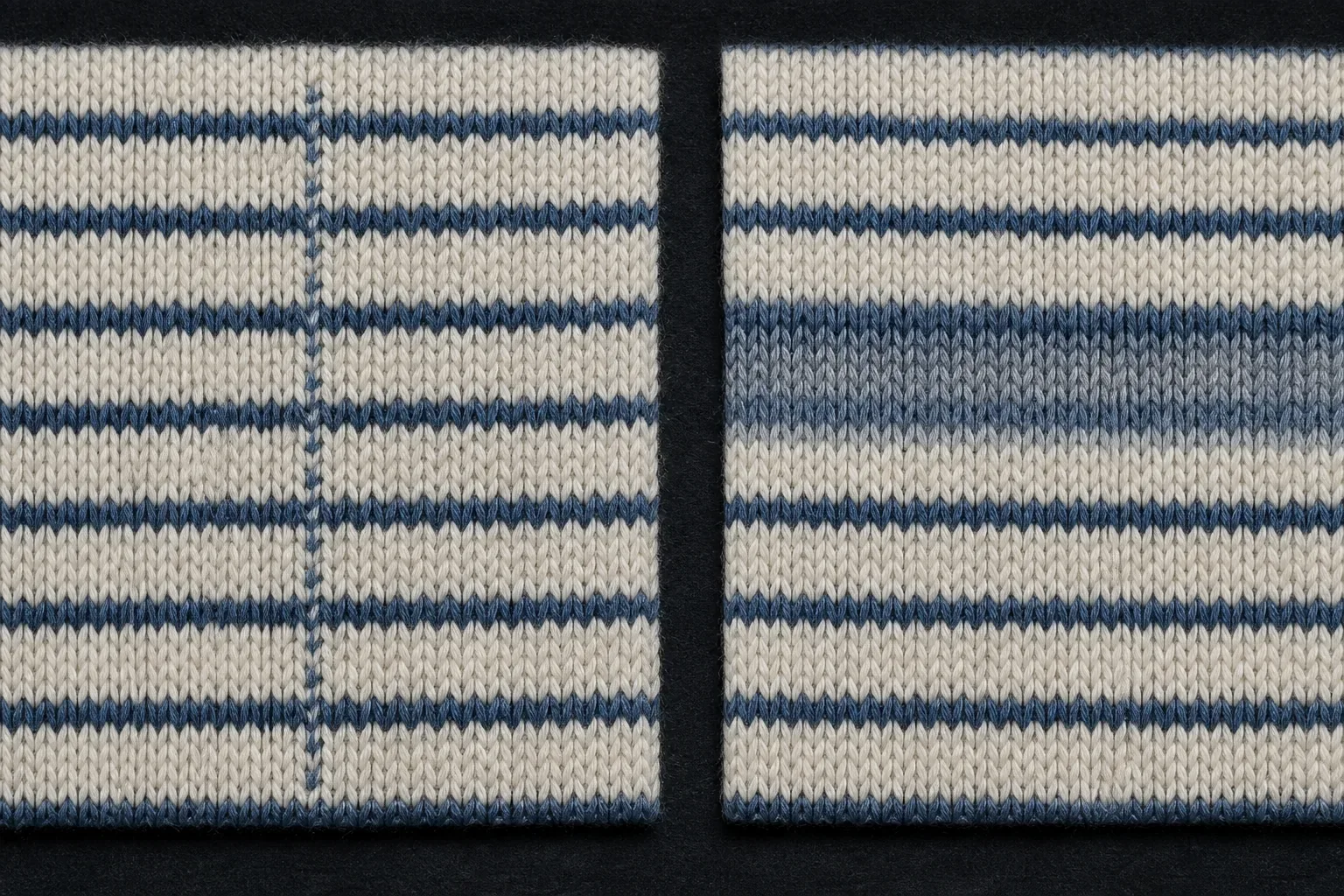
Needle Lines and Feeder Marks in Knit Fabric: Buyer Evidence Guide
Separate a wale-aligned line from a course-direction band, then map face, back, roll, lot and panel evidence before asking a mill for a controlled investigation.
Read guide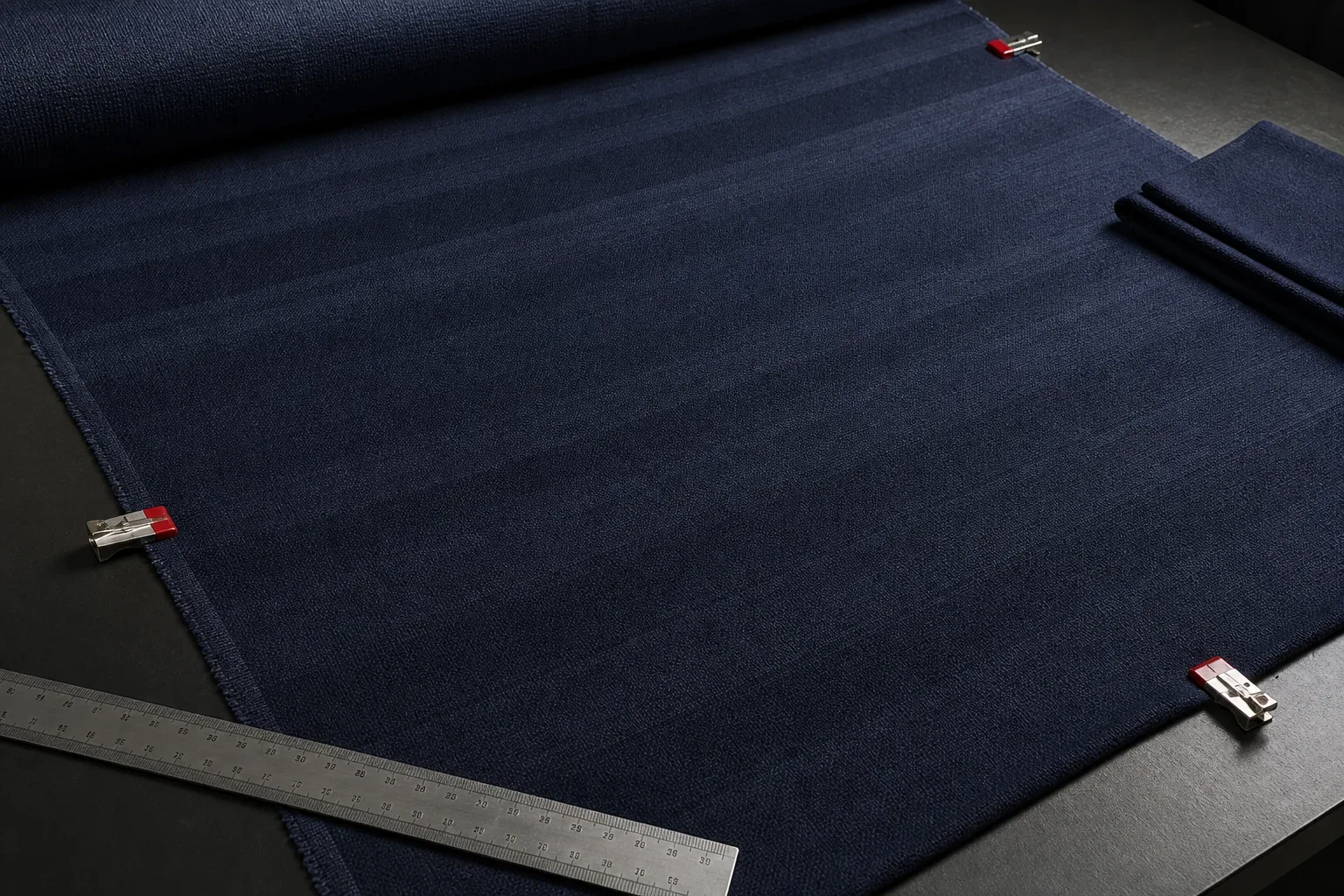
Barré Defects in Knit Fabric: Bands, Lots and Evidence
Barré is an appearance symptom, not a root-cause verdict. Learn how buyers should record bands, map rolls and lots, hold affected material and request evidence before disposition.
Read guide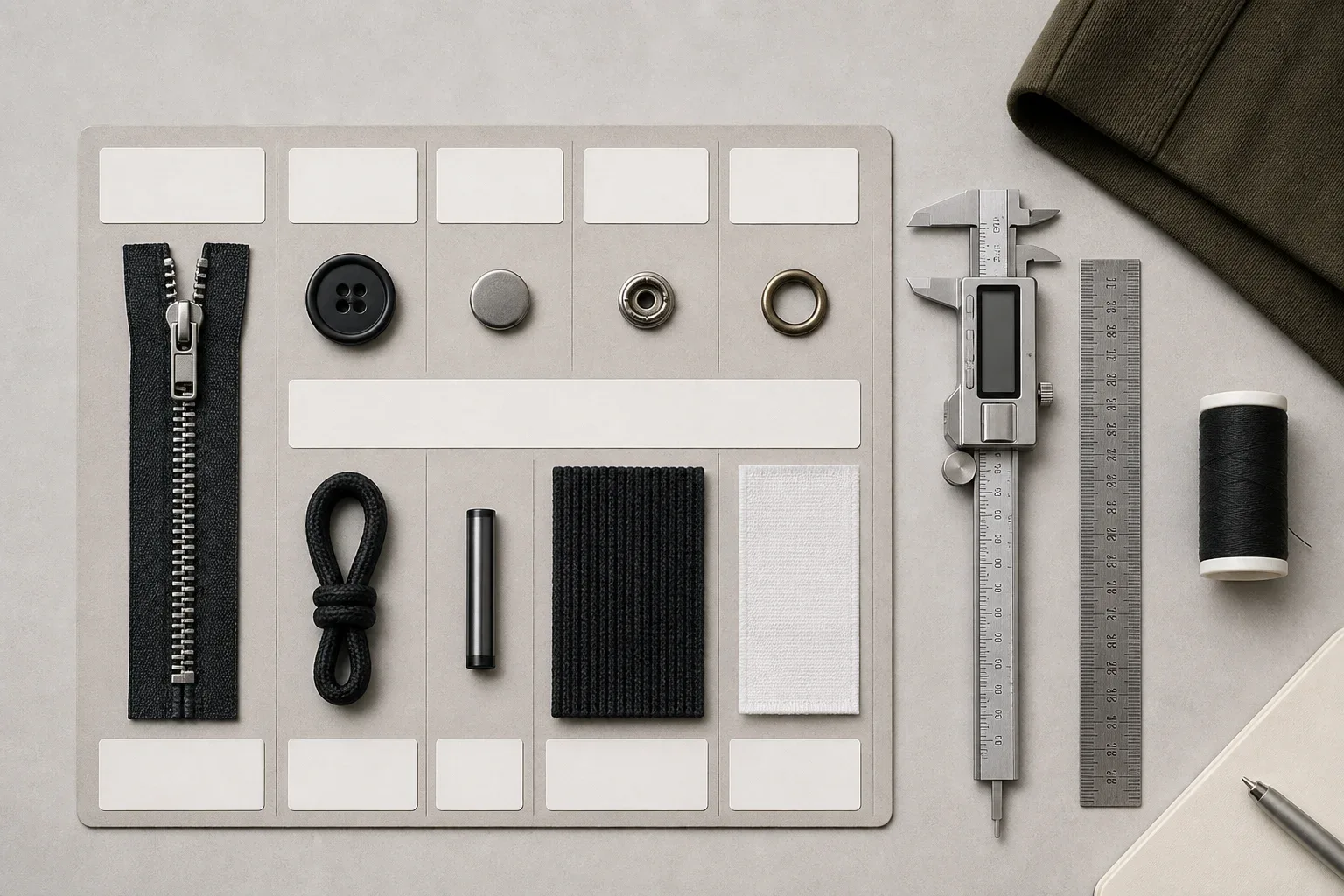
Garment Trim Card Approval: What to Lock Before Bulk
A garment trim card turns approved physical trim samples into a controlled bulk reference. Learn what to attach, how to match incoming lots and how to keep the card linked to the current BOM revision.
Read guide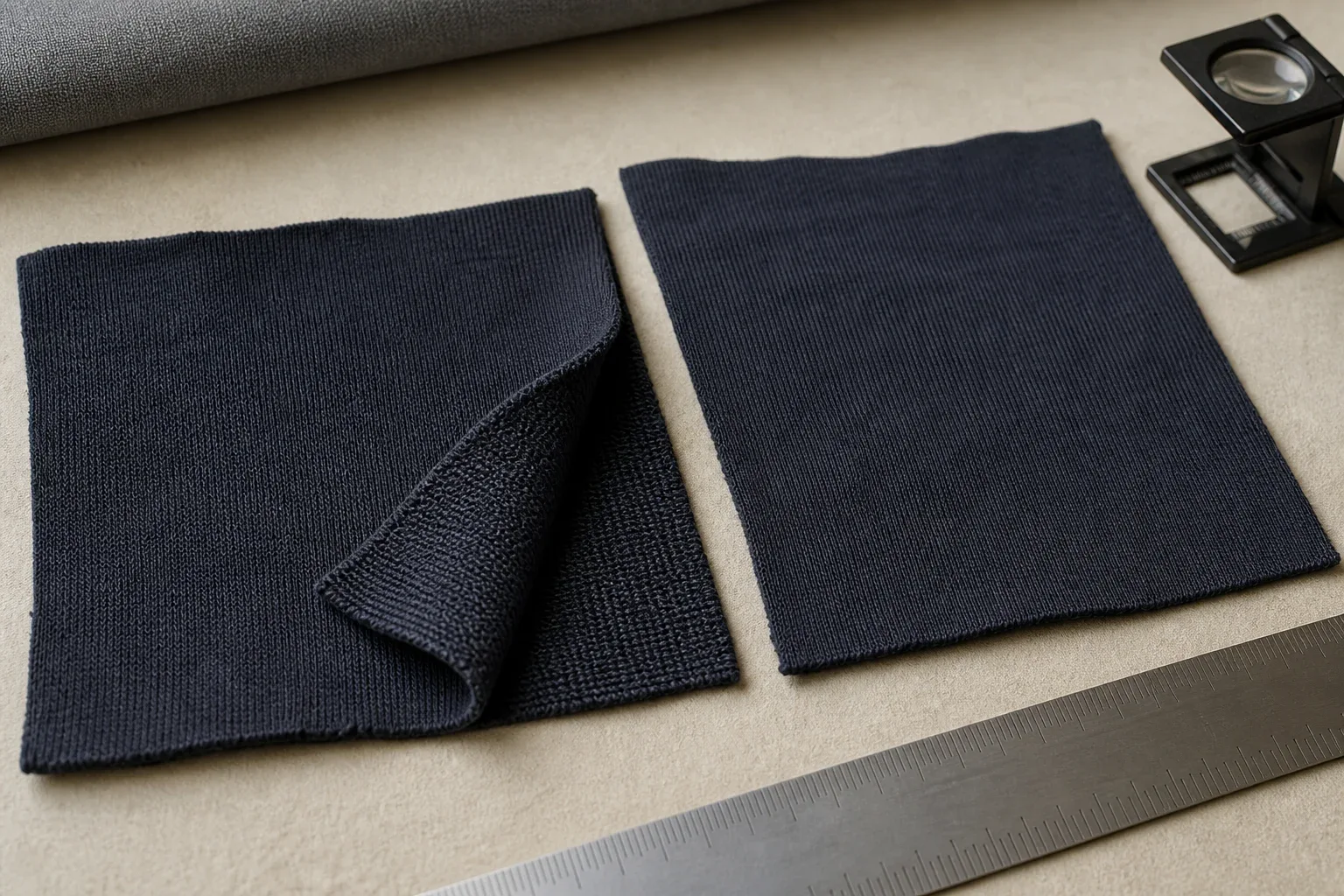
Single Jersey vs Interlock Fabric: Buyer Approval Guide
Single jersey and interlock are different knit structures, not quality grades. Compare their surfaces, garment behavior and approval evidence before choosing either for a clothing program.
Read guide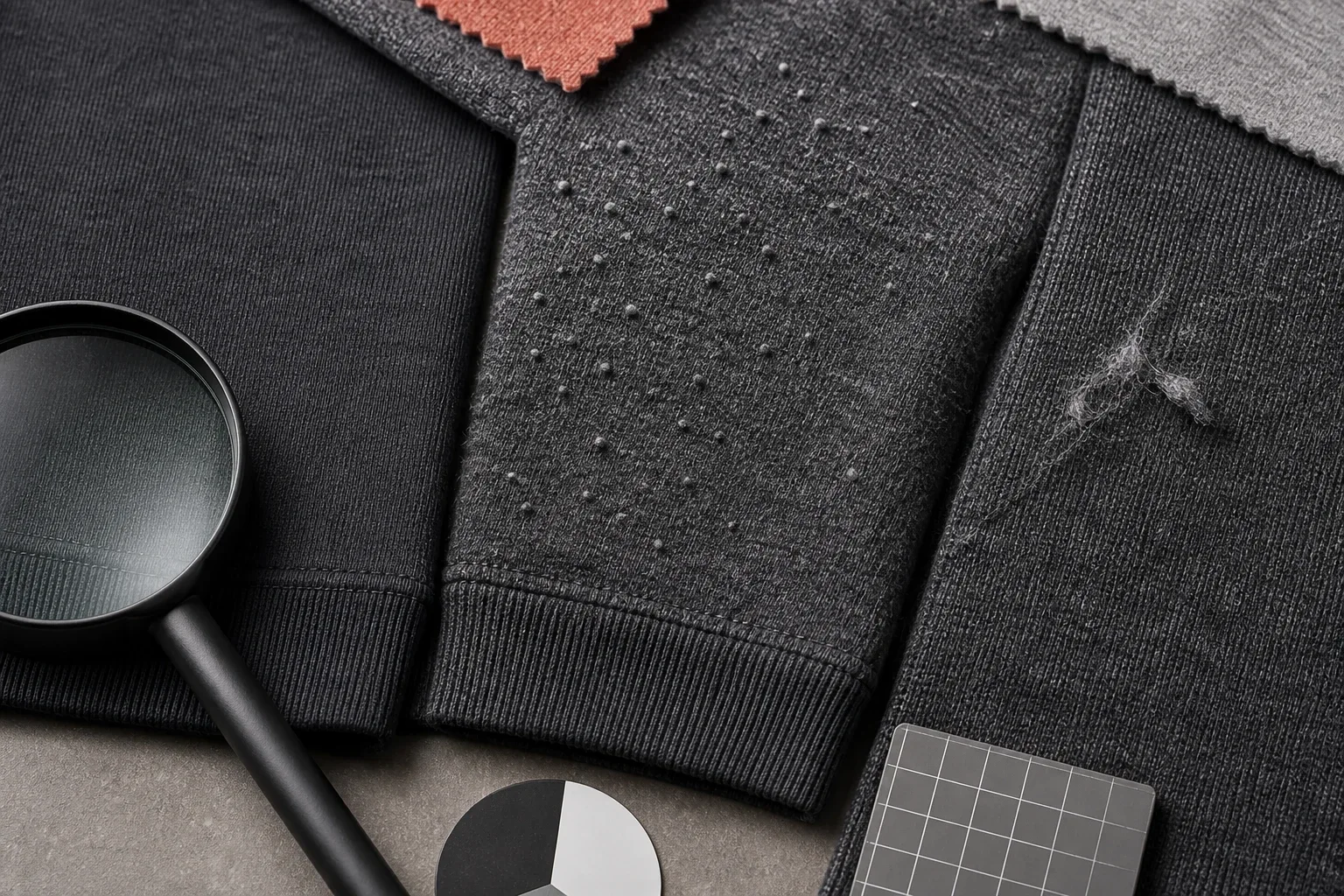
Fabric Pilling in Clothing: Causes, Tests and Buyer Checks
Pilling, fuzzing, matting, snagging and abrasion are not interchangeable defects. Learn how buyers should classify surface change, choose evidence, and write an approval criterion that a factory can execute.
Read guide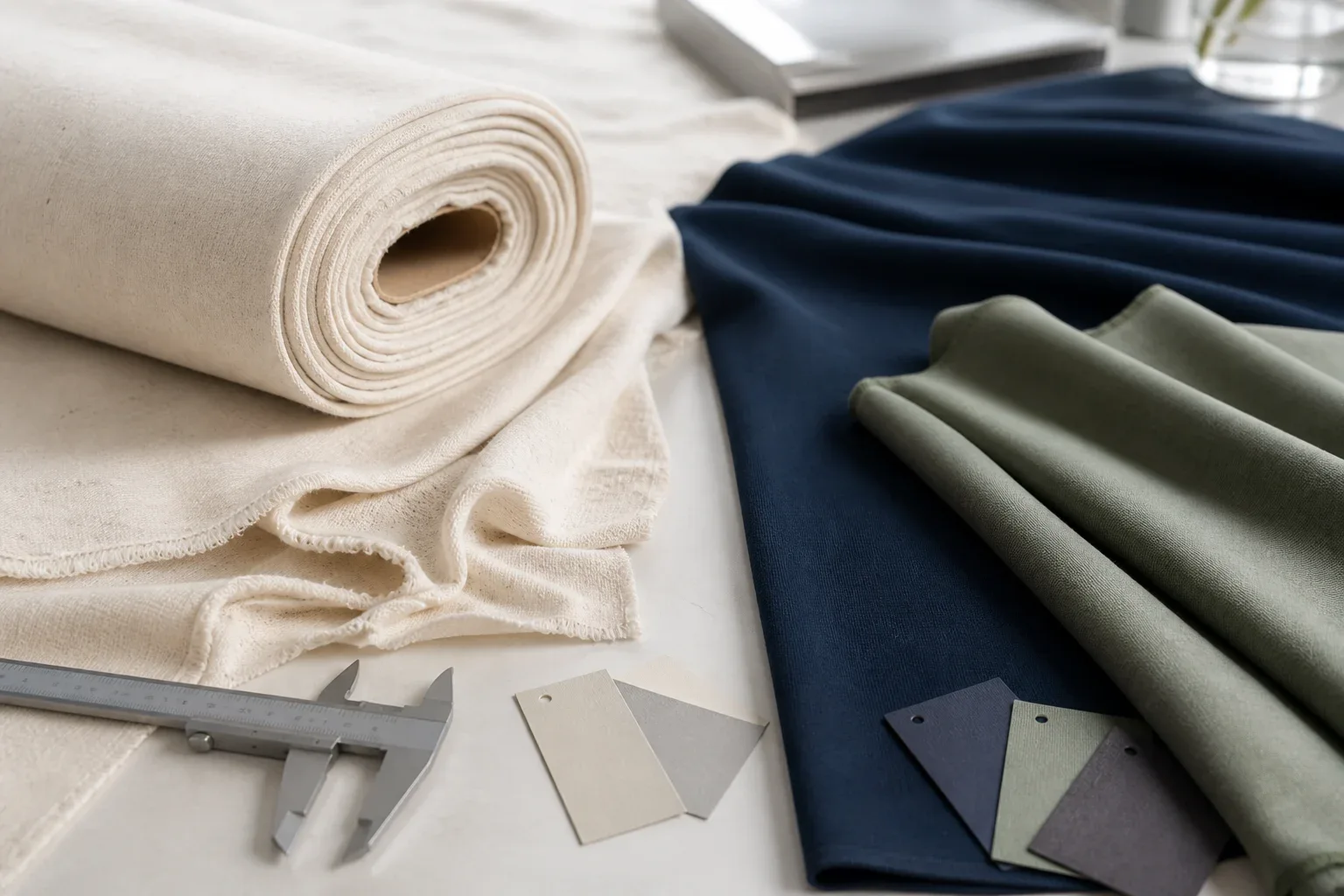
Greige vs Finished Fabric: What Buyers Must Approve
Greige and finished fabric are different material states, not quality grades. Learn which observations can transfer, which values must be rechecked, and how to write a production-ready approval record.
Read guide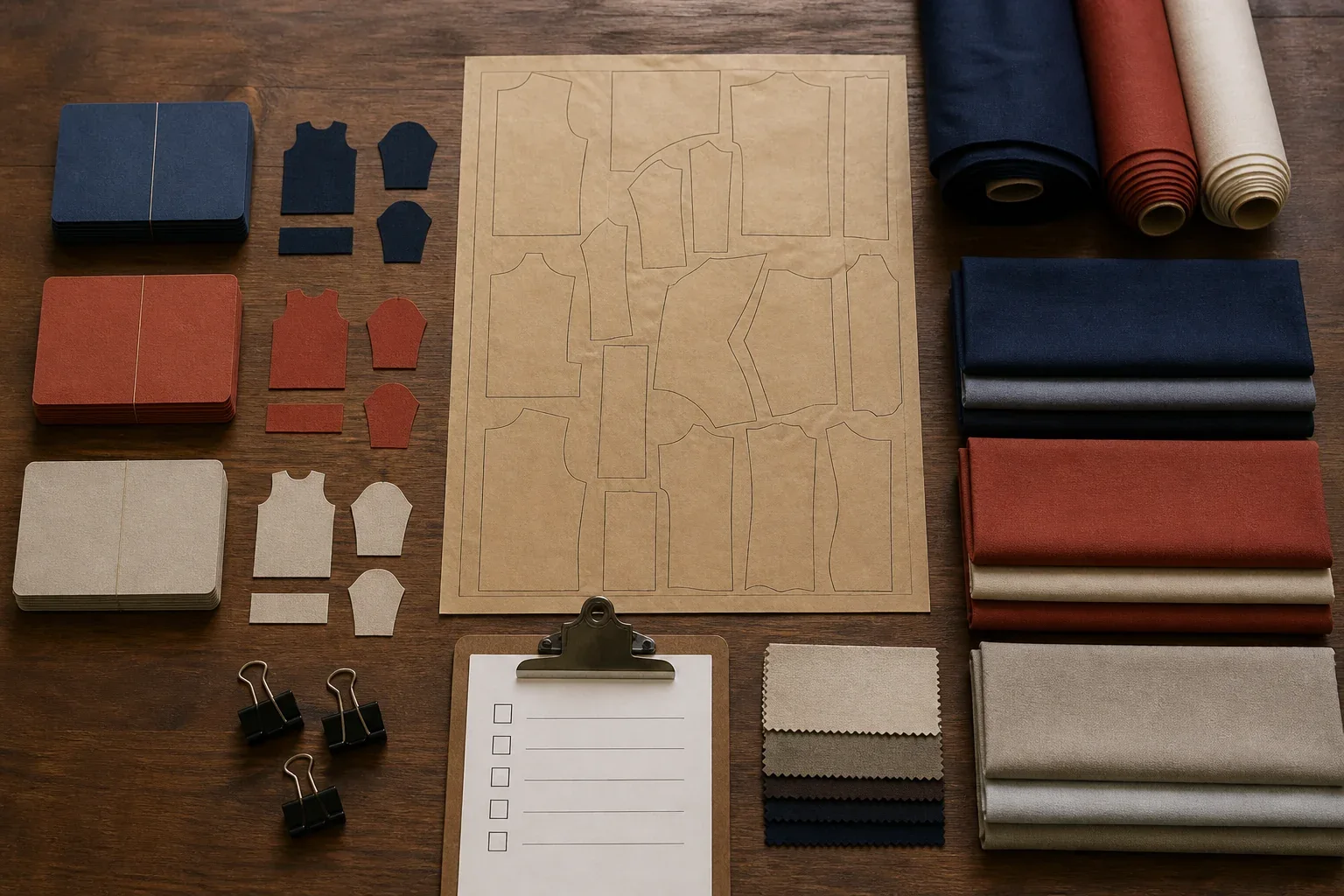
Apparel Cut Order Planning: From PO Demand to Cutting Instructions
Translate approved style, color and size quantities into identified markers, plies, lays and cutting instructions that reconcile back to the purchase order.
Read guide
Apparel Factory Capacity Confirmation Before a Delivery Window Is Promised
Confirm a specific apparel order against one delivery event, controlled inputs, route dependencies, dated evidence, exceptions, expiry and recheck triggers before promising a window.
Read guide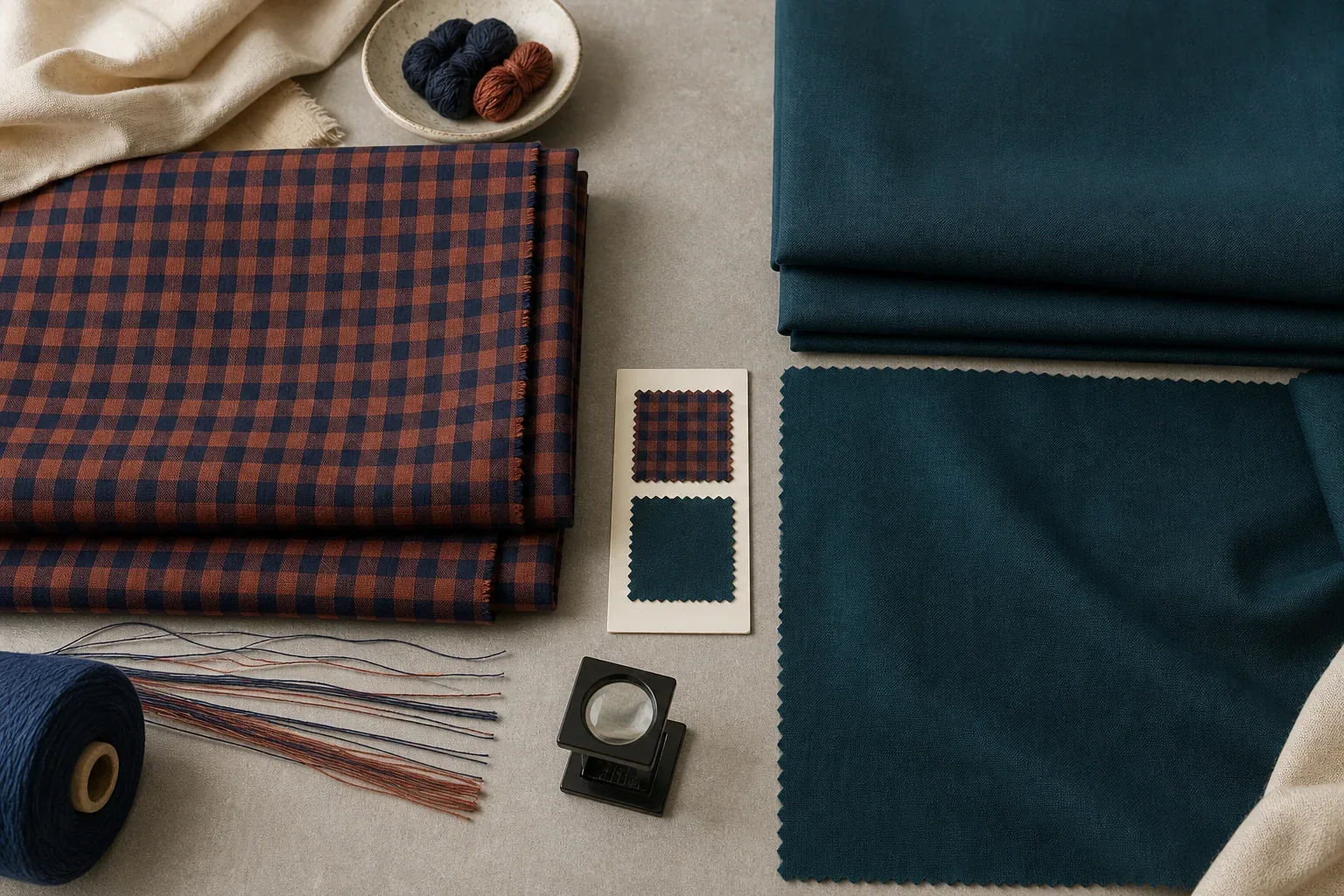
Yarn-Dyed vs Piece-Dyed Fabric: What Changes Before Garment Production
Yarn-dyed and piece-dyed describe when color enters textile production. Compare design effects, approval evidence, sourcing decisions and claims to avoid.
Read guide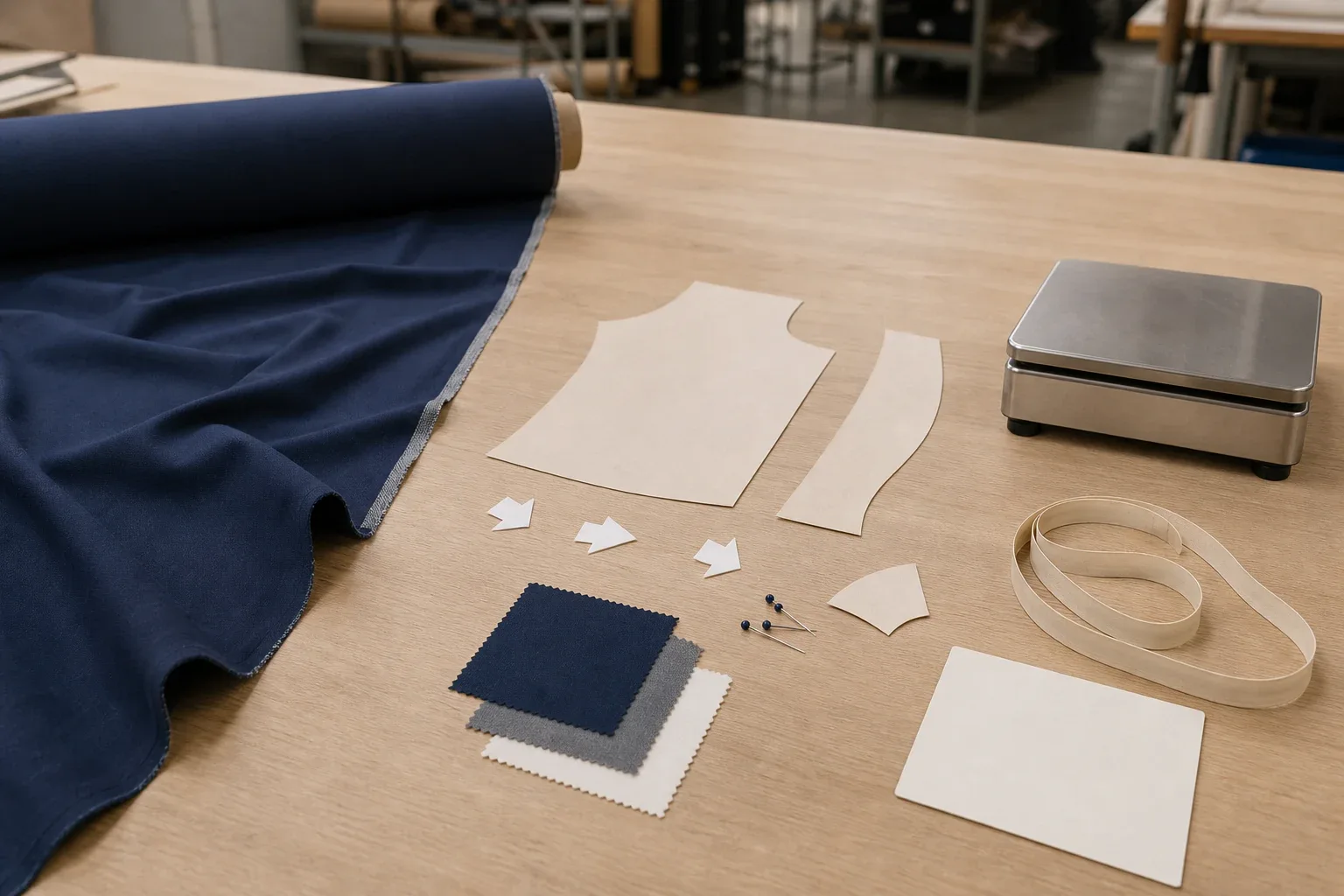
Fabric Consumption in Garment Manufacturing: What Sets the Estimate
Fabric consumption is not one permanent yardage per style. It changes with pattern revision, usable width, size mix, direction rules, lay planning and recorded cutting losses.
Read guide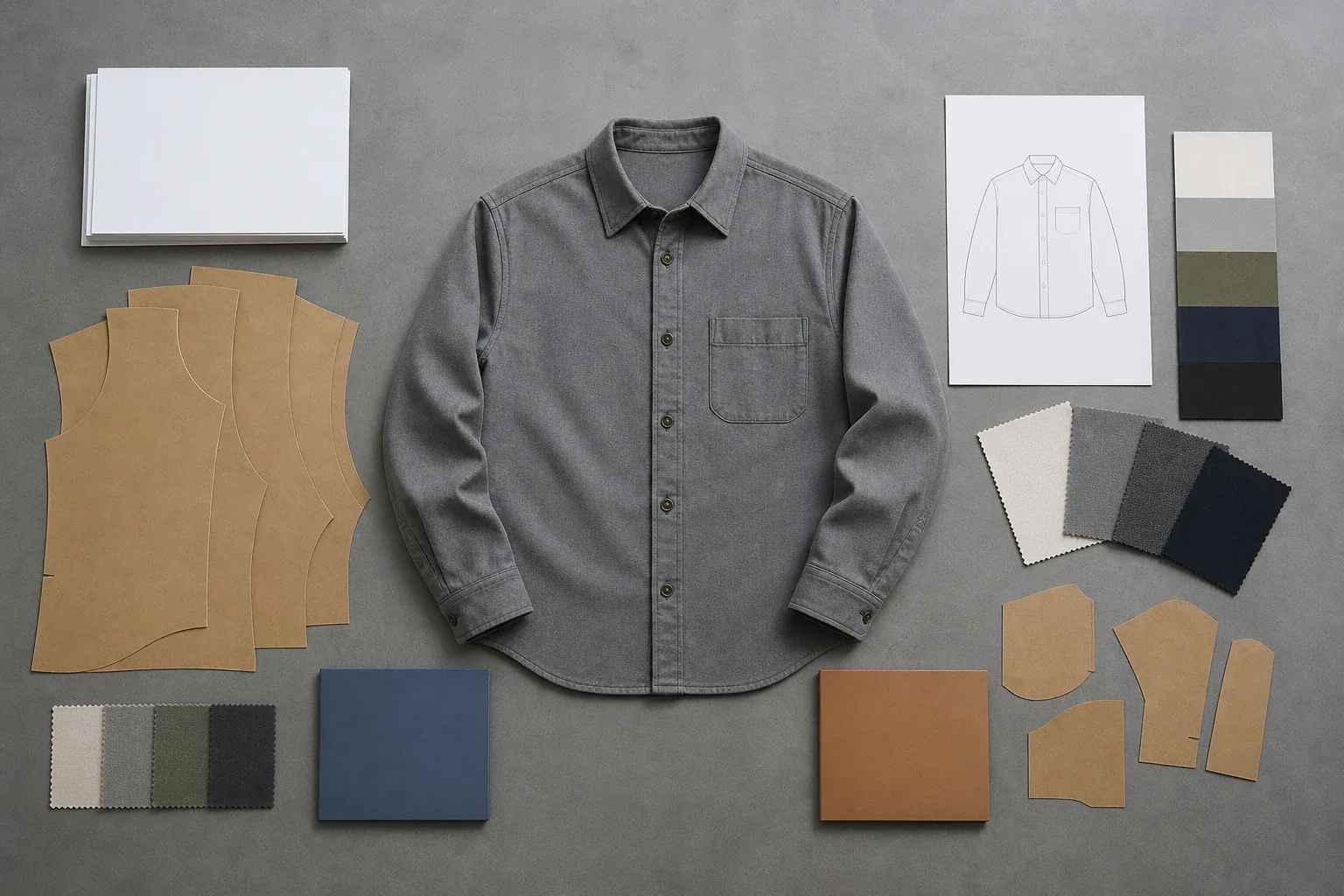
OEM vs ODM Clothing Manufacturing: Responsibilities and Inputs
OEM and ODM usually differ in where product design and development inputs originate. The label alone does not decide sourcing scope, IP rights, price, speed or exclusivity.
Read guide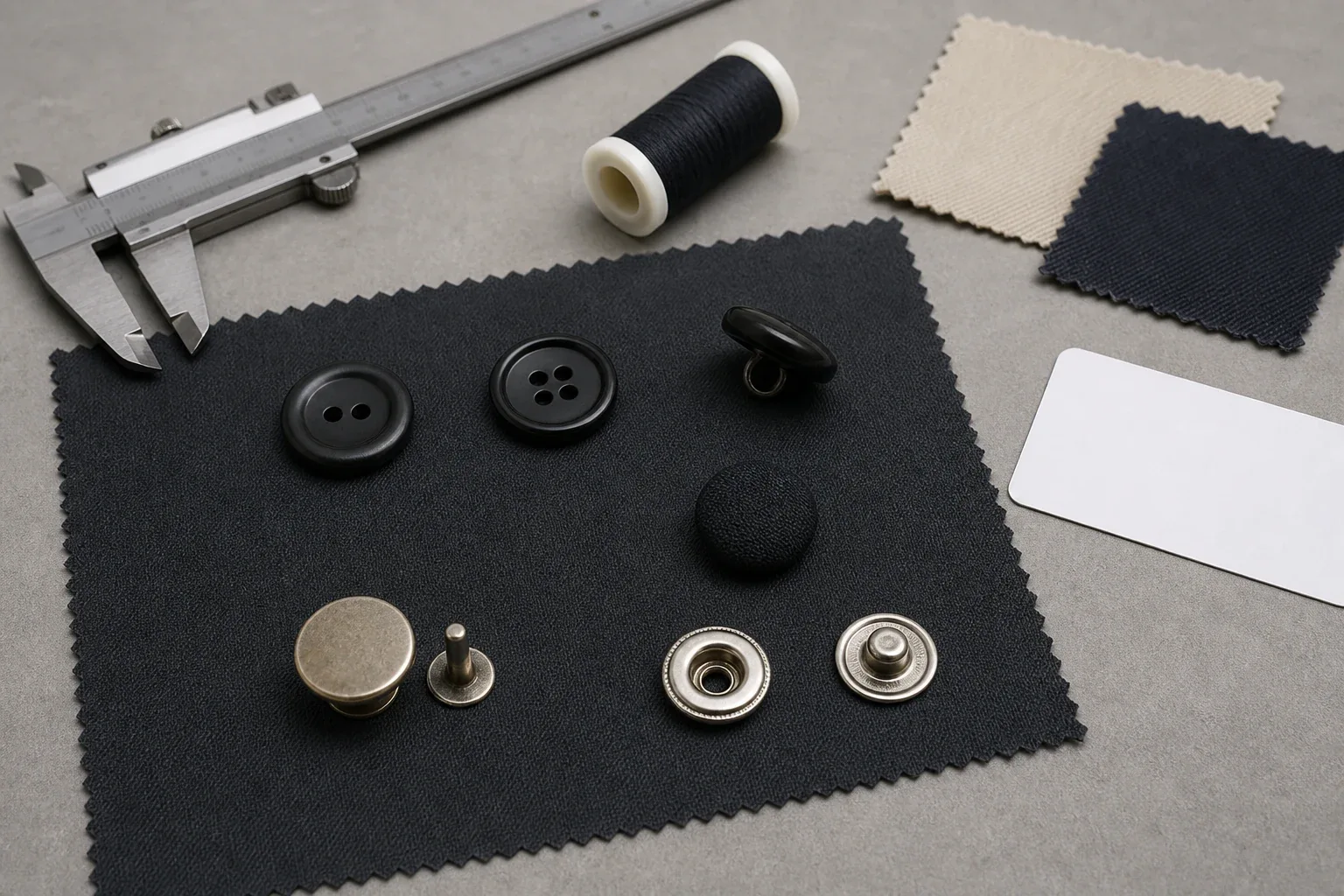
Types of Buttons for Clothing: A Brand Specification Guide
Sew-through, shank, tack and covered buttons differ in structure and attachment. Learn how to specify size, material, finish, thread, reinforcement and approval evidence.
Read guide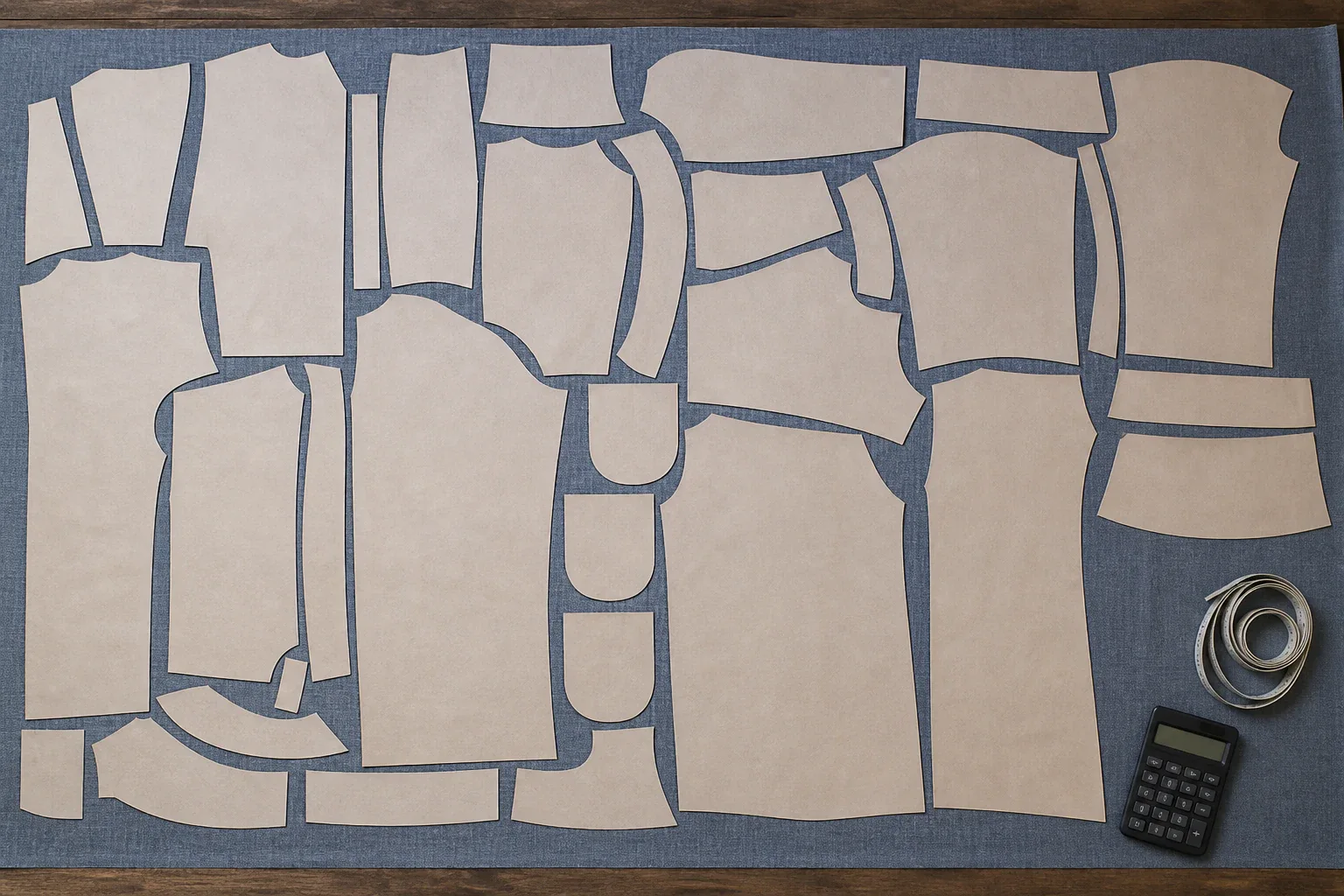
Garment Marker Efficiency: What Brands Should Ask About
Marker efficiency is meaningful only with its pattern set, usable width, length and direction constraints. Learn what a clothing brand should compare before approving fabric use.
Read guide