
Factory notes for custom apparel buyers
Practical guides for preparing briefs, comparing techniques and understanding the production decisions behind custom men's streetwear.
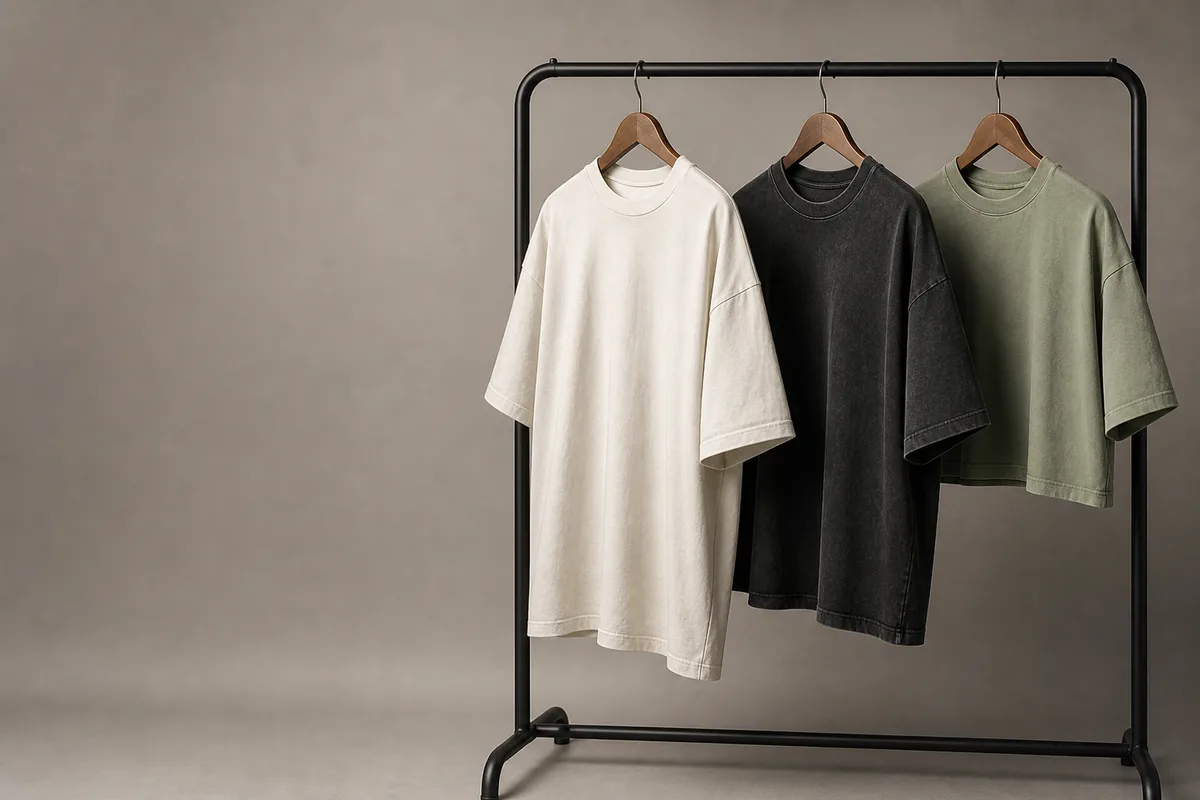
T-Shirt Fits Explained: Oversized, Boxy, Cropped and What to Spec Before Sampling
A precise T-shirt brief must align cut, fabric weight, neckline, and stitching because every construction choice is visible. This guide translates those decisions into factory-ready terms so the first sample matches the intended fit.
Read guide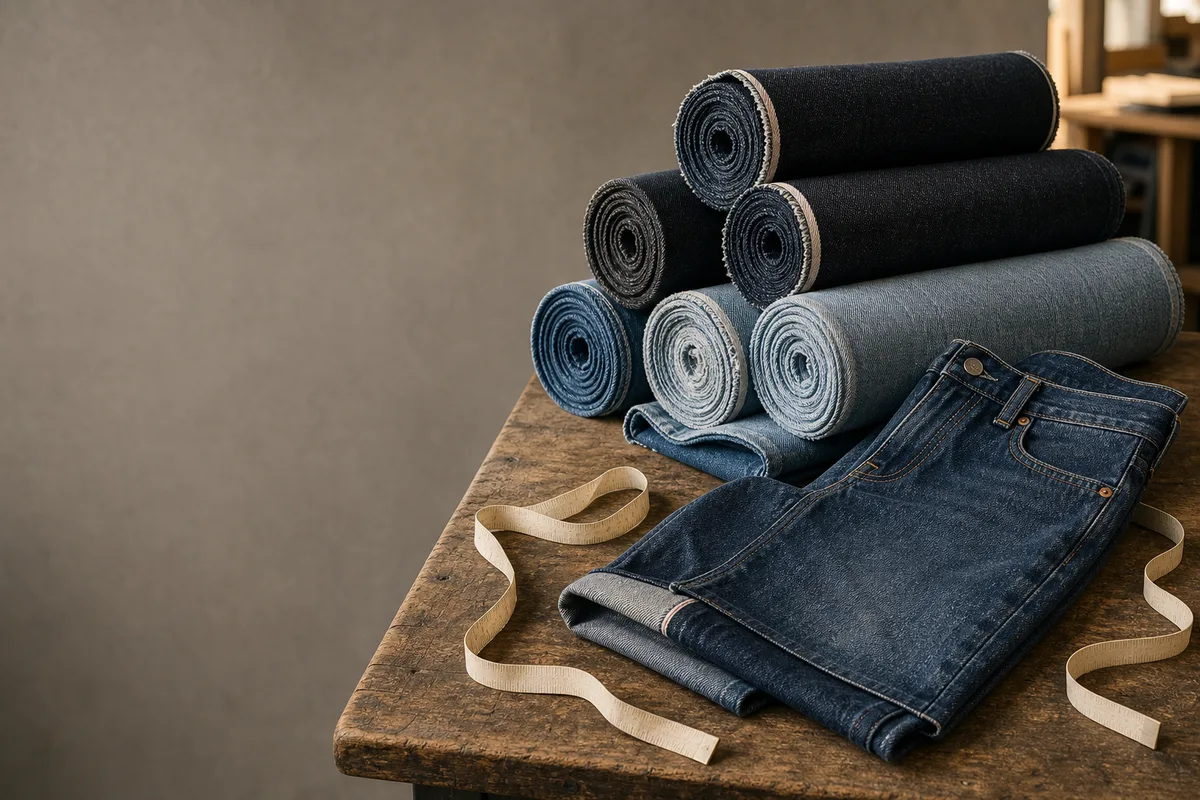
Denim Mills vs. Jeans Garment Factories: How to Choose
Denim sourcing can mean fabric mills, garment factories, vertically integrated groups, development houses or supplier platforms. Compare nine options by the service they publicly describe.
Read guide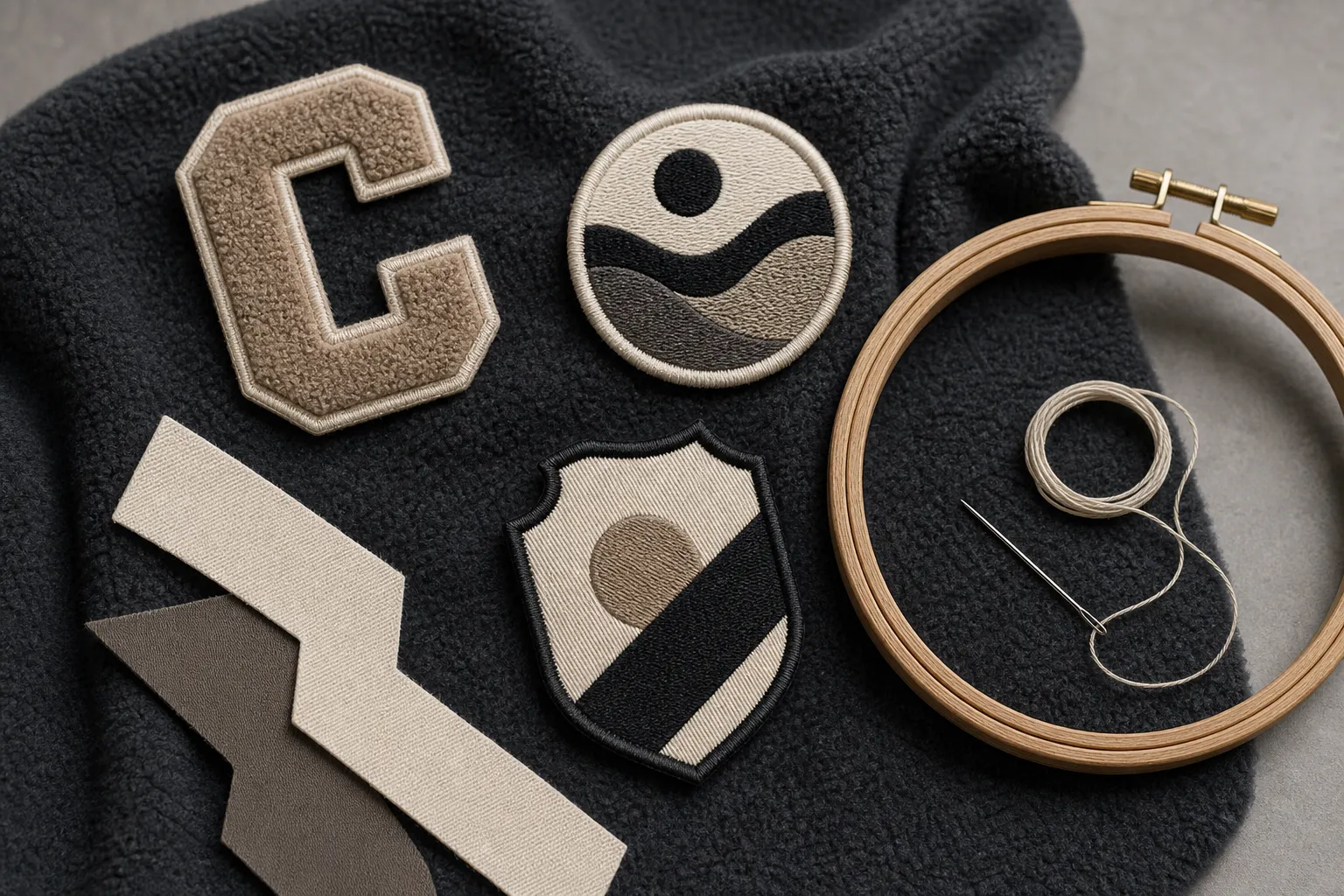
Patches and Appliqué: Dimensional Branding, from Chenille to Embroidered Badges
Embroidered patches, direct embroidery, appliqué and chenille compared — construction, attachment, cost logic and the one-pass spec for dimensional branding.
Read guide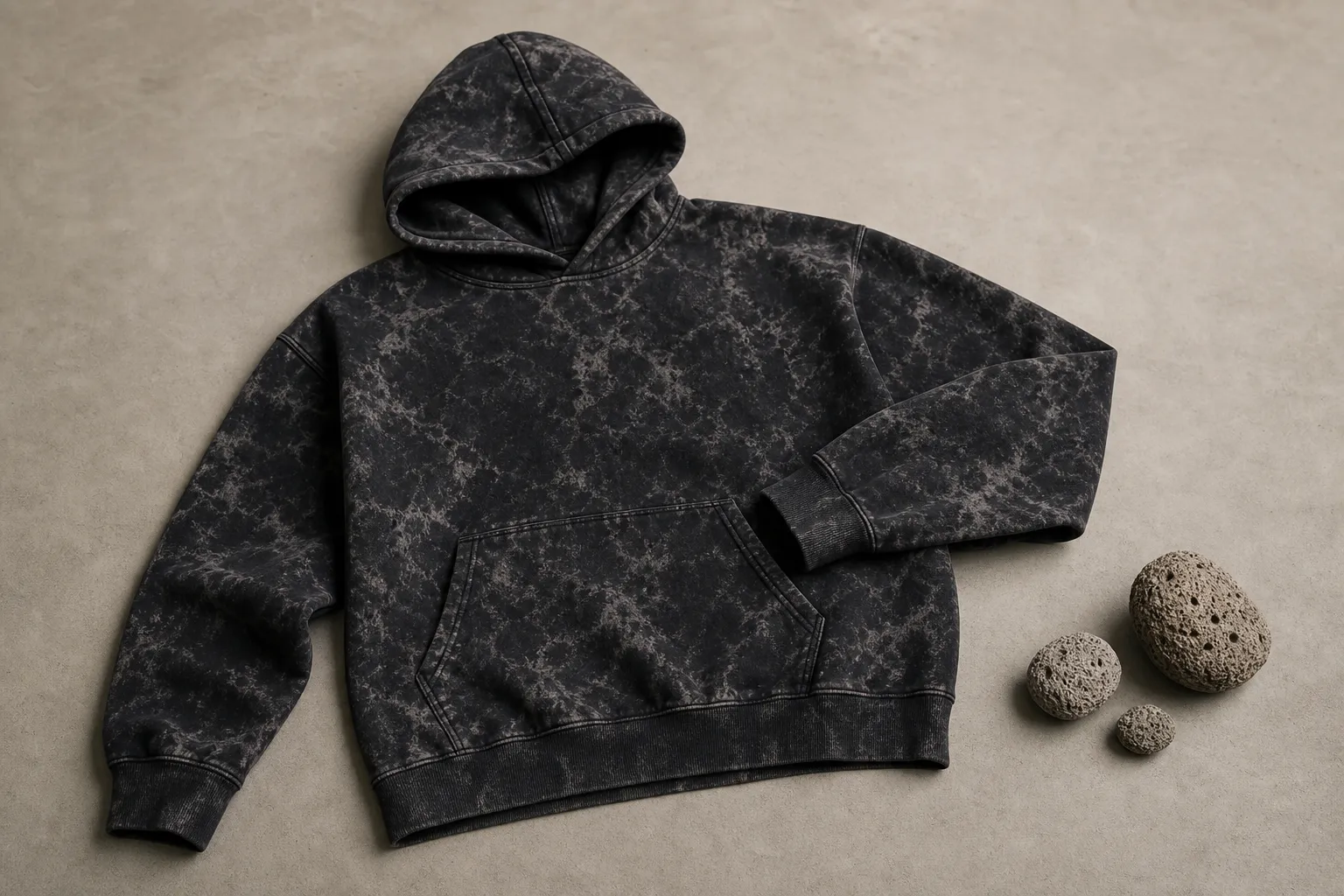
Acid Wash Beyond Denim: How the Effect Works on Hoodies and Tees
No acid involved: how the marbled effect is actually produced on fleece and jersey, why black bases win, and the four decisions that spec an acid wash correctly.
Read guide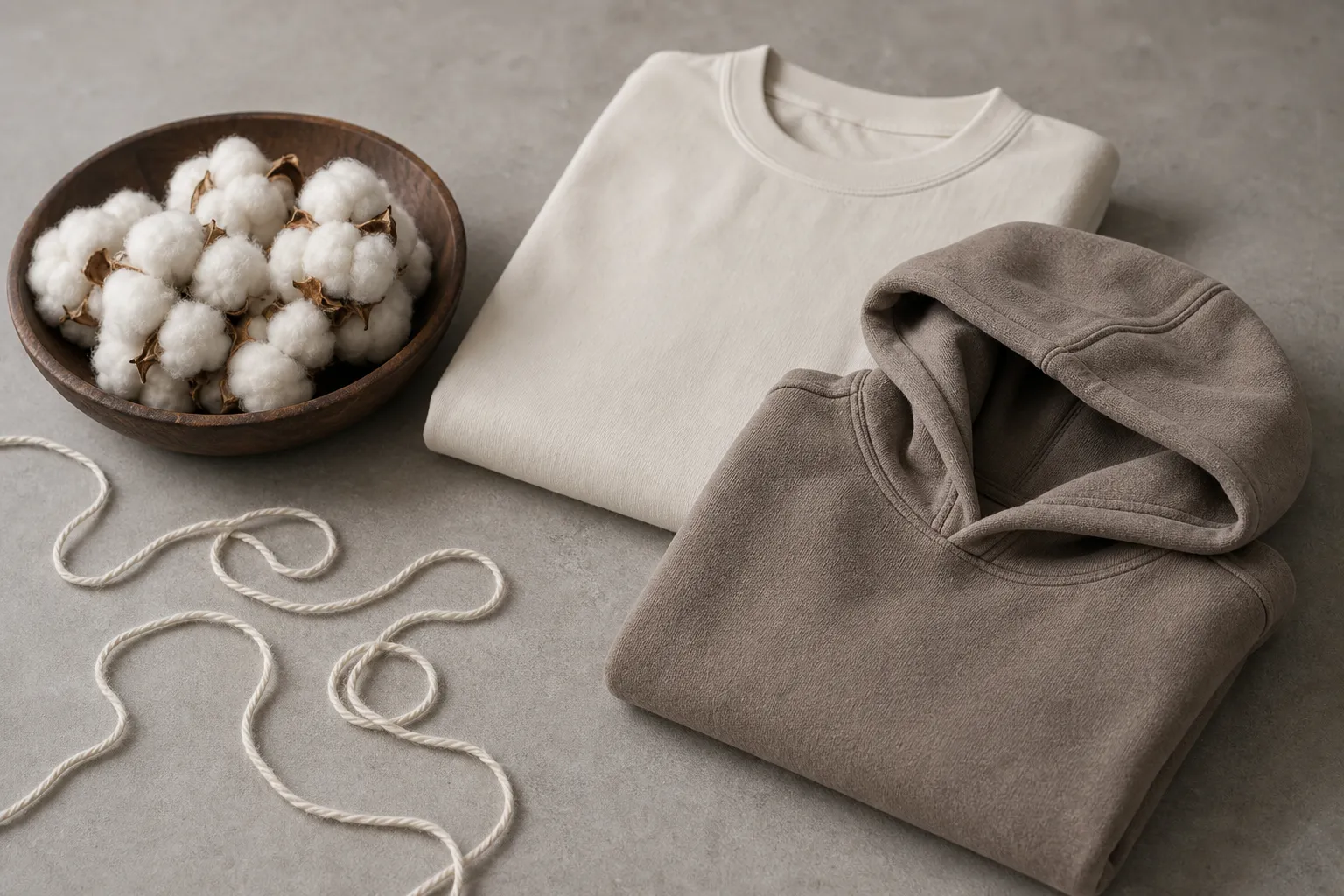
Does 100% Cotton Matter? Fiber Content Decisions for Streetwear
When 100% cotton is a technical requirement, when a blend serves the design better, and why fiber content is not a quality grade on its own.
Read guide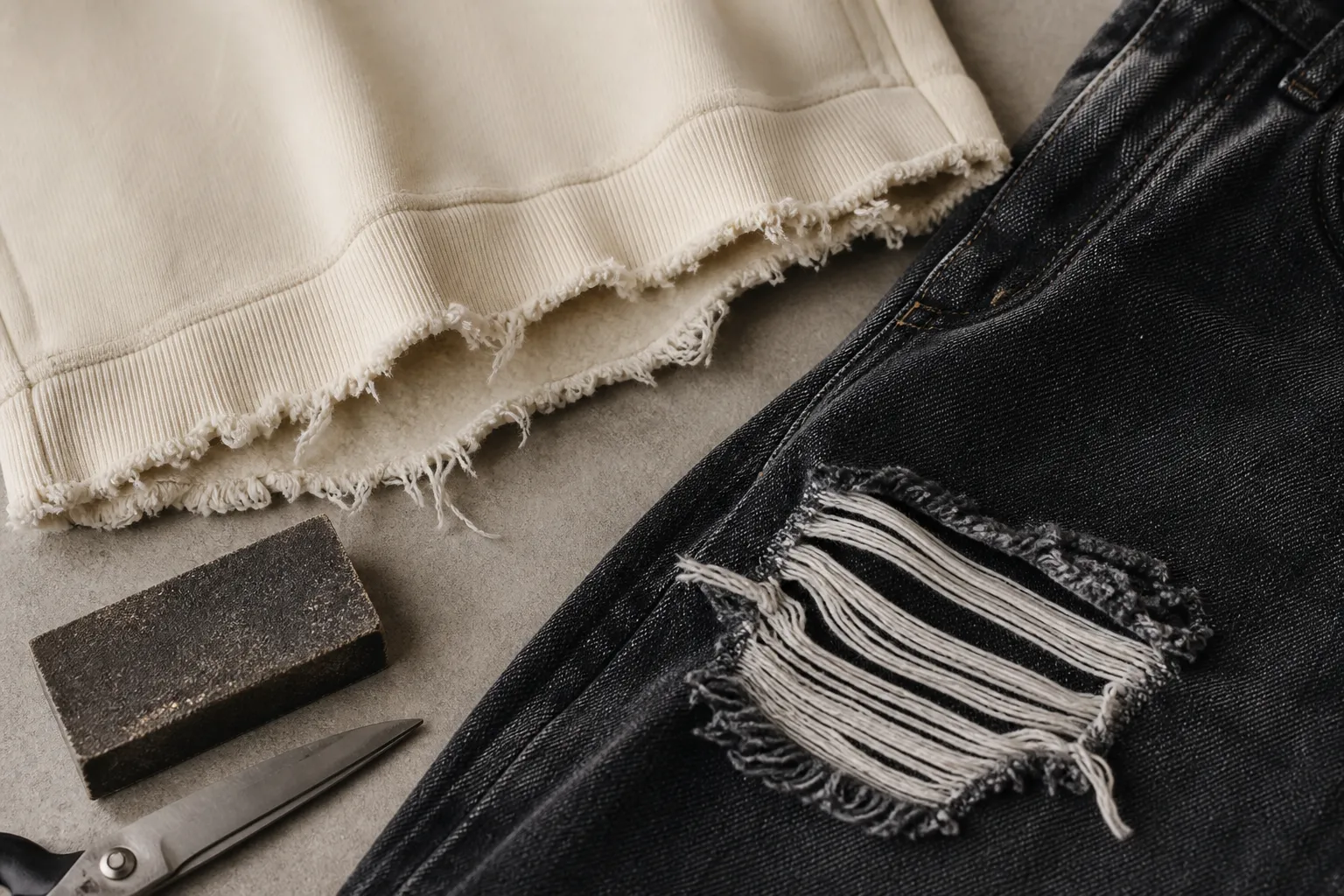
How Are Jeans Distressed? Rips, Raw Hems and Damage
Rips, raw hems, sanding and visible repairs — how factories distress jeans and streetwear step by step, what drives the cost, and how to spec damage that repeats across a run.
Read guide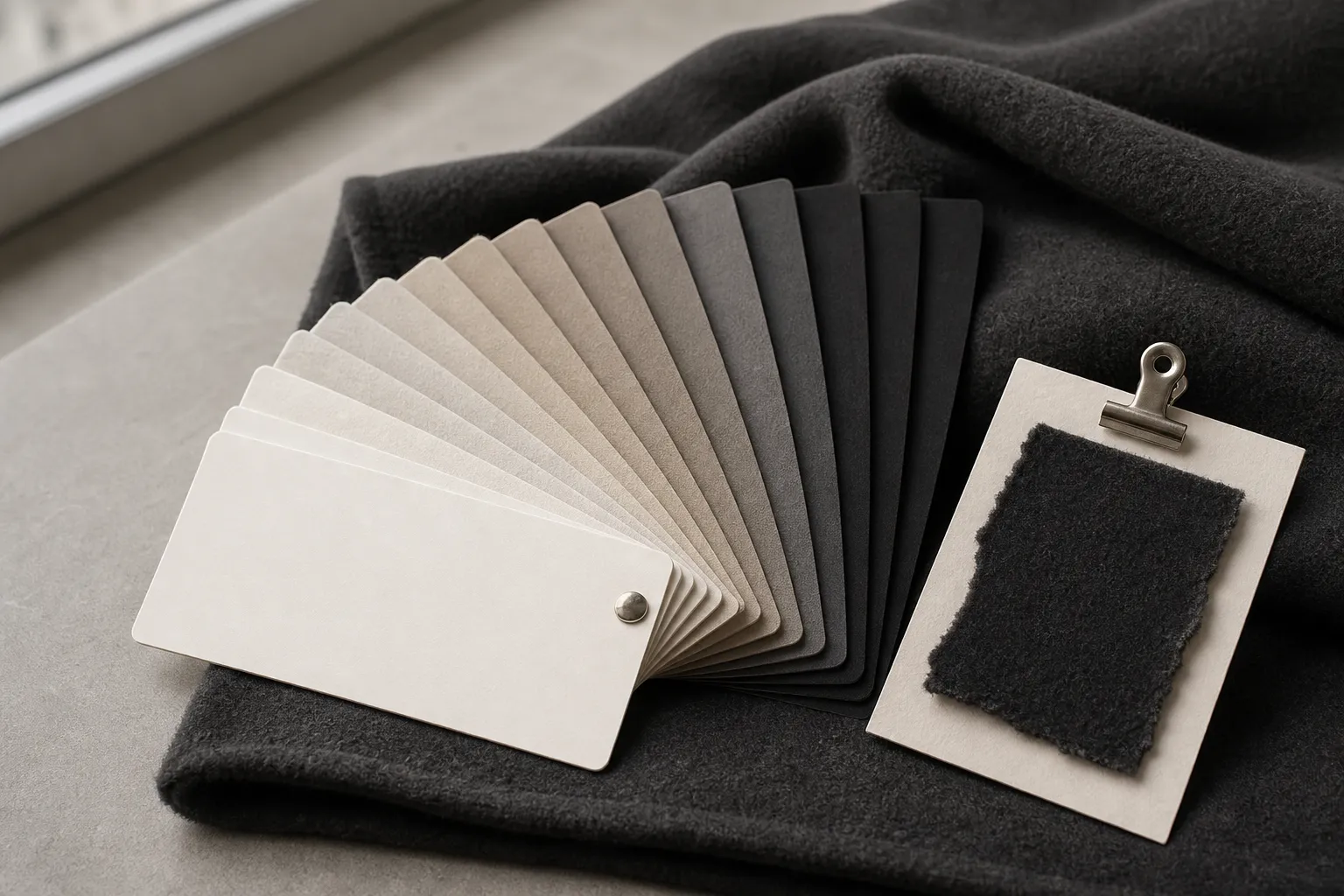
Why Your Black Isn’t My Black: How Color Actually Gets Locked in Garment Production
Screens lie and dye lots drift. How garment color really gets specified — physical references, Pantone, and a controlled sample check that locks it.
Read guide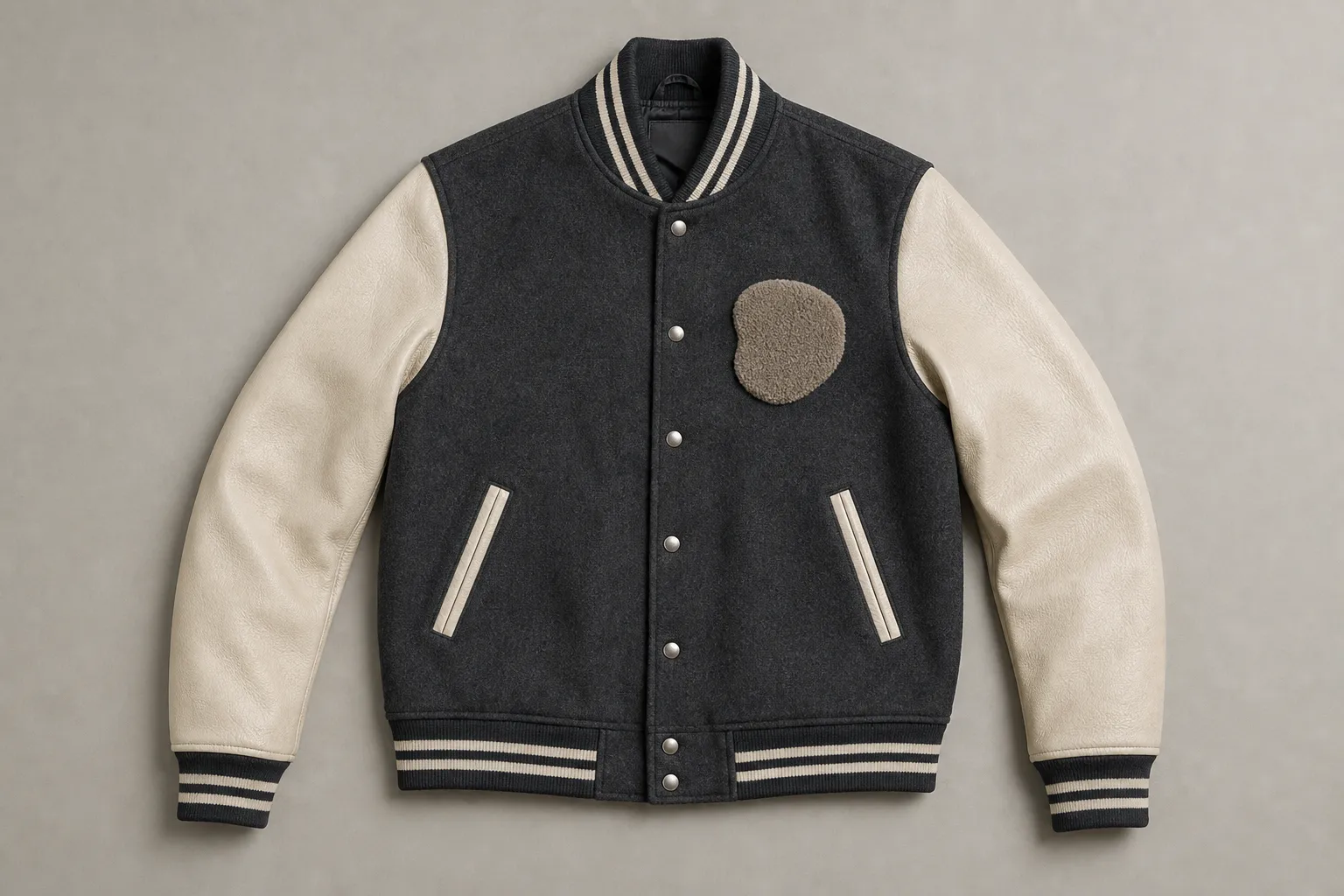
Custom Varsity Jackets: Construction, Materials and What to Spec Before Sampling
How varsity jackets are actually built — melton bodies, PU sleeves, chenille patches, custom ribbing — and the five-line brief that gets you an accurate quote.
Read guide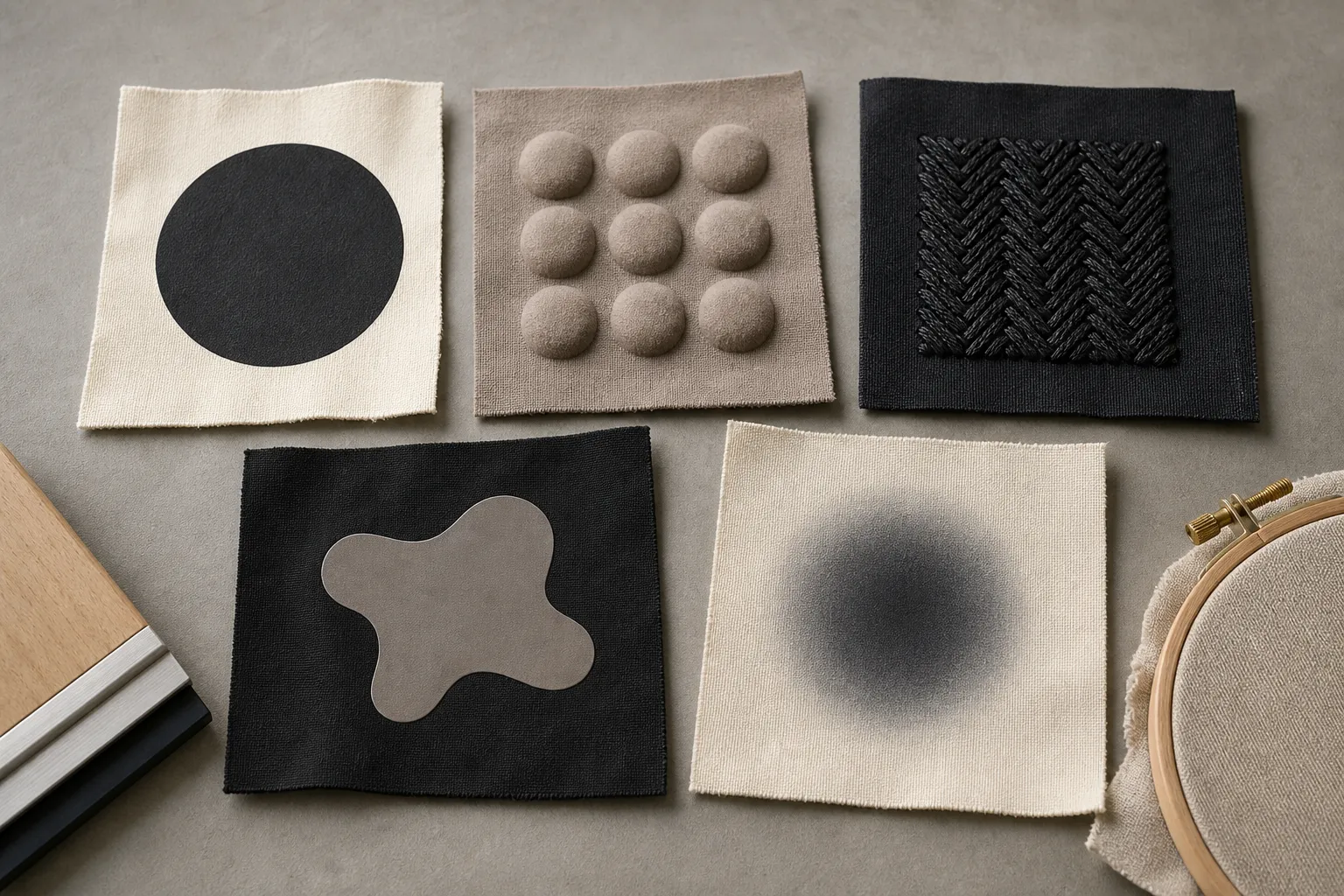
Screen, DTG, DTF, Puff or Embroidery: Choosing Your Method
The five decoration methods compared where it counts: the 24-piece cost crossover, a method-by-fabric matrix, color capabilities, and a decision tree — from the factory floor that runs all five.
Read guide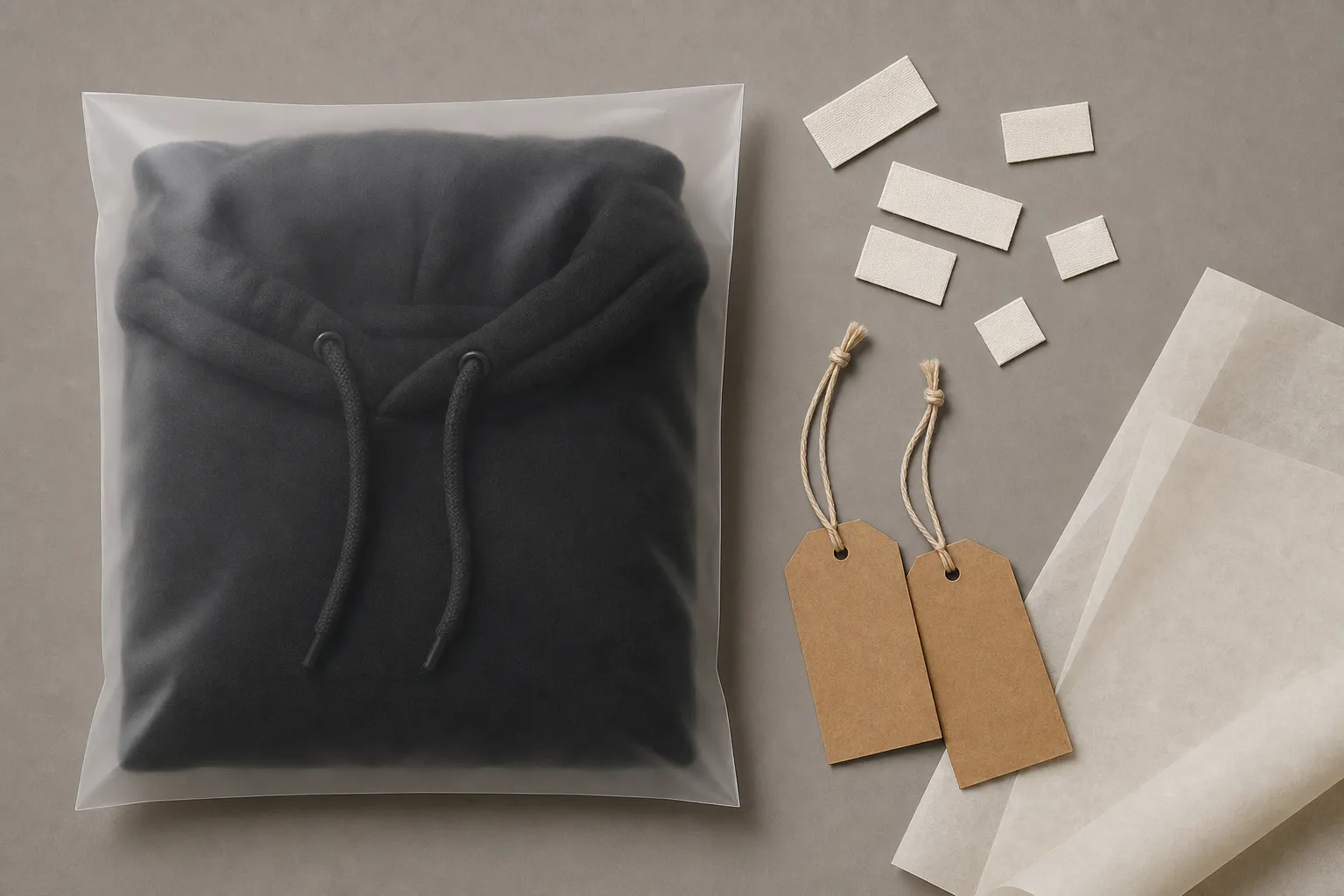
Private Label Packaging Guide: Control Unit, Inner and Carton Specs
Define a project-specific private label package and control every label, unit pack, optional inner pack and shipping carton without assuming a universal bundle.
Read guide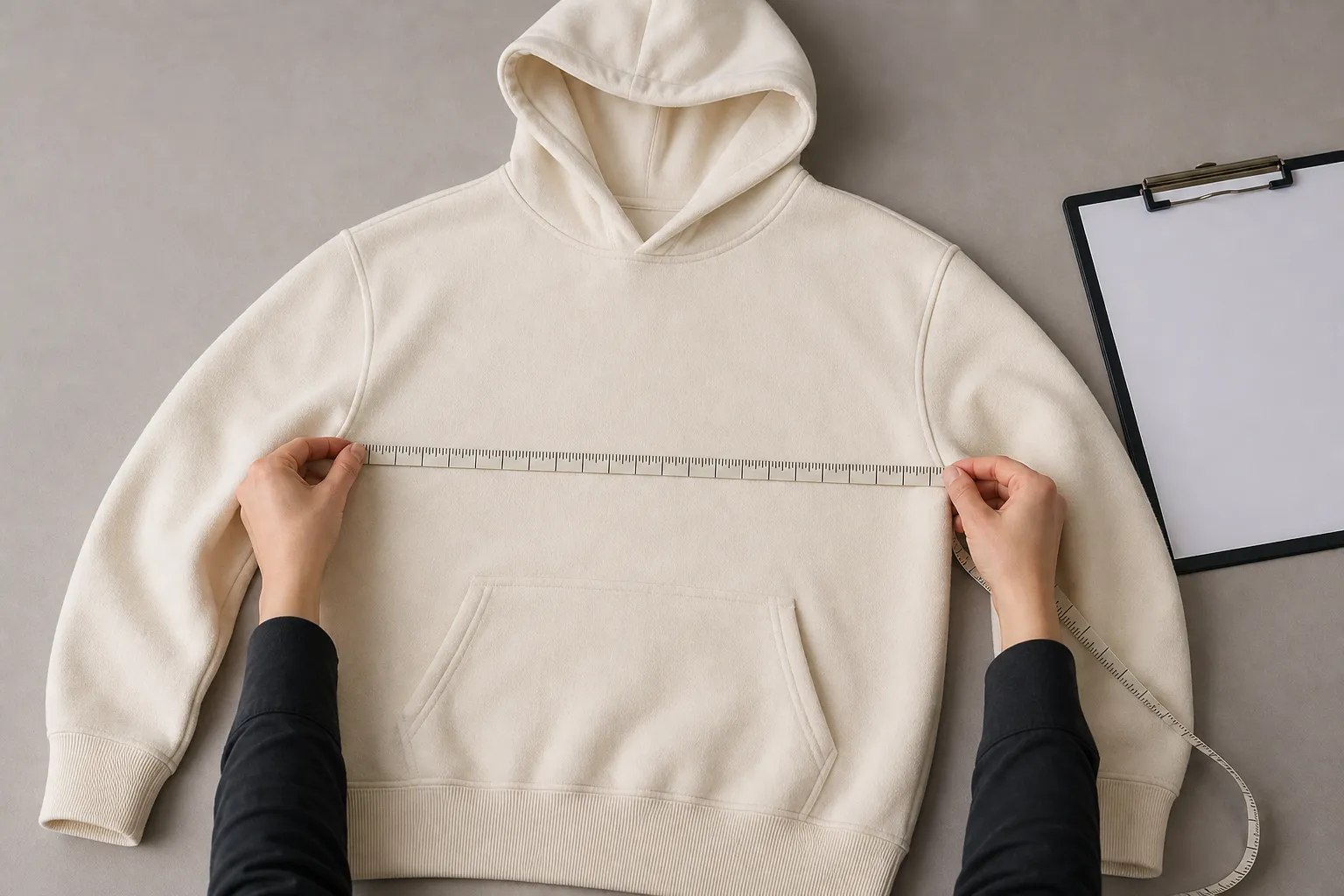
Garment Sample Approval Checklist: One Comment Sheet, One Revision Trail
Inspect a garment sample in 15 steps, then carry every measured, photo-linked comment through response, verification and closure without losing the history.
Read guide
FOB, EXW, CIF or DDP? Shipping Terms Decoded for First-Time Importers
Each shipping term is a handover point: who pays what and where risk transfers under EXW, FOB, CIF and DDP — and which fits a 50-300 piece first order.
Read guide
Building a Size Chart for Your First Collection: A Factory Walkthrough
Build a production-ready size chart from a reference garment: define every point of measurement, grade deliberately, set project-specific tolerances, and carry the approved fit into bulk.
Read guide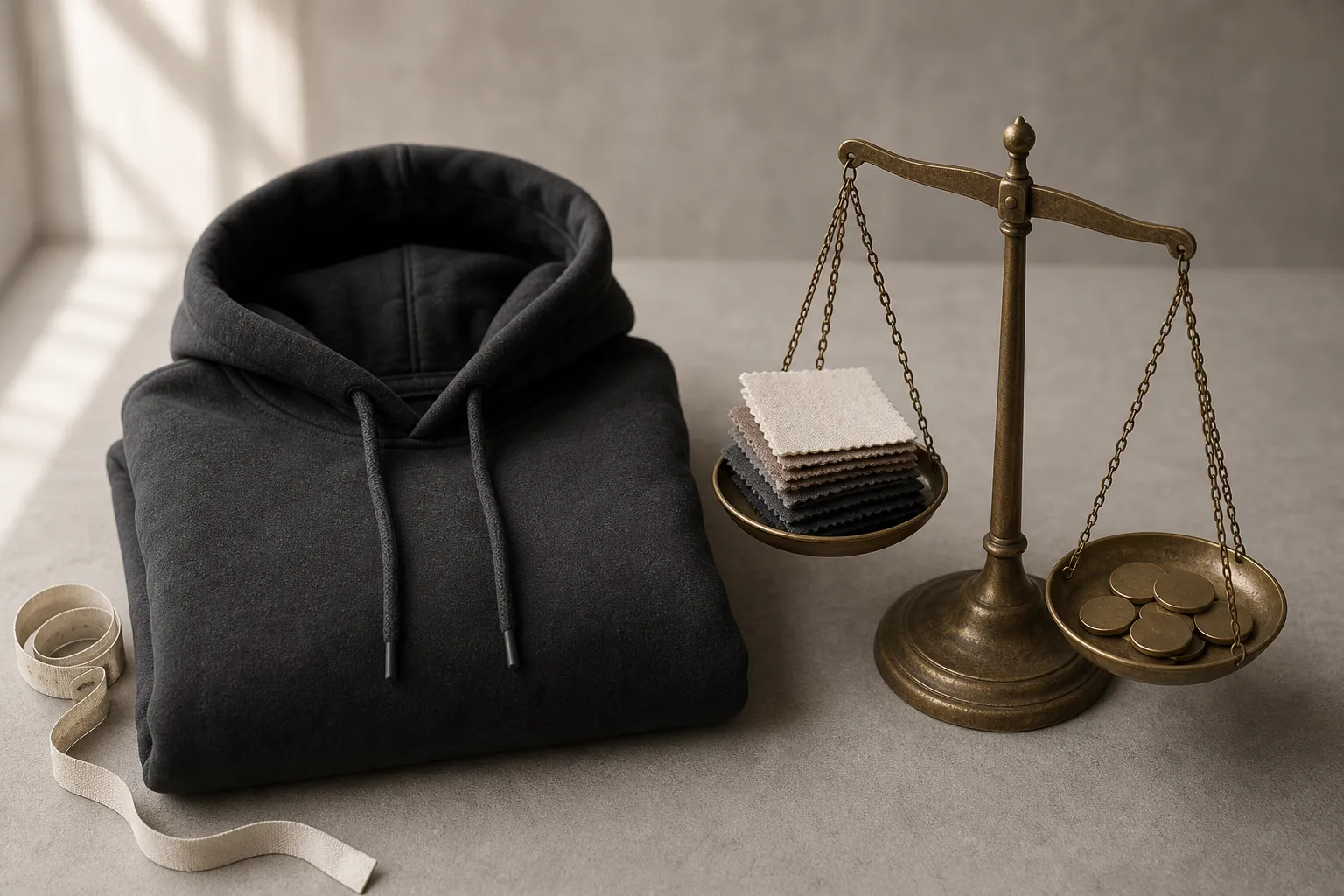
Why Factory Quotes Differ So Much: How to Read a Custom Clothing Quote
Three factories, three prices for the same hoodie. Normalize inclusions, assumptions, delivery terms and total cost before choosing a supplier.
Read guide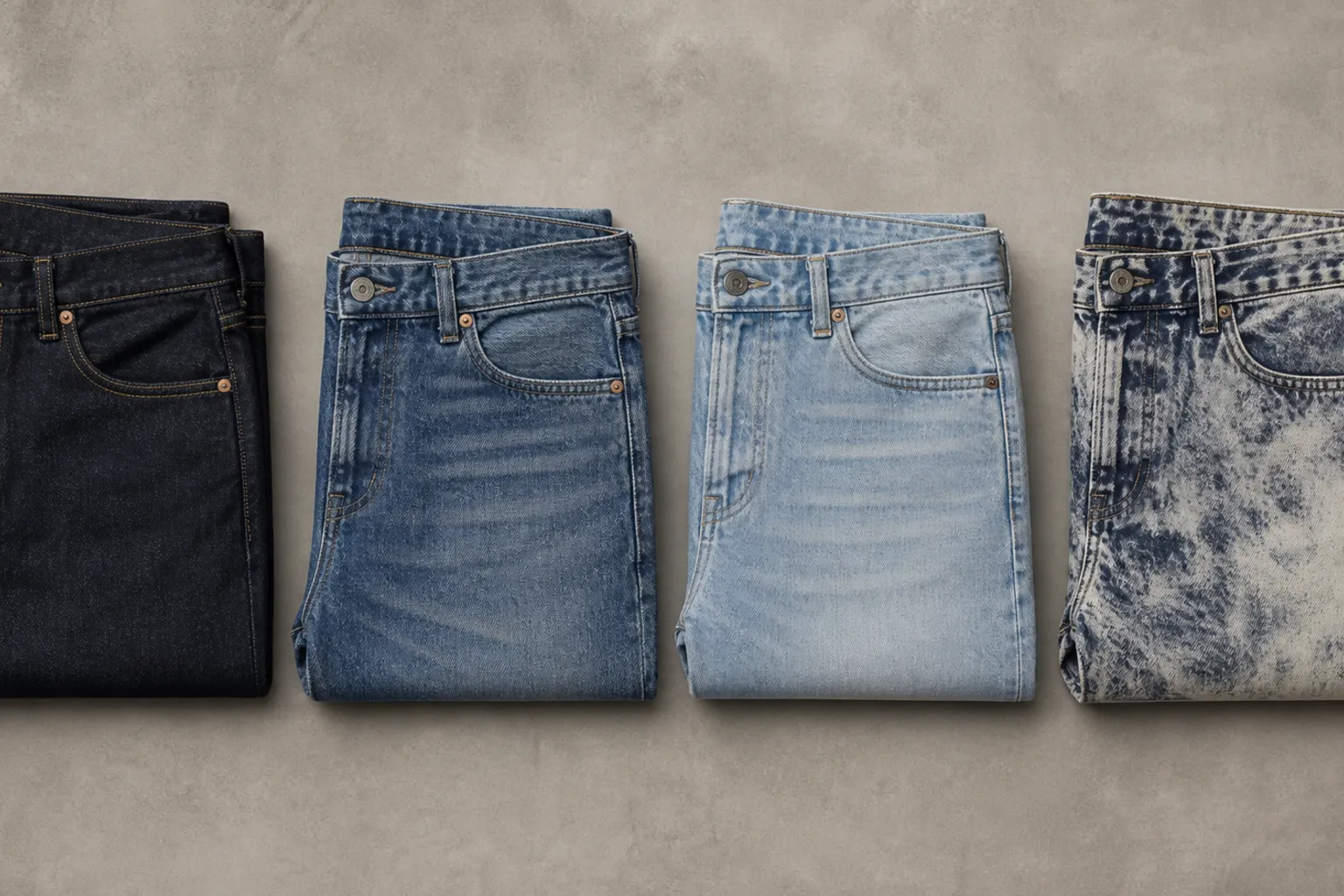
Denim Washes Explained: Stone, Enzyme, Acid and Sun-Fade — and How to Approve Them
What stone, enzyme, acid and sun-fade washes actually do to denim, why washed pieces vary by nature, and how to spec a wash so the sample lands close.
Read guide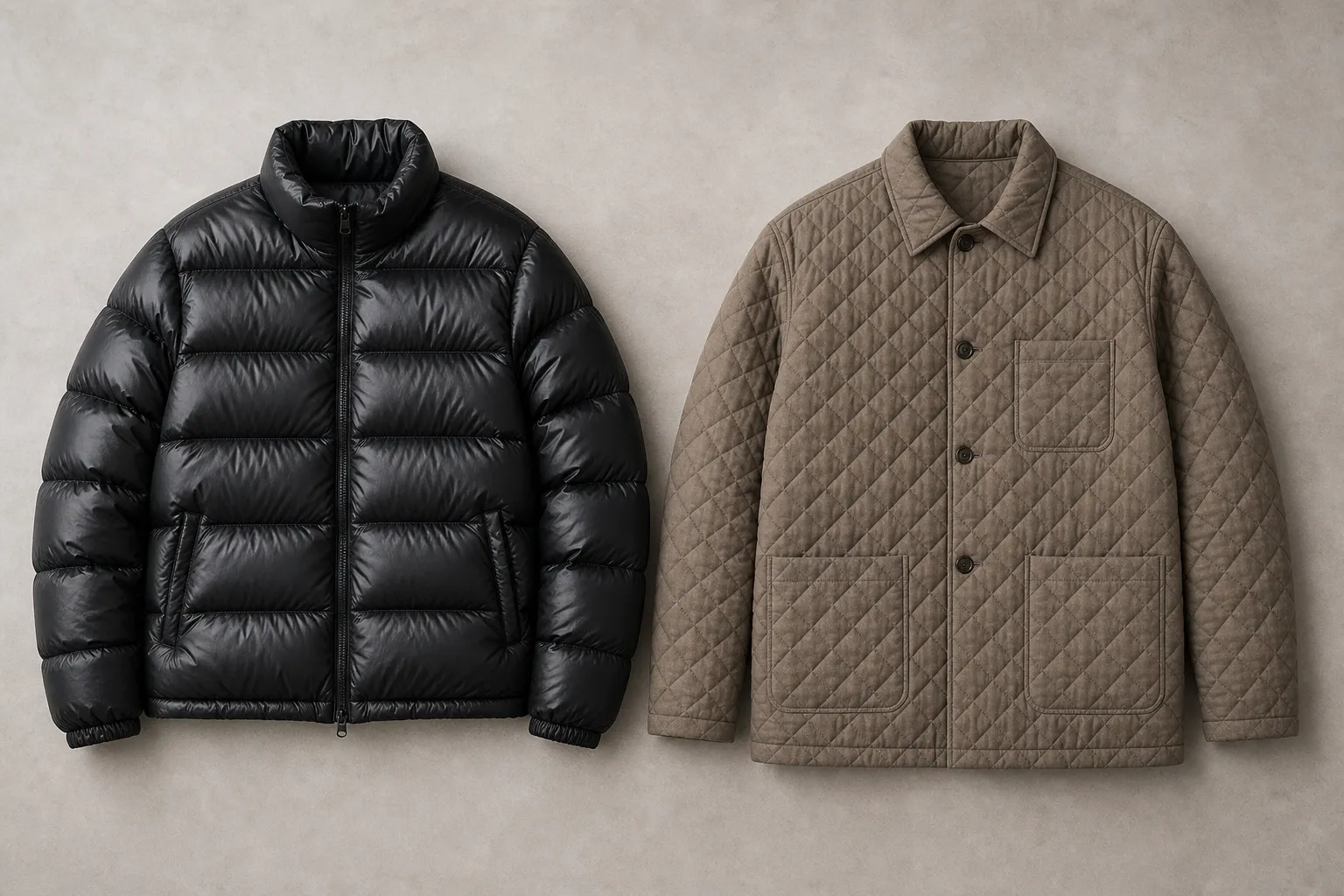
Down vs. Padded Jackets: A Factory Comparison for Streetwear Brands
Down versus padded construction compared from the production side — cost logic, baffles versus quilting, and why the oversized puffer look usually does not need down.
Read guide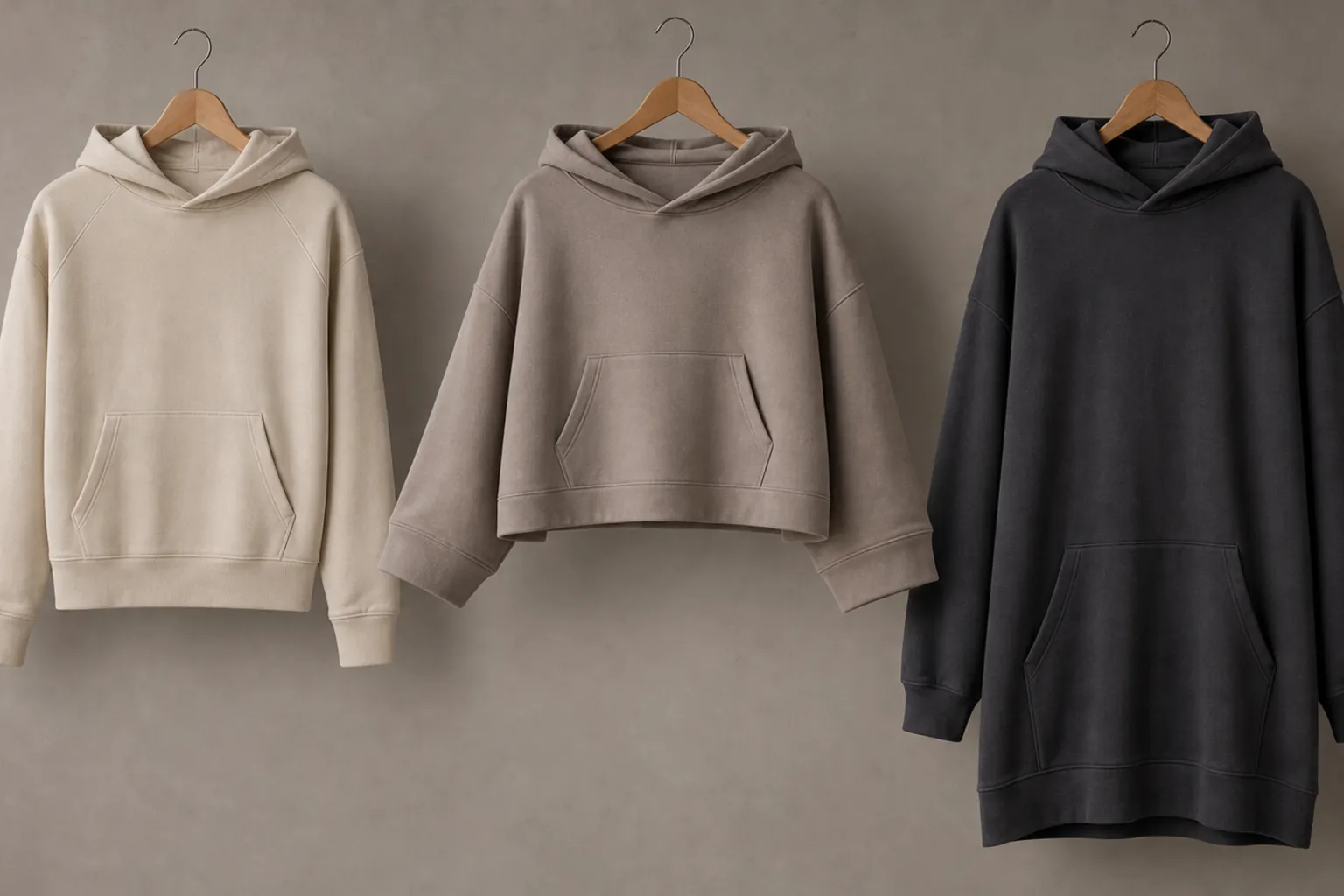
Hoodie Fits and Construction Explained: What to Spec Before Sampling
Oversized, boxy, drop-shoulder, cropped — defined by measurements, not vibes. A factory guide to speccing hoodie fit, construction and fabric face before sampling.
Read guide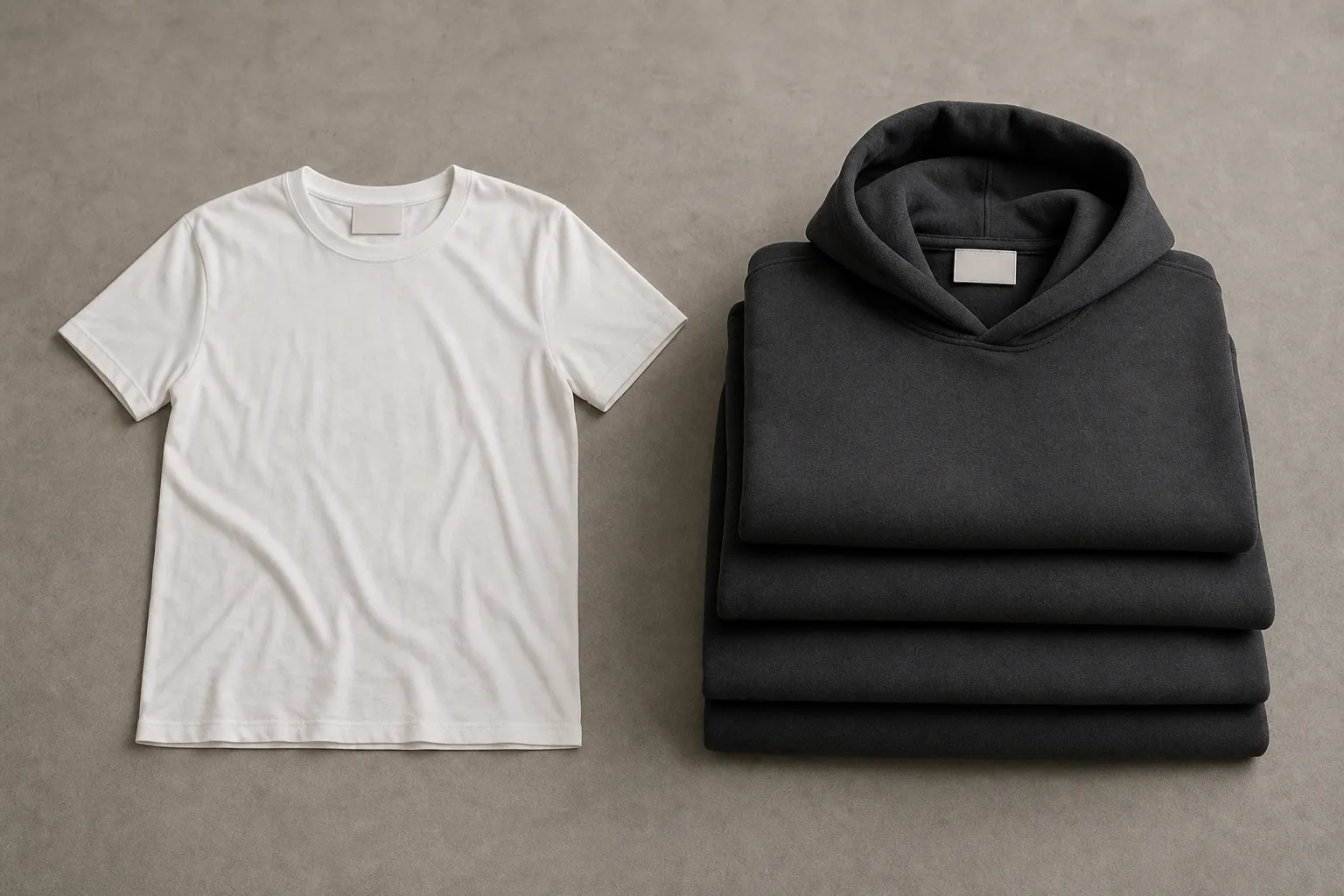
Print-on-Demand vs. Cut-and-Sew: When Should Your Brand Switch to a Factory?
A practical comparison of print-on-demand and cut-and-sew: how to compare costs, where custom manufacturing changes the product, and a three-question switching test.
Read guide
Top 10 Hoodie Manufacturers for Brands in 2026 — Blanks, POD and Cut-and-Sew Compared
Blanks, print-on-demand and cut-and-sew hoodie manufacturers compared honestly, with the 700 gsm heavyweight trend explained from the factory floor.
Read guide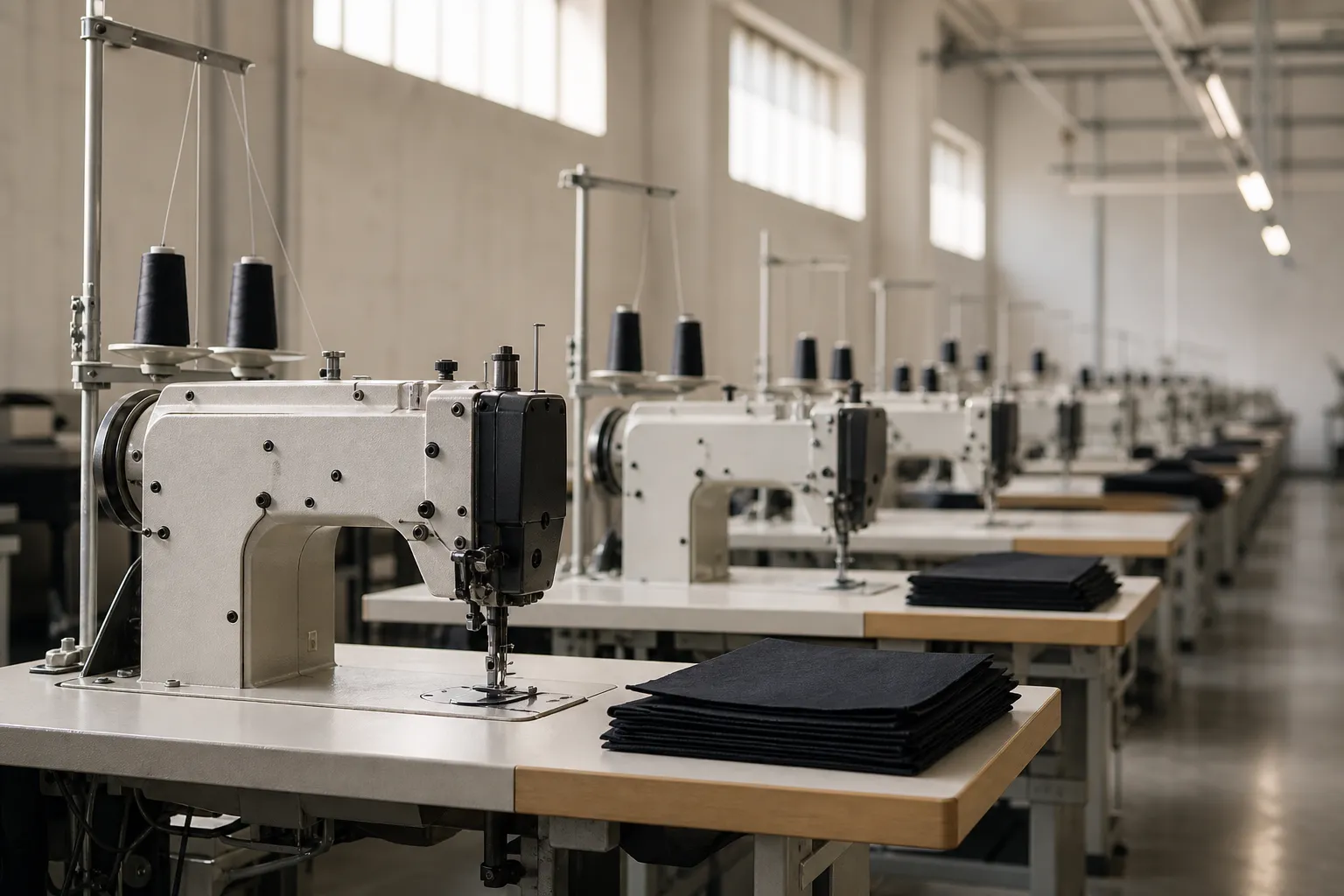
Top 10 Streetwear Manufacturers for Independent Brands (2026)
A working comparison of ten streetwear manufacturers — POD services, US and UK studios, and Chinese cut-and-sew factories — sorted by the stage of brand each one actually fits.
Read guide
What Determines Clothing MOQ? A Buyer Input Guide
MOQ starts at 50 pieces; the final minimum varies by product, fabric, wash and customization. Build the input matrix needed for a project-specific answer.
Read guide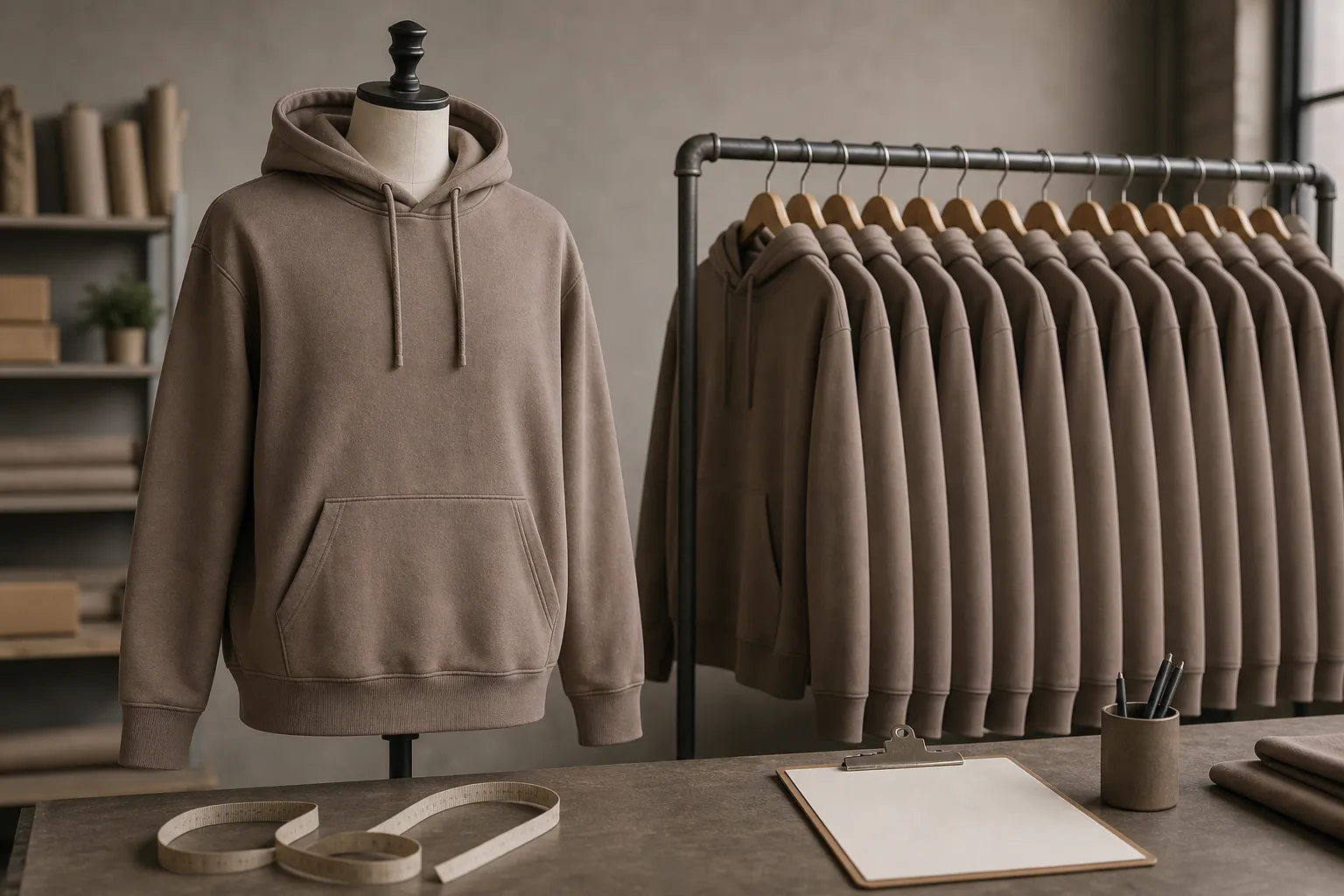
From Sample to Bulk: Realistic Apparel Production Timeline
Plan a custom apparel timeline as linked decision gates: confirmed inputs, sampling, review, bulk readiness, production, quality release and project-specific shipping.
Read guide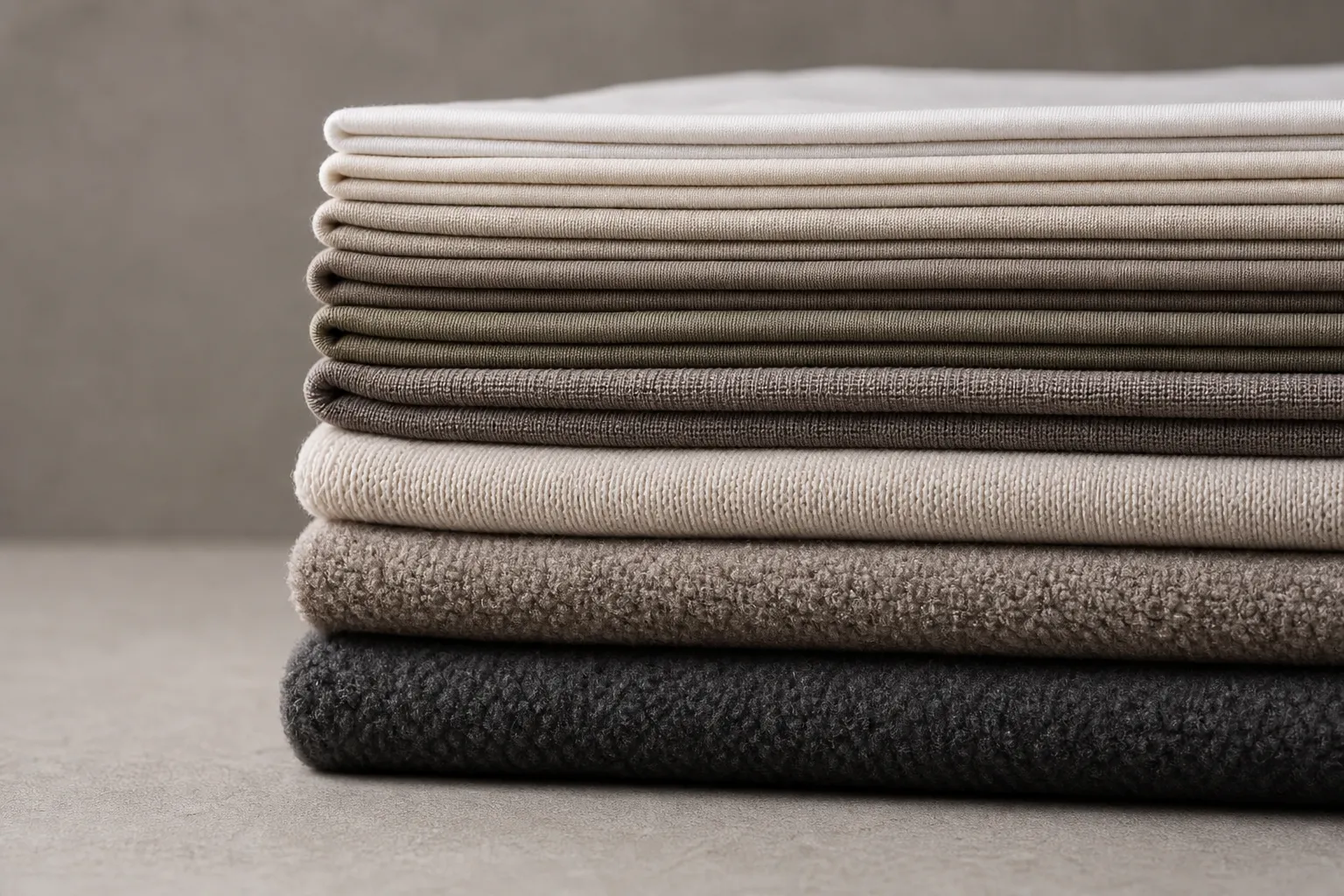
Fabric Weight (GSM) Guide for Streetwear: 180-500 GSM
GSM measures finished fabric mass per area—not thickness, quality or finished garment weight. Compare candidate fabrics fairly, estimate component mass, and approve the actual garment sample.
Read guide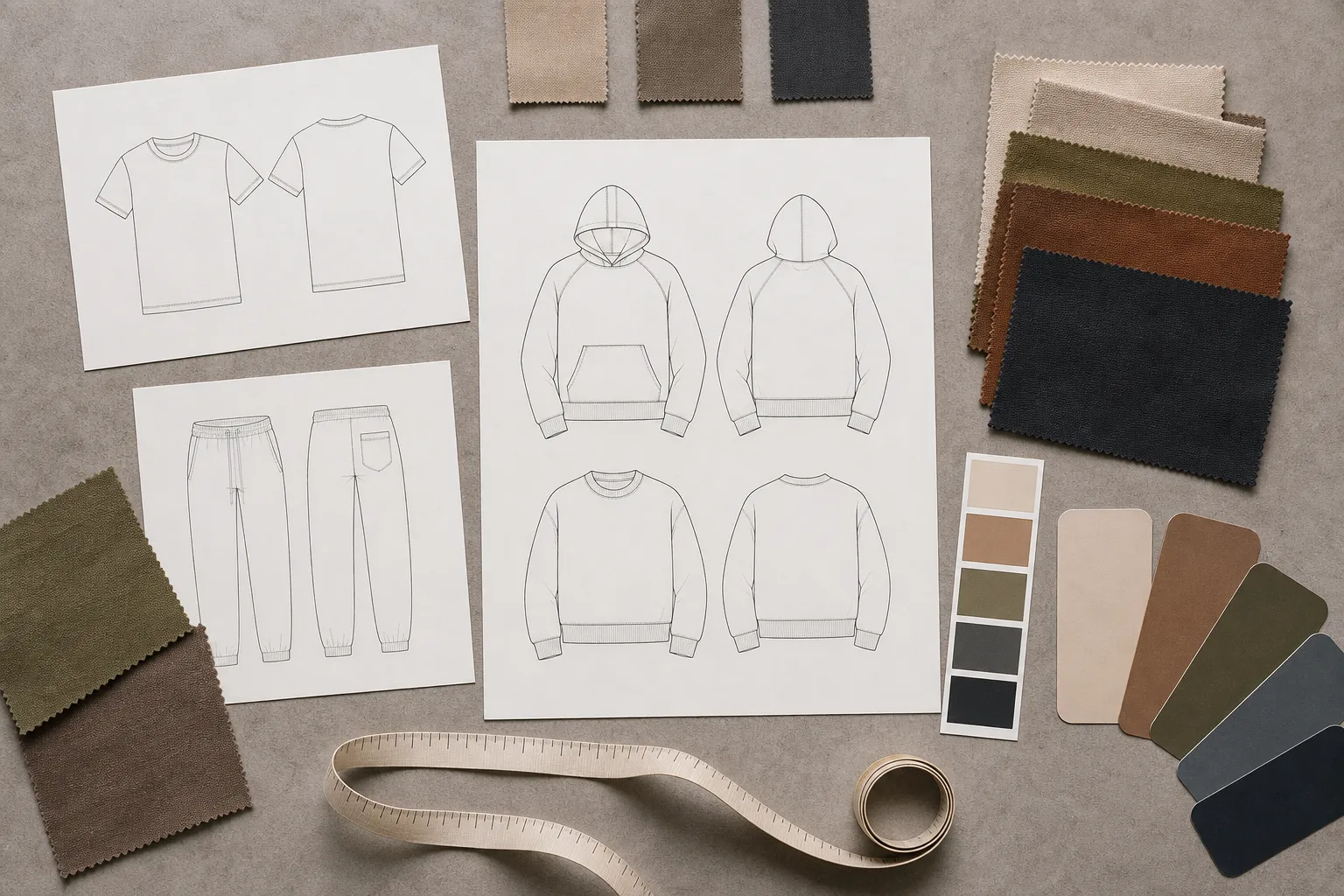
How to Prepare a Tech Pack a Factory Can Actually Quote
What to send a clothing manufacturer for a usable quote—and how to keep one approved tech-pack revision controlling every later sample and production change.
Read guide