
Factory notes for custom apparel buyers
Practical guides for preparing briefs, comparing techniques and understanding the production decisions behind custom men's streetwear.
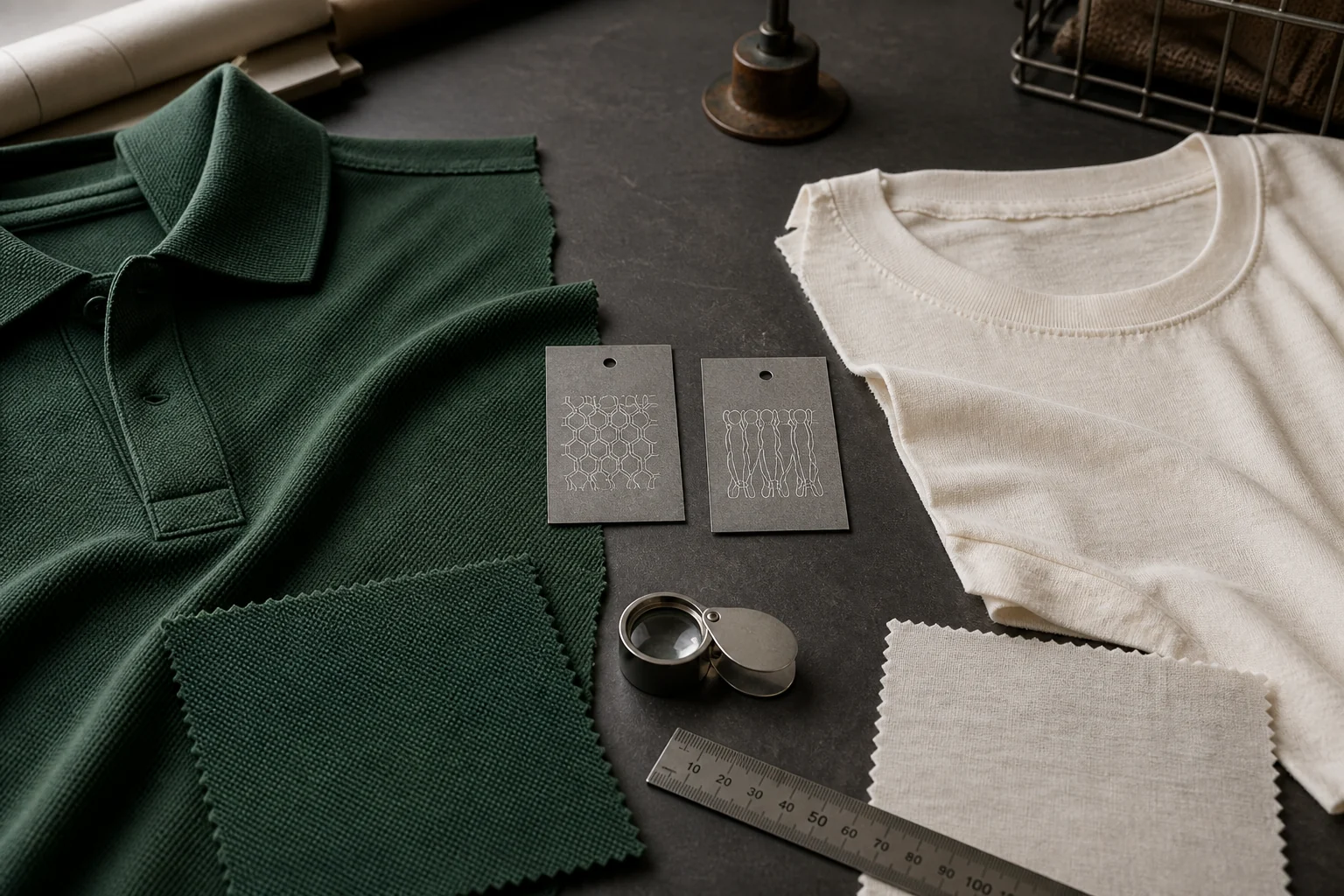
Pique vs Jersey Fabric: Choosing Knit for Polos and T-Shirts
Pique and jersey are knit structures, not quality grades. Compare their surface, drape, decoration behavior, and approval tests before assigning either fabric to a polo or T-shirt program.
Read guide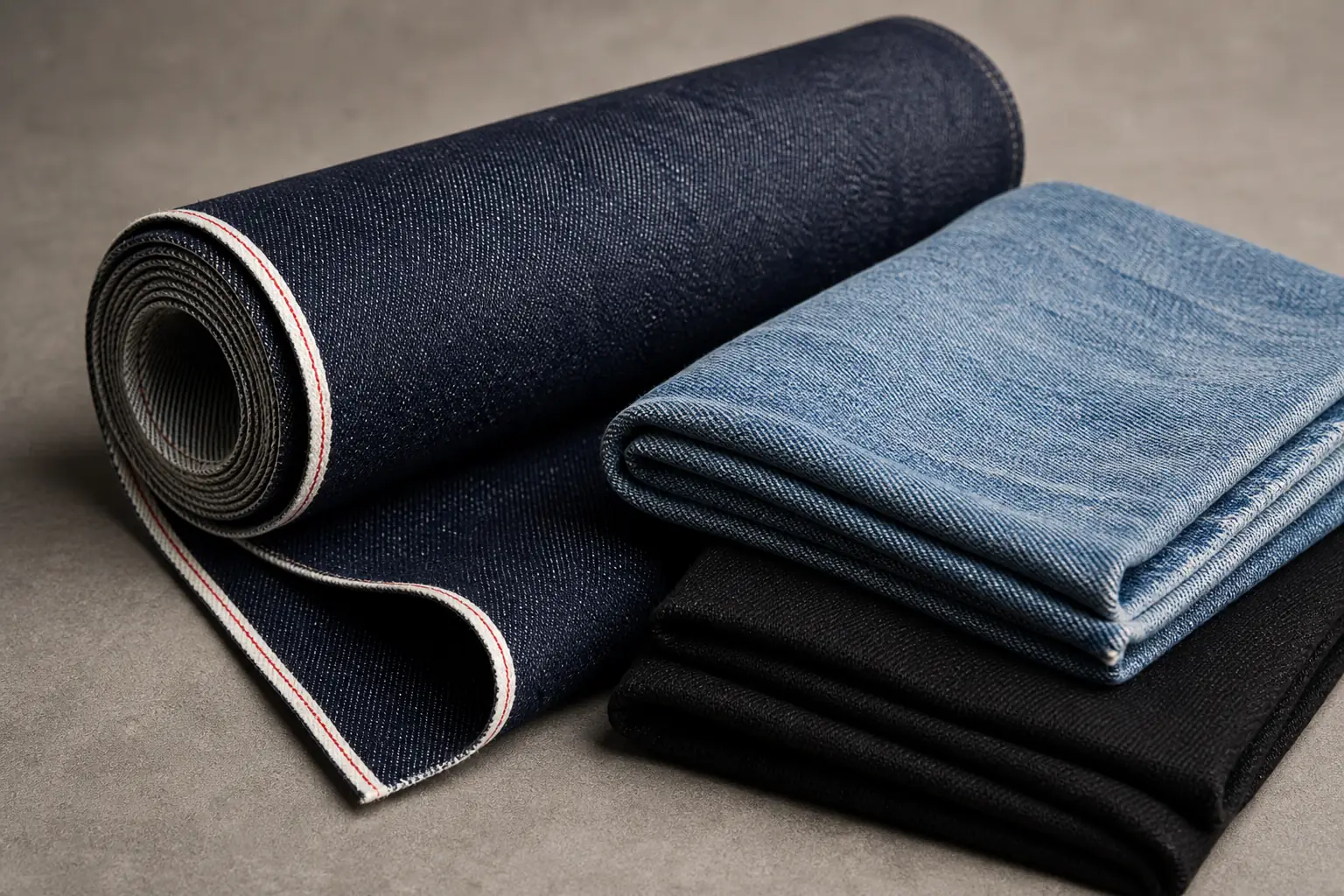
Types of Denim Fabric: A Factory Guide to Reading the Cloth
Every denim is one cloth with five decisions layered on it: raw or washed, sanforized or unsanforized, selvedge or wide-loom, rigid or stretch, and the dye route. A factory guide to the types of denim fabric and what each choice changes on the cutting table.
Read guide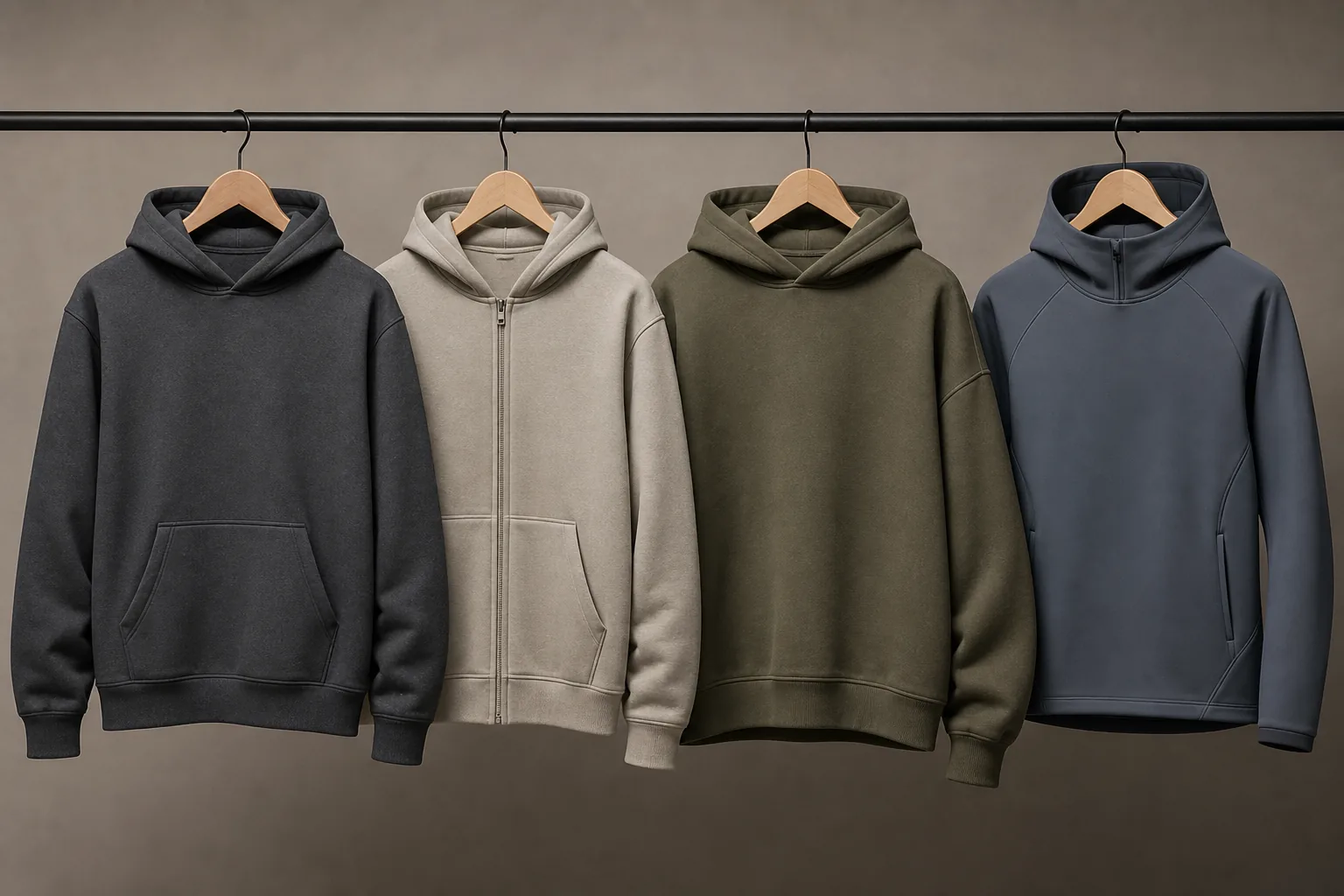
Types of Hoodies: A Factory Guide to Closures and Style Families
Choose a finished hoodie by closure, silhouette and use case: pullover, full-zip or quarter-zip, then standard, oversized, boxy cropped, heavyweight, athletic or sleeveless.
Read guide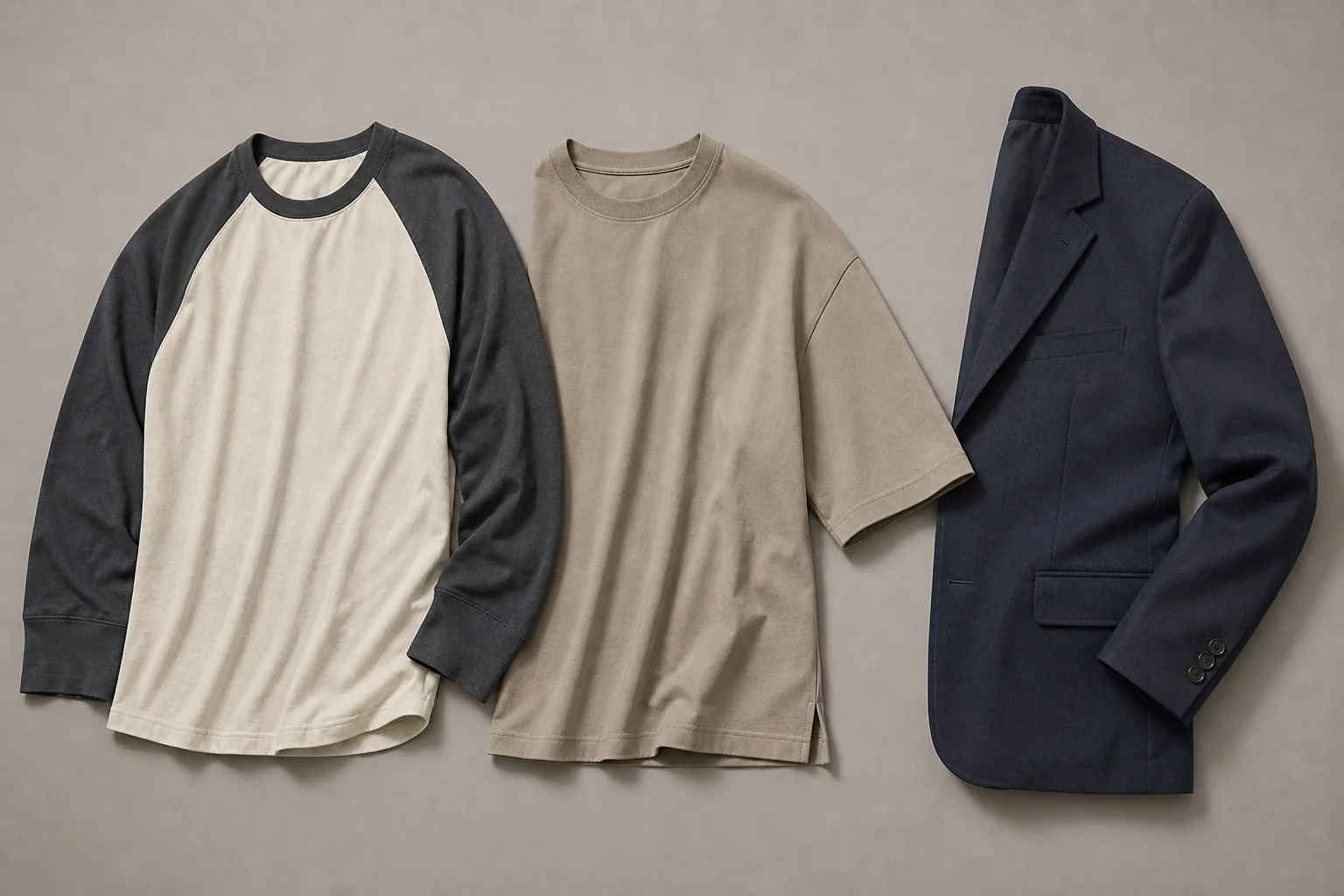
Types of Sleeves: A Factory Guide from Set-In to Bell
Nearly every sleeve ever sewn is three decisions: how it joins the body, how much volume the shape carries, and how it ends at the wrist. The sleeve types worth knowing by name, from set-in and raglan to bishop and bell, and what each one asks of the pattern room and the sewing floor.
Read guide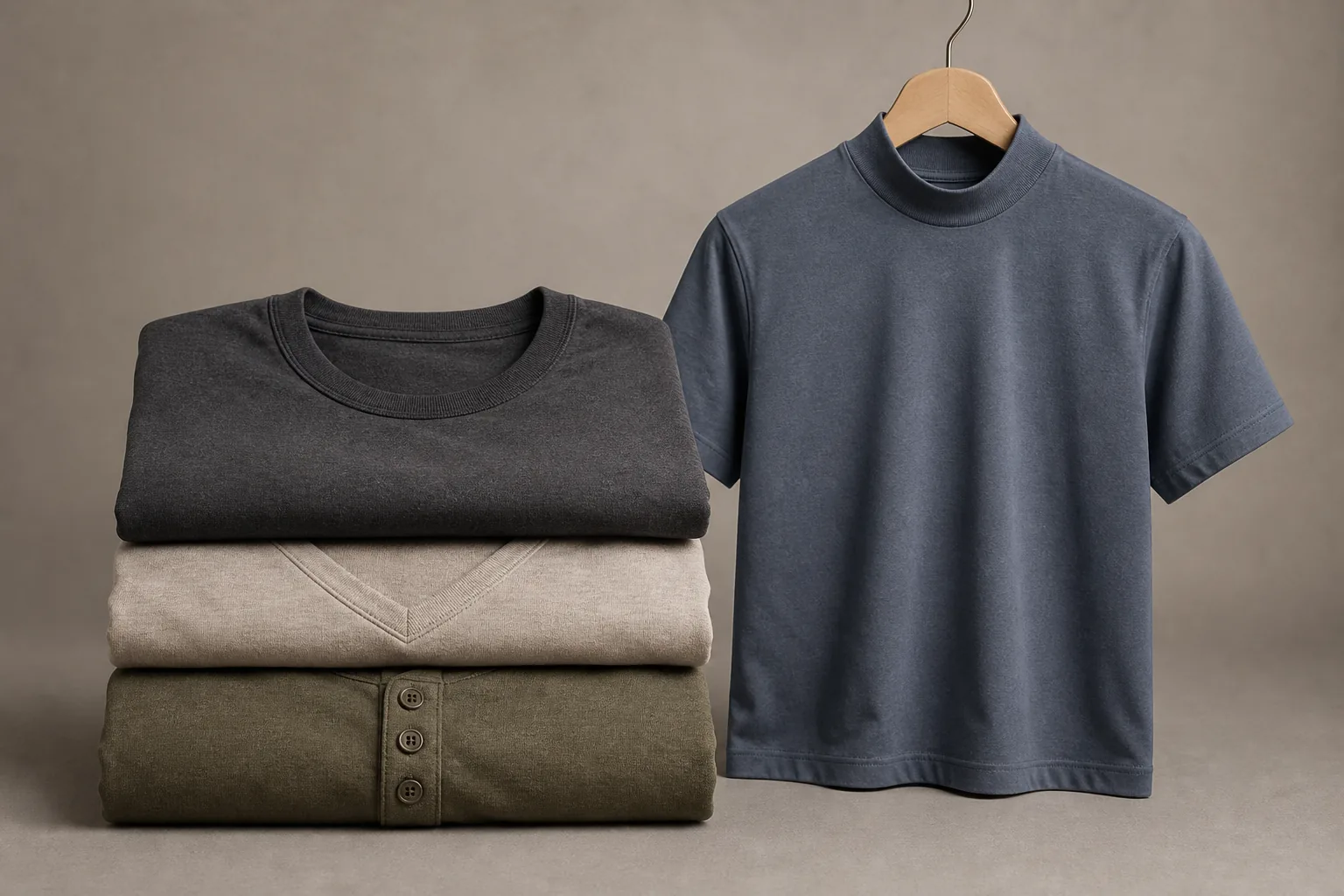
Types of T-Shirts: A Factory Guide by Neckline, Sleeve, Cut and Weight
A practical map of common t-shirt necklines, sleeves, cuts and fabric directions — and the extra specifications a factory still needs before quoting or sampling.
Read guide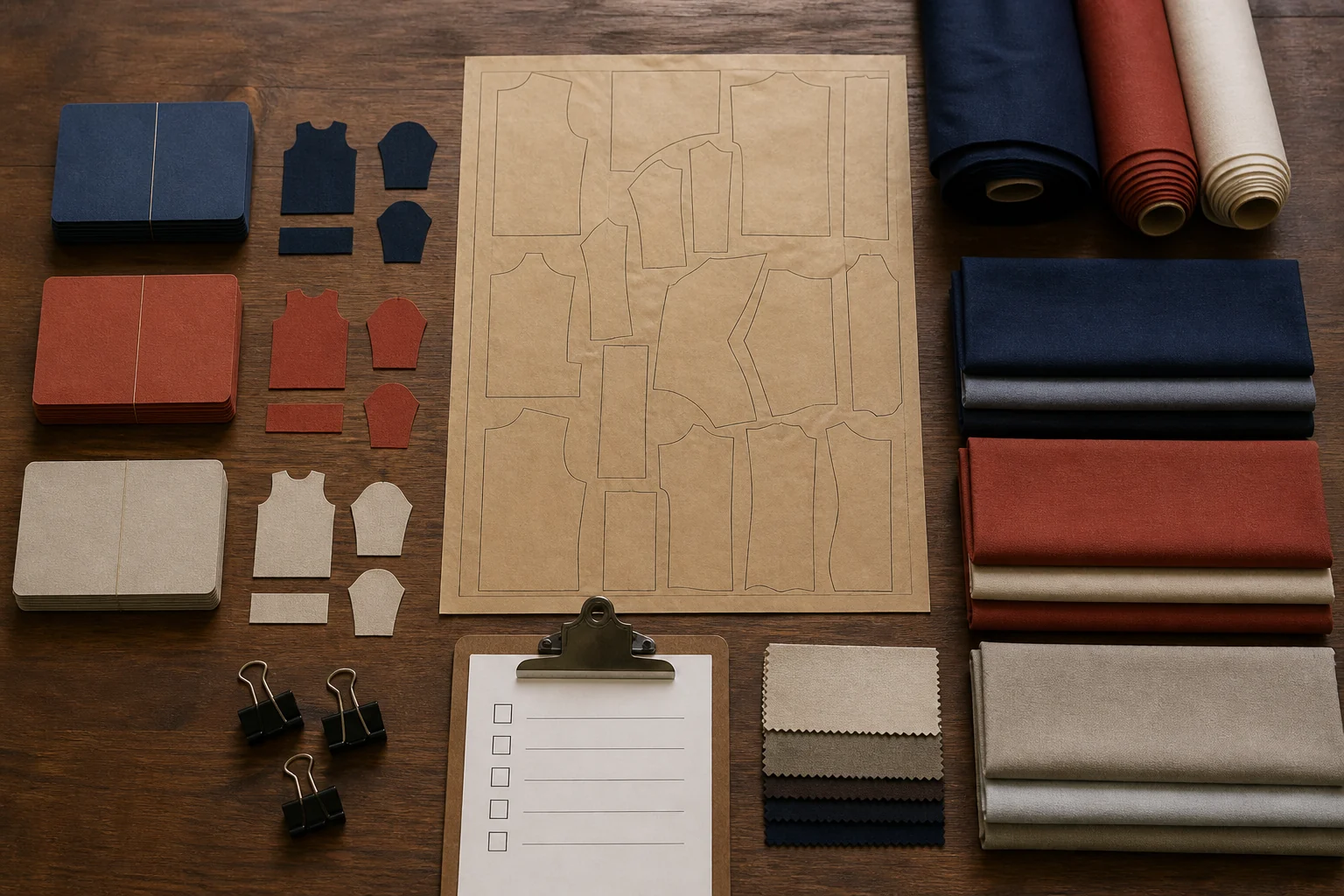
Apparel Cut Order Planning: From PO Demand to Cutting Instructions
Translate approved style, color and size quantities into identified markers, plies, lays and cutting instructions that reconcile back to the purchase order.
Read guide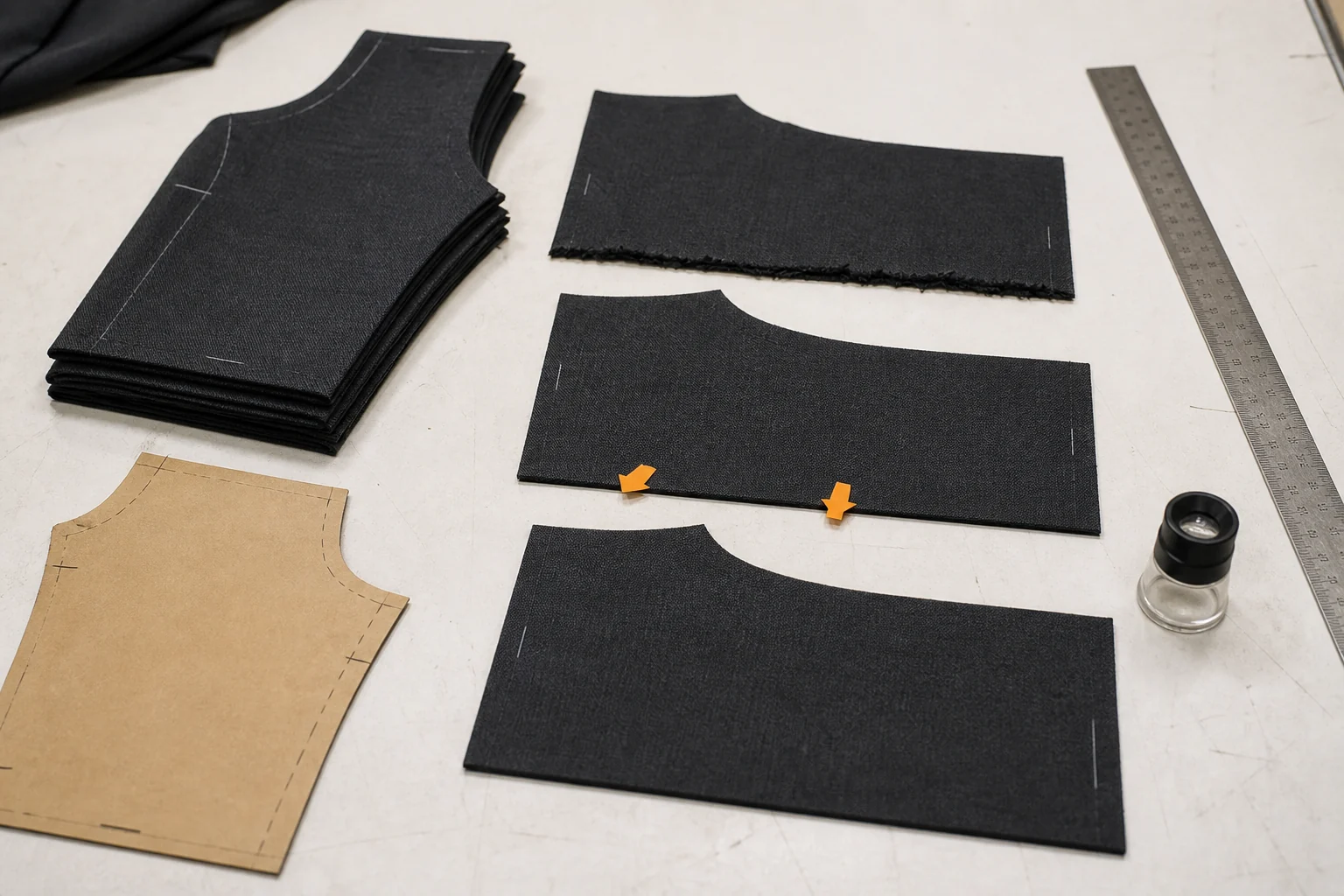
Garment Cutting Defects: A Cut-Panel Evidence Guide
Learn how to record ragged or fused edges, ply-to-ply outline drift, missing notches and bundle discrepancies after cutting, then hold, segregate, recut or release a defined scope before sewing.
Read guide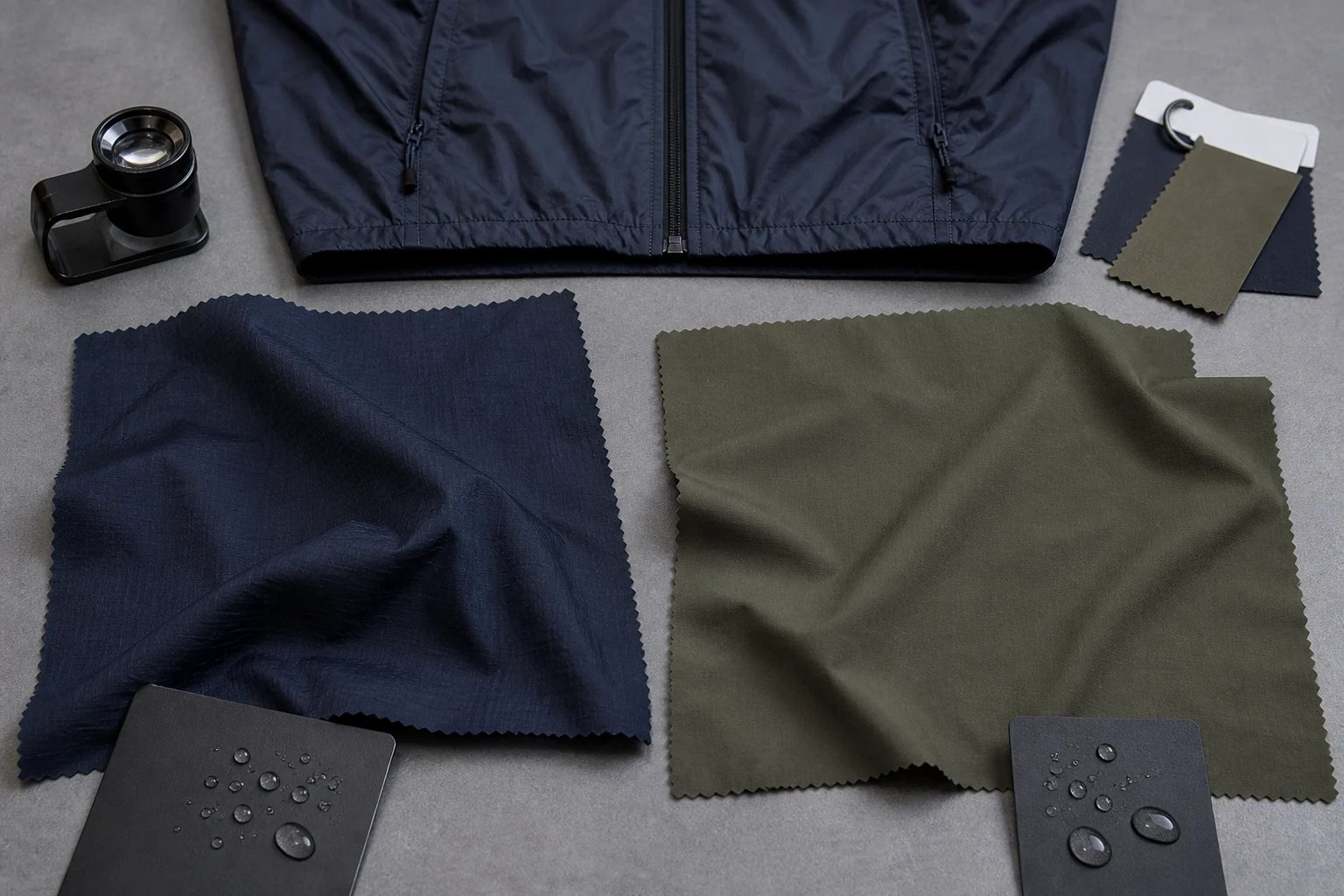
Nylon vs Polyester Jacket Fabric: What Changes in an Outerwear Sample
A nylon or polyester label does not settle a jacket-shell decision. Compare identified fabrics by construction, finish, garment zones, decoration and sample evidence before bulk.
Read guide
Apparel Factory Capacity Confirmation Before a Delivery Window Is Promised
Confirm a specific apparel order against one delivery event, controlled inputs, route dependencies, dated evidence, exceptions, expiry and recheck triggers before promising a window.
Read guide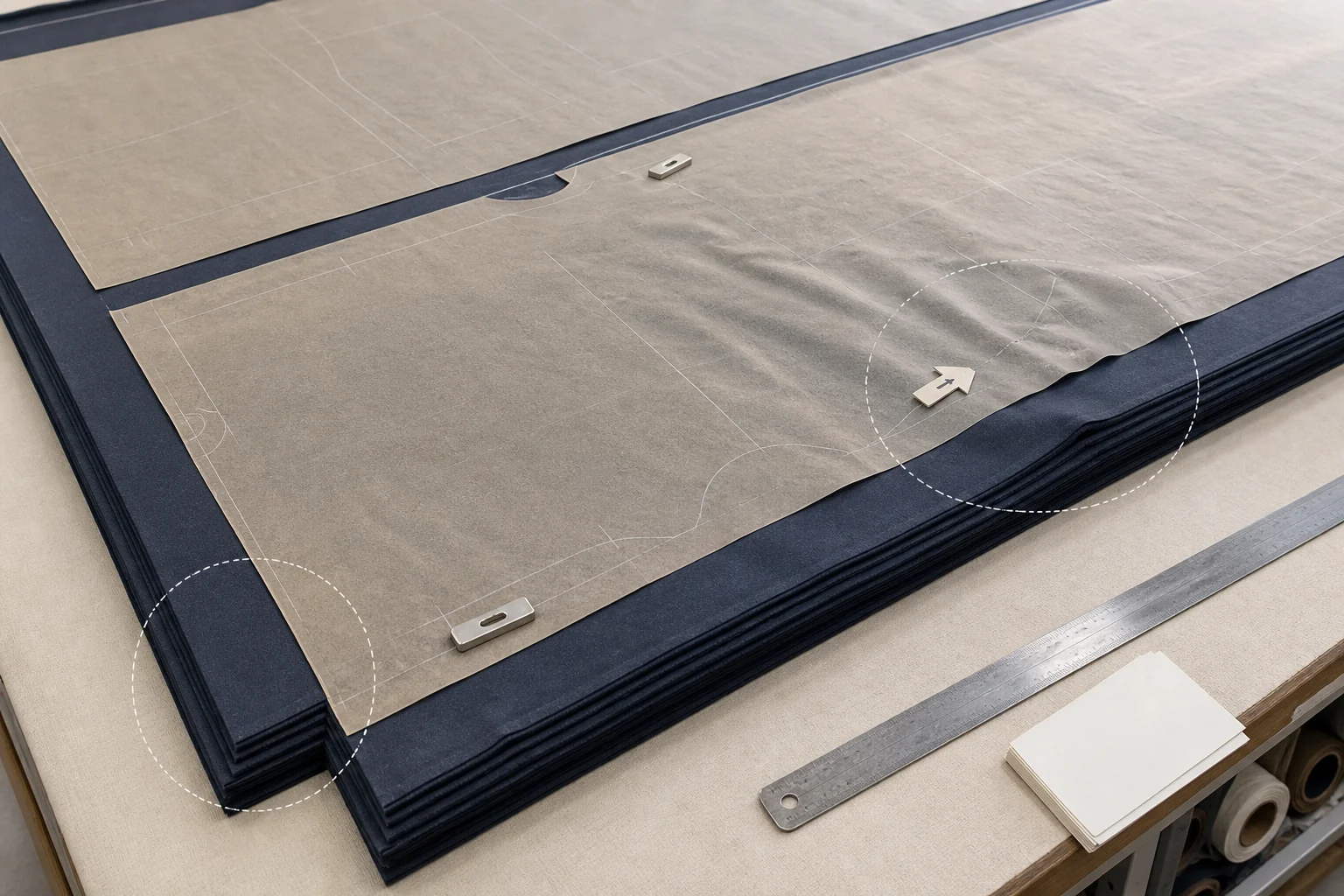
Fabric Spreading Defects Before Garment Cutting
Inspect a completed fabric lay for ply count, alignment, folds, splices and direction records, then release, re-spread, segregate or hold before cutting.
Read guide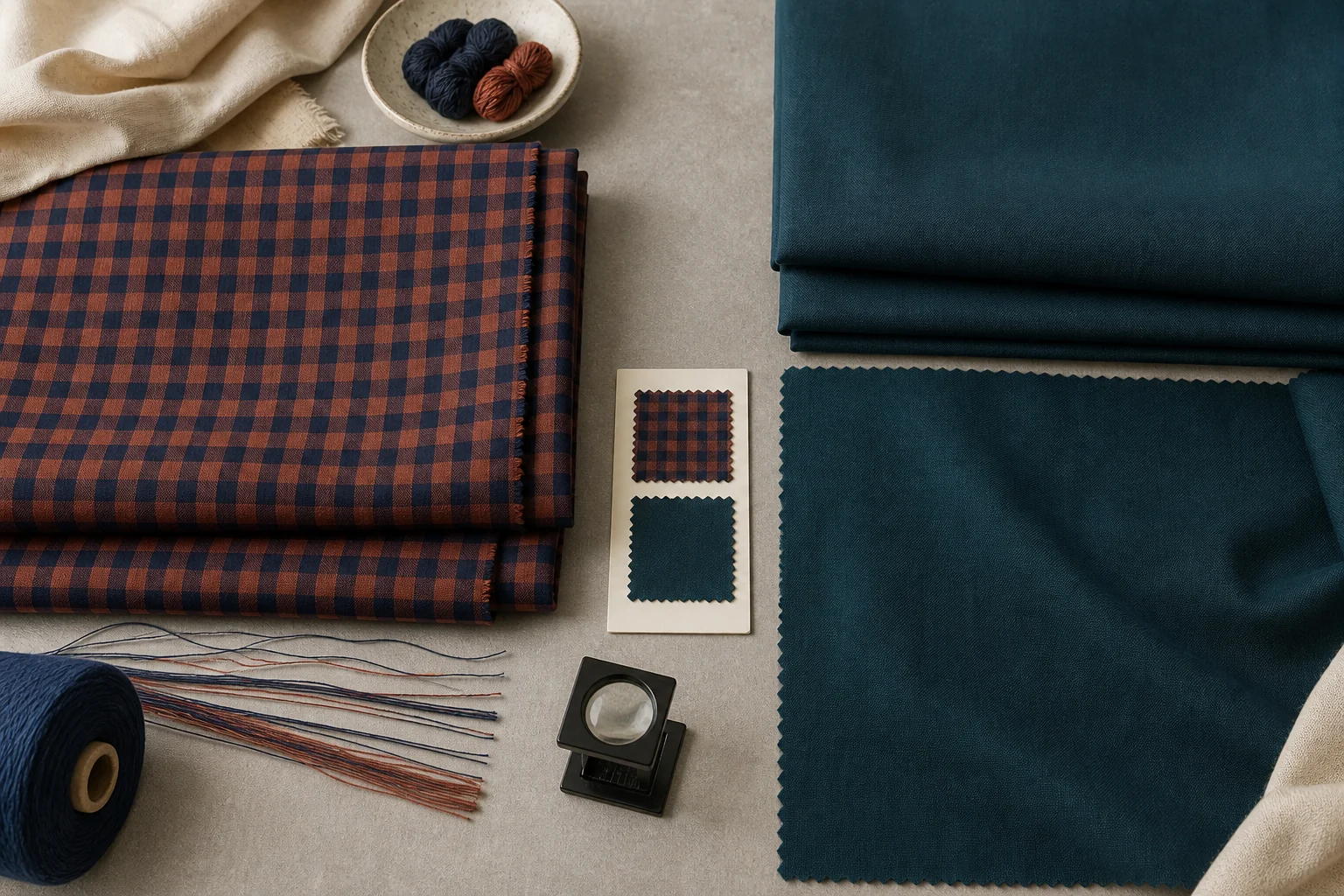
Yarn-Dyed vs Piece-Dyed Fabric: What Changes Before Garment Production
Yarn-dyed and piece-dyed describe when color enters textile production. Compare design effects, approval evidence, sourcing decisions and claims to avoid.
Read guide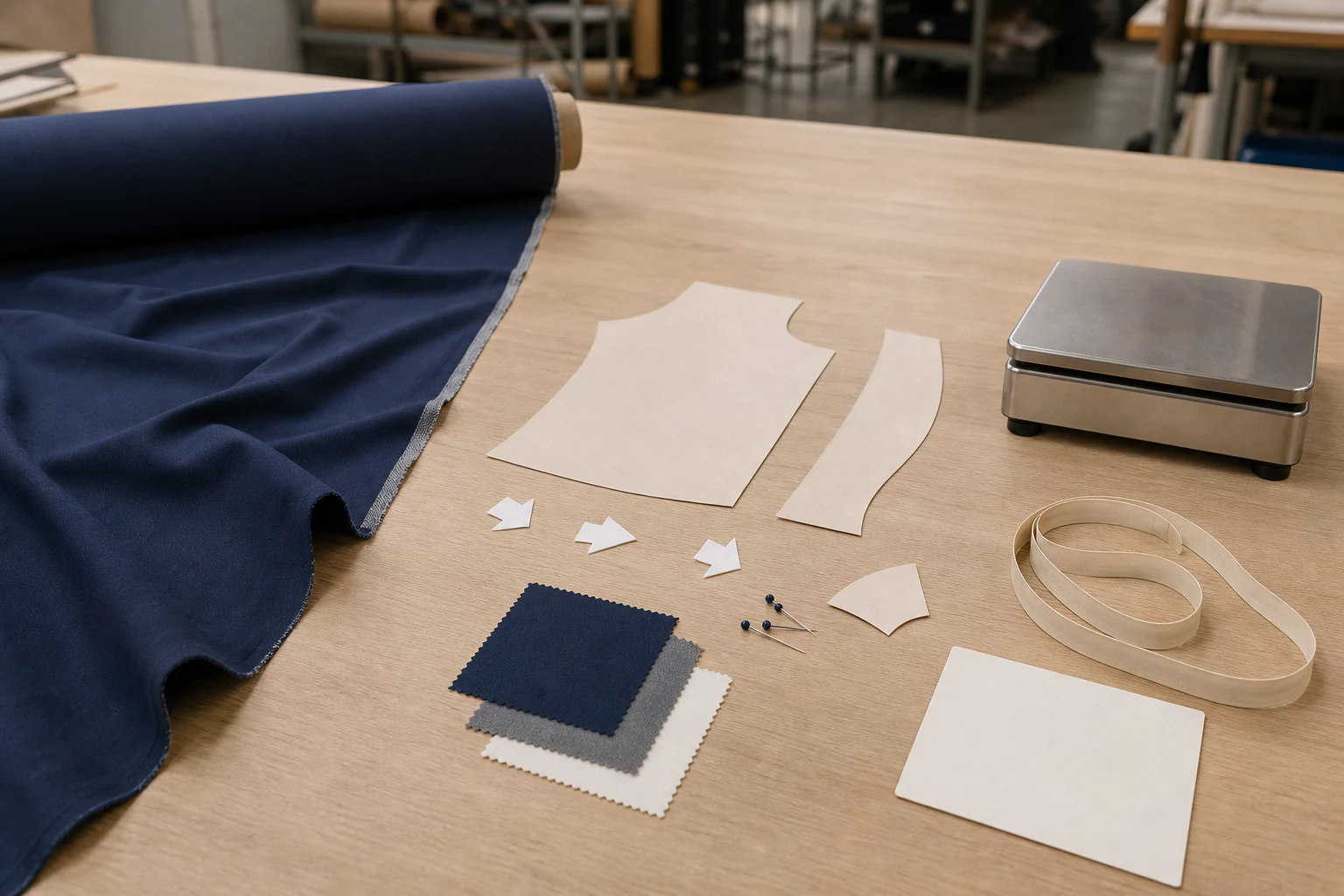
Fabric Consumption in Garment Manufacturing: What Sets the Estimate
Fabric consumption is not one permanent yardage per style. It changes with pattern revision, usable width, size mix, direction rules, lay planning and recorded cutting losses.
Read guide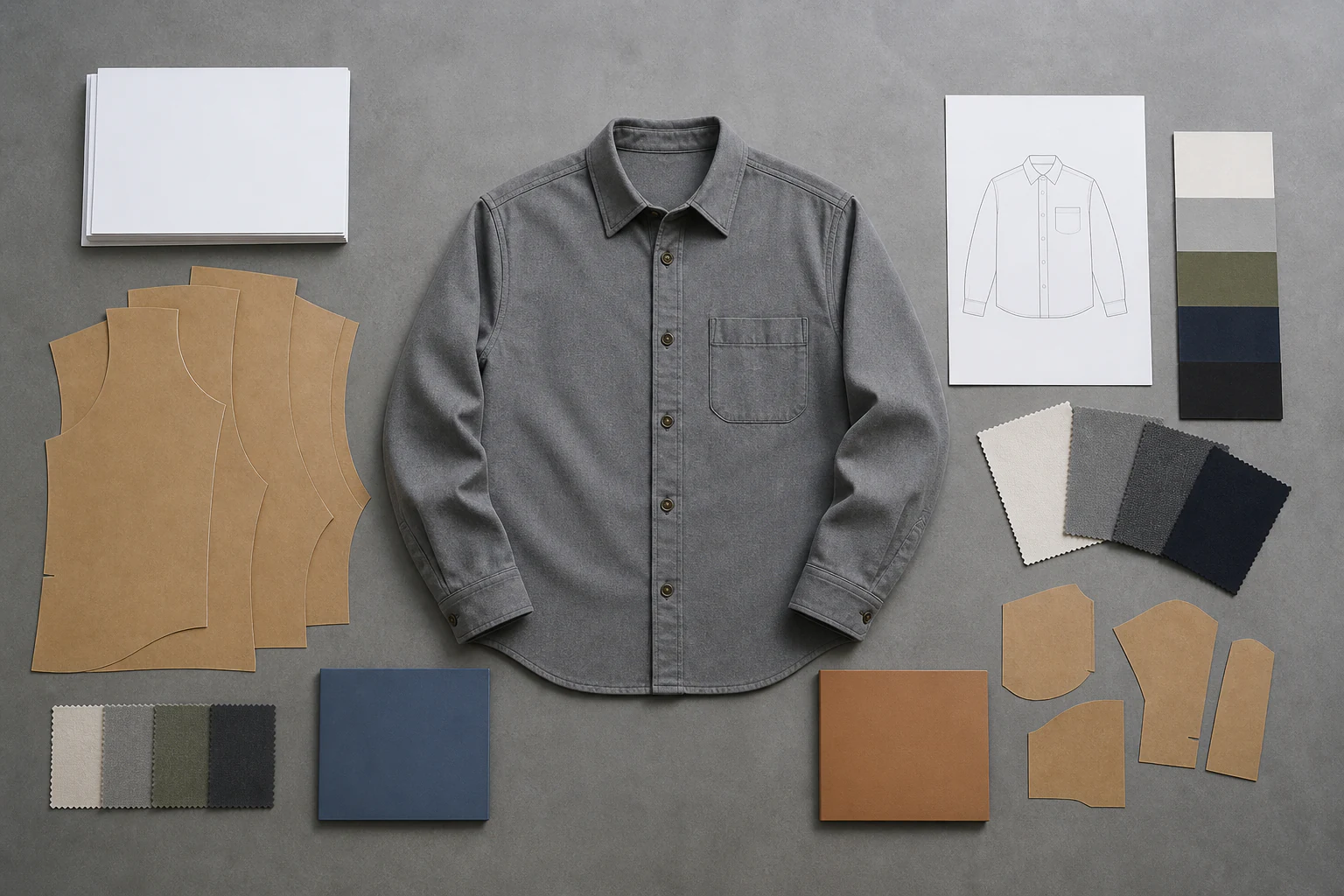
OEM vs ODM Clothing Manufacturing: Responsibilities and Inputs
OEM and ODM usually differ in where product design and development inputs originate. The label alone does not decide sourcing scope, IP rights, price, speed or exclusivity.
Read guide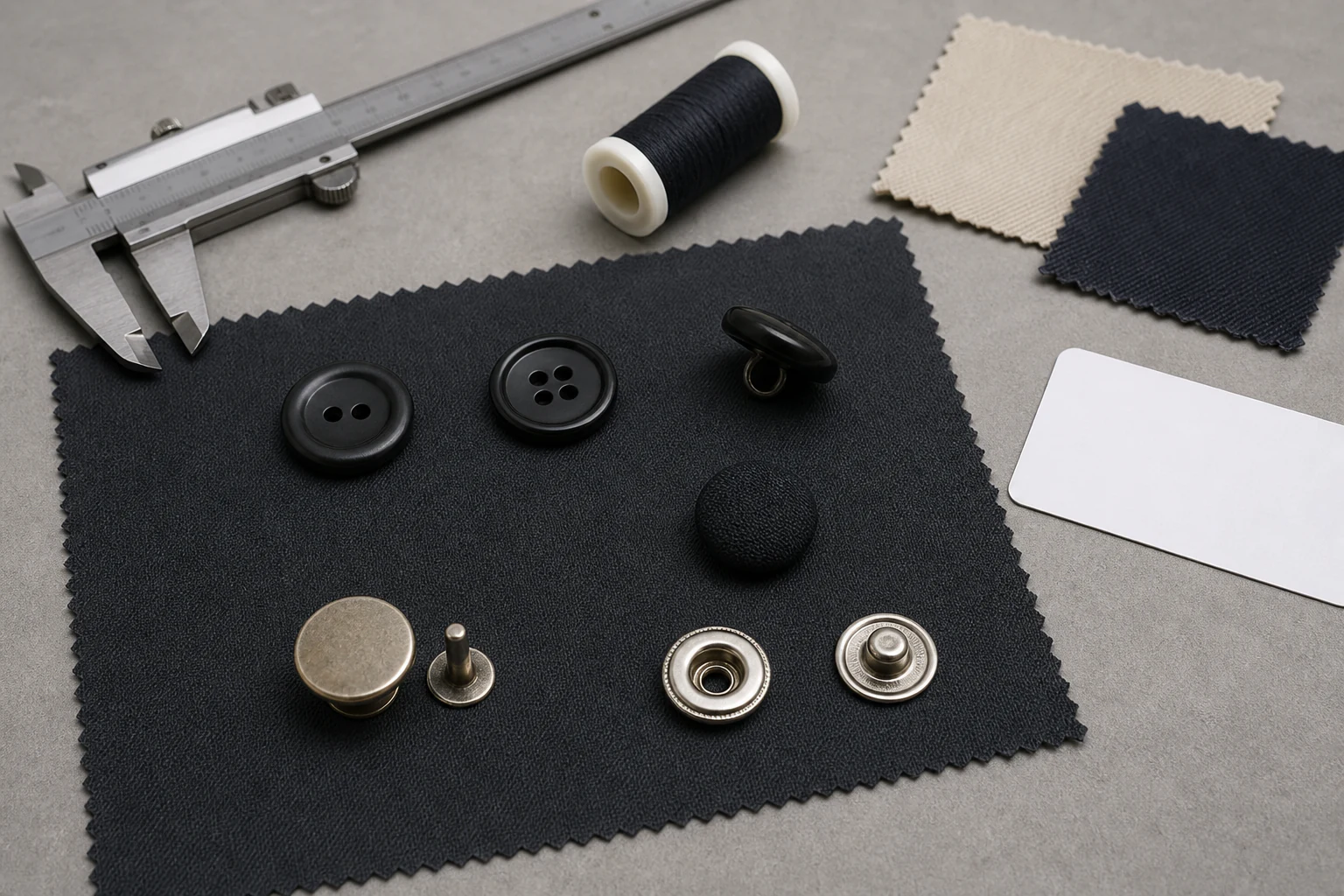
Types of Buttons for Clothing: A Brand Specification Guide
Sew-through, shank, tack and covered buttons differ in structure and attachment. Learn how to specify size, material, finish, thread, reinforcement and approval evidence.
Read guide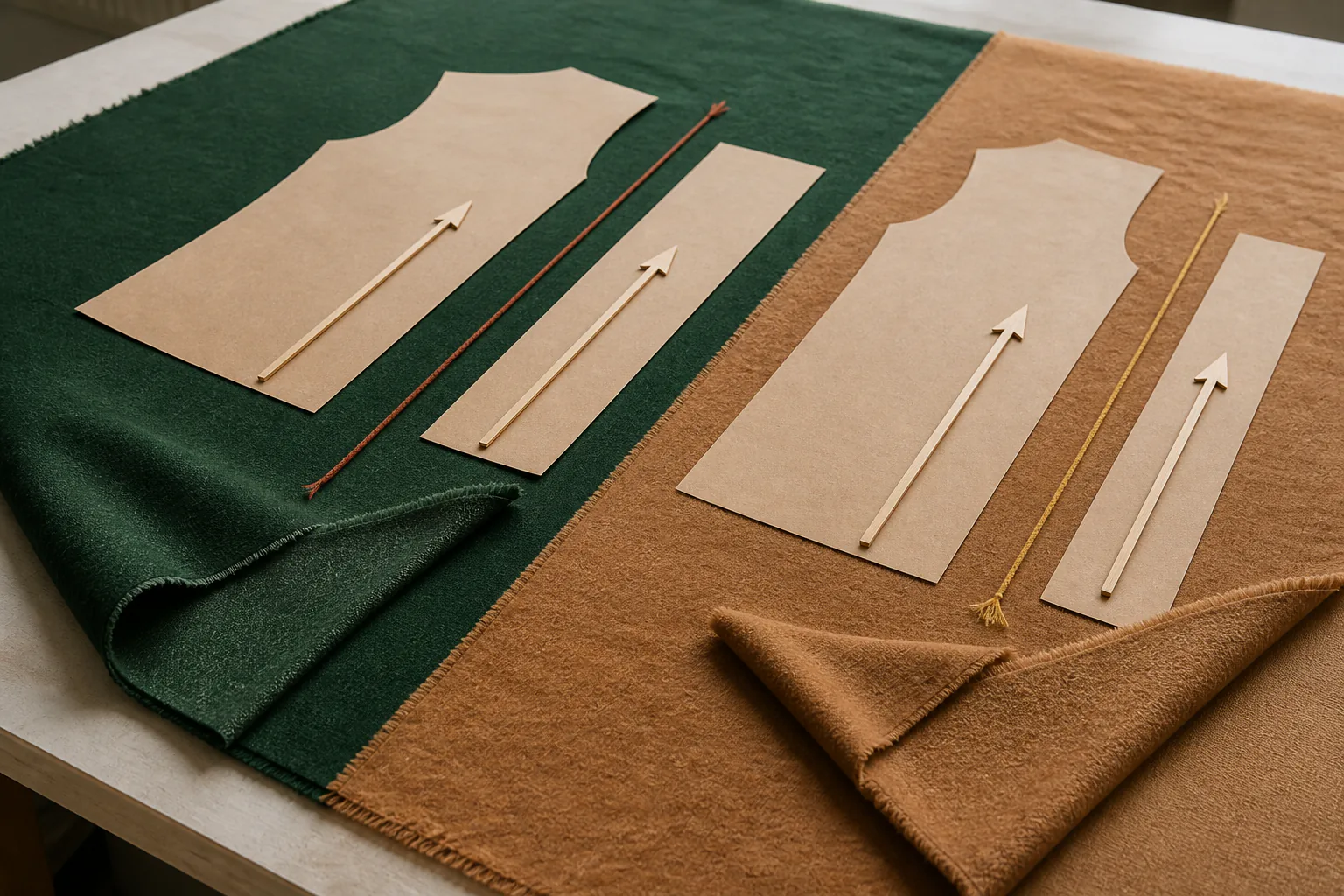
Fabric Grain, Nap and One-Way Cutting for Apparel
Grainline, fabric structure, surface direction and motif direction are separate controls. Learn how brands record them before one-way marker planning and sample approval.
Read guide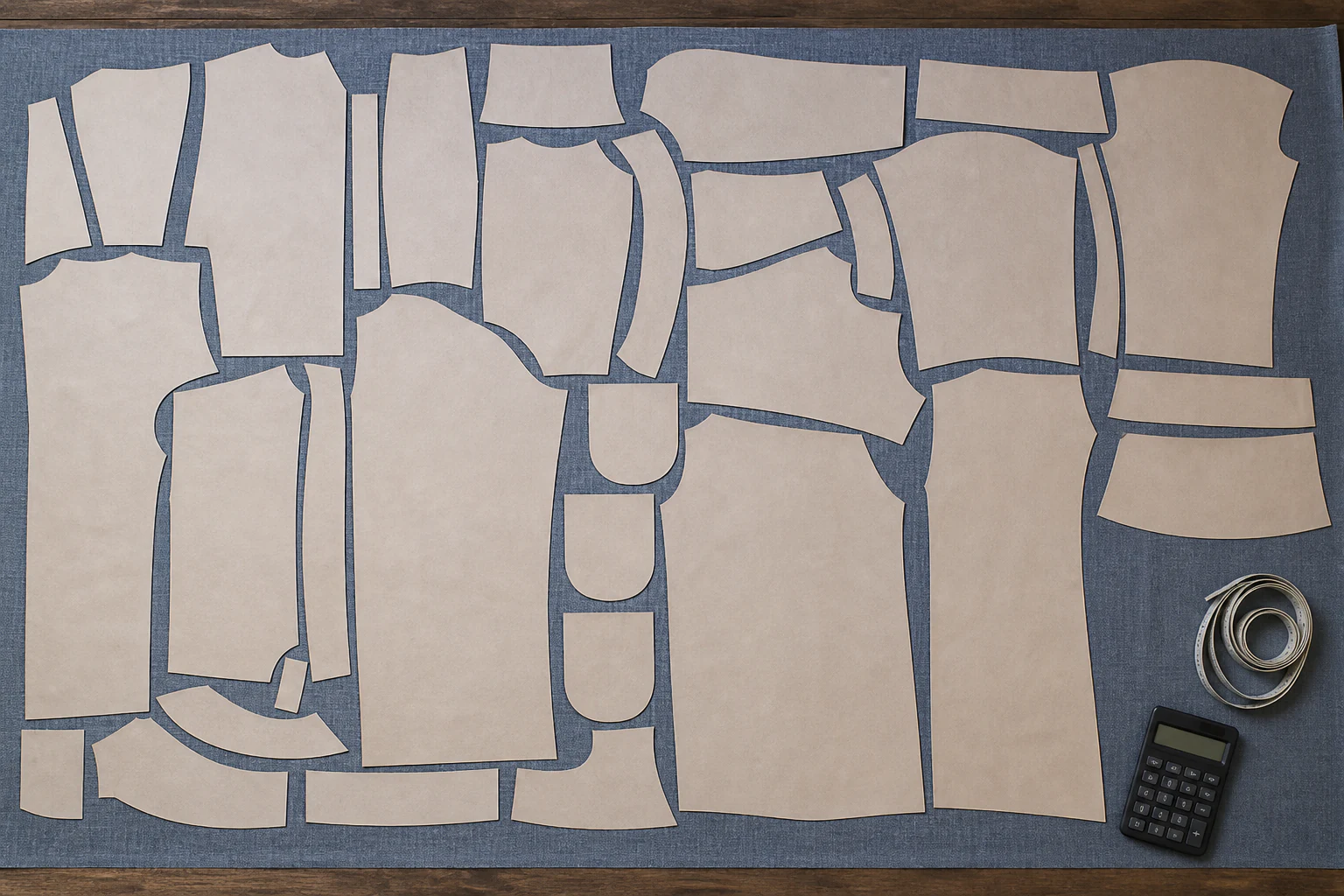
Garment Marker Efficiency: What Brands Should Ask About
Marker efficiency is meaningful only with its pattern set, usable width, length and direction constraints. Learn what a clothing brand should compare before approving fabric use.
Read guide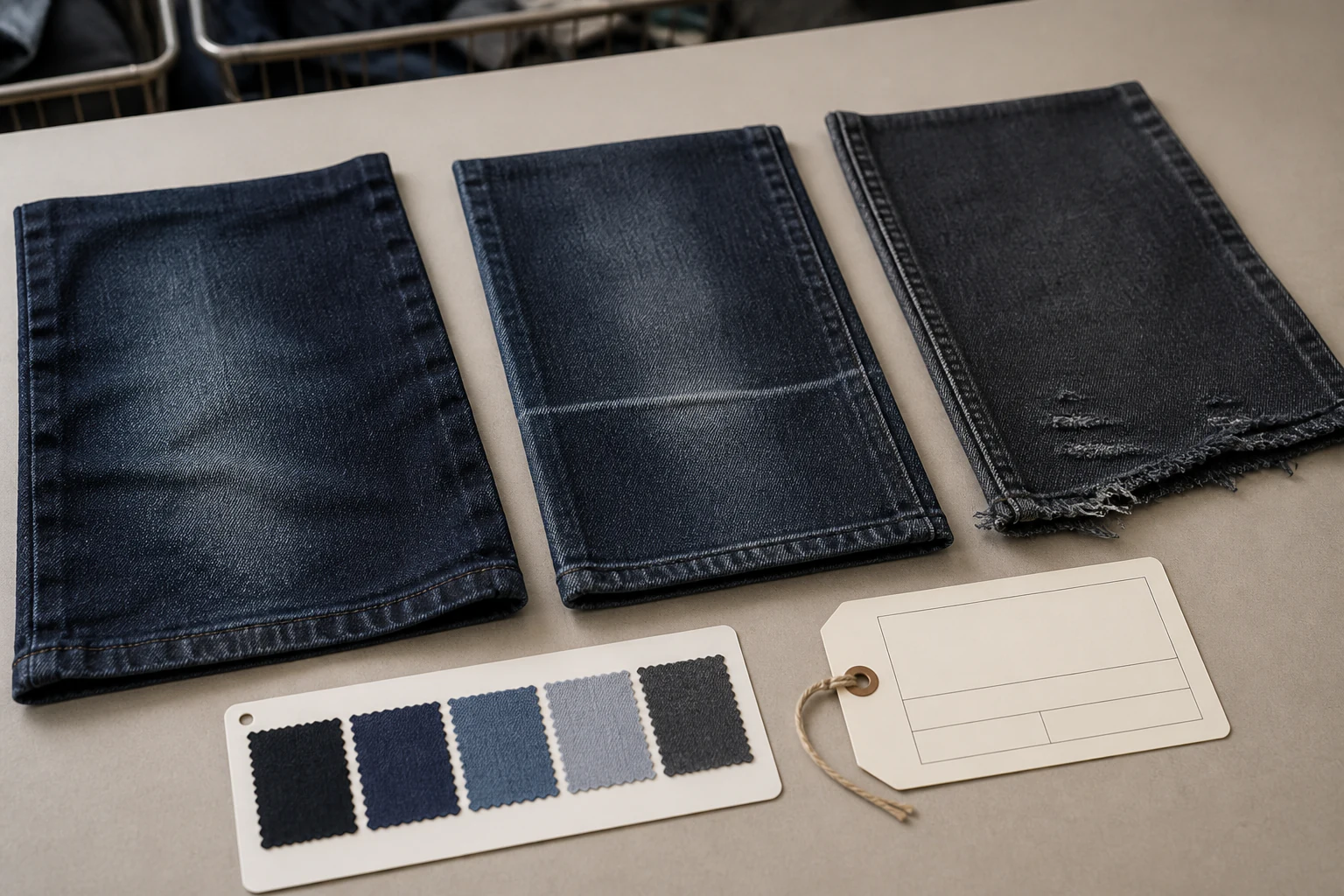
Garment Wash Defects: Causes, Evidence and Approval Questions
A wash defect name is an observation, not a root-cause verdict. Learn how brands separate backstaining, uneven shade, abrasion, component damage and dimensional change with controlled evidence.
Read guide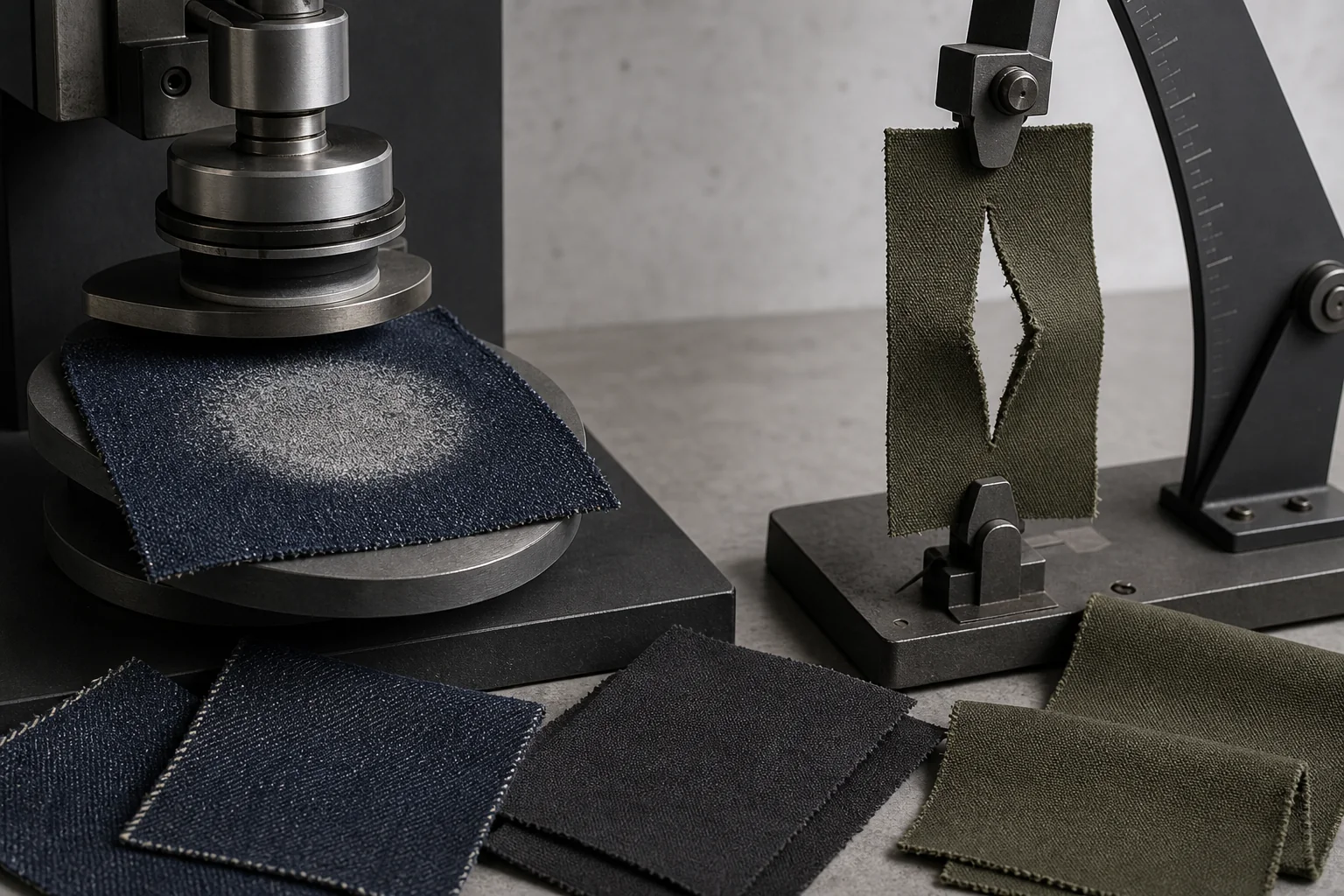
Fabric Abrasion vs Tear Strength: Which Evidence Does a Brand Need?
Abrasion and tear tests reproduce different failure modes. Learn how garment zones, method, endpoint, direction and specimen state determine which evidence a clothing brand can compare.
Read guide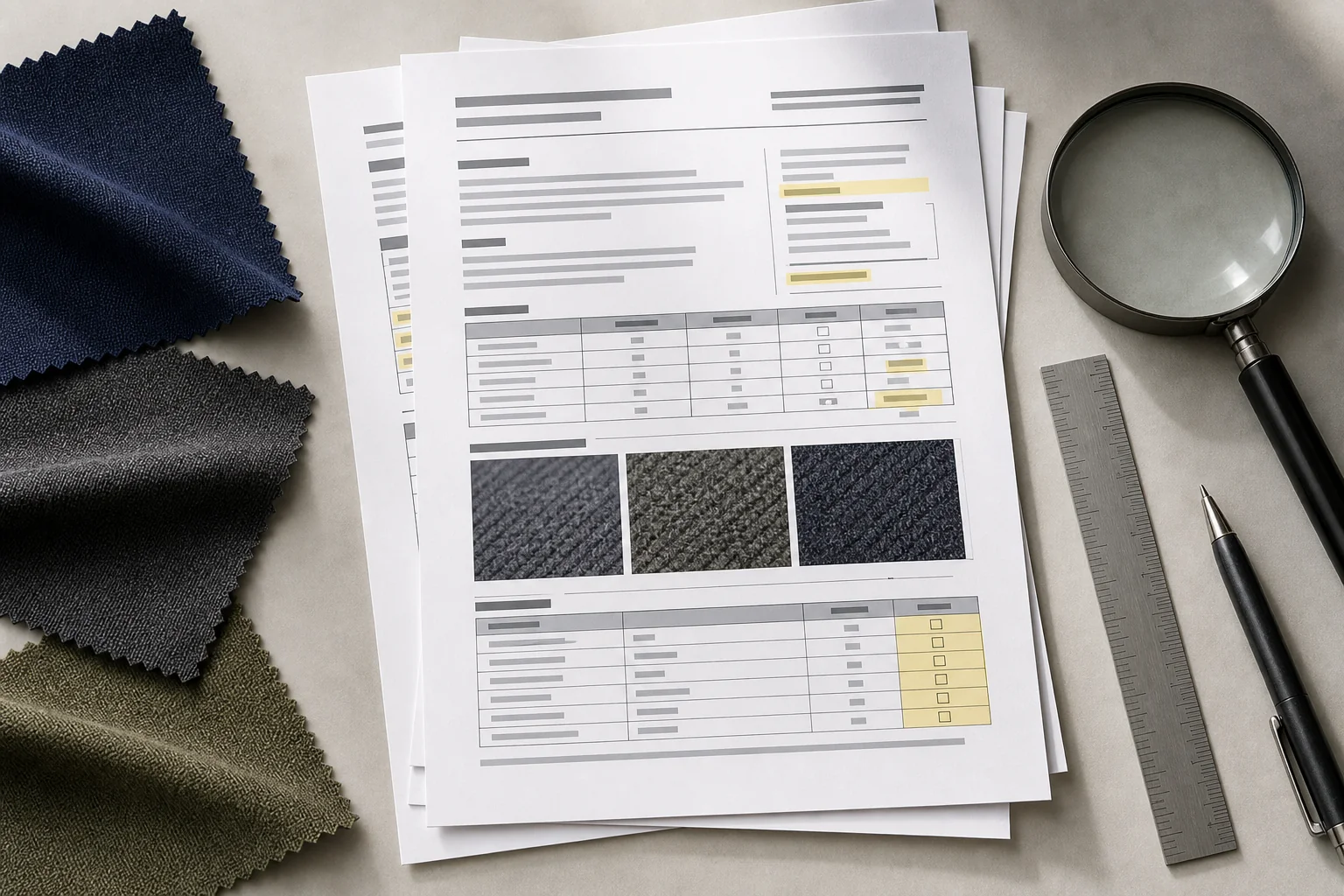
How to Read a Textile Test Report: A Buyer Guide
Read a textile test report by checking the stated sample, method edition, options, deviations, units, results, requirement source, decision rule and report status.
Read guide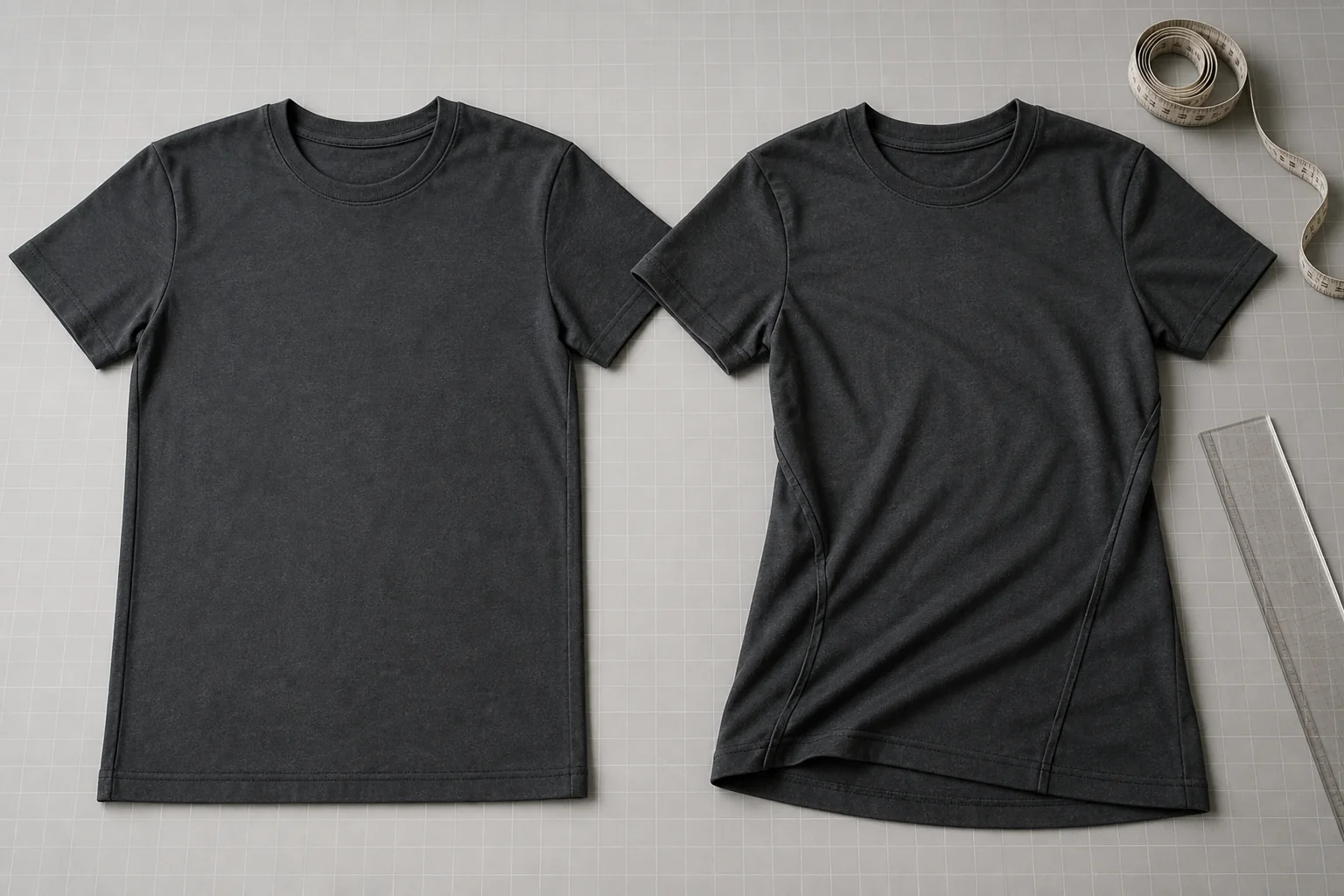
Why T-Shirt Side Seams Twist After Washing
A twisted T-shirt side seam is a symptom, not a root-cause verdict. Separate garment spirality from fabric bow or skew, local assembly displacement and ordinary dimensional change with controlled before-and-after evidence.
Read guide
Duck Canvas vs Denim for Workwear Programs
Compare identified duck canvas and denim candidates by garment zone, hand, finish, construction, test context and approval evidence—not a universal durability ranking.
Read guide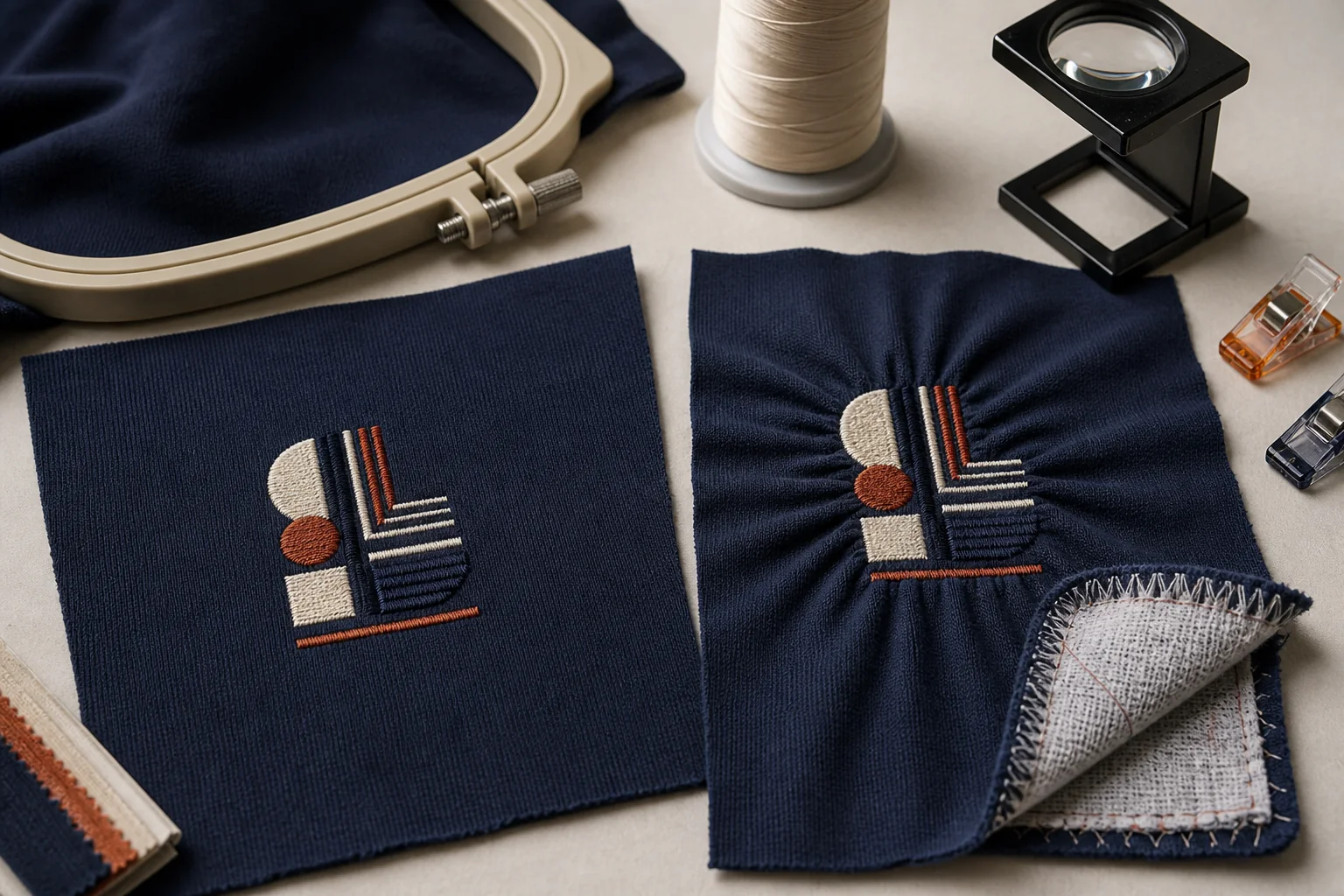
Embroidery Puckering: Causes and Approval Checks
Diagnose embroidery puckering by visible signature, material, placement, digitizing revision, support, hooping and processing evidence before approving a corrected trial.
Read guide
Garment Pre-Production Meeting Checklist Before Bulk
Prepare and record a garment pre-production meeting with controlled inputs, scoped decisions, action owners, blocking effects and reopen triggers before bulk work.
Read guide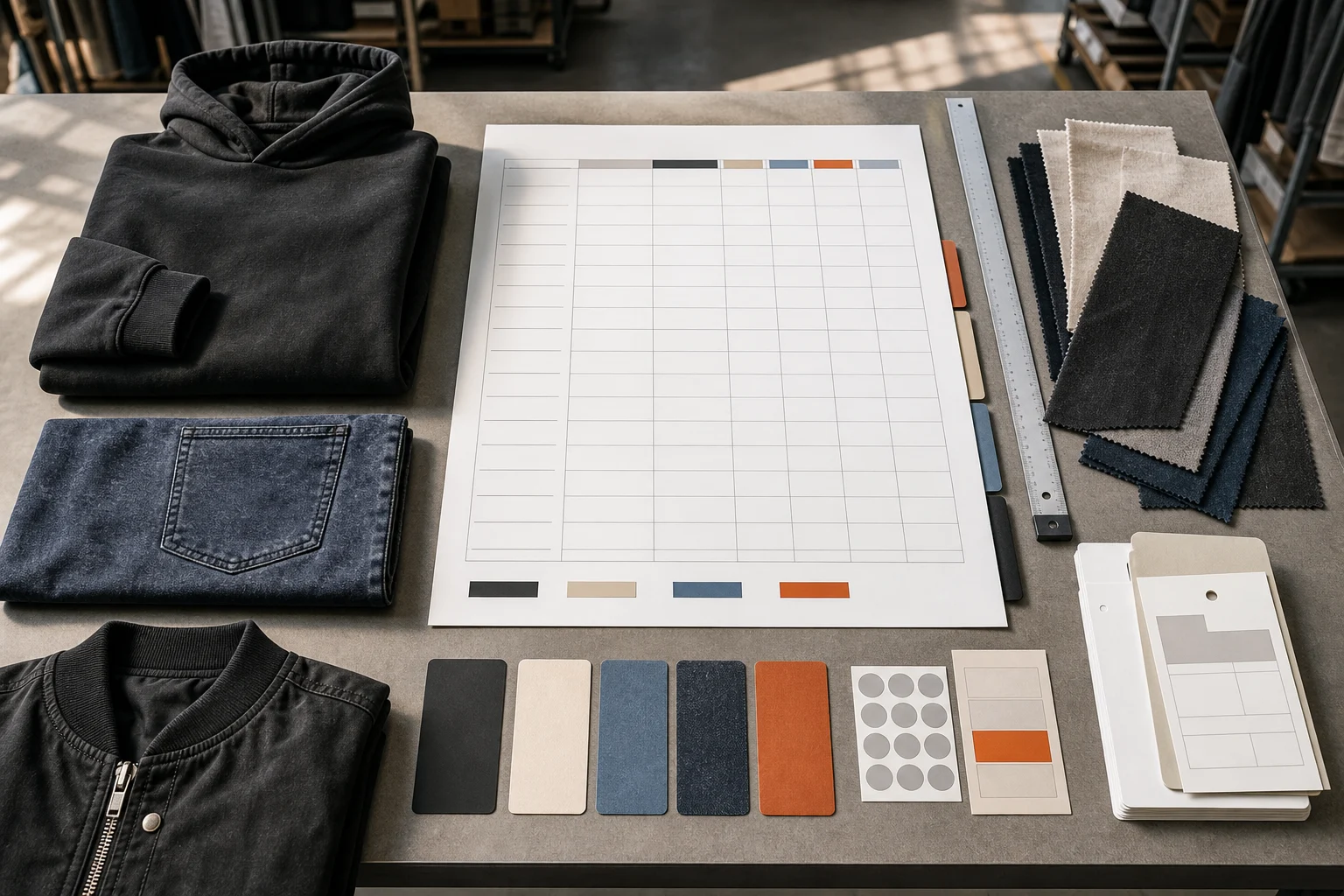
Clothing Purchase Order Checklist: Production-Ready Handoff
Turn an accepted apparel quote into one controlled order record with reconciled style, color, size, revision, delivery, packing, acknowledgement and change fields.
Read guide