Factory notes for custom apparel buyers
Practical guides for preparing briefs, comparing techniques and understanding the production decisions behind custom men's streetwear.
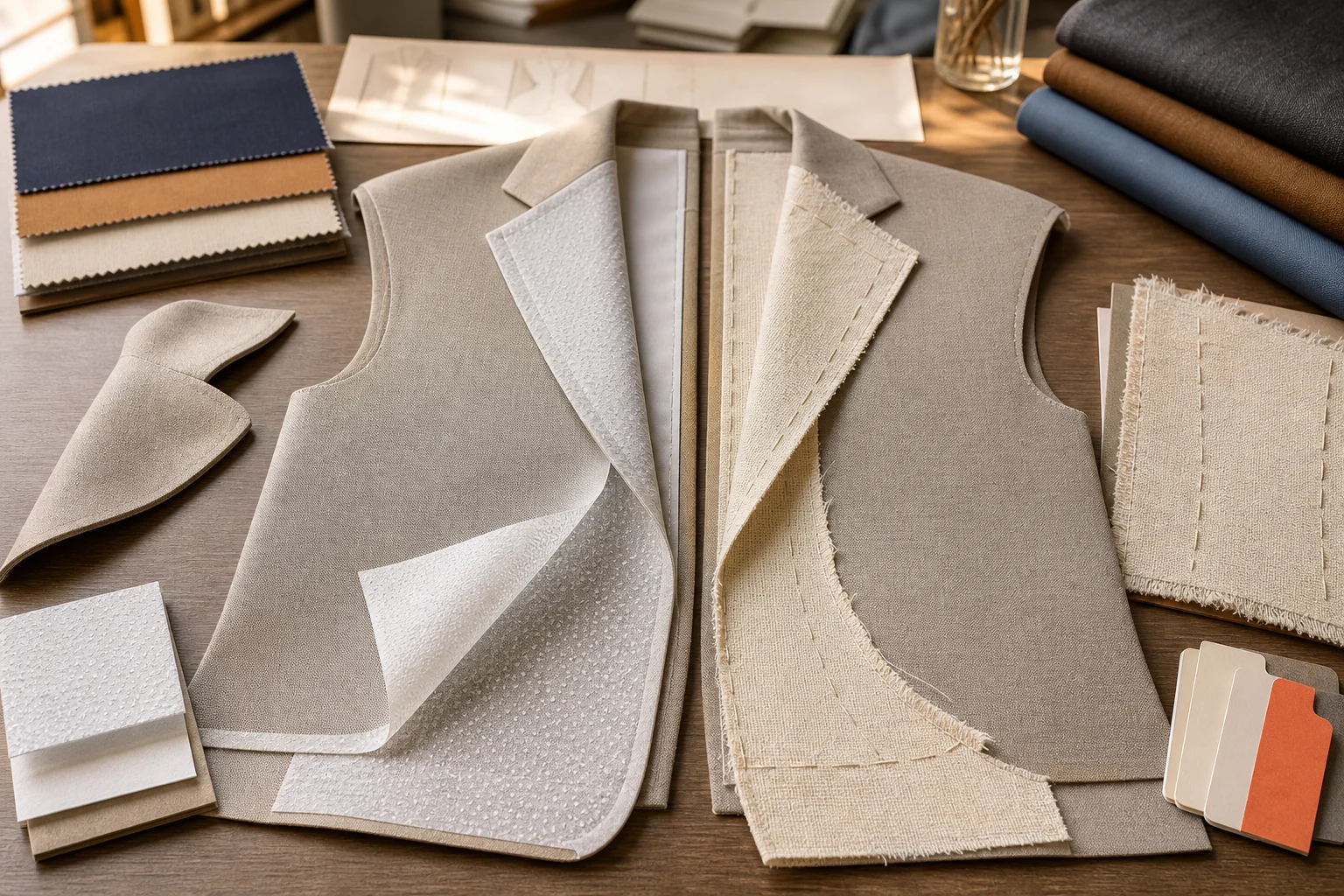
Fusible vs Sew-In Interfacing: A Garment Production Guide
Choose fusible or sew-in interfacing from the shell, garment zone, intended hand, care route and approval evidence—not from a universal quality ranking or fusing recipe.
Read guide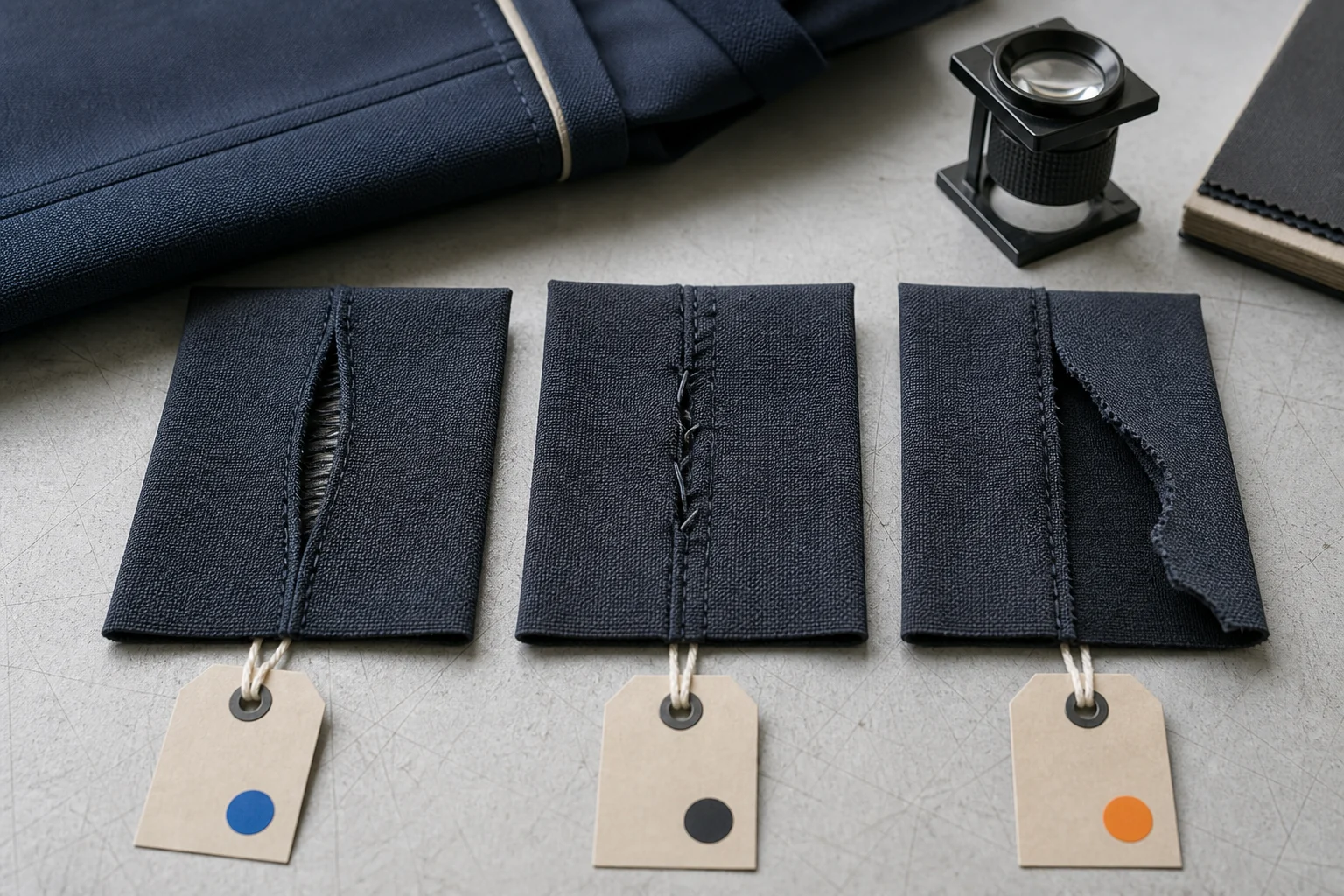
Seam Slippage vs Thread Break vs Fabric Tear: A Garment Failure Guide
An open garment seam can come from displaced fabric yarns, ruptured sewing thread or torn body fabric. Learn the visible signatures, evidence record and test questions that separate the three before corrective action.
Read guide
CMT vs Full Package Clothing Manufacturing: Scope and Responsibility
Compare CMT and full-package clothing manufacturing by material ownership, procurement, approvals, evidence and commercial scope—not by a generic promise of lower cost or faster delivery.
Read guide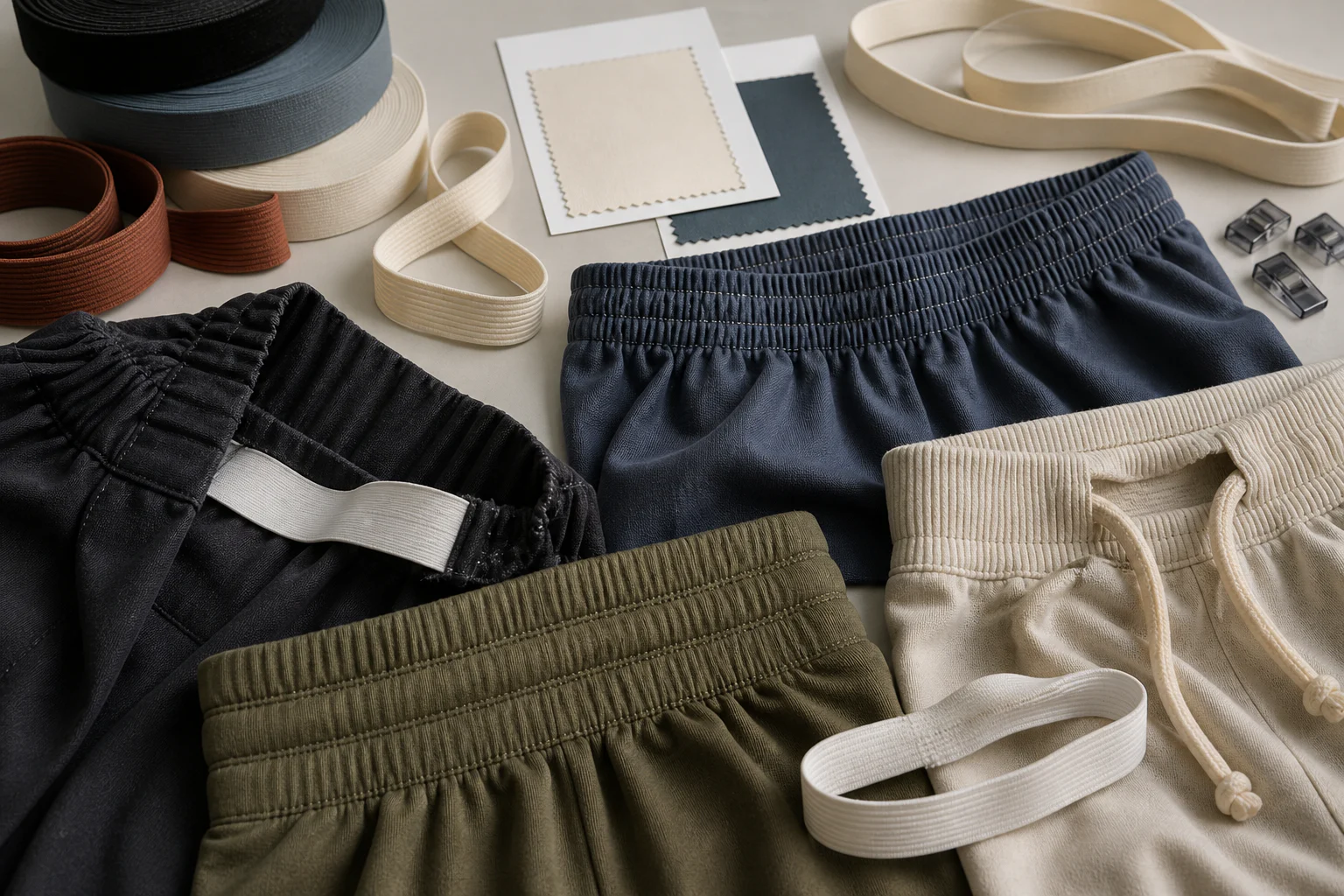
Elastic Waistband Types: Materials, Construction and QC
Separate elastic material construction from waistband incorporation, then control the BOM, sewn sample, care exposure and bulk approval without relying on a universal elastic ratio.
Read guide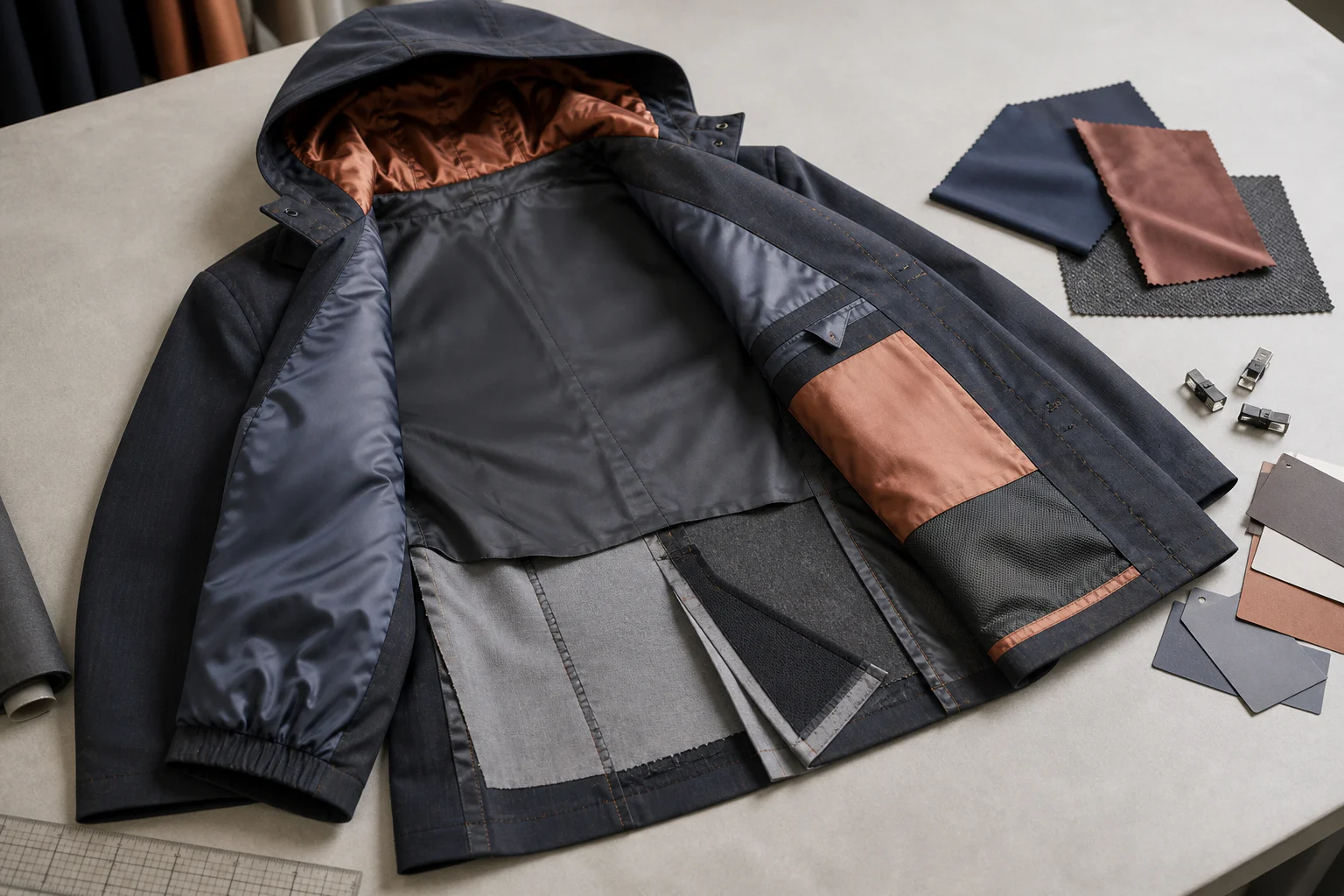
Jacket and Coat Lining Types: A Brand Specification Guide
Specify an outerwear lining as a material-and-assembly system, then approve how it moves, hangs and changes with the shell across body, sleeve, pocket, hood, hem and vent zones.
Read guide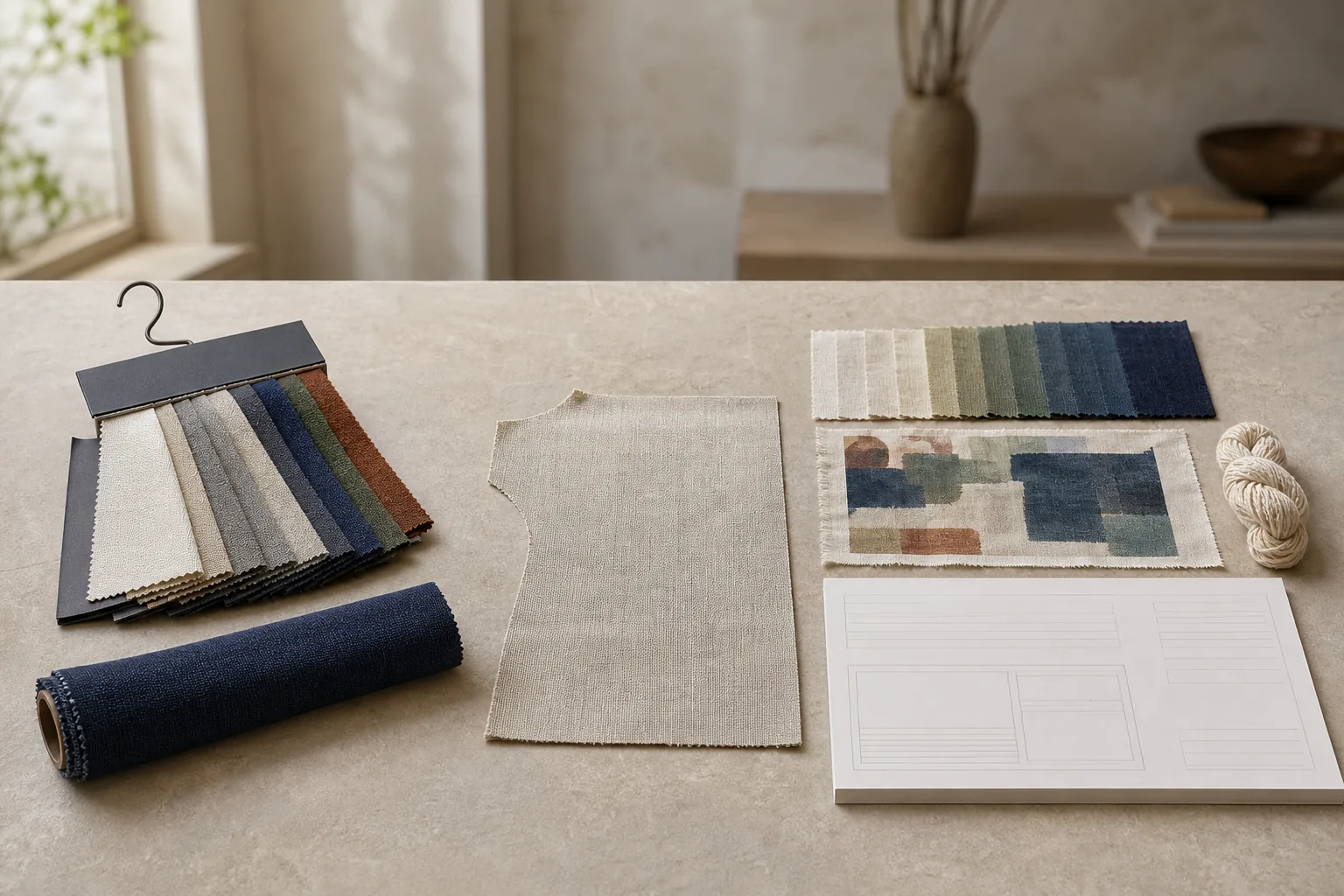
Stock Fabric vs Custom Fabric for Clothing Production
Compare supplier-available fabric with custom color, finish and construction routes by control, evidence, approval scope and continuity—not by a generic promise of speed or cost.
Read guide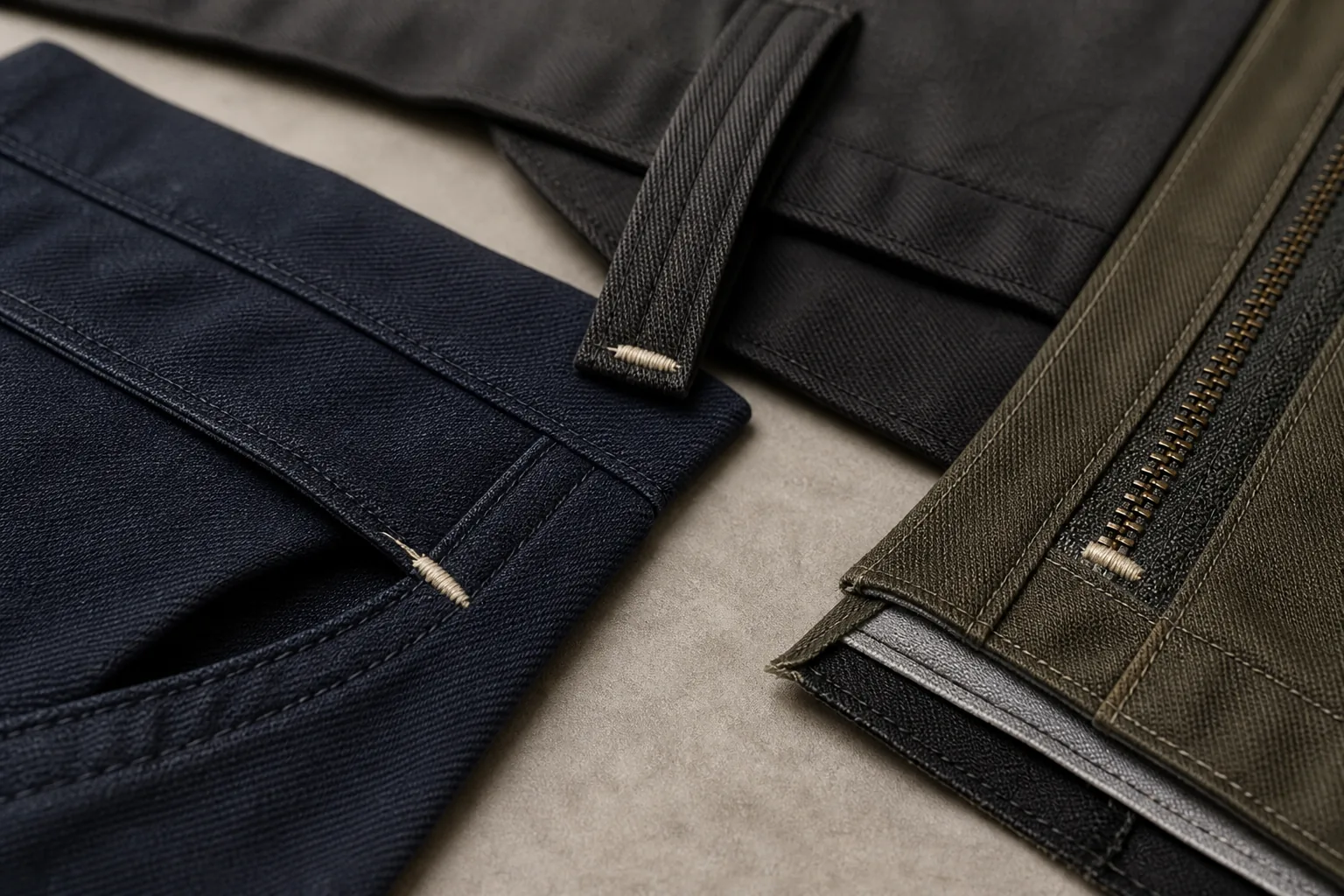
Bartack Stitch and Stress-Point Reinforcement in Clothing
A bartack reinforces a defined stress point, but the visible stitch is only one part of the decision. Map the load path, compare backing, rivets and design changes, then approve placement and failure evidence on the real garment.
Read guide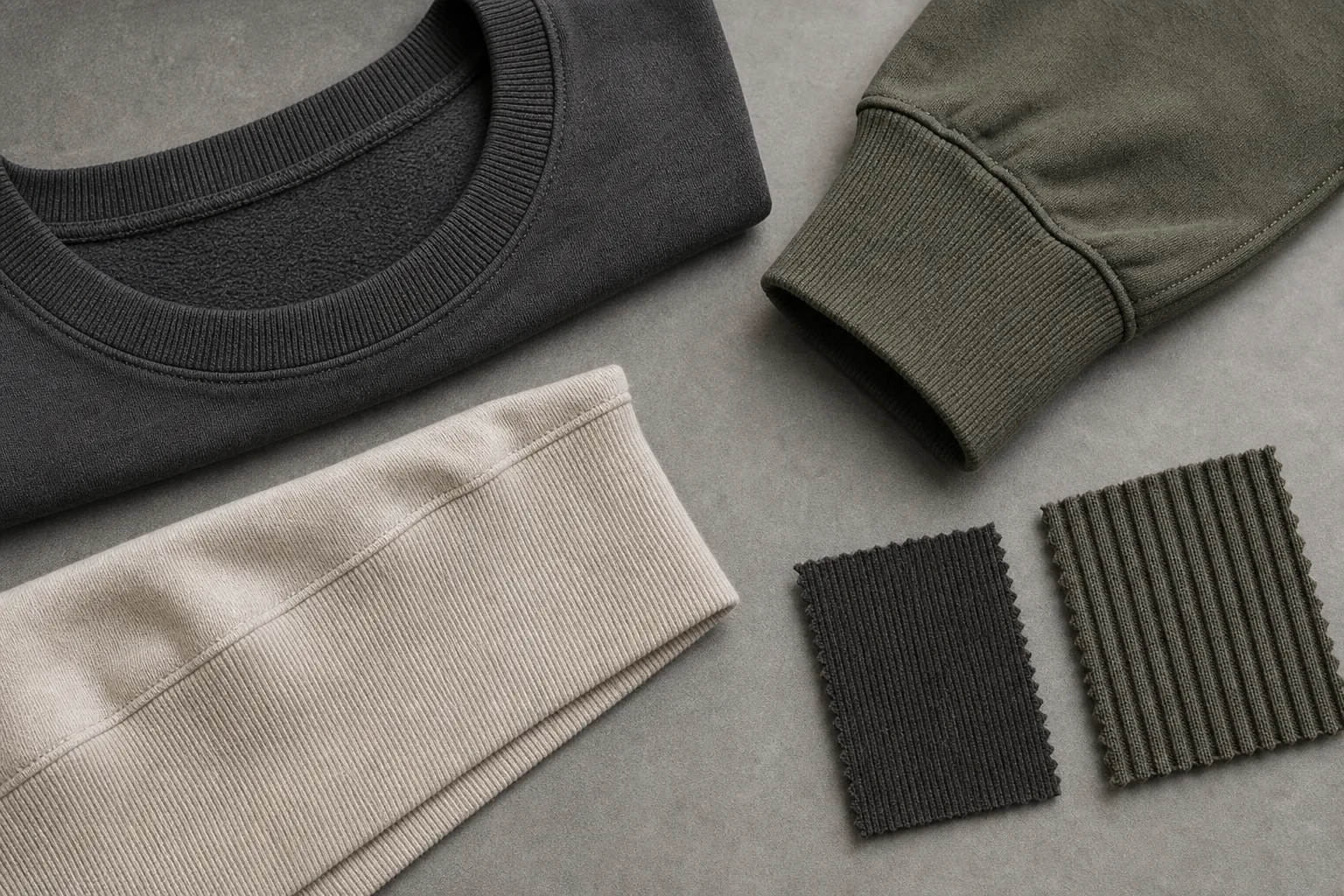
Rib Knit Fabric Types for Neckbands, Cuffs and Hem Bands
Compare rib structures without treating 1x1, 2x2 or 2x1 as a performance grade, then build a factory-ready trim specification and approve rib with the body fabric.
Read guide
Apparel Bill of Materials: Fields, Versions and Approval Status
Build an apparel BOM that identifies each component, shows where it applies, records approval scope and keeps material changes on one controlled revision.
Read guide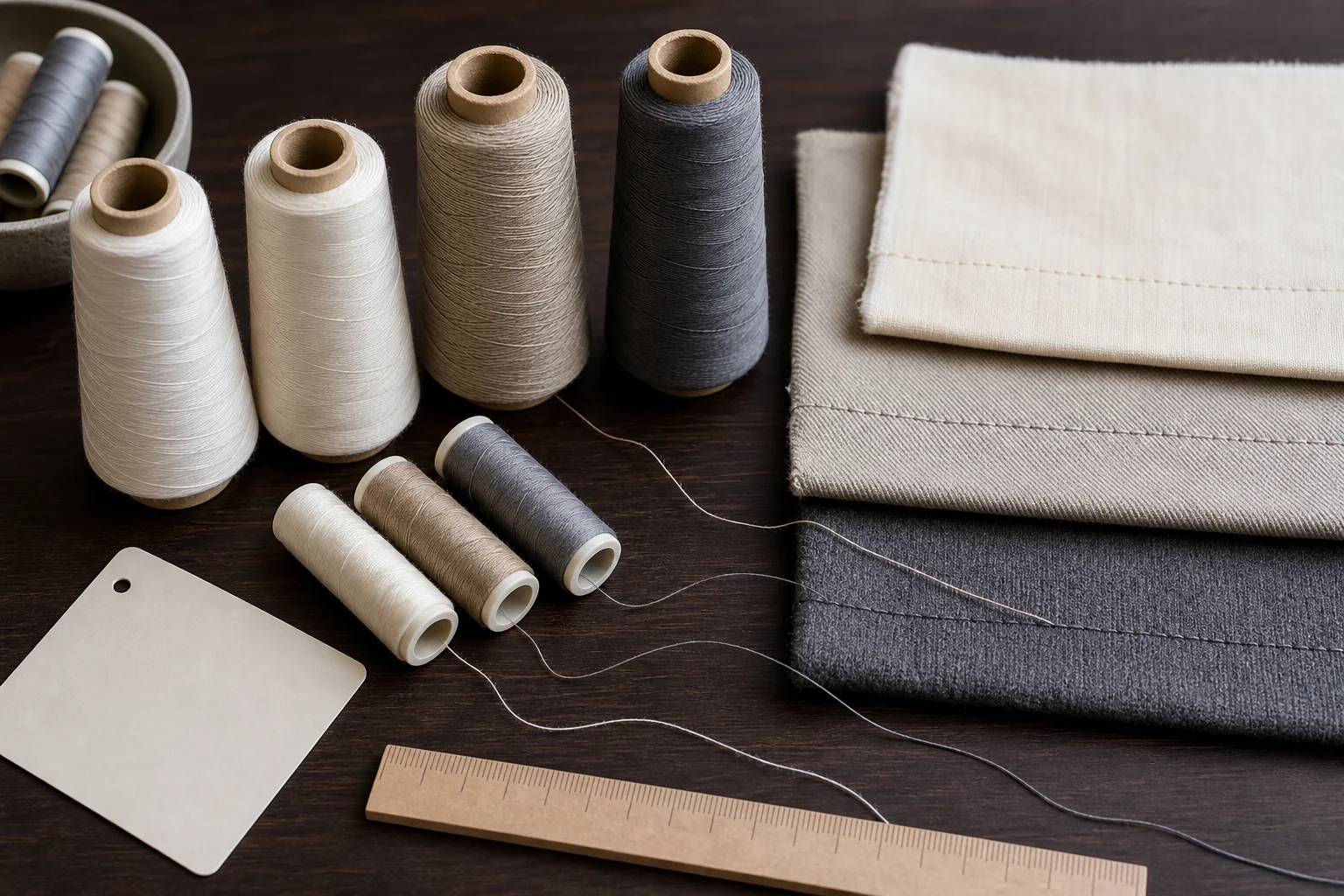
Sewing Thread Types for Clothing: A Brand Specification Guide
Construction thread is defined by more than fiber. Learn how spun, corespun and filament builds, Tex or ticket designations, finishes and sample evidence fit into a clothing BOM.
Read guide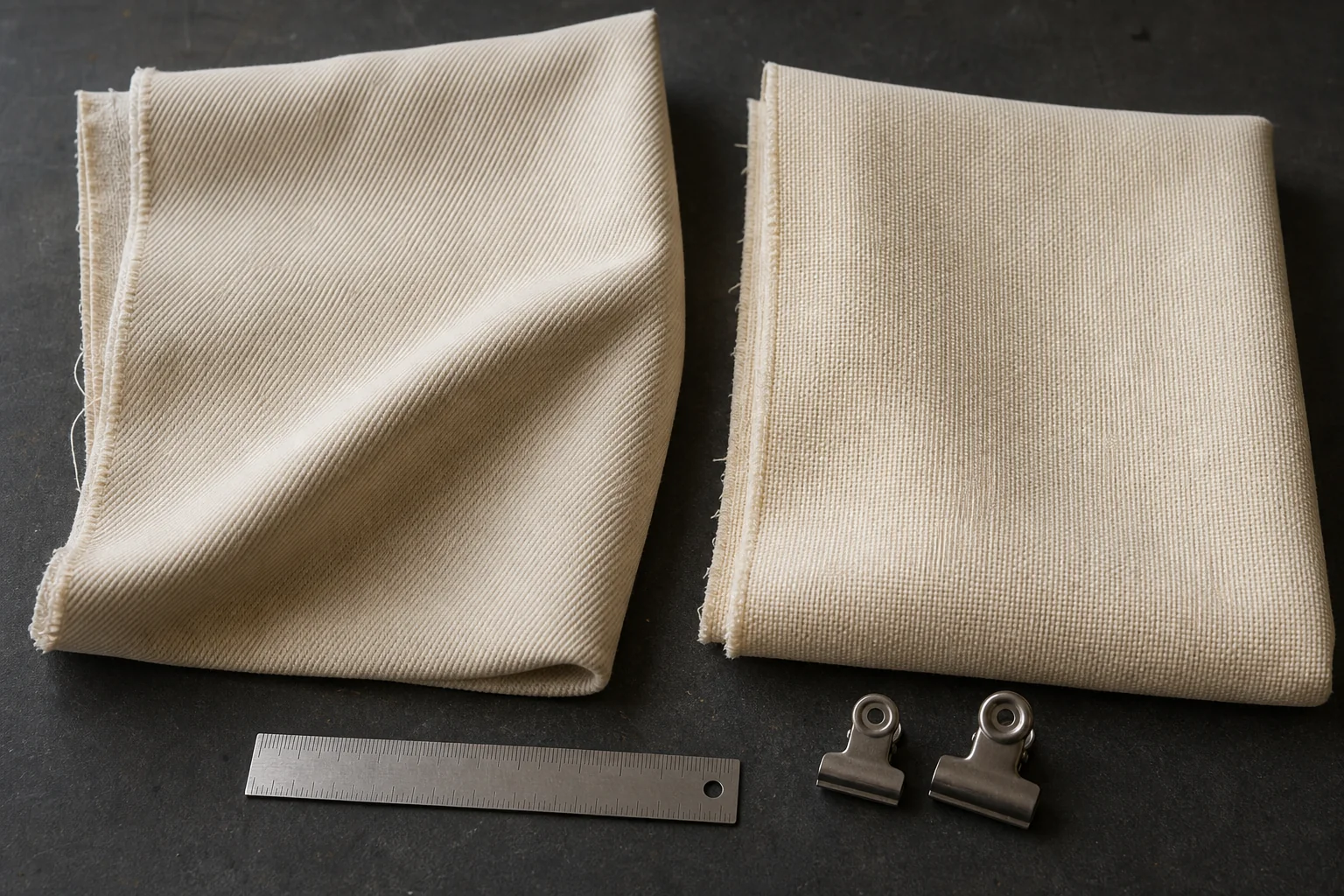
Twill vs Canvas Fabric for Pants and Jackets
Twill and canvas differ first in construction, but the name alone cannot predict strength or wear. Compare structure, hand, garment consequences and the evidence a brand should approve.
Read guide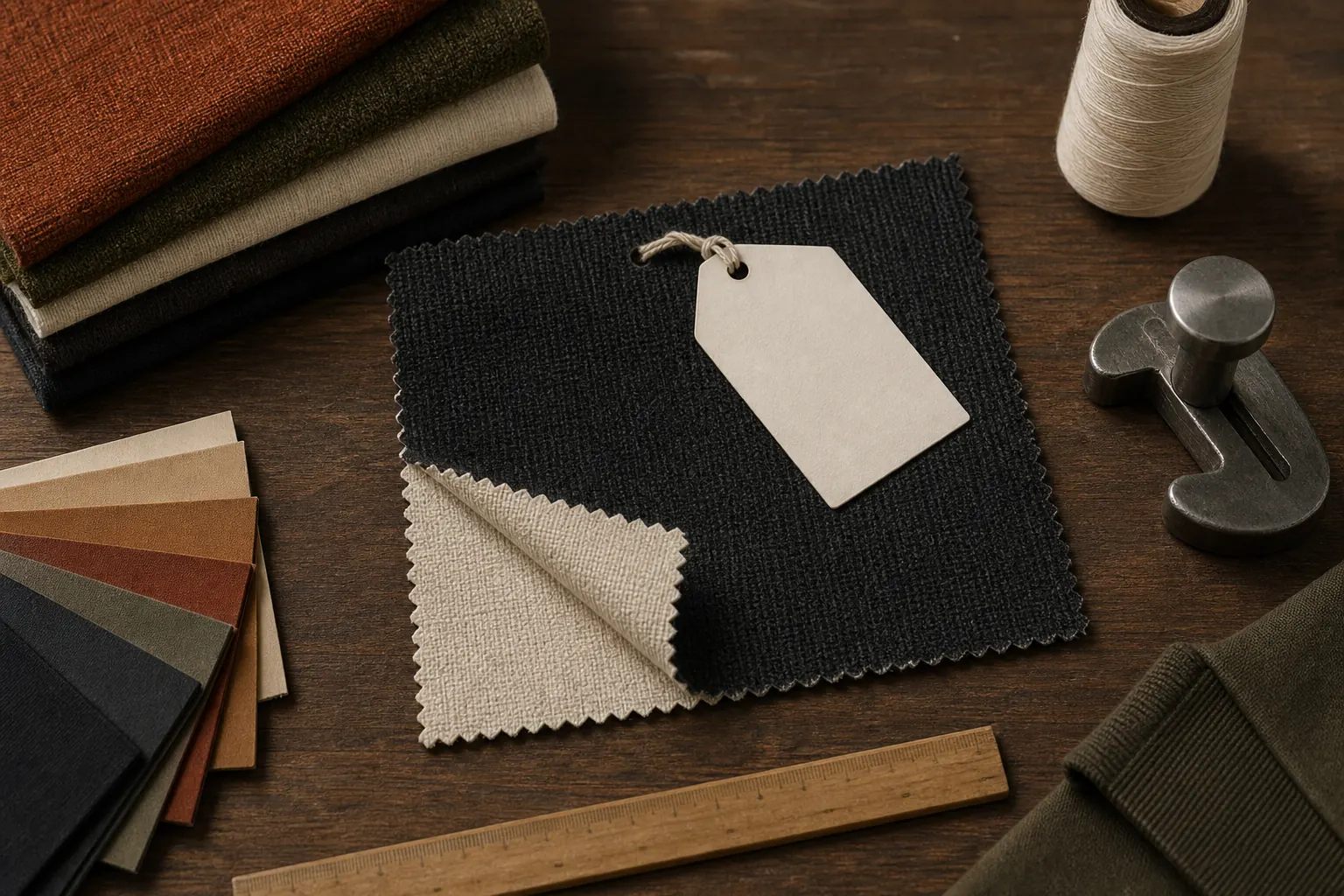
Fabric Swatch Approval Checklist for Clothing Brands
Approve a fabric swatch by identity, face and back, construction, hand, weight, test evidence and revision—without mistaking one small sample for bulk approval.
Read guide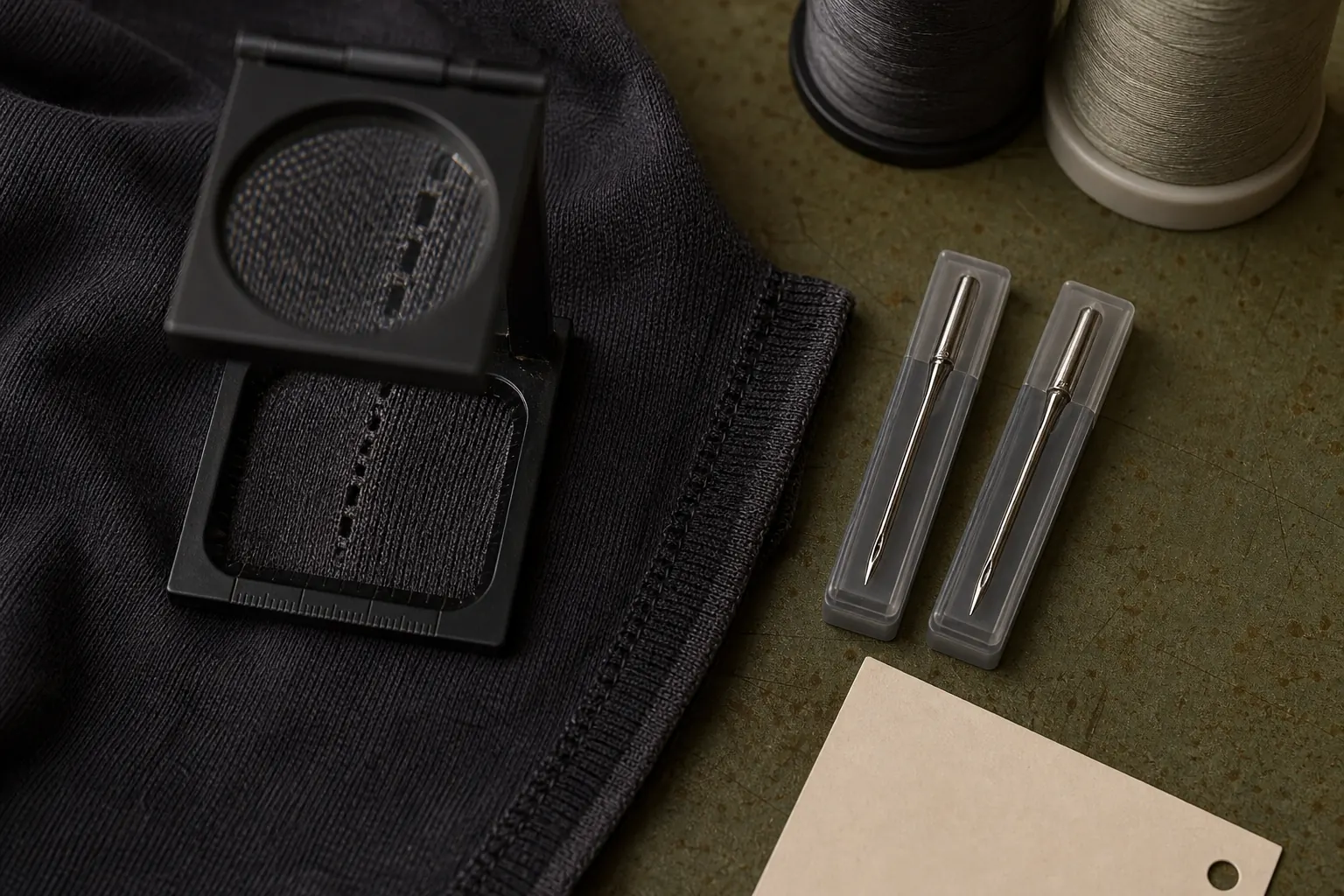
Needle Damage in Garment Sewing: Holes, Cuts and Snags
A hole beside a seam does not establish one diagnosis. Learn how cut yarns, heat damage, pulled loops and off-line marks differ, then use location, ply and wash evidence to validate a correction before bulk.
Read guide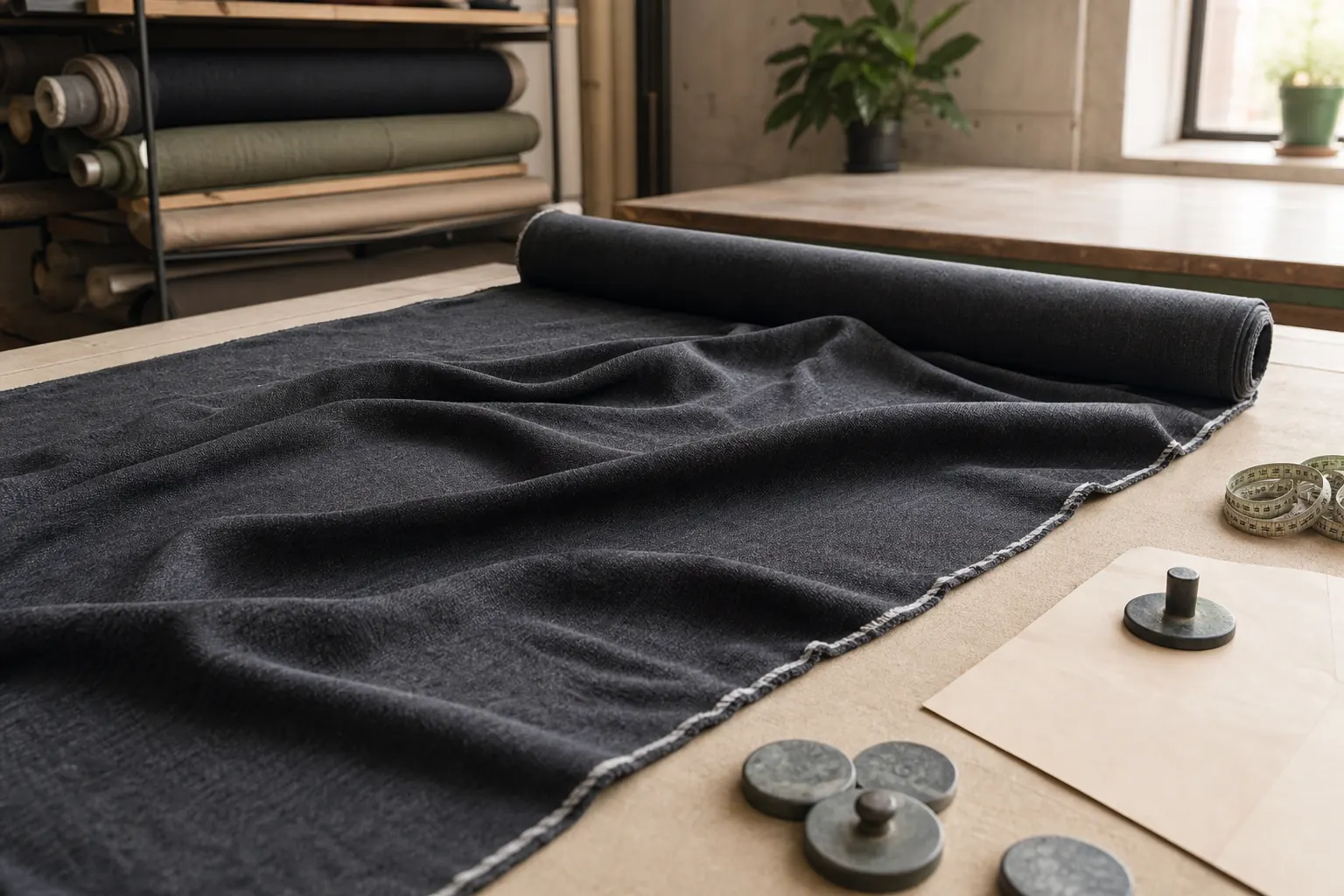
Why Fabric Relaxation Before Cutting Matters
Fabric relaxation lets roll goods reach an agreed low-tension cutting state before the marker becomes cut panels. Learn what to record, how usable width changes and why elapsed time alone is not a release test.
Read guide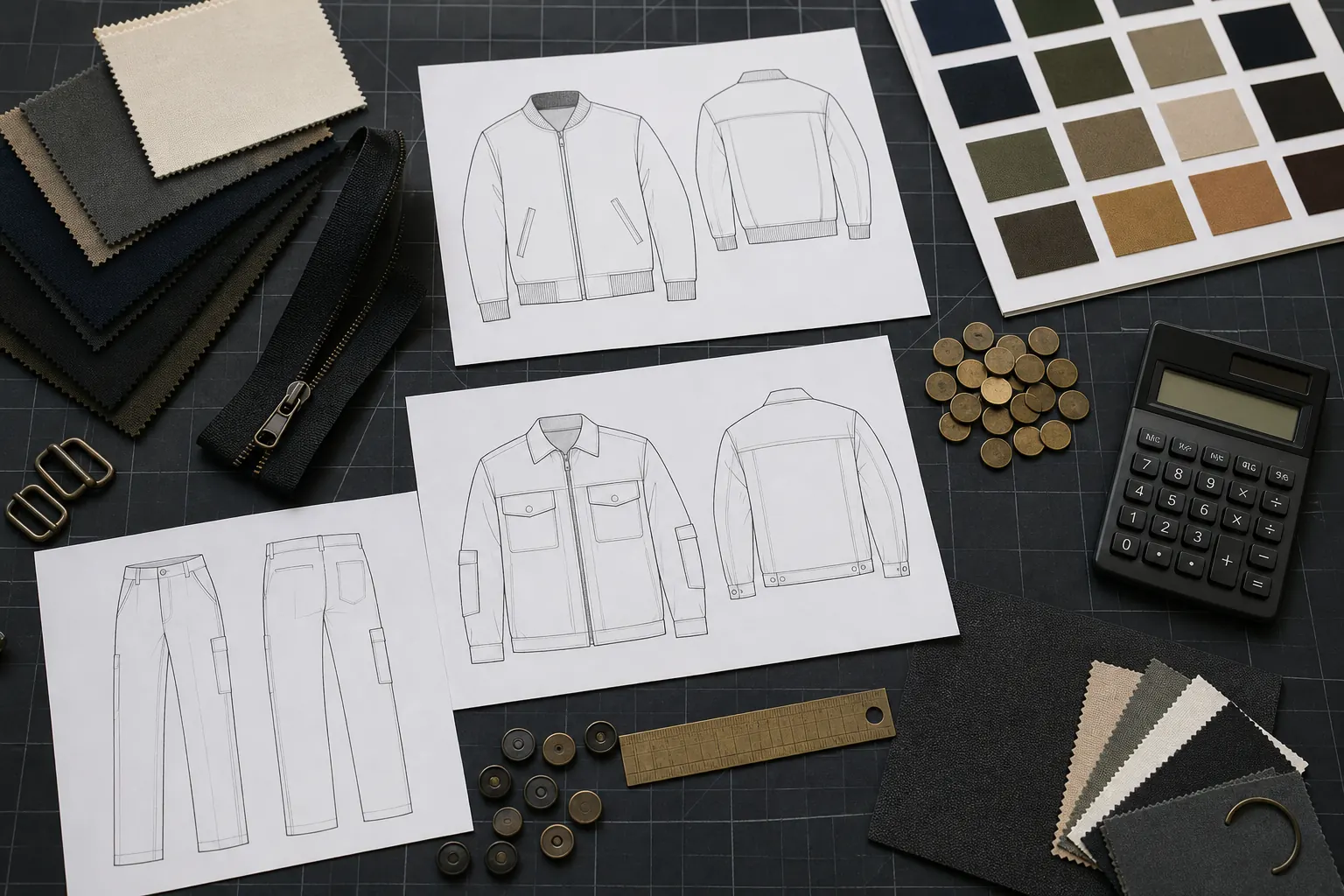
Clothing Manufacturing RFQ Checklist: Quote-Ready Inputs
Build one controlled clothing RFQ that gives every factory the same product revision, quantity split, commercial boundary, assumptions and response fields.
Read guide
Seam Puckering Causes: A Brand QC Guide
Seam puckering is a symptom, not a single machine fault. Use timing, seam location, ply behavior and wash evidence to distinguish structural, tension, feed and dimensional-change causes before bulk production.
Read guide
Rigid vs Stretch Denim: What Brands Should Specify
Rigid and stretch denim differ in yarn construction and measured behavior—not just fiber percentages. Compare stretch direction, growth, recovery, fit and wash approval before sampling jeans.
Read guide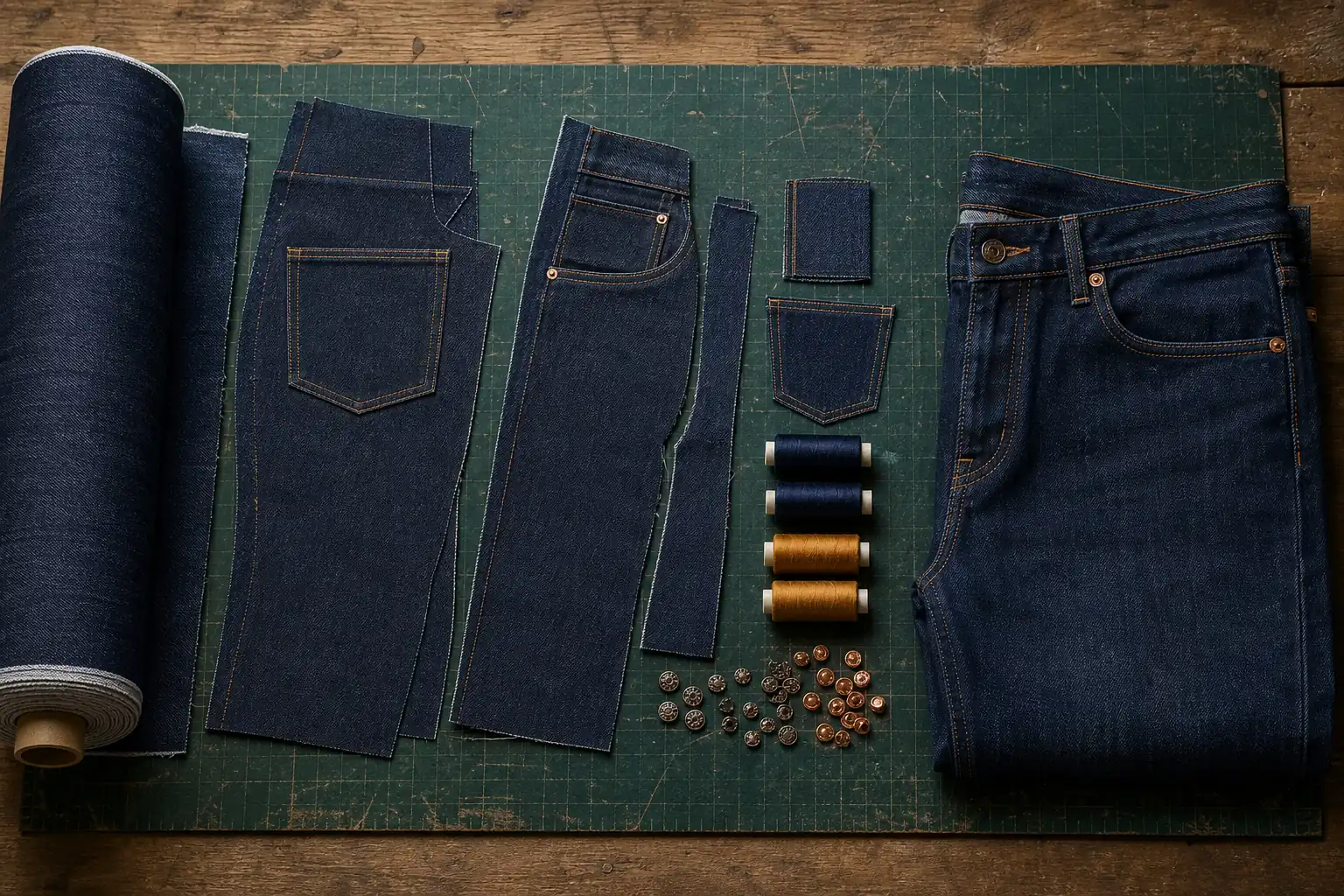
How Are Jeans Made? From Denim to Final Inspection
Follow finished denim through approval, pattern making, cutting, sewing, washing, measurement and final inspection—and see what a brand must decide at each handoff.
Read guide
Knit vs Woven Fabric: Fit, Construction and Sampling
Knit and woven fabrics are built differently, so they stretch, drape, cut and recover differently. Compare the two structures and learn what a brand should specify before sampling.
Read guide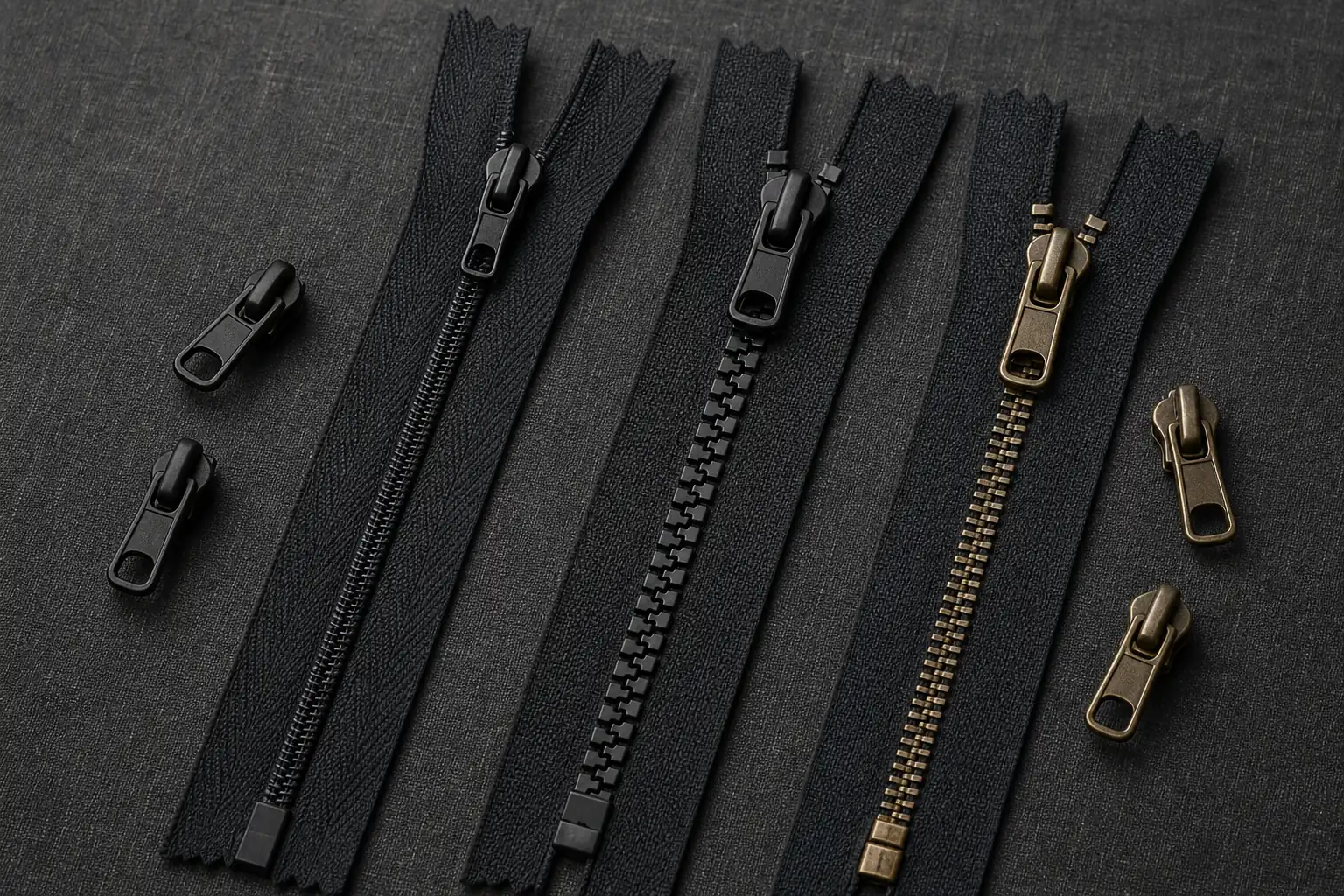
Types of Zippers for Clothing: What Brands Need to Spec
Coil, molded plastic and metal describe only the zipper elements. This buyer's guide shows how to combine element type, opening configuration, size, slider, length and approval evidence in a factory-ready clothing specification.
Read guide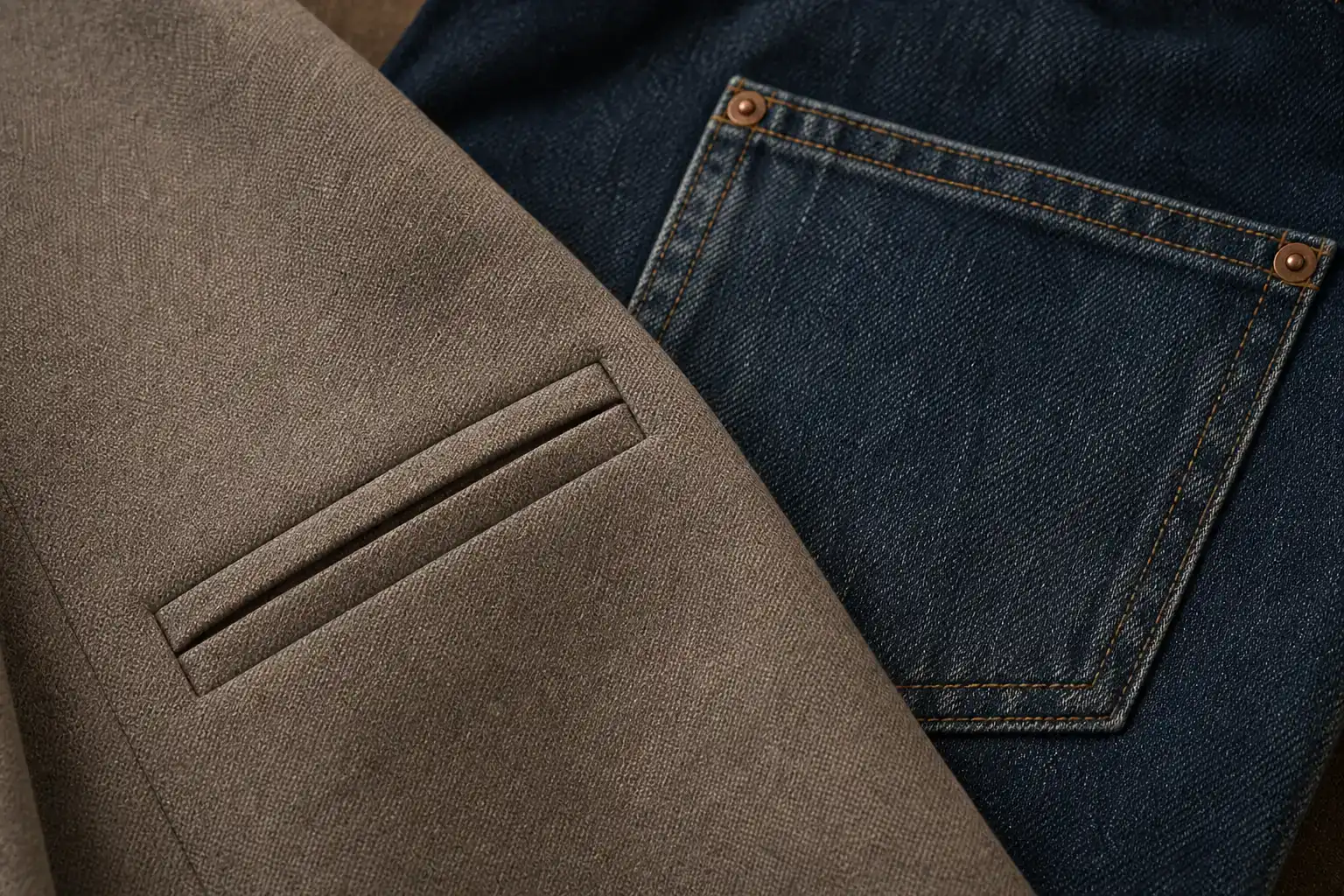
Pocket Types: A Factory Guide from Patch to Welt
Patch, set-in and in-seam are three useful pocket construction families. Learn the common variations, quote drivers, specification fields, and how to route pocket-bag or opening failures.
Read guide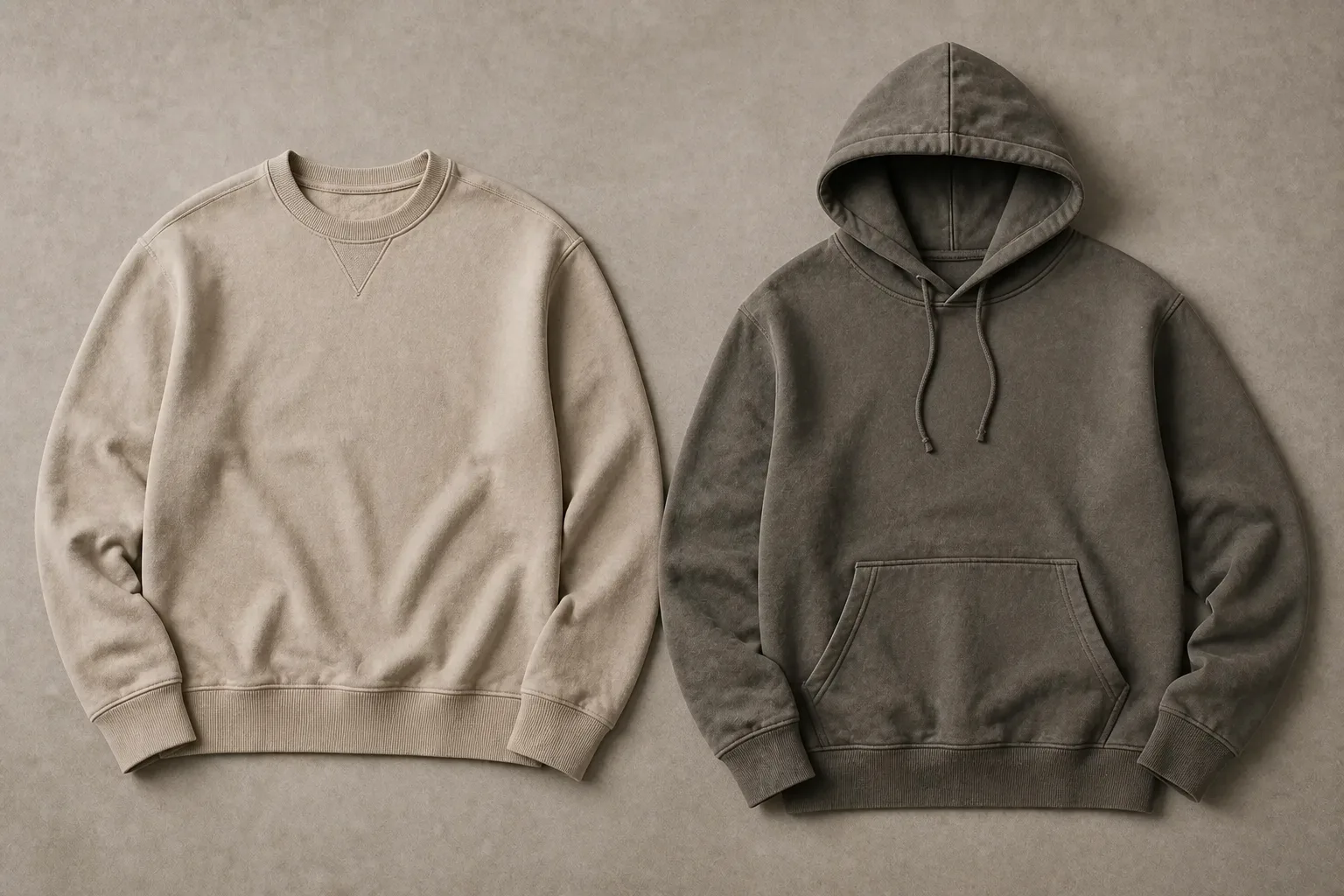
Sweatshirt vs Hoodie: What the Hood Actually Changes
Every hoodie is a sweatshirt; not every sweatshirt is a hoodie. The construction behind the terms — hood panels, drawcords, kangaroo pockets — what each adds on a sewing floor, and how brands decide between crewneck, pullover and zip for a drop.
Read guide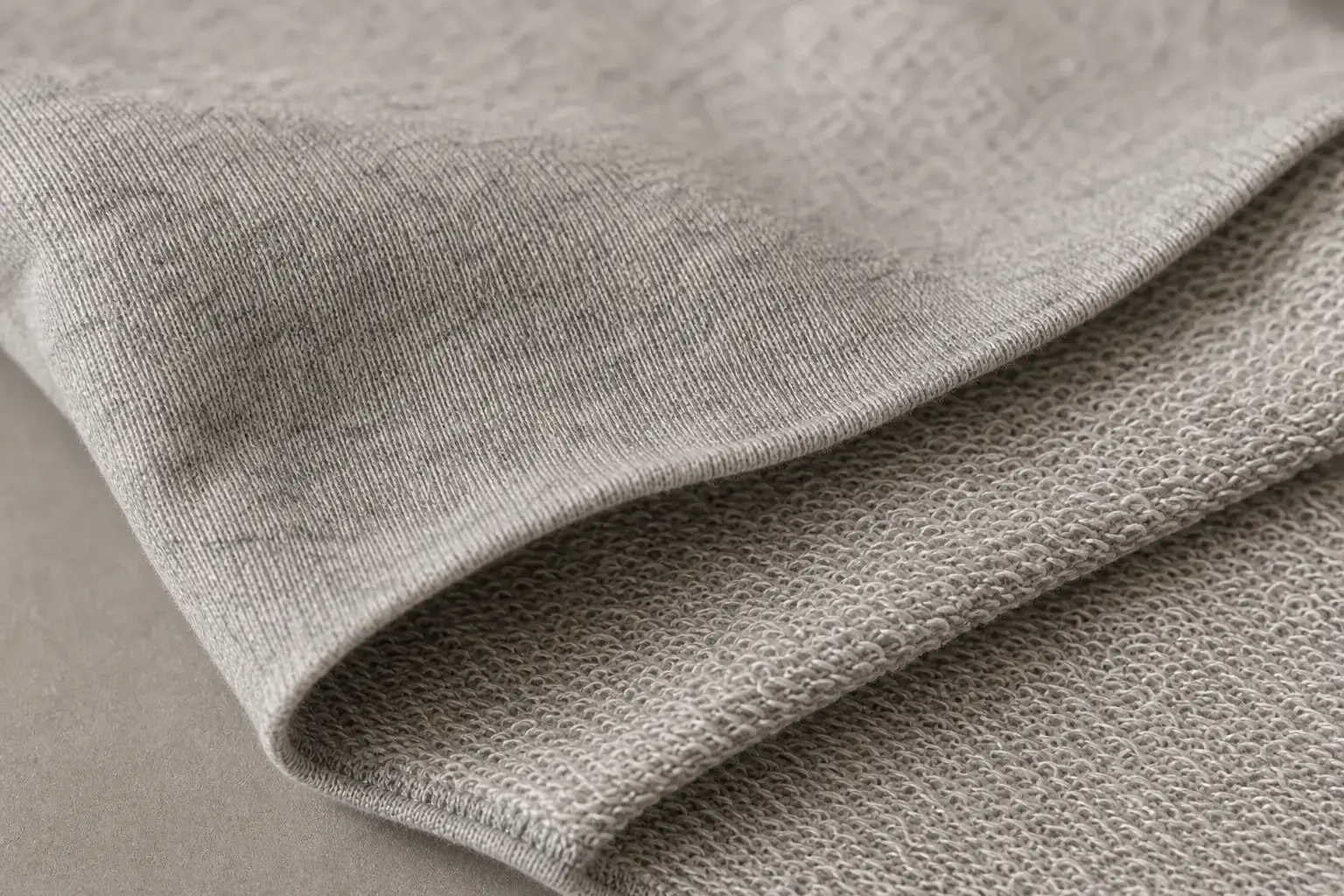
What Is French Terry Fabric? Loop-Back Structure, Snag Risk and Approval
French terry is commonly identified by an un-napped technical back with visible float loops and a jersey face. A usable approval goes beyond the name: lock the exact article, face and back, finish state, mass, defect language and physical reference.
Read guide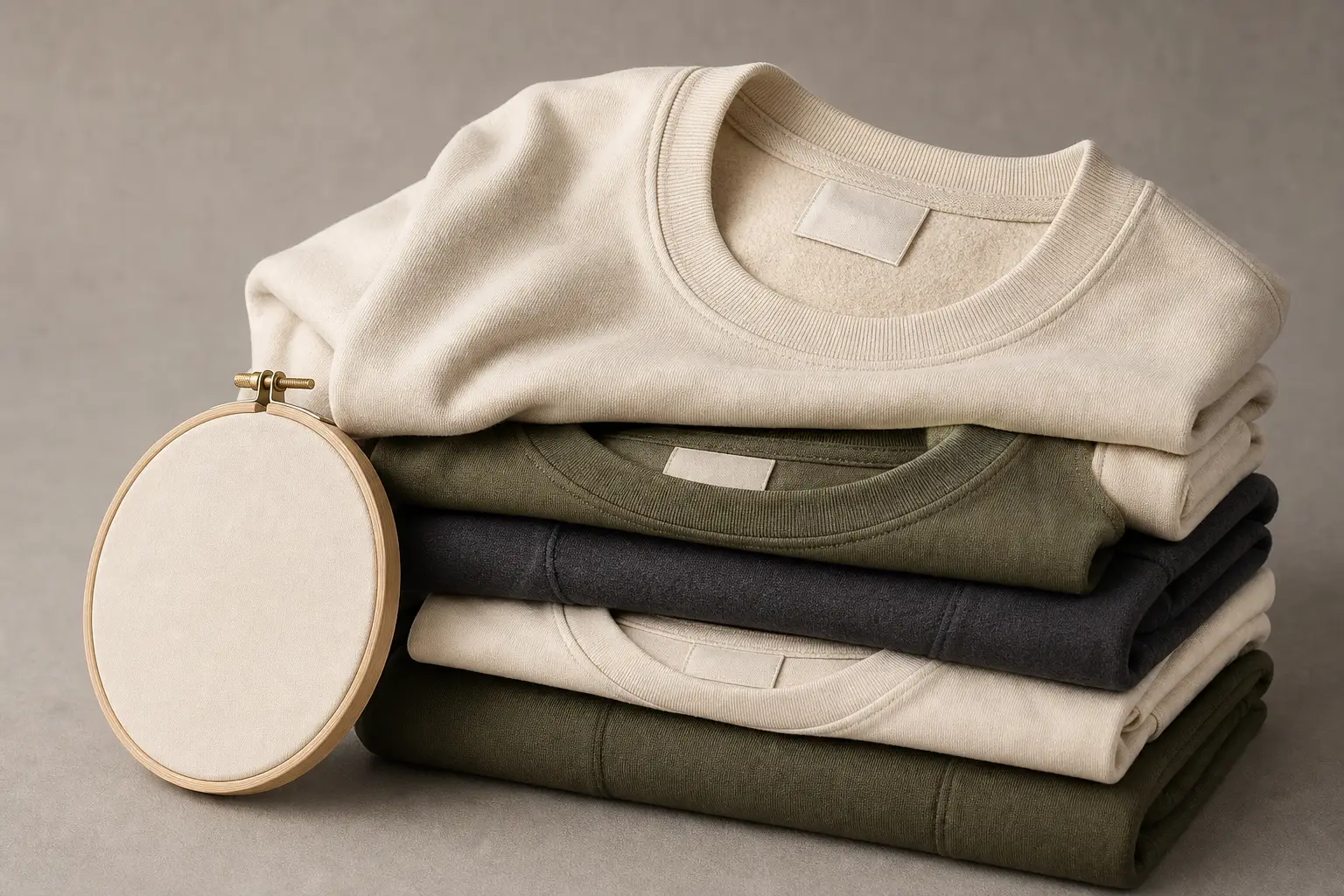
How to Make Merch That Does Not Feel Like Merch
Print-on-demand, decorated blanks, or cut-and-sew: the three ways to make merch, the order sizes where each one wins, and the quality and labeling details that separate a merch drop from a product line.
Read guide