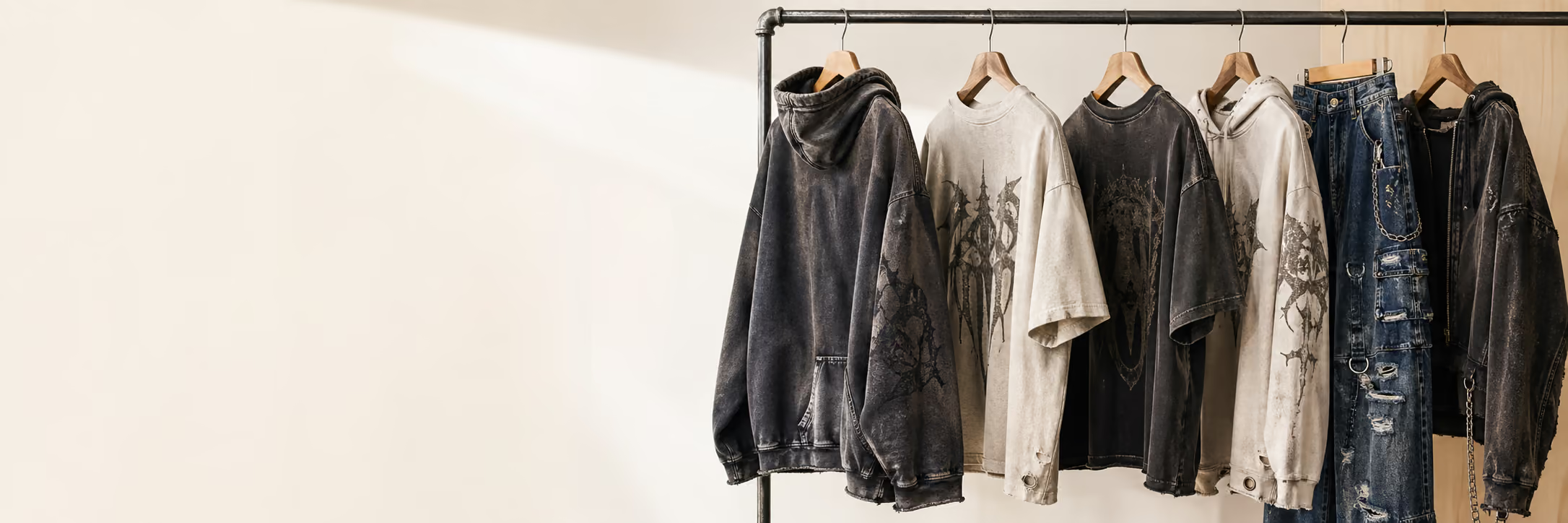
Factory notes for custom apparel buyers
Practical guides for preparing briefs, comparing techniques and understanding the production decisions behind custom men's streetwear.
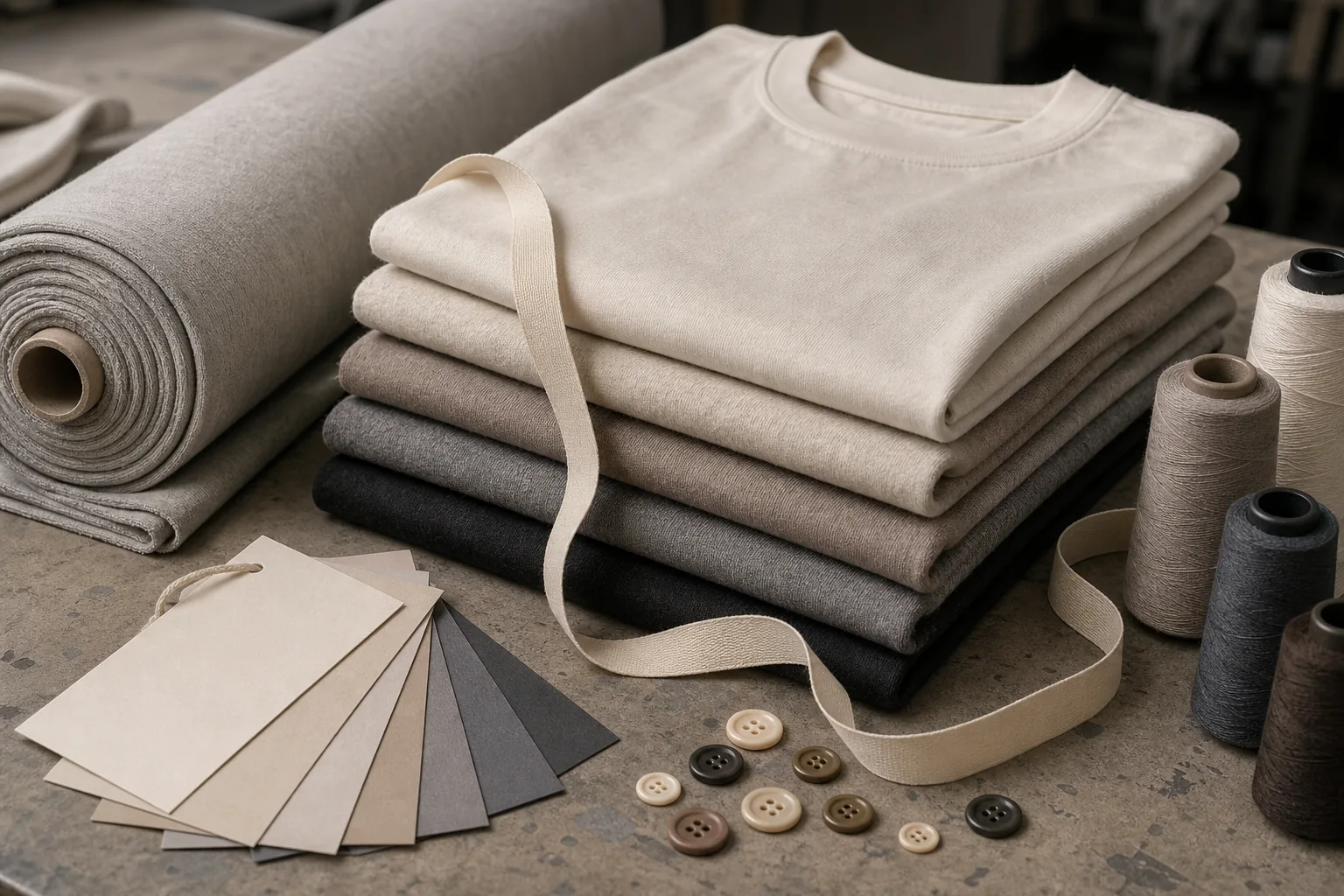
How Much Does It Cost to Make a T-Shirt? Factory Numbers, Not Guesses
Our published tier pricing for a heavyweight boxy tee runs USD 13.60-17.60 per piece — and on a tee, unlike a hoodie, decoration is often the biggest slice you actually control.
Read guide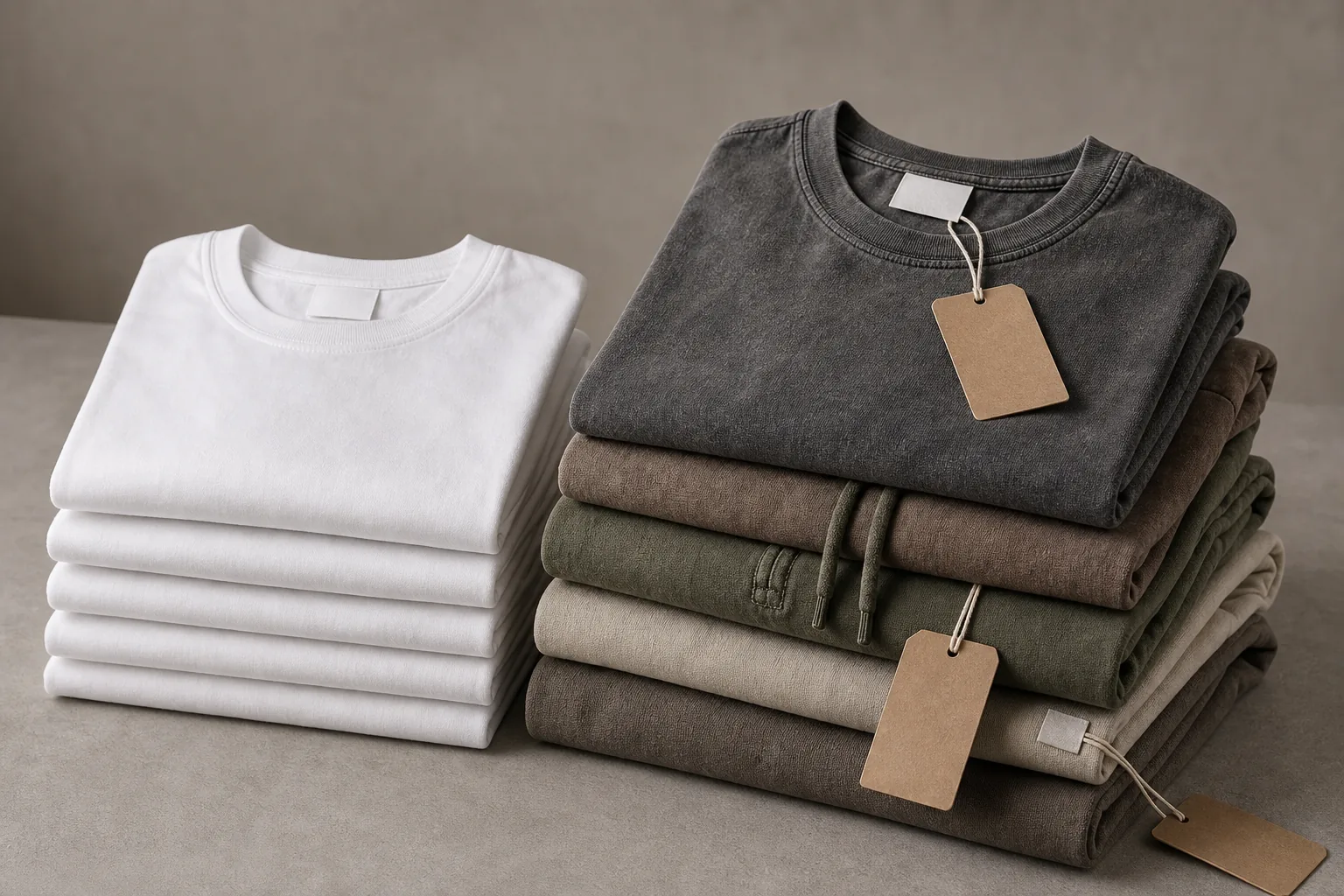
White Label vs Private Label Clothing: What Actually Changes
White label means relabeling a product that already exists; private label means a product made to your spec, under your brand. For a clothing brand the difference decides your fit, your fabric, and how defensible your product is.
Read guide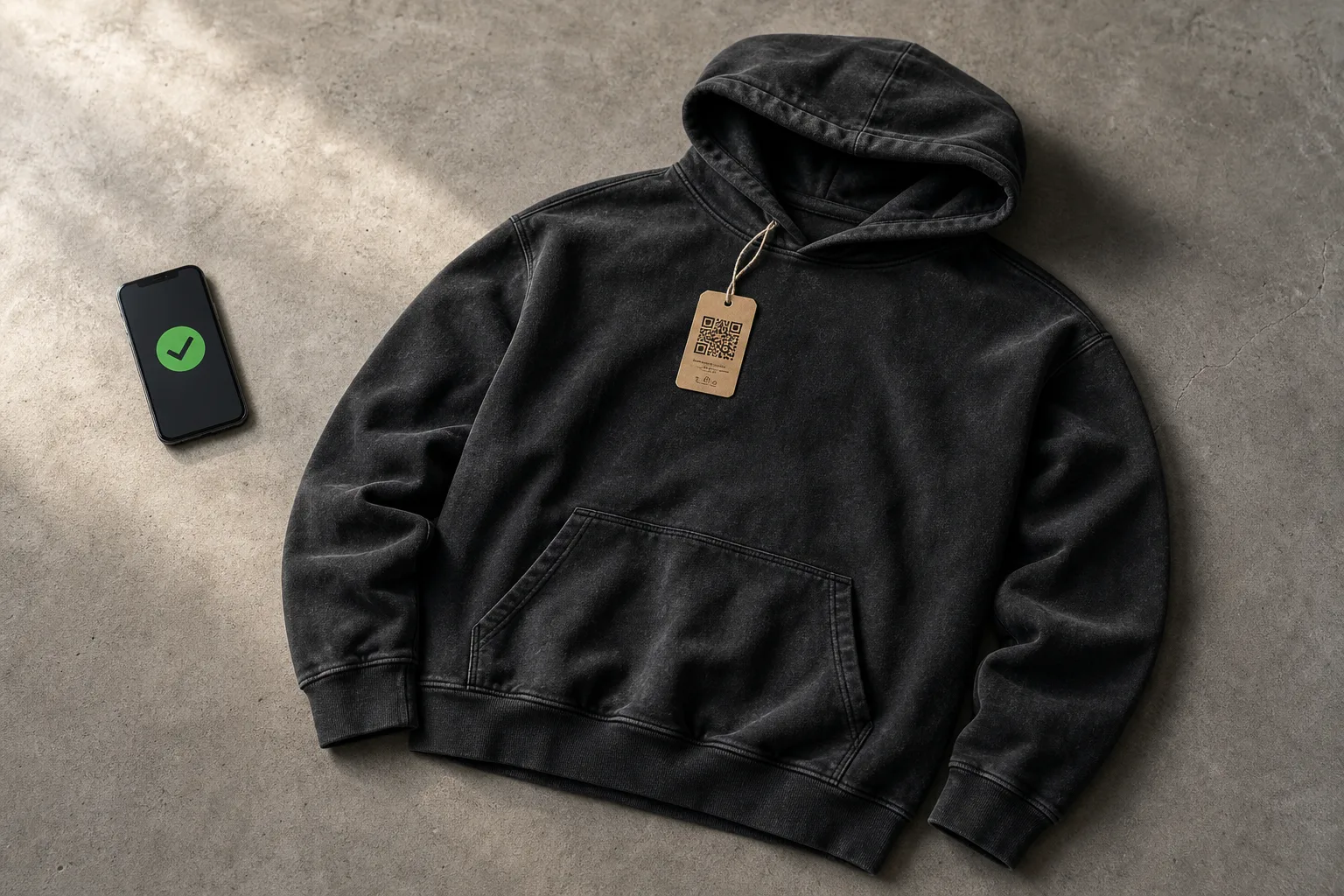
We're a Garment Factory. We Vibe-Coded Our Own Tag-Tracing System.
A client found counterfeits of their garments. Off-the-shelf platforms charged by code or scan and kept the data on their systems. So our factory built its own solution and open-sourced it.
Read guide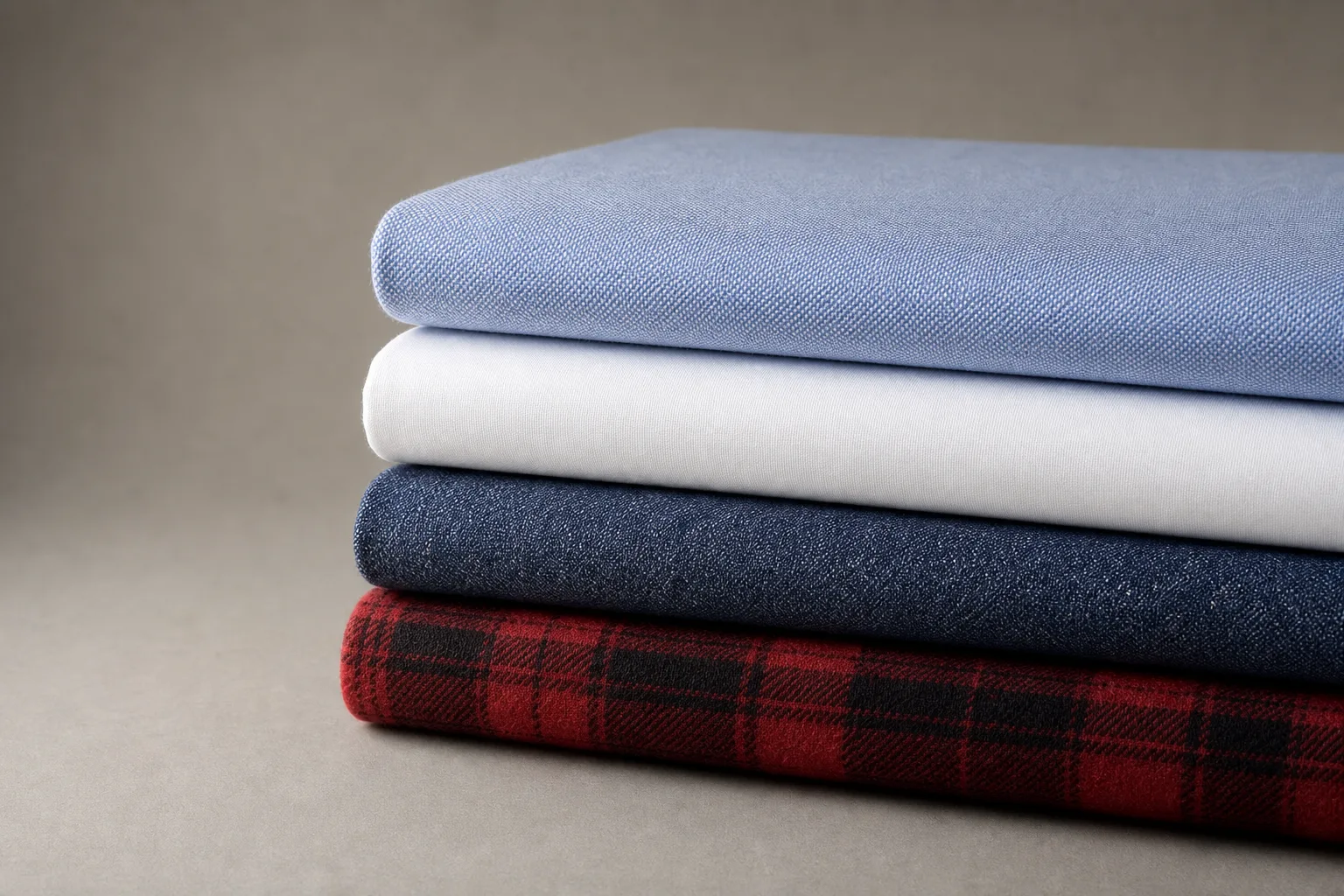
Oxford vs Poplin Shirt Fabric: How Buyers Compare Specs
Oxford and poplin are construction starting points, not fixed weight or quality grades. Compare yarn count, warp and weft density, finished GSM, thickness and same-state garment evidence before approval.
Read guide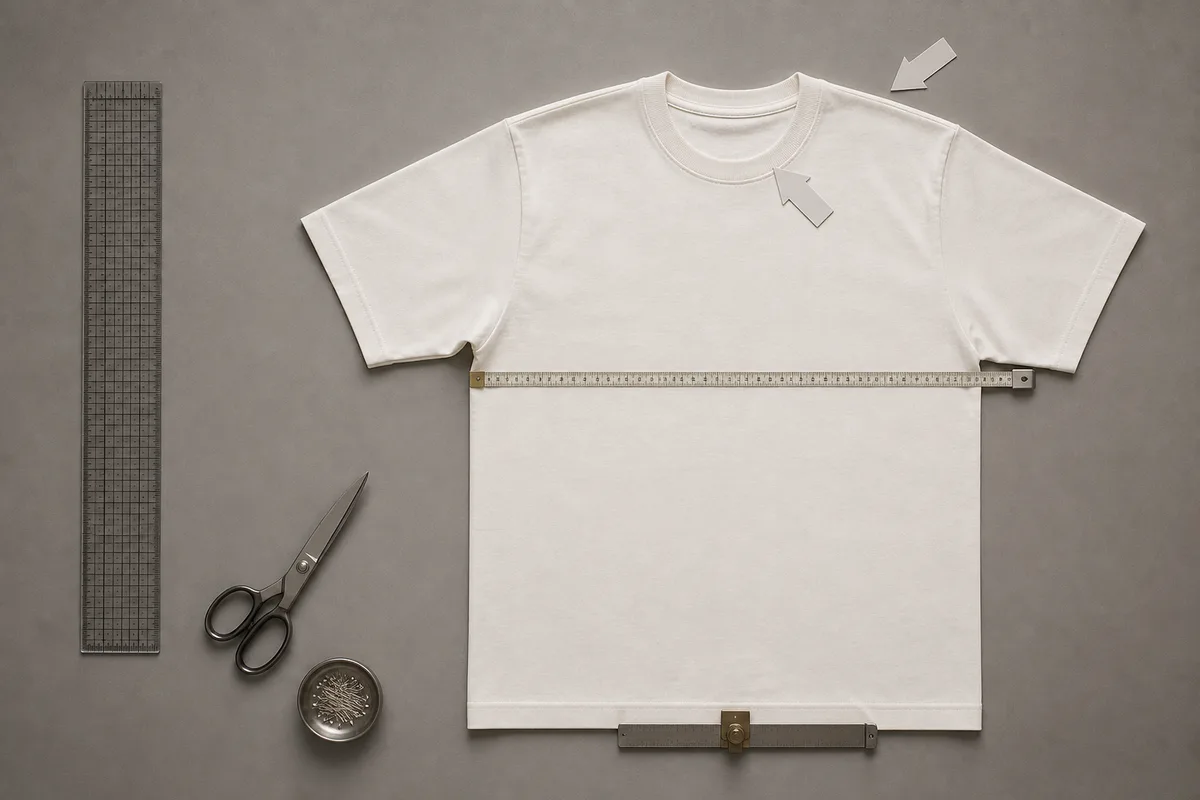
The Anatomy of a T-Shirt — as a Factory Actually Reads It
A T-shirt is a system of panels, trims, seams, hems and measurements. This factory guide names each component and shows what to specify and inspect.
Read guide
Using ChatGPT to Find a Clothing Manufacturer: A Buyer’s Guide — From a Factory AI Recommends
A meaningful share of the brands that contact us arrive from AI assistant links, so we know both sides of this search. What AI sourcing does brilliantly, where it hallucinates, and the vetting that stays human.
Read guide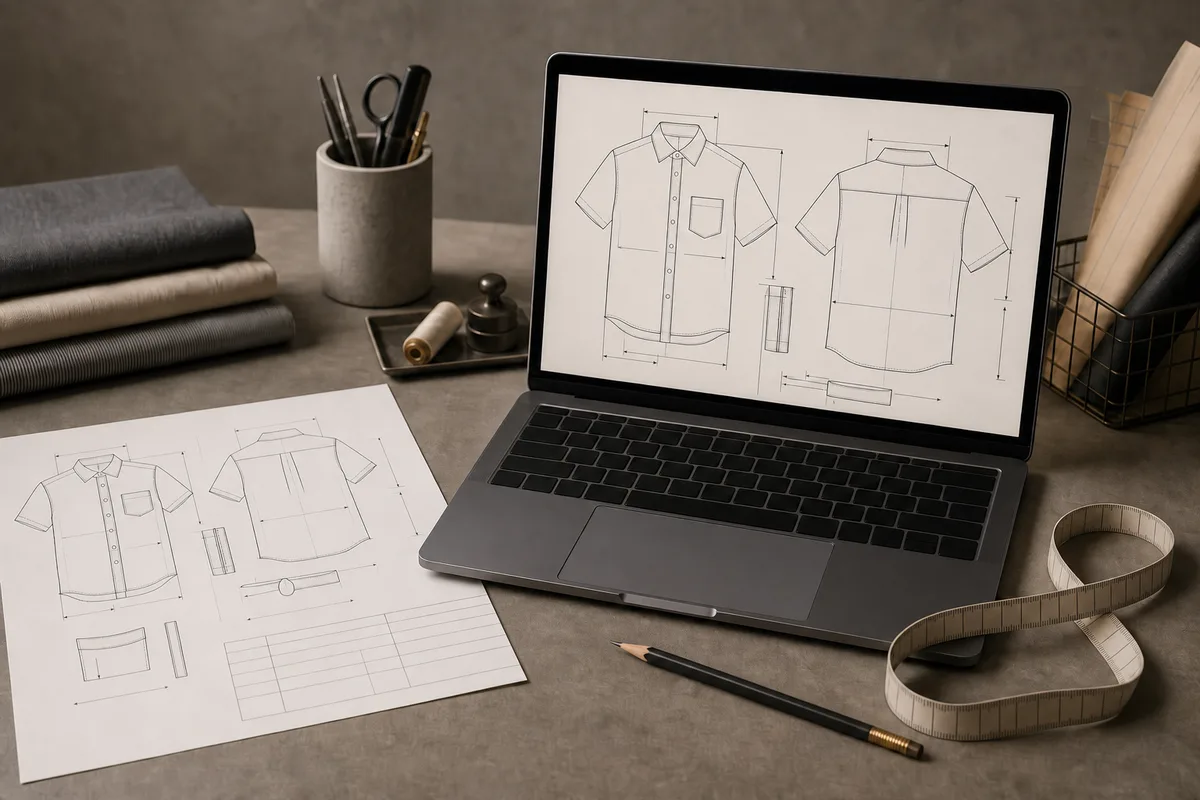
Can AI Write Your Tech Pack? An Honest Assessment from the Factory That Reads Them
Use AI for structure and language, not invented production data. A factory-side traffic-light review and page-by-page preflight for AI-assisted tech packs.
Read guide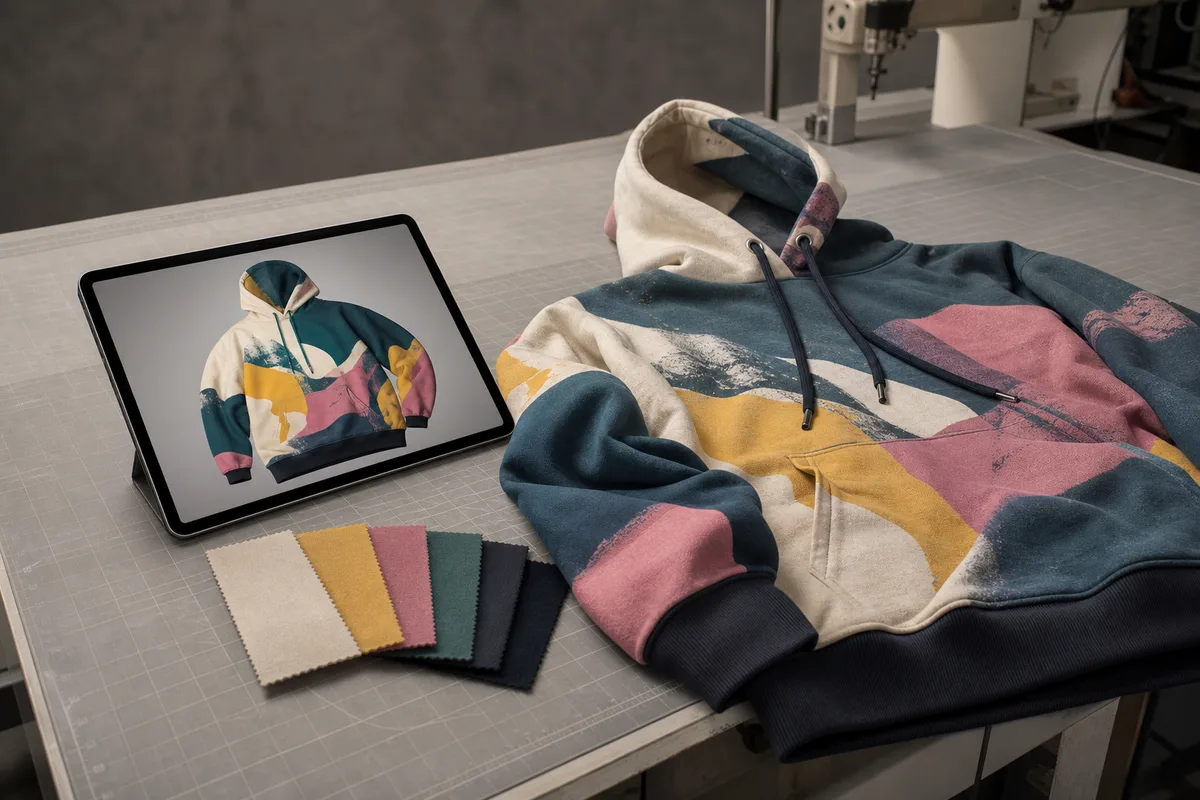
From Midjourney to Manufactured: How AI Designs Become Real Garments
An AI image is a picture of a garment, not a garment: no fabric, no fit, no print method. The factory-side path from concept image to tech pack to sample — including the copyright facts most guides skip.
Read guide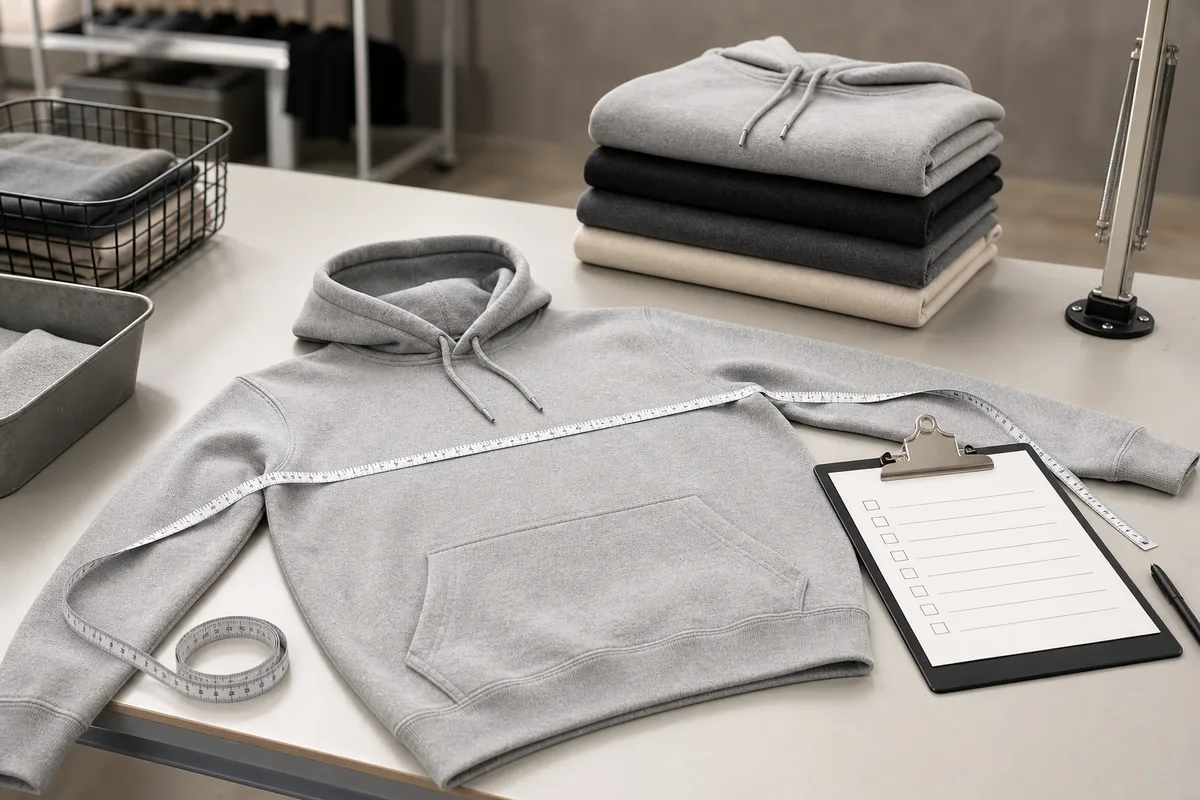
AQL 2.5 Explained: What Garment Buyers Should Specify
AQL 2.5 is one input to a garment acceptance-sampling plan, not a promise that 2.5% defects are allowed. Learn what buyers need to agree before inspection.
Read guide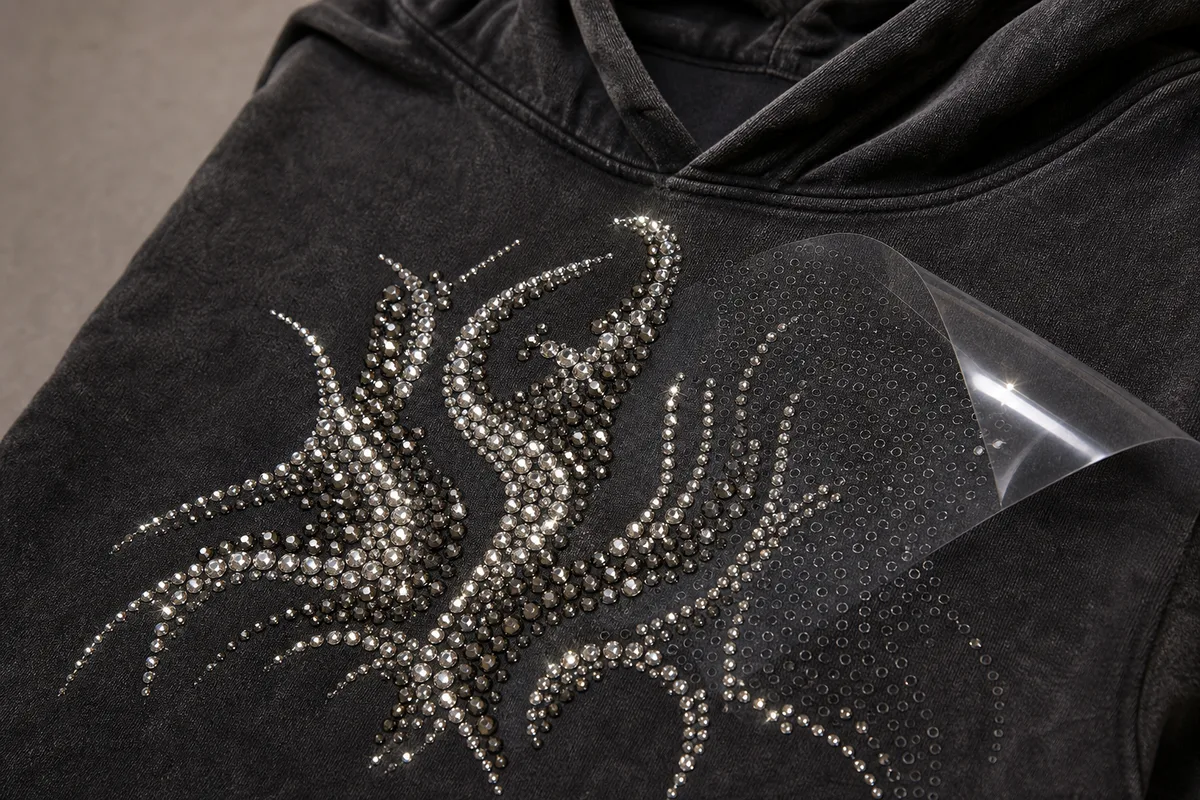
Rhinestone Hoodies and Tees: Hotfix Stones, Quality Tiers, and How Bling Survives the Wash
Every rhinestone garment is a heat-glued mineral mosaic: stone grade, transfer production and press parameters decide whether it dazzles for years or sheds in the first wash. The factory guide to speccing bling.
Read guide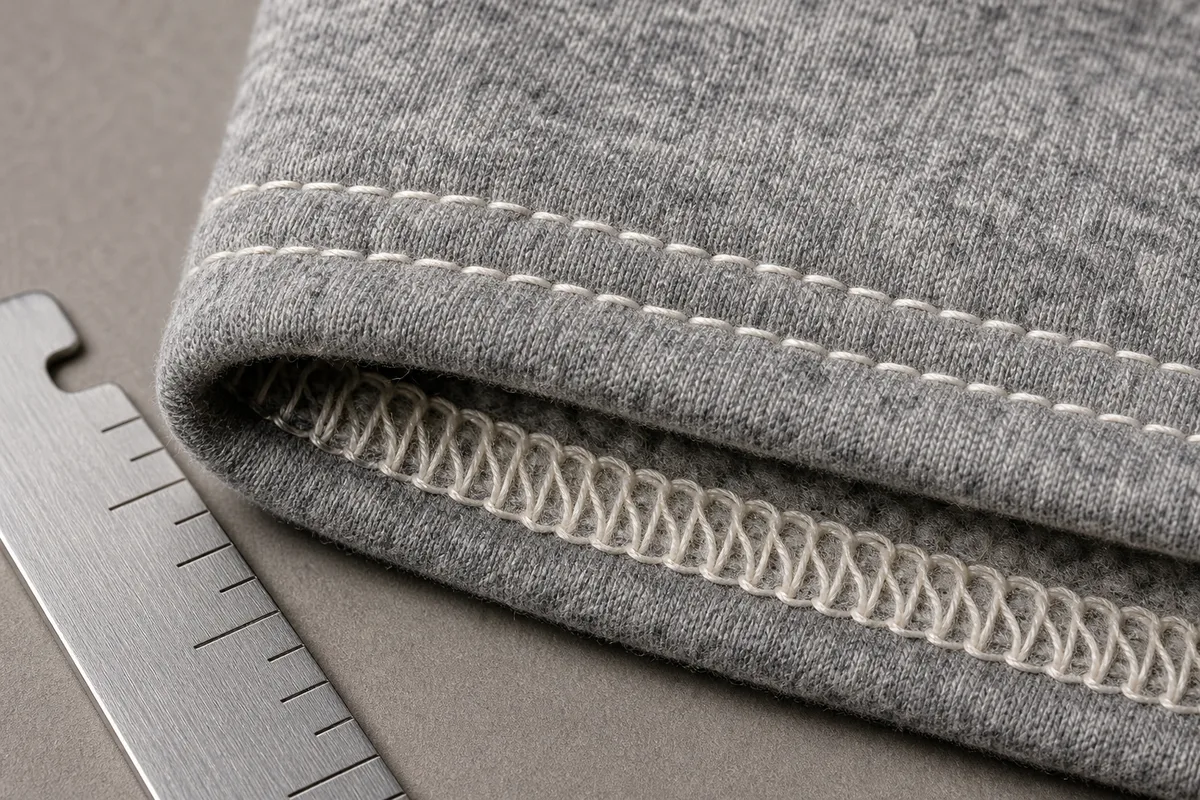
Stitch Types and Seam Quality: A Garment Approval Guide
Identify the stitch formation, separate skipped, broken and imbalanced evidence, then approve a location-specific seam against the actual material and named test criteria.
Read guide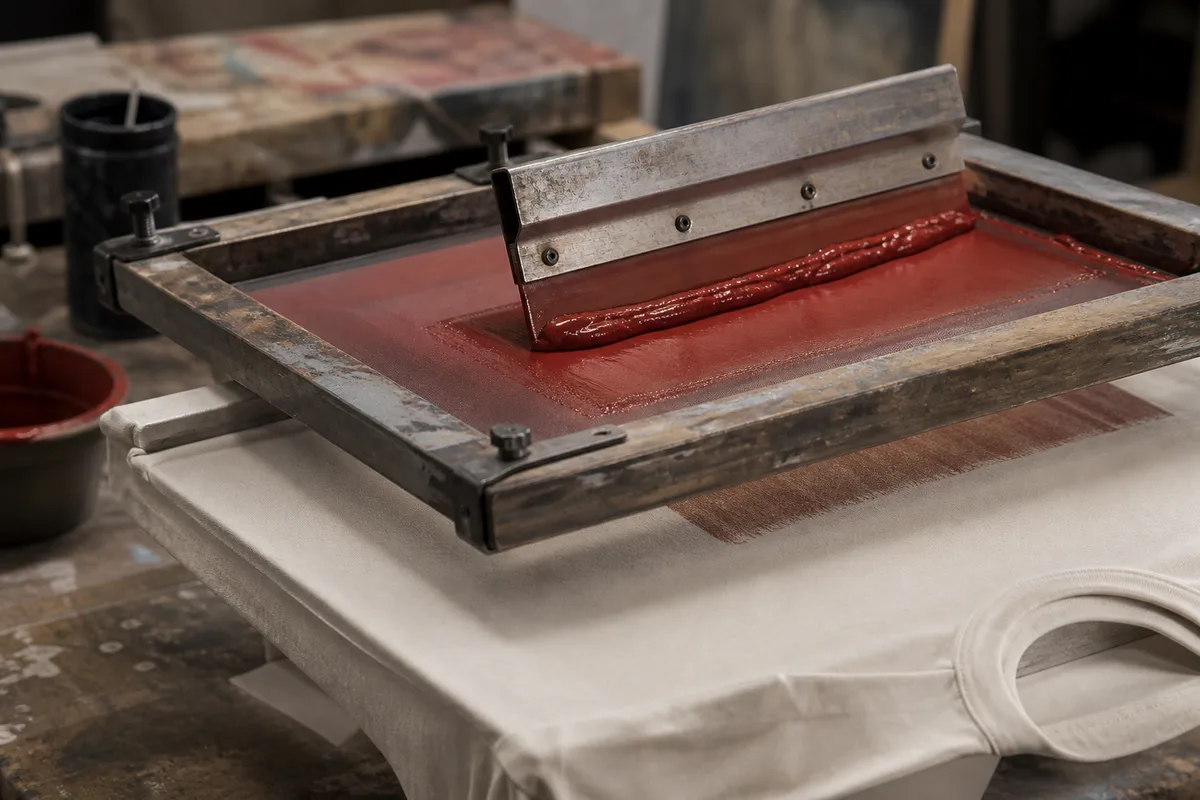
Screen, DTG, DTF: How T-Shirt Printing Actually Works, Explained From the Press Room
Understand how screen, DTG and DTF printing build an image, then approve artwork, registration, placement and product-specific process evidence without relying on universal settings.
Read guide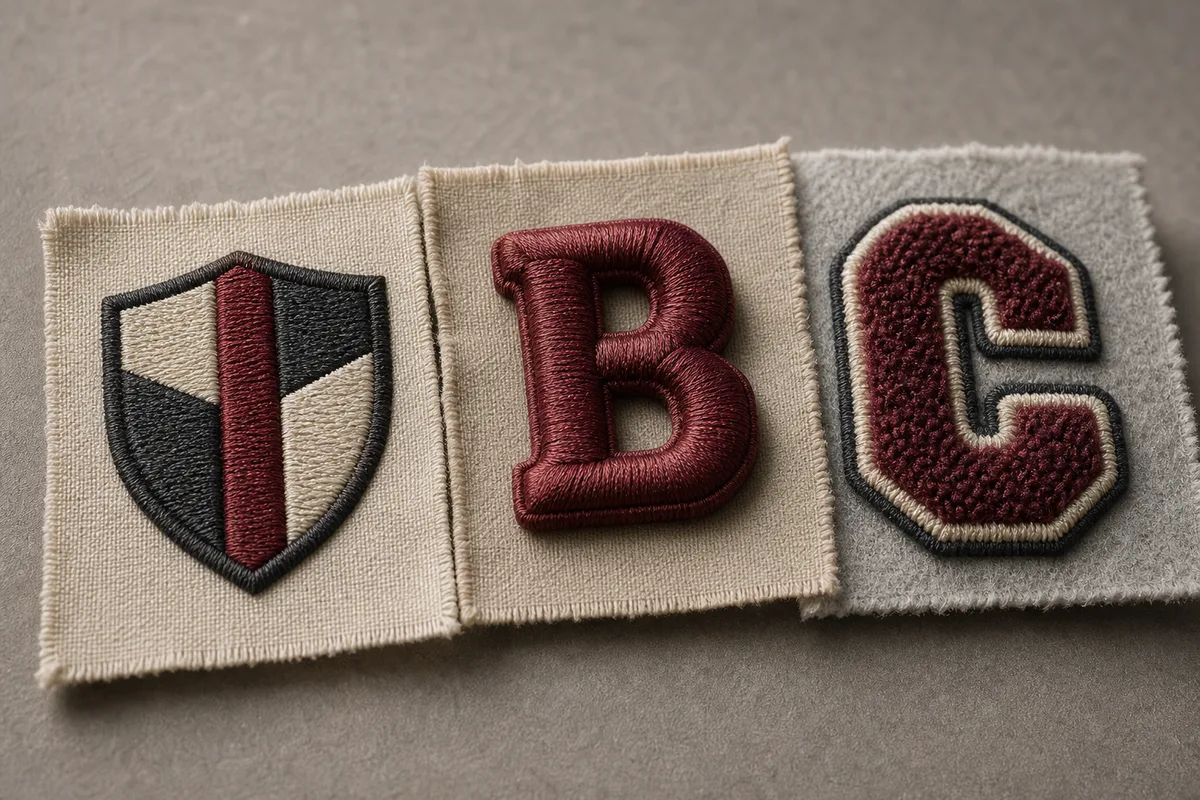
Flat, 3D Puff and Chenille Embroidery: Build and Approval Guide
Compare flat, 3D puff and chenille by construction, visual evidence and cost drivers, then approve registration, coverage and edges on a physical sample.
Read guide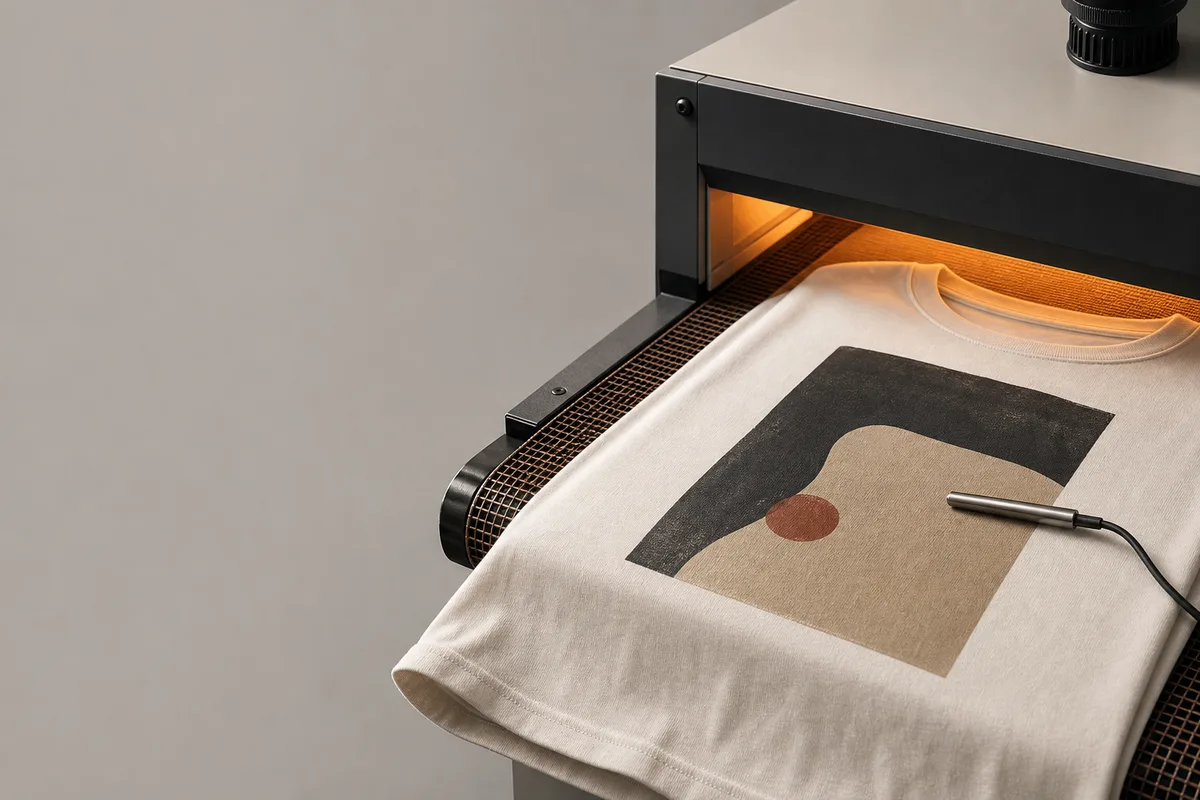
Print Durability: Dye Migration vs Poor Cure and Wash Evidence
Separate substrate dye migration from poor cure, film damage and color change, then bind every decision to the actual ink system, garment lot and test evidence.
Read guide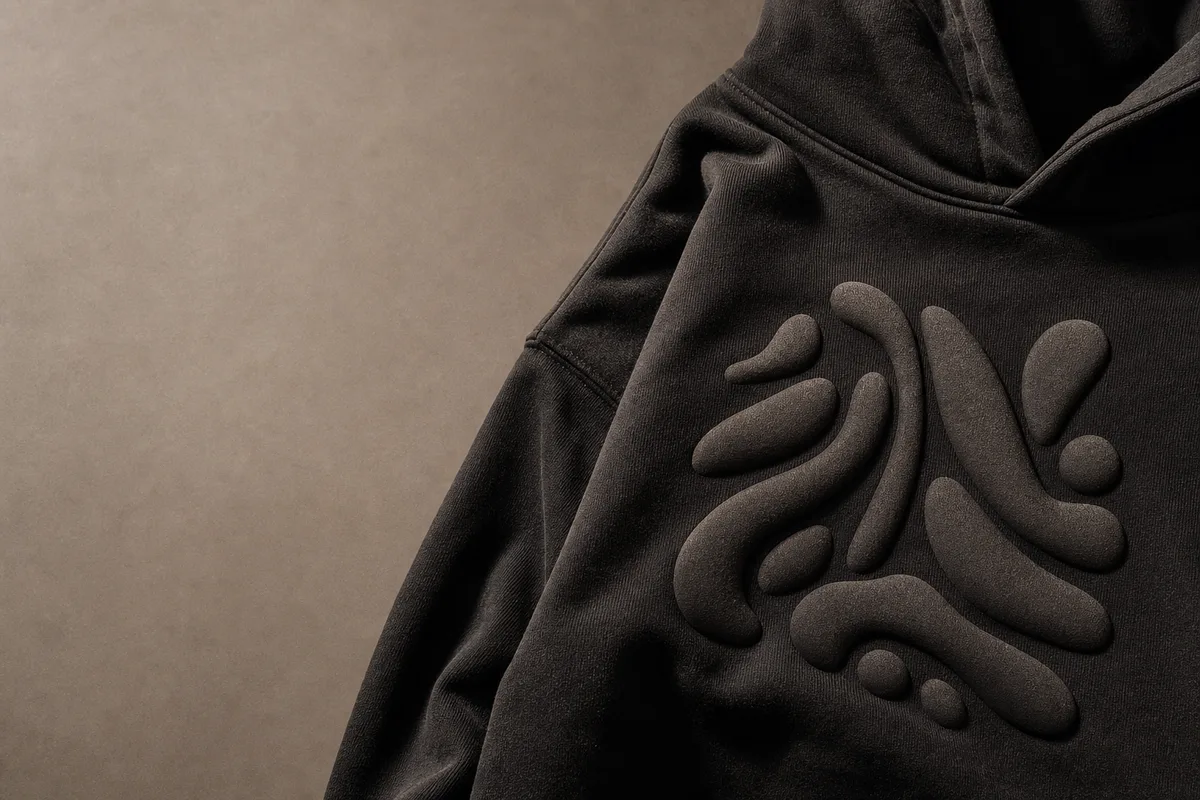
Puff Print on Hoodies: Why It Collapses, Spreads or Loses Edge Definition
Specify a puff-print build, separate uneven rise, spread, collapse and film damage, and approve a production-representative hoodie without copying a universal cure setting.
Read guide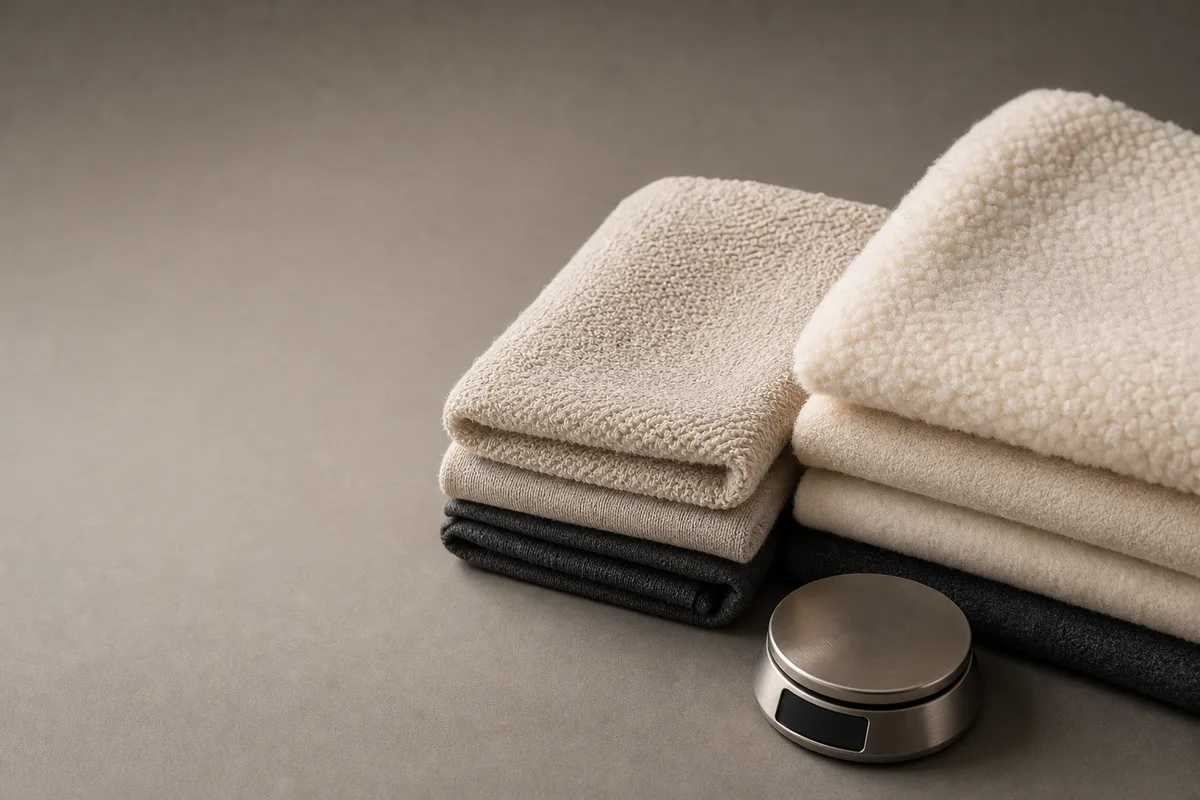
French Terry vs Brushed Fleece: Why Equal GSM Feels Different
French terry and brushed fleece can share a GSM number yet differ in loops, nap, loft, hand and garment behavior. Compare identified materials and approval states instead of treating weight as a quality grade.
Read guide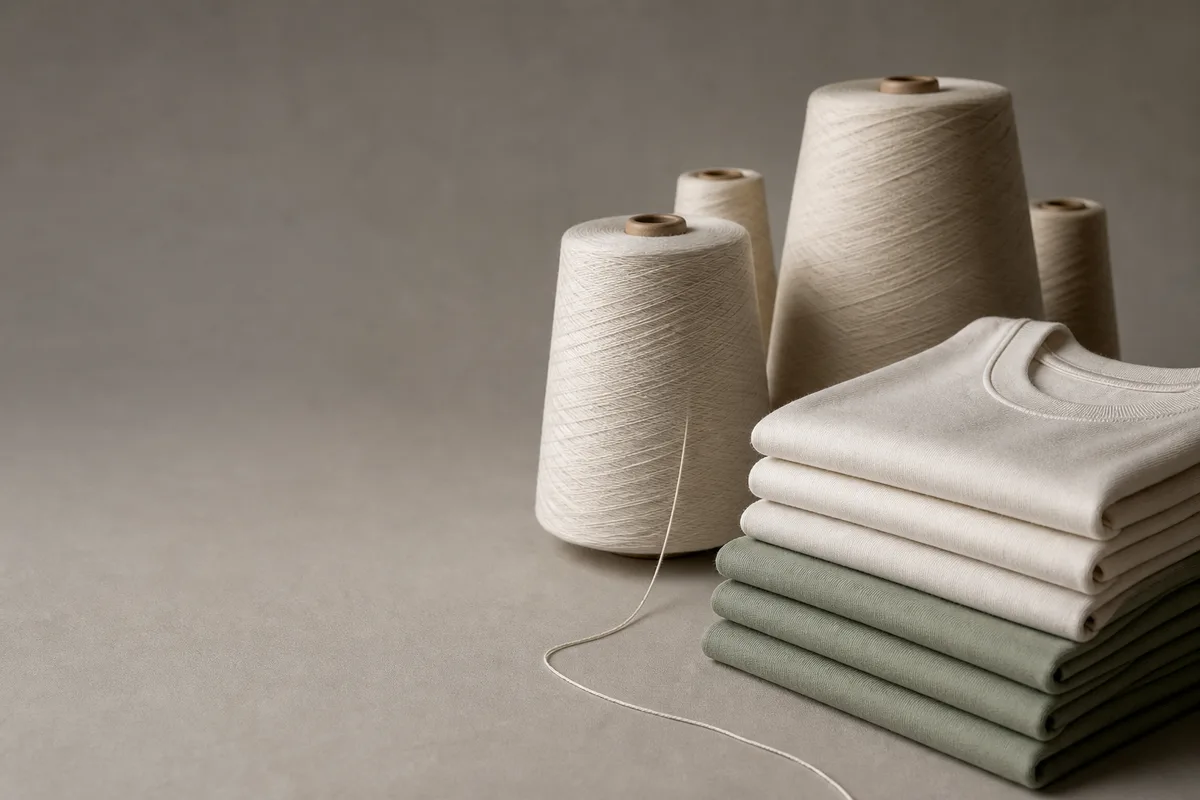
Ring-Spun vs Open-End Cotton: The Yarn Decision Hiding Inside Every T-Shirt
Ring-spun, open-end, combed and carded describe different decisions. Learn how to separate the terms, compare actual jersey and write a quote-ready yarn specification.
Read guide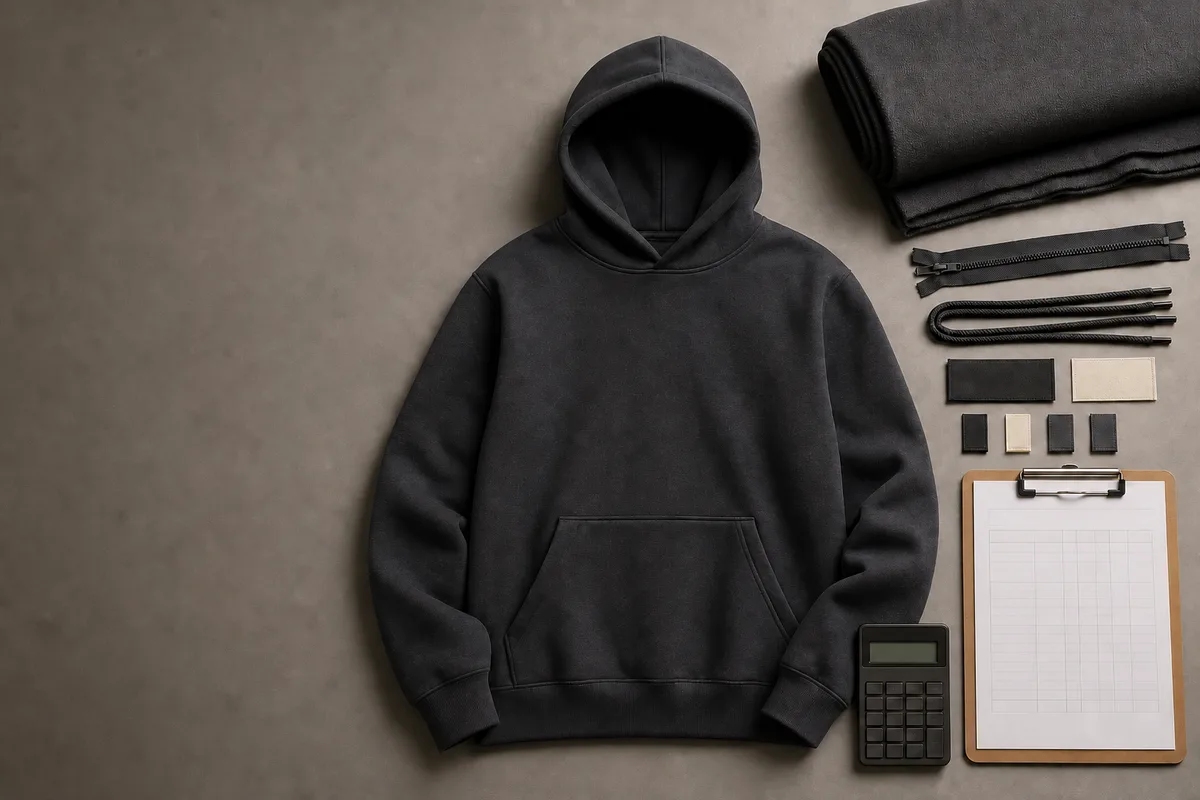
How Much Does It Cost to Make a Hoodie? A Factory Cost Anatomy
A custom heavyweight hoodie has five cost layers — fabric, sewing, wash, decoration, trims — and quantity moves all of them. This is how a factory quote is actually built, with our published prices as anchors.
Read guide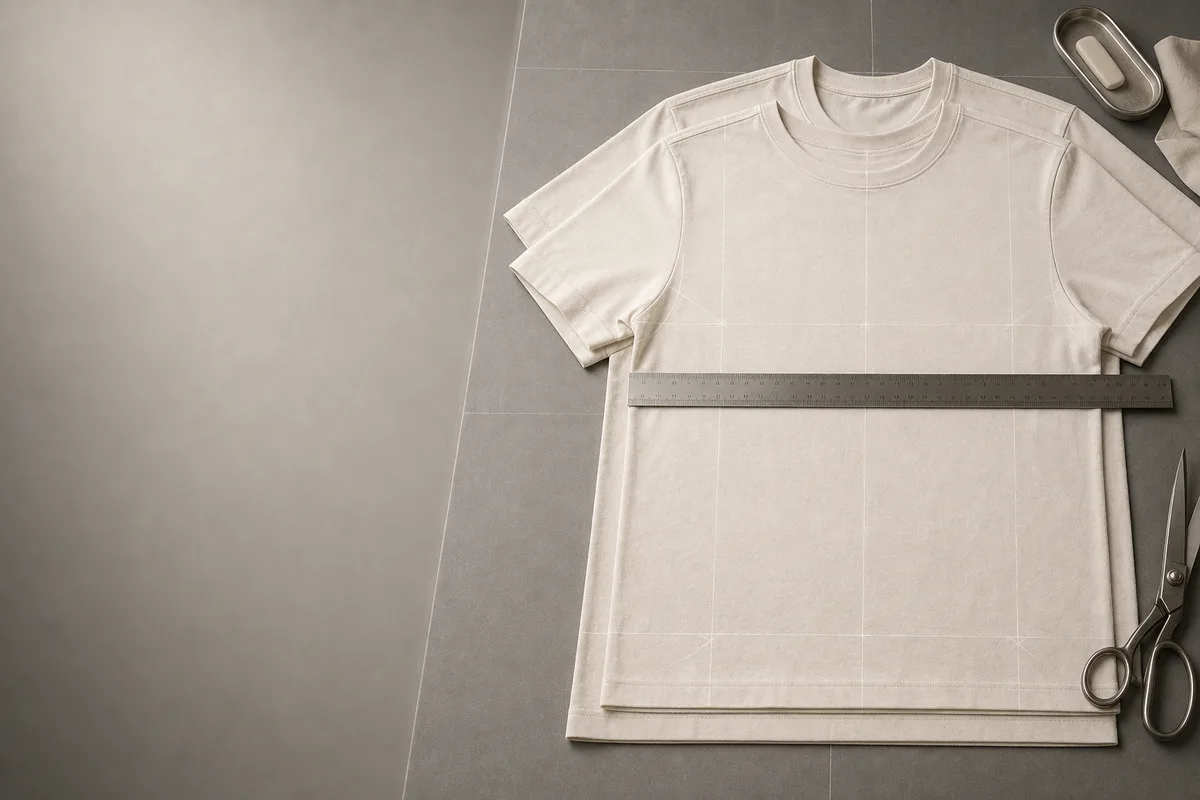
How Much Does Cotton Shrink? The Science, the Standards, and the Tolerance to Put in Your Tech Pack
Cotton shrinkage is an engineered outcome: untreated cloth may lose around 10% on its first wash, while a properly preshrunk garment can remain within a few percent. This guide explains the mechanisms, standards, and tech-pack tolerances that make the result measurable.
Read guide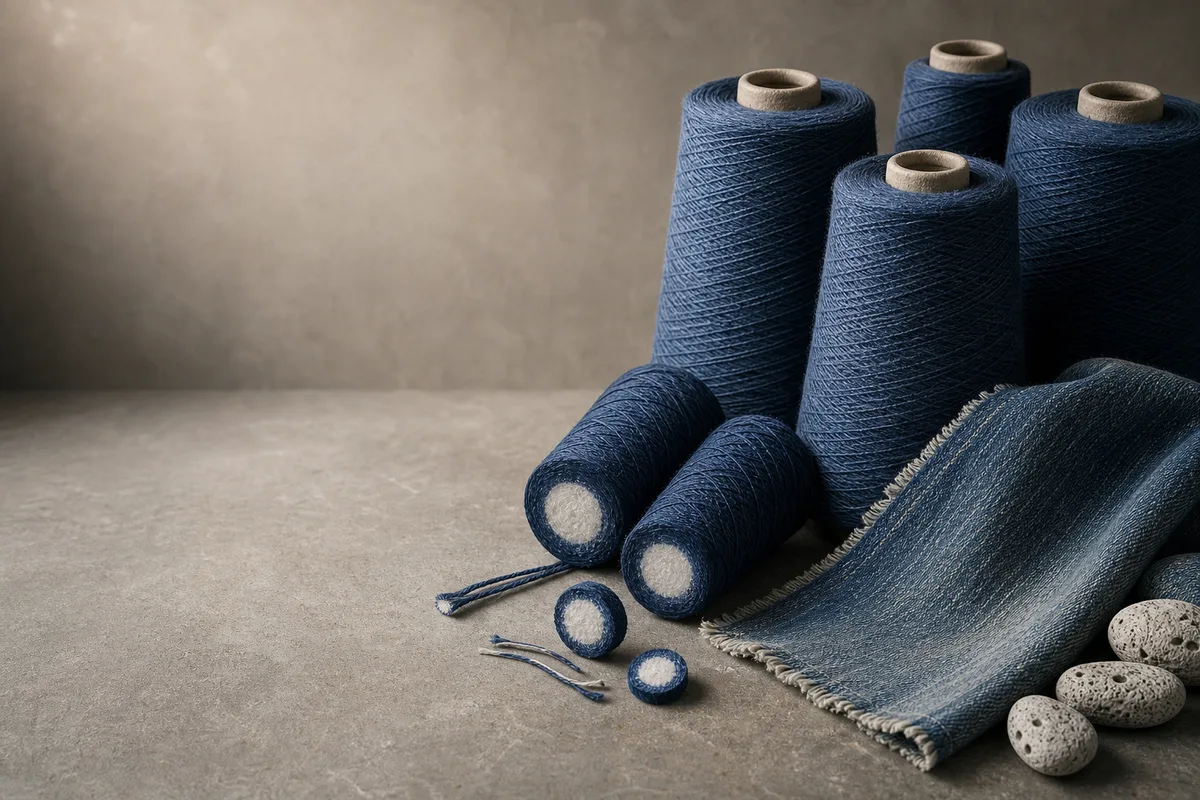
The Chemistry of Denim Washes: Why Jeans Fade, and What Each Process Actually Does
Denim fades because ring-dyed yarn holds indigo mainly at the surface, allowing controlled abrasion and oxidation to reveal the white core. This guide connects that chemistry to wash selection, consistency, cost, and the QC tests buyers should request.
Read guide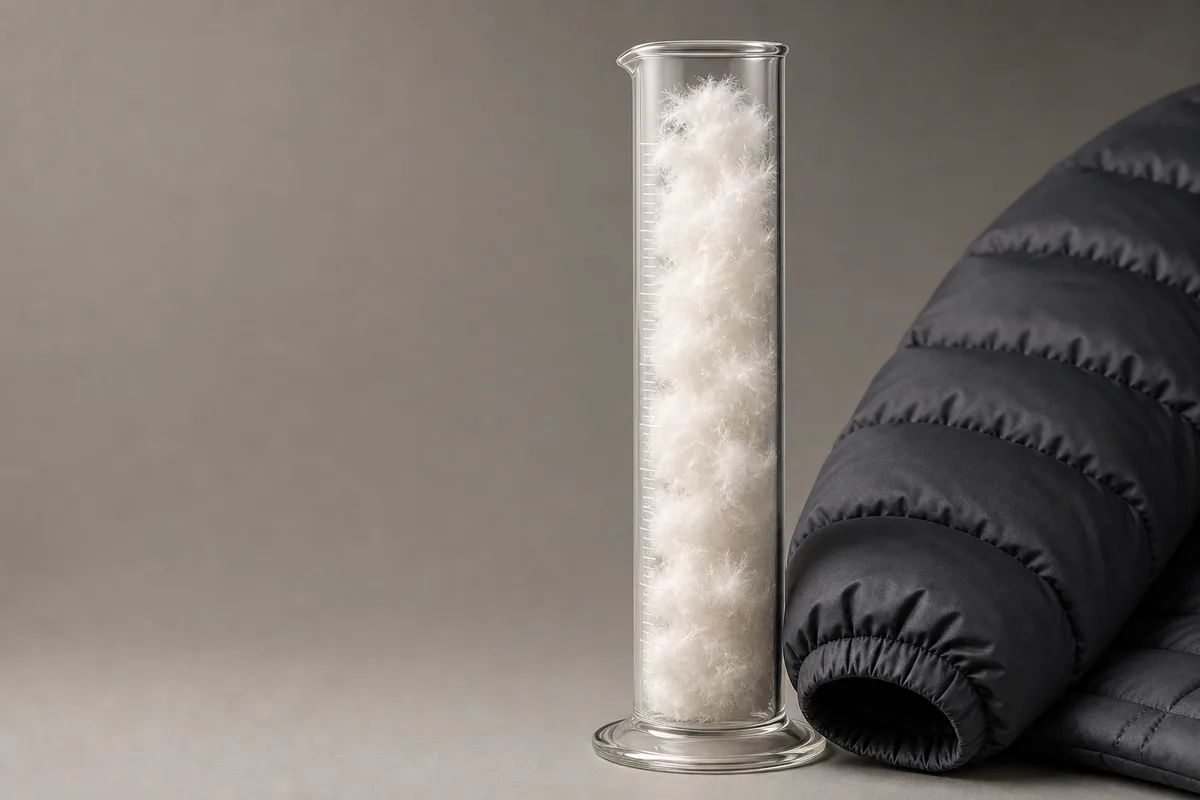
Fill Power, Fill Weight, and What “Down” Legally Means
A jacket’s warmth depends on both fill power and fill weight, yet briefs often specify only the better-known number. This guide explains how to pair those variables with labeling, material, and construction requirements for a reliable insulated-jacket specification.
Read guide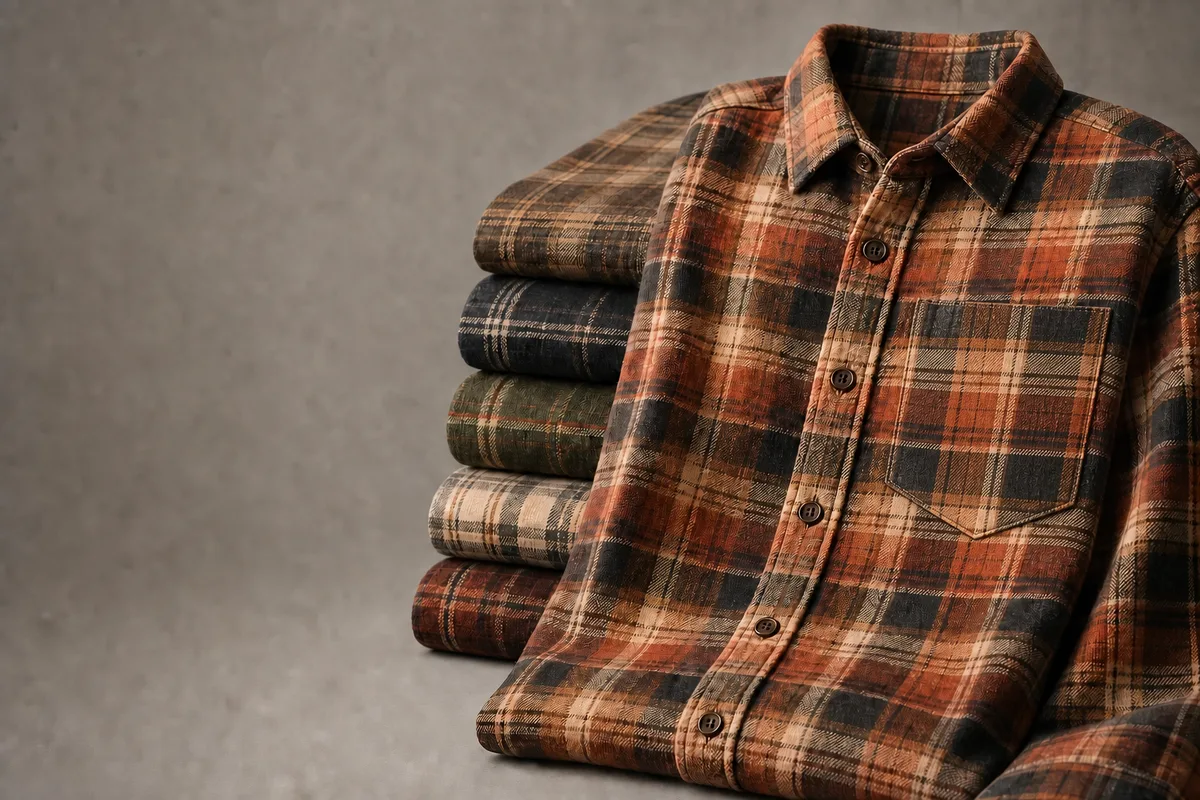
Custom Flannel and Plaid Shirt Manufacturing: Weights, Washes, Pattern Matching
Premium flannel quality shows in its seams, placket, buttons, and especially plaid alignment. This guide explains the construction choices that turn a custom shirt brief into a factory-ready specification.
Read guide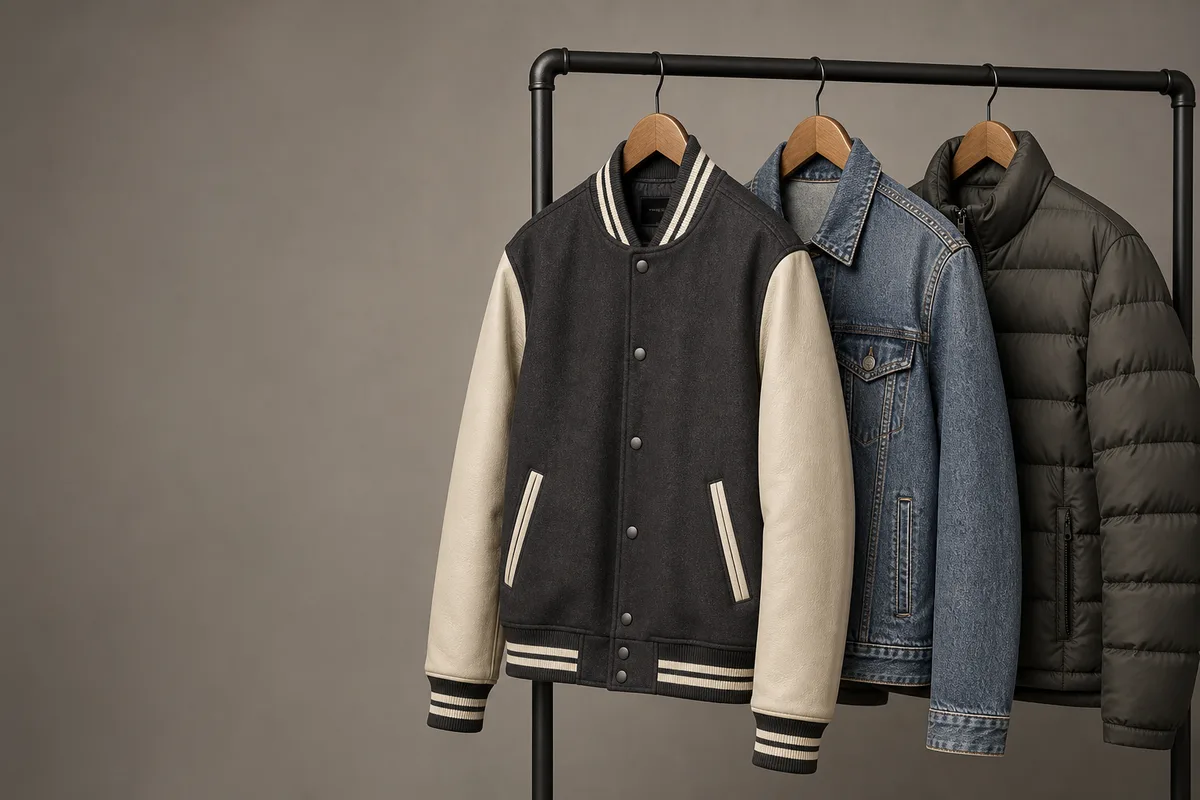
Custom Jacket Styles Compared: Choosing the Right Build for Your Brand
Choosing a custom jacket means choosing a construction family, each with distinct materials, decoration surfaces, and cost logic. This guide compares varsity, puffer, denim, and chore-coat builds for streetwear brands.
Read guide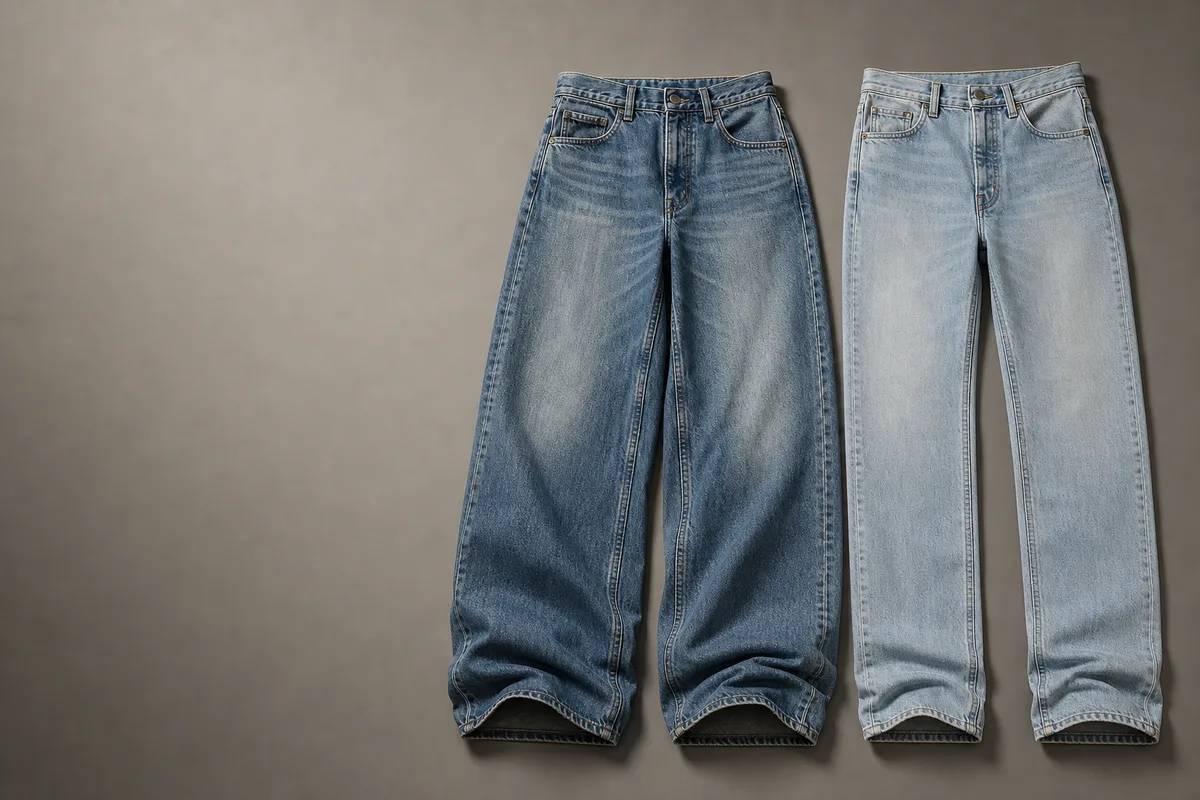
Denim Fits for Streetwear: What to Spec Before the First Sample
A denim brief needs more than a wash reference: the fit determines fabric consumption, hardware placement, and the final silhouette. This guide defines today’s key streetwear cuts in factory-ready terms.
Read guide