
Factory notes for custom apparel buyers
Practical guides for preparing briefs, comparing techniques and understanding the production decisions behind custom men's streetwear.
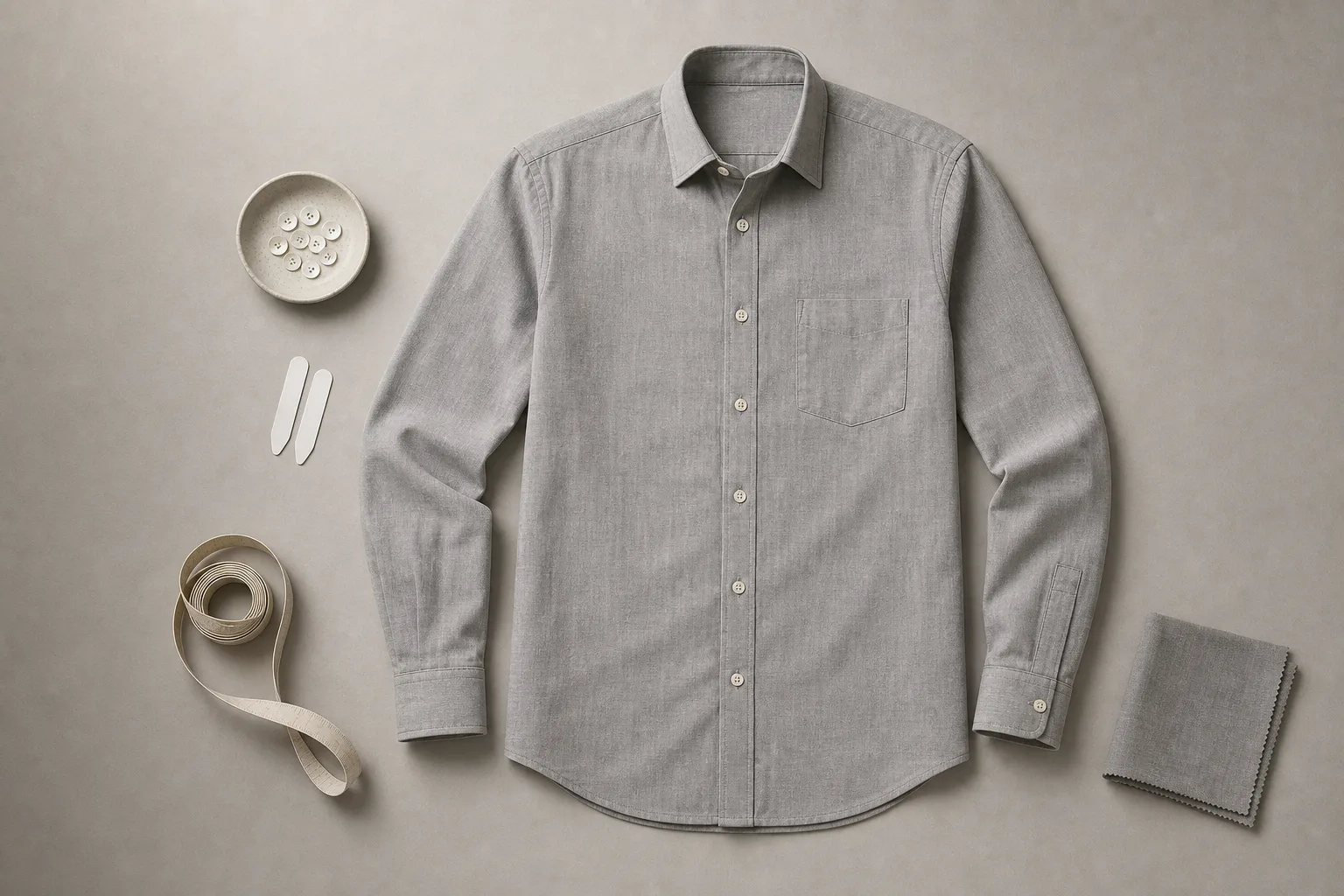
Parts of a Dress Shirt — the Vocabulary a Factory Sews From
Yoke, placket, gauntlet, band, leaf, gusset: a woven shirt is about twenty named pieces, and every one is a decision. This guide names them the way a cutting room does — for dress shirts and the casual shirts built on the same anatomy.
Read guide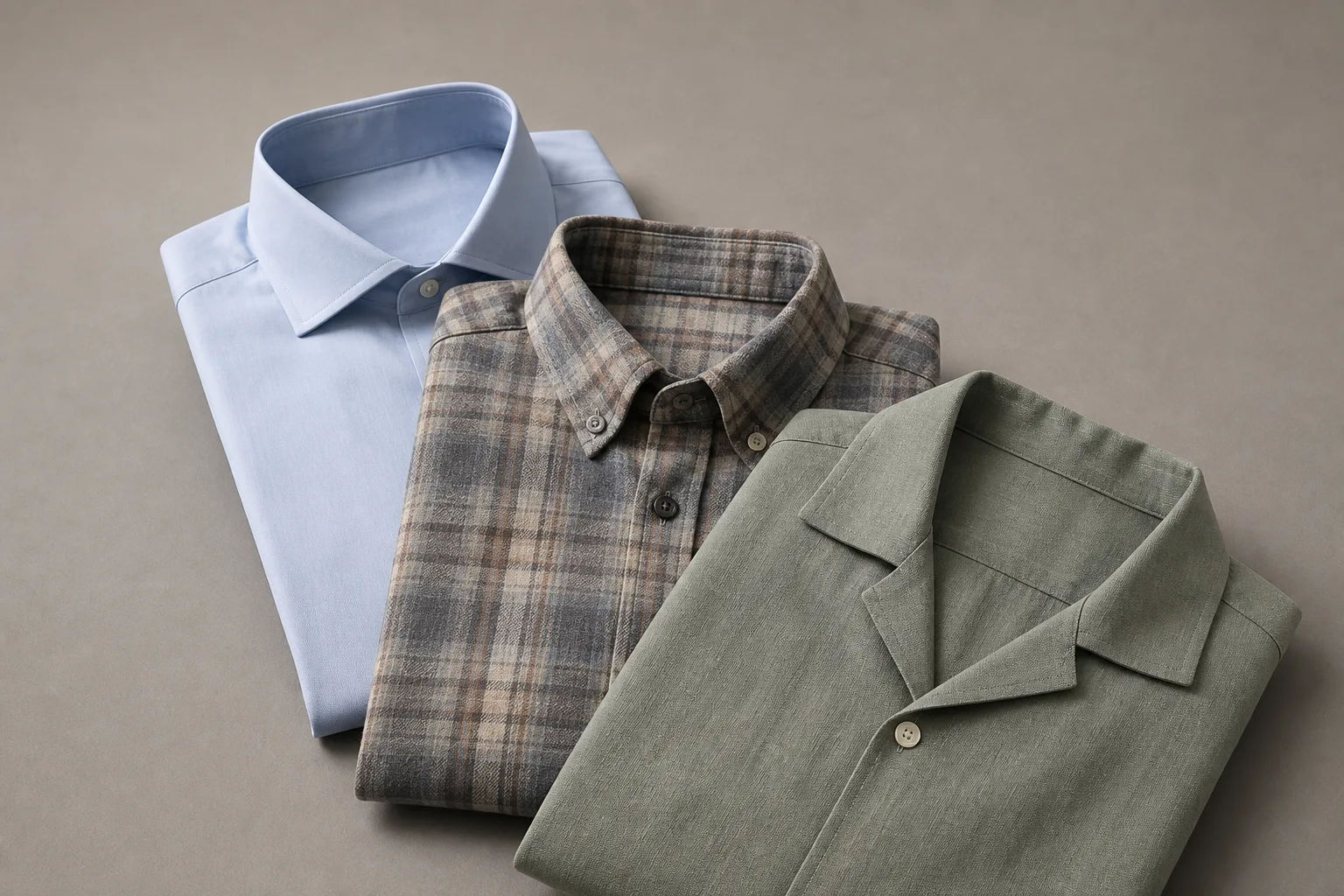
Shirt Collar Types: A Factory Field Guide from Band to Camp
Nine shirt collar types explained the way a sewing floor reads them — band and leaf, point length and spread, fused versus floating interfacing — so your next shirt brief names the collar instead of describing a photo.
Read guide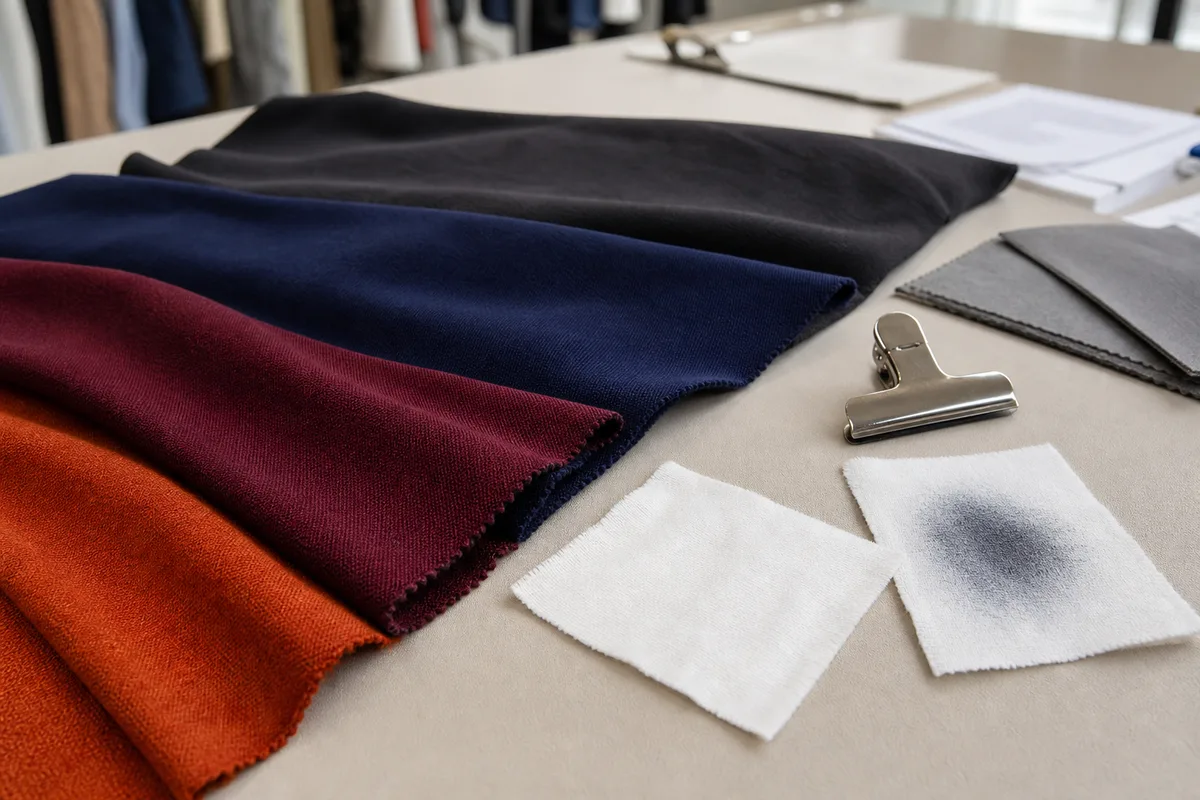
Colorfastness and Crocking Tests for Clothing Brands
Colorfastness is not one pass-or-fail score. Learn which exposure to specify, how to read color change versus staining, and what to decide before bulk production.
Read guide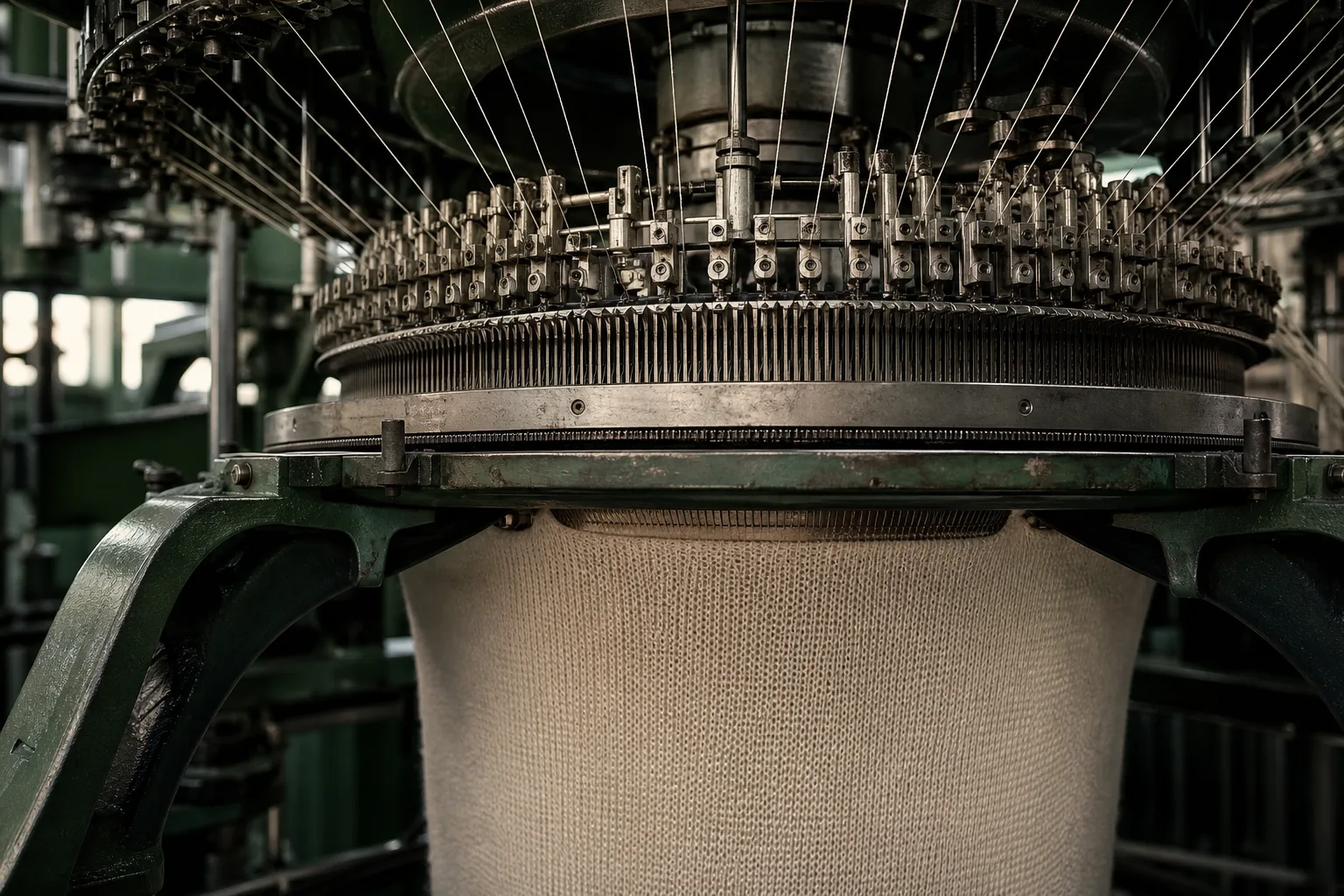
Industrial Circular Knitting Machine: 400 Years of Loops
Inside a mill-scale circular knitting machine, cams drive latch needles through the same five movements again and again. That small mechanical cycle is what turns yarn into tubular T-shirt jersey.
Read guide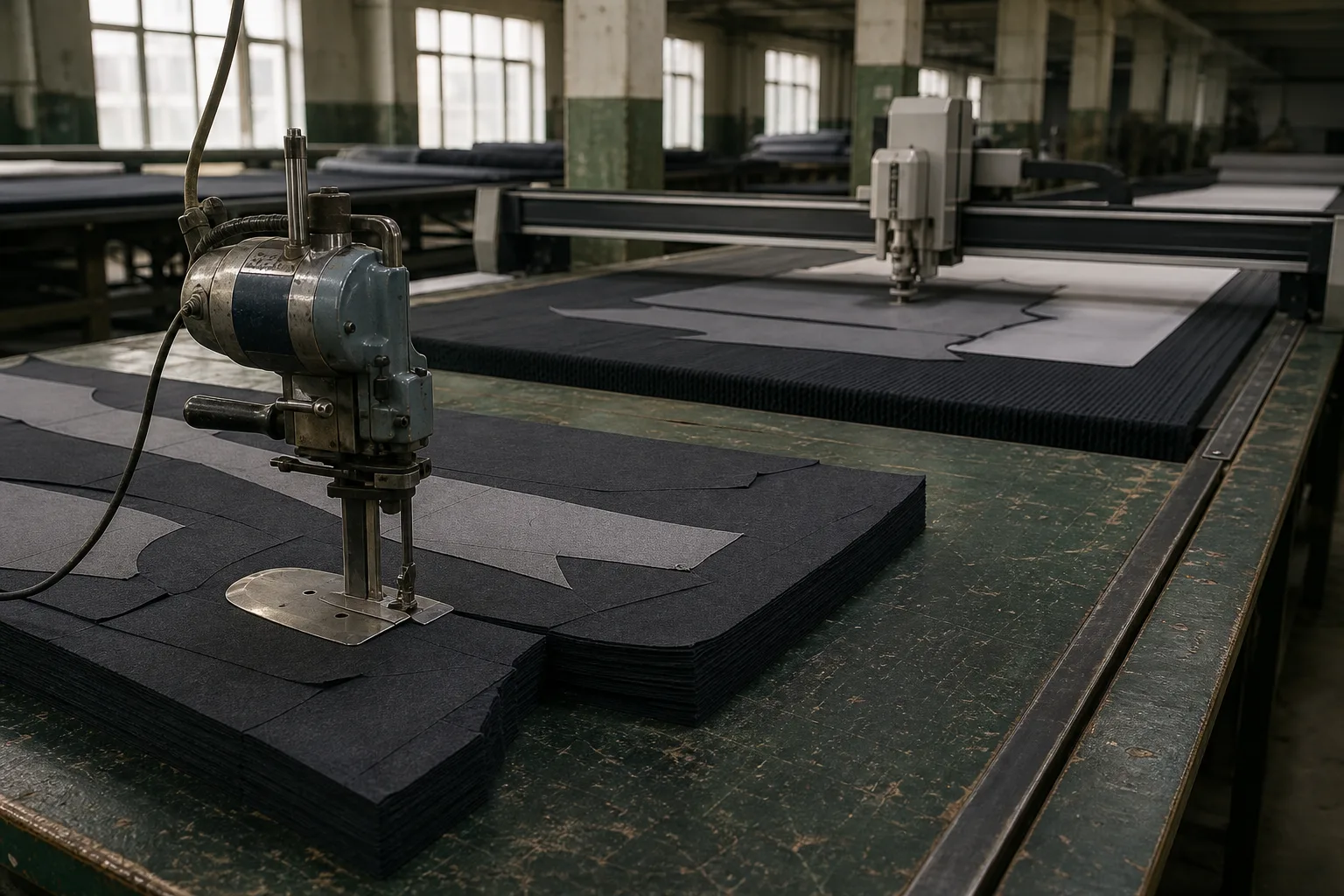
Fabric Cutting Machines: From Electric Knife to CNC
An industrial cutter is more than a blade. Trace how garment cutting moved from hand-guided electric knives to numerical control, vacuum beds and video-assisted plaid alignment.
Read guide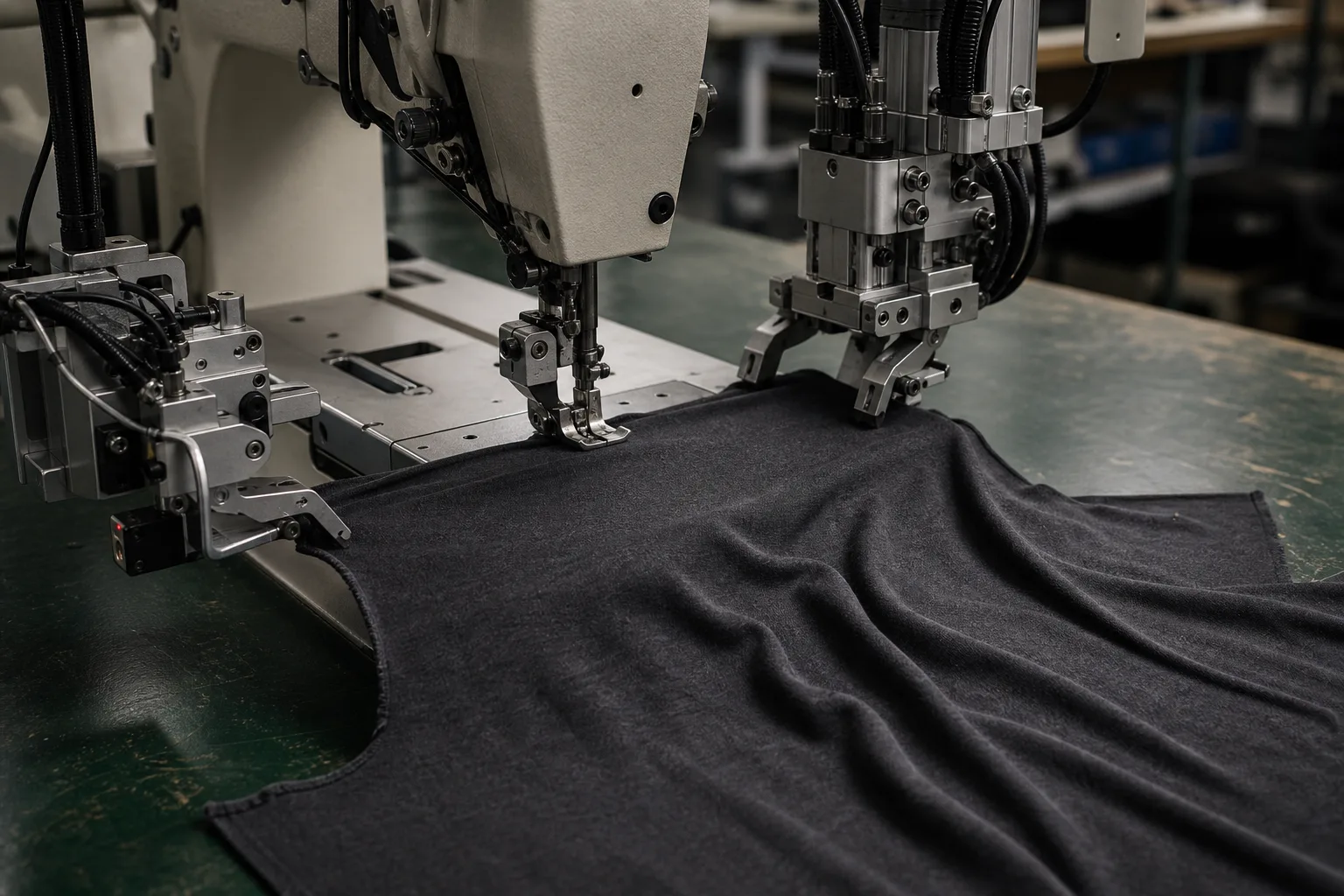
Why Sewing Robots Still Struggle With a T-Shirt
The needle is not the hard part. The real problem is making a robot separate, align, tension and steer fabric that changes shape every time it is touched.
Read guide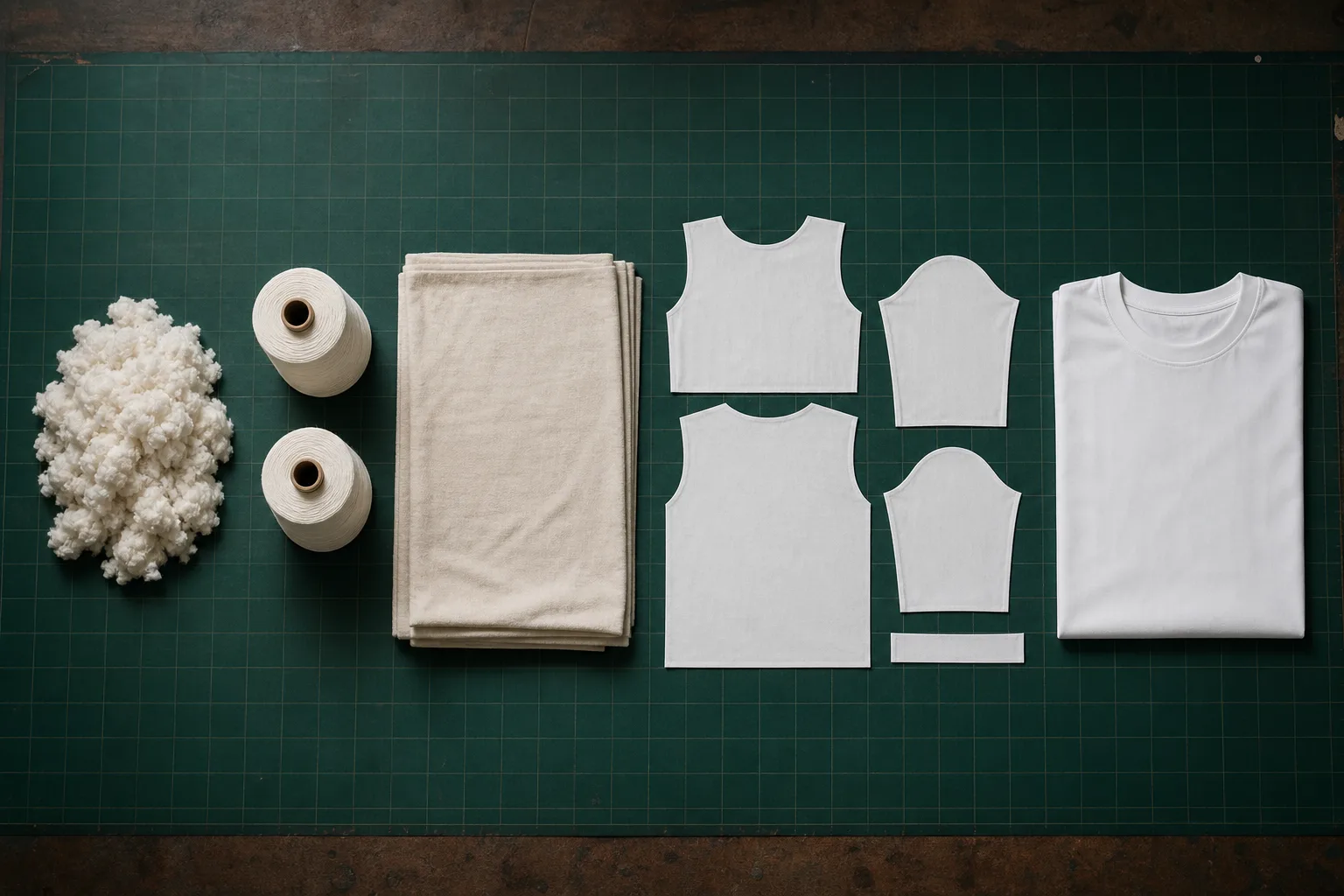
How Are T-Shirts Made? From Cotton Bale to Packed Carton
Follow one white tee through the whole chain: a 480-pound bale becomes yarn, the yarn becomes a knitted tube, the greige gets scoured and dyed, a marker turns fabric into panels, and twelve sewing operations finish the job in under eight minutes.
Read guide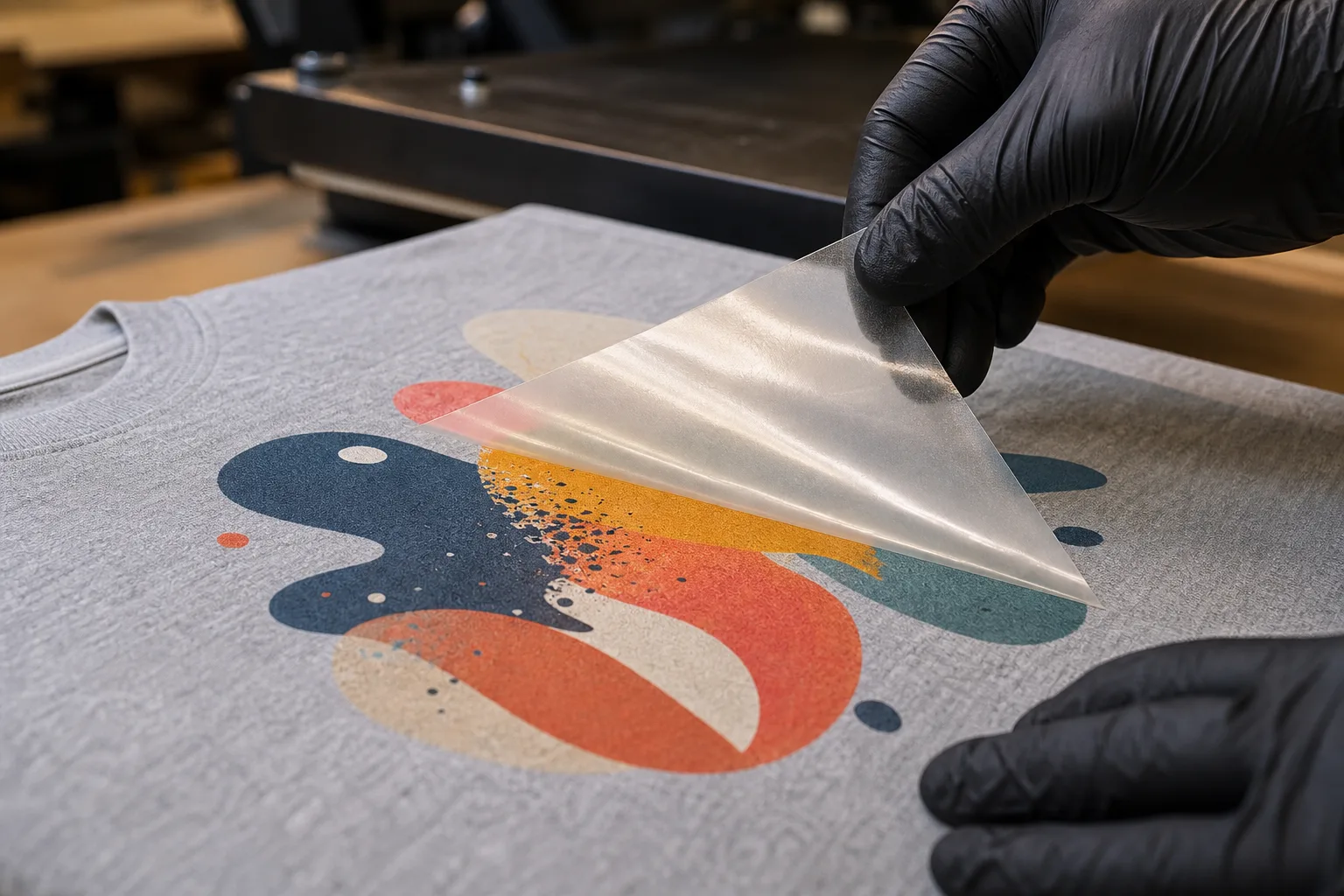
Why Is the Print on Your Shirt Peeling? Reading the Failure Like a Factory
That curling thing inside your collar is a heat-transfer label, and its failure is legible. What peeling, cracking and fading each reveal about how a print was applied — and what a factory does differently.
Read guide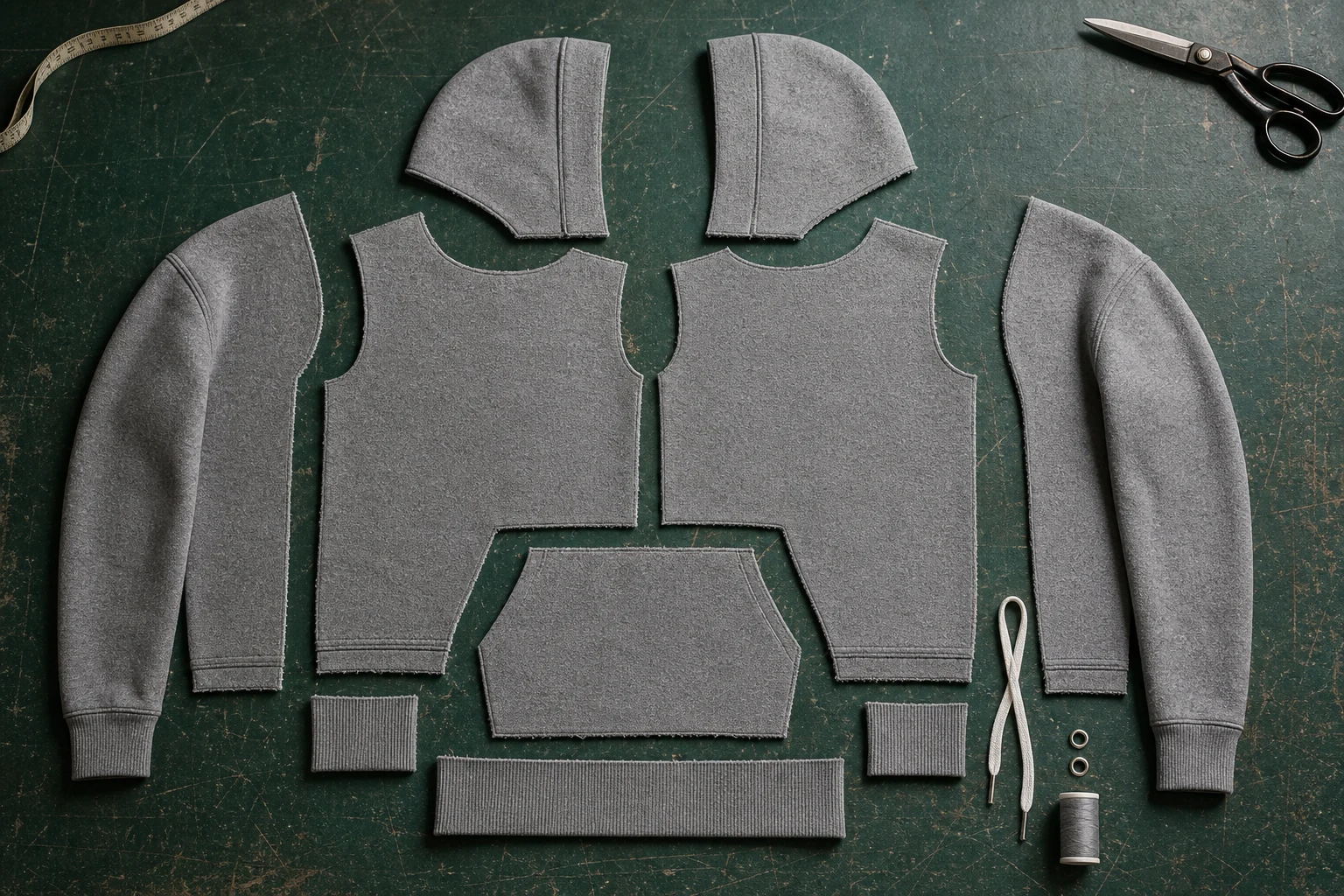
Parts of a Hoodie — and How a Factory Sews Them Together
A hoodie becomes production-ready when its cut pieces, trims, measurements and construction notes agree. Name each component, specify the alternatives and follow the conditional route from fabric to packed garment.
Read guide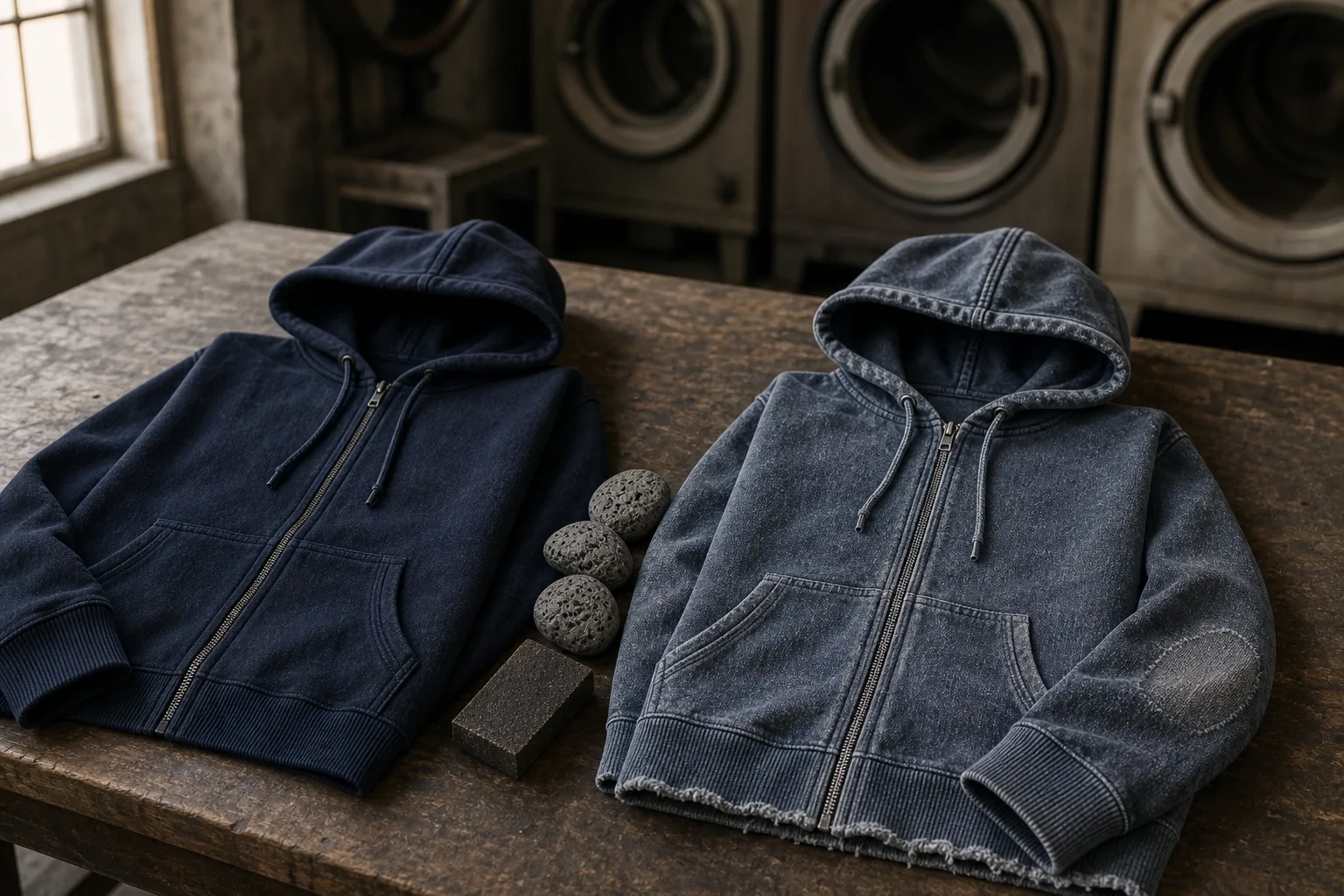
Why New Clothes Are Made to Look Old
Distressed clothing is manufactured time: what distressed actually means, how deliberate damage went from punk protest to production craft, and why brands pay a factory to age garments before anyone has worn them.
Read guide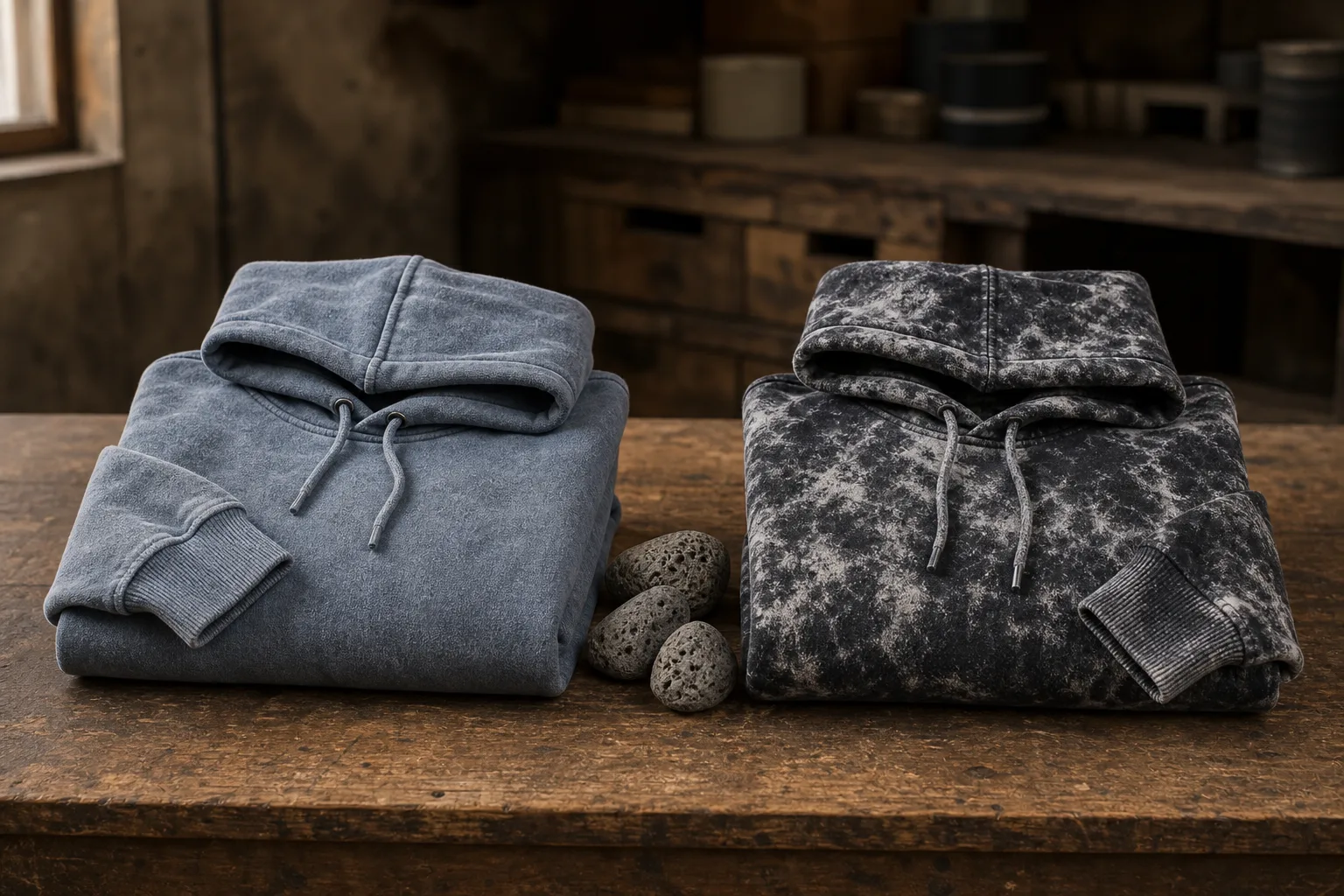
Stone Wash vs Acid Wash: What Actually Happens in the Drum
One is abrasion, the other is bleach — and neither involves acid. How the two washes differ in look, hand-feel, fabric demands and consistency, on denim and fleece alike.
Read guide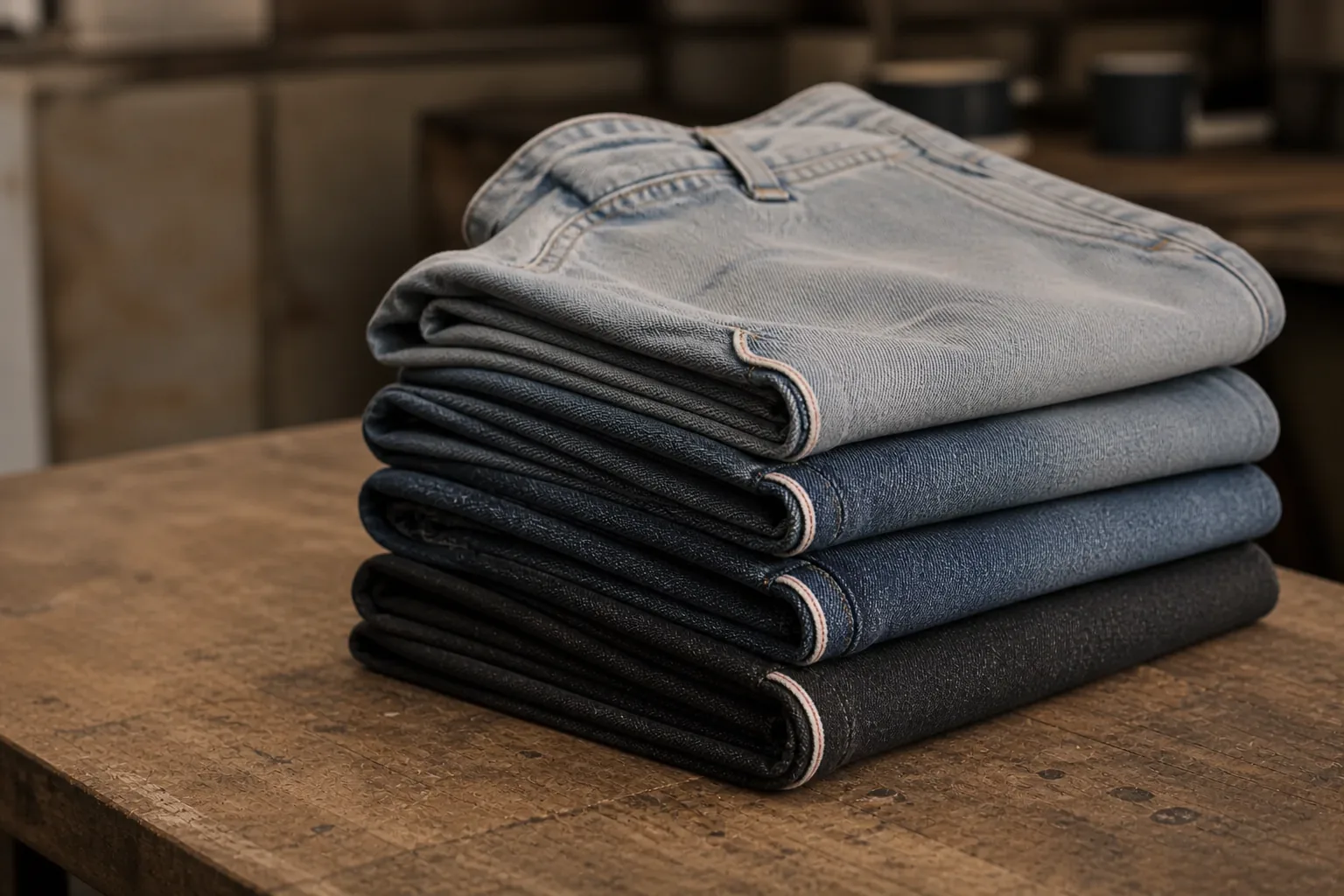
Denim Weight Explained: Oz, GSM and Choosing the Right Cloth for Your Jeans
Denim ounces measure mass per unit area. They do not by themselves prove thickness, stiffness, hand, drape, stretch, wash response or durability; learn what evidence belongs beside the number.
Read guide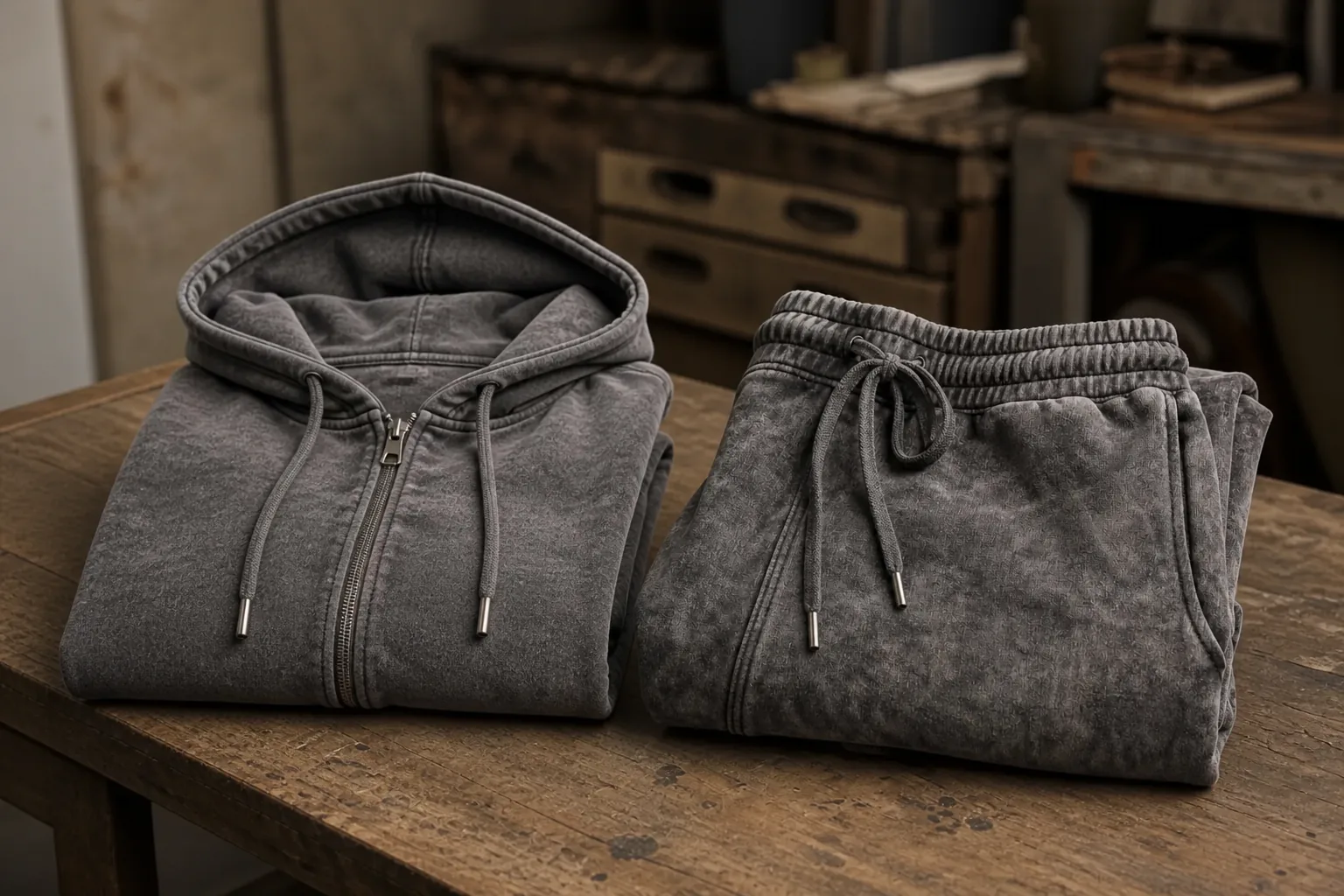
Custom Tracksuits and Matching Sets: Why a Set Is One Production, Not Two
Matching hoodie-and-sweatpant sets, tee sets, denim sets and nylon tracksuits — and the fabric-batch, wash-run and QC logic that decides whether they actually match.
Read guide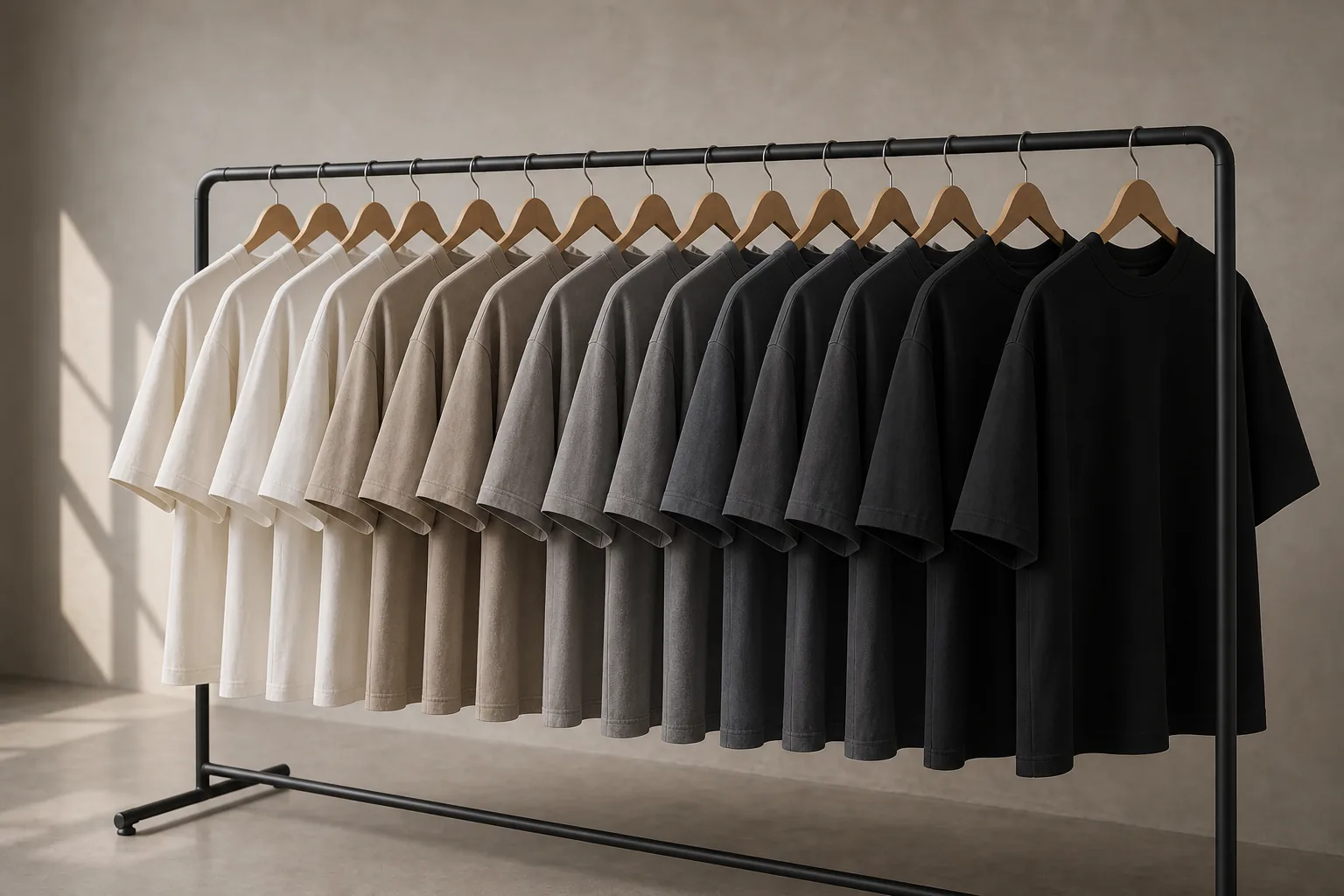
Top 10 T-Shirt Manufacturers for Brands in 2026 — Blanks, POD and Cut-and-Sew Compared
Print-on-demand, retail-grade blanks and cut-and-sew tee factories compared honestly, with the heavyweight boxy trend explained from the factory floor.
Read guide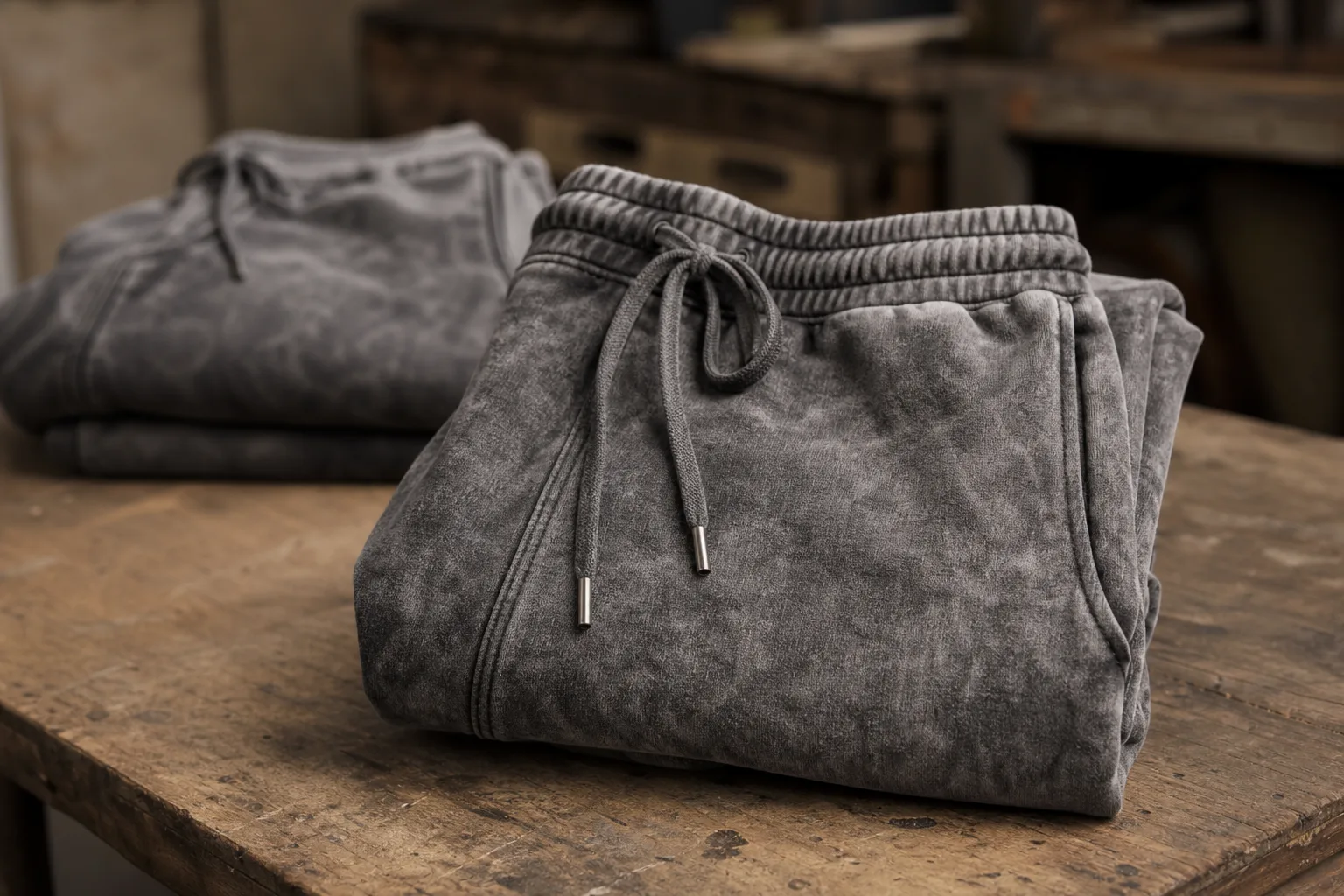
Custom Sweatpants and Joggers: Fits, Fabric and Construction
The bottom half of streetwear finally gets the spec treatment — fits from stacked to wide-leg, french terry vs fleece, waistband engineering and the washes that make sweats look expensive.
Read guide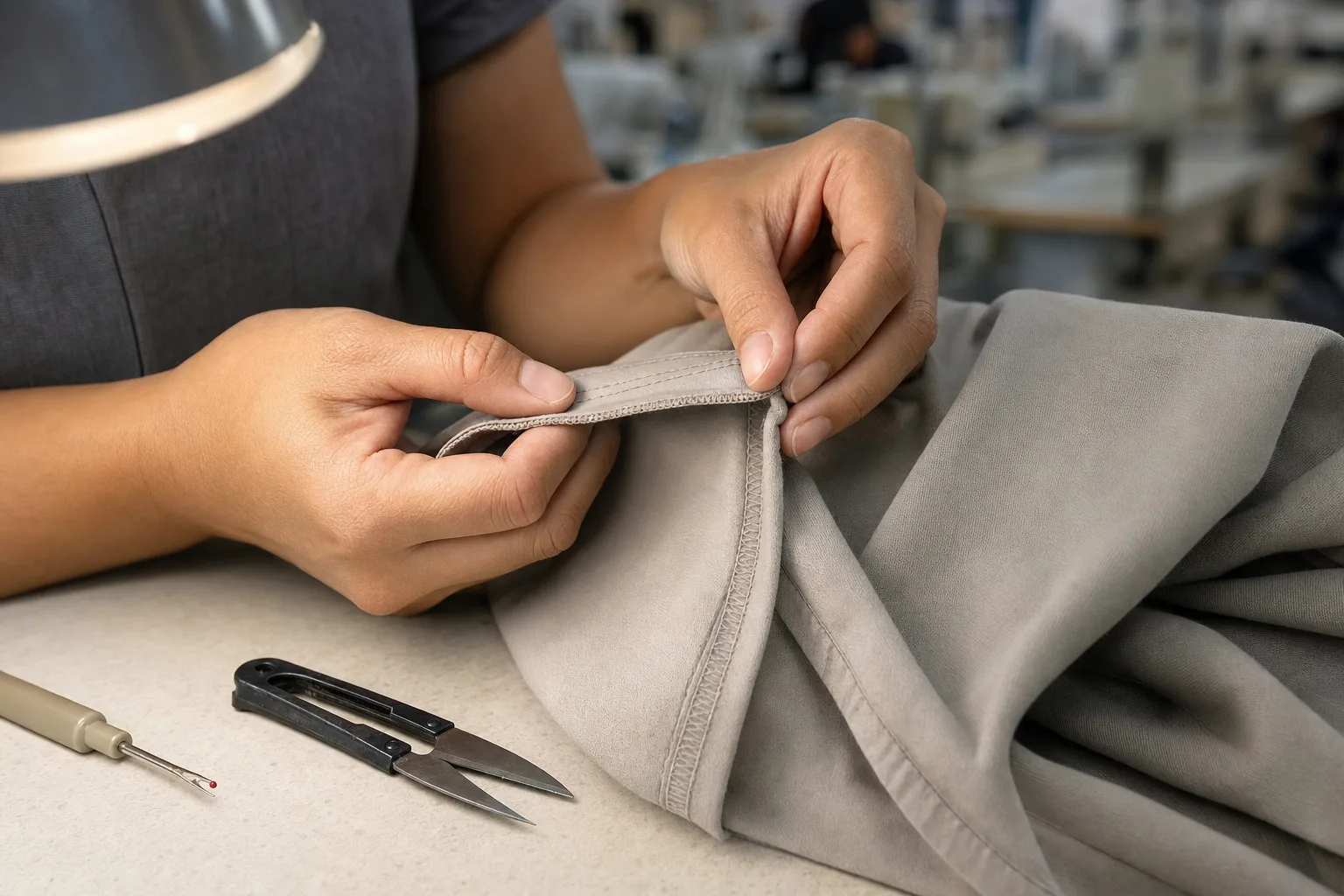
How to Vet a Clothing Manufacturer Before You Pay a Deposit
Finding factories is easy now — AI and directories surface hundreds. Vetting them is the skill. Three passes, a dozen checks, and the red flags that show up before money moves.
Read guide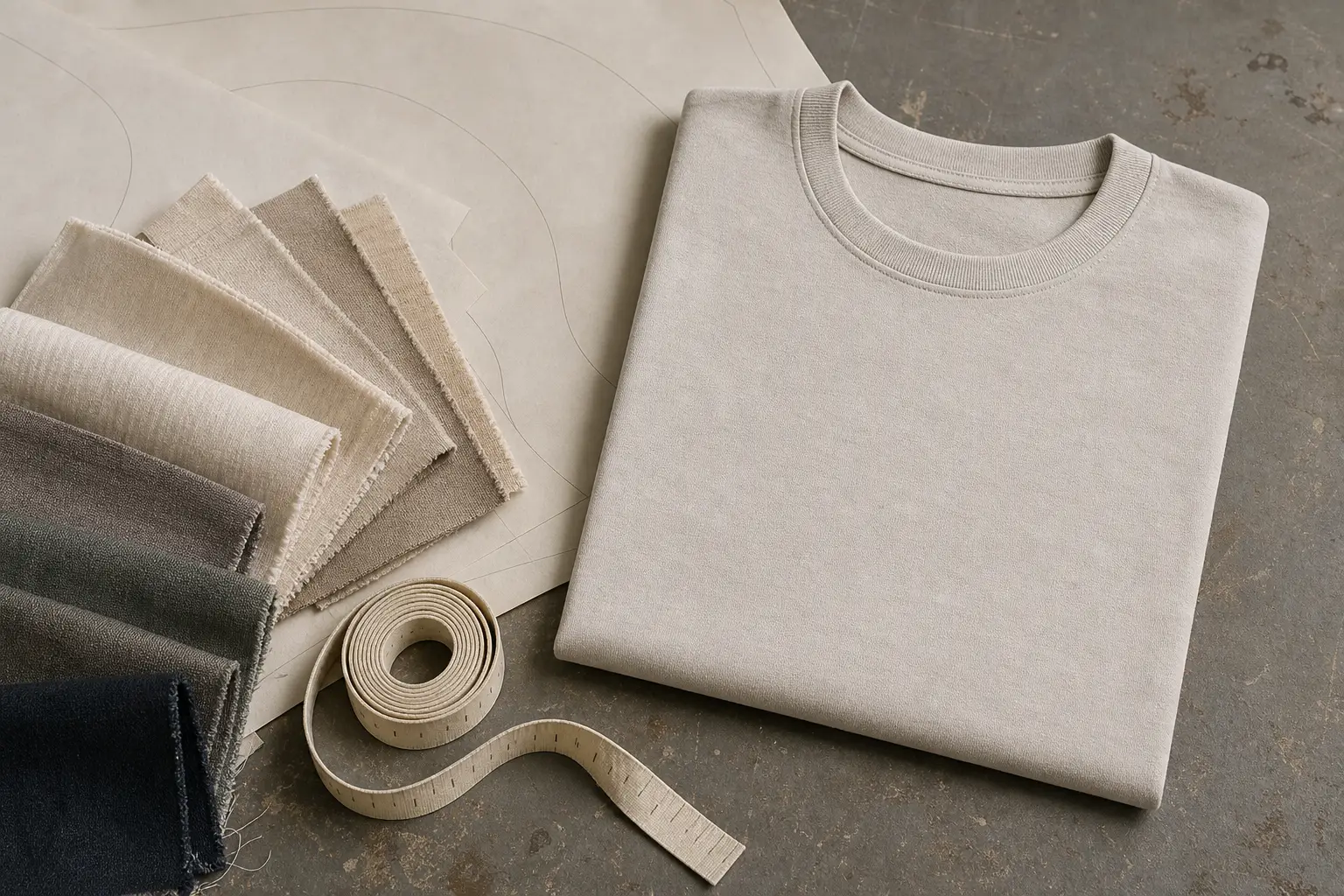
How to Start a Streetwear Brand in 2026: The Production Playbook
Logos and lookbooks are the easy half. This is the other half — tech packs, samples, minimums, real budgets and real timelines — from the factory side of the table.
Read guide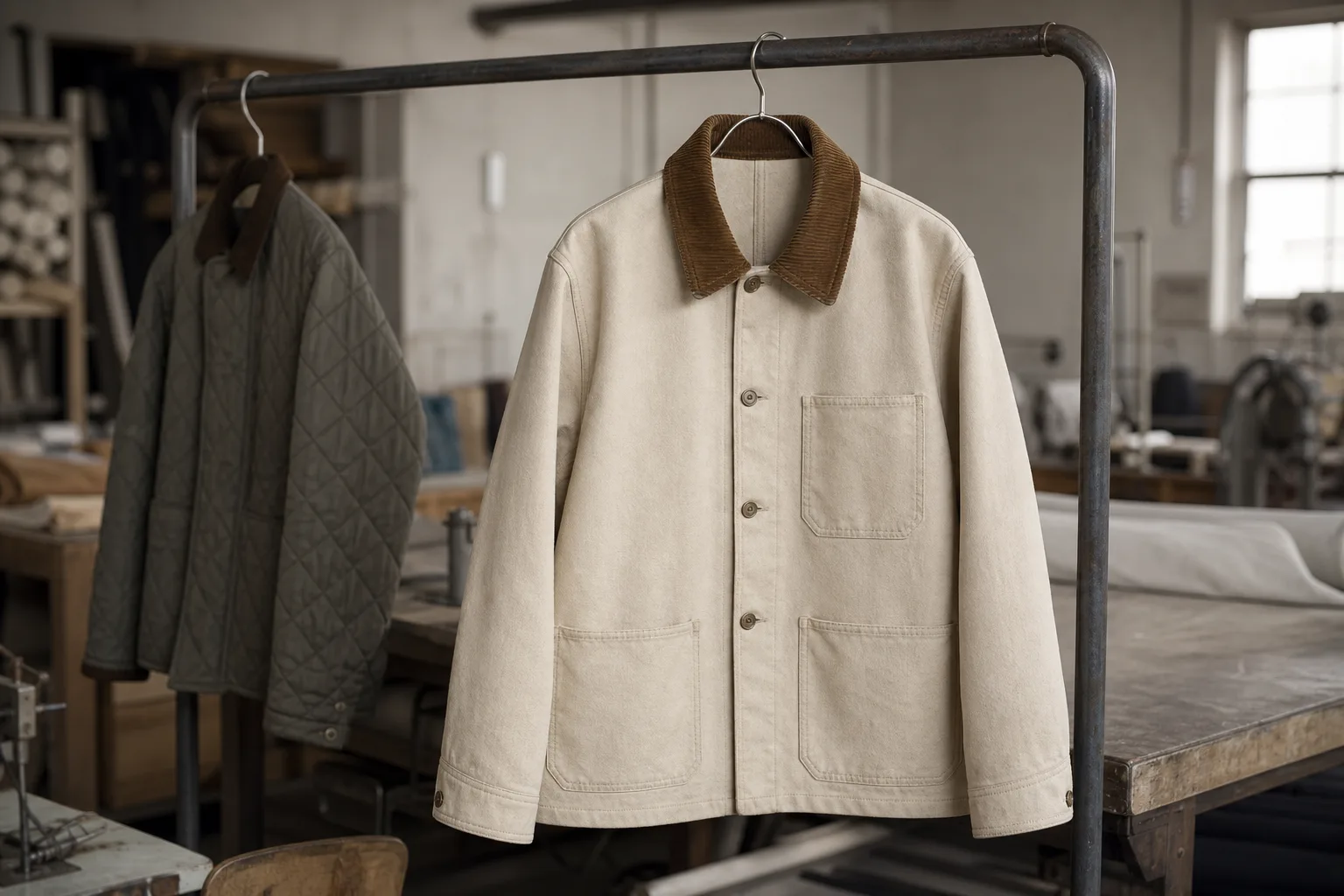
Coat and Outerwear Manufacturing: From Reference to Production
Outerwear is the most calendar-sensitive garment you will ever develop. Here is how a coat program actually runs — shell, lining, hardware, fit — and the dates that decide whether it ships for winter.
Read guide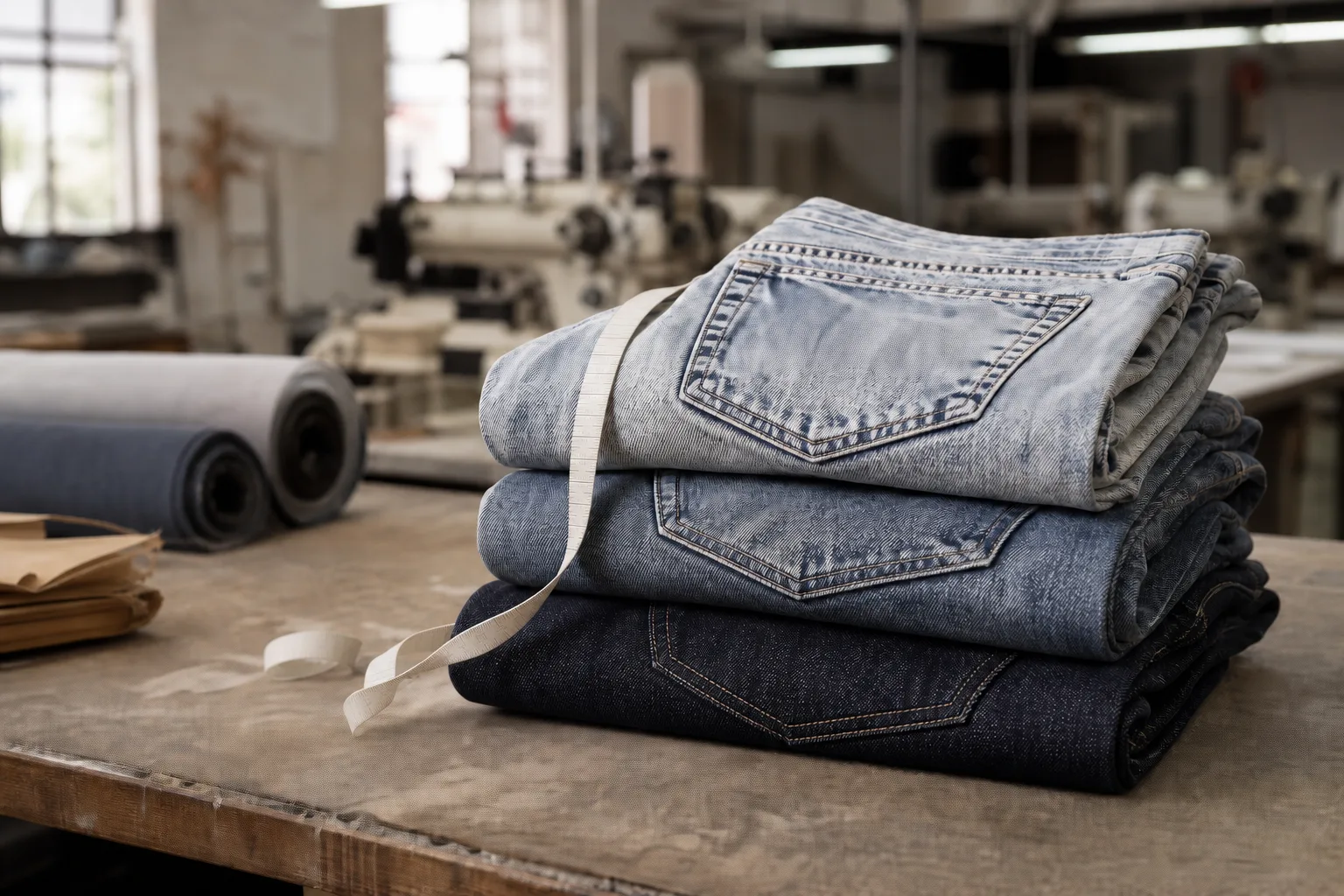
How Much Do Jeans Cost to Manufacture? A Denim Cost Anatomy
A pair of custom jeans is five stacked costs — denim, sewing, wash, hardware and decoration. Here is where each dollar goes, anchored by our published tier pricing.
Read guide
Lab Dip vs Strike-Off vs PP Sample: What Each Approval Proves
A lab dip approves dyed color, a strike-off approves a print, and a PP sample approves the assembled result. Learn the sequence and limits of each.
Read guide
Garment Sample Types Explained: Proto, Fit, Size Set, PP and TOP
Proto, fit, size set, PP and TOP answer different production questions. Learn how golden/master references and sealed/approved status fit into a controlled sample record.
Read guide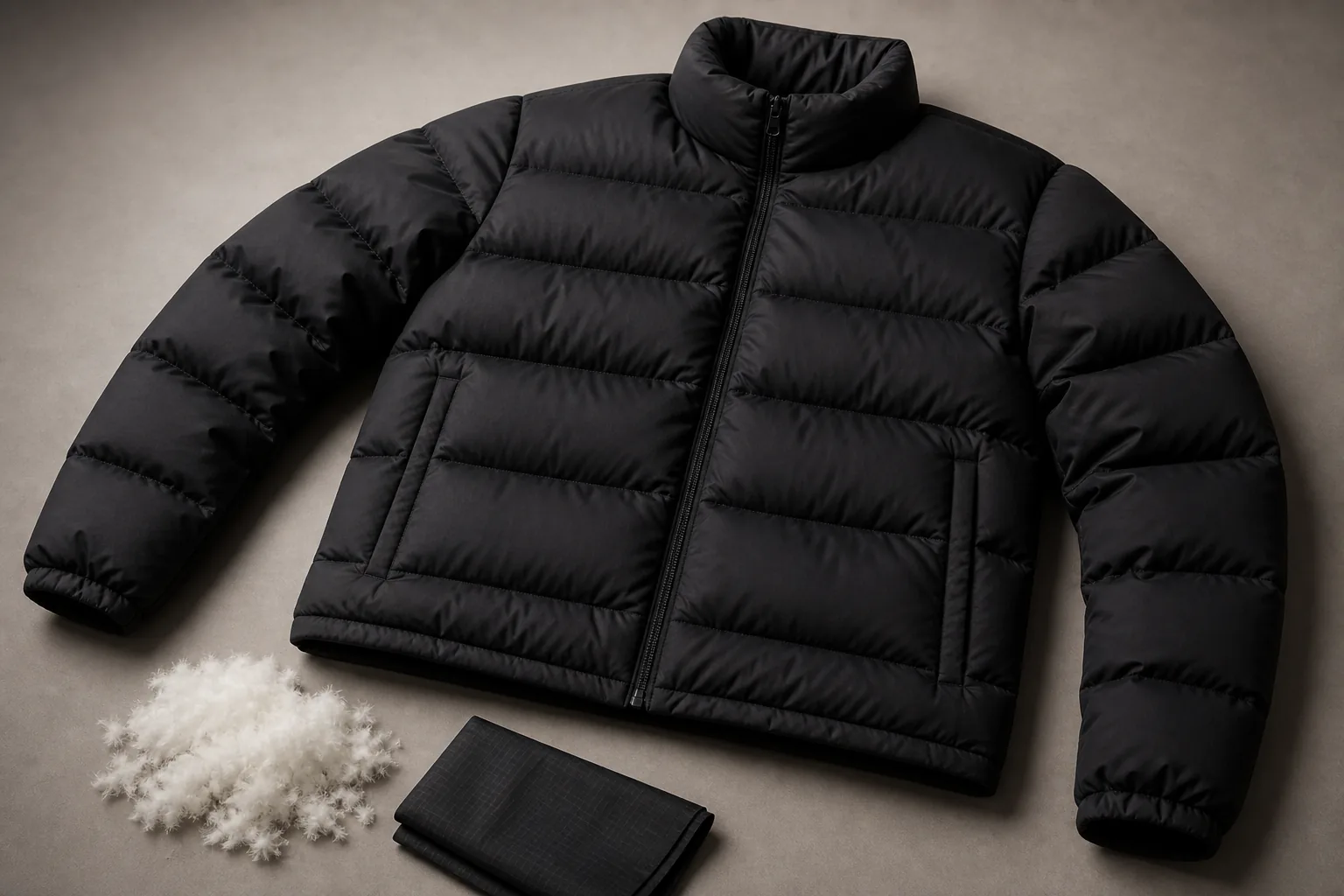
Custom Puffer and Padded Jackets: Fill, Quilting, MOQ and Timeline
A puffer program is three decisions — what goes inside, how the quilting holds it there, and what shell keeps it in. Get those in the tech pack and the rest is a normal 50-piece production run.
Read guide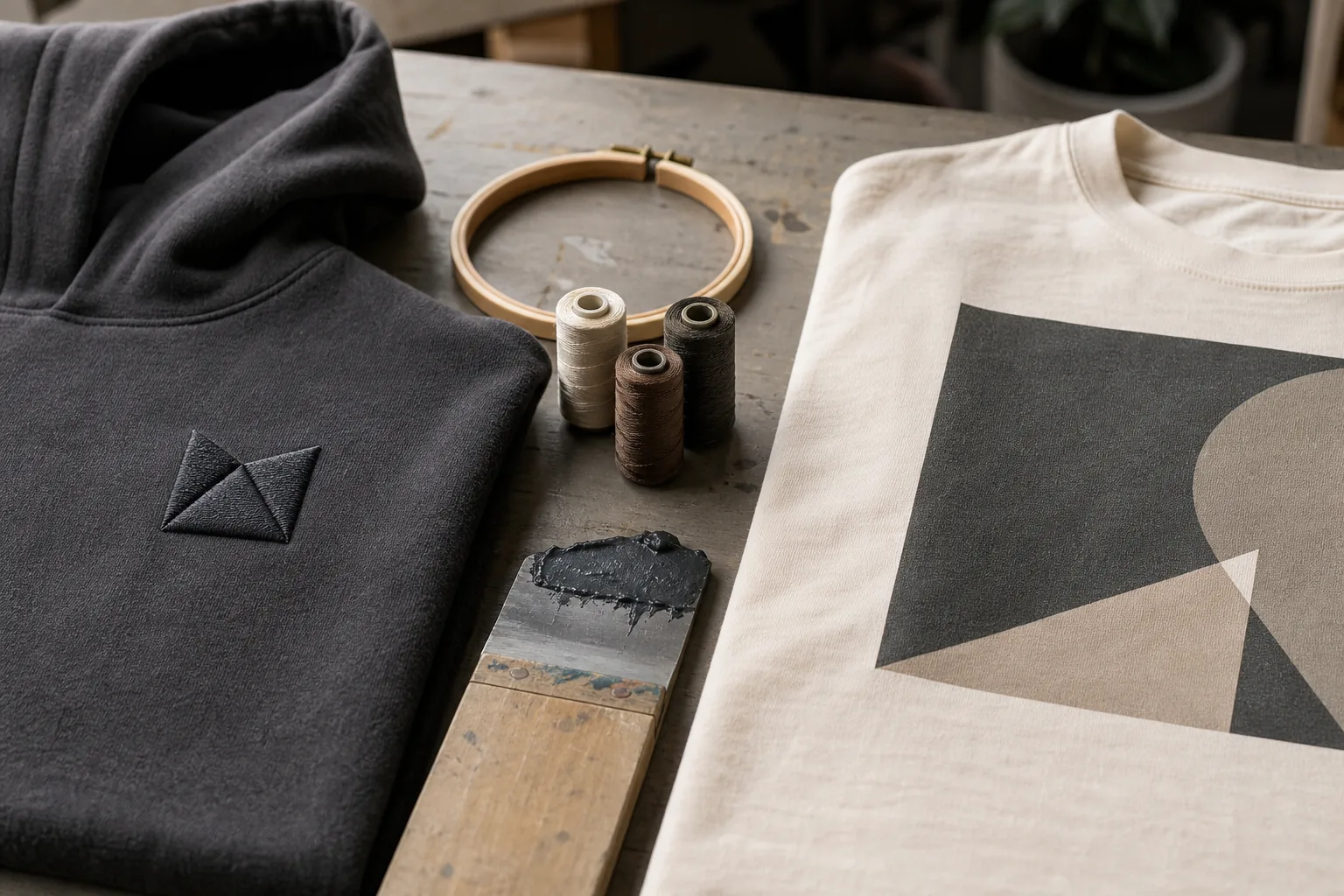
Embroidery vs Screen Printing: A Factory Decision Guide
Choose embroidery or screen printing by artwork, fabric, placement and sample evidence—not a universal cost or durability rule.
Read guide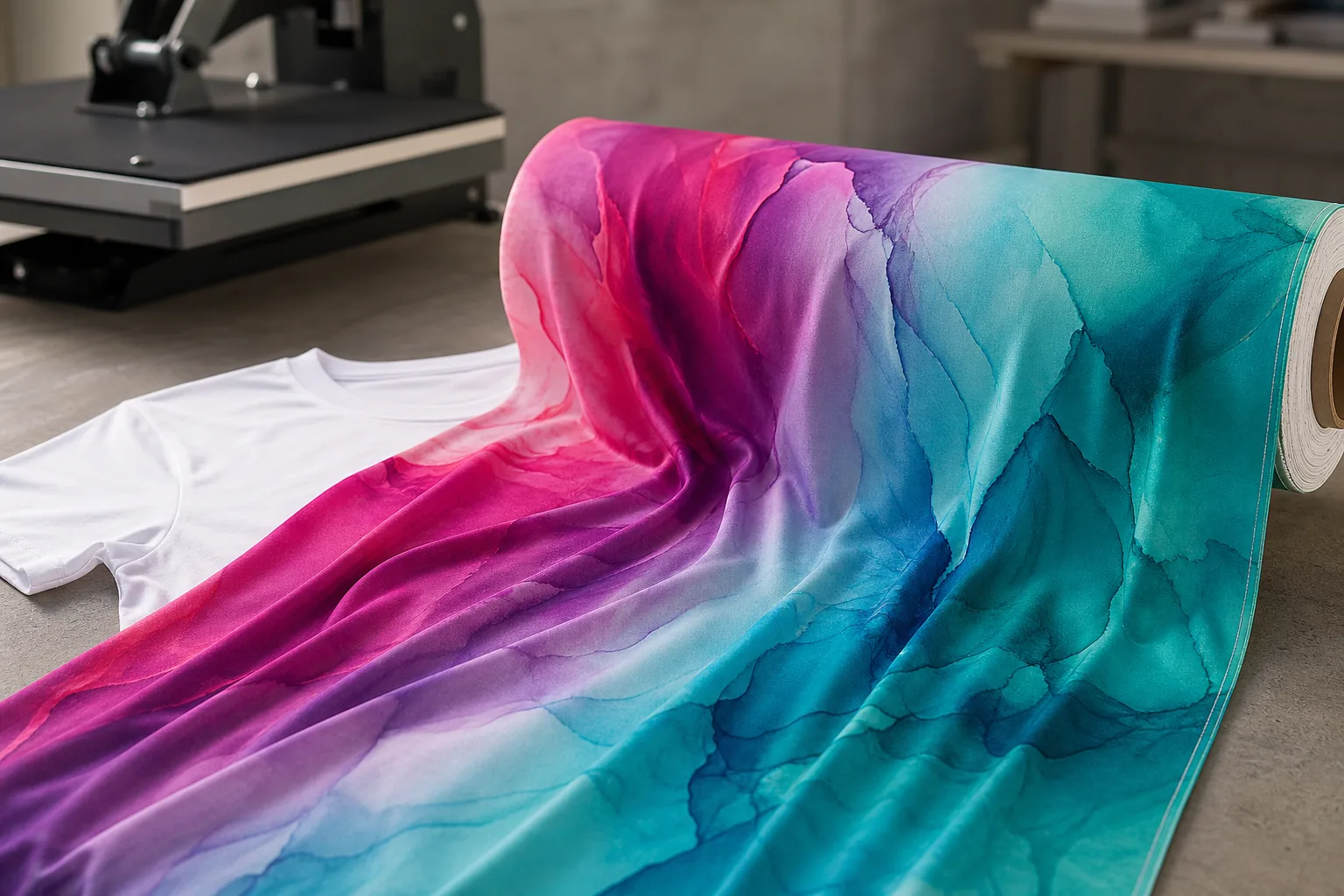
Sublimation and All-Over Print: How Seam-to-Seam Shirts Are Actually Made
Two facts decide every all-over print program: sublimation only bonds to polyester on light bases, and true seam-to-seam coverage is printed into the fabric before cutting — not pressed onto a finished shirt.
Read guide