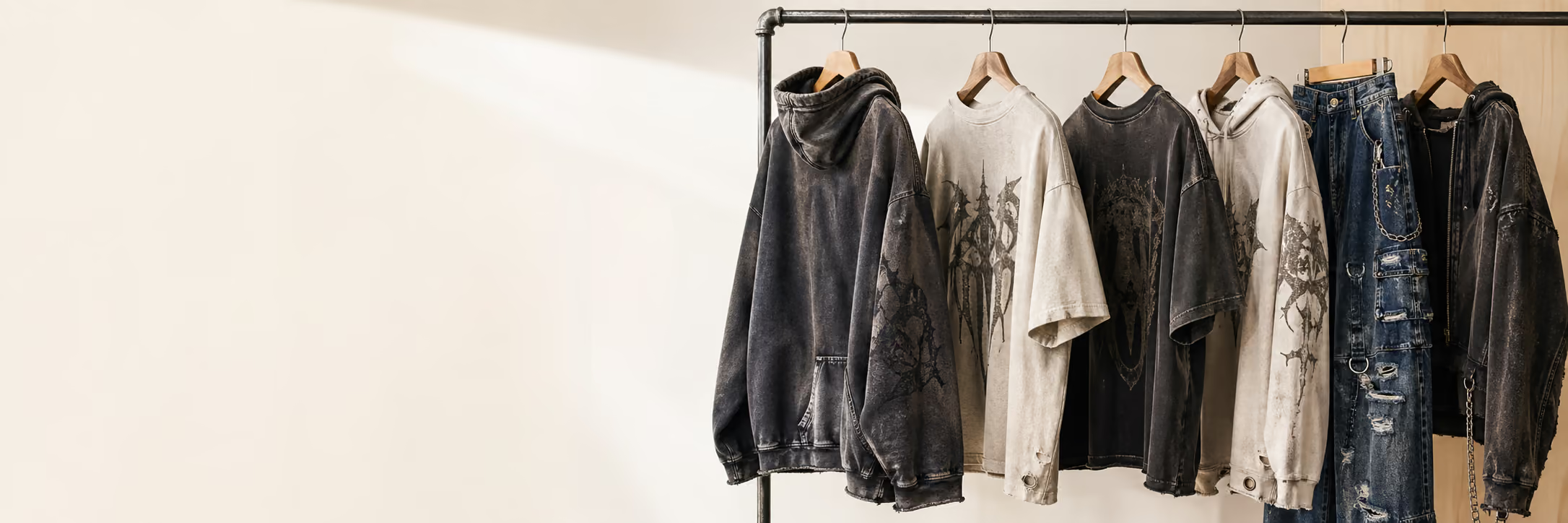
Factory notes for streetwear brands
Practical guides for preparing briefs, comparing techniques and understanding the production decisions behind custom men's streetwear.
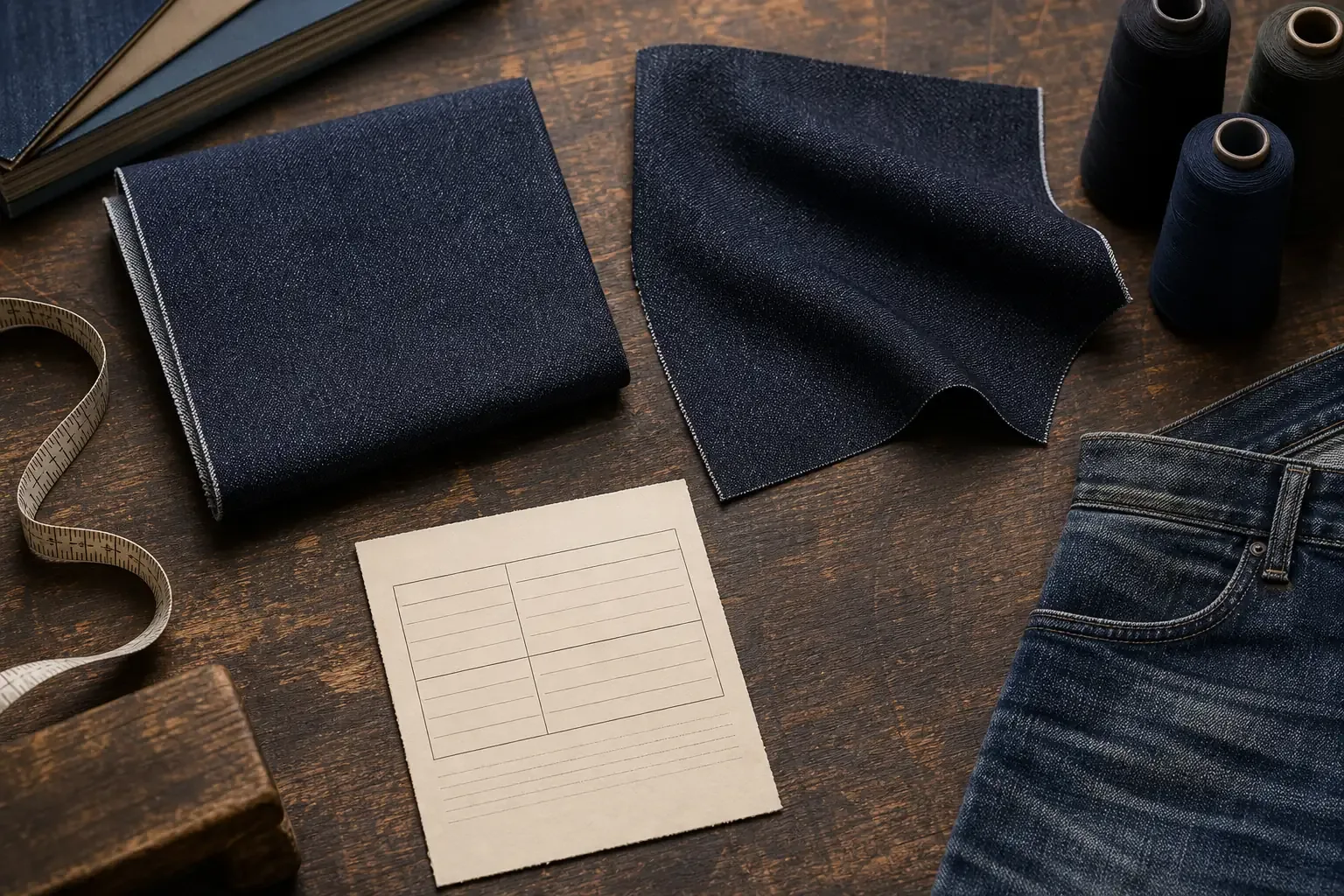
Rigid vs Stretch Denim: What Brands Should Specify
Rigid and stretch denim differ in yarn construction and measured behavior—not just fiber percentages. Compare stretch direction, growth, recovery, fit and wash approval before sampling jeans.
Read guide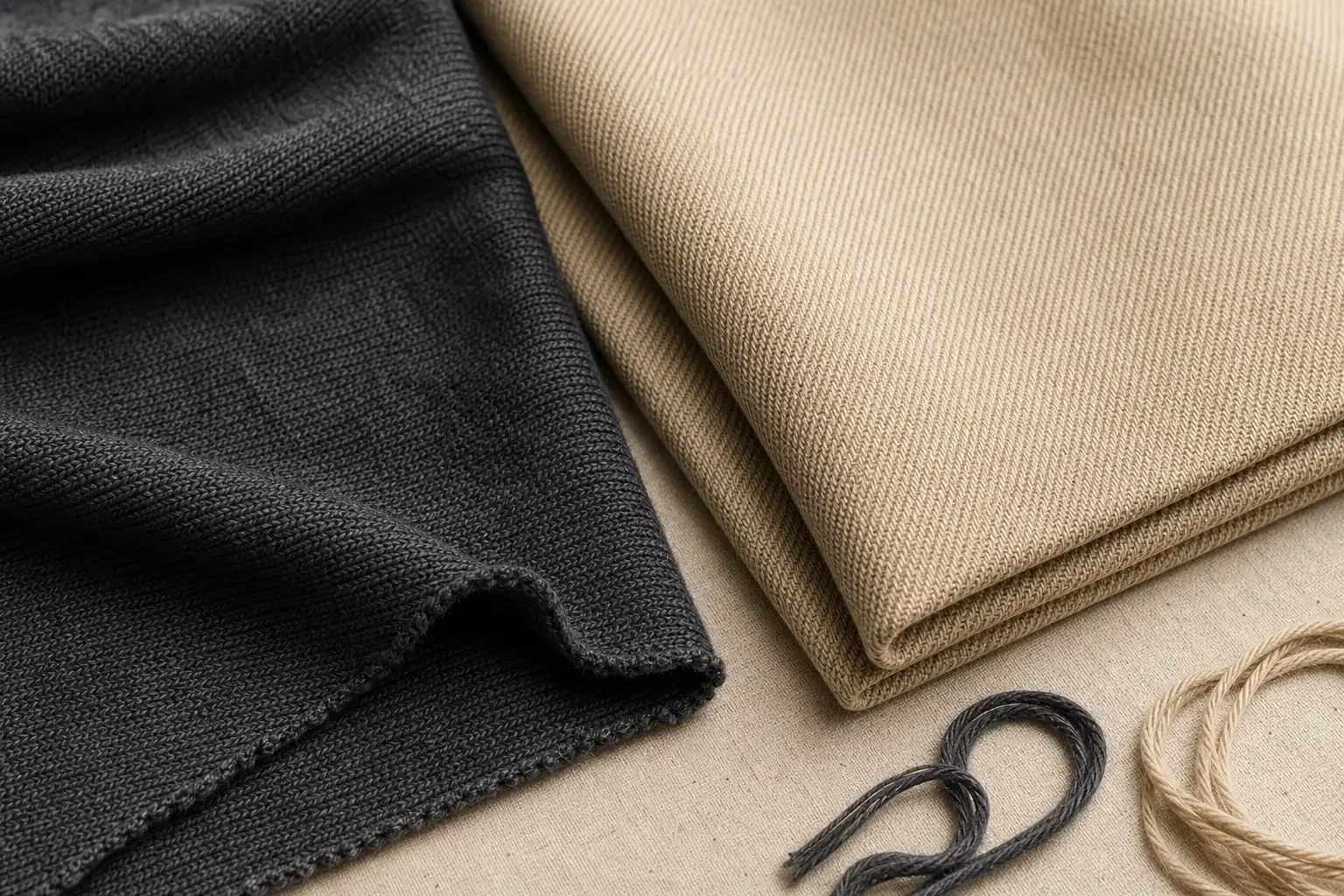
Knit vs Woven Fabric: Fit, Construction and Sampling
Knit and woven fabrics are built differently, so they stretch, drape, cut and recover differently. Compare the two structures and learn what a brand should specify before sampling.
Read guide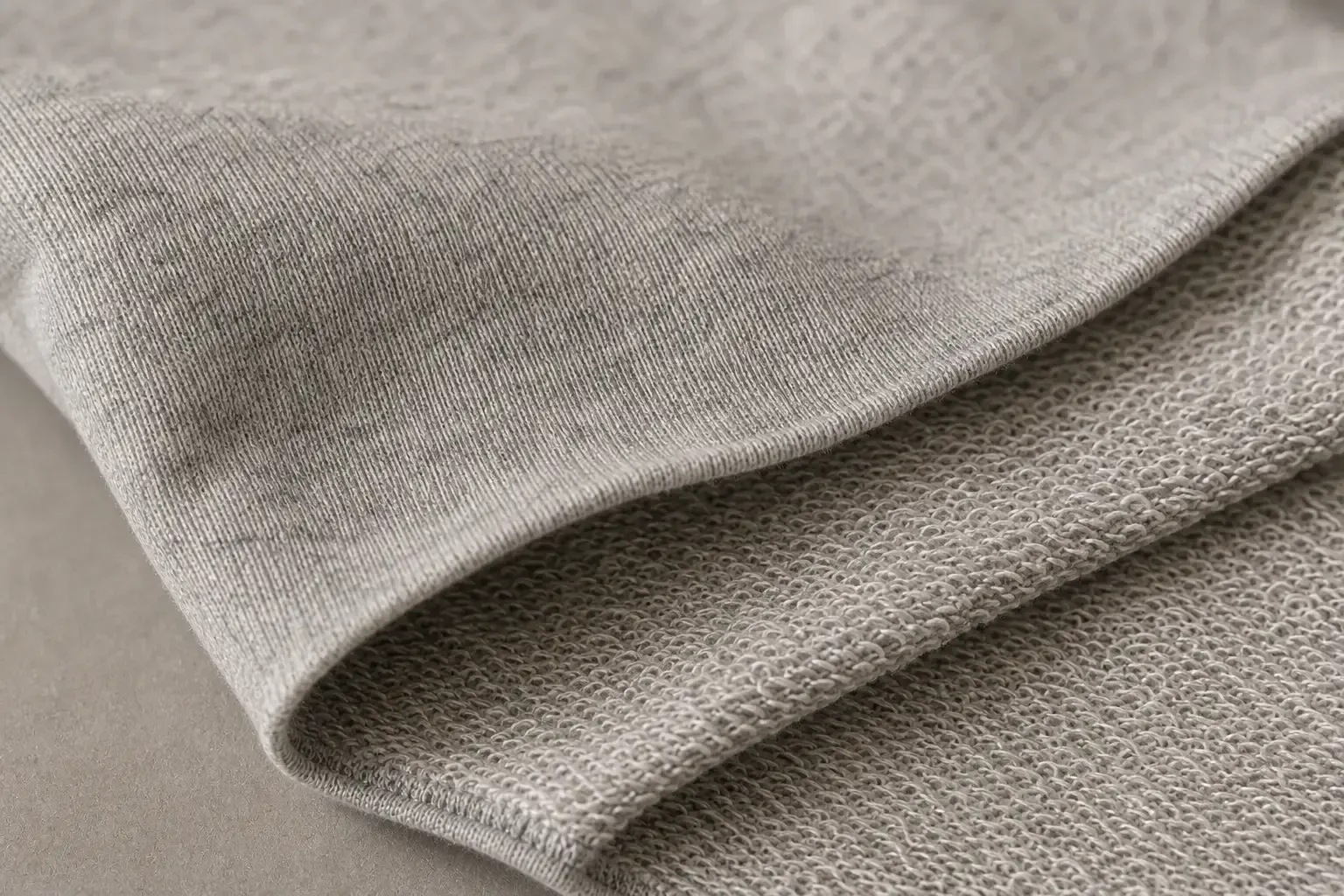
What Is French Terry Fabric? Loop-Back Structure, Snag Risk and Approval
French terry is commonly identified by an un-napped technical back with visible float loops and a jersey face. A usable approval goes beyond the name: lock the exact article, face and back, finish state, mass, defect language and physical reference.
Read guide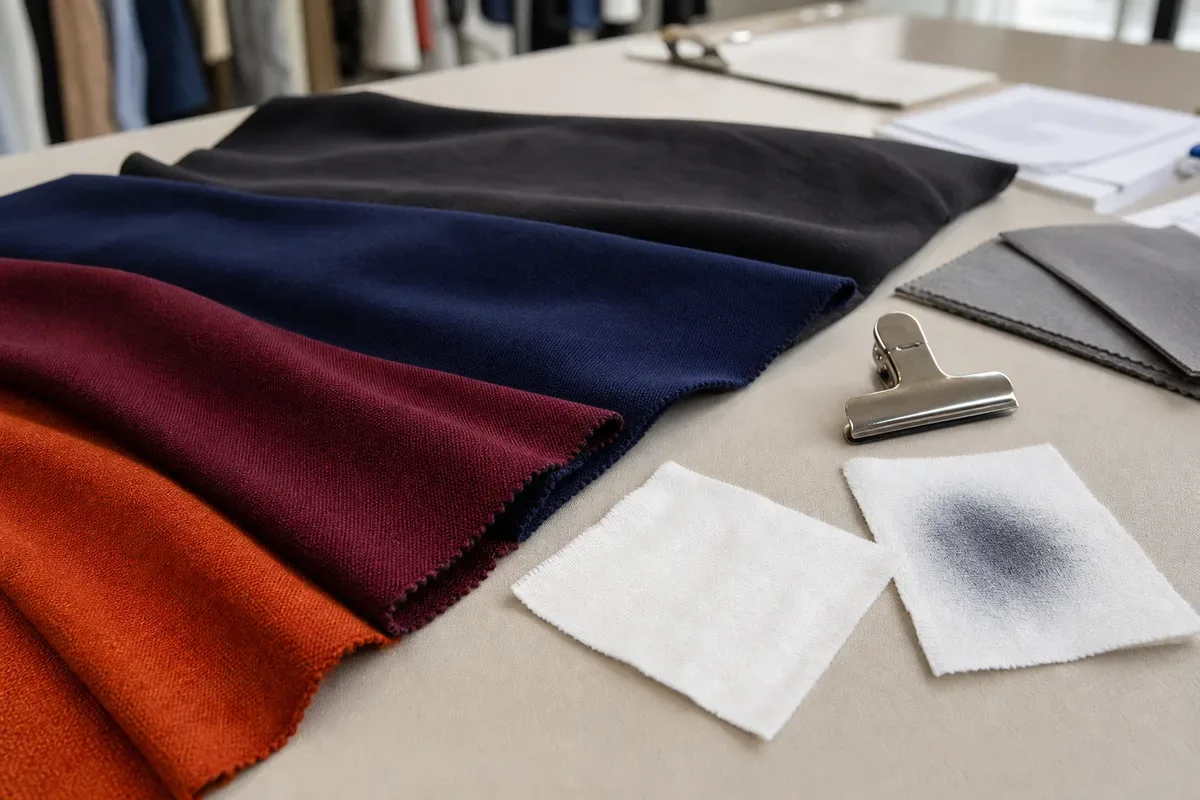
Colorfastness and Crocking Tests for Clothing Brands
Colorfastness is not one pass-or-fail score. Learn which exposure to specify, how to read color change versus staining, and what to decide before bulk production.
Read guide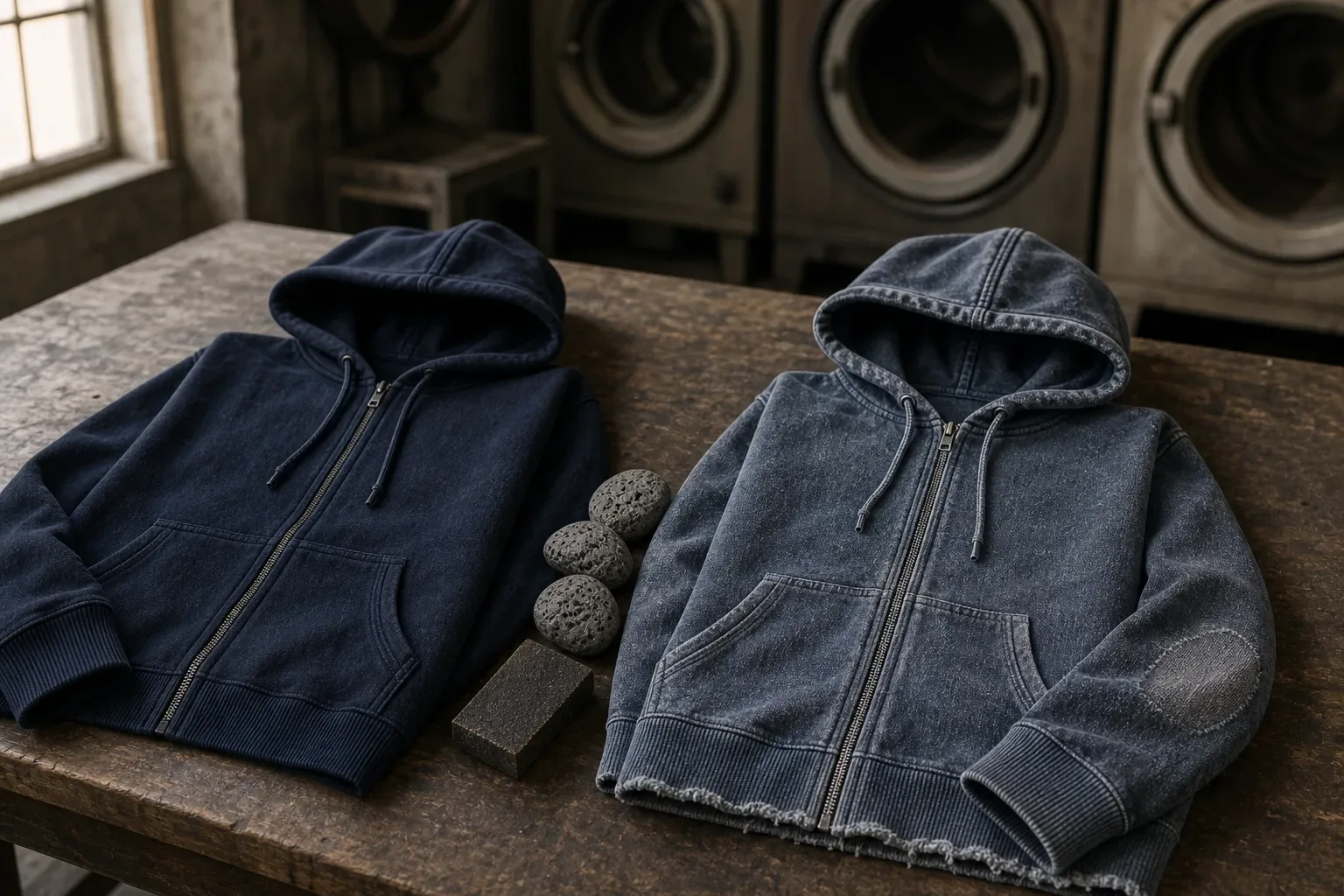
Why New Clothes Are Made to Look Old
Distressed clothing is manufactured time: what distressed actually means, how deliberate damage went from punk protest to production craft, and why brands pay a factory to age garments before anyone has worn them.
Read guide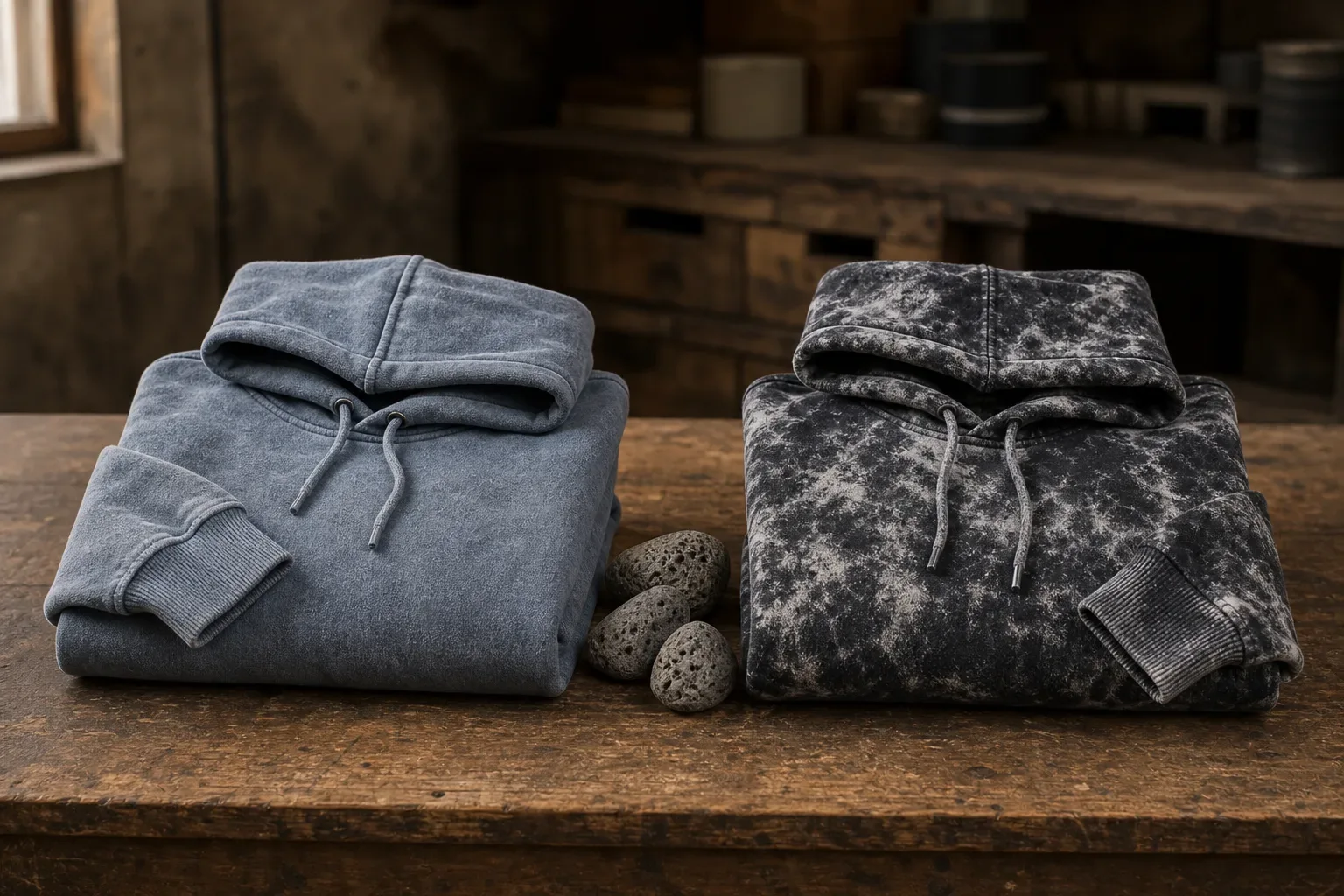
Stone Wash vs Acid Wash: What Actually Happens in the Drum
One is abrasion, the other is bleach — and neither involves acid. How the two washes differ in look, hand-feel, fabric demands and consistency, on denim and fleece alike.
Read guide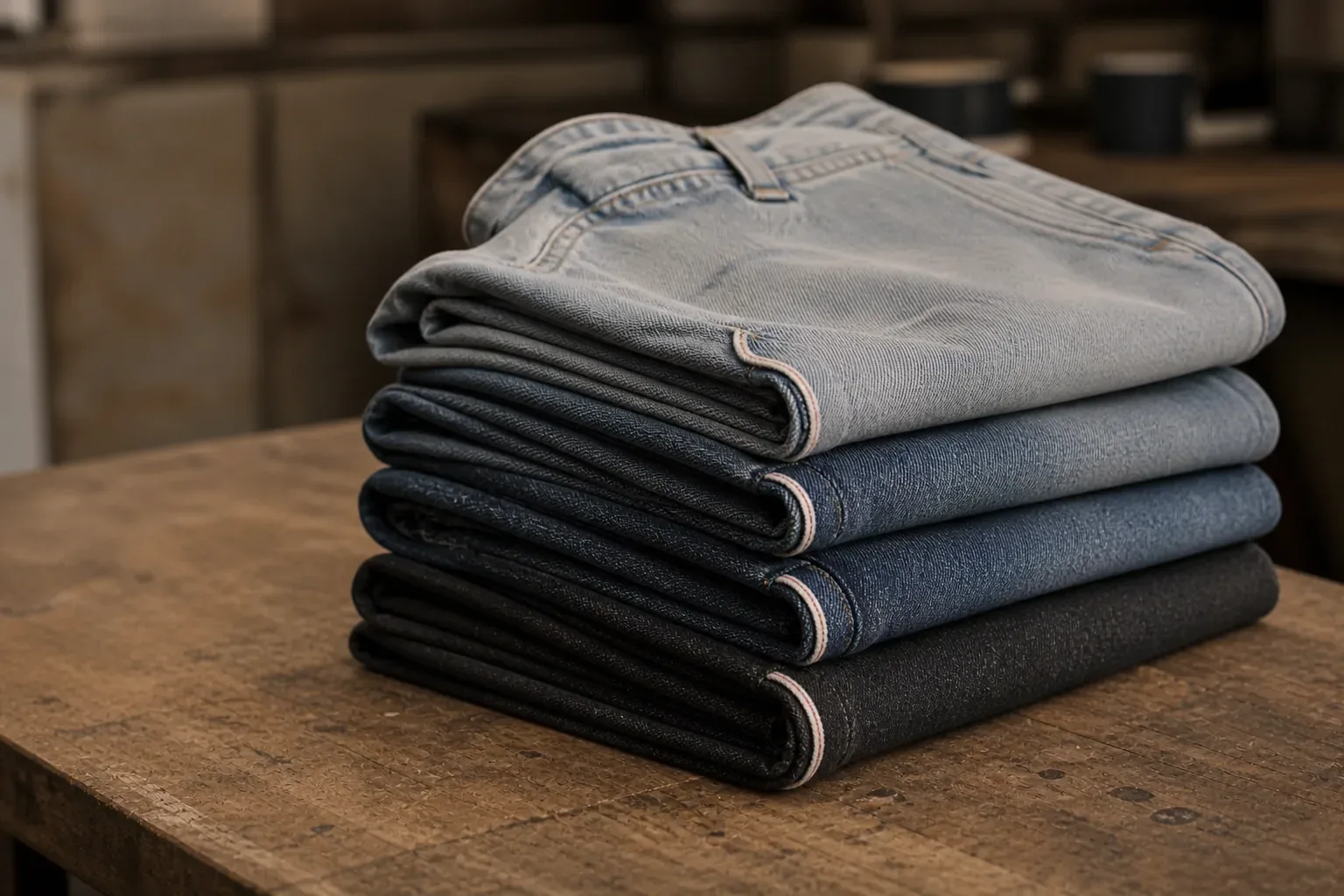
Denim Weight Explained: Oz, GSM and Choosing the Right Cloth for Your Jeans
Denim ounces measure mass per unit area. They do not by themselves prove thickness, stiffness, hand, drape, stretch, wash response or durability; learn what evidence belongs beside the number.
Read guide
Lab Dip vs Strike-Off vs PP Sample: What Each Approval Proves
A lab dip approves dyed color, a strike-off approves a print, and a PP sample approves the assembled result. Learn the sequence and limits of each.
Read guide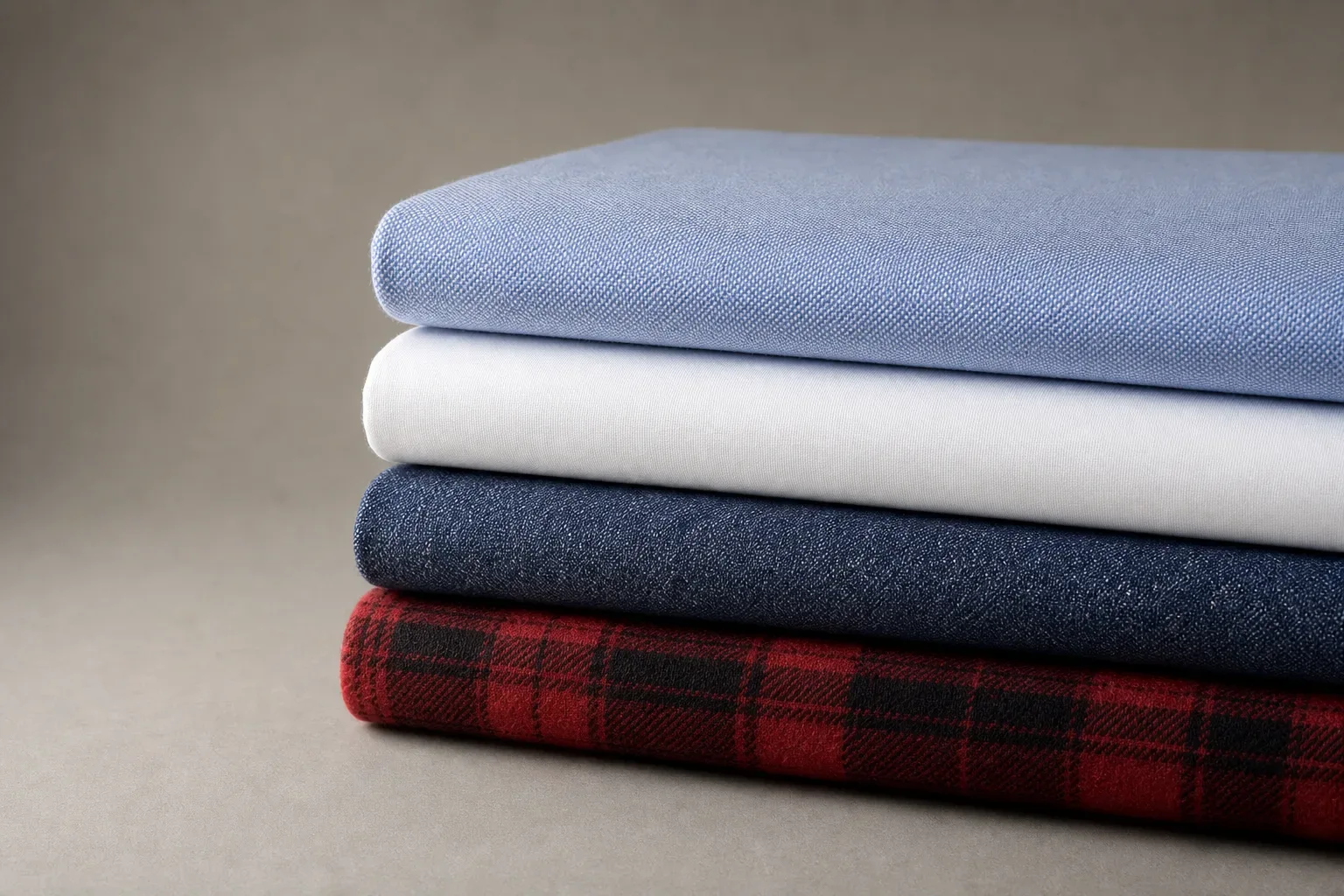
Oxford vs Poplin Shirt Fabric: How Buyers Compare Specs
Oxford and poplin are construction starting points, not fixed weight or quality grades. Compare yarn count, warp and weft density, finished GSM, thickness and same-state garment evidence before approval.
Read guide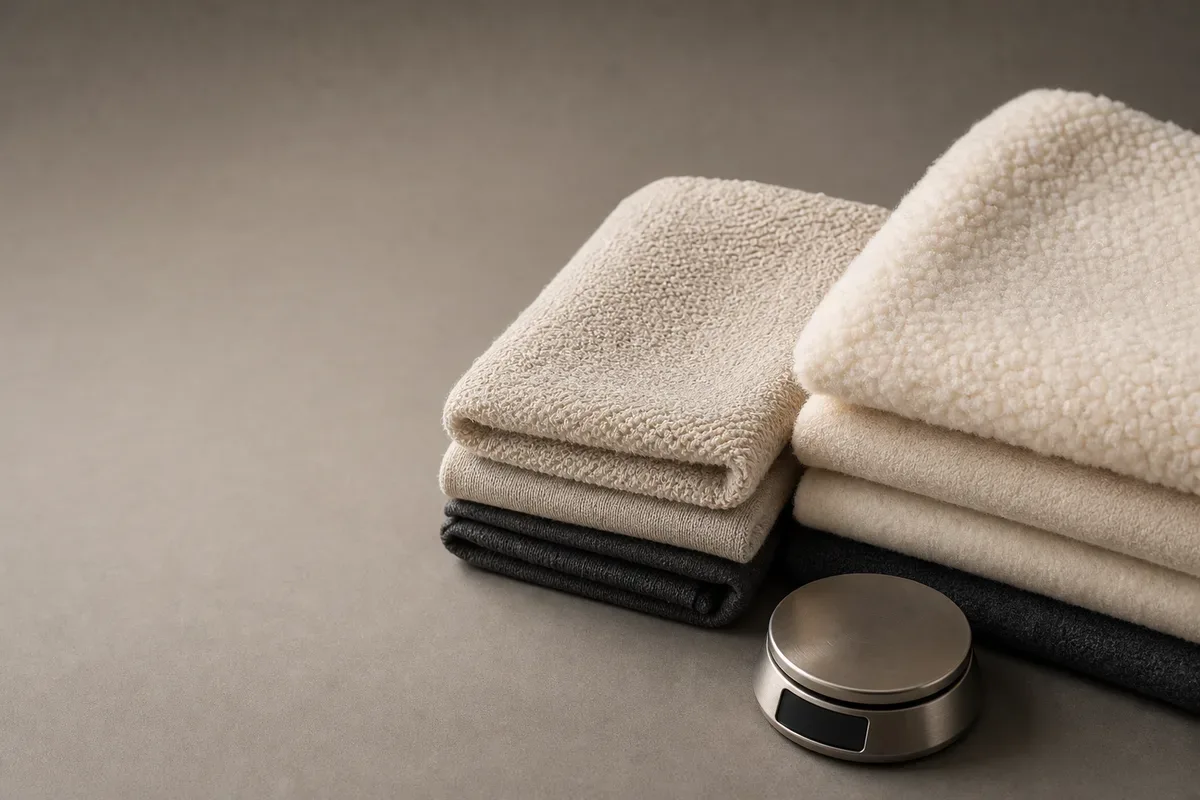
French Terry vs Brushed Fleece: Why Equal GSM Feels Different
French terry and brushed fleece can share a GSM number yet differ in loops, nap, loft, hand and garment behavior. Compare identified materials and approval states instead of treating weight as a quality grade.
Read guide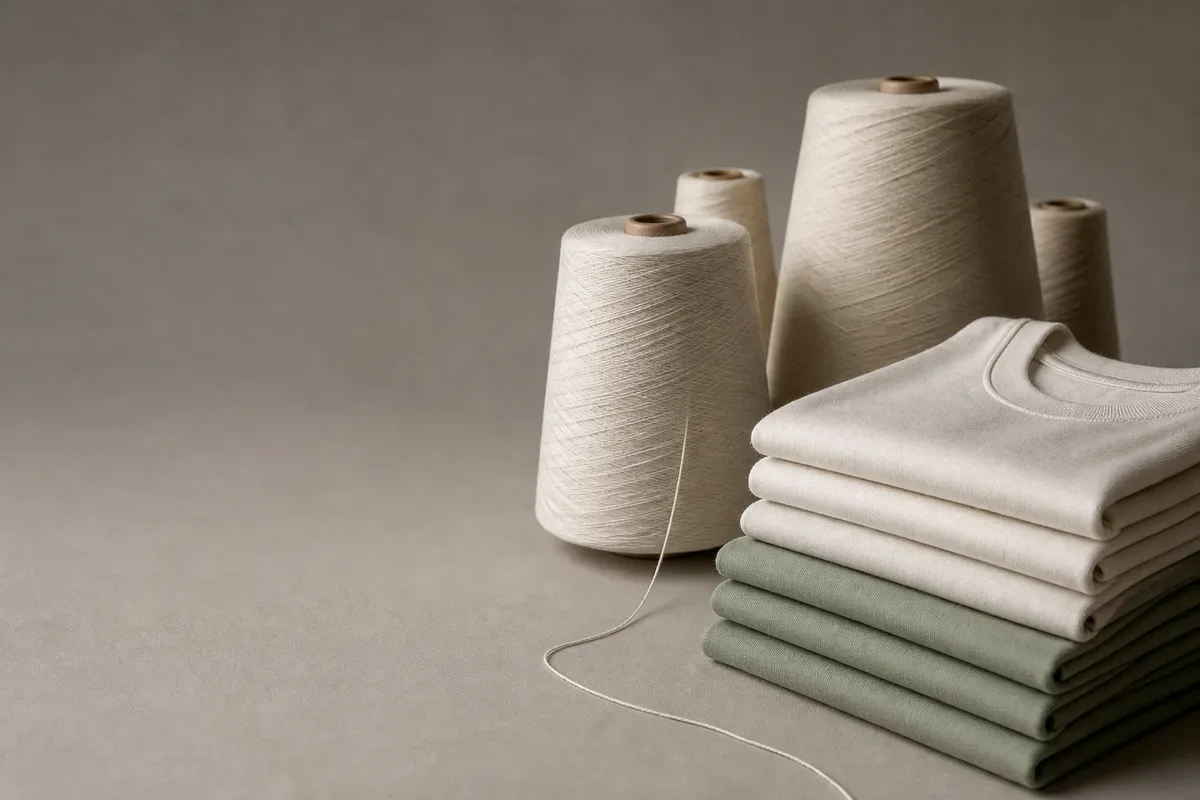
Ring-Spun vs Open-End Cotton: The Yarn Decision Hiding Inside Every T-Shirt
Ring-spun, open-end, combed and carded describe different decisions. Learn how to separate the terms, compare actual jersey and write a quote-ready yarn specification.
Read guide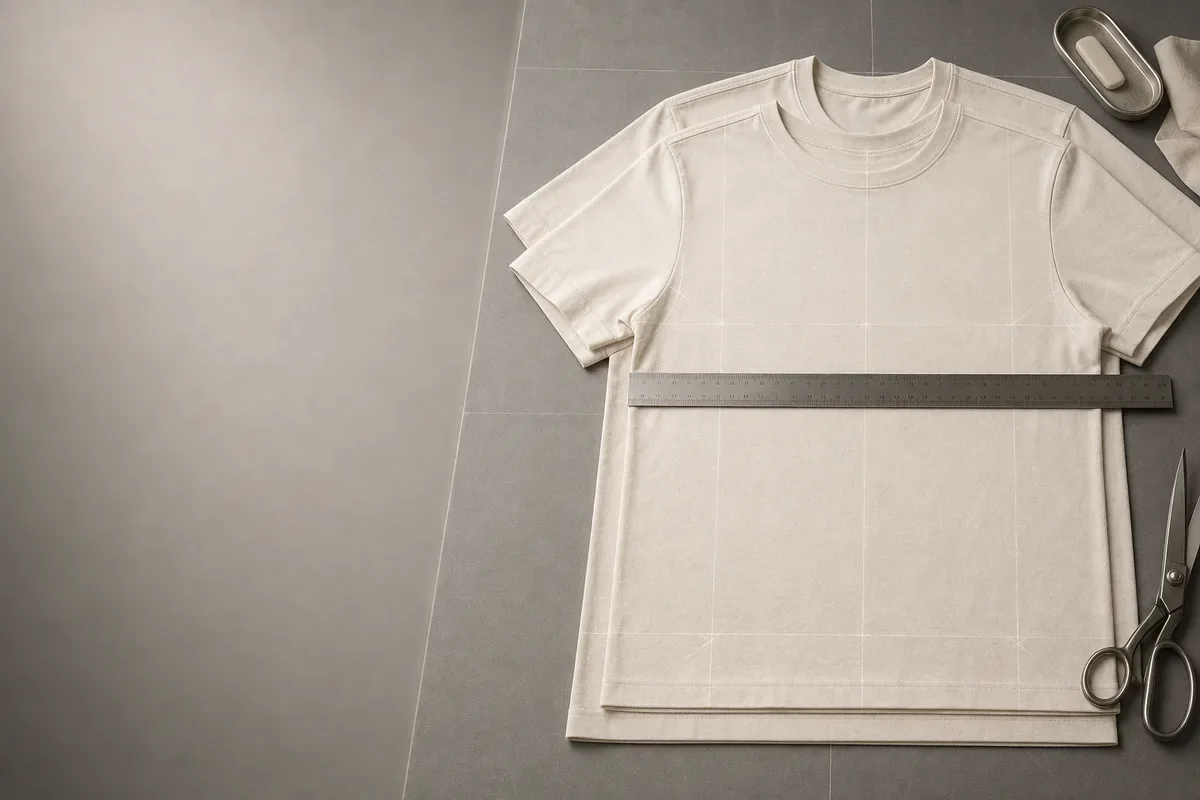
How Much Does Cotton Shrink? The Science, the Standards, and the Tolerance to Put in Your Tech Pack
Cotton shrinkage is an engineered outcome: untreated cloth may lose around 10% on its first wash, while a properly preshrunk garment can remain within a few percent. This guide explains the mechanisms, standards, and tech-pack tolerances that make the result measurable.
Read guide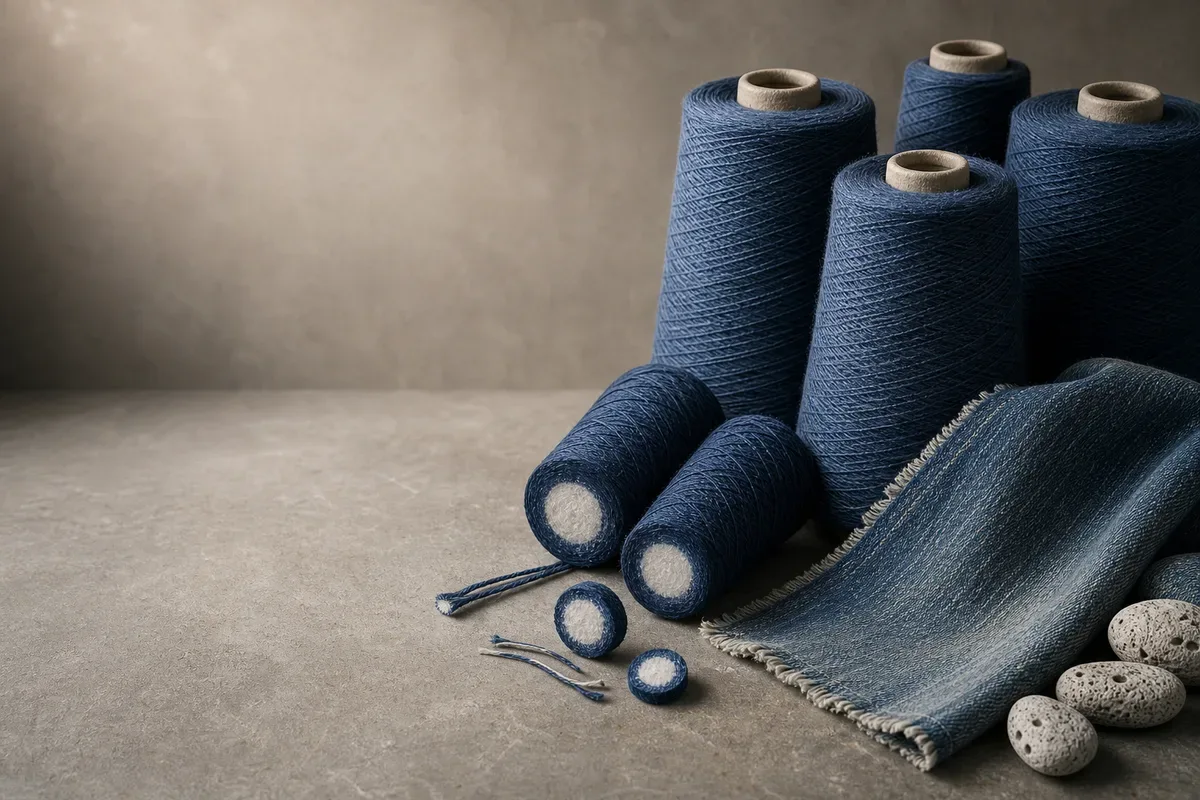
The Chemistry of Denim Washes: Why Jeans Fade, and What Each Process Actually Does
Denim fades because ring-dyed yarn holds indigo mainly at the surface, allowing controlled abrasion and oxidation to reveal the white core. This guide connects that chemistry to wash selection, consistency, cost, and the QC tests buyers should request.
Read guide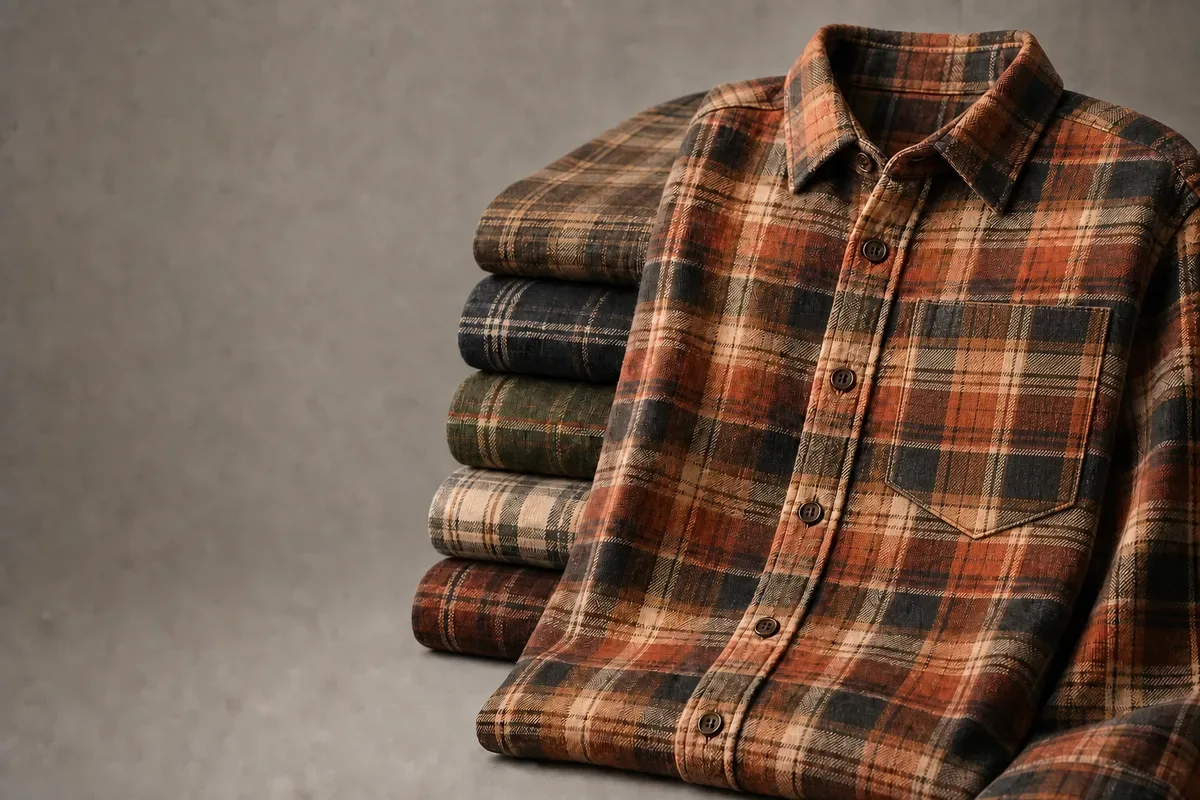
Custom Flannel and Plaid Shirt Manufacturing: Weights, Washes, Pattern Matching
Premium flannel quality shows in its seams, placket, buttons, and especially plaid alignment. This guide explains the construction choices that turn a custom shirt brief into a factory-ready specification.
Read guide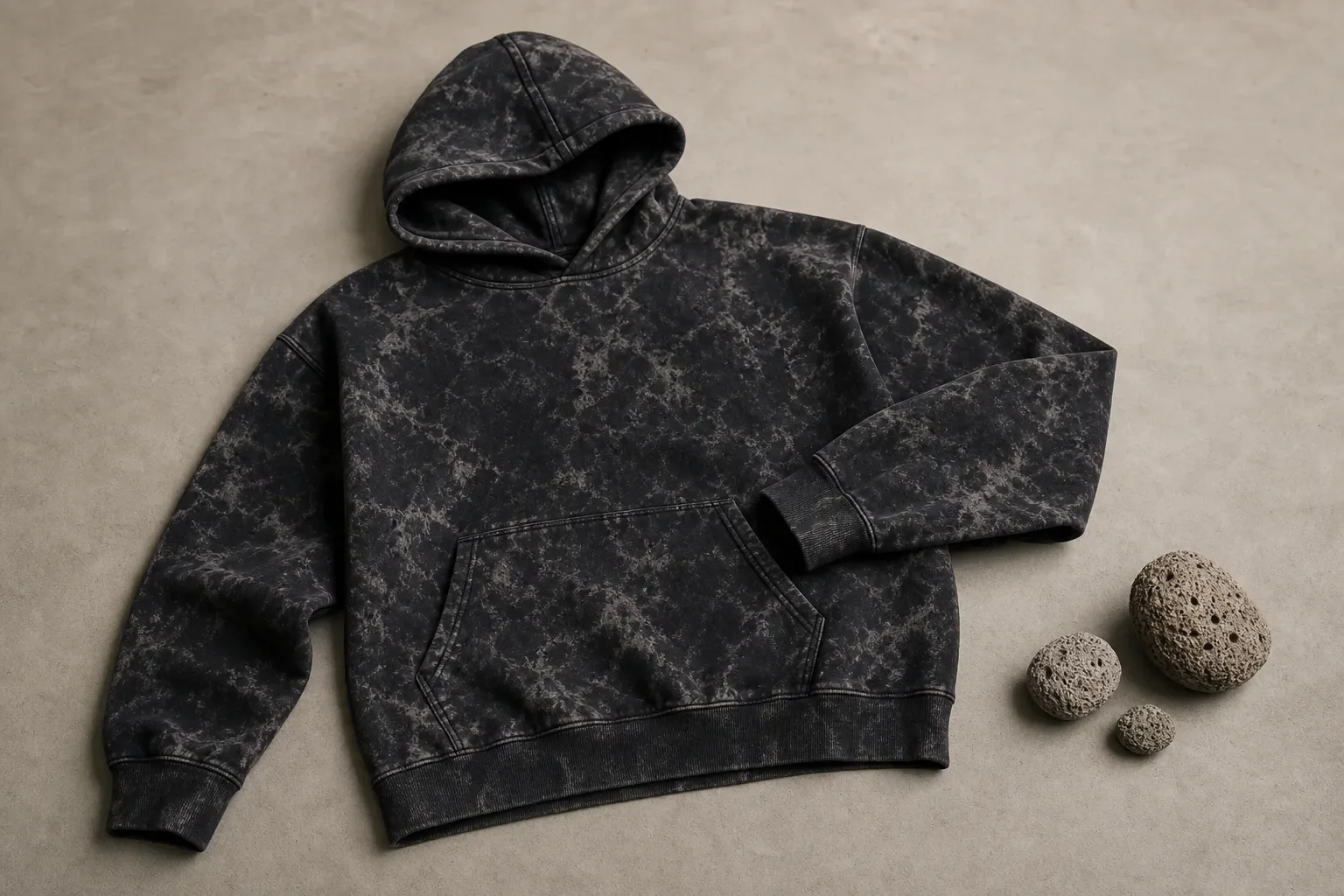
Acid Wash Beyond Denim: How the Effect Works on Hoodies and Tees
No acid involved: how the marbled effect is actually produced on fleece and jersey, why black bases win, and the four decisions that spec an acid wash correctly.
Read guide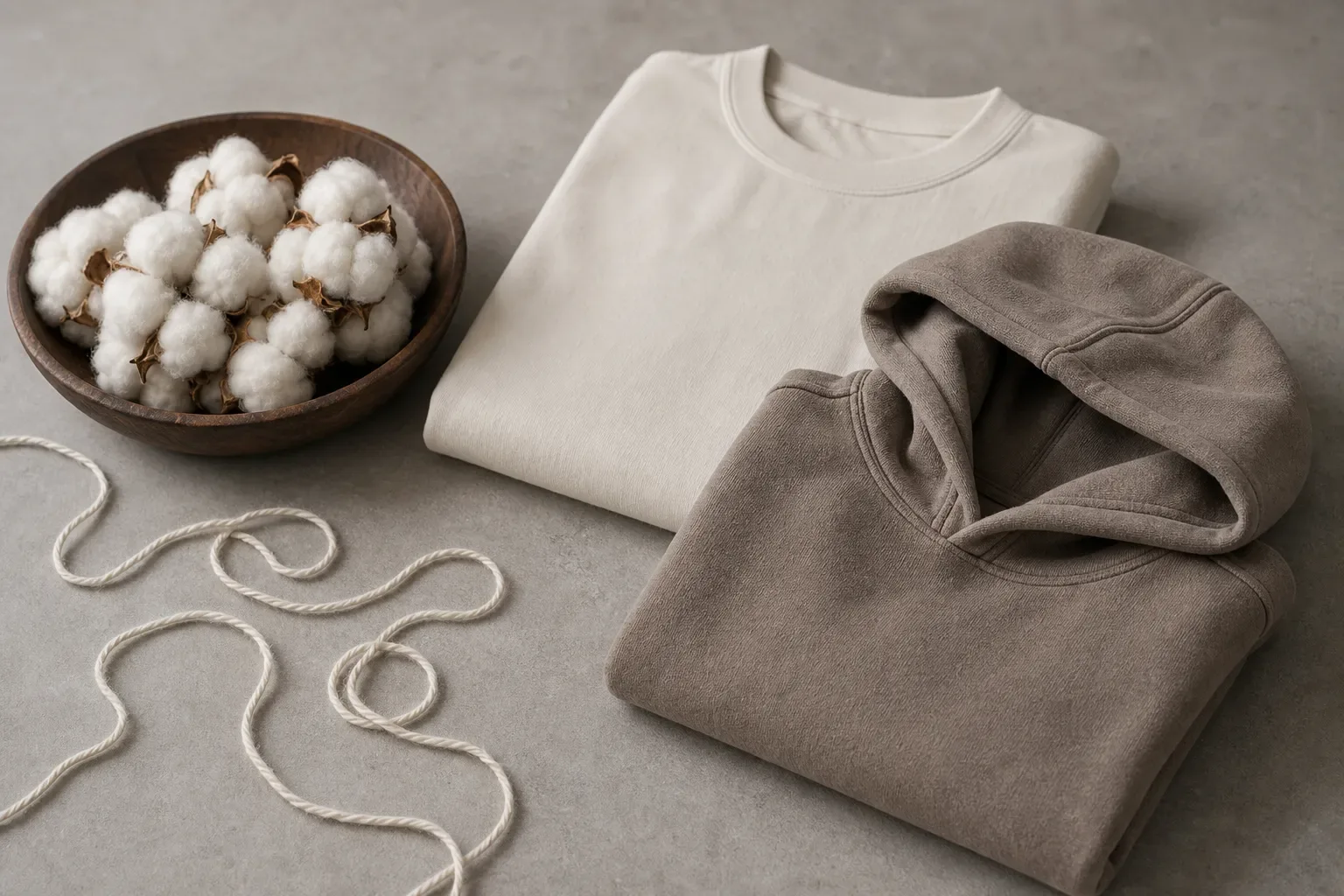
Does 100% Cotton Matter? Fiber Content Decisions for Streetwear
When 100% cotton is a technical requirement, when a blend serves the design better, and why fiber content is not a quality grade on its own.
Read guide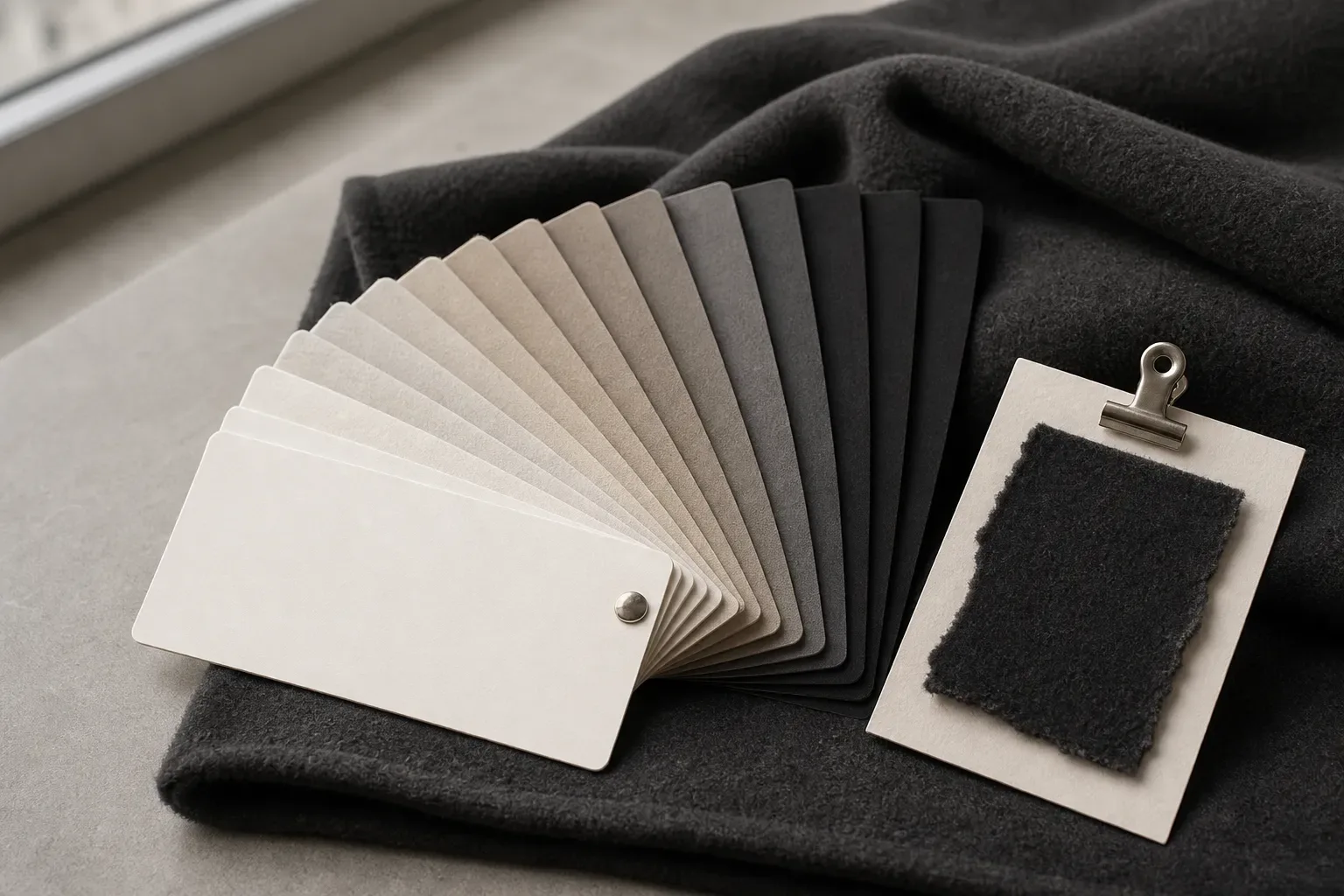
Why Your Black Isn’t My Black: How Color Actually Gets Locked in Garment Production
Screens lie and dye lots drift. How garment color really gets specified — physical references, Pantone, and a controlled sample check that locks it.
Read guide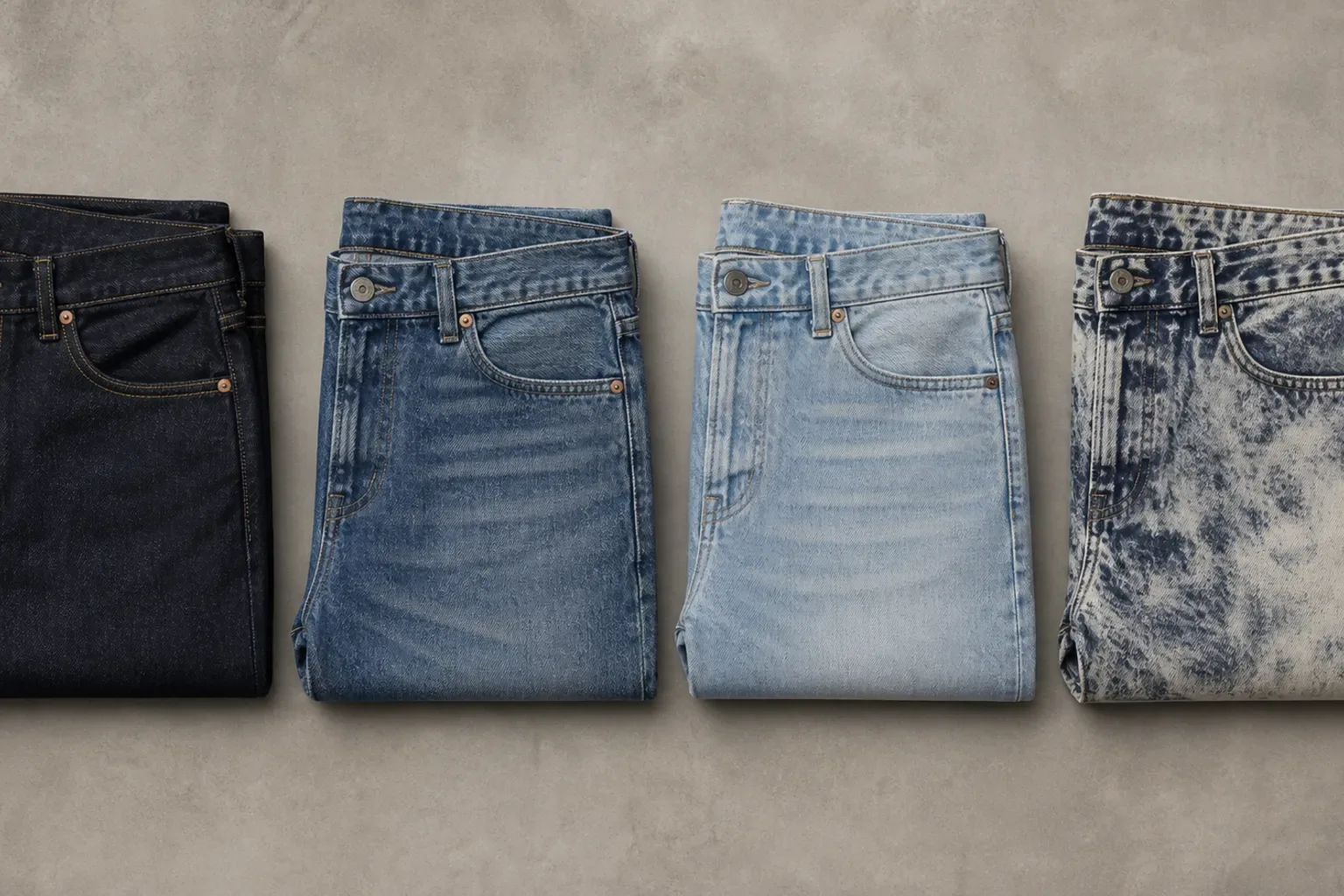
Denim Washes Explained: Stone, Enzyme, Acid and Sun-Fade — and How to Approve Them
What stone, enzyme, acid and sun-fade washes actually do to denim, why washed pieces vary by nature, and how to spec a wash so the sample lands close.
Read guide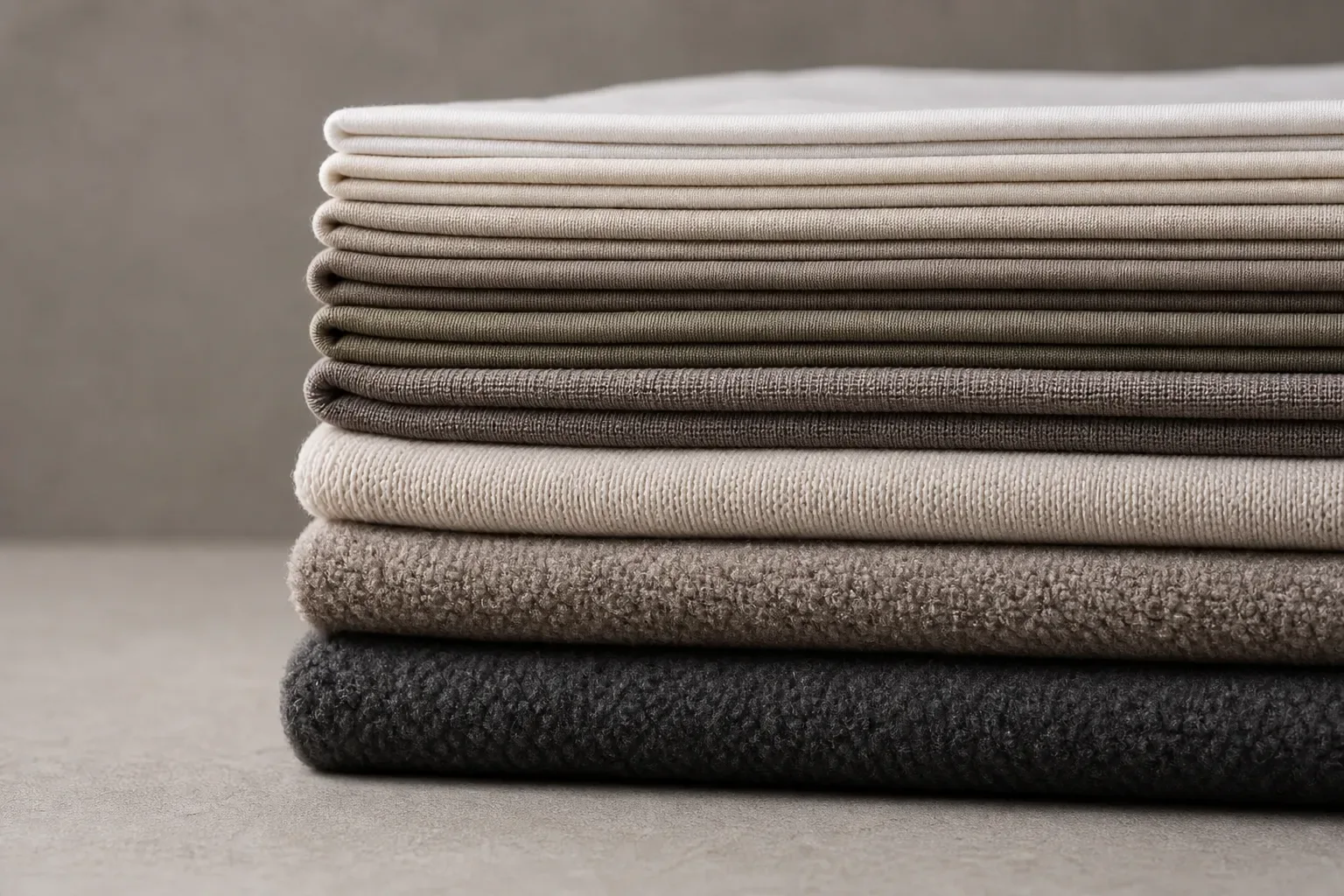
Fabric Weight (GSM) Guide for Streetwear: 180-500 GSM
GSM measures finished fabric mass per area—not thickness, quality or finished garment weight. Compare candidate fabrics fairly, estimate component mass, and approve the actual garment sample.
Read guide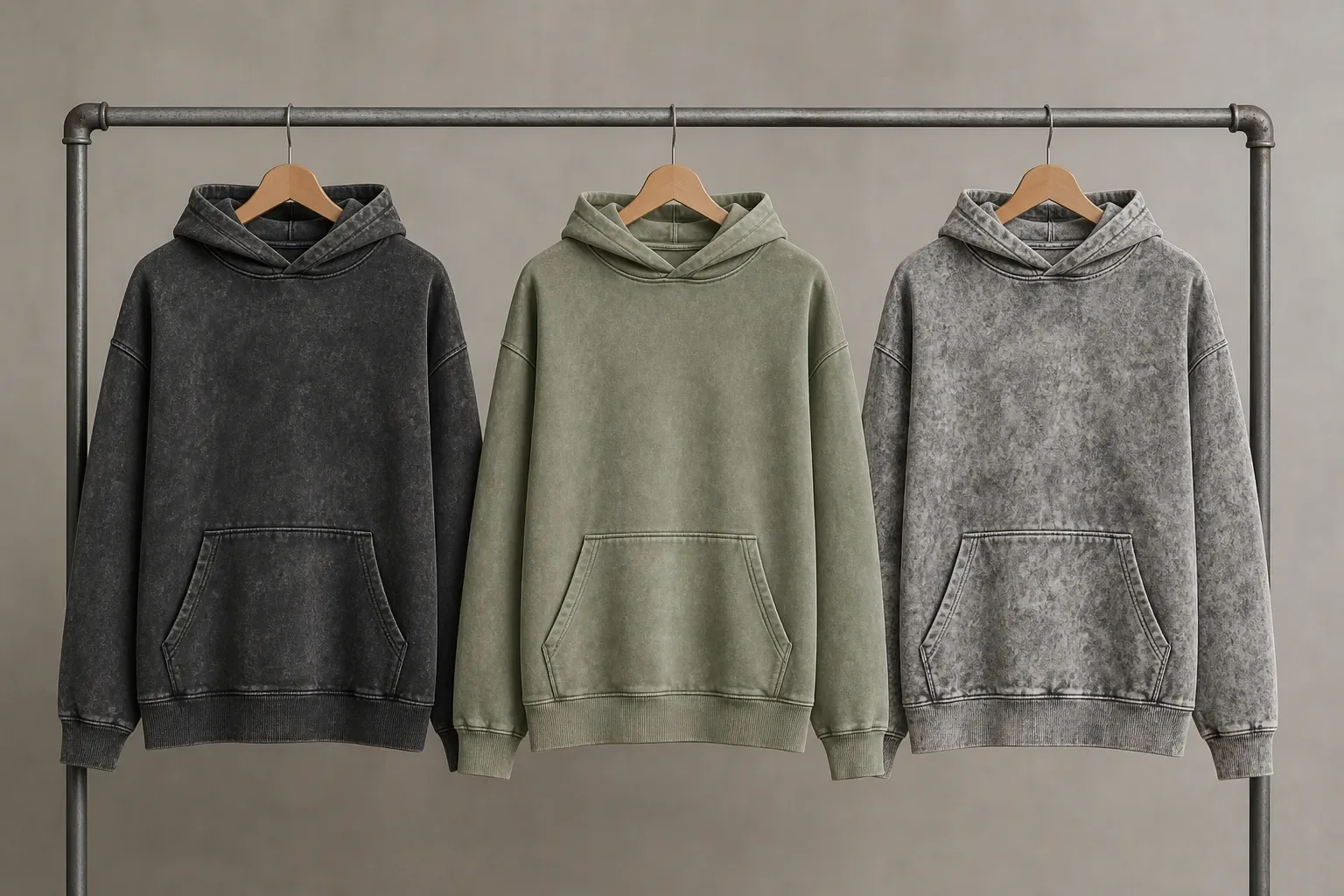
Vintage Wash vs Garment Dye vs Acid Wash: Which Finish?
A Dongguan streetwear factory compares vintage wash, garment dye, and acid wash: look, fabric needs, shrinkage, cost, and why sampling locks your tone.
Read guide